Castello di Verrazzano: Chianti Tour Guide from Siena
Plan a Castello di Verrazzano visit from Siena: tour lengths, the lunch option, booking steps, and how to reach the Greve in Chianti estate without driving.
On this page
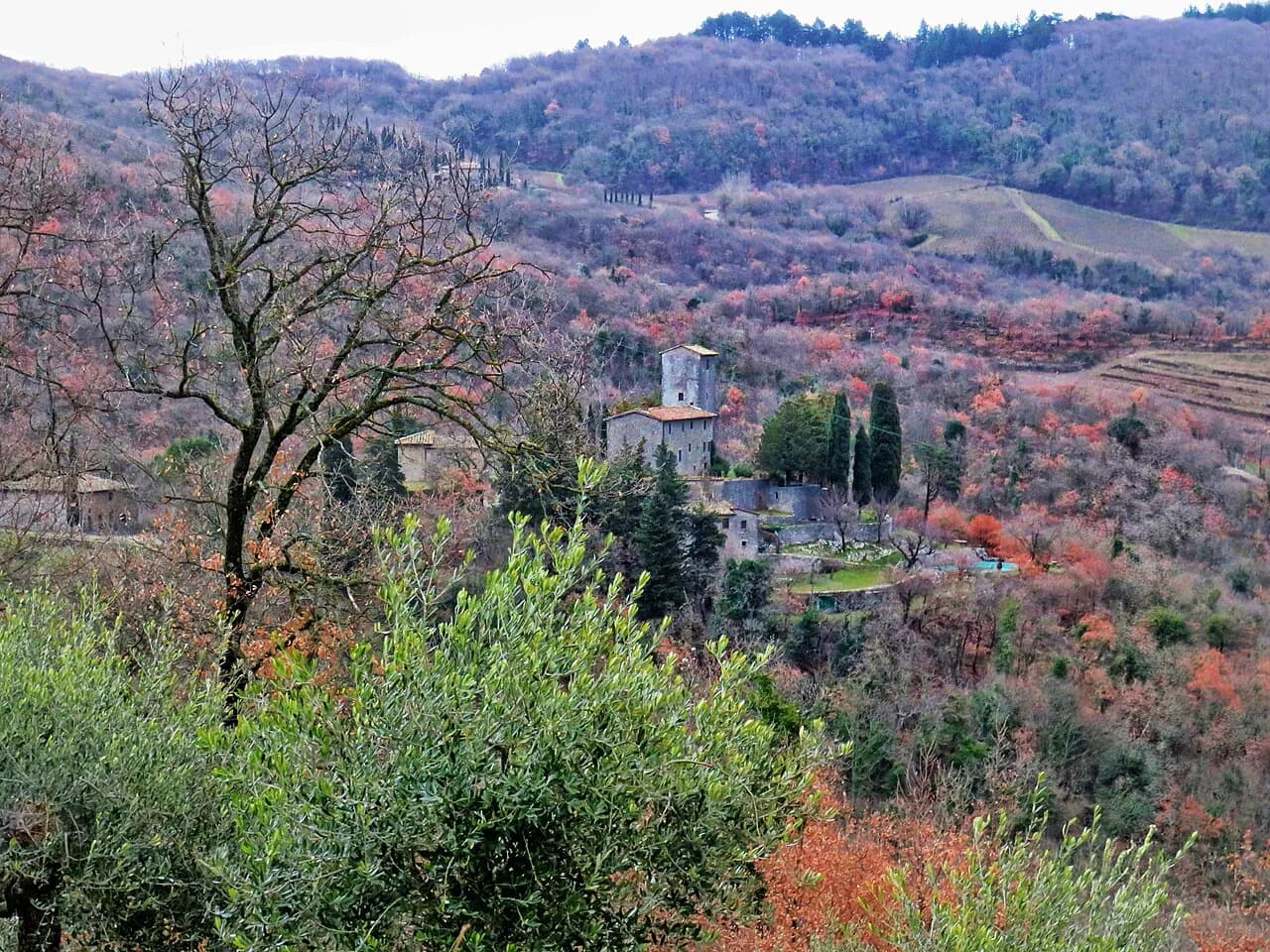
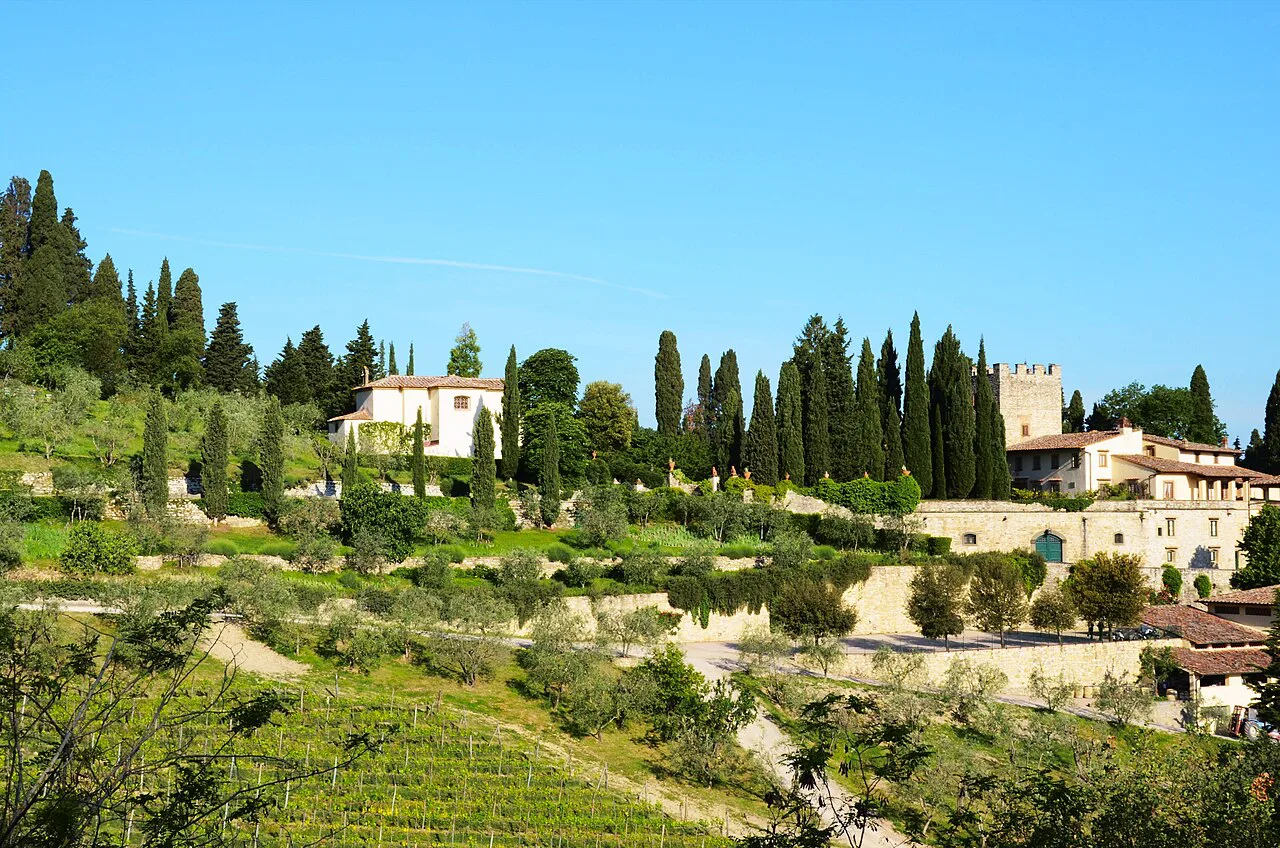
Castello di Verrazzano is one of the classic stops on a Chianti Classico day out of Siena: a hilltop estate above the hamlet of Greti, in the commune of Greve in Chianti, roughly 15 miles south of Florence. It receives visitors for guided tours and longer visits that include a meal, which makes it a natural anchor for a day in the Greve countryside rather than a quick cellar drop-in.
This guide sticks to what the estate and its published sources actually say about visiting, and keeps the planning practical: which visit format to pick, how the booking route works, how to arrive without driving, and how to build the rest of the day around Greve in Chianti. If you are still choosing a base or a broader itinerary, our guide to wine tasting in Siena sets out the wider options.
Why Verrazzano Earns a Slot on a Chianti Day
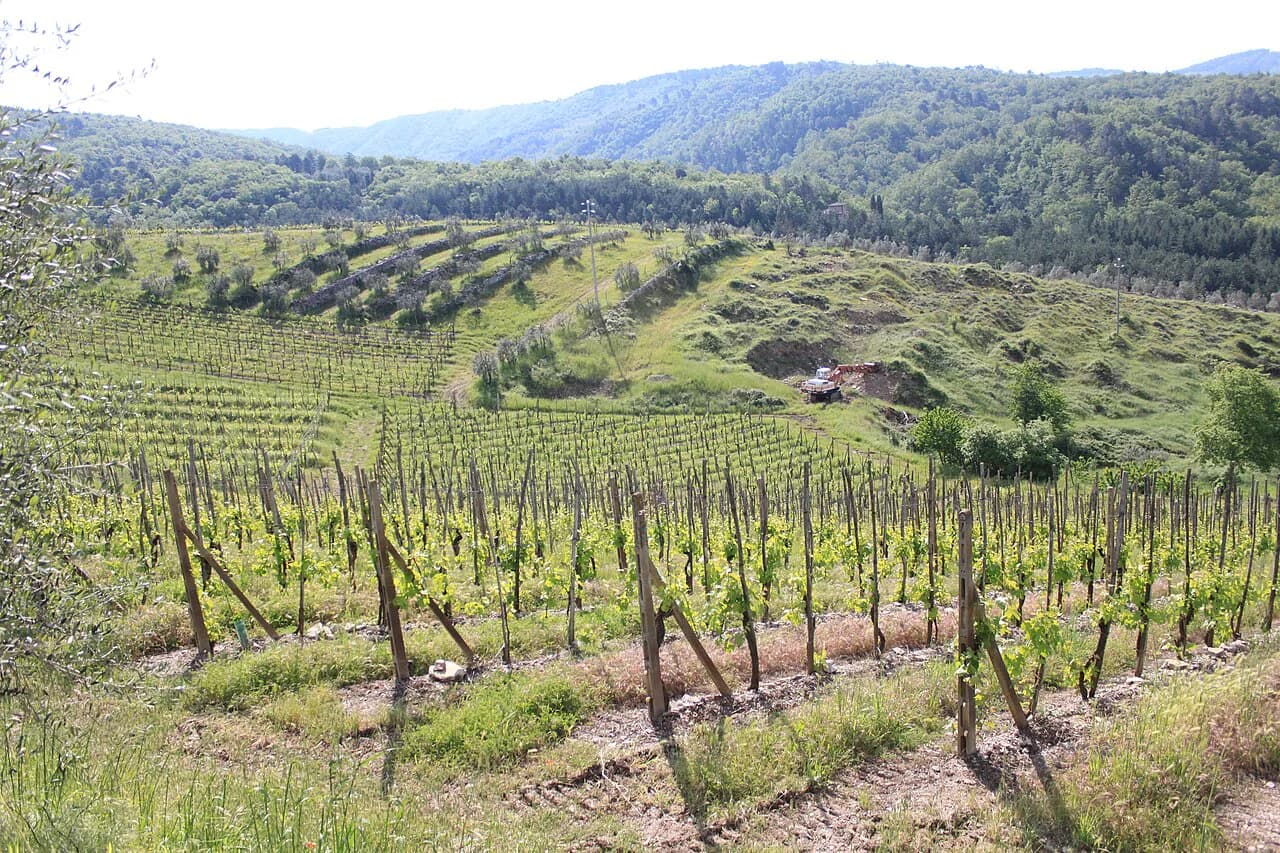
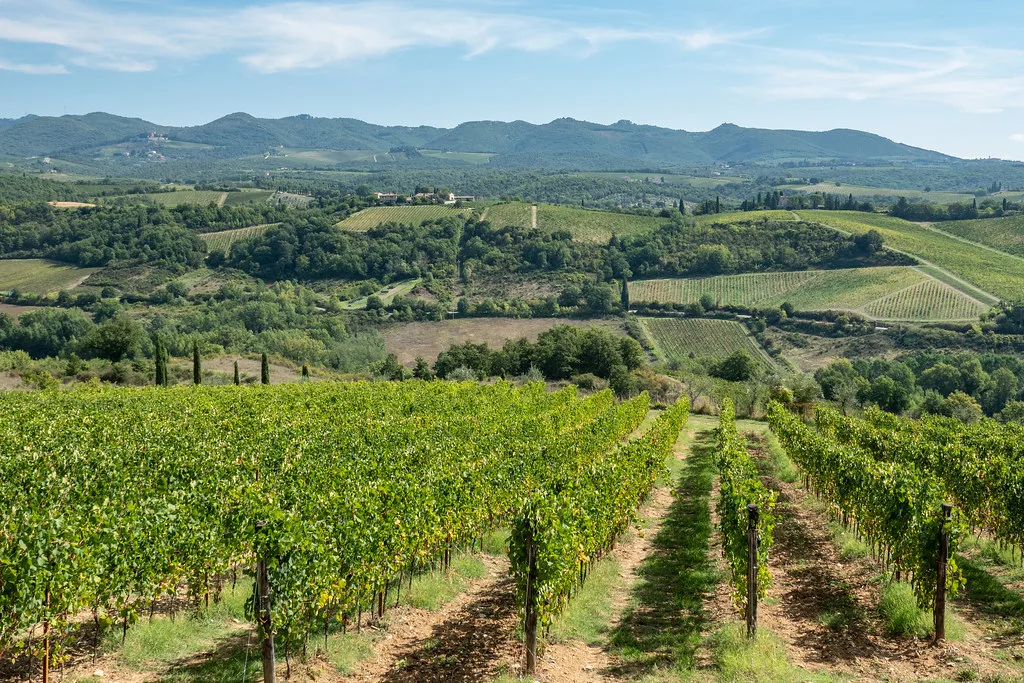
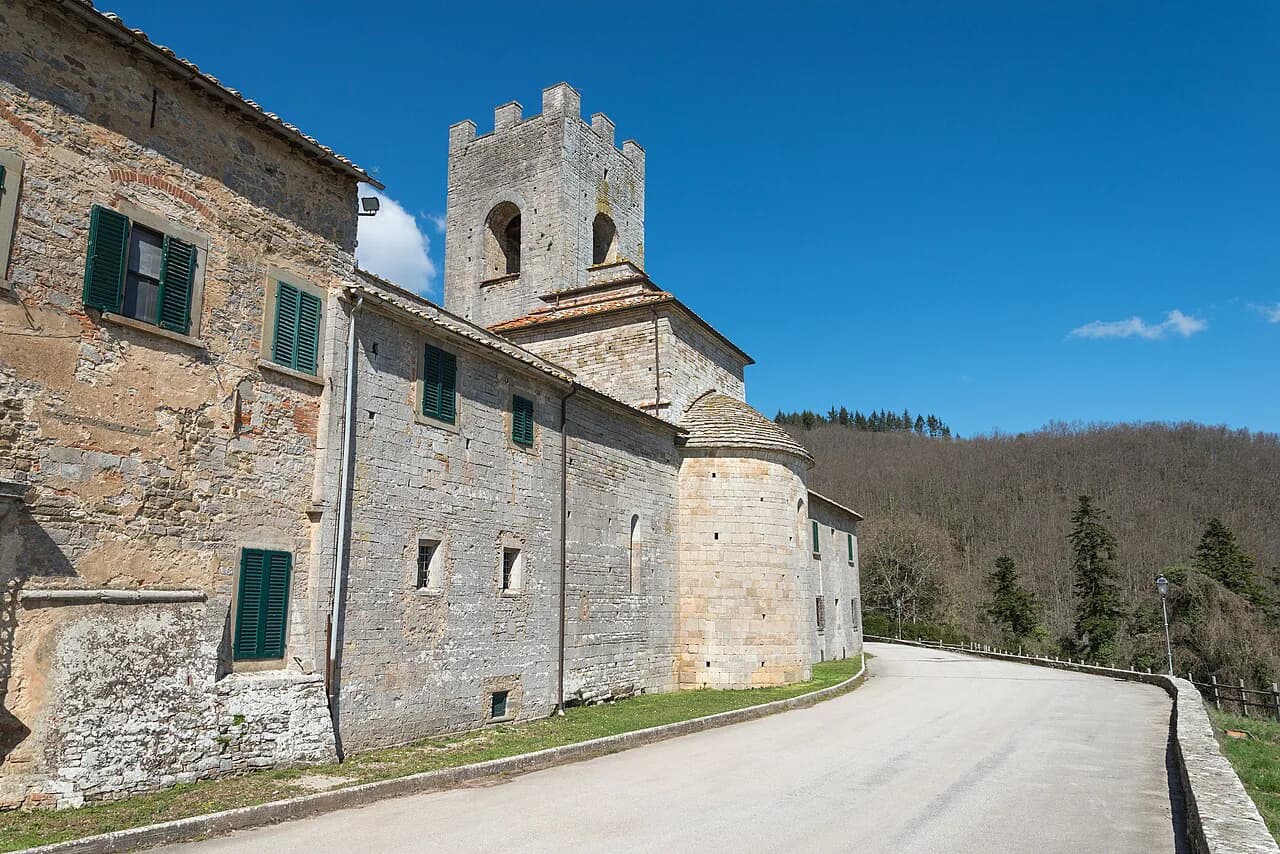
The estate occupies a hilltop site in the cooler northern part of the Chianti Classico zone, with vineyards fanning down toward the valley below and woodland wrapping the vines. Its position in the Greve area puts it within easy reach of the village of Greve in Chianti, which is where most car-free visitors will arrive first.
Beyond wine, the property produces olive oil, honey, grappa and balsamic vinegar, so a visit covers more than a single glass of red. U.S. News, which lists the estate among Tuscany's things to do, gives the address as Via Citille 32 in Greti and suggests allowing two hours to half a day, with late spring through fall the most comfortable window for the views and outdoor seating.
One honest caveat from the same review: the estate's wines can be found cheaper in local grocery shops, so buying at the castle is a souvenir and provenance decision rather than a saving. If you mainly want bottles to take home, price them in Greve first.
Chianti Classico in Brief
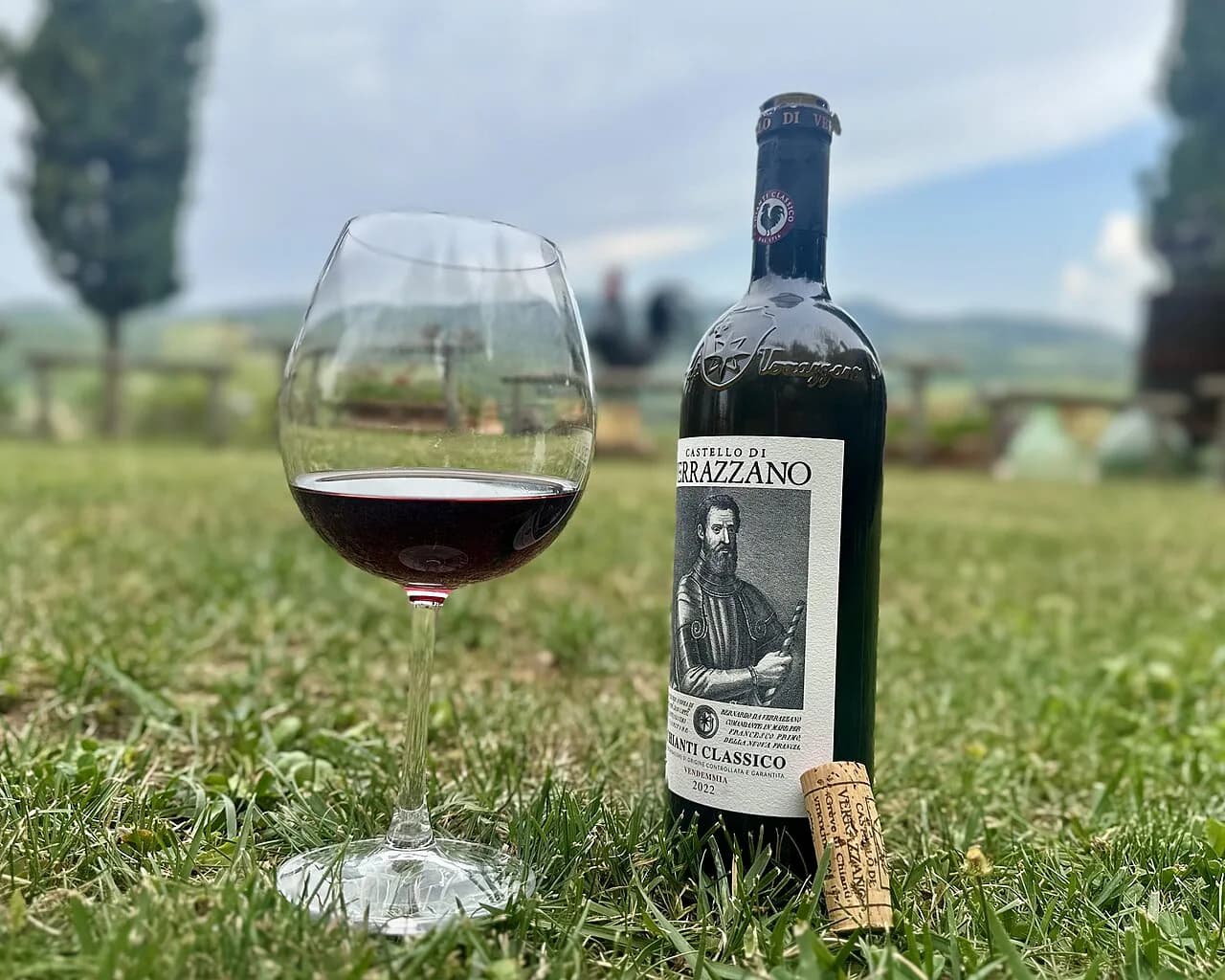
Chianti Classico is a Sangiovese-led red appellation, and Verrazzano's flagship bottling is a Chianti Classico DOCG built on 95 percent Sangiovese with a small share of Canaiolo. The estate is a founding member of the Consorzio del Chianti Classico and farms organically, certified since the 2014 vintage.
The appellation ladder runs from the standard annata through Riserva to Gran Selezione, and Verrazzano bottles across that range, including a Chianti Classico Riserva, a Sassello Gran Selezione and a Rosso di Verrazzano Toscana IGT. Knowing the tiers helps you decide what to focus on when a tasting is poured.
For character, the importer describes the Chianti Classico as showing red-fruit and floral notes with oak influence, which fits the estate's limestone soils and cooler northern position within the zone. Treat that as the producer's own framing rather than an independent assessment, and decide for yourself at the table.
What a Visit Actually Involves
Visits are guided, and the estate runs its own booking page where you choose an experience before you reserve; the same page carries an info line on +39 055 854243 for questions. That structure means you are picking a specific format in advance, not turning up and improvising at the counter.
In practice there are two shapes of visit: a guided winery tour, and a longer tour that adds a multicourse lunch with wine pairing. U.S. News reports the lunch version runs about three hours and that many visitors recommend it over the tour alone because the food justifies the extra time.
Neither the estate's booking page nor the review publishes a fixed tasting fee, the number of wines poured or a set menu, so the price and lineup depend on the experience you select. Choose your format on the booking page first, then use the info line for anything the page leaves open, such as timing on your date.
The Lunch Trade-Off
The lunch visit is the reason many travelers rate Verrazzano highly: reviewers describe learning to pair and taste wine across a multicourse meal, and the setting adds to it. If you want a slow, seated Chianti experience rather than a standing bar tasting, this is the format to book.
The caveat is dietary. Recent visitors quoted by U.S. News note the meal leans heavily on different kinds of cured meats and suggest vegetarians skip the lunch version and take the tour alone. If your party mixes meat-eaters and vegetarians, the plain tour keeps everyone at the same table without paying for courses some will not eat.
A three-hour lunch visit also shapes the rest of your day: it leaves room for one village stop afterwards, not a second full cellar tour. If you want to compare producers, put Verrazzano in the morning and keep the afternoon light, or save the lunch for a day when the estate is the whole plan. For a like-for-like comparison of a second Sangiovese-led cellar lunch in the province, see the Montepulciano wine guide.
Booking Essentials
Reserve through the estate's online booking page, which is the documented route for securing a guided visit; the phone info line is there for questions the page does not answer. Walk-ins are a poor bet for a sit-down, guided format, since the experience has to be allocated to a time slot and a party size.
When you book, have the practical details ready: how many are in your party, whether anyone needs a meat-free meal, and whether you need an arrival buffer because of the drive or a taxi pickup. Confirming current tour times and menu directly with the estate before you travel is worthwhile, particularly if your visit falls in winter when the format shifts indoors.
The estate answers questions by phone and email through the contacts listed on its site, and its address for navigation is Via Castello di Verrazzano 1, Località Greti, 50022 Greve in Chianti. Save that address for your driver, because a hilltop estate is not always easy to describe in words at the bottom of the road.
Getting There Without a Car
The car-free route runs through Greve in Chianti: take a bus from Florence or Siena to the town, then finish with a taxi or a climb on foot to the estate. Bus services and timetables change by season, so treat the current timetable as the planning document rather than a remembered schedule, and check the last return bus before you commit to a late lunch.
The last mile is the part people underestimate. U.S. News notes the access road to Verrazzano is narrow and winding, which matters if you are walking, cycling or being dropped off, and it is the reason a taxi for the final stretch is often worth arranging in Greve rather than pushing on from the bus stop.
If you are based in Siena, the logistics are simpler by tour: an organized Chianti day handles the transfer, the booking and the return, which frees everyone in the group to taste. Our Siena wine tours comparison sets out how those days are structured and where Verrazzano fits alongside other Greve-area stops.
Independent Trip or Guided Chianti Tour
Going independently gives you control: you pick the date, choose the tour-only or lunch format, and add a walk around Greve in Chianti on your own clock. The cost of that flexibility is the last-mile problem, since you still need a bus plus a taxi or a climb, and the narrower the access road, the less appealing a long walk after a meal becomes.
A guided tour that includes Verrazzano trades some flexibility for a fixed, paid-up plan with transport built in, which is usually the better trade for a group where one person would otherwise drive. If you are comparing other cellars for the same day, our list of wineries in Siena covers estates that open to visitors in the wider province.
Wherever you taste, someone has to stay sober for the road: use the spittoons, nominate a designated driver who does not drink, or book a tour or public transport so no one is behind the wheel after a tasting.
Pairing Verrazzano with the Rest of Greve
Greve in Chianti is built around its market square, which makes it the natural place to land before or after a visit; butchers and food shops around the piazza are where you assemble a picnic if the estate's lunch is not on your plan. It is also where you can pick up the estate's wines, often at lower prices than on site, per the review's observation about local grocery shops.
If a reservation at Verrazzano does not work out, Greve still supports a full day of tasting: other Chianti Classico cellars in the area receive visitors, and the town's food shops provide a no-tour alternative built around local produce and a glass in town. Build the day around the village rather than a single booking and you have a fallback.
Travelers extending the trip toward Florence can also pair a Greve day with a modern cellar visit elsewhere in the appellation, such as Antinori nel Chianti Classico near San Casciano in Val di Pesa, which sits on a different axis of the zone. That route is covered in our Antinori nel Chianti Classico visit guide if you want two contrasting estates across the trip.
Season and Time of Day
Late spring through fall is the comfortable window at Verrazzano, when the weather is warm enough to enjoy the views and outdoor seating; winter visits move largely indoors, and rain leaves the grounds muddy. The review warns that the property gets surprisingly cold in winter, so pack accordingly if you are traveling outside the main season.
Harvest at the estate runs from late September into mid-October, when grapes are picked by hand, so early autumn visits coincide with the busiest period in the vineyards. Book earlier for that window and expect the countryside, not just the cellar, to be in motion.
For timing within the day, a morning tour followed by lunch in Greve suits travelers who need to catch an afternoon bus back to Siena or Florence, while the full lunch visit works best when the estate is your only booking. Either way, ask at booking which start times are available on your date.
Who This Visit Suits, and When to Choose Another Cellar
Verrazzano suits travelers who want a guided, story-rich visit with a historic hilltop setting and the option of a long seated meal, and who are happy to book ahead and arrange the last mile from Greve. It is a strong choice for a couple or a small group making Chianti Classico the centerpiece of a day from Siena.
Choose a different cellar if you want a walk-in bar tasting, a strictly vegetarian menu, or a quick stop squeezed between three other estates. In those cases, keep the day in Greve itself or look at cellars closer to Siena, and use the town's food shops and a Siena wine bar for the relaxed end of the evening instead.
Plan Your Visit
Choose the format before the transport: decide between the guided tour and the longer lunch visit, reserve through the estate's booking page, and raise dietary and timing questions on the info line. Then arrange the bus into Greve in Chianti and a taxi or walk for the final climb, leaving a buffer for the narrow, winding access road.
Keep the estate's phone number and address handy, check tour times for your date before traveling, and leave the rest of the day loose enough for the market square and one more stop. For a broader Chianti itinerary from the city, start with our Siena wine tasting guide and build outward from there.
Frequently Asked Questions
How long is the Castello di Verrazzano tour?
The guided winery tour is the shorter format, and the version that includes a multicourse lunch runs about three hours according to U.S. News. Neither the estate's booking page nor the review publishes a fixed duration for the tour-only option, so confirm the timing for your date when you reserve.
Is the lunch tour at Castello di Verrazzano worth it?
Reviewers rate the food pairing as the reason to choose the lunch version over the tour alone, and the setting adds to the meal. The trade-off is that the menu leans heavily on cured meats, so vegetarians are often better served by the tour-only format.
How do you book a tasting at Castello di Verrazzano?
Use the estate's online booking page, where you select your experience before reserving, and call the info line on +39 055 854243 for anything the page does not answer. Have your party size and any dietary needs ready when you book.
Can you visit Castello di Verrazzano without a car?
Yes, with a last-mile plan. Take a bus from Florence or Siena to Greve in Chianti, then a taxi or a climb on foot to the estate. The access road is narrow and winding, so many visitors arrange a taxi in Greve for the final stretch and check the last return bus before booking a late lunch.
What wines are poured at Castello di Verrazzano?
The estate's range is Sangiovese-led, including Chianti Classico DOCG, Chianti Classico Riserva DOCG, a Sassello Gran Selezione and a Rosso di Verrazzano Toscana IGT. The exact lineup depends on the experience you book, so ask which wines are included when you reserve.
Is Castello di Verrazzano near Greve in Chianti or Florence?
Both, in a sense. The estate sits in the commune of Greve in Chianti, above the hamlet of Greti, about 15 miles south of Florence. Greve is the practical base for the last mile, while Siena and Florence are the usual arrival points for a day trip.
Are walk-ins possible at Castello di Verrazzano?
The documented route is the online booking page plus the phone info line, and the visit is a guided format allocated to a time slot and party size. Relying on turning up without a reservation is risky for a sit-down tasting, so reserve in advance.
What is the best time of year to visit Castello di Verrazzano?
Late spring through fall gives the best weather for the views and outdoor seating. Winter visits move mostly indoors and the grounds can be muddy, while harvest from late September into mid-October is the busiest period in the vineyards.
Sources
Notes for your next wine trip
Optional updates to our winery and wine-town guides.
You might also like
Continue reading
More guides you'll find useful