Gavalas Winery Santorini: Tasting, Booking, Getting There
Gavalas Winery sits in Megalochori, Santorini. Here is what a visit involves, how to book, and how to reach the village without driving.
On this page
Gavalas Winery is a family operation in Megalochori, a village in the island's southwest interior rather than on the caldera rim. That position matters when you plan a day: Megalochori sits between the busy caldera towns and the southern beaches, which makes it an easy middle stop rather than a detour. The winery describes five generations of winemaking, a portfolio of about eleven wines and roughly 90,000 bottles a year, so expect a small-house visit rather than an industrial-scale tour.
Where Gavalas Sits and How It Fits a Wine Day
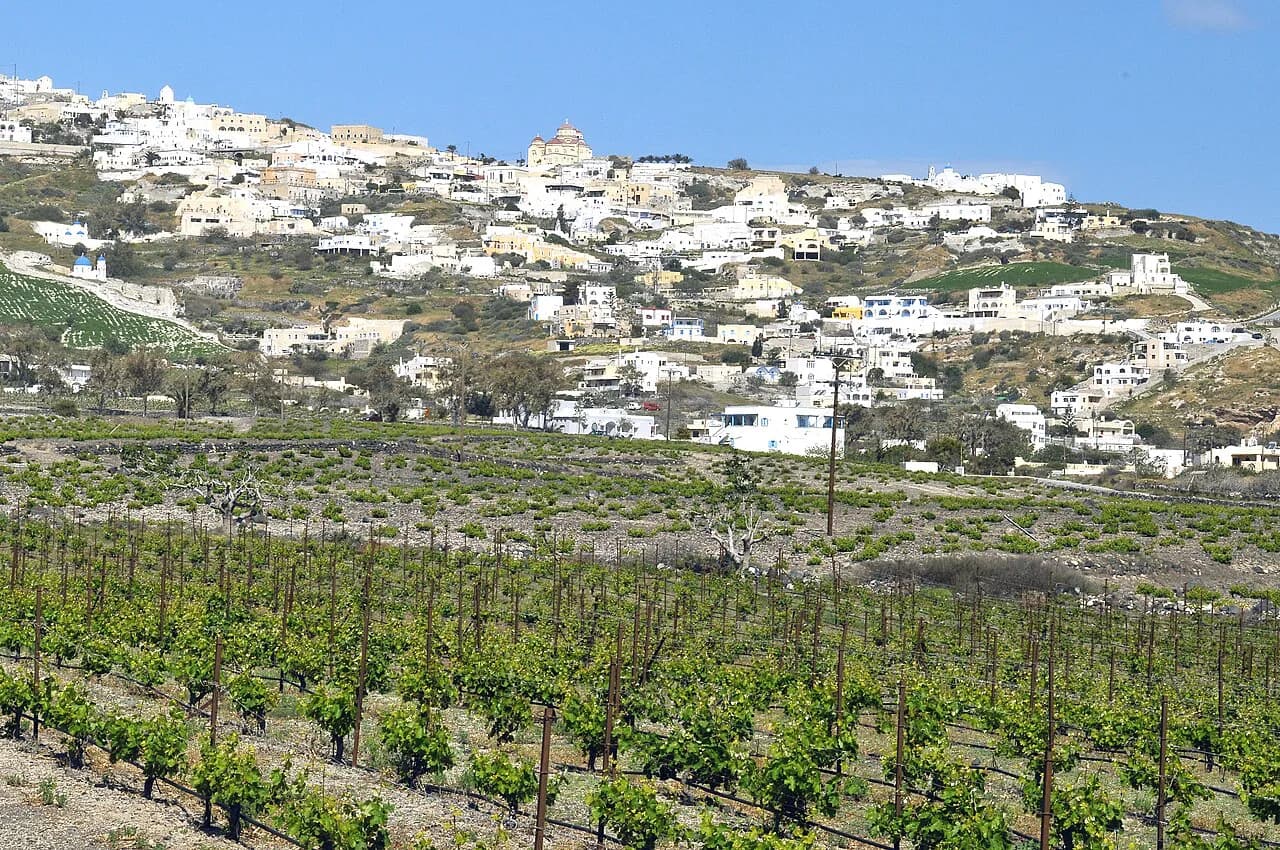
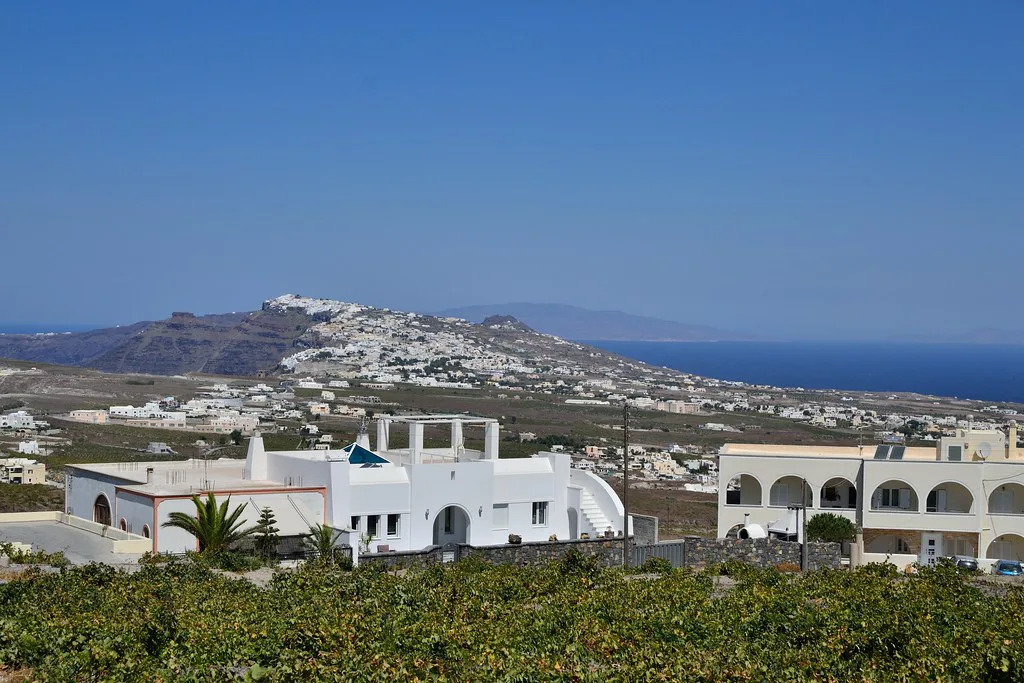
Megalochori lies inland from the caldera edge, a short drive from Fira and within reach of the south-coast villages and the airport road. Gavalas is in the village itself, so you can combine a tasting with a walk through Megalochori's narrow lanes, churches and cave-house architecture. If you are basing yourself in Fira or Oia, treat Megalochori as a half-day anchor and build the rest of the day around it rather than crossing the island twice.
The wider island has a well-established set of wineries that receive visitors, from large operations with caldera-view terraces to small family cellars. Megalochori and the nearby village of Pyrgos make a natural pair because both keep you inland and away from the cruise-ship crowds at sunset. If you want a broader map before choosing, start with the overview of santorini wineries and note which ones cluster near your base.
The House Style: Volcanic Grapes to Know
Gavalas works with Assyrtiko, the island's signature white, along with Aidani, Mandilaria and Mavrotragano. Assyrtiko from Santorini is famously high in acidity with a saline, mineral edge that comes from the volcanic soil and coastal wind; it is the grape to taste first if you are new to the island. Mandilaria and Mavrotragano give the red side of the range, and Aidani appears both in blends and in sweeter styles.
The standout claim on the winery's own site is that it is the only producer on Santorini vinifying the rare indigenous variety Katsano, and it also bottles Voudomato and Mavrotragano as separate labels. Those bottlings are limited, so the pour list on any given visit can shift depending on what is open and in stock. Nykteri, a traditional white style associated with Assyrtiko and night-harvest winemaking, is another name worth recognizing on a Santorini list, and Vin Santo is the island's classic sweet wine.
Grape growing here is constrained by drought, wind and thin volcanic soils, which keeps yields low and explains why Santorini wines are priced above average Greek bottlings. Knowing this helps you read a tasting sheet: a flight that includes a Nykteri and a Vin Santo alongside the dry whites is showing you the range of the appellation, not padding the list.
From Canava to Bottle: The Family Timeline
Gavalas occupies an old canava, the traditional Santorini winery building, in Megalochori, and the family has kept the original cellars, grape-stomping rooms and entrances alongside a modern production wing. The winery traces its start to the end of the 18th century. Up to the 1920s its wine was sold around the island and exported to Alexandria in Egypt, and in the 1930s it shipped to Athens and Piraeus, carried by mule in goatskins to the port of Fira and loaded onto caiques in barrels. The family first bottled its own Vinsanto and Santorini in 1998 and opened the winery to visitors in 2004.
Today the winery makes ten labels, all from indigenous varieties, with total production of about 80,000 to 100,000 bottles. In 2006 it began reviving Katsano, a variety that covers about 1% of the island's vineyard, and it makes around 4,000 bottles of it; Voudomato, Mavrotragano and a wild-fermented Assyrtiko joined the range as new labels in 2013.
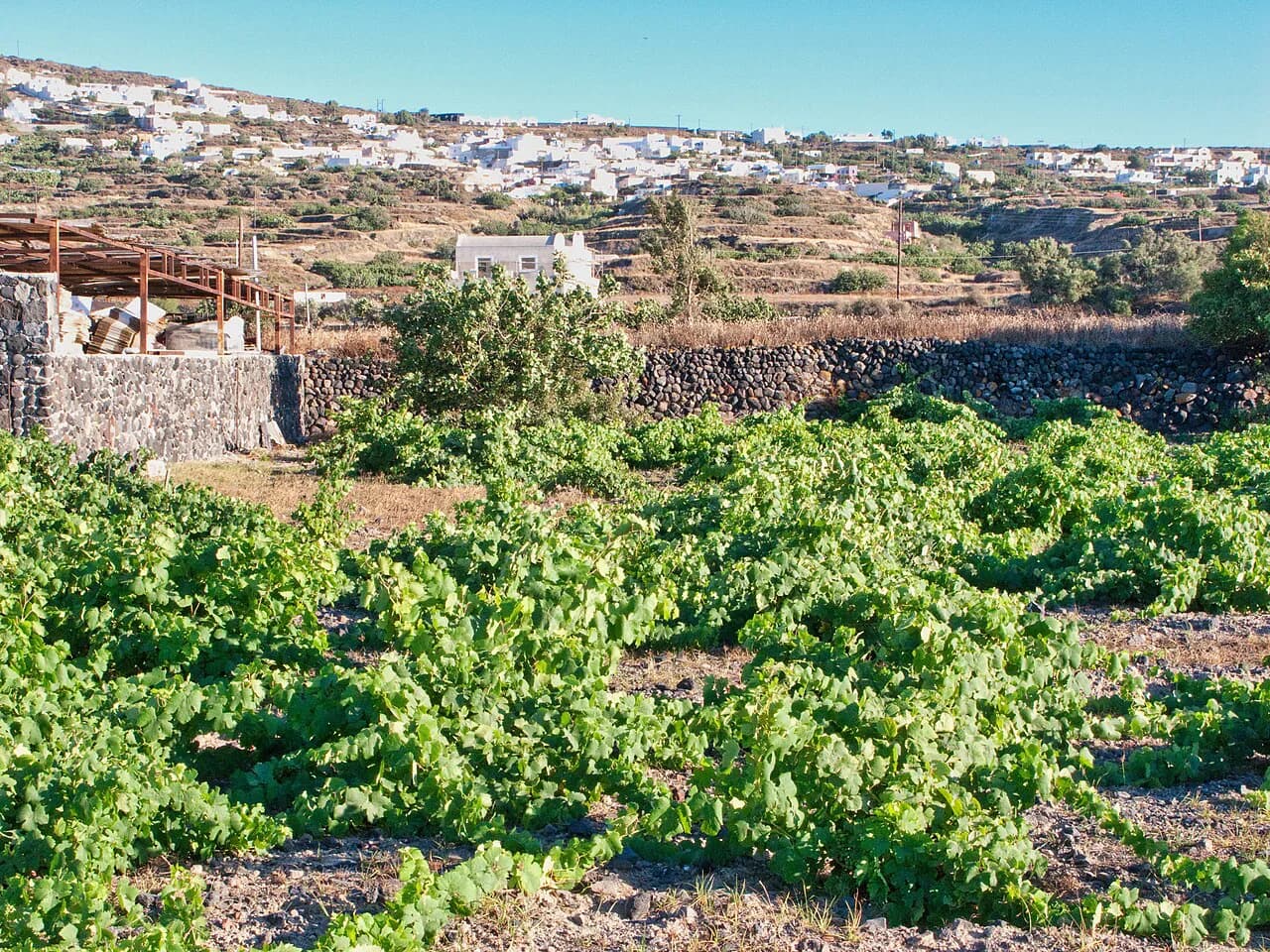
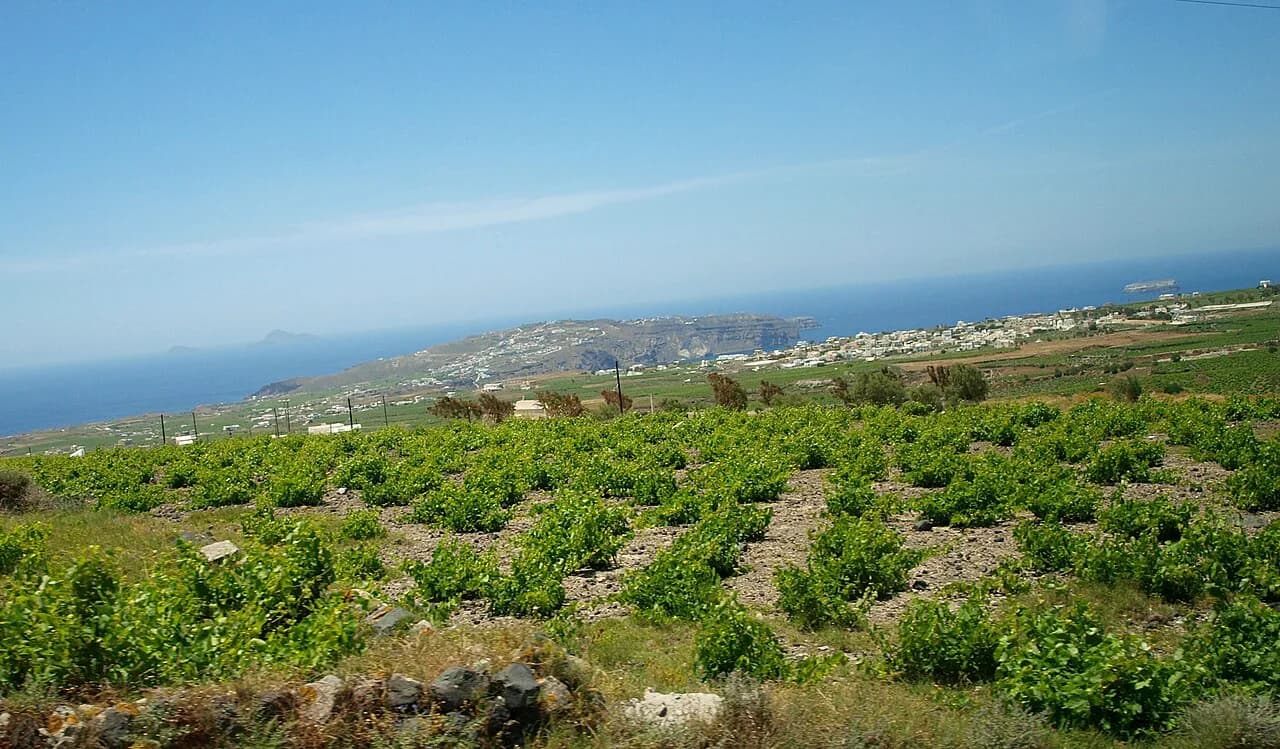
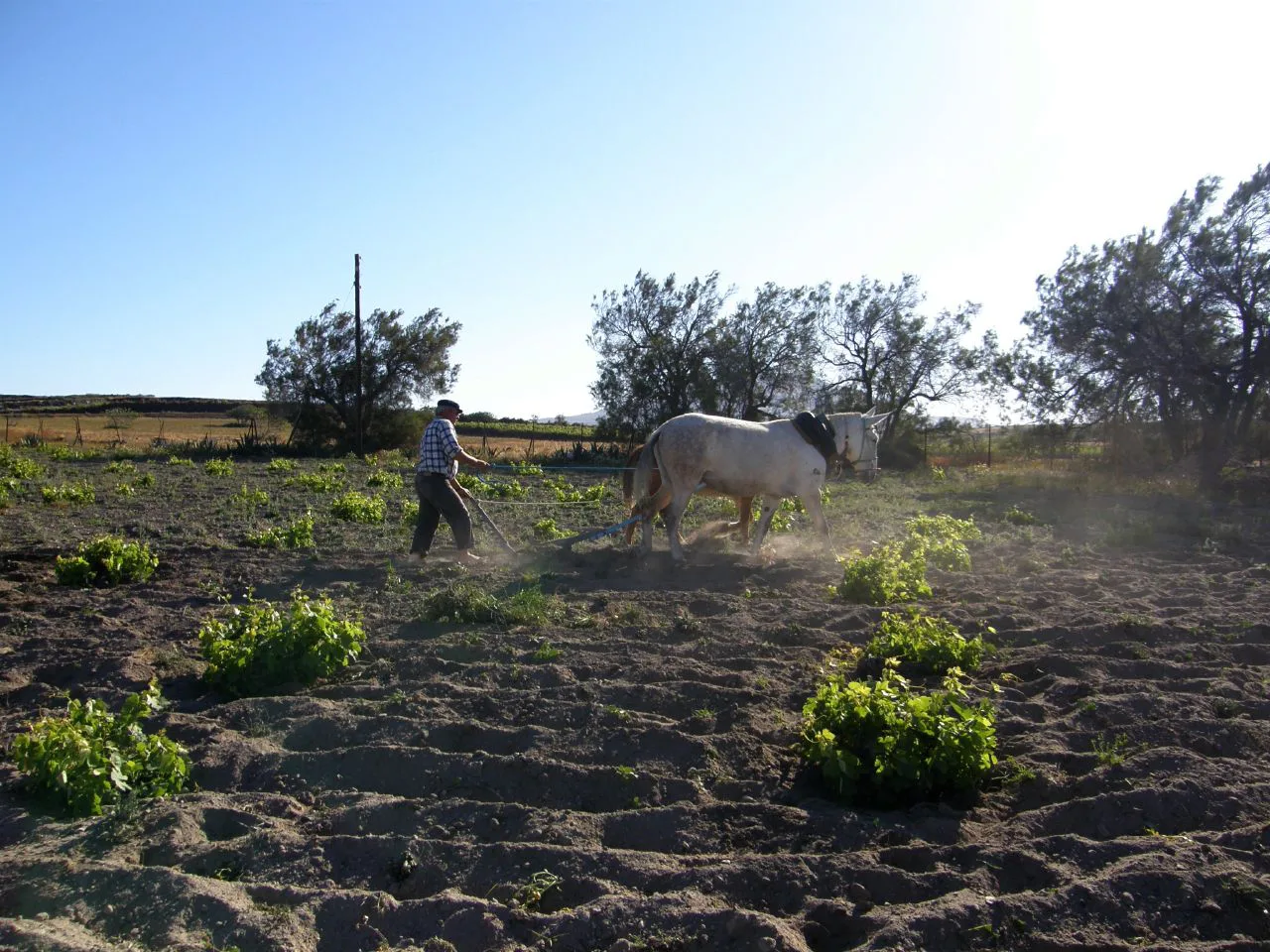
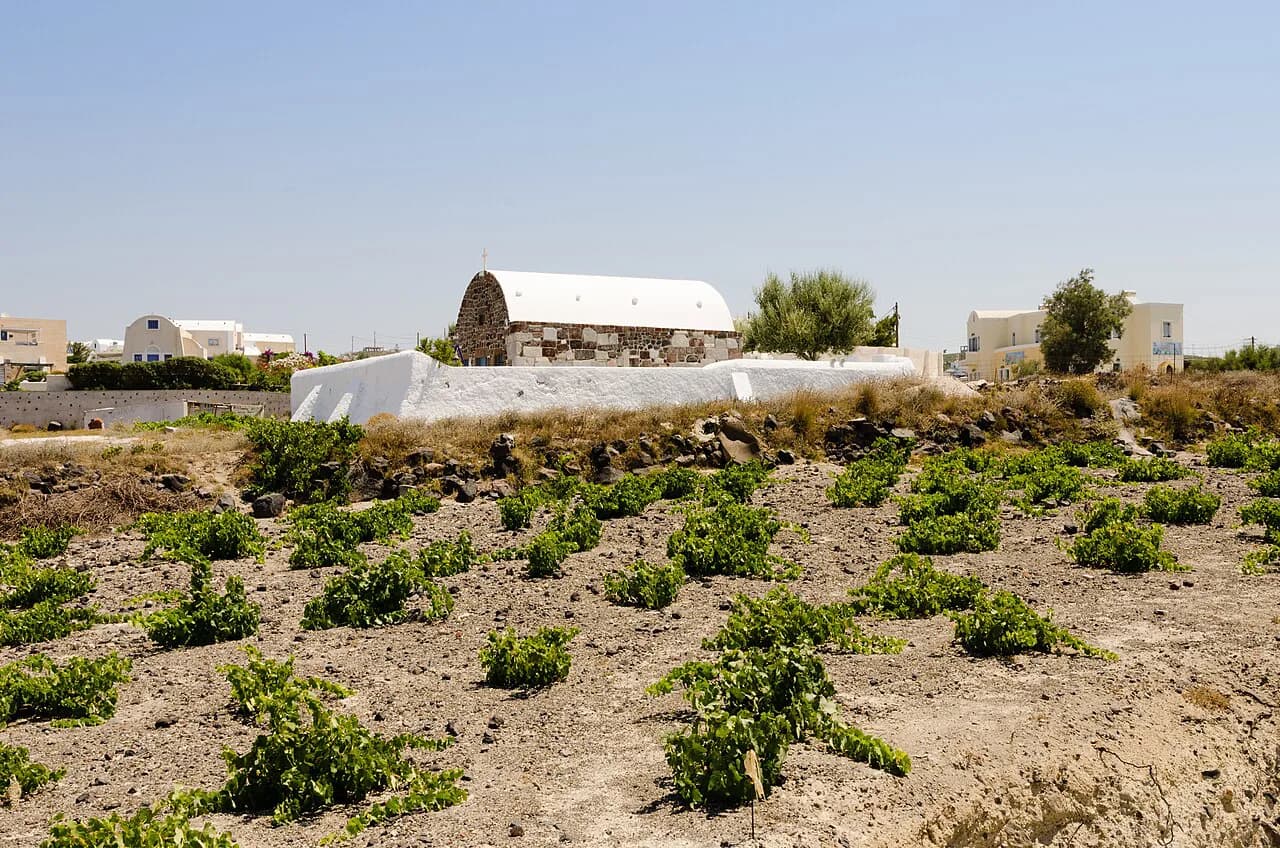
The vineyard itself explains why these wines cost what they do. Santorini has about 1,300 hectares of vines and some 40 indigenous varieties, with Assyrtiko covering about 75% of plantings. Low rainfall and strong winds keep yields near 3,000 kg per hectare, vines are pruned low into the basket shape called kouloura to shelter the fruit, and because phylloxera never reached the island, its vineyards have never been replanted.
How the Visit Works
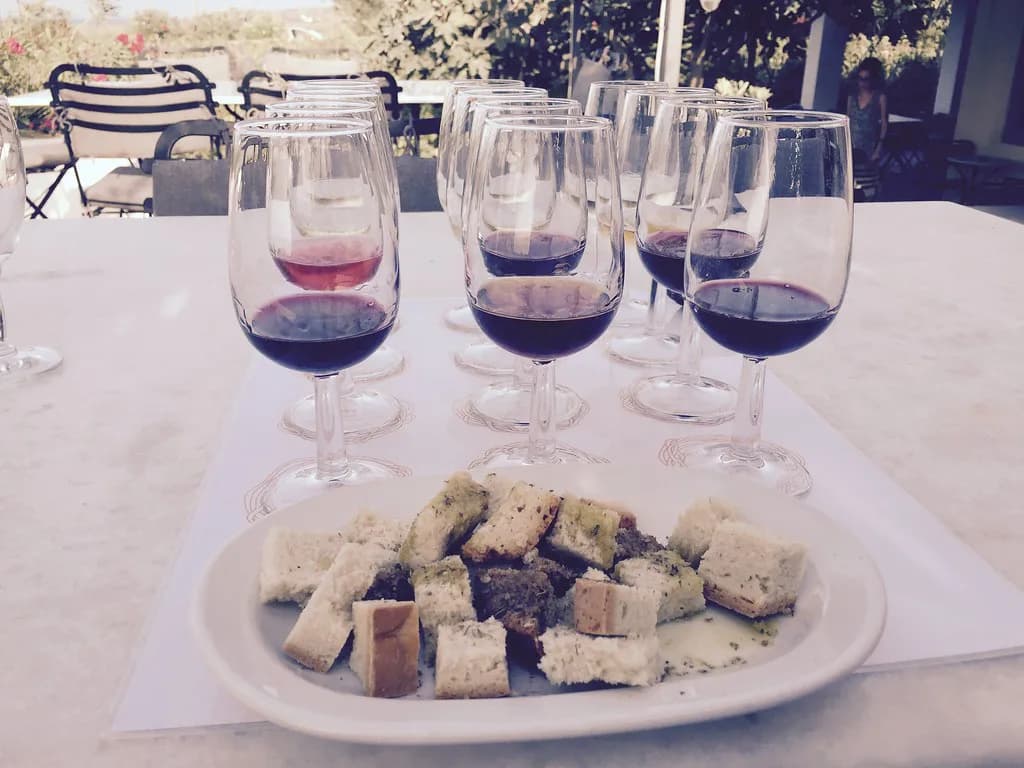
Visits center on a seated tasting, usually with several wines poured in sequence from dry whites through reds to the sweet finish. A 2018 visitor account described a three-wine tasting option for five euros, which is a useful historical marker but not a reliable guide to today's prices or formats. Ask what the current flight includes, how many wines are poured, and whether a cellar walk-through is part of it before you commit your afternoon.
Allow roughly an hour for a standard tasting and longer if you add a cellar tour or a food pairing. Because the winery is small and family-run, the experience is closer to a hosted sit-down than a self-guided visitor center. That also means capacity is finite, and a group of six or more should agree the format in advance rather than arriving and hoping.
The Four Tasting Formats the Winery Publishes
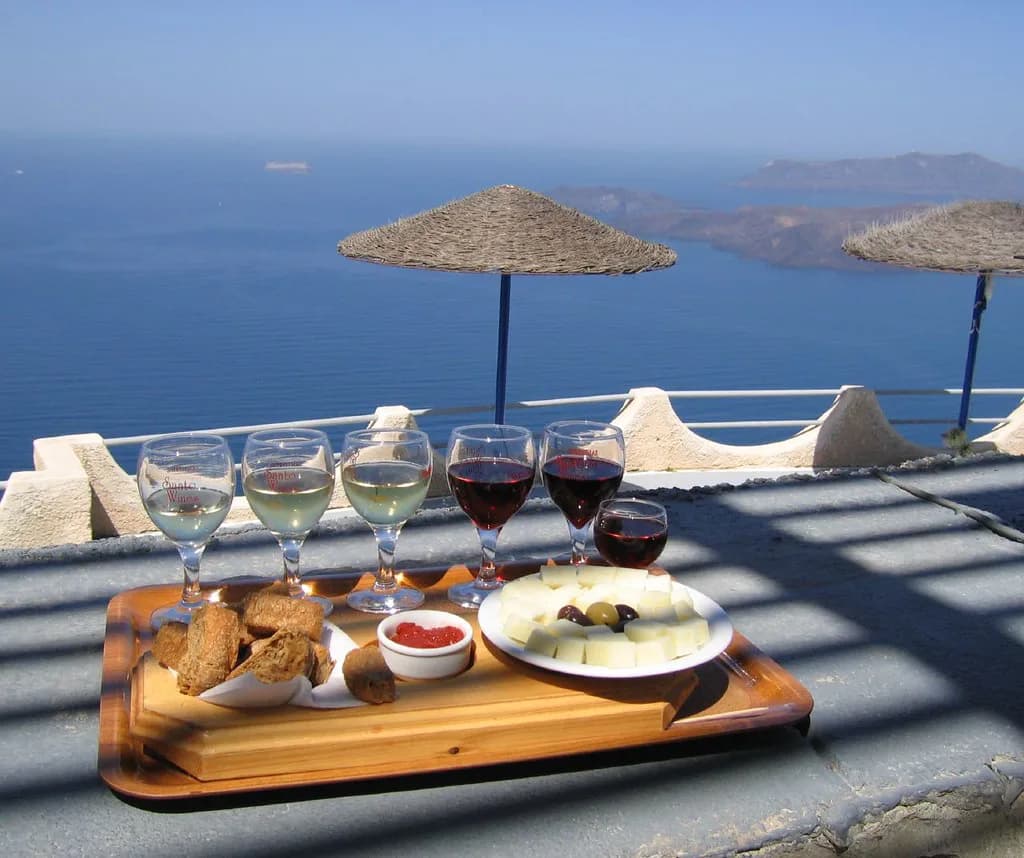
The winery's tasting page sets out four formats, all poured in 40 ml portions. Introduction to Santorini is a 60-minute run through four wines covering the main white and red indigenous grapes, and White Expressions of Santorini, also four wines in 60 minutes, focuses on four white varieties, blending and single-varietal Assyrtiko. Explore Santorini steps up to five wines over 75 minutes, and Premium and Rare pours six of the estate's most limited labels, including rare varieties, over 75 minutes; in both longer formats each wine comes with a bite pairing.
Tastings take place in the courtyard or in the old cellar, and the visit includes a walk from the stone-built cellars to the modern winemaking areas with a sommelier or oenologist explaining each step. The published season runs from April to October, from 11:00 to 19:00, and bookings go through the tasting email or the booking button on the winery's site. The page does not list prices, so ask for the current rate when you choose a format.
Booking and the Walk-In Reality
Appointment culture is the norm across Santorini wine country, and small family wineries in particular need to know how many people are coming so they can staff the tasting room. Gavalas publishes a booking option on its site along with a phone number and email address, which is the most direct route for confirming availability. Use the booking channel rather than social media messages if you need a firm answer for a specific day.
Walk-ins sometimes work in quieter weeks, but they are a gamble in high season and at late-afternoon slots, when everyone wants to taste before dinner. The practical compromise is to book your anchor winery and leave one stop flexible for whichever nearby cellar has room. Booking platforms and review listings also carry visitor contact details if the winery's own site is slow to answer.
Getting to Megalochori Without Driving
Santorini's public bus network runs from Fira to the main villages and beaches, and Megalochori is served by local services, but timetables change with the season. Check the current schedule at the Fira bus station or through your accommodation rather than relying on an old online timetable. The bus is the cheapest option and removes any question about drinking and driving, though it locks you into a fixed return time.
Taxis on the island are limited in number and expensive relative to the bus, and hailing one in a village is unreliable; pre-booking through a local operator or your hotel is more dependable. If you are a driver in the group, remember that a tasting day and a rental car do not mix well: use spittoons, appoint a designated driver, or take a tour or public transport so everyone can taste.
Organized tours solve the logistics problem by bundling transport with two or three winery stops and a guide who handles the appointments. The trade-off is less control: you taste what the itinerary includes and move at the group's pace rather than lingering over the Katsano. Independent travelers who want depth at one small winery should book direct and arrange their own transport, while first-timers often get more from a tour.
Pairing the Visit With Megalochori and Nearby Wineries
Megalochori itself rewards an hour of walking: whitewashed lanes, a bell tower, and caldera views a short walk from the village center. Pair the tasting with lunch in the village and you have a comfortable half-day without another long transfer. The village also gives you a fallback if a tasting runs late, since you are not stranded at a roadside estate.
For a two-winery day, group Gavalas with another producer in the same southern or inland corridor rather than pairing it with an Oia sunset stop on the far north end. Domaine Sigalas is a well-known name that receives visitors and works seriously with Assyrtiko, so it makes a strong contrast stop if you are willing to cover the distance. Read the domaine sigalas notes before building a route around it. If you are comparing Greek island wine scenes more widely, the wine tasting in Hvar guide shows how another Aegean-adjacent island handles small family cellars.
Timing: Harvest, High Season and Late Slots
Santorini's harvest generally begins in early August, when growers pick before the fruit is fully ripe to preserve acidity in the face of heat and wind. During crush, small wineries are busy in the cellar, so tasting hours can be tighter and staff attention is split between production and visitors. August brings the heaviest visitor numbers and the strongest case for booking ahead.
Late-afternoon slots are the most contested because they pair naturally with sunset, so aim for a late-morning or early-afternoon tasting if you are booking close to your travel date. Spring and autumn offer milder weather and thinner crowds, which suits a village-based day like Megalochori. Winter visits are possible but many island businesses reduce hours, so confirm before planning a trip around a specific cellar.
What to Confirm Before You Go
When you contact the winery, ask four things: which tasting formats are running, how many wines each includes, whether a tour or food pairing is available, and the current price per person. Also ask whether the Katsano and Voudomato bottlings are currently pour-able, since limited-production wines come and go. Group size matters too, so state your party number and whether anyone is not drinking.
Gavalas lists a phone number and email on its site, so a short message with your dates and party size is usually enough to get a straight answer. If you hear nothing within a couple of days in high season, follow up by phone rather than waiting on an email reply. Check timing and logistics with Gavalas once more a few days before you travel, then leave the rest to the visit.
Plan Your Visit
Gavalas works best as the anchor of an inland Megalochori day: one focused, family-scale tasting, a walk through the village, and a second winery only if the geography makes sense. Book ahead, ask what is actually being poured, and decide transport before you decide the wines. With those pieces settled, a visit here gives you a clear look at Santorini's volcanic varieties, including the rare grapes few other cellars on the island handle.
Frequently Asked Questions
Where is Gavalas Winery located?
Gavalas Winery is in Megalochori, a village in the southwest interior of Santorini, not on the caldera rim. It is a short drive from Fira and works well as a stop between the caldera towns and the southern beaches.
Do you need to book Gavalas Winery in advance?
Booking is the safer choice, especially in high season and at late-afternoon slots. The winery publishes a booking option, phone number and email on its site, which is the most direct way to confirm availability for your party size.
How much does a tasting at Gavalas Winery cost?
Current tasting prices are not published in the sources reviewed here, so confirm the price per person and what the flight includes when you book. A 2018 visitor account mentioned a three-wine tasting for five euros, but that reflects the year it was written, not today's rates.
Which wines does Gavalas Winery produce?
The range covers Assyrtiko, Aidani, Mandilaria and Mavrotragano, plus the rare indigenous Katsano and Voudomato, which the winery says it alone vinifies on Santorini. The portfolio runs to about eleven wines, including a Nykteri and a Vin Santo.
How do you get to Gavalas Winery without a car?
Local buses connect Fira with the island's villages, though seasonal timetables vary, so check the current schedule at the Fira bus station. Taxis are few and best pre-booked, and organized tours bundle transport with winery stops if you would rather not plan connections.
Is Gavalas Winery worth visiting in Santorini?
It suits travelers who want a small, family-run cellar and a quieter village setting rather than a large estate with caldera views. The draw is the rare Katsano and Voudomato bottlings and a hosted tasting, though the exact pour list can vary by visit.
Sources
Notes for your next wine trip
Optional updates to our winery and wine-town guides.
You might also like
Continue reading
More guides you'll find useful