Castello di Meleto: Castle & Winery Guide for Siena Visitors
Plan a day at Castello di Meleto in Gaiole in Chianti: the castle, its Sangiovese estates, how it sits between Siena and Florence, and how to book.
On this page
Castello di Meleto sits on a hill above the Chianti valley in Gaiole in Chianti, and the property works on three levels at once: a medieval fortification, a Sangiovese estate and a place to stay and eat. Visitors searching the name land on a castle first and a wine label second, which shapes how a day there actually runs.
The estate is a realistic stop on a wine day from Siena, and it also works as a base if you prefer to sleep inside the wine district rather than drive out and back. The practical detail that matters most is scale: the land runs to 1,600 hectares while only about 160 are under vine, so a tour is a walk across a property, not a single cellar door.
What Castello di Meleto Actually Is
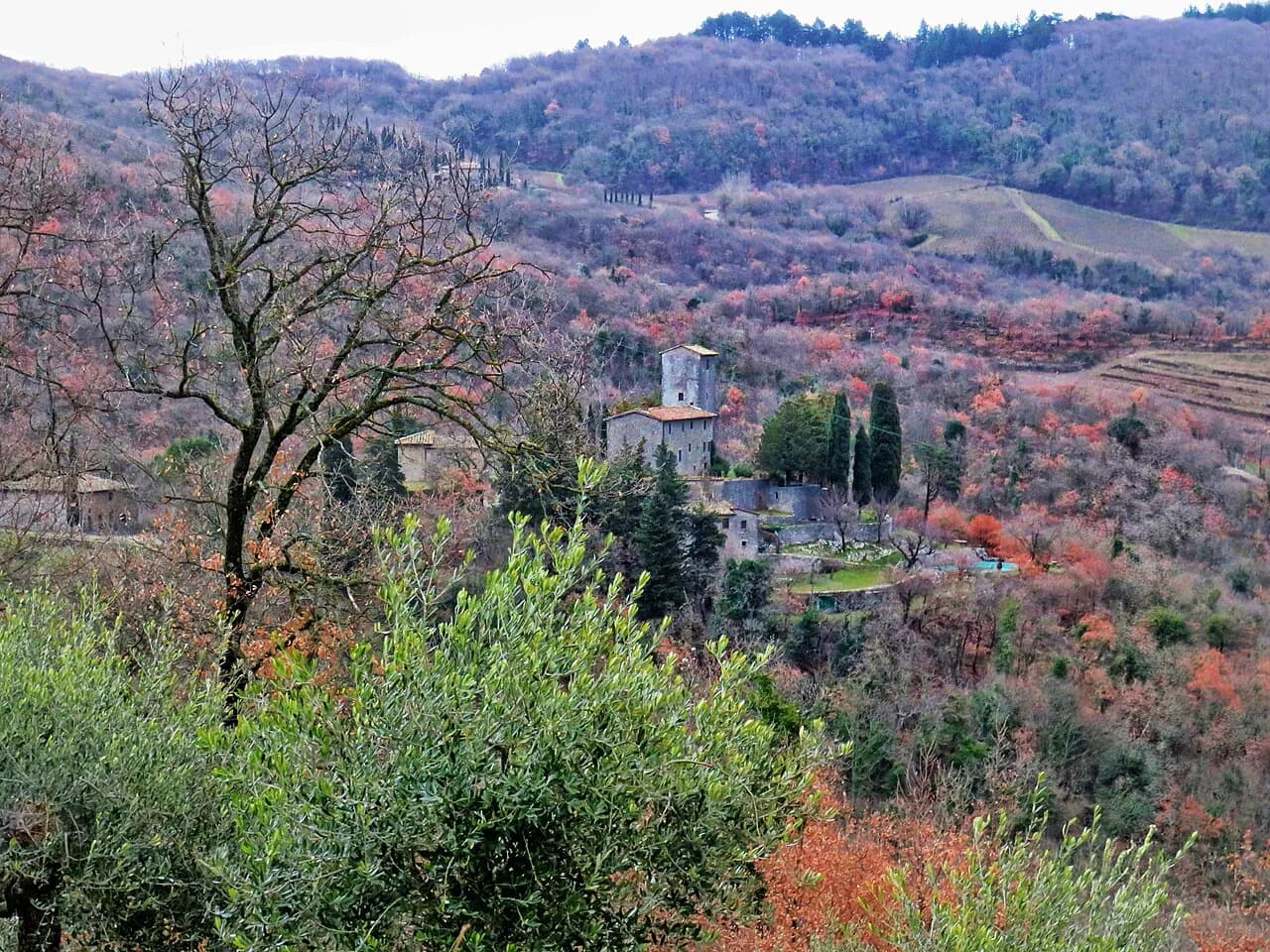
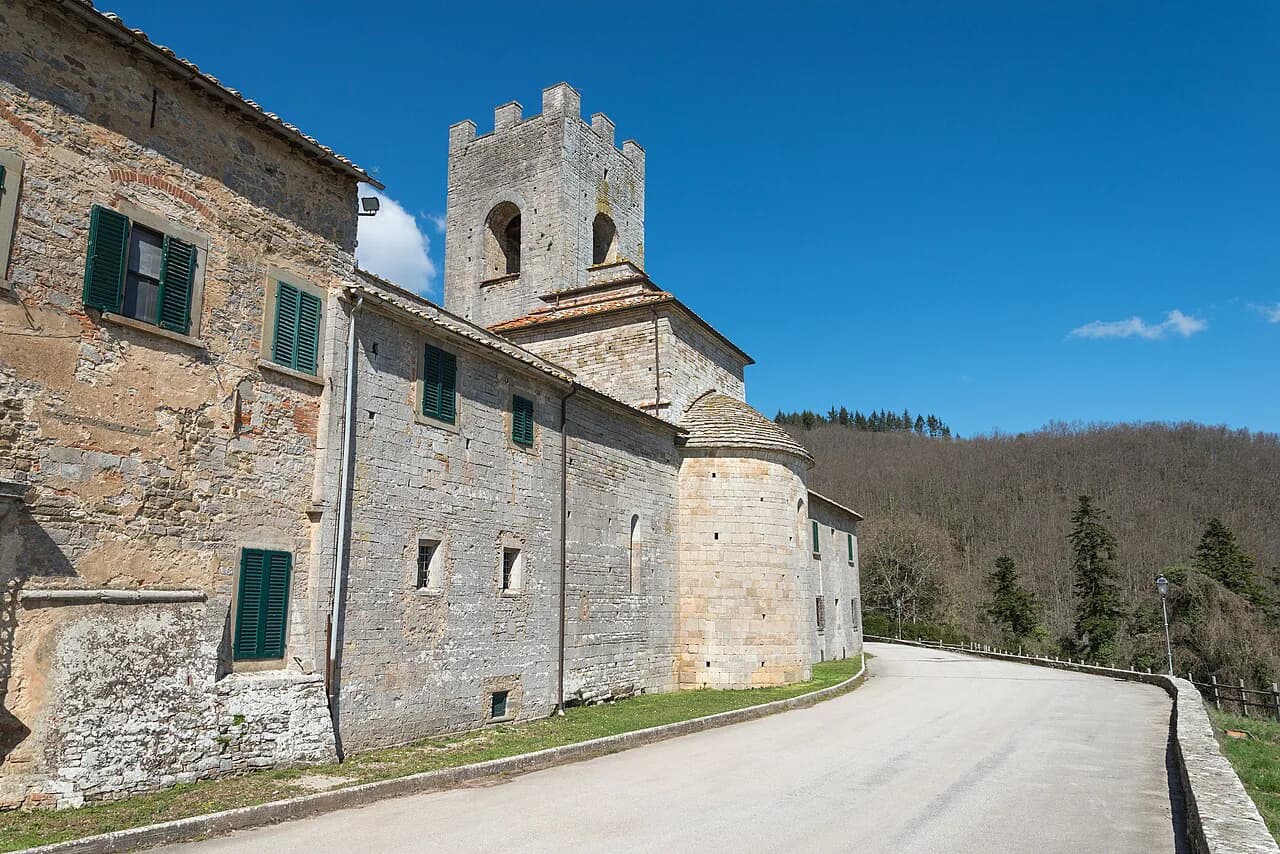
This is a castle with 11th-century origins that passed through the Firidolfi and later the Ricasoli family before becoming a villa in the 18th century, and it is now owned by a wine company. The interior still reflects the villa conversion, including a small theatre dating from 1742 that keeps its seven original stage scenes.
The 15th-century bastion towers and curtain walls survive largely intact, and the military outline is still legible despite the later remodelling. Expect a property visit rather than a museum circuit: the wine side of the estate, its shop and its osteria sit within the same complex, which makes it possible to combine a cellar stop with lunch.
Where Meleto Sits and How to Plan the Day
Meleto lies near Gaiole in Chianti, on the Sienese side of the Chianti hills, in a position that historically controlled the road between the Val d'Arno and the Chianti valley. That location between Florence and Siena is exactly why it became a contested fortification, and it is also why a day trip from either city is feasible.
For planning purposes, treat Gaiole as the anchor village and group Meleto with the Chianti Classico triangle of Gaiole, Radda in Chianti and Castellina in Chianti rather than trying to loop in Florence, Siena and three estates in one day. Distances in the district are short on paper but slow on the ground, and the roads wind between ridges.
If you are working outward from Siena, the estate fits naturally into a wine tasting day in the Chianti hills as the mid-morning or early-afternoon stop, with a second, smaller cellar booked for the other half of the day. Castello di Meleto takes bookings through its own website and booking@castellomeleto.it, so settle your visit time with the estate before you build the rest of the schedule around it.
The Estate and Its Vineyards
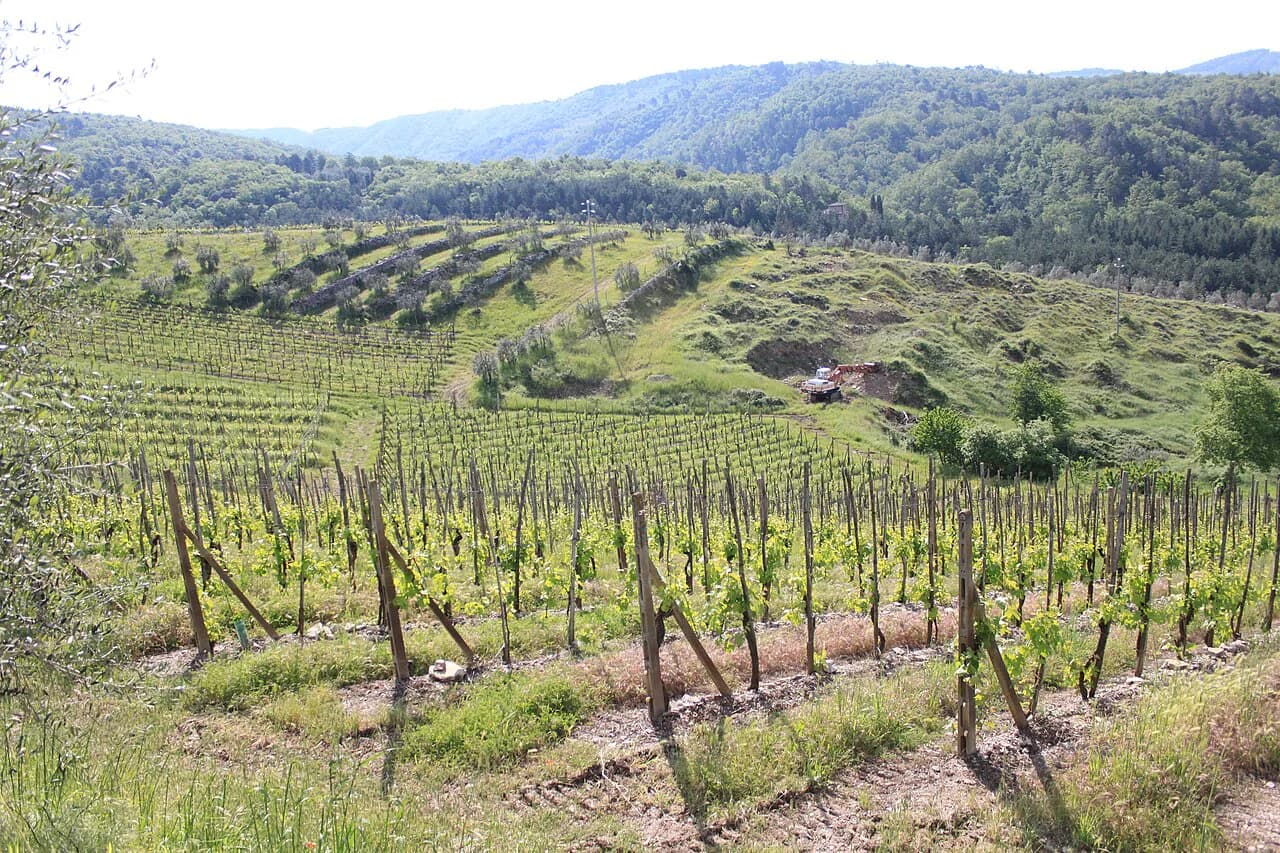
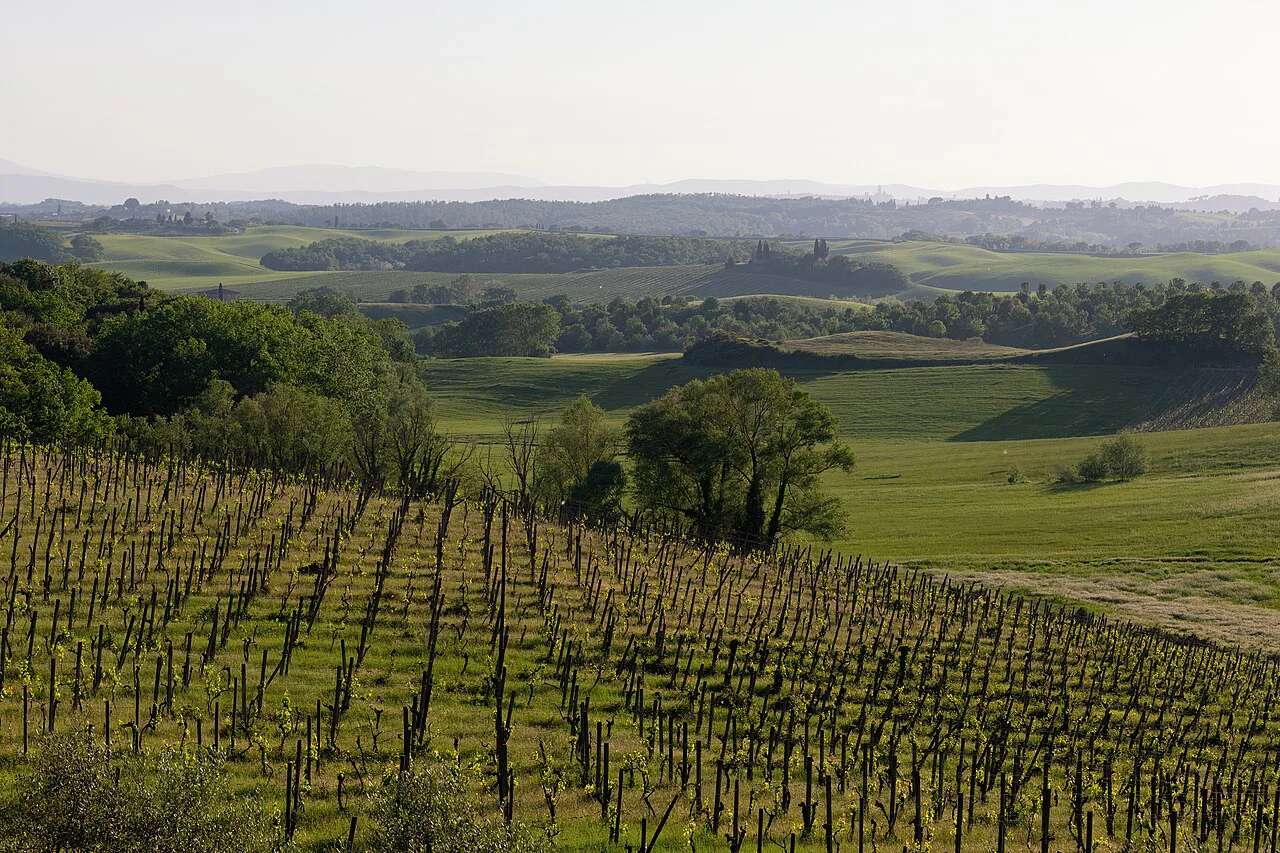
The land extends to 1,600 hectares, of which about 160 are planted to vine, and the vineyards sit at average altitudes of roughly 350 to 450 meters with peaks near 600. The Massellone stream crosses the property, and that spread of altitude produces the day-to-night temperature swing that keeps Sangiovese fresh.
The estate divides its holdings into named plots, among them Meleto, San Piero, Casi, Poggiarso and Moci, each with its own slope, exposure and soil. The Meleto vineyard sits next to the castle in the warmest, most sheltered spot, on clay and gravel with galestro and limestone, and grows Merlot, Vermentino and Trebbiano alongside Sangiovese.
Grapes for Vinsanto are dried after harvest in a ventilated rural building on the property, which is one of the few winemaking steps a visitor can picture before arriving. Knowing the plot names is genuinely useful on a wine list, because the single-vineyard bottlings carry them.
The Wines to Expect
Sangiovese dominates, with Chianti Classico, Chianti Classico Riserva and Gran Selezione forming the core of the range, and the estate is among the larger organic Chianti producers. Other native varieties such as Malvasia Nera and Canaiolo grow alongside it, and the portfolio includes white and sparkling wines made from estate fruit.
The estate's own site lists a zero-dosage spumante, a Vermentino and a rosato from the Borgaio line, plus Vin Santo del Chianti Classico. That range matters when you are choosing what to do: if you want to taste sparkling and white wines as well as reds, say so when booking, since a standard red-focused flight may not cover them.
Grapes are estate-grown only, with a large share picked by hand because of slope and selection, and the flagship wines are sorted twice. This is why the estate's answer to a tour request often depends on which cellar work is underway that week, particularly in September and October.
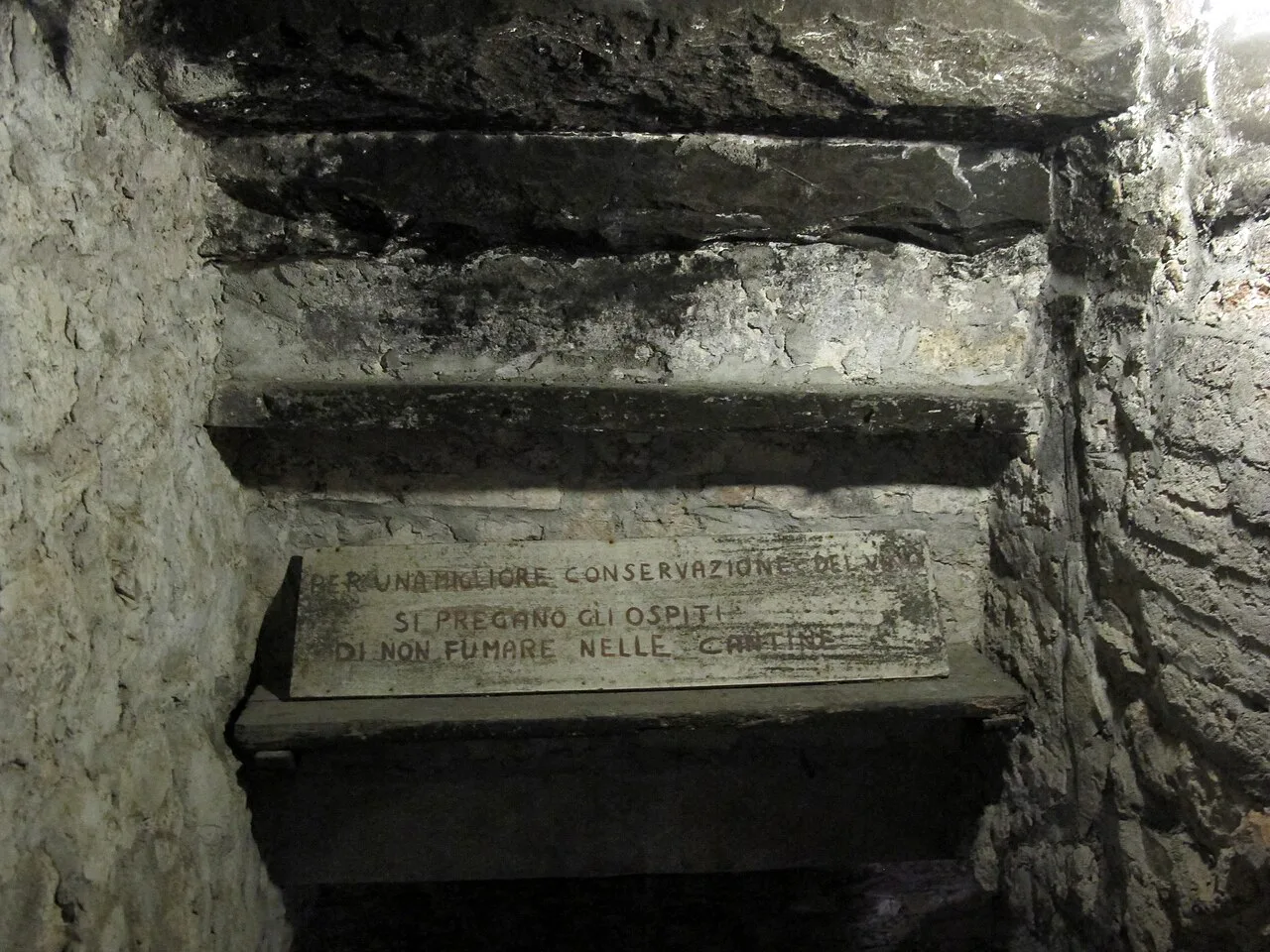
Meleto, Vigna Casi and the Castello di Ama Confusion
Castello di Meleto's single-vineyard reds include Vigna Casi and Vigna Poggiarso bottlings under Gran Selezione, and those labels carry the estate name, usually in full. Castello di Ama, a separate Chianti Classico estate in the same region, releases single-vineyard Chianti Classico wines such as Vigneto La Casuccia. The two names look similar on a shelf, and they are not connected; check the producer line rather than the vineyard word.
When ordering in a restaurant or shopping, the reliable markers are the full estate name and the appellation wording. If a bottle says Gran Selezione with a vineyard name you do not recognize, ask who made it before assuming it came from the Gaiole property.
Booking a Visit and What to Ask
Meleto publishes a booking facility on its own site, along with direct contacts for the estate: booking@castellomeleto.it and +39 0577 749129. Chianti Classico runs on appointments rather than open-gate drop-ins, so write ahead even in shoulder season, and state your preferred day and hour rather than asking for a general 'availability'.
The questions worth raising in that email are the ones the published material leaves open: how long the tasting runs, how many wines are poured, whether the cellar and the drying room are included, and whether food can be added at the osteria. Ask the price and payment method in the same message, since the estate publishes these per experience rather than as a fixed standard rate.
Group size and language matter in this district, so mention how many people you are and whether you need a tour in English. If you are traveling in harvest season, expect the working calendar to dictate what is possible and accept a late-morning slot over a cellar-floor visit.
Getting There Without Driving
Gaiole in Chianti sits in the hills east of Siena, and the roads between Gaiole, Radda and Castellina are rural and indirect, so rail is not the way in. Buses cover the Chianti villages, but services are infrequent and geared to residents; check current timetables with the regional bus operator before committing to a route.
The realistic choices are a small-group or private tour from Siena, or a car with a non-drinking driver. Tours solve the twin problems of winding roads and the fact that tasting and driving do not mix; going independently gives you flexibility on timing but leaves you dependent on a thin bus network.
A taxi from Siena and back is possible but should be arranged in advance with a fixed return time, because hailing a cab in Gaiole is not a plan. Whoever is driving should not taste: use the spittoons, or hand the keys to the driver for the whole day.
Staying and Eating on the Property
The castle operates rooms, villas and apartments, plus a wine shop and an osteria, which turns a visit into an overnight rather than a detour. Staying on site means you can taste without a car at the end of the day and start the next morning in the vineyards, but it also means you need a car or a transfer for everything else in the district.
The alternative is a base in Siena, where restaurants and wine bars stay open later and you are not tied to one estate's dinner service. If you want the city version, look at Siena Wine Bars and Enoteche for evening pours after a day in the hills.
Half-Day or Full-Day: Shaping the Itinerary
A half day is enough for the castle, a tasting and a stop in the shop, and it leaves the afternoon free for Gaiole itself or a second small cellar. A full day lets you add Radda in Chianti or Castellina in Chianti and take a slower lunch at the osteria instead of eating on the road, and the same trade-off applies to wine tasting in San Gimignano, where a compact morning visit leaves the afternoon spare.
If you would rather compare producers before choosing, wineries in Siena and the surrounding hills give a sense of what else is bookable nearby. Building the day around one confirmed appointment and one flexible stop is more realistic than booking three tastings and spending the day driving between them.
Wine with the Landscape and Harvest Timing
Chianti Classico is a Sangiovese zone first, and Meleto's altitude range is the reason its wines show freshness alongside structure. Harvest generally falls in September and October in these hills, though the exact window shifts each year with the weather, so treat any published date as indicative for that vintage only.
In Chianti Classico, appointment culture is the norm: estates schedule tastings around cellar work, staffing and groups, and a same-day request often goes unanswered. Booking a week or more ahead is sensible in spring and autumn, and further ahead for weekends.
Plan Your Visit
Castello di Meleto rewards a little preparation: decide whether you are coming for the castle, the Sangiovese, or an overnight stay, and let that shape the booking. The estate's own site and its booking email are the places to confirm what a visit currently includes and what it costs.
Pair it with a second Gaiole-area stop or an evening in Siena, and arrange transport before you commit to a tasting rather than after. One confirmed appointment, a clear return plan and a non-drinking driver turn a good castle visit into a good wine day.
Frequently Asked Questions
Is Castello di Meleto a castle or a winery?
Both. It is a fortified hilltop complex near Gaiole in Chianti with medieval origins and 15th-century bastion towers, converted into a villa in the 18th century, and it now operates as a wine estate with a shop, an osteria and overnight accommodation. A visit usually combines the property itself with a tasting, so plan for more than a quick cellar stop.
Where is Castello di Meleto and how far is it from Siena?
It stands just outside Gaiole in Chianti, in the Chianti hills east of Siena, on the historic road between the Val d'Arno and the Chianti valley. The drive is short in distance but slow on winding rural roads, and there is no useful rail link to Gaiole, so most visitors come by car, taxi or an organized tour from Siena rather than by train.
Do you need to book a visit to Castello di Meleto?
Yes. The estate takes bookings through its own website and answers enquiries by email and phone, and Chianti Classico estates generally schedule tastings by appointment around cellar work and staffing. Write ahead with your preferred date, party size and language, and ask what the tasting includes before you commit to a time.
What wines does Castello di Meleto make?
The core range is Sangiovese-based Chianti Classico, including Riserva and Gran Selezione, with single-vineyard bottlings named for estate plots such as Casi and Poggiarso. The estate also lists white, rosato and zero-dosage sparkling wines along with Vin Santo del Chianti Classico, so it is worth saying in advance if you want to taste beyond the reds.
Can you stay overnight at Castello di Meleto?
Yes. The property runs rooms plus villas and apartments, and there is a wine shop and an osteria on site. Staying inside the estate means you can taste without driving afterwards, but you will still need a car or a transfer to reach other villages, so weigh that against a base in Siena where evening options are denser.
How do you get to Castello di Meleto without a car?
Public buses serve the Chianti villages but run infrequently and are built around residents' needs, so check current timetables before relying on them. The practical alternatives are a small-group or private tour from Siena, or a taxi arranged in advance with a fixed return time, since finding a cab in Gaiole at short notice is unrealistic.
What is the difference between Castello di Meleto and Castello di Ama?
They are separate Chianti Classico estates. Castello di Meleto is the Gaiole in Chianti castle described here, while Castello di Ama is another producer that releases single-vineyard Chianti Classico wines, including Vigneto La Casuccia. On a shelf or wine list, check the full producer name rather than the vineyard word alone.
How long should you allow for a visit?
Half a day covers the castle, a tasting and a stop in the shop, leaving the afternoon for Gaiole or a second small cellar. A full day lets you add Radda in Chianti or Castellina in Chianti and eat at the osteria, but keep one confirmed appointment as the anchor and leave the rest flexible given the slow rural roads.
Sources
Notes for your next wine trip
Optional updates to our winery and wine-town guides.
You might also like
Continue reading
More guides you'll find useful