Castello di Gabbiano: Visiting the Chianti Estate from Siena
Plan a visit to Castello di Gabbiano in Mercatale Val di Pesa near Siena, from its Chianti wines and appellation rules to no-car routes and booking.
On this page
Many travelers meet Castello di Gabbiano on a label long before they see the estate. Knowing what the name means on the bottle makes the visit sharper, because the address, the appellation and the style all point to one specific corner of Tuscany.
This guide is built for a base in Siena: where the estate actually sits, which wines it makes, how to reach the Val di Pesa without a car, and what to settle in a booking message before you commit a day to it.
Why This Estate Name Keeps Appearing on Wine Lists
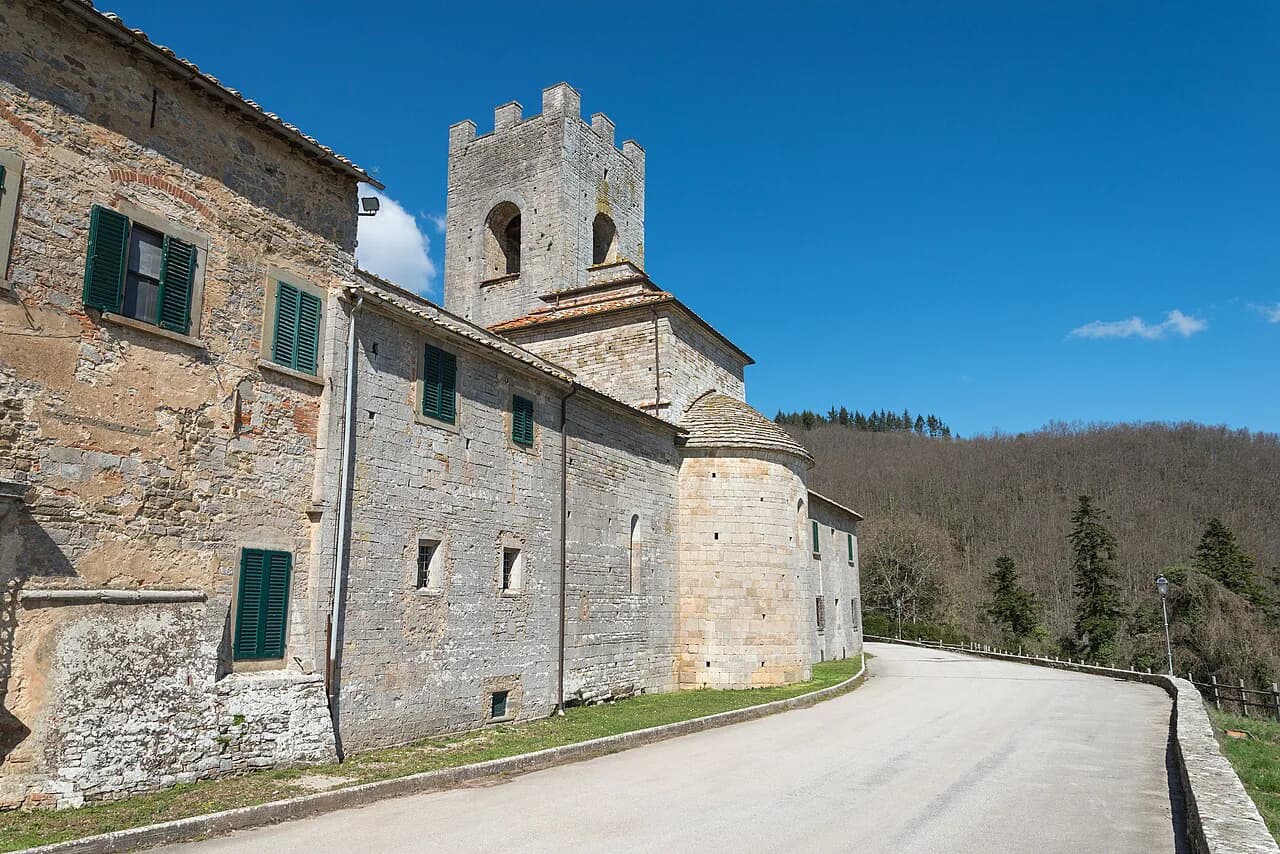
Castello di Gabbiano is a Tuscan wine estate in the comune of San Casciano in Val di Pesa, and its Chianti bottling travels widely, so drinkers in the United States often recognize the label years before they plan a trip. That familiarity is exactly why a visit feels satisfying: you are tasting at the source of a wine you may already have met at home.
Search results also mix the estate up with Castello di Gabiano, a genuine castle and wine property in Piedmont's Monferrato hills with a much older documented history and a separate family lineage. They are different places, different regions and different wines, so confirm you are booking the Tuscan one on the Val di Pesa before you build a day around it.
If you want the wider picture of tasting rooms, enoteche and estates within reach of the city, start with the broader guide to wine tasting in Siena and use this page as the deep dive on one name.
Where the Estate Sits Relative to Siena and Florence
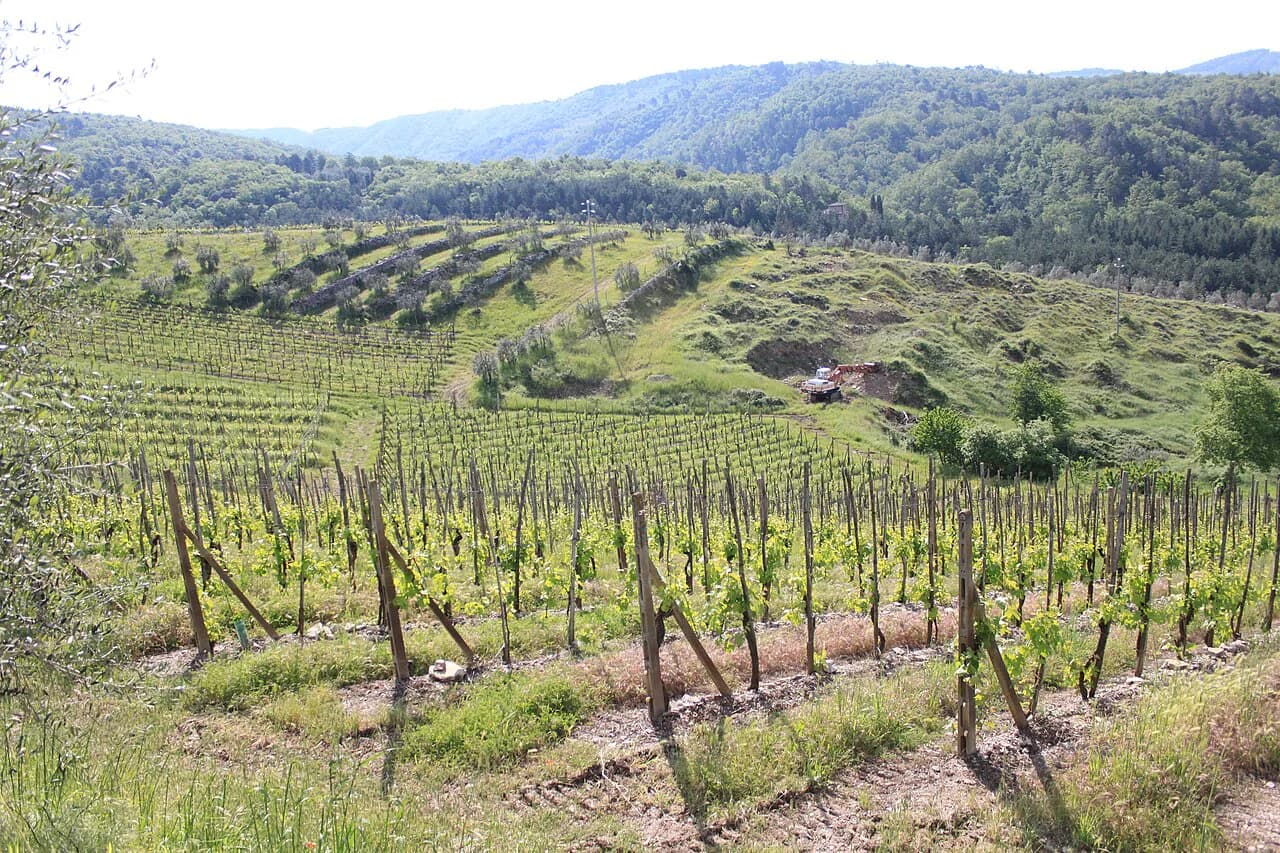
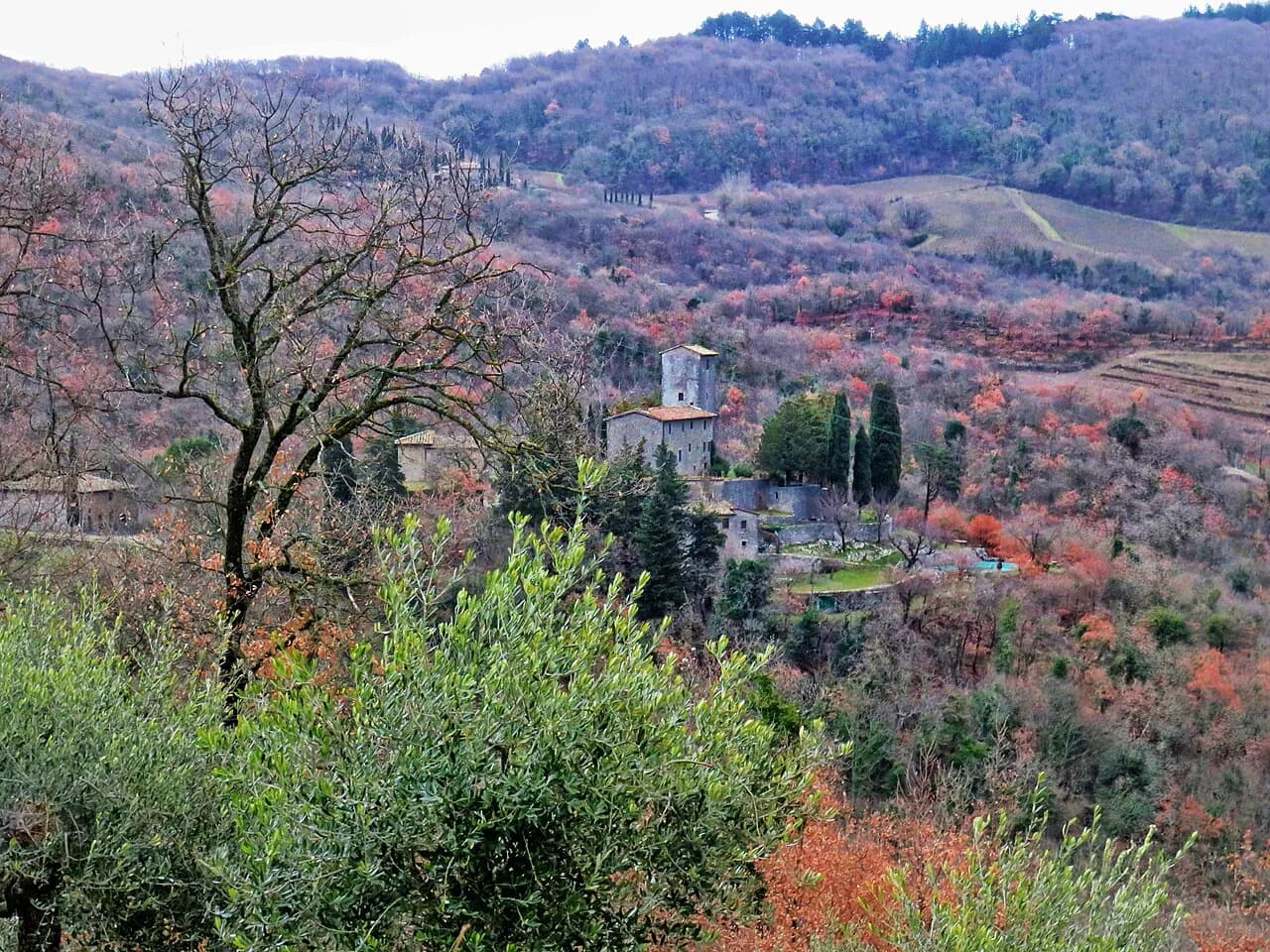
The estate's registered address is on Via di Gabbiano at Mercatale Val di Pesa, in the province of Florence, placing it northwest of Siena and southwest of Florence in the Pesa valley. That position makes it a natural stop on a loop that also passes San Casciano in Val di Pesa, rather than a purely Sienese outing.
Plan the day around the fact that this is Florence-side Chianti country. From Siena you are crossing into a different province, so the drive or transfer eats a real chunk of the morning; from Florence the estate is closer and easier to slot into a half day.
Because Mercatale sits in the wider Chianti production zone rather than the historic Chianti Classico heartland between Florence and Siena, the label language on the estate's bottles is worth reading before you arrive. It shapes what you can reasonably expect to taste.
What Castello di Gabbiano Makes
The flagship familiar to most visitors is the Chianti DOCG, built on Sangiovese with other indigenous red grapes, described by the estate as medium-light in body with juicy tannins and good acidity. That profile is meant to sit easily alongside food, which is a useful cue when you plan a lunch stop around the visit.
The range also appears under the Cavaliere d'Oro name, and the estate publishes vintage-by-vintage harvest commentary on its Chianti page. Reading a couple of those notes before you go gives you real context for the year on the bottle you are poured, without relying on secondhand tasting claims.
One production detail worth knowing: the estate describes its Chianti as fermented and put through malolactic conversion in steel, with a short maturation and no wood before bottling. If you prefer fresher, fruit-forward Sangiovese over oaky reds, this is the style to seek out on a Tuscan itinerary.
Chianti Versus Chianti Classico in Plain Language
Chianti is the broader appellation, covering a large swathe of Tuscany including the Pesa valley where Mercatale sits. Chianti Classico is a smaller, separate zone between Florence and Siena with its own rules and its black rooster emblem, and it is where most of the postcard hill towns sit.
Both are Sangiovese-led, so the practical question for a traveler is geography rather than prestige. An estate in the wider Chianti zone may be a shorter hop from a Florence-side base, while Classico villages reward a full day of looping between tasting rooms with a Siena base. If your Siena base tempts you beyond the Classico hills, wine tasting in Montepulciano is another Sangiovese-led day trip reached on the same logic of matching the appellation to your driving time.
If the black rooster is what you came for, build a separate day around the Classico villages and keep the Gabbiano visit for the Val di Pesa leg. Trying to combine both in one afternoon means a lot of time in the car and very little time in a cellar.
Getting There Without Driving
There is no rail station at Mercatale itself, so the realistic no-car pattern is a train or bus into the Val di Pesa corridor and a short taxi from there. Bus services and timetables toward San Casciano and the Pesa valley change with the season, so pull the current operator schedule for your travel date rather than relying on an old printout.
The trade-off is time and certainty: public transport plus a taxi costs less than a private transfer but can leave you waiting at a village stop after a tasting. If your tasting is the centerpiece of the day, price a pre-booked taxi or a small-group tour and compare it against the value of your hours.
Organized options are the simplest solution for a Siena base, because they handle the cross-province drive and the pickup. Compare what is included before booking, since some Siena wine tours pair the estate visit with other stops and a lunch, which changes how long you actually spend in the cellar.
A driver in the party should not taste; use the spittoons, appoint a designated driver who abstains, or take a tour or public transport so nobody is choosing between a glass and the road. That one decision shapes whether an independent visit is realistic at all.
Independent Visit or Organized Tour
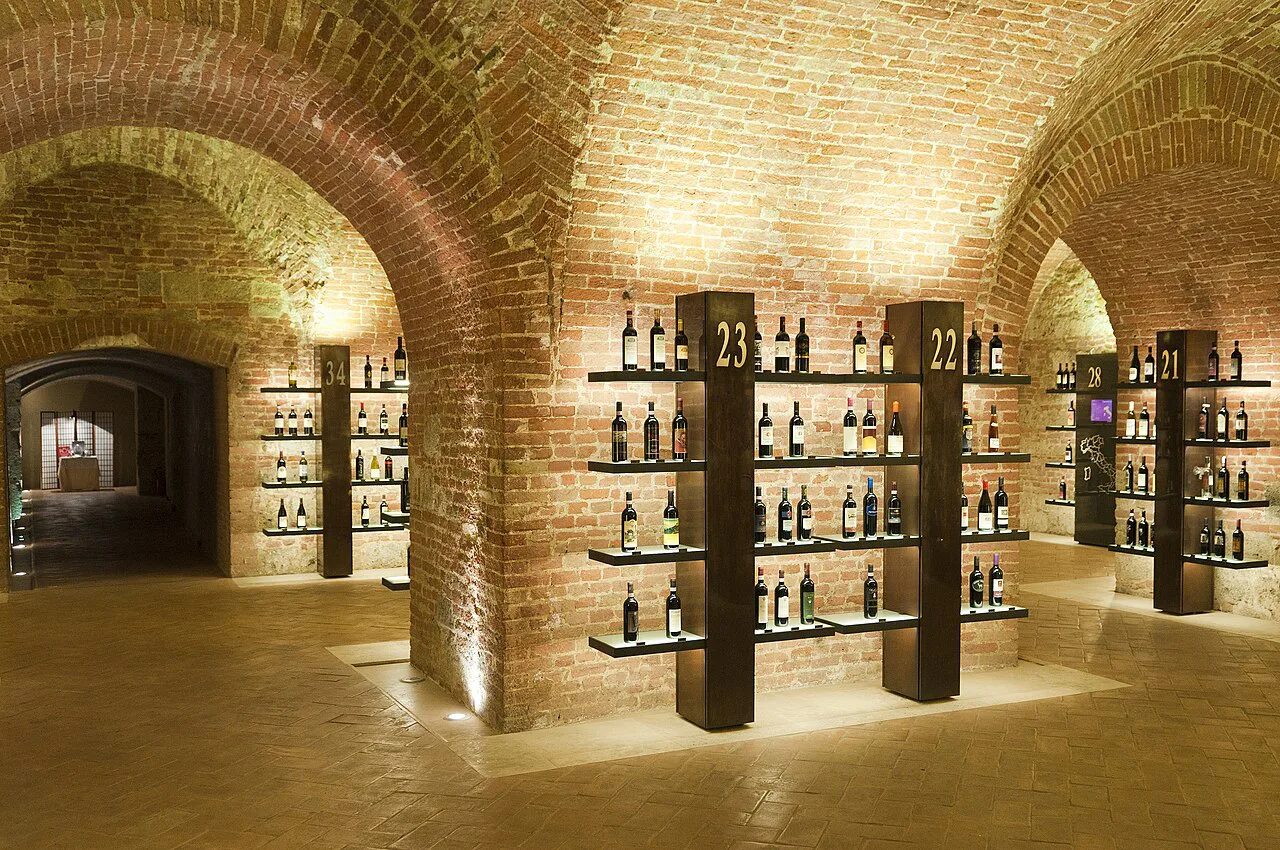
Going independently gives you control over pace and lets you linger over a second look at the vineyards, but it puts the logistics, the appointment and the driving on you. A tour costs more per person and moves at group speed, yet removes the friction of reaching a rural estate and the risk of a misread timetable.
For two travelers splitting a taxi and a shared bottle purchase, independent often wins on cost and flexibility. For a solo visitor or a couple who both want to drink, the arithmetic usually favors a tour once you count transfers and the driver problem.
Whichever route you pick, treat the estate booking as the anchor and build the rest of the day around the slot it confirms. Trying to reverse that order, booking lunch first and hoping a tasting fits, is how Chianti days go wrong.
What to Ask When You Book
Use the contact details the estate publishes, the phone number and email on its Chianti page, and ask four concrete questions: how many wines are poured, whether a cellar or vineyard walk is included, whether the host speaks English, and whether food is served or should be arranged separately. Vague enquiries get vague answers.
State your party size and any non-drinkers up front, and ask about the minimum group for a guided visit. Many Tuscan estates run scheduled slots rather than continuous walk-in service, so a same-day arrival without a confirmed time is a gamble worth avoiding.
Ask about children and accessibility only if they apply to you, and request written confirmation of the time, meeting point and expected duration. That single email removes most of the ambiguity that makes rural wine visits stressful.
Grouping Mercatale, San Casciano and the Wider Loop
Mercatale, San Casciano and the surrounding Pesa valley villages sit close enough to string together, and the valley is compact enough that one well-chosen second stop is plenty for a day. Adding a third estate usually means rushed tastings and a late return.
If you want a contrast in scale, a larger modern winery with a structured visitor experience can balance a smaller, more traditional estate earlier in the day. Antinori nel Chianti Classico near Bargino is the obvious architectural counterpoint and is easily researched in advance.
Other estates in the province offer a similar mix of cellar tours and tastings; scan the list of wineries in Siena and its surroundings to see which ones publish visitor information and which operate by appointment only.
Finish back in the city rather than squeezing in one more stop. A Siena wine bar gives you a low-commitment way to compare what you tasted against other Tuscan bottles, and the Siena Wine Bars and Enoteche guide covers the practical options by neighborhood.
Buying the Wine Here and at Home
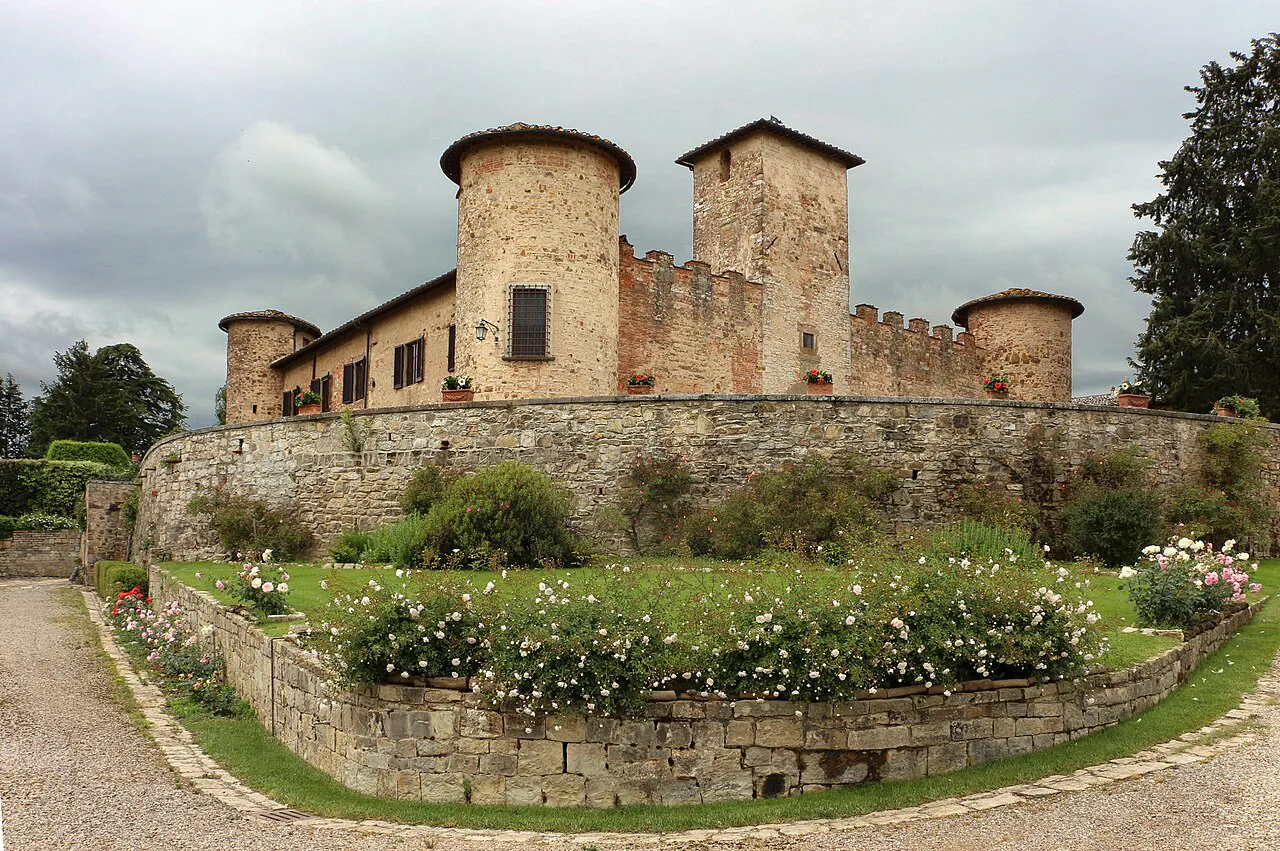
Buying at the estate is about provenance and range, not necessarily price; you can often find the same Chianti on a US shelf, as third-party retailer listings show. Compare what a bottle costs at home against the hassle of packing wine in luggage before you stock up.
If you want bottles that never leave Italy, ask at the estate which wines are cellar-door only, and check your airline and customs allowance for alcohol on the return leg. Shipping services exist but add cost and paperwork, so weigh them against simply carrying a couple of bottles.
A sensible split: buy one or two bottles to drink during the trip and rely on your local shop for the everyday Chianti you already know. That keeps luggage light and leaves room for something rarer found along the way.
Timing the Visit Through the Year
Harvest in Chianti generally falls in the September and October window, and the estate's own notes record picking that stretched into October in warm years. Late summer and early autumn bring active vineyards and busier roads, while winter visits are quieter but often limited to booked appointments.
Weekdays are calmer in the tasting room and easier for securing the slot you want, especially outside July and August. Weekends fill faster, and Sunday opening is less predictable at rural estates, so decide your day before you lock in transport.
Budget most of a half day for the estate itself once you include arrival, the visit and a relaxed finish, then add travel time from Siena. Trying to fold it into a packed sightseeing day is the most common way travelers end up rushing the part they came for.
One Detail to Confirm Before You Go
Castello di Gabbiano does not publish a standing tasting price or a fixed tour schedule on its wine page, so treat any figure you see elsewhere as unverified until the estate confirms it for your date. A short email settles the price, the duration and the meeting point in one exchange.
Do that confirmation once, early, and leave the rest of the planning alone. Repeating the same checks adds nothing and crowds out the more useful work of choosing your second stop and booking the return journey.
Plan Your Visit
Treat Castello di Gabbiano as a Val di Pesa day rather than a Siena city add-on: confirm a slot directly with the estate, decide between taxi, bus and tour based on who is driving, and keep the itinerary to the estate plus one nearby stop.
Then read the label before you pour, note whether it says Chianti or Chianti Classico, and you will understand what is in the glass and why the bottle you find at home tastes the way it does.
Frequently Asked Questions
Is Castello di Gabbiano the same as Castello di Gabiano?
No. Castello di Gabbiano is a Tuscan estate at Mercatale Val di Pesa in the province of Florence. Castello di Gabiano is a castle and wine property in Piedmont's Monferrato hills with a separate history and family. They are in different regions and make different wines, so check which one you are booking.
Can you visit Castello di Gabbiano without a car from Siena?
Yes, but it takes planning. The estate is not on a rail line, so the realistic pattern is a train or bus into the Val di Pesa area followed by a short taxi. Services and timetables change seasonally, so confirm the current schedule for your date before relying on it.
Do you need an appointment to taste at a Chianti estate?
Many Tuscan estates, including rural ones, run scheduled visits rather than continuous walk-in tasting, so confirm a time before traveling. Email or call with your party size and preferred day, and ask for written confirmation of the slot, meeting point and what the visit includes.
What is the difference between Chianti and Chianti Classico?
Chianti is the broad appellation covering a large part of Tuscany. Chianti Classico is a smaller, separate zone between Florence and Siena with its own rules and the black rooster emblem. Both are Sangiovese-led, so the practical difference for a traveler is which villages you can reach in a day.
What should you ask before booking a tasting?
Ask how many wines are poured, whether a cellar or vineyard tour is included, what language the host uses, and whether food is served or must be arranged separately. Add your party size, any non-drinkers, and the minimum group size for a guided visit.
Is Chianti an inexpensive wine?
Chianti spans a wide range from everyday bottlings to serious, site-specific wines, so the appellation alone says nothing about quality or price. Read the specific bottle, note whether it is Chianti or Chianti Classico, and compare the vintage before judging value.
What is the best time of year to visit?
Harvest generally falls in September and October, which brings active vineyards and busier roads. Weekdays outside July and August are calmer and easier for securing a tasting slot. Rural estates may limit visits in winter, so confirm availability for your dates.
Can you buy the estate's wine at home?
The Chianti bottling is widely distributed and turns up in US retail listings, so check your local shop before carrying bottles back. Ask at the estate which wines are cellar-door only, and review your airline and customs allowances if you plan to bring some home.
Sources
Notes for your next wine trip
Optional updates to our winery and wine-town guides.
You might also like
Continue reading
More guides you'll find useful