Castello di Fonterutoli: Siena Wine Guide & Visit Tips
Plan a visit to Castello di Fonterutoli near Castellina in Chianti: tasting formats, published starting prices, tour lengths, booking and how to arrive from Siena.
On this page
Castello di Fonterutoli is one of those Chianti stops that rewards a little planning. The hamlet sits just outside Castellina in Chianti, in the heart of the Chianti Classico zone between Siena and Florence, and it is the home estate of the Mazzei family, whose name is on the label. A quick stop for a glass is possible, but the estate's published visits range from a short tour to a three-hour food experience, so matching the format to your day matters more than simply turning up.
This guide sets out the three visit formats Marchesi Mazzei publishes, what each one includes in terms of time and group size, why the cellar itself is worth the tour, how to book, and the realistic ways to arrive from Siena without driving. It also covers the on-site osteria and wine resort if you want to make Fonterutoli the anchor of a full Chianti day rather than a single appointment.
Why Fonterutoli Is Worth a Stop
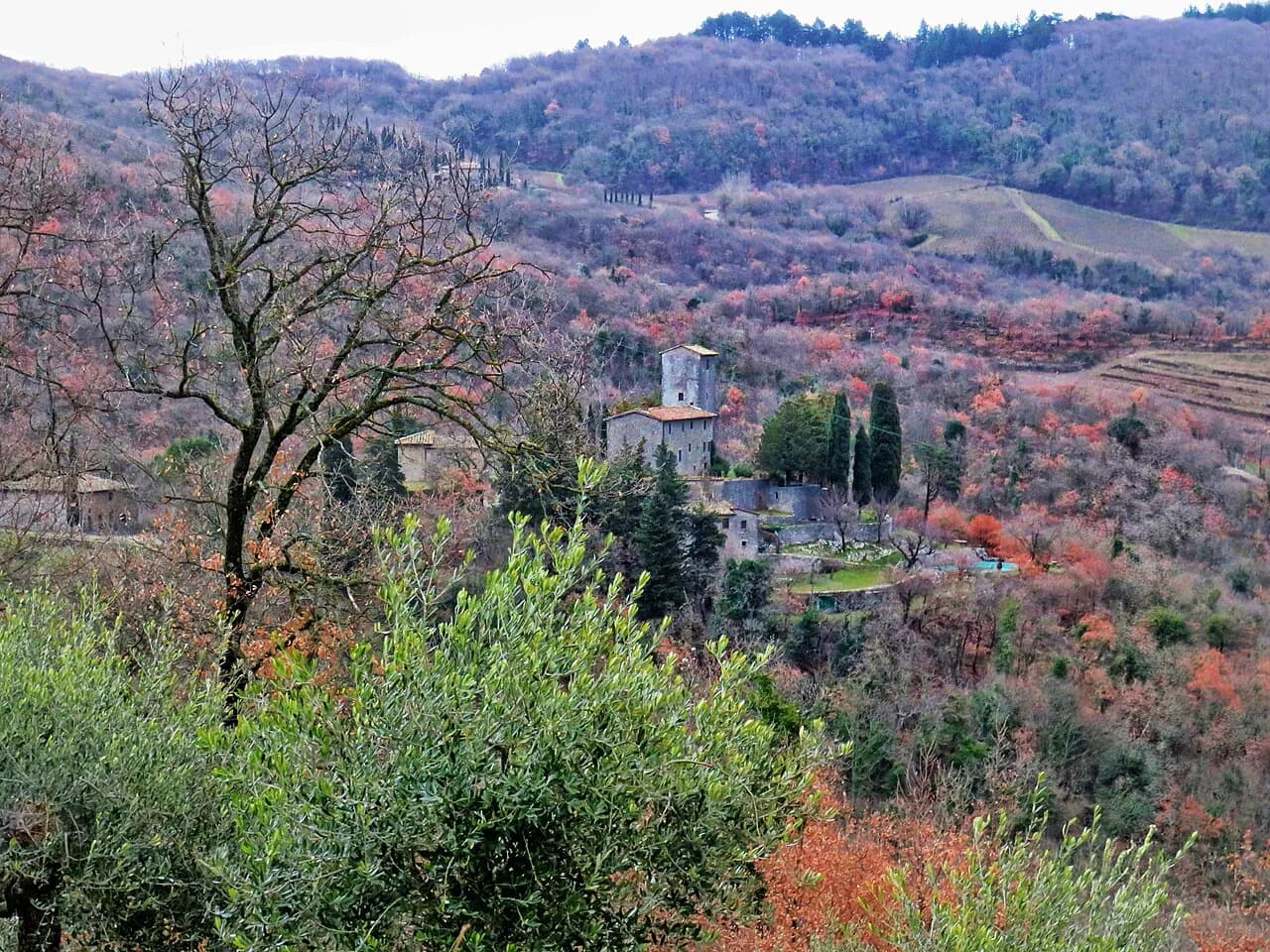
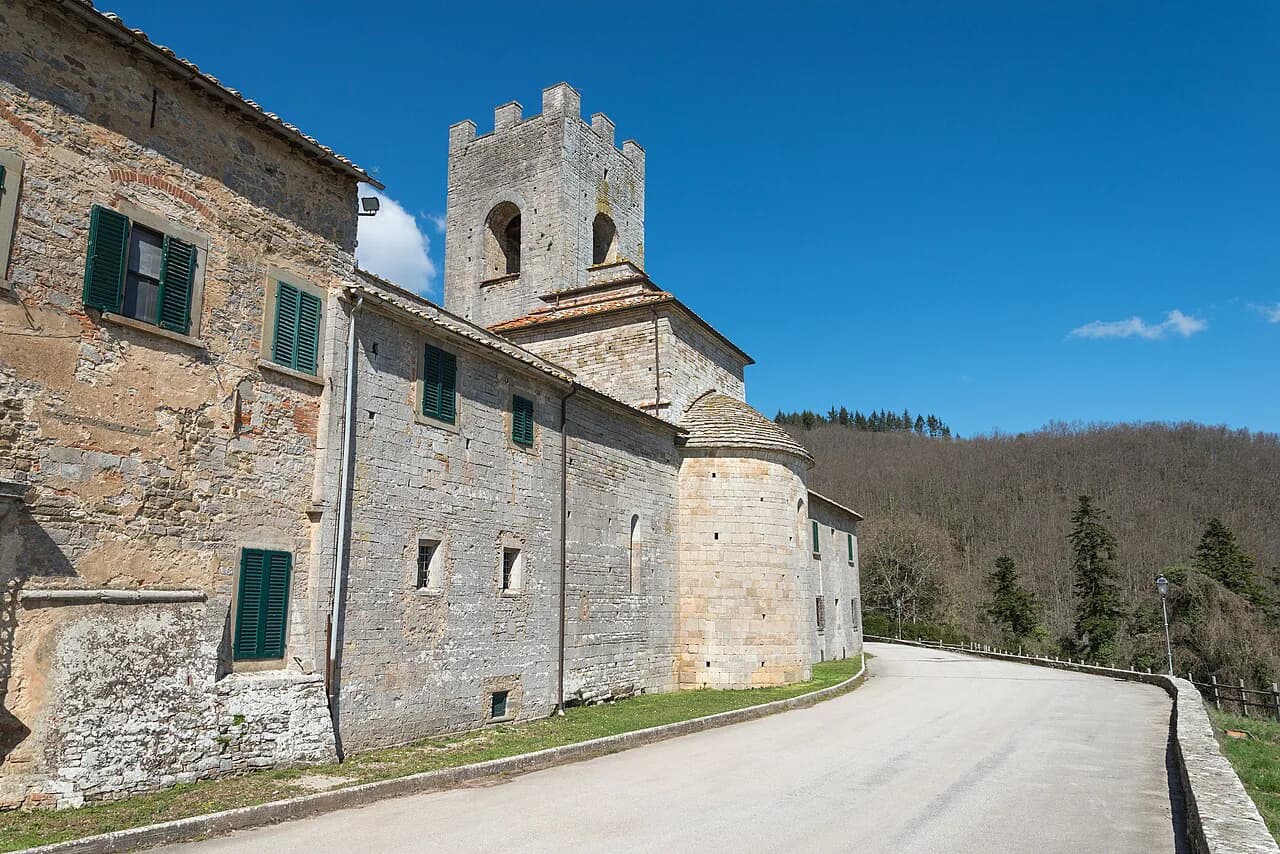
Fonterutoli is a small fortified borgo, an old Florentine outpost, and the estate describes it as preserved almost unchanged: a handful of houses, the church of San Miniato and a late-sixteenth-century villa where a citadel once stood. The setting looks toward Siena, and the property belongs to the Marchesi Mazzei, a family whose Chianti Classico wines are among the zone's reference labels. In practice, that means you are visiting a working estate in a lived-in village rather than a purpose-built visitor center.
Because the hamlet is compact, a visit is easy to structure: park or be dropped at the borgo, do the tour and tasting, then eat or stay within the same walls. The estate's own visitor offering bundles wine tours, tastings and a wine-and-food experience with an osteria, a wine bar and a wine resort on site. That concentration is the main argument for choosing Fonterutoli over a scattered day of drive-by stops.
Where It Is and How to Place It on a Chianti Map
Fonterutoli sits in the commune of Castellina in Chianti, in the province of Siena, inside the Chianti Classico production zone. Castellina itself is the nearest town and the practical reference point for taxis, parking and a post-tasting walk. The wider Chianti Classico area stretches between Siena and Florence along the SR222 Chiantigiana road, and Fonterutoli is well placed for combining with either city.
If you are building a Siena-based day, treat Fonterutoli as the southern anchor of a loop that can include Castellina and one or two other villages. If you are coming from Florence, it works as the first stop heading south. Either way, the estate is a rural appointment rather than a town attraction, so sort out transport before you lock in a time slot.
The Wines in Brief: Sangiovese and the Mazzei Range
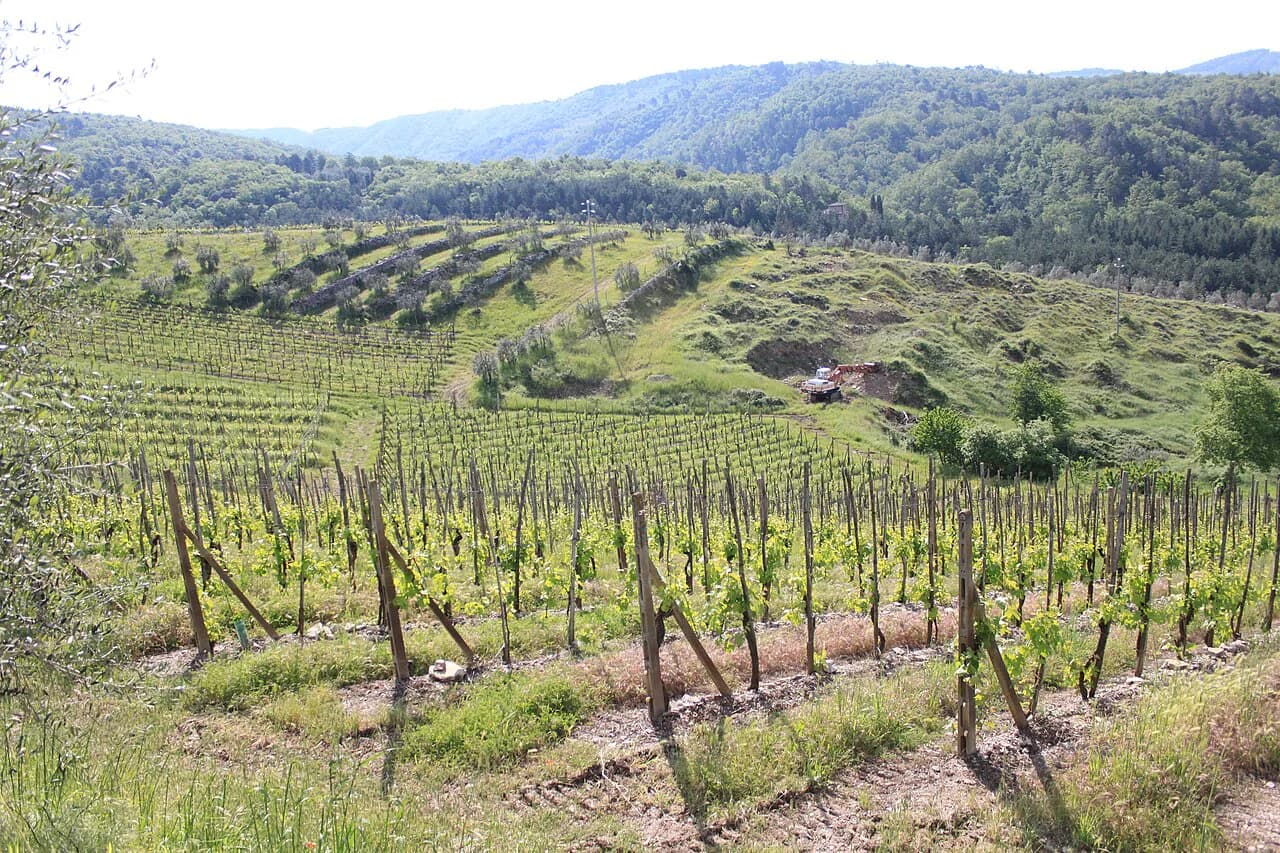
Chianti Classico is Sangiovese country, and Fonterutoli's vineyards are planted mainly to Sangiovese alongside small amounts of Malvasia and Colorino for the Chianti Classico wines, with Merlot and Cabernet Sauvignon behind the estate's Tuscany IGT bottlings. The top tier is Chianti Classico Gran Selezione, the zone's highest classification, and the estate bottles several from named sites. If you want to understand how Chianti Classico differs from a broader Tuscan red, this is a good place to learn it.
The producer lists three Gran Selezione labels, Castello Fonterutoli, Vicoregio 36 and Badiòla, which gives you a useful framework for a tasting: a flagship wine, a single-vineyard expression and a second site. The estate also makes extra virgin olive oil under the Chianti Classico DOP, pressed from frantoio, leccino, moraiolo and pendolino olives, which often appears in the food experience. Knowing the tiers in advance helps you decide whether a short tour is enough or you want the longer seated format.
The Three Published Visit Formats Side by Side
The booking listing publishes three options, and the differences are mostly about time, group size and whether food is included. Note that these are starting prices per person and can change by season or group, so treat them as a planning baseline rather than a fixed quote.
The Premium Wine Tour runs 1 hour 15 minutes, starts from 45 euros and takes one to fifteen people, which makes it the default choice for couples and small groups who want the cellar and a tasting without a long commitment. The Private VIP Tour runs 1 hour 30 minutes, starts from 75 euros and is limited to two to eight people, so it suits a couple or a small party who want a more personal visit. The Premium Wine and Food Experience is the long one at 3 hours, starts from 110 euros and takes one to fifteen, and it is the format to pick if you want lunch or a structured pairing built around the wines.
What Each Format Involves and How to Choose
All three formats are built around the winery and its cellar rather than a stand-alone bar tasting, but they scale differently. The short Premium Wine Tour is the one to book if you are slotting Fonterutoli into a broader Chianti Classico day and still want time in Castellina or another village. The Private VIP Tour buys you a smaller group and a little more time, which is worth it if you have specific questions about the range or the vineyards.
The Premium Wine and Food Experience is a half-day commitment and the right call if the visit is the main event: three hours allows a cellar walk-through plus a seated tasting with food, and it removes the need to find lunch afterwards. Budget-wise, the gap between the short tour and the food experience is roughly the price of a separate lunch, so decide whether you would rather eat on site or in town. If you are traveling with a group of more than eight, the private format no longer fits and the other two become the options.
The Cellar as the Centerpiece
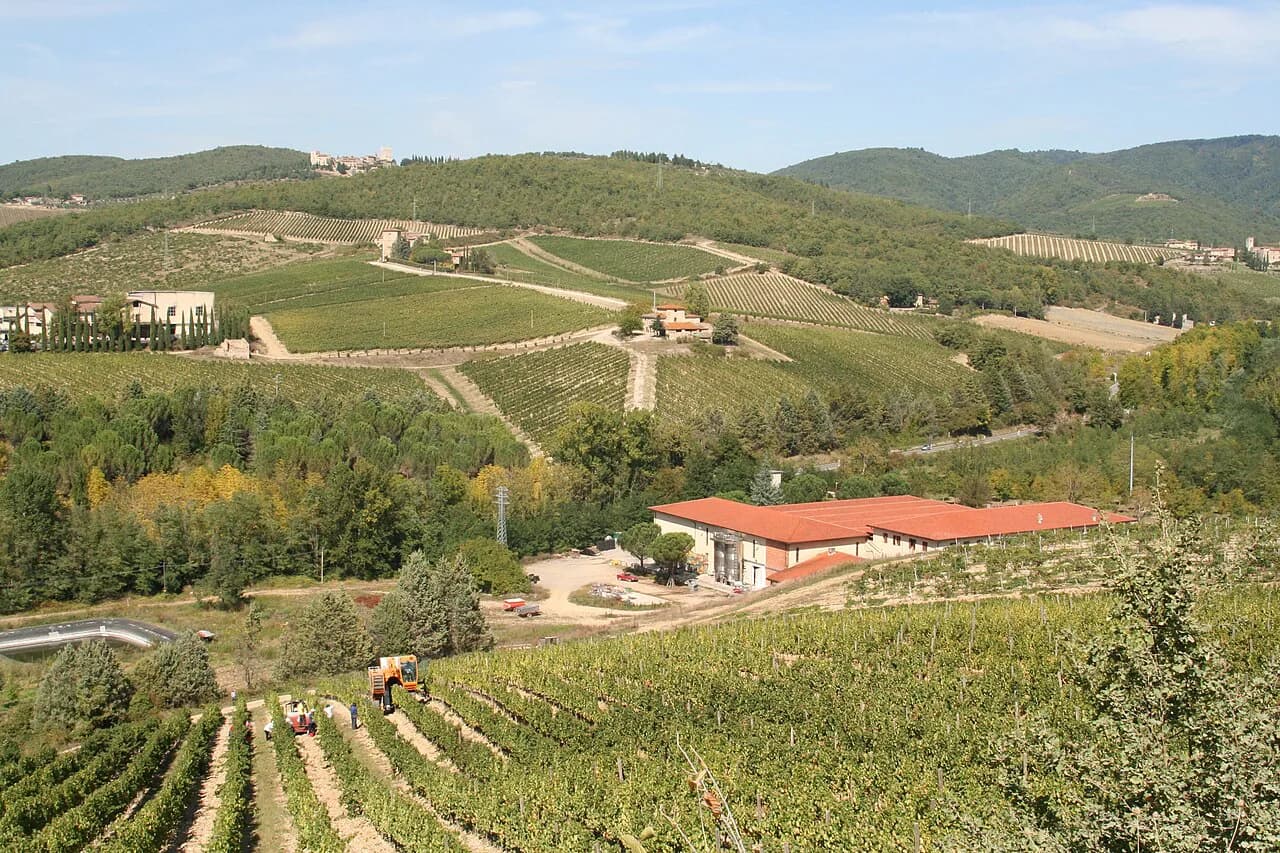
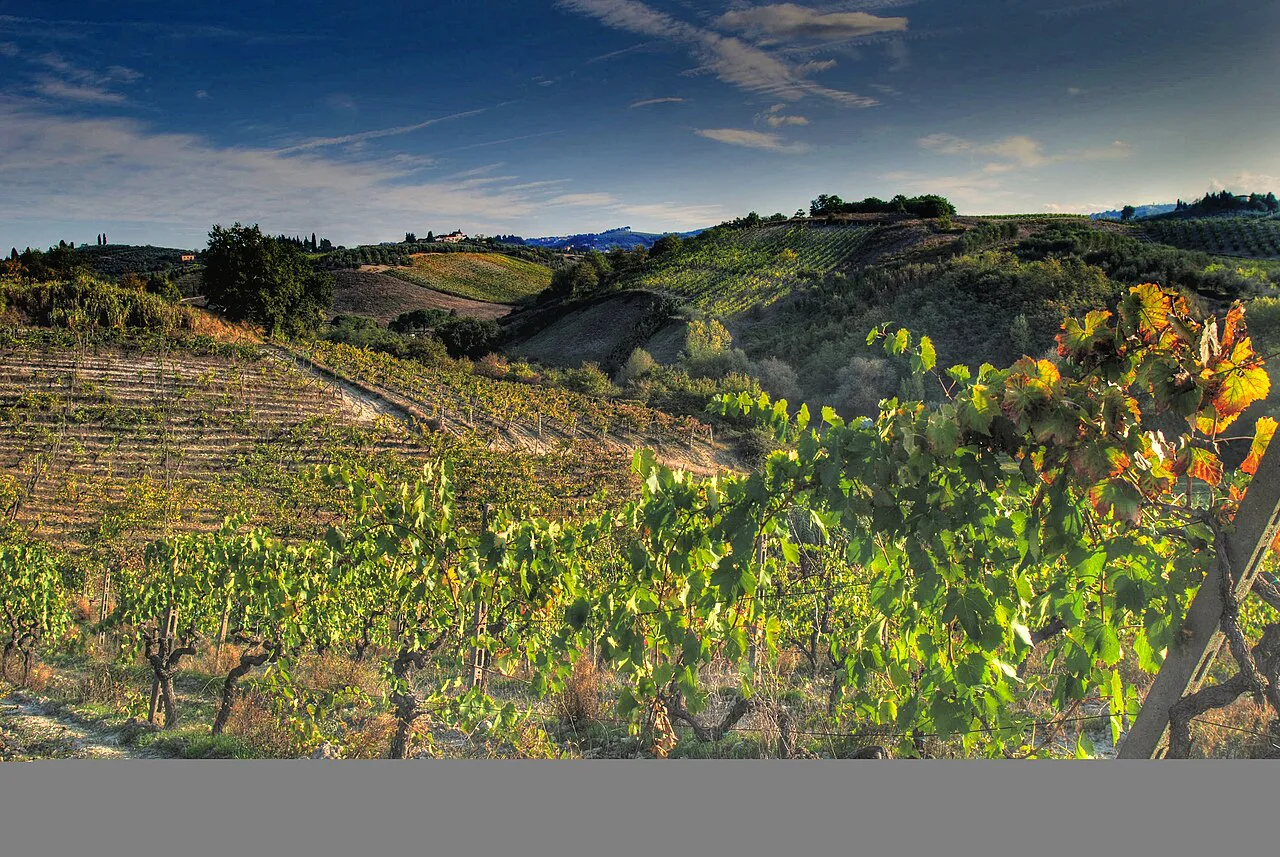
The winery building is the reason the tour adds value over a simple tasting. As the producer describes it, the cellar is built on three descending levels so that grapes delivered at the top move through vinification and ageing by gravity rather than pumping. That design, credited to Agnese Mazzei, is also part of the Toscana Wine Architecture circuit of design-led wineries, which is why architecture-minded visitors often put Fonterutoli on the list alongside other contemporary cellars in the region.
The detail to listen for on the tour is scale: 74 truncated-cone steel fermentation tanks of 100 hectoliters each, allowing the estate to ferment parcel by parcel. Deeper in, the barrel room sits about 15 meters below ground with more than 3,000 oak barrels, kept cool and humid by water running naturally down exposed rock. You are hearing the producer's account of its own facility, so use it to frame the wines you taste rather than as an independent review.
Booking, Private-Tour Minimums and What to Ask
Reservations run through the estate's wine tour pages or the Winedering listing that carries the three formats, and prepayment is standard for these experiences. The private tour has a two-person minimum and an eight-person maximum, so a solo traveler should book one of the other formats or ask whether a private slot can be opened. When you reserve, ask about the language of the tour, whether the tasting happens before or after the cellar walk, and whether anyone in your party needs a non-alcoholic alternative.
Because the formats are sold as timed experiences, book the slot before you fix train tickets or a taxi. The Mazzei site is the place to see the current tour menu, including cru tastings and tailor-made options that do not appear in the standard list. Mazzei does not publish fixed daily opening hours or a seasonal calendar in the pages available, so ask about your specific date when you book instead of counting on a walk-in.
One confirmation is enough: settle the date, format and group size in a single exchange, then keep the confirmation with you. If you are combining Fonterutoli with other estates, leave a buffer between appointments, because Chianti Classico visits run on scheduled slots and a late arrival can cost you the tour.
Staying and Eating on Site
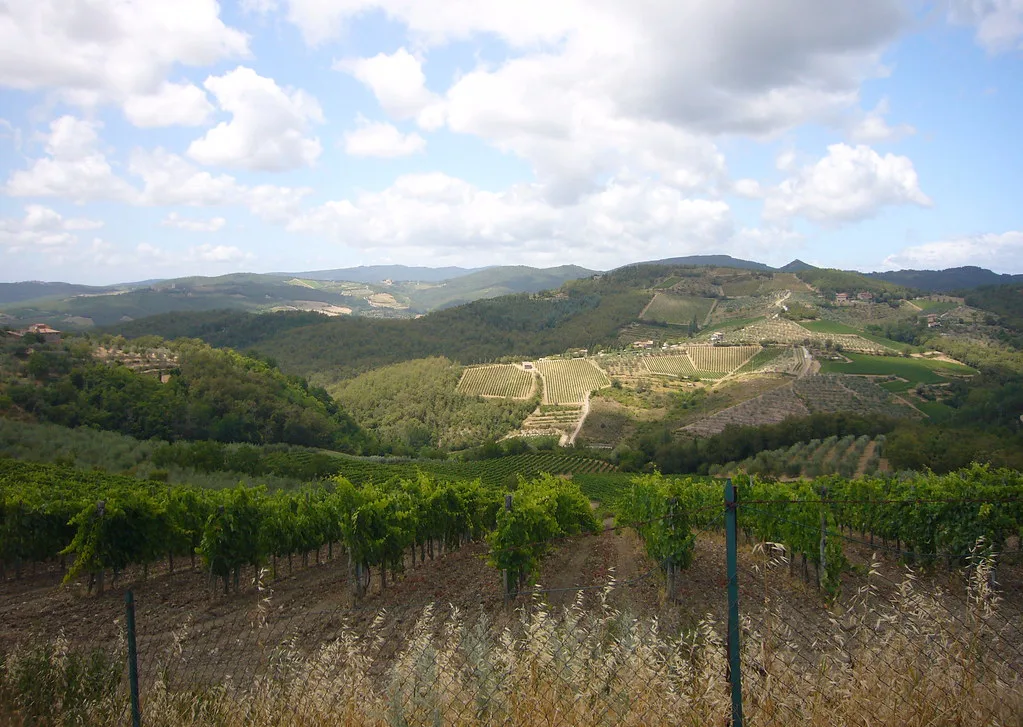
Fonterutoli is unusual in Chianti for keeping the whole visit inside the borgo. The estate runs the Castello di Fonterutoli Wine Resort, a scattered hotel in the village, plus the Osteria di Fonterutoli and a wine bar, so you can tour, taste, eat and sleep without moving the car. For a wine-focused trip, staying on site turns a rushed afternoon into an evening, and it solves the designated-driver problem entirely.
The resort is listed at Via Giacomo Puccini 4 in Castellina in Chianti, with check-in from 15:00 and check-out by 11:00, and a continental breakfast served in the morning. Reception hours are limited, so if you plan to arrive late, arrange it in advance. Guest reviews consistently single out the setting and the wine tour, while some note simple room fittings, which is worth knowing if you expect full hotel polish rather than a converted village house.
Eating at the osteria after a tour is the simplest way to end the day, and the on-site wine bar gives you a lighter option if you have already had a full tasting. Book a table when you book the tour, since the restaurant serves resort guests and outside visitors from the same small village. If you would rather keep your evening in Siena, there are plenty of places to continue the theme in town.
Getting There Without Driving from Siena
Fonterutoli has no station at its door, and the nearest listed train station for the area is at Castellina in Chianti rather than in the hamlet itself, so a car-free visit means a taxi or a booked tour for the final leg. From Siena, the realistic car-free plan is a taxi or private transfer to the borgo with a pre-arranged return, because rural Chianti buses are built around school and commuter rhythms rather than winery appointments. Ask the estate or your hotel to arrange a return pickup at a fixed time before you commit.
A guided Chianti day tour from Siena is the lower-stress alternative: someone else handles the winding roads and the parking, and the driver stays sober. The trade-off is less flexibility, since you see the estates on the tour company's schedule. Independent travelers get to linger at Fonterutoli and add a stop in Castellina, but they need to solve transport themselves.
Independent Visit vs. Guided Tour
Going independently makes sense if you are two or more people sharing a taxi, want a specific tasting format, and plan to spend the afternoon on site. Booking direct also lets you pick the private tour or the food experience precisely. The cost calculation changes for a solo traveler, who pays the full taxi fare alone and may find the private format closed by its two-person minimum.
A tour wins when your group is small, your time in Italy is short, or nobody wants to stay sober for the drive. It also removes the risk of arriving late to a timed slot on unfamiliar roads. Either way, one person in the car should skip the wine and use the spittoons; a designated driver, a taxi or a booked tour keeps the day safe for adults of legal drinking age.
Pairing Fonterutoli with the Rest of a Chianti Day
The natural pairing is Castellina in Chianti itself, a short drive from the borgo, with a walkable center, views and a handful of wine bars and shops. From there, the Chiantigiana road runs north toward Greve and south toward Siena, making a two- or three-stop day realistic. Keep the number of estates modest: two tastings plus lunch is a full day once you account for travel between appointments.
If you want to compare cellar architecture and scale, the Antinori nel Chianti Classico winery near San Casciano in Val di Pesa is a well-known design-led visit on the Florence side of the zone, and it pairs logically with a northbound route. Other Siena-area estates such as La Lastra make good additions if you are spreading visits over several days rather than cramming them into one. For a southern counterpart to the same design-led cellar comparison, the Montepulciano wine guide covers estates built around the same gravity and architecture idea.
For a broader base, staying in Siena and treating the Chianti villages as day trips keeps evenings simple and gives you a wider choice of restaurants. If you prefer to stay among the vines, Fonterutoli's own resort is the most convenient option, provided you book early in high season.
Practical Timing and Chianti Booking Culture
Harvest in Chianti Classico usually falls in September and can run into October, a period when estate staff are busy in the vineyards and cellar and tour availability can tighten. Spring and early autumn are the most comfortable times for a cellar visit, while midsummer heat makes a morning slot more pleasant than an afternoon one. The estate does not publish a fixed seasonal closure calendar in the pages available, so ask about your dates when you book.
Chianti Classico runs on appointments rather than walk-ins, and the better-known estates fill weekend slots first. For a two-person private tour or a weekend food experience, book several weeks ahead in high season; for a midweek short tour, a shorter lead time usually works. Build your day around one booked slot and let the rest of the itinerary flex around it.
How Prices and Hours Can Change
The prices in this guide come from the Winedering listing and are published as starting prices, which means the final figure depends on the date, the format and the size of your party. The Mazzei site is the best place to see the current tour menu and any seasonal additions, since it lists options beyond the standard three. Neither source in this packet gives fixed opening days, so check dates and prices with the estate when you book rather than planning around an assumed schedule.
Plan Your Fonterutoli Visit
Decide first how much time you want to give Fonterutoli: a 75-minute tour, a 90-minute private visit or a three-hour food experience. Book the format that fits your day, confirm the date and group size in one exchange, and arrange transport before you commit to a time slot. If you are basing yourself in Siena, a taxi or a guided day tour is the realistic car-free route to this rural hamlet.
Then let the rest of the plan follow: lunch or a night at the borgo, a stop in Castellina, and one more estate if you have the appetite. Keep the driver off the wine, use the spittoons, and leave room in the schedule for the drive back. Fonterutoli rewards a booked, unhurried visit far more than a rushed stop between villages.
Frequently Asked Questions
How much does a tasting at Castello di Fonterutoli cost?
The listing publishes starting prices per person for three formats: the Premium Wine Tour, the Private VIP Tour and the Premium Wine and Food Experience. Because these are starting figures, the final amount depends on your date, group size and any extras, so confirm the total when you reserve. The estate's own site shows the full current tour menu.
Do you need to book Castello di Fonterutoli in advance?
Yes. The visits are sold as timed experiences, and prepayment is standard, so reserve a slot before you fix transport. Weekend slots at well-known Chianti Classico estates fill first, so book several weeks ahead in high season, especially for a private tour or the food experience. A midweek short tour often has more room at shorter notice.
How long is the Castello di Fonterutoli wine tour?
The published Premium Wine Tour runs 1 hour 15 minutes and takes one to fifteen people. The Private VIP Tour runs 1 hour 30 minutes for two to eight people, and the Premium Wine and Food Experience lasts 3 hours for one to fifteen people. Choose the short tour if you are fitting in other villages and the long one if the visit is your main activity for the day.
Can you visit Castello di Fonterutoli without a car?
There is no station at the hamlet, so the car-free route is a taxi or private transfer from Siena or a guided Chianti tour with a driver. Arrange a fixed return pickup before you commit to a tour time, since rural buses follow commuter and school rhythms rather than winery schedules. Travelers who want flexibility usually combine a taxi with a stop in Castellina in Chianti.
What is the difference between the Premium Wine Tour and the Private VIP Tour?
The Premium Wine Tour is the shorter, cheaper group option with a wider group size range, while the Private VIP Tour runs fifteen minutes longer, costs more, and caps the party at eight with a two-person minimum. The private format suits couples or small groups who want a more personal visit and more time for questions. Solo travelers should book one of the other formats unless a private slot can be opened.
Can you stay and eat at Castello di Fonterutoli?
Yes. The estate runs a wine resort in the borgo along with the Osteria di Fonterutoli and a wine bar, so you can tour, taste, dine and stay without driving afterwards. Staying on site also removes the designated-driver problem for the evening. Book the table and the room along with your tour, since both serve the same small village.
What wines does Castello di Fonterutoli make?
The estate is known for Sangiovese-led Chianti Classico, including Chianti Classico Gran Selezione from named sites such as Castello Fonterutoli, Vicoregio 36 and Badiòla, plus Tuscany IGT wines built on Merlot and Cabernet Sauvignon. It also produces Chianti Classico DOP extra virgin olive oil, which appears in the food experience. Tasting through the tiers is the quickest way to learn the difference between them.
Sources
Notes for your next wine trip
Optional updates to our winery and wine-town guides.
You might also like
Continue reading
More guides you'll find useful