Castello di Brolio: Wine Tasting and Tours from Siena
Plan a Castello di Brolio visit from Siena: castle grounds, the paid historical and wine tours, the Ricasoli wines to know, and how to get there.
On this page
Brolio is one of the few Chianti Classico estates where the visit is as much about a castle and a family history as about the cellar. The Ricasoli family has held the hilltop above Gaiole in Chianti since the twelfth century, and the property still produces wine from vineyards wrapped around the castle. A visit rewards a little planning: decide whether you want the castle interiors, the wine tasting, or simply the views and a glass, because these are separate offers.
This guide sets out where Brolio sits in relation to Siena and Florence, what each part of the estate actually opens to visitors, which Ricasoli labels are worth knowing before you taste, and how to build the trip around public transport, a driver or a tour. It is written for travelers basing themselves in Siena and giving Chianti one full day. For the wider picture of the city's tasting scene, see our guide to wine tasting in Siena.
Why Brolio Sits at the Center of Chianti Classico
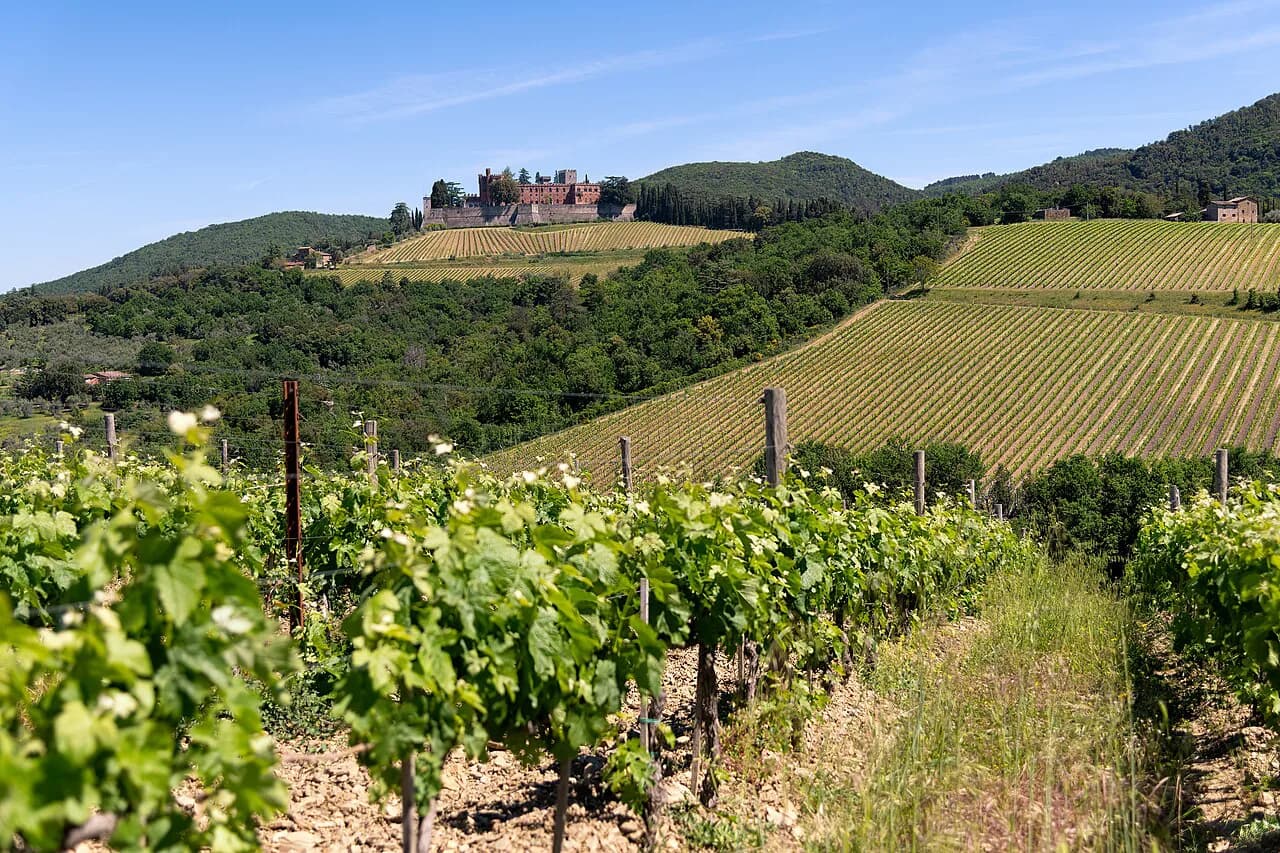
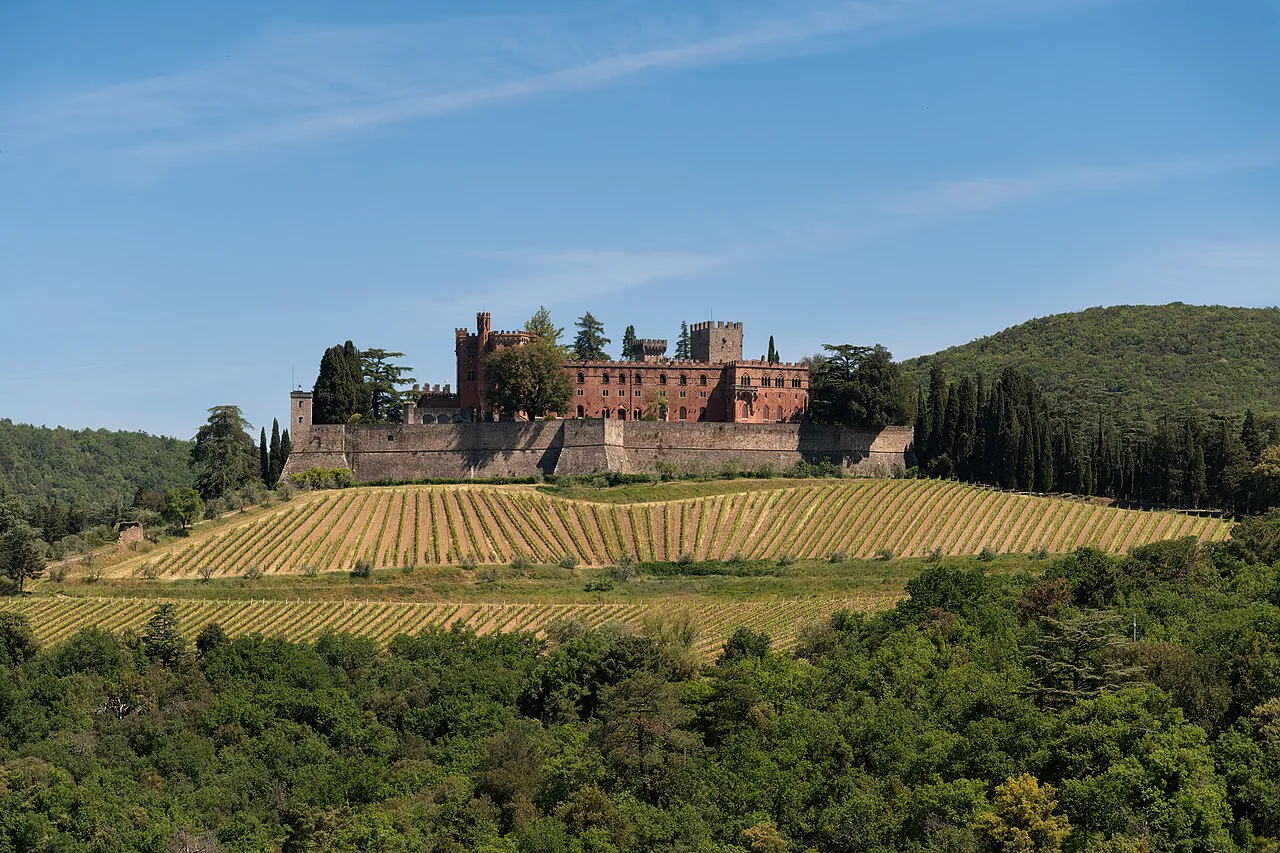
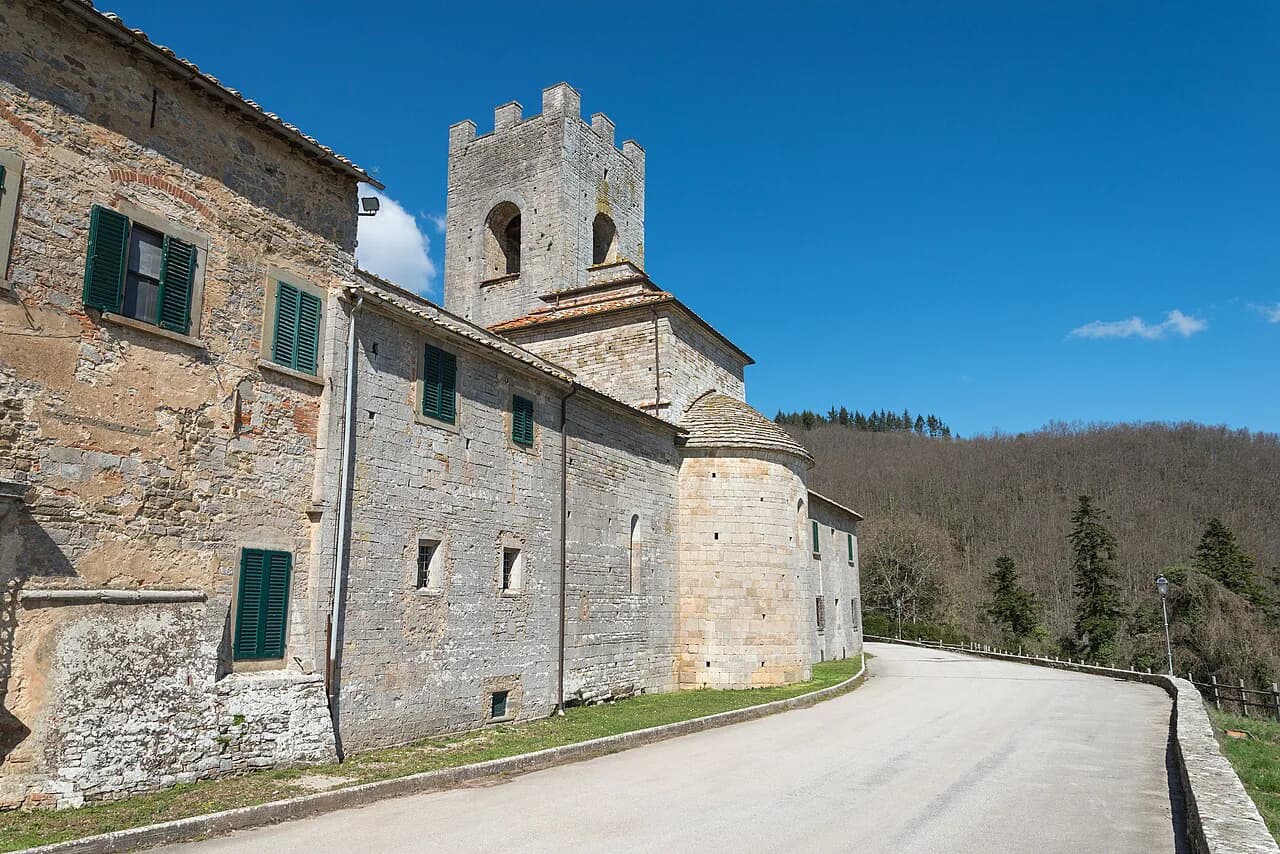
Brolio Castle stands on a hilltop near Gaiole in Chianti, in the heart of the old Florentine Chianti League formed by Radda, Castellina and Gaiole. The castle is a Gothic Revival reconstruction largely carried out in the 1830s under Bettino Ricasoli, with the keep and the Romanesque Chapel of San Jacopo folded into the nineteenth-century fabric. Its bastions, among the earliest Italian fortifications designed to deflect cannon fire, still enclose the older structure, and visitors can walk the ramparts.
The name that matters for wine is Bettino Ricasoli, the nineteenth-century statesman and experimental agronomist remembered for pushing Chianti toward a Sangiovese-led blend. The estate's own account dates that formula to 1872 at Brolio, and today's Chianti Classico rules remain Sangiovese-dominant, with white grapes such as Malvasia and Trebbiano no longer permitted in the appellation. Knowing this history makes the labels easier to read: you are tasting Sangiovese in the place that helped define how it is blended.
Where Brolio Is: Gaiole in Chianti, Siena and Florence
The estate is administered from Madonna a Brolio, the hamlet at the foot of the castle in the comune of Gaiole in Chianti, in the province of Siena. The winery describes the position as about an hour's drive from Florence and scarcely half an hour from Siena, which makes Brolio a realistic half-day or full-day outing from either city rather than a quick detour. From Siena the route climbs into the Chianti hills through Castellina in Chianti or through the Monti del Chianti side; either way the last stretch is slow, winding country road.
Think of Brolio as the eastern anchor of a Chianti day. Gaiole, Radda in Chianti and Castellina in Chianti form the classic triangle of the old league, and Brolio sits just off it, closer to Gaiole than to the other two. A sensible plan groups Brolio with Gaiole and Radda, leaving Castellina for the drive home toward Siena. Trying to add Florence or a second major estate in the same afternoon usually means rushing the castle grounds, which are the reason many people come.
What You Can Actually Visit at the Castle
The grounds and the ramparts of Brolio can be visited without charge, and the walk around the bastions gives the wide view over the surrounding vineyards that most photographs of Brolio are taken from. The interior apartments of the castle are not open to the public on an ordinary visit. That distinction matters when you book: the free access is to the outdoor estate, ramparts and gardens, while the museum and the state rooms require a ticket.
Beyond free access, the castle offers a paid historical tour that includes the gardens and the museum, and a separate paid wine tour that includes a tasting. The Ricasoli hospitality team also runs a Privilege Tour, described as the only route that takes visitors through the private apartments of the castle. If the interiors are the point of your visit, ask specifically for the Privilege Tour when you book, because the standard historical ticket does not cover them.
The practical consequence is that Brolio is not a single ticket but a menu. A walker who wants views and a glass can stop at the wine bar and skip the castle entirely; a history-minded visitor can take the historical tour and never enter the tasting room; a wine-focused visitor can book the wine tour and treat the ramparts as a bonus. Decide which of the three you are before you arrive, because fitting two paid tours into one afternoon leaves little time for the drive back to Siena before dark.
The Wine Shop, Wine Bar and Osteria at Madonna a Brolio
The hamlet of Madonna a Brolio, below the castle, is where the estate's visitor infrastructure clusters. The winery lists a Wine Shop, a Wine Bar facing the Agribar, an Agribar café serving pastries, sandwiches and filled focaccia, and the Osteria del Castello restaurant with tables in the wooded park at the foot of the castle. There is also an agriturismo, the Agresto, for anyone who wants to stay overnight in the vineyards rather than drive back to Siena.
This cluster is what turns Brolio into a half day rather than a twenty-minute stop. The winery suggests that visitors can book tours in advance or ask at the Wine Shop on arrival, and that staff there explain how Bettino Ricasoli arrived at the Chianti Classico formula. Treat the last-minute option as an opening rather than a guarantee: on a busy autumn weekend the scheduled departures can fill, and the shop queue is not a reservation system.
The Ricasoli Wines to Know Before You Go
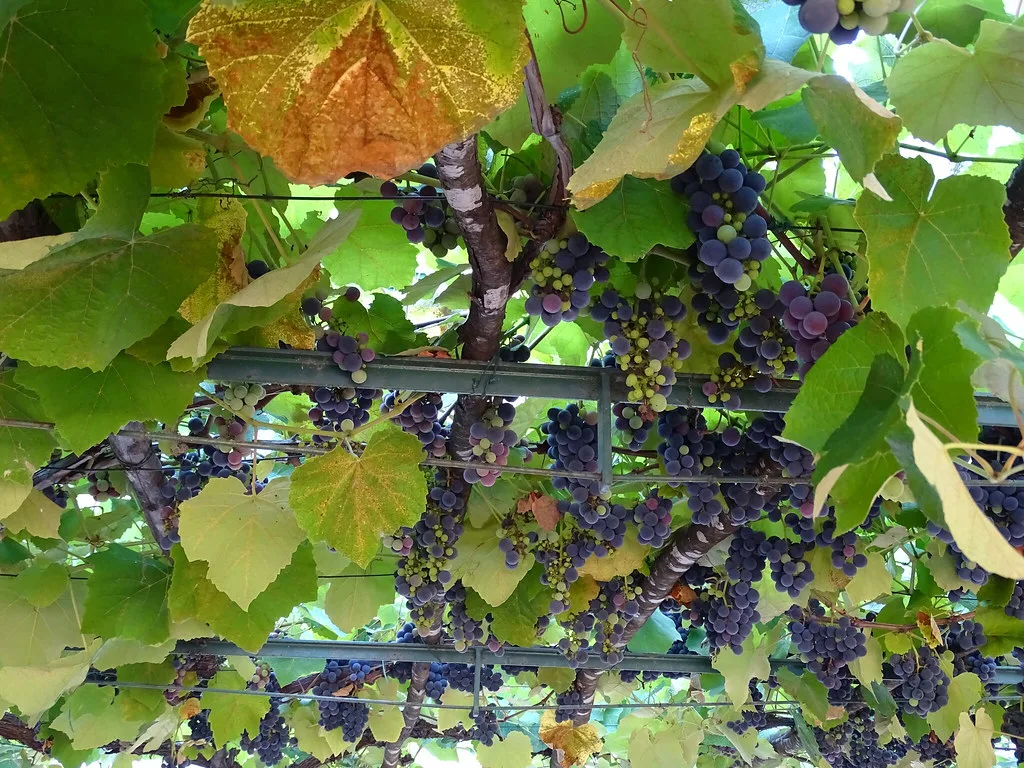
The estate's range runs from a Brolio Chianti Classico and a Brolio Chianti Classico Riserva up through the Castello di Brolio Chianti Classico Gran Selezione, the top of the Chianti Classico ladder. Gran Selezione is the category to watch if you want to understand the estate's ambitions: it is the strictest tier of the appellation, drawn from estate fruit and aged longer than a Riserva. Tasting the Riserva and the Gran Selezione side by side is the clearest way to see what the house does with Sangiovese.
Alongside the Chianti Classico wines, Ricasoli bottles single-vineyard Sangiovese as Colledilà, Roncicone and Ceniprimo, plus a Merlot called Casalferro and a Chardonnay, Torricella. The property is large, with roughly 240 hectares of vineyards and 26 of olive groves across about 1,200 hectares, and the winery ferments vineyard plots separately in small steel vats before aging in barrels of various sizes. That plot-by-plot approach is the reason the single-vineyard labels exist at all, so ask about them if the tasting list runs to them.
Booking and Logistics: Appointments, Groups and Seasonal Hours
Brolio receives visitors as an organized hospitality operation rather than a walk-in cellar door, and tours are best reserved ahead through the Ricasoli channels listed on the estate's visit pages. The published material does not fix tour times, group minimums or seasonal closures in a way that can be relied on from one season to the next. Before you commit a day of a short trip, confirm the current tour schedule, the meeting point and whether your preferred language is offered directly with the estate.
Several area hotels act as intermediaries: Villa Le Barone, a hotel in Panzano in Chianti about 28 km from the estate, arranges wine visits and tastings at Castello di Brolio and can also handle buying and shipping wine. That is useful if you would rather not manage the booking yourself, but it is a hotel service rather than the estate's own reservation desk, so the confirmation you receive will come through the hotel.
On timing, keep two stable facts in mind. Harvest in Chianti Classico generally falls in September and early October, when the estate is at its busiest with fruit arriving and visitor capacity can tighten; and August is peak vacation month in Tuscany, when the estate's own hospitality stays open while much else in the countryside slows. Late spring and early autumn give the best combination of open roads and working vineyards, and weekdays are calmer than Saturdays.
Getting There Without Driving
Brolio has no rail station of its own, and the last kilometres climb narrow country roads with no useful bus coverage for a wine visit. In practice you have three options: a guided day tour from Siena that includes transport, a private driver or taxi hired for the day, or a rental car. A taxi taken one way to Brolio is easy; finding one for the return from a rural hamlet in the evening is the part that goes wrong, so arrange the pickup in advance or keep the driver for the day.
The trade-offs are real. A rental car gives you the freedom to combine Brolio with Gaiole and Radda and to stop at viewpoints, but it means exactly one person abstains from tasting, and the Chianti roads demand attention after a long lunch. A guided tour removes that problem and often adds a second estate, at the cost of a fixed schedule and less time on the ramparts. A private driver sits between the two: you set the itinerary, but you pay for the day rather than the seat. Whichever you choose, the driver should not taste; spittoons are standard at the tasting counter and using them is normal, not rude.
If you are staying in Siena without a car, the cleanest version is a small-group tour that collects you in the city and returns you in the evening, with Brolio as the anchor stop. Travelers who want to compare a very different Chianti Classico visit — a modern, purpose-built cellar rather than a medieval castle — can pair this day with a look at our guide to Antinori nel Chianti Classico near San Casciano in Val di Pesa.
Pairing Brolio With Nearby Chianti Stops
A well-paced day from Siena runs Siena to Castellina in Chianti for a coffee, on to Radda in Chianti for a walk, then down to Brolio for the castle and a tasting, finishing through Gaiole on the way home. Driven in the other direction, the same loop works equally well and puts the tasting later in the day. Keep the number of stops to three at most: the pleasure of Chianti is in the villages and the views between them, and Brolio alone can absorb two to three hours once you add the ramparts and the wine shop.
If you want a second tasting on the same day, choose it deliberately rather than by chance. Smaller estates in the Gaiole and Radda hills generally receive visitors by appointment and need a phone call or email days ahead, whereas Brolio runs scheduled tours and a drop-in wine shop. For a shortlist of city-based alternatives if you decide to stay in Siena instead, our selection of wineries in Siena covers options closer to town, and travelers weighing other hill towns can also read our guide to wine tasting in Montepulciano for a Sangiovese-focused comparison.
Plan Your Visit
Castello di Brolio works best when you treat it as a place with several layers: free ramparts and views, paid historical and Privilege tours for the castle interiors, and a separate wine tour with tasting, all backed by a wine shop, wine bar and osteria at Madonna a Brolio. Decide which layer you want before booking, allow half a day including the drive from Siena, and confirm the current tour schedule directly with the estate before you set out.
Finish the day back in Siena with a glass somewhere central rather than on the road, and use our guide to Siena Wine Bars and Enoteche if you want a short list of addresses near your hotel. Travelers who prefer a driver or a group tour should book well ahead in harvest season, and anyone renting a car should settle on a designated driver before the first pour.
Frequently Asked Questions
Where is the Ricasoli winery located?
Barone Ricasoli's Brolio estate sits at Madonna a Brolio in the comune of Gaiole in Chianti, province of Siena, with the castle on the hilltop above the winery and visitor buildings. The estate describes the position as about an hour's drive from Florence and scarcely half an hour from Siena.
Do you need a reservation to visit Castello di Brolio?
The ramparts and outdoor grounds can be visited without charge, but the paid historical tour, the Privilege Tour of the private apartments and the wine tour should be reserved ahead. The estate also accepts last-minute requests at the Wine Shop subject to availability, which is not a guarantee on busy weekends.
What is the difference between the castle tour and the wine tour at Brolio?
The historical tour covers the castle gardens and museum, and the Privilege Tour adds the private apartments. The wine tour is a separate paid visit focused on the cellars and a tasting of Ricasoli wines, including Chianti Classico styles and single-vineyard Sangiovese labels such as Colledilà, Roncicone and Ceniprimo.
Can you visit Castello di Brolio without a car?
Not easily on public transport, since the last kilometres are narrow country roads without useful bus service for a tasting visit. The practical options are a guided day tour from Siena, a private driver or taxi booked for the full day including the return, or a rental car with a designated non-drinking driver.
What wines can you taste at Brolio?
Expect the Ricasoli range built on Sangiovese: Brolio Chianti Classico, a Riserva, the Castello di Brolio Gran Selezione, and single-vineyard Sangiovese bottlings, alongside a Merlot and a Chardonnay. The exact flight depends on the tour you book, so ask when reserving.
How far is Castello di Brolio from Siena and Florence?
The estate gives the drive from Florence as about an hour and from Siena as scarcely half an hour, distances measured on winding Chianti roads rather than motorway. Allow more time in harvest season and on weekends, when traffic through Castellina and Radda slows.
Is Castello di Brolio worth visiting?
Yes, if you want a Chianti Classico visit with history attached: the castle and its bastions, the Ricasoli story behind the Sangiovese formula, a working winery and a wine shop in one compact site. Travelers seeking only a quiet cellar tasting may find a smaller appointment-only estate in the Gaiole hills better value for time.
Sources
Notes for your next wine trip
Optional updates to our winery and wine-town guides.
You might also like
Continue reading
More guides you'll find useful