Wine Tasting in San Gimignano: Vernaccia, Wineries and Tours
Plan wine tasting in San Gimignano around Vernaccia, cellar visits and private tours, with booking, transport and cost details that help you choose.
On this page
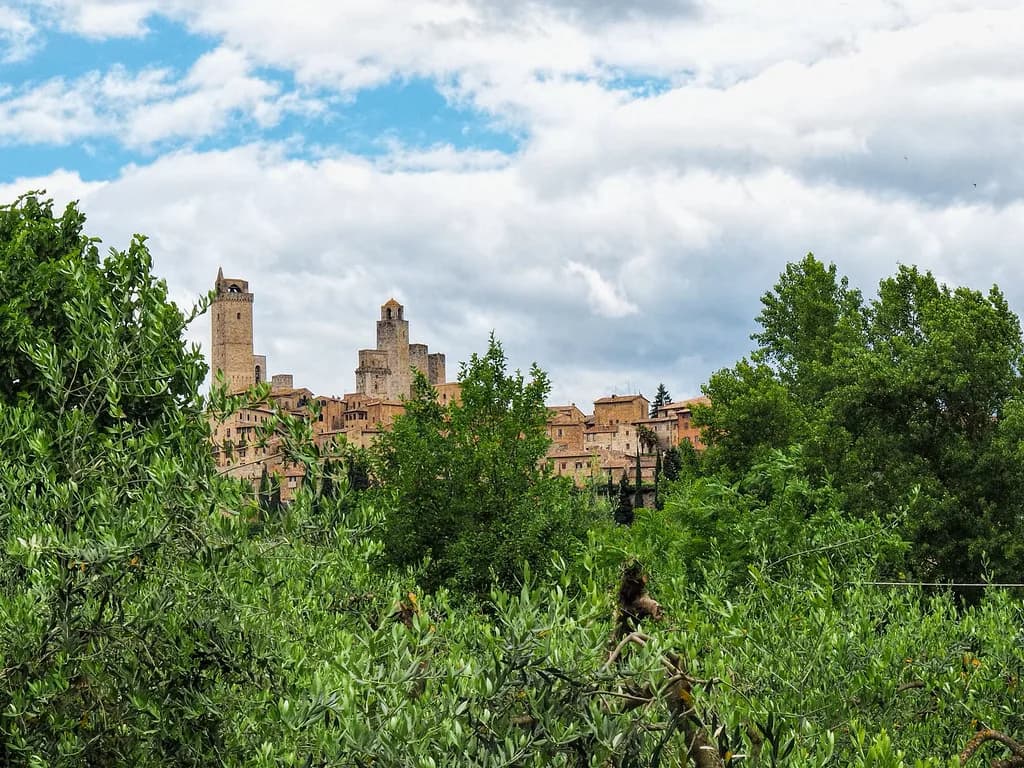
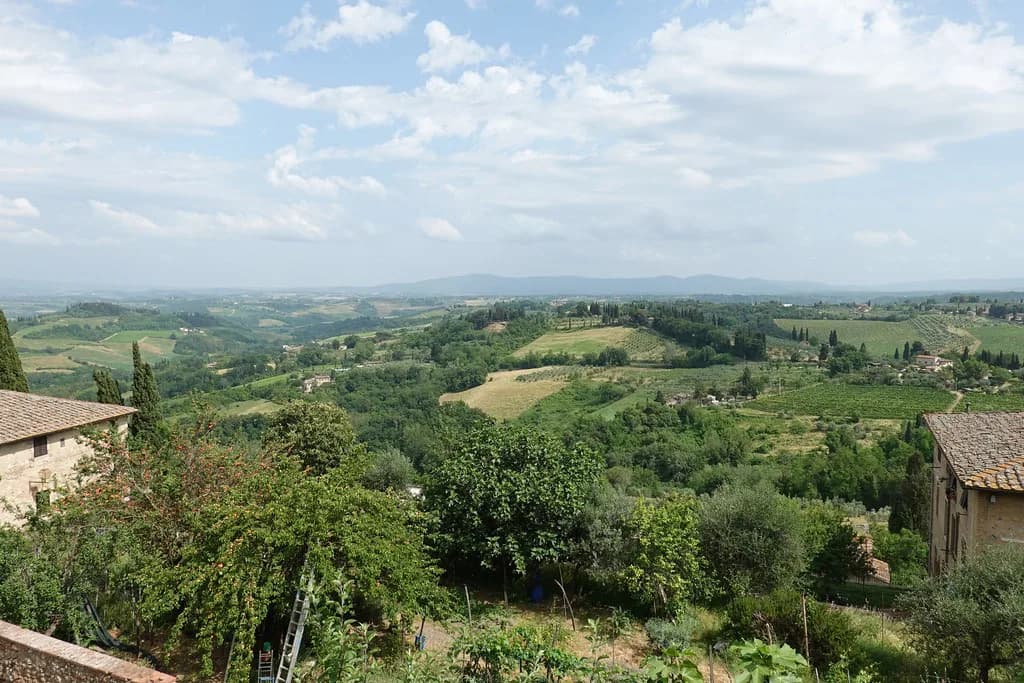
San Gimignano sits on a ridge in central Tuscany, halfway between Florence and Siena, and its name is tied to one grape above all: Vernaccia, the white that made this hill town a wine destination long before the towers became a photo stop. Most visitors come for a few hours, but a wine day here rewards planning, because the cellars are scattered across the valley floor and the surrounding hills rather than lined up along one street.
This guide separates what you can book at a winery from what you book through a tour operator, because the two carry very different price structures and time commitments. It also explains how to reach the wine district by train, bus, taxi or shuttle when nobody in your party wants to drive, and what to ask before you commit to a tasting.
Why San Gimignano Drinks White: Vernaccia di San Gimignano DOCG Explained
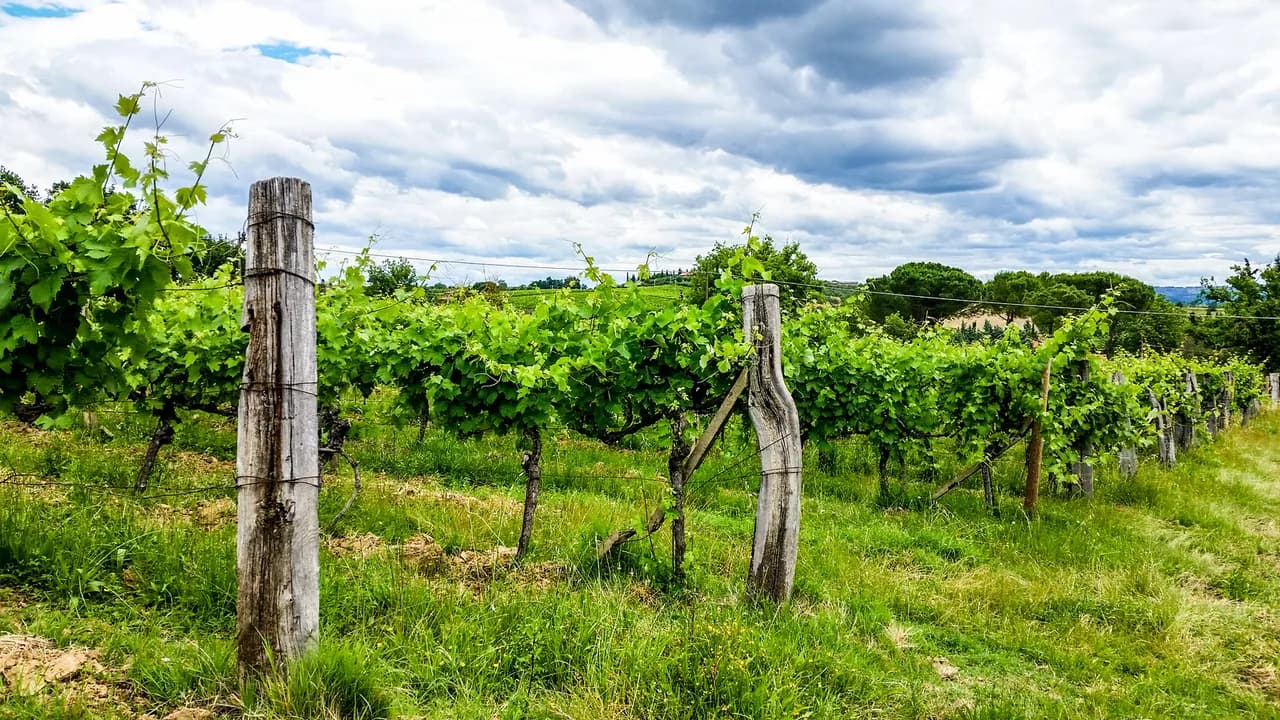
Vernaccia di San Gimignano holds DOCG status, the top tier in Italian wine classification, and it is the wine to build a visit around. The grape is grown on the slopes around the town, and the resulting white is dry and structured rather than light and neutral, which is why it stands up to the local cheeses, olive oil and truffle dishes served in tasting rooms.
The surrounding countryside is Chianti Classico territory, so red Sangiovese is never far away. Many tours pair a Chianti Classico cellar with a Vernaccia tasting on the same day, which is the fastest way to understand the contrast between the two zones.
If you are deciding which wineries to approach first, keep the grape map in mind: Vernaccia producers cluster close to San Gimignano, while Chianti Classico cellars sit further east toward Siena. Our overview of the san gimignano wineries lays out which estates receive visitors and where they sit relative to town, so you can match the wines you want to drink with the distances you are willing to cover.
How the Wine District Is Laid Out: Towers, the Valley Floor and the Surrounding Hills
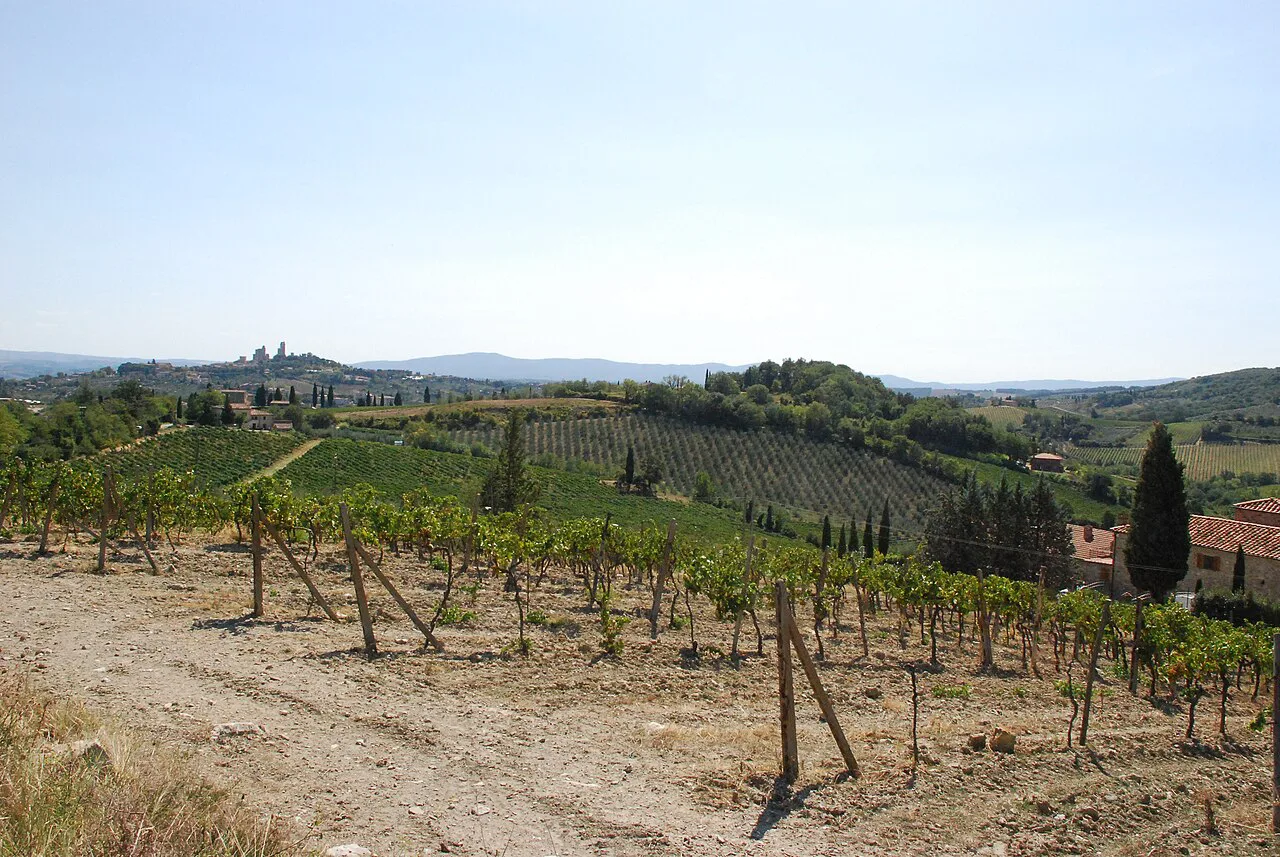
The walled center is compact and walkable, and a few tasting rooms sit inside or just outside the gates. The larger estates lie in the countryside below, in hamlets such as Ulignano, where driveways, parking and vineyard views replace the narrow medieval lanes.
That geography shapes your day. If you stay in town, plan on a short taxi or a prearranged shuttle for the rural estates, because the roads between them are country roads without a dense bus network. If you join a tour from Florence or Siena, the vehicle handles those transfers and you trade flexibility for convenience.
Grouping visits by direction works better than chasing a list. A cellar toward Ulignano pairs naturally with a return to town for lunch, while anything angled toward Chianti Classico deserves its own half-day because the drive eats into tasting time.
Tenuta Torciano in Ulignano: What the Tasting Includes, Published Prices and Booking Rules
Tenuta Torciano, run by the Giachi family at Via Crocetta 16 in Ulignano, is the most explicitly documented estate in the area for visitors. It publishes daily opening hours of 9:00 am to 10:00 pm and states that cellar visits, including the barrels and barriques, are possible only from 9:00 am to 11:00 am, so an early slot is the one to request if the cellar matters to you.
The estate's own tour listing is the clearest cost benchmark available, but read it carefully: the published figures are per-person prices for a full-day private tour that includes transport from Florence, a winery tour, a Tuscan lunch and a tasting, not a walk-in tasting fee. The listed rate drops as the party grows, starting at 710 euros for one person and falling to 205 euros per person for four, with further tiers beyond that.
Booking runs through the winery by email at booking@torciano.com or by phone, and the tour page states that a reservation is necessary and available all year, with a minimum of two adults. Cancellations are governed by a stated notice period, so check the terms when you reserve.
The tasting selection shown for the tour spans Vernaccia di San Gimignano, Chianti and Chianti Classico, Brunello di Montalcino, Morellino di Scansano and several Super Tuscans, plus olive oils and balsamic vinegar. Dietary needs are handled if you flag them during booking, and gluten-free, vegetarian and vegan menu variations are listed as available on request.
Winery Visits and Experiences Inside and Around Town: Cellar Tours, Vineyard Walks and Truffle or Lunch Pairings
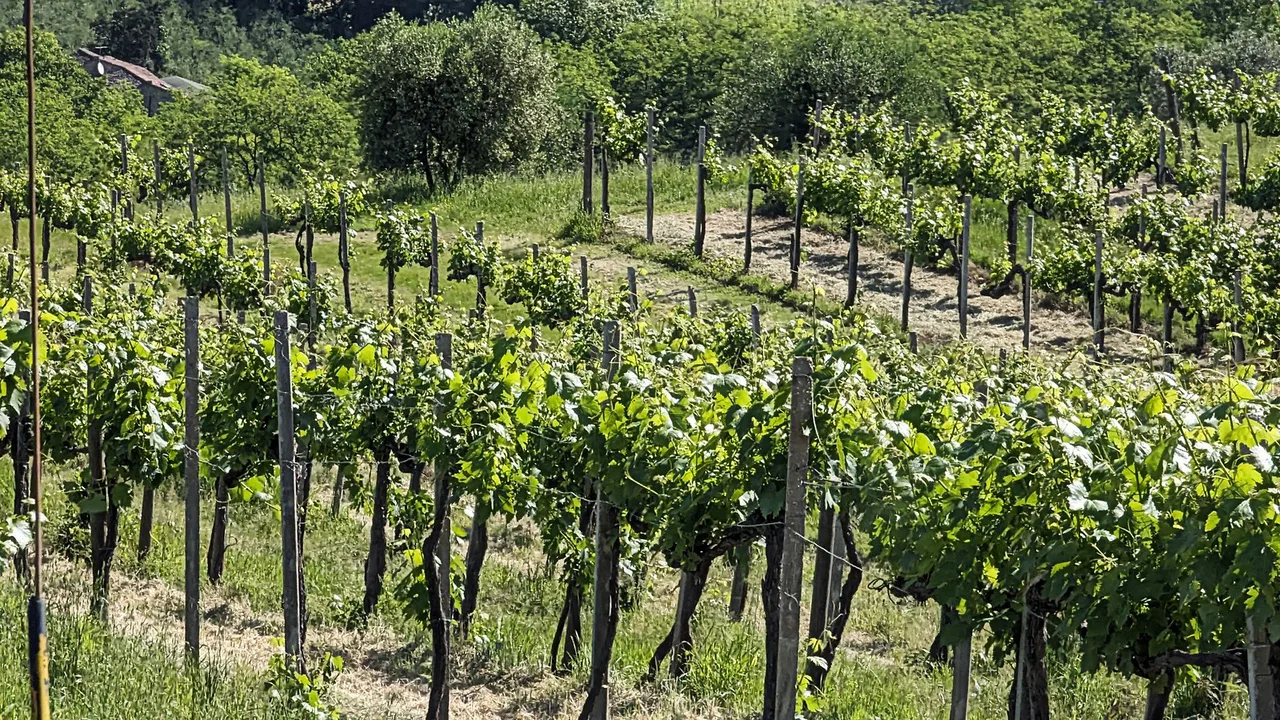
Beyond the large estates, the experiences marketed around San Gimignano fall into a few recognizable formats. One common option is a private tasting of four to five organic wines with olive oil and aged balsamic, followed by a four-course Tuscan lunch and a vineyard walk. Another is a small-group tasting led by a sommelier at a family-run winery, combining a cellar visit with a vineyard tour.
Food-led formats add truffles or a full lunch to the wine, and a slower option pairs a vintage-car drive through the countryside with a boutique winery visit. These are bookable experiences rather than open tasting rooms, which means you are committing to a package rather than choosing pours at a counter.
For travelers who want the white wine explained at its source, a dedicated Vernaccia tasting with local cheese and olive oil is the most focused introduction. Our guide to wine tours in the area compares these formats by duration and group size, which helps when you are choosing between a short cellar visit and a half-day package with lunch.
Independent Touring Versus a Guided Tour from Florence or Siena: Cost and Flexibility Trade-offs
Private tours from Florence run long days that start in the morning and return in the evening, and they fold two cellar visits, tastings, a Tuscan lunch and free time in San Gimignano into one price. The published per-person rate for a private tour with two travelers is 400 euros, easing to 320 euros at four travelers and 220 euros at eight, which covers the vehicle, driver and guide.
That figure buys convenience, not just wine: pickup at your Florence hotel, an English-speaking driver and a guide, and no need to solve rural transport yourself. The trade-off is a fixed itinerary and a departure city that is roughly an hour and a half from San Gimignano, so much of the day passes in the vehicle.
Staying in or near San Gimignano flips the equation. You pay for a taxi or shuttle to individual estates and choose your own pacing, and you can leave gaps in the day for the town itself rather than fitting it into a tour schedule.
A middle path suits many travelers: stay locally, book one guided wine tour for the day you want to go deep into the countryside, and keep the other days for short independent visits. If you are still comparing bases, our notes on wine tasting in bologna show how a city-based wine day works elsewhere in Italy for contrast, and the Lucca wine guide offers a similar comparison for a smaller Tuscan town.
How to Get Around Without Driving: Trains, Buses, Taxis, Bikes and Shuttles
San Gimignano has no rail station of its own; the practical rail approach is to Poggibonsi and then a bus or taxi up to town, which is the standard route from Florence and Siena. Once in San Gimignano, the wine estates are spread across country roads, so budget for a taxi or a winery-arranged transfer; local buses do not drop you at the gate.
Some operators solve this directly. Tenuta Torciano offers a paid shuttle service that must be requested when the booking is confirmed and is subject to availability, with confirmation handled by phone or email during daytime hours. Ask for it early in the process, because it is not guaranteed.
Cycling works for confident riders on the quieter lanes below town, though the hills are real and heat in summer is a factor. Whoever is driving should skip the tastings altogether and use the spittoon or hand the keys to someone else; a tour, a taxi or public transport removes the problem entirely.
How Appointment Culture Works Here, Plus a Booking Script for Party Size, Duration and Spitting
Expect appointment-based visits at most estates and packages, with walk-in tasting counters the exception rather than the rule. The larger operations book by email or phone and confirm availability first, while smaller family cellars often answer in a day or two, so start the conversation a week or more before you travel in high season.
A short message gets you a clear answer. State the date, the number of adults, whether you want a cellar tour or vineyard walk, how long you can stay, and whether you need a vegetarian, vegan or gluten-free menu. Add that you would like a spittoon on the table and ask how many wines are poured, since package descriptions vary widely.
Ask where the vehicle can stop and whether a transfer from town is possible, because rural driveways and narrow lanes are not always obvious to visitors. Before you travel, confirm the day's opening hours and tour language with the estate directly; published hours are a reliable starting point, not a guarantee for every date. Cost is the other figure to settle in writing, because package pricing and standalone tasting fees are not the same thing.
Harvest Season, Seasonal Closures and When Tasting Rooms Are at Their Busiest
Harvest in this part of Tuscany generally falls in September and early October, when vineyard work takes priority and cellar staff are stretched. Some estates run harvest-themed events and dinners during that window, and tours continue, but availability tightens and last-minute bookings become harder.
Late spring and early autumn are the sweet spots for weather, with warm days and cool evenings that suit walking between the town and nearby estates. Midsummer brings heat and the heaviest visitor numbers, so early morning cellar slots are both cooler and easier to secure.
Winter visits are quieter and some rural estates reduce their hours or shift to appointment-only tastings, so ask about the specific week rather than relying on a general season. Booking a lunch-inclusive tasting in winter often delivers better value than a standalone tasting, because the estate is already set up for a seated group.
Building a Half-Day Versus a Full-Day Plan from a San Gimignano Base
A half-day works well if you have one clear goal. Book a single estate with a cellar tour and a seated tasting, spend two to three hours there, and leave the rest of the day for the towers and the town's enoteche. This is the right shape for a first visit or for anyone traveling with people who are not wine-focused.
A full day lets you combine a Vernaccia tasting close to town with a Chianti Classico cellar further east, breaking the drive with lunch. Start early, keep the two stops in the same direction of travel, and resist adding a third, because the transfers in this landscape are slower than the map suggests.
If you are extending the trip south, our guide to wine tasting on the Amalfi Coast shows how coastal wine visits differ in scale and transport; the contrast is useful when you are allocating days between regions.
Where to Taste Vernaccia and Chianti Classico in the Same Day
Pairing the two zones in one day is feasible if you treat Vernaccia as the morning stop and Chianti Classico as the afternoon. The Florence-based private tour runs the sequence in that order, with a Chianti Classico cellar visit and tasting of three to four wines, then a Vernaccia tasting in San Gimignano with free time in the center.
Doing it independently means two separate bookings and a plan for the drive between them, plus a decision about lunch. A winery lunch such as the truffle or Tuscan menu formats removes that logistics problem, at the cost of a longer seated stop and a firmer schedule.
Either way, the pairing makes sense because the wines are so different: a structured white from around the towers and a Sangiovese-based red from the Chianti hills. Tasting them within a few hours of each other is the most efficient education in Tuscan wine that a short trip allows.
Plan Your Visit
Build your San Gimignano wine day around Vernaccia first, then decide whether a Chianti Classico stop earns the extra driving. Book the estate or the tour before you arrange transport, since availability at the winery sets the shape of everything else, and settle the per-person cost in writing while you do it.
If you are staying in town, favor an early cellar slot, a single well-chosen estate and a taxi or shuttle for the rural leg. If you are coming from Florence, weigh the all-inclusive private tour against the freedom of a local base, and remember that whoever holds the keys should stick to the spittoon.
More wine guides from San Gimignano
Frequently Asked Questions
Is wine tasting in San Gimignano worth it for white wine drinkers?
Yes, because the town gives its name to Vernaccia di San Gimignano, a DOCG white grown on the surrounding hills. It is dry and structured rather than light, and it is the wine most local tasting rooms build their visits around. Red drinkers are also well served, since Chianti Classico cellars sit within reach for a same-day pairing.
How much does a wine tasting near San Gimignano cost?
Winery tasting fees vary by estate and format, so ask the specific winery for its current rate rather than relying on a general figure. For a benchmark on the tour side, Tenuta Torciano publishes per-person pricing for its full-day private tour including transport, lunch and tastings on its own website, and the rate falls as the party grows. Treat tour prices and tasting-room fees as separate budgets.
Do you need a reservation for San Gimignano winery tastings?
Most estates and packages work by appointment, and the larger operations confirm availability before booking, so reserve ahead in high season. Tenuta Torciano states that reservations are necessary for its tour offering and sets a minimum party of two adults. Small family cellars may answer within a day or two, so start the conversation early.
Can you do wine tasting in San Gimignano without a car?
It takes planning but is doable. The nearest practical rail access is Poggibonsi, followed by a bus or taxi up to town, and rural estates require a taxi, a winery shuttle or a booked tour. Tenuta Torciano lists a paid shuttle that must be requested when the booking is confirmed and is subject to availability, so ask early.
What is Vernaccia di San Gimignano and what does it taste like?
It is a white wine made from the Vernaccia grape around San Gimignano and classified DOCG, Italy's top wine tier. Expect a dry, structured white with more weight than a simple quaffing wine, which is why it is served alongside local cheese, olive oil and truffle dishes in tasting rooms. Tasting it at the source is the reason many visitors choose this town over a red-focused Chianti cellar.
Is a day tour from Florence to San Gimignano wine country worth it?
It depends on your base. A private tour bundles hotel pickup, a driver, a guide, two cellar visits, tastings and lunch into one price, and published rates fall per person as the group grows. The trade-off is a long day with significant driving, since Florence is well over an hour away. Staying locally gives you more time in the vineyards and the town.
When is the best time to go wine tasting in San Gimignano?
Late spring and early autumn offer the most comfortable weather for walking between town and nearby estates. September and early October bring harvest, when vineyard work takes priority and availability tightens, so book further ahead. Midsummer is busiest and hottest, making early morning cellar slots the smarter choice.
Sources
Notes for your next wine trip
Optional updates to our winery and wine-town guides.
You might also like
Continue reading
More guides you'll find useful