Agriturismo San Gimignano: Wine Estates With Rooms Near Town
How to choose an agriturismo near San Gimignano: wine estates with rooms, Vernaccia tastings, distances from town, and no-car trade-offs.
On this page
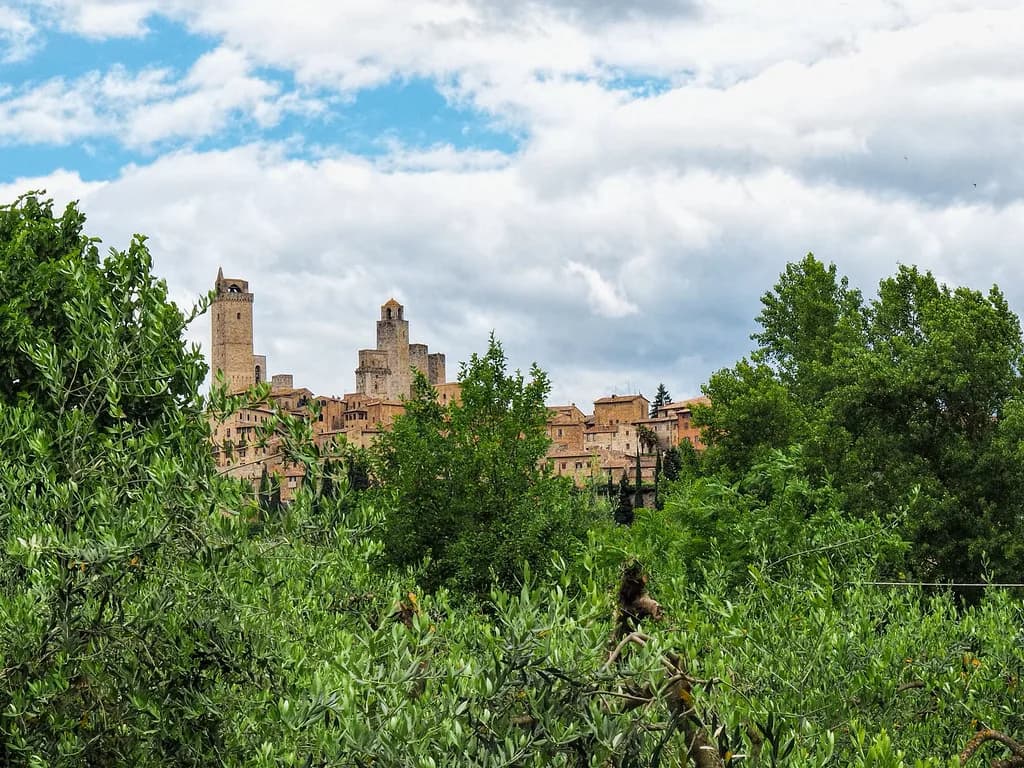
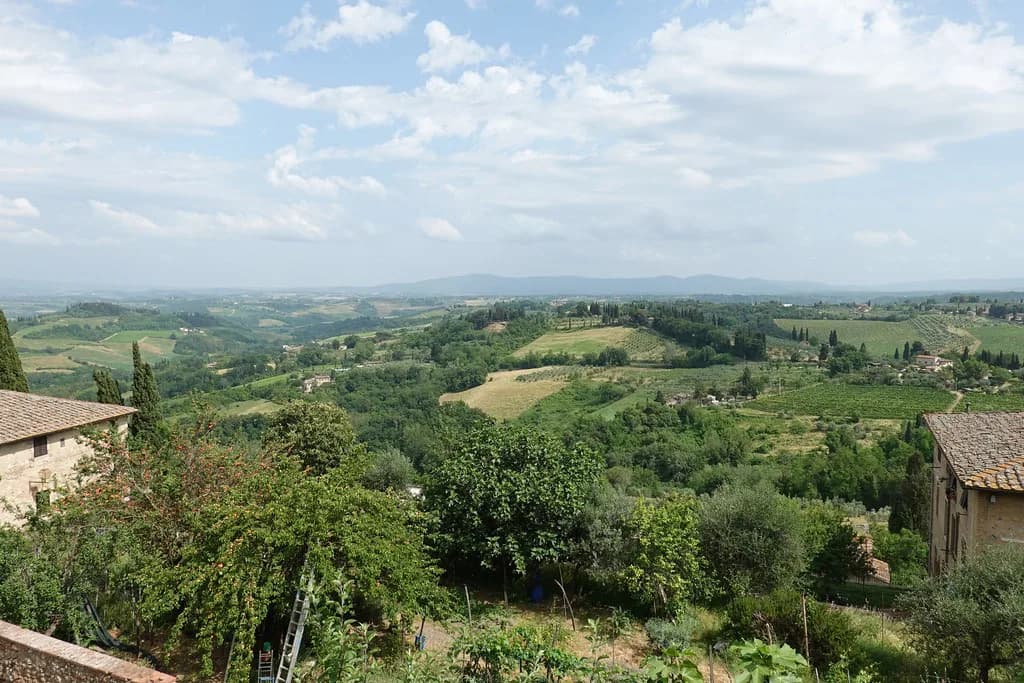
San Gimignano is a small walled town on a ridge, and almost every agriturismo carrying its name sits on the slopes below rather than inside the gates. That single fact shapes the trip: you sleep among vines and olive groves, then drive, shuttle or walk up to the towers. This guide covers estates that pour wine on site, the local white you will meet most often, and the practical trade-offs of staying outside the walls.
An agriturismo in Tuscany is a working farm that hosts guests, not a boutique hotel with a vineyard view. Some press and pour their own wine; others rent rooms and leave the tasting to a neighbor. Read each listing for the words tasting, cantina or visita in cantina, because a bed on a farm does not automatically come with a cellar tour.
What an Agriturismo Is, and Why Location Decides Everything
The distinction matters most in San Gimignano, where the historic center is compact, pedestrian and short of space for vineyards. Farm stays cluster along the approach roads below town, particularly toward Ulignano to the northwest and Sovestro just southwest of the walls. Grouping your shortlist by these roads is more useful than grouping by the town name printed in the address.
Think of your choice as three concentric rings: estates within walking distance of a gate, estates a short taxi ride out, and estates deep in the countryside where a car or a prearranged transfer is essential. The closer you sleep to town, the easier the evening; the further out, the more space, quiet and vineyard views you get. Decide which of those you value before comparing rooms.
For the tasting side of the trip rather than the sleeping side, our guide to wine tasting in san gimignano maps the cellars, enoteche and estates that receive visitors, which is worth reading alongside any farm-stay shortlist.
Vernaccia di San Gimignano: The White to Know Before You Book
San Gimignano's signature wine is Vernaccia di San Gimignano DOCG, a dry white made from the Vernaccia grape on the hills around town. It is Tuscany's best-known white appellation, and it is what a local estate is most likely to pour first, often alongside Chianti and a sweet Vin Santo. Knowing this helps you judge whether a property's tasting is genuinely local or a generic Tuscan lineup.
Expect a dry, still white with freshness and a slightly bitter almond edge in many examples, styles ranging from lean and steely to richer and oak-influenced, and a separate sweet Vin Santo made from dried grapes. If you want the deeper background on soils, subzones and producers, start with our Vernaccia di San Gimignano DOCG explainer before you compare estate listings.
Estate Stays With Tasting on Site: Tenuta Torciano at Ulignano
Tenuta Torciano is the anchor property on the Ulignano side, at Via Crocetta 16 in the Ulignano hamlet of San Gimignano. The estate publishes daily opening from 9:00 to 22:00, which is unusually generous for a winery and makes a late-afternoon tasting feasible after a day in town. Treat those hours as published rather than guaranteed, since event days can change the rhythm of the property.
Bookings go through the estate's booking email or telephone line, and the property lists more than forty experiences: simple red-and-white tastings with olive oil and balsamic vinegar, cellar tours, lunches and dinners among the barrels, cooking classes, truffle hunting and horseback rides. Because the formats differ so much in length and content, read the individual experience page for what each one actually includes.
The Giachi family has run the property since 1720, and the group now includes Altezza Winery and San Quirico Winery near San Gimignano plus estates in Chianti Classico, Montalcino, Montepulciano and Bolgheri. That breadth explains why tastings here can range across Vernaccia, Chianti Classico, Brunello and Super Tuscans in a single sitting.
If you want a private day that combines the estate with sightseeing, Tenuta Torciano publishes a full-day San Gimignano and Siena tour with Chianti Classico tasting and a Tuscan lunch, priced per person on a sliding scale that falls as the party grows. The same page states a minimum of two adults, an all-year schedule with booking required, and a cellar visit window limited to the morning.
Panoramic Options Closer to the Towers
Altezza Winery and San Quirico Winery belong to the same Giachi family group and sit in the San Gimignano countryside, with Altezza pitched on its elevated position and views toward the medieval towers. Both are presented as tasting and hospitality addresses rather than hotels, so they suit travelers who want the cellar close to town and are choosing a separate farm stay for the night.
For a wider field of estates that actually welcome visitors, from family farms to castle cellars, browse our list of san gimignano wineries and check each one's distance from the gate you plan to use. Many are small family operations where the visit is a conversation in the cellar rather than a scripted tour.
Fattoria San Donato is a long-established family estate in the San Gimignano hills that combines Vernaccia and Chianti production with farm accommodation, which makes it a useful reference point for what a true stay-and-taste agriturismo looks like. Check its current visit arrangements before building a day around it.
Booking Platforms Versus Booking Direct
Third-party marketplaces are useful for comparing what is actually on offer. The Winalist San Gimignano listings show individual estates with their published experience price ranges, language options and guest ratings, plus filtering by date, party size and type of experience. Reading a few listings side by side gives you a realistic sense of how tasting formats and price bands differ across the zone.
Those ranges are a planning bracket, not a fixed tariff: the same estate may span a modest wine-and-oil flight up to a full dinner, and the lowest figure rarely buys the longest experience. Note what each listing says about duration, number of wines and whether food is included before you compare numbers.
Book direct when you want something the platform does not sell: a room and tasting bundled together, a transfer added to the reservation, or a cellar visit at a specific hour. Book through a marketplace when you want free-cancellation terms and confirmed availability in writing. Either way, keep the confirmation with you, since small estates often work from a printed daily list.
Distances, Driving and the ZTL Inside the Walls
San Gimignano's center is a limited-traffic zone, so a car bought for vineyard-hopping is a liability the moment you aim at the gates. The workable pattern is to park outside the walls and walk in, then use the car only for estate visits on the approach roads. Choose accommodation with parking if you are driving, and confirm that parking is on site rather than on the street.
Plan tastings by road, not by municipality. A morning at Ulignano and an afternoon at Sovestro make a coherent loop; stringing together estates on opposite sides of town wastes the middle of the day. Two estates plus a long lunch is a fuller day than four rushed cellar visits.
Getting There Without a Car
Public transport reaches San Gimignano from nearby towns, but it does not thread through the vineyard roads where the farm stays sit, so the last stretch is usually a taxi or a walk. Fixed tours solve this by collecting you and returning you, at the cost of someone else choosing the estates and the pace. Our overview of san gimignano wine tours covers the formats, including half-day and evening options.
Tenuta Torciano offers shuttle and private-driver services as paid add-ons confirmed with the reservation, subject to availability, and states that requests should be made at the time of booking confirmation. If you are relying on a transfer for an evening tasting, secure it before you commit to the room, because availability is not open-ended.
If agriturismo stays near another city are also on your itinerary, the same logic applies there: pick the farm by the road you can actually reach, then build tastings around it. Our guide to agriturismo bologna shows how that reasoning works in a different wine region. The comparison holds for other Tuscan wine towns too, as our guide to agriturismo montepulciano shows for choosing a Vino Nobile stay.
How a Stay-and-Taste Day Fits Together
The most efficient pattern is a late-morning tasting, lunch at the estate or in town, and a slow afternoon walk through San Gimignano once the day-trippers thin out. Arriving mid-afternoon instead burns the best light and squeezes the tasting against dinner service. If your estate offers a cellar tour, ask when it runs, since some properties restrict cellar access to the morning.
Evenings are for the second, smaller pleasure: a glass of Vernaccia or Vin Santo with dinner, or one of the estate's themed dinners if the calendar has one during your stay. Keep the day's driving to daylight and leave the evening unscripted.
Harvest and Olive Season Timing
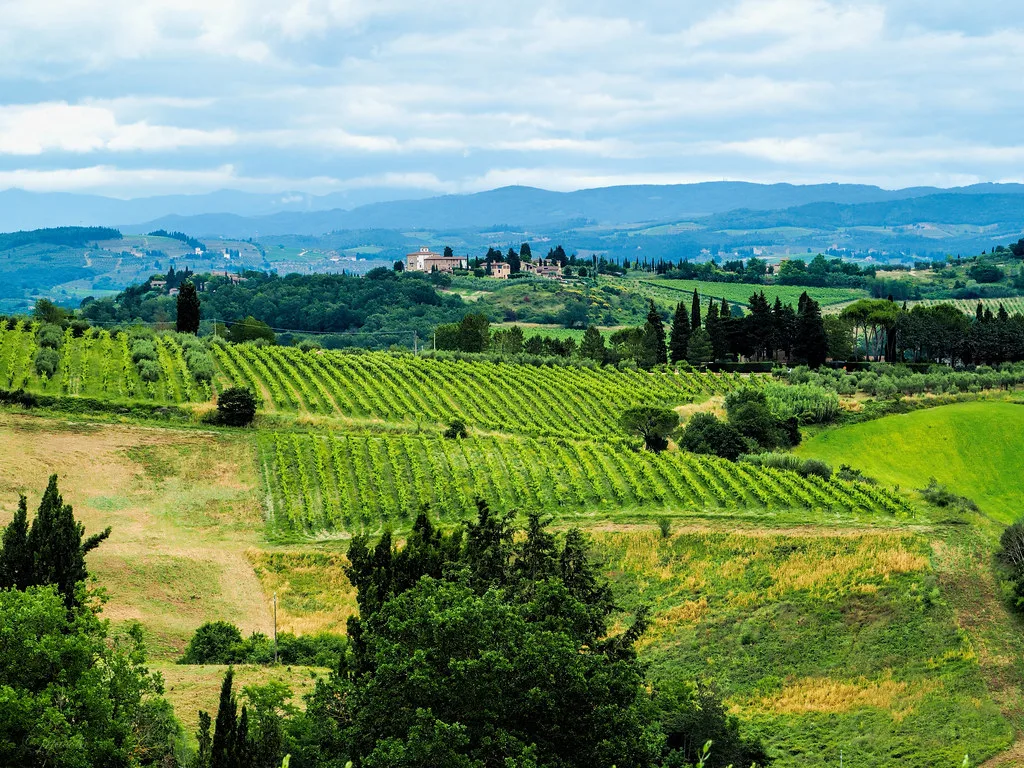
Late September and October bring grape harvest and olive picking to the slopes, and some estates build events around them: stomping, harvest lunches, truffle menus and holiday dinners. The Torciano events calendar lists these with their own pages, times and inclusions, and demand for rooms on the slopes rises when a big event falls on a weekend.
Spring and early summer are quieter on the farm but hotter at midday, which argues for morning tastings and shaded afternoons. Winter visits are possible at estates that stay open year-round, though smaller family farms often pause, so confirm the season before booking a room around a cellar visit.
Room-and-Tasting Booking Checklist
Ask five things before you pay: whether the tasting is included in the room rate or billed separately, which appointment slots are available, whether there is a minimum party size, what happens if you arrive late, and whether a transfer can be added at confirmation. Put the answers in the booking email so you have them on arrival. Then confirm the current details with the winery once, close to your date, as hours and calendars shift.
If the trip includes a driver who will not taste, say so when booking: some estates arrange a separate non-drinking rate or a coffee in the courtyard instead of a glass. That is also the moment to mention allergies or dietary needs, since cellar lunches are often set menus.
Plan Your Visit
Choose your agriturismo by road and by what happens on site, not by the San Gimignano name on the listing. A property that presses and pours its own Vernaccia, with parking and a short run into town, will do more for a wine-focused trip than a prettier farm with no cellar.
Book the tasting and the transfer before the room, then leave one afternoon free for the towers. And on any day that involves a tasting, let someone else drive: a designated driver, a booked shuttle or the spittoon at the counter keeps the evening drive back a sober one.
Frequently Asked Questions
Is San Gimignano touristy?
The walled center draws heavy daytime crowds, especially in summer, but the surrounding vineyard slopes are quiet. Staying on a farm below town lets you visit the towers early or late and spend the middle of the day among the vines.
What is the most famous white wine from San Gimignano?
Vernaccia di San Gimignano DOCG, a dry white from the Vernaccia grape grown on the hills around town. Estates usually pour it alongside Chianti and a sweet Vin Santo made from dried grapes.
Do San Gimignano agriturismi include wine tastings?
Not automatically. Some working farms press and pour their own wine, while others only rent rooms. Look for a listing that mentions a cantina, cellar visit or tasting, and ask whether the tasting is included in the room rate or billed separately.
Where should I stay near San Gimignano for wine tasting?
Group your shortlist by approach road: Ulignano to the northwest, where Tenuta Torciano sits at Via Crocetta 16, and Sovestro just southwest of the walls. Staying close to the estates you plan to visit matters more than the San Gimignano address.
How do I get to a San Gimignano winery without a car?
Public transport reaches the town but not the vineyard roads, so plan on a taxi, a guided tour or an estate transfer. Tenuta Torciano offers paid shuttle and private-driver services confirmed with the reservation, subject to availability.
When is harvest season near San Gimignano?
Grape harvest generally falls in late September and October, with olive picking following. Some estates run harvest lunches, stomping sessions and truffle menus then, so check the estate calendar and book rooms early for event weekends.
Sources
Notes for your next wine trip
Optional updates to our winery and wine-town guides.
You might also like
Continue reading
More guides you'll find useful