Cesani Winery, San Gimignano: Planning a Visit and Tasting
Cesani is a family winery about 5 km from San Gimignano, open for booked cellar tours and organic wine tastings. Here is how to plan a visit without a car.
On this page
Cesani sits in the countryside a short drive from San Gimignano, close enough that it fits into a half day but far enough that the trip needs a plan. The estate works as a booked visit rather than a walk-in attraction, so the first decision is not which wine to try but which slot to secure. This guide sets out what the estate publishes, what it leaves to a direct request, and how to build a day around it.
Quick answer: what Cesani Winery is and where it sits
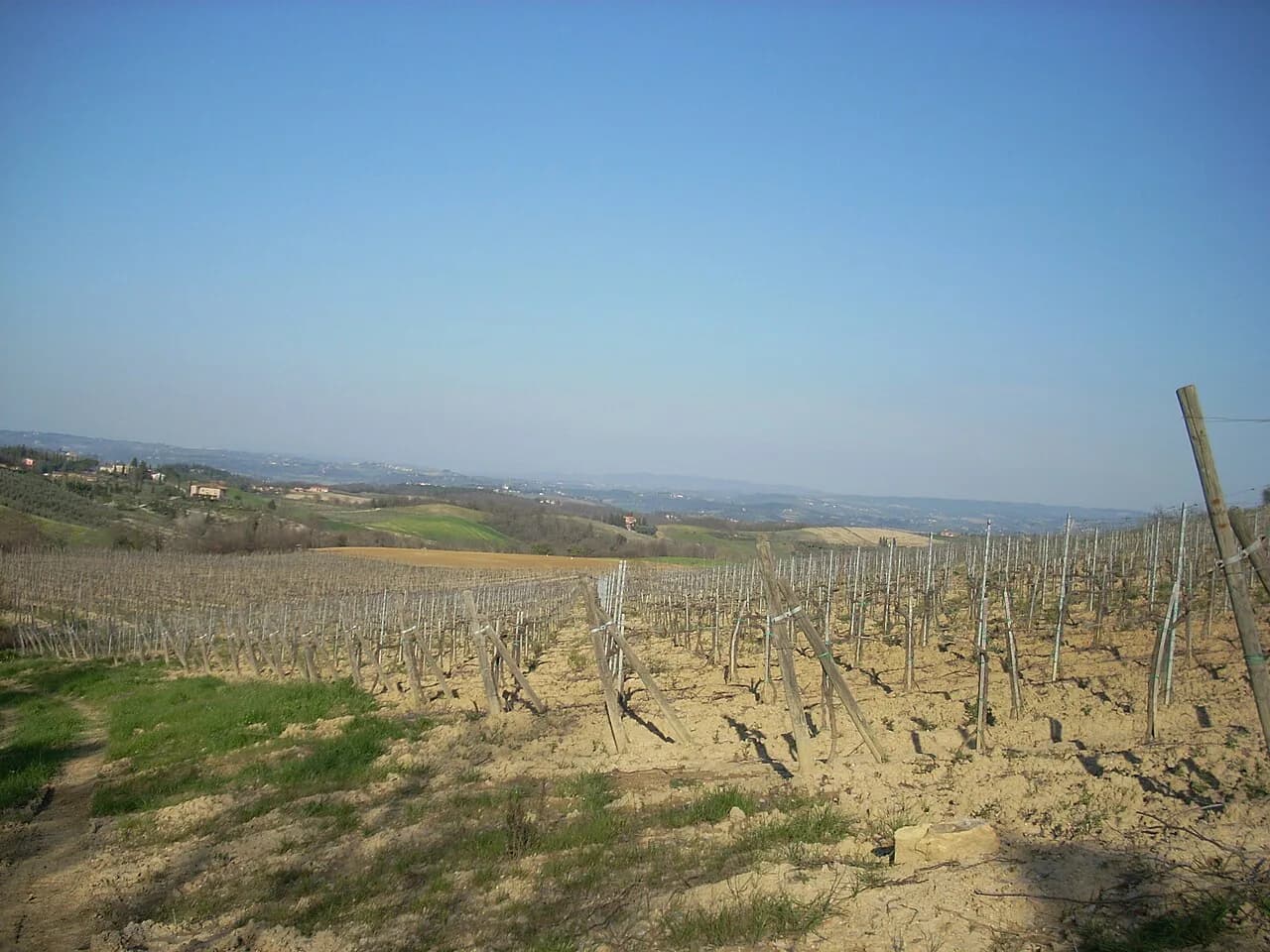
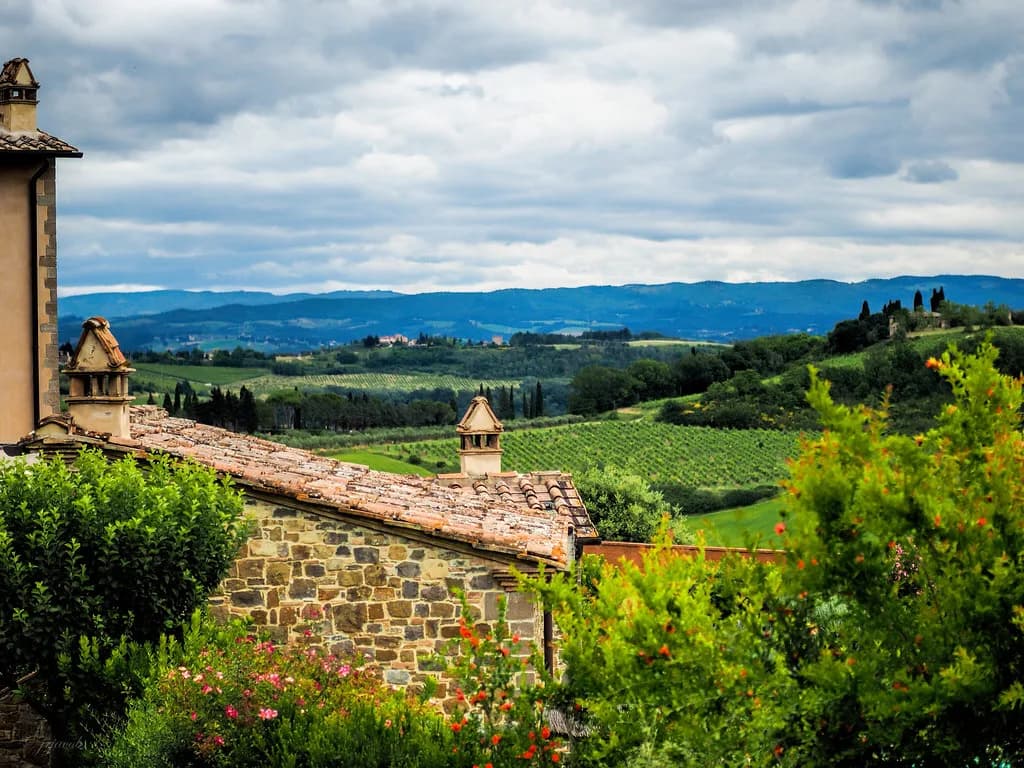
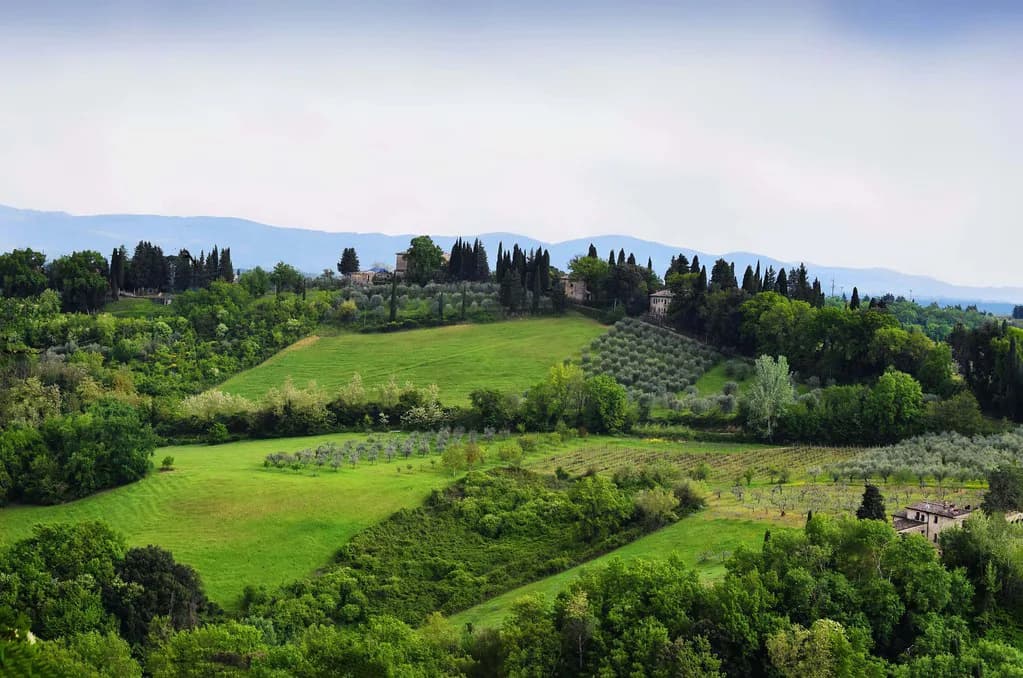
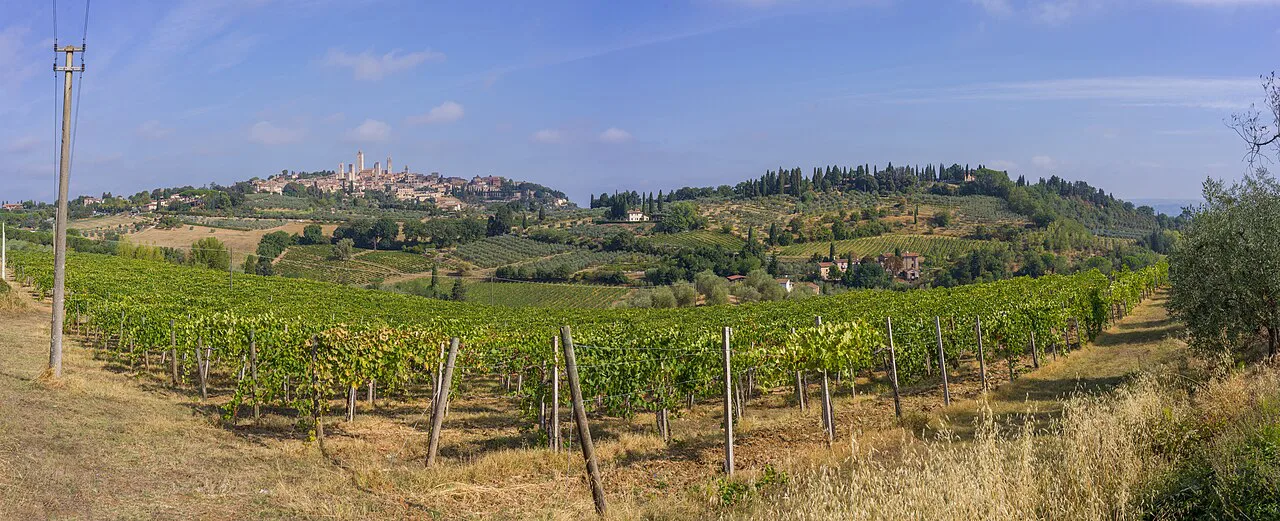
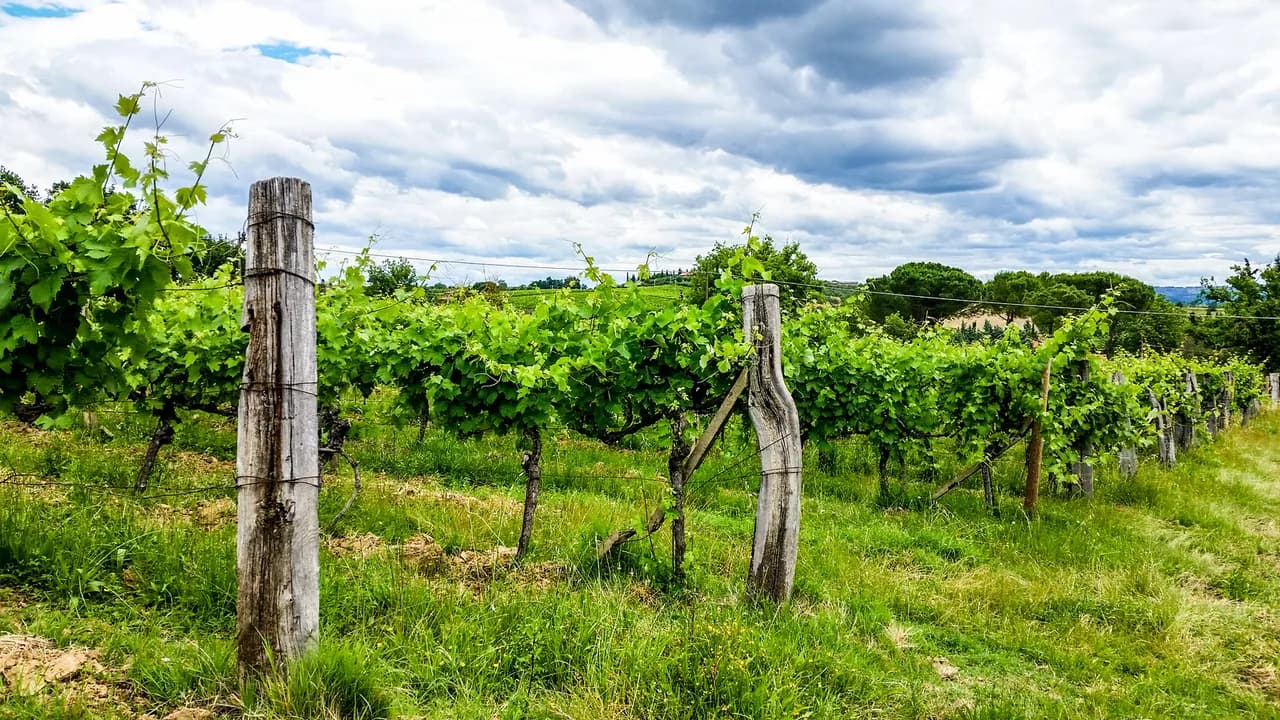
Cesani is a family-run estate with its own professional tasting room, located about 5 km from San Gimignano in the hills of the same municipality. The property is described as running organic viticulture and hosting guided wine experiences rather than operating as a drop-in bar. Practically, that places it in the ring of farm estates that surround the walled town, not inside it.
The site sits on the Pancole side of town, in the direction of open vineyard country rather than the busier approaches from Florence or Siena. That matters for routing: a 5 km countryside hop is awkward on foot but short by taxi or bike, and it is the kind of distance a tour vehicle absorbs in ten minutes. Plan Cesani as one anchor of a day, with the town itself as the other. If you are weighing up nearby towns for a second countryside visit, wine tasting in Lucca makes a useful comparison.
Pancole is a hamlet of San Gimignano, not a separate wine town you can wander between cellars. For orientation on the wider district and how its estates are grouped, see this guide to wine tasting in san gimignano before you fix dates, since the surrounding farms range widely in scale and in how they receive guests.
What a Cesani visit includes: cellar, production and an organic tasting
Published Cesani experiences pair a tour of the winery with a seated tasting of the estate's organic wines, hosted in the tasting room. The walk-through covers the production side, so expect the visit to last longer than a glass at a counter, and expect conversation with a member of the family or their staff rather than an audio guide.
Details that vary by booking, and that the estate has not published in a single fixed schedule, include how many wines are poured, whether a food pairing is added, tour length and the tasting fee. Ask for the current offer when you write, and say whether you want the production tour or only the seated tasting, because these are often priced differently at small estates. Do not assume a standard package carries over from season to season.
If you are travelling with a mixed group, flag non-drinkers and children in the first message and ask what the estate offers them. Small family wineries rarely have a printed menu of alternatives, but most will arrange water, bread and olive oil or a shortened pour once they know the numbers.
How to book Cesani: appointment culture at a small family estate
Cesani takes bookings for its wine experiences, and the workable assumption for a farm this size is that visits run to a schedule rather than continuously. Write ahead with your date, preferred time window, party size and language, and ask them to confirm the meeting point, since countryside estates often have a gate and more than one building.
State what you want from the visit in the request: an introduction to the estate, the cellar and production tour, a focus on the whites, or a longer seated tasting with food. Ask directly for the number of wines, the expected duration and the fee per person, and whether payment is settled on the day. Those four answers turn a vague booking into a plan you can build transport around.
Group size is the other lever. Larger parties at small estates usually need a fixed slot and a set menu, while couples and solo travellers can often be slotted between other bookings. If your dates are tight, offer two alternative days and ask for the quietest slot rather than the most popular one. Confirm the final details with the winery once your booking is accepted.
Wine to focus on: Vernaccia di San Gimignano and Sangiovese reds
The wine that defines this town is Vernaccia di San Gimignano, Italy's long-established white appellation, made from the local Vernaccia grape and typically firm, dry and food-friendly rather than aromatic and soft. Asking to taste across the estate's Vernaccia bottlings, if they make more than one, tells you more about the house than any single glass. The wider appellation picture is set out in this guide to Vernaccia di San Gimignano DOCG.
For reds, look to Sangiovese in its Tuscan guises: Chianti and Chianti Classico from the hills north and east of the town, and the estate's own Sangiovese-based bottlings, which may be labelled under a broader Toscana designation. Organic certification changes how the vineyard is farmed, not which grape is in the bottle, so ask which wines are certified organic if that matters to you.
A useful tasting order at any San Gimignano estate runs from the freshest white to the more structured reds, finishing with any sweet Vin Santo if it is offered. Say at the start if you are more interested in whites than reds, or the reverse, so the host can adjust the line-up. Skip scores and tasting-note language in your request; ask instead about vintage variation and ageing.
Getting there without driving: taxi, bike or a guided stop
For 5 km of countryside, a taxi from San Gimignano is the simplest option, and the town's taxi rank and local operators are the place to arrange a return pickup before you set off. Agree the collection time at the estate when you arrive, because hailing a car in the vineyards is not realistic. Ride-hailing coverage in rural Tuscany is thin, so treat a booked car as the plan.
Cycling suits confident riders: the distance is short but the lanes roll up and down, and a morning tasting followed by a hot afternoon climb back into town is a real trade-off. Hire from a shop in San Gimignano, ask for a route that avoids the busier approach roads, and keep the tasting light if you are riding back. There is no published public bus service to the estate gate, so do not build the day around one.
Guided options remove the transport problem entirely, and several operators run San Gimignano and Chianti days that include a winery visit and lunch. Compare the included stops rather than the headline price, because a tour that lists a Chianti Classico cellar may not be stopping at Cesani at all. These san gimignano wine tours are the easiest way to combine the town, a countryside estate and a meal without driving yourself.
Independent visit vs. tour: what you trade for flexibility
Booking Cesani directly gives you control over the time of day, the length of the tasting and the conversation, and it is usually the cheaper route per person once you subtract the tour markup. The cost is logistics: you arrange and pay for the car each way, and you are tied to a slot rather than carried along by a group itinerary. For two people it is often the better deal; for a larger group the sums tighten.
A guided day bundles transport, a driver and often a second stop, which is worth paying for if you want wine with lunch and no spitting. The trade-off is depth: a group tour may allow an hour at the estate, while your own booking can stretch to a full tour and a slower seated tasting. Choose the tour for convenience and the direct booking for the visit itself.
One reference for scale when comparing quotes: listed prices for bookable wine experiences across the San Gimignano area run from around 18 euros to well above 100 euros per person, depending on whether food, a tour or a full day is included. Those figures come from a booking platform's area listings rather than from Cesani, so use them only to judge whether a quote is in the normal band. Ask the estate itself for its current fee.
Pairing Cesani with a walk-in estate such as Tenuta Torciano
Cesani's appointment-based model suits travellers who want a small family visit, but it leaves gaps if you are in town on a whim. Tenuta Torciano, at Via Crocetta 16 in the Ulignano area of San Gimignano, publishes daily opening from 9:00 am to 10:00 pm every day of the year and takes bookings by email at booking@torciano.com or by phone on +39 0577 950055, which makes it a practical second stop or a wet-weather fallback.
Torciano runs a broad programme of lunches, dinners, cellar tours and cooking classes across more than 45 experiences, all booked through its own pages rather than a single fixed tariff. If you want a long table lunch with wines and olive oils rather than a focused estate visit, that is the format to book; if you want to talk soil and vintage with the family who farms it, Cesani is the closer fit.
Torciano also sells private day tours that combine San Gimignano, a Chianti Classico winery stop and Siena, with published per-person rates that fall as the party grows, from 710 euros for a solo traveller down to 141 euros per person for fourteen. Note that the 250 euro Siena walking-tour supplement and the stated minimum of two adults apply, and that the menu price is for the tour package, not for a Cesani tasting.
If staying overnight in the vineyards appeals, the area's farm stays cluster in the same ring of hills as Cesani and Torciano. Compare this selection of agriturismo san gimignano options for places within taxi range of both, then book the winery slot first and the bed second, since tasting availability is the tighter constraint.
For a wider list of estates that receive visitors, from castles to small family farms, work through these san gimignano wineries before fixing your shortlist. Two estates in a day is a sensible ceiling when each involves a tour.
When to go and how to slot a tasting around town sightseeing
Harvest, generally from September into October in this part of Tuscany, is the liveliest time to see a working cellar but also the busiest for the people who would otherwise host you. Ask whether your visit falls during picking, because tours may be shortened or rescheduled around it. Late spring and early summer give long days that make an afternoon tasting and an evening back in town easy.
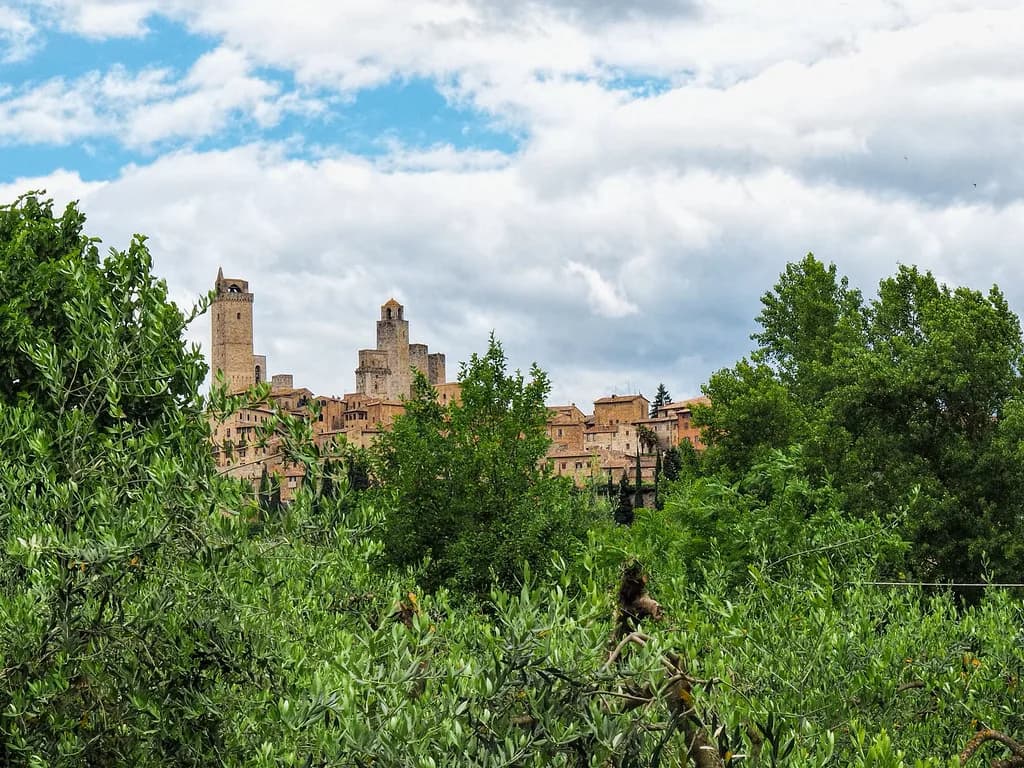
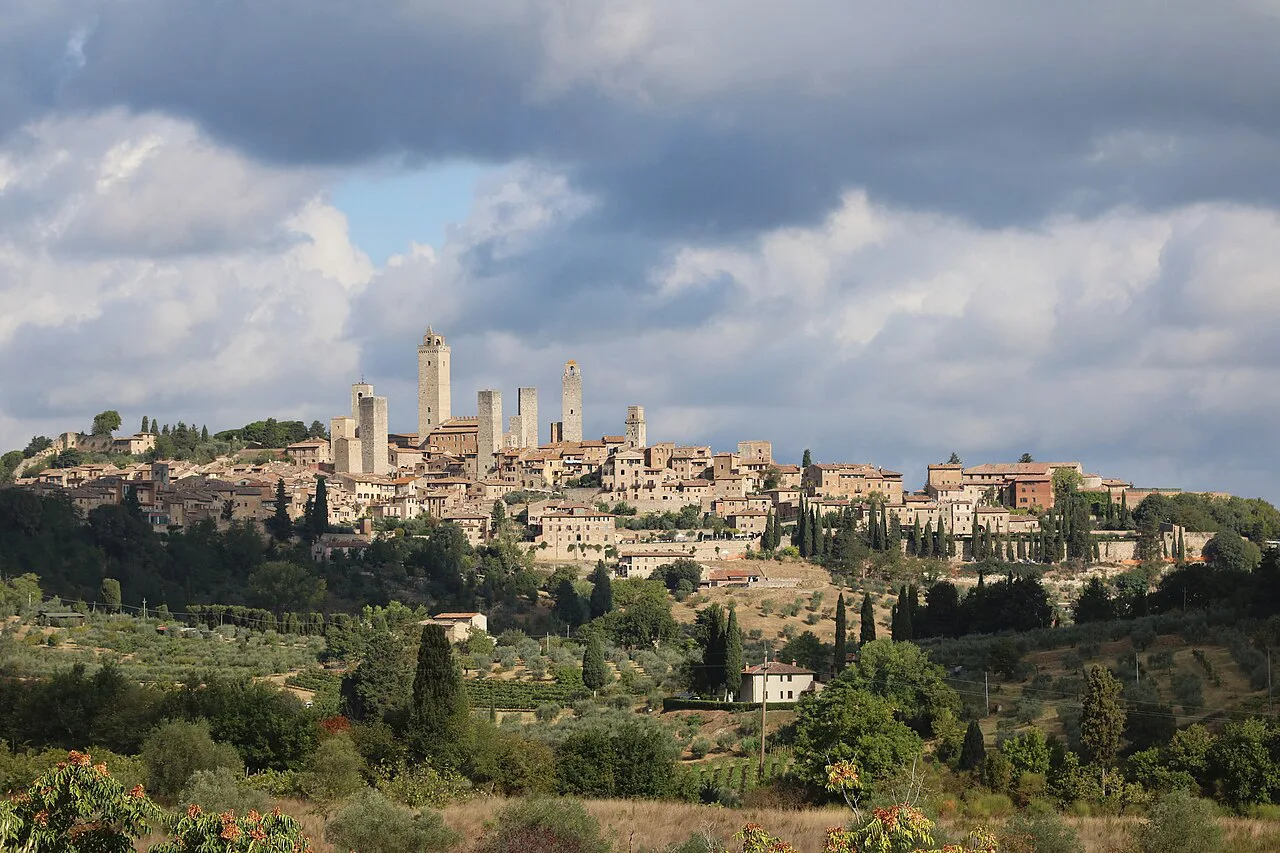
Weekday mornings are the easiest slots to secure at small estates, and they leave the afternoon for the towers and the Collegiata. Build the day in one direction: a morning visit in the Pancole hills, lunch in town, then sightseeing on foot, with a booked car or tour vehicle handling the countryside leg. San Gimignano's historic centre is small enough that you do not need a vehicle once you are inside the walls.
Practical notes: fees, spitting and designated drivers
Tasting fees at small Tuscan estates change with what is poured and whether food is served, and Cesani publishes its current offer through its booking channels rather than a standing price list. Budget for a fee per person, ask whether it is deducted from any wine you buy, and carry cash as a backup even if card payment is accepted. Confirm the amount when the booking is made.
Whoever is driving should not taste. Use the spittoons that every tasting room provides, choose a designated driver for the day, or book a taxi or guided tour so nobody has to choose between the wine and the road. The country lanes around San Gimignano are narrow and unlit in places, which makes a sober driver the only sensible arrangement after a cellar visit.
Plan Your Visit
Cesani rewards a little preparation: a dated request, a clear question about what the tasting includes, and transport sorted before you leave town. Treat the published material as a starting point and get the fee, duration and language confirmed in writing when you book. With that done, the estate makes an easy half day paired with San Gimignano itself.
Frequently Asked Questions
How far is Cesani Winery from San Gimignano?
The estate is about 5 km from San Gimignano, in the countryside of the same municipality on the Pancole side of town. That is too far for a comfortable walk with a tasting in the middle, but short by taxi, bike or tour vehicle.
Do you need to book Cesani Winery in advance?
Yes, plan on booking. Cesani receives visitors for guided wine experiences rather than running as a walk-in tasting room, so contact the estate with your date, party size and preferred time and wait for confirmation before arranging transport.
What wines does Cesani produce?
The estate farms organically and its tastings centre on its own wines, including Vernaccia di San Gimignano, the town's distinctive dry white, alongside Sangiovese-based reds. Ask which bottlings are certified organic and which vintages are open when you book.
How do you get to Cesani Winery without a car?
Take a taxi from San Gimignano and agree a return pickup time on arrival, hire a bike if you are comfortable on rolling country lanes, or join a guided San Gimignano or Chianti tour that includes a winery stop, ensuring the itinerary actually visits Cesani.
Is a Cesani tasting worth it compared with a guided tour?
They answer different needs. A direct booking gives you a small family estate and control over the pace; a guided tour solves transport and often adds a second stop and lunch. Choose the direct visit for depth and the tour for convenience, especially if you want wine with a meal.
What should I ask when booking a tasting at Cesani?
Ask for the number of wines poured, whether the cellar and production tour is included, the duration, the fee per person, the available languages and whether children or non-drinkers can be accommodated. Also ask for the meeting point, since countryside estates often have more than one entrance.
Can I combine Cesani with other San Gimignano wineries in one day?
Two estates is a realistic maximum when each visit includes a tour and a seated tasting. Pair Cesani with a walk-in estate such as Tenuta Torciano, which publishes daily opening from 9:00 am to 10:00 pm, or with an afternoon on foot inside San Gimignano's walls.
Sources
Notes for your next wine trip
Optional updates to our winery and wine-town guides.
You might also like
Continue reading
More guides you'll find useful