Fattoria San Donato Guide: San Gimignano Winery Stay
Fattoria San Donato is a farm hamlet near San Gimignano with cellars, a taverna and guest rooms. Here is how to plan a tasting visit without a car.
On this page
San Gimignano's towers pull in day-trippers by the busload, but the countryside around the town holds a quieter layer of working farms that open their cellars to visitors. Fattoria San Donato is one of them: a restored medieval hamlet with vineyards, a taverna, a restaurant and guest apartments, all in the hands of the Fenzi family.
This guide treats the estate as a practical anchor for a wine day based in San Gimignano rather than as a hotel listing. It sets out where the hamlet sits, what the property itself publishes about tastings and meals, and how to reach it if nobody in your group wants to drive.
What Fattoria San Donato Actually Is
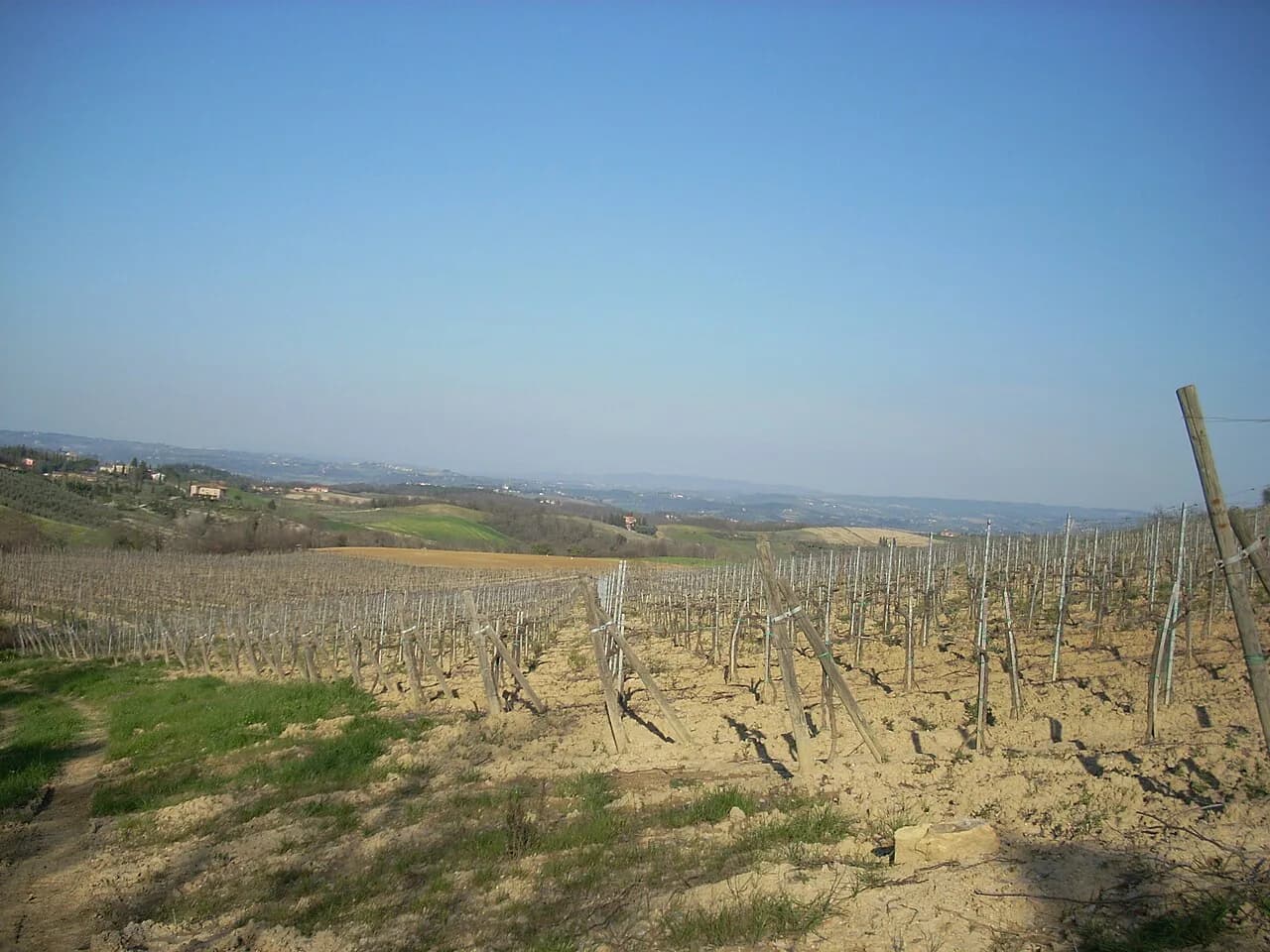
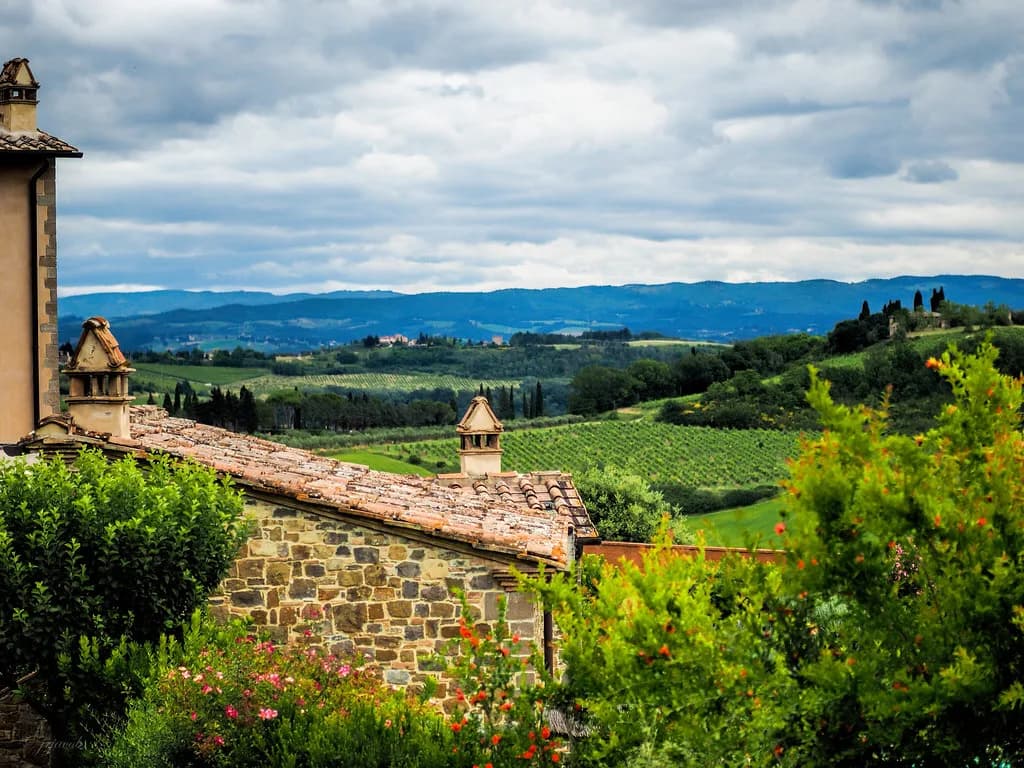
In Tuscan usage a fattoria is a farming estate, and San Donato fits that description literally: the property describes itself as a borgo surrounded by woods, vineyards and fields, with historic buildings restored to keep beamed ceilings, terracotta floors and wooden window frames. Guests are received by Umberto and Federica, and the site names the Fenzi family as the people behind the farm.
The estate is more than a tasting room. The same property page lists a taverna used for breakfasts, spaces set aside for tastings, a restaurant, and rooms and apartments converted from the old village houses, plus a panoramic pool in the villa garden. That combination is what makes it useful as a base as well as a stop.
Because it is a working farm with accommodation, the rhythm differs from a town enoteca: arrivals, meals and visits are organized around the estate's own schedule. Plan your tasting around a stay or a meal here rather than squeezing it between two other appointments in the same afternoon.
Where It Sits and Why the Distance Matters
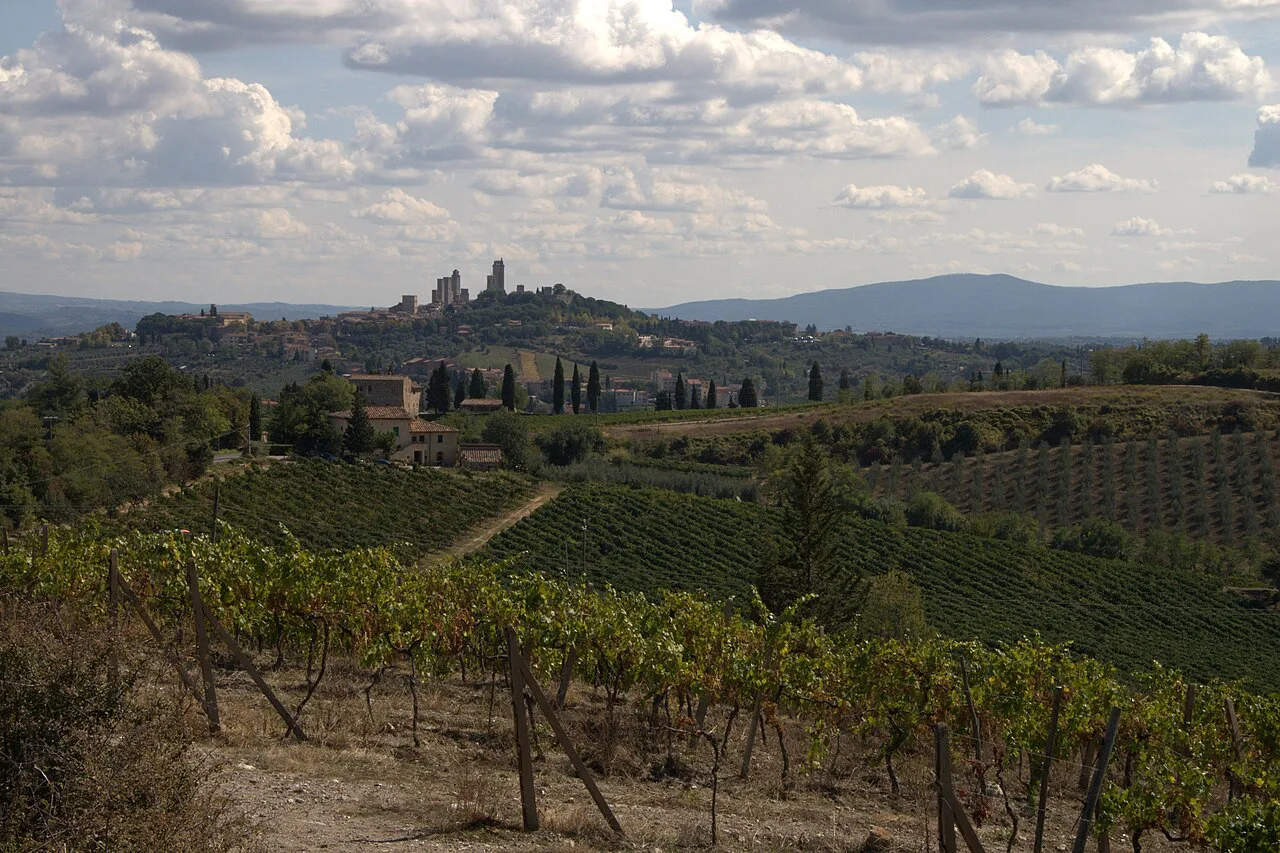
The address is Loc. San Donato 6, San Gimignano, in the province of Siena. It is countryside, not the walled center, and third-party booking data puts the historic core roughly two miles away, which is exactly the kind of gap that decides your transport plan before you book anything.
Two miles is a pleasant walk in cool spring weather and a poor idea after a long lunch in July, on a road without a dedicated footpath. Treat the distance as a short taxi ride or a bicycle trip, and decide at the time of booking whether the estate can help arrange a transfer.
The Wines You Will Meet Here
San Gimignano's signature white is Vernaccia di San Gimignano, made from the grape of the same name and one of Italy's historic DOCG whites. It shows up dry and relatively crisp in its standard form, with richer versions and sweet late-harvest styles also permitted under the appellation rules. Our guide to wine tasting in San Gimignano explains how the appellation is laid out before you commit to a single cellar.
Around the town, reds lean on Sangiovese in the Chianti style, and many estates also make Vin Santo, the amber dessert wine from dried grapes that Tuscans serve with cantucci. Knowing these three names in advance lets you ask sharper questions when you reserve, such as whether the visit includes a cellar walk and which wines are poured.
The estate's own site has a wine section and a wine finder for its bottles, so you can see the range before you travel. Read it as a list of what the farm produces, not a tasting menu: which wines appear in a visit is set by the estate at the time you book.
Tasting and Experience Options
The farm's site advertises experiences covering tastings, kitchen activities, and courses or themed holidays, along with events at the property. That is the range of what can be arranged, and the specifics, from duration to number of wines to whether food is included, come from the estate when you make contact.
Write your request with the details that shape a quote: date, number of adults, whether anyone is not drinking, dietary needs, and whether you want a cellar tour alongside the tasting. Ask for a total duration so you can plan the return to San Gimignano or onward to Siena.
If you are comparing options around town, it helps to know the wider field of wineries before committing to one visit. Use a shortlist to decide whether one estate with a meal is enough or whether two smaller stops make a better day.
How Booking Works
The property publishes an email address and two landline numbers plus a mobile, and runs an online booking route for stays and offers. For a tasting rather than a room, email or phone is the direct way to reach the estate, and booking well ahead matters most in the harvest months and around weekends.
State your party size, preferred language and arrival time in the first message, and mention children if you are traveling with them. Ask what deposit, if any, is required and what the cancellation terms are, since farm visits are often tied to staffing and to the kitchen.
Eating and Staying on Site
Breakfast is served daily from 8:00 to 11:30 in the restored taverna, according to the estate's own page, with a buffet of breads, pastries, cereals and yogurt plus eggs cooked to order and local cheeses and meats. The same page notes that a glass of wine can be part of it, which tells you the property treats breakfast as a meal rather than a formality.
Third-party booking data flags that the on-site restaurant operates on pre-booked meals, so ask about dinner when you arrange the visit rather than turning up hungry in the evening. Treat that note as a prompt to confirm directly, not as a published policy.
Rooms and apartments sit in the old borgo houses, and the booking sites list a seasonal outdoor pool and free parking. If you want to stay on a working farm rather than in town, this is the kind of property to compare against other options in the district.
Nightly rates move with season and provider, so compare on the booking platform you trust and confirm the total with the estate before paying. The property's own booking page and the third-party listings will differ, and only the estate can confirm what your stay includes.
Getting There Without a Car
From San Gimignano, the simplest no-car plan is a taxi or a pre-arranged transfer for the short run out to Loc. San Donato, since the estate is outside the center rather than on a town street. Ask the estate at booking whether it can recommend a local driver and whether a return pickup can be fixed for a set time.
Cycling is realistic for confident riders on a mild day, but the lanes are shared with farm traffic and there is no guarantee of shade. A guided tour removes the logistics entirely and often bundles two or three estates, which suits anyone who wants to taste without thinking about the drive back.
Whoever is driving should not taste. Use the spittoons that tasting rooms provide, agree on a designated driver, or book a tour or public transport so the day stays safe for everyone in the car.
Pairing San Donato With the Rest of San Gimignano
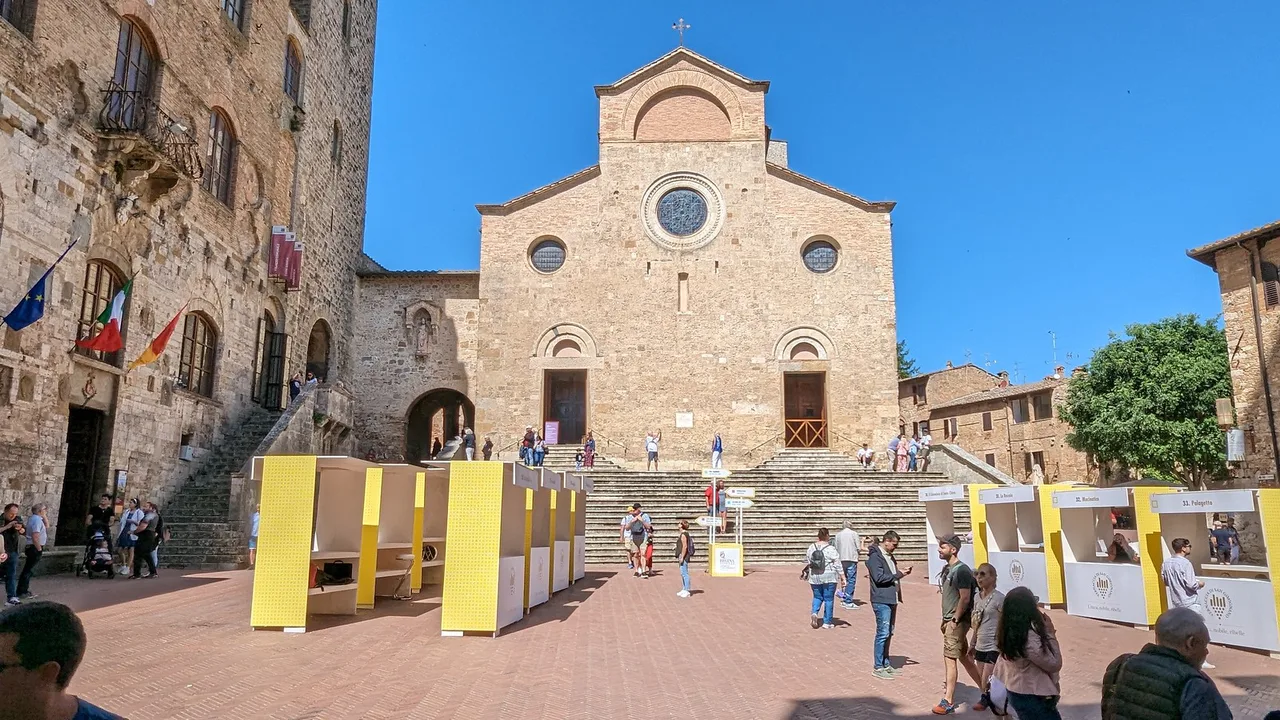
The town itself rewards a morning: the towers, the Collegiata and Piazza della Cisterna are all within a short walk of each other, and the center is compact enough to cover before an afternoon appointment in the countryside. Build the day in that order and let the estate be the slower second half.
If you want a second cellar, keep it close and keep the total to two stops. A single estate with a meal, or two tastings without one, is a fuller day than three rushed appointments linked by narrow roads.
Other estates in the area run their own formats, from family-run farms to larger hospitality operations, and comparing two is the fastest way to judge what suits you. If you are weighing a second base in Tuscany, the Lucca wine guide covers the same question of which winery and tour to choose.
Questions to Ask When You Reserve
Ask how long the visit lasts, how many wines are poured and whether the cellar is included, so you can match the booking to your available time. Ask too whether the tasting is seated or standing, and whether water, bread or a fuller plate comes with it.
Families should ask whether children can join and what is available for them, and anyone with mobility needs should describe the access required, since restored village buildings rarely have uniform step-free routes. Confirm the language of the visit if your group is not comfortable in Italian.
In September and October, ask whether harvest activity will affect access to the cellars or the courtyard, and book earlier than you would in spring. The same question in winter is about heating and opening days, which vary by season on working farms.
Plan Your Visit
Fattoria San Donato works best as the countryside half of a San Gimignano day: a farm hamlet with cellars, a taverna and rooms, reached by taxi, bike or tour from town. Decide your transport first, then book the tasting and any meal directly with the estate by email or phone, giving party size and timing.
Confirm the seasonal details, from breakfast service to restaurant evenings and tasting formats, before you travel, and leave room in the schedule for the drive back. One well-paced estate visit with a meal beats a rushed circuit of three.
Frequently Asked Questions
Where is Fattoria San Donato?
It is at Loc. San Donato 6 in the countryside outside San Gimignano, province of Siena, Tuscany. The walled historic center is a short drive away, so plan a taxi, bike or tour rather than walking from the towers.
Do you need a car to visit Fattoria San Donato from San Gimignano?
No, but you need a plan. The estate is outside the town center, so book a taxi or transfer, cycle if you are confident on rural lanes, or join a guided tour that includes transport. Ask the estate at booking whether it can suggest a local driver.
What wines should I expect in the San Gimignano area?
Vernaccia di San Gimignano is the district's signature white, made from the local Vernaccia grape under DOCG rules. Around it you will find Sangiovese-based reds in the Chianti style and Vin Santo, the amber dessert wine made from dried grapes.
How do I book a tasting at Fattoria San Donato?
Contact the estate directly by email or phone, or use the booking route on its own website. Give your date, party size, language and whether you want food or a cellar tour, and ask about duration and cancellation terms before paying a deposit.
Can I eat and stay at Fattoria San Donato?
Yes. The property runs a taverna serving breakfast from 8:00 to 11:30 daily, a restaurant that third-party booking data indicates requires advance booking, and rooms and apartments in the restored borgo. Confirm meal arrangements when you reserve.
When is the best time to visit for harvest?
Late September and October are when picking typically happens in Tuscany, and the estate may be busier then. Ask whether harvest work affects cellar access or courtyard use, and book earlier than you would in spring.
Is the estate suitable for children and non-drinkers?
Ask when booking. A farm with a pool, gardens and animals often suits families, but meals, tastings and room layouts vary, so state the ages of any children and whether anyone will not be drinking.
Sources
Notes for your next wine trip
Optional updates to our winery and wine-town guides.
You might also like
Continue reading
More guides you'll find useful