Il Colombaio di Santa Chiara: San Gimignano Winery Guide
Plan a visit to Il Colombaio di Santa Chiara near San Gimignano: where the San Donato estate sits, what a tasting involves, and how to book ahead.
On this page
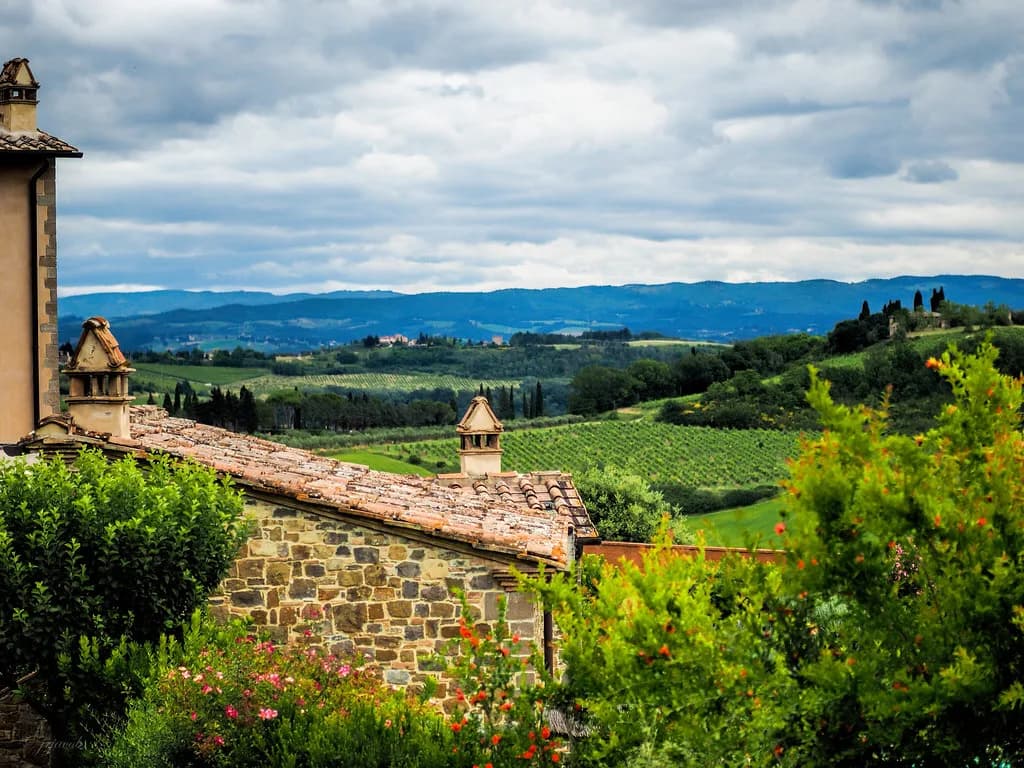
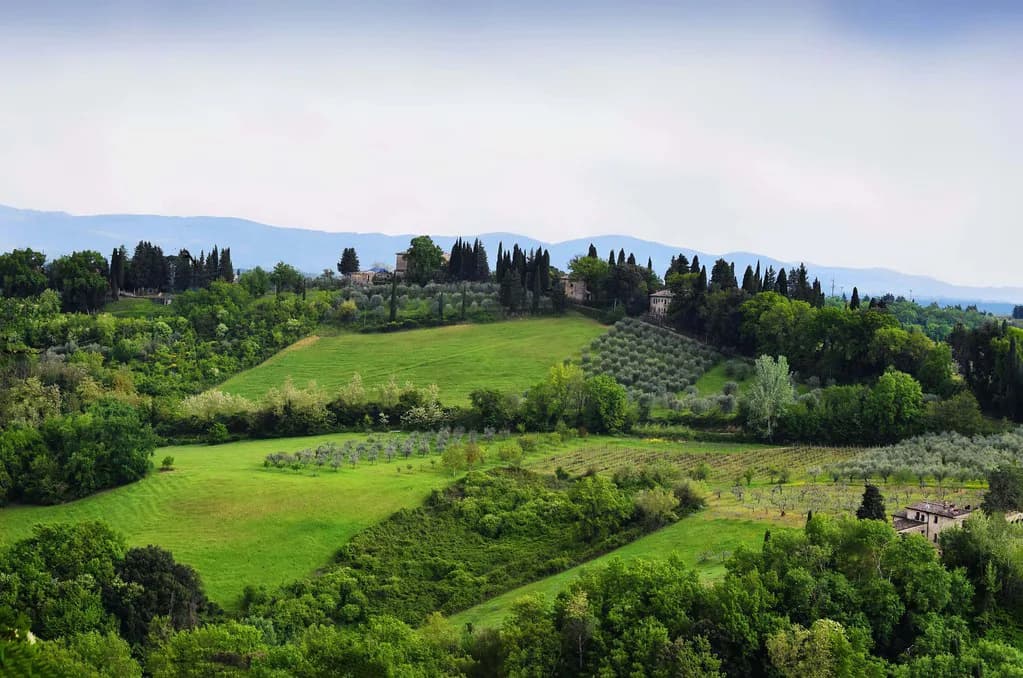
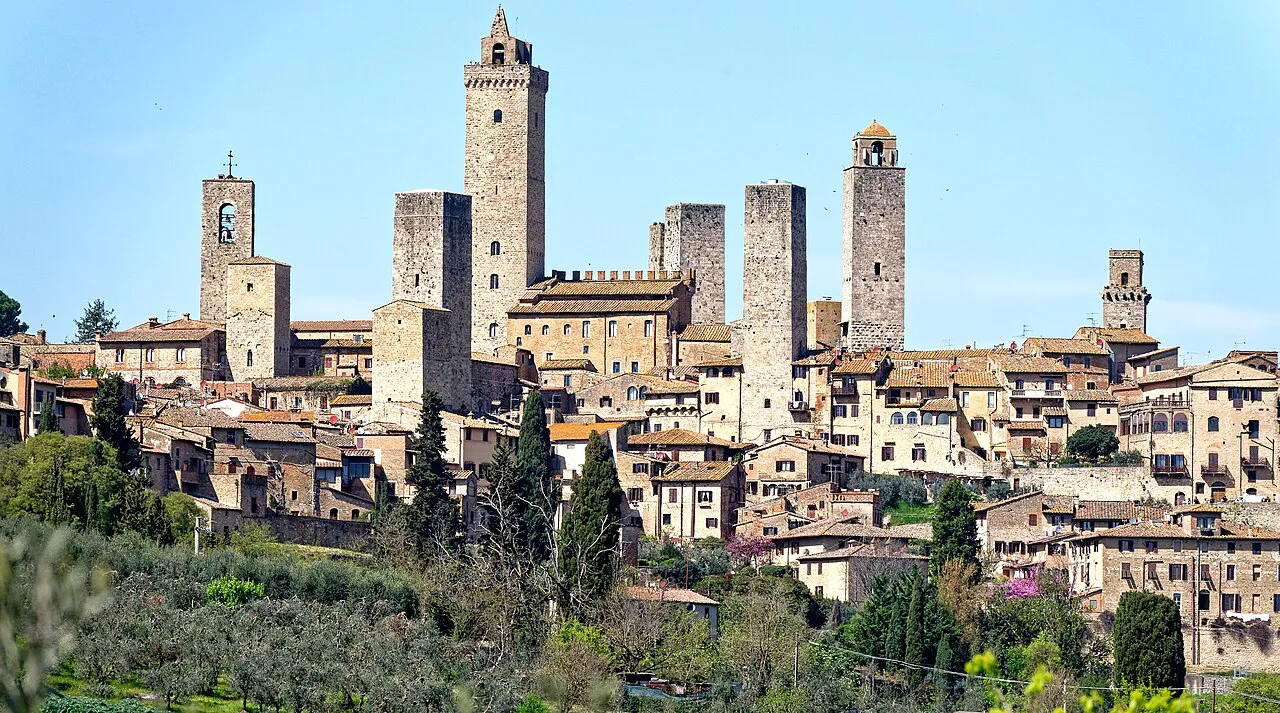
San Gimignano's towers pull the crowds, but the vineyards around them are where the town's white wine actually comes from. Il Colombaio di Santa Chiara sits on the San Donato hill outside the center, a family estate that turned winery in 2002 and farms 22 hectares inside the Vernaccia di San Gimignano DOCG. This guide covers where the estate is, how its parcels shape the labels, what a visit typically looks like, and how to slot it into a wine day from town.
What Il Colombaio di Santa Chiara Is
This is a small family operation rather than a corporate brand. The estate's own account traces its origins to father Mario, who worked these fields from the early 1950s, and to a 2002 decision by the siblings to convert the family farm into a winery. Today the estate farms organically, a certification its own site says it has pursued year after year with its enologist.
For travelers, that scale matters more than the story. A family estate of this size usually receives guests by arrangement rather than keeping a drop-in counter open all day, so the visit is built around a booked slot instead of a spontaneous stop. It also means the person pouring is likely close to the winemaking, which is exactly why you book ahead rather than arriving hoping for a table.
Where It Is: The San Donato Hill and the Via Francigena
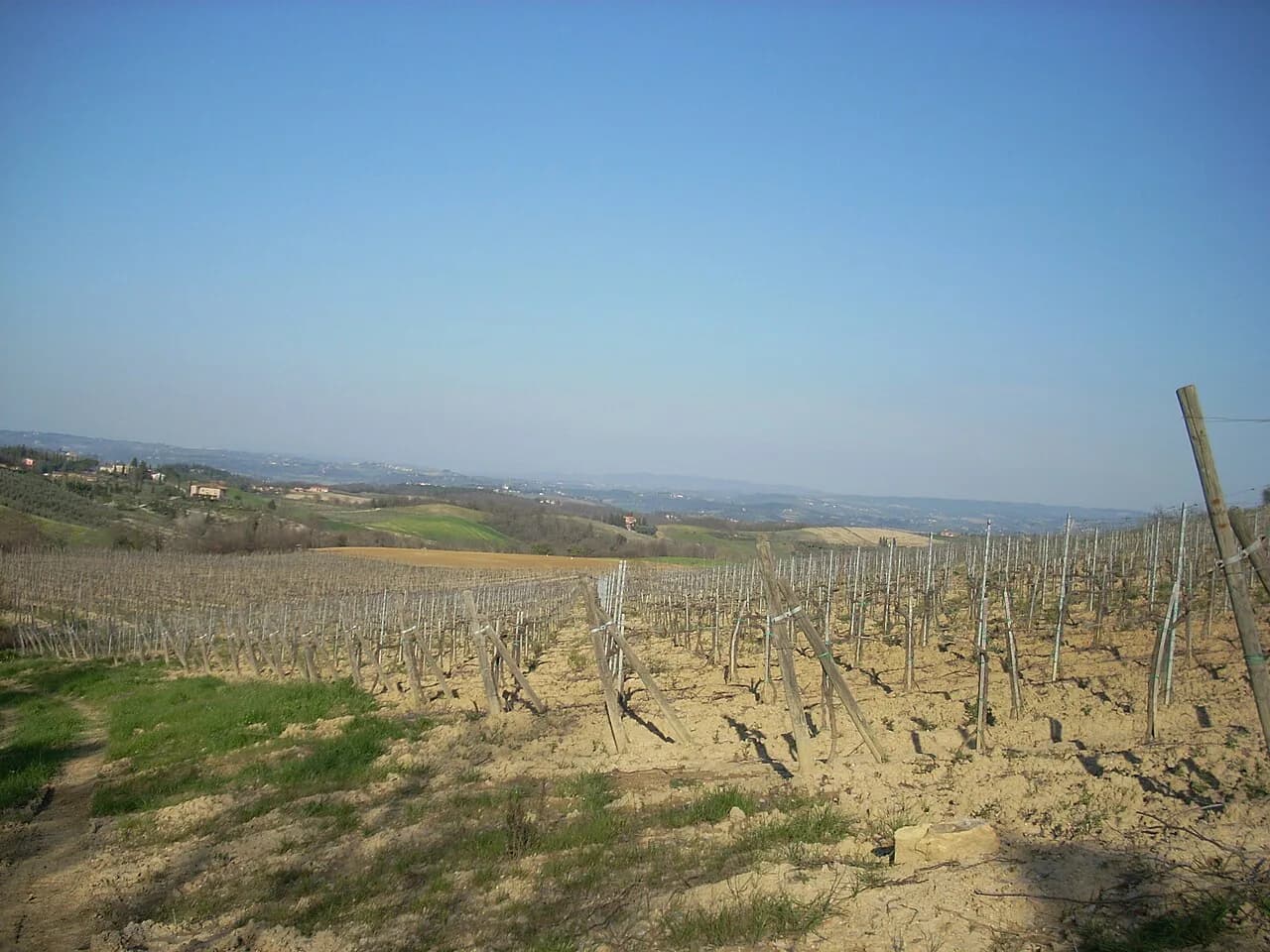
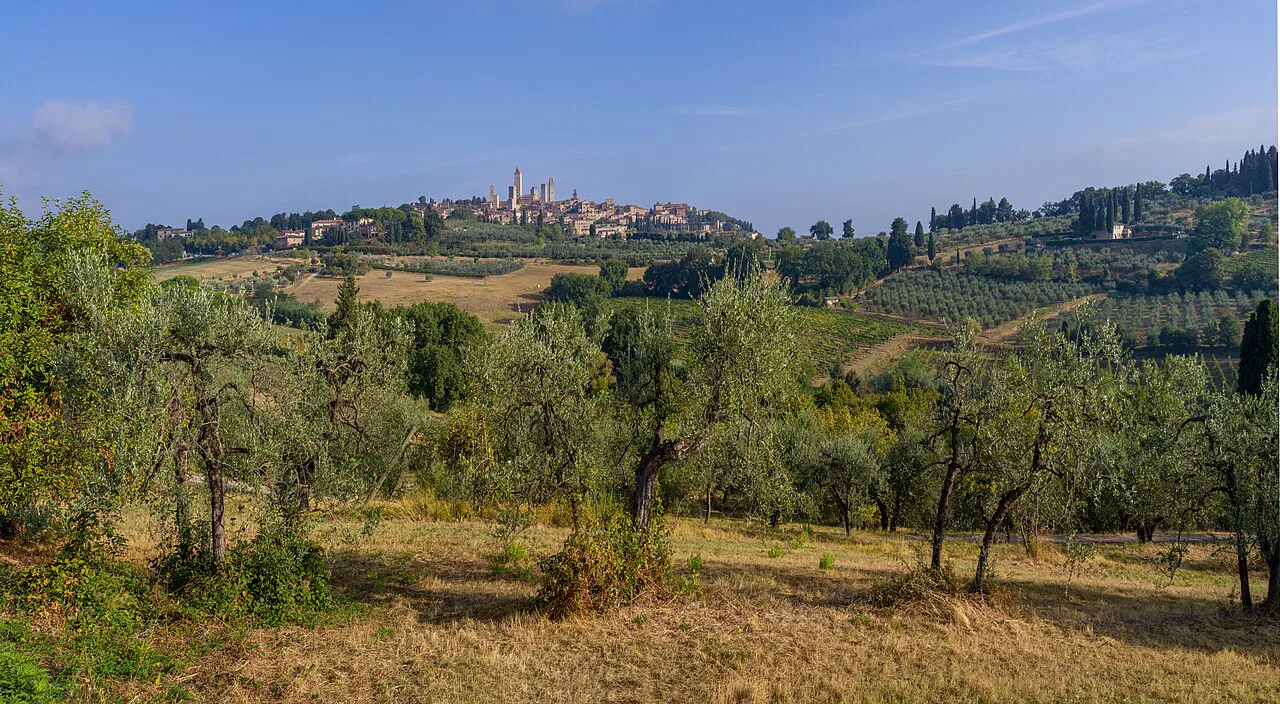
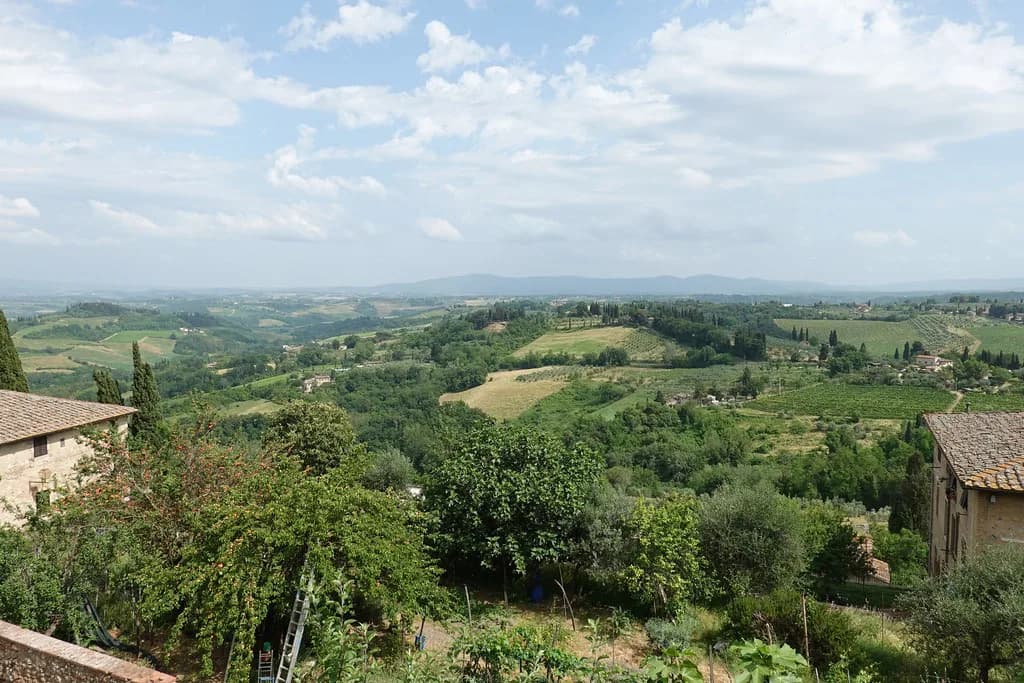
The vineyards stand on the San Donato hill at roughly 250 to 360 meters in altitude, on sandy soils rich in stones and fossilized marine material. That hill is also historic ground: the estate's San Donato parcel takes its name from the small Romanesque parish above the vines, which sits along the Via Francigena pilgrimage route.
In practical terms, picture a rural lane just outside San Gimignano's walls rather than a town-center tasting room. The estate is close enough that a taxi from town is quick, but far enough that walking it on a hot afternoon with a tasting booked is a poor plan. If you are working out how this estate fits alongside the other cellars in the area, our guide to wine tasting in San Gimignano maps the districts and how to group them.
The Wines to Expect
Vernaccia is the core grape here. The estate describes Vernaccia di San Gimignano as the vine that best expresses the local ground, and farms 22 hectares in the DOCG, with only a small part wooded, alongside Sangiovese and the migrant varieties Cabernet Franc and Merlot in the red range. If you want the local white benchmarked against the rest of the appellation before you arrive, read up on Vernaccia di San Gimignano DOCG first.
The red side is worth taking seriously rather than treating as a consolation. Sangiovese gives the Tuscan frame, while Cabernet Franc and Merlot round out the range in the estate's own description — a common Tuscan approach that produces softer, more international reds next to the local white. Knowing this in advance helps you decide whether to book a tasting that leans white or one that walks through the full lineup.
Organic certification is one of the estate's stated priorities, applied across the vineyards rather than to a single bottling. If that matters to you, ask about it at the booking stage, since certifications can cover different scopes and renewals differ between estates.
The Vineyard Parcels Explained
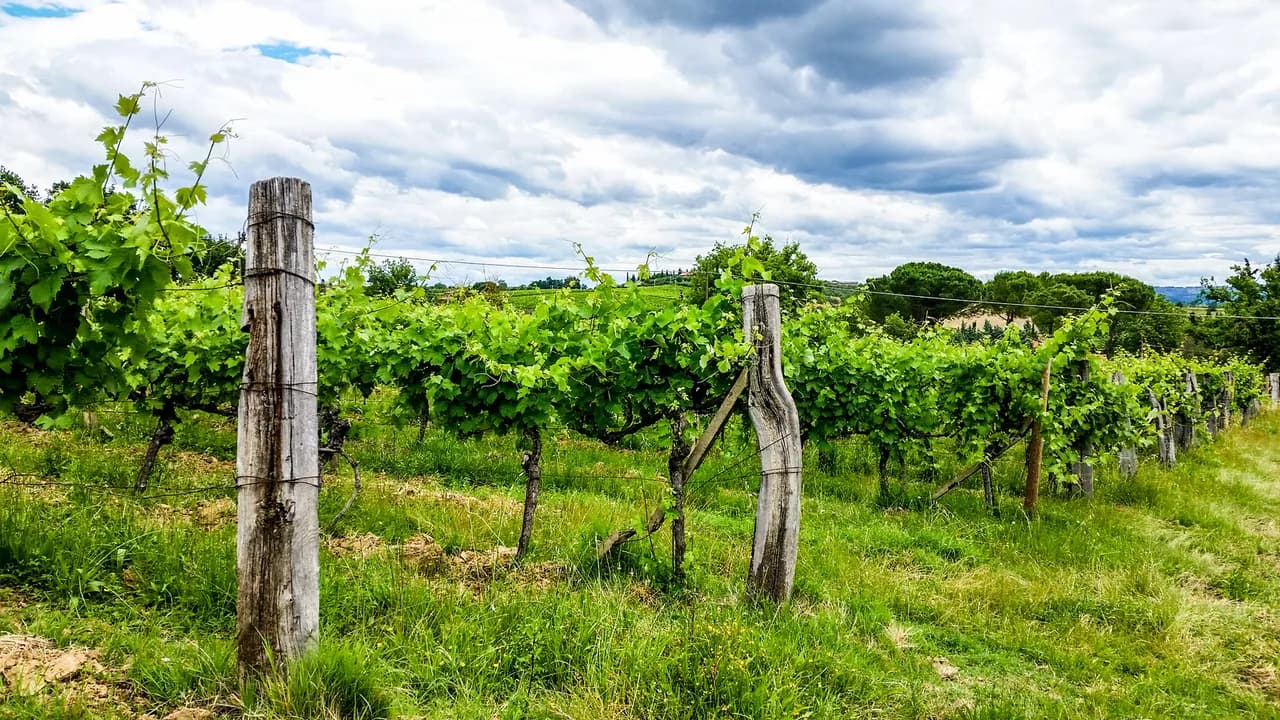
Six named parcels make up the estate, and their names are the key to reading a label before you arrive. San Donato is 2 hectares of Vernaccia facing south beside the Romanesque parish; Pescille adds 3 hectares of Vernaccia and Sangiovese nearby, also south-facing. Colombaio covers 2.5 hectares of Vernaccia on an east-facing slope at Racciano, a place name the estate traces back to Etruscan roots.
Cotone is the biggest plot at 10 hectares, east-facing and, in the estate's account, long regarded as one of the best sites for Vernaccia; the name is documented back to 1011. Bacicolo is the odd one out: a single hectare of north-facing Cabernet Franc. Campo della Pieve, at 1.5 hectares below the parish, supplies the grapes behind the Campo della Pieve bottling.
The soils across these sites are old Pliocene sands mixed with clays, pebbles and gravels, with older plots giving way to cavernous limestone. That variation, rather than a single uniform block, is why one estate can bottle several distinct Vernacchie. When you taste, ask which parcel the wine in your glass comes from — it turns a lineup into a map of the hill.
What a Visit Involves
The estate's own site lists a tasting section but does not publish a fixed format, duration or menu. As a visitor-facing reference point, a third-party review listing describes a tasting of six wines accompanied by food, which is a useful benchmark rather than a confirmed house rule. Treat the number as a starting expectation and confirm the actual lineup when you book.
Two things are worth asking about directly. First, cellar access: some small estates walk guests through the production area, others pour in a tasting room only, and a 2002-founded winery may have a compact cellar. Second, food: if a pairing is part of the offer, say so if you are vegetarian or arriving straight off a long drive without lunch.
Booking and Timing
Book through the estate's own website, where the contact and tasting pages carry the current email and phone details, rather than relying on a third-party listing. Say how many people are coming, whether you want a tour or tasting only, and whether you need the visit in English. Small estates often run on family schedules, so a date and time confirmed in writing is worth more than an assumption.
Harvest is the one period where flexibility pays. Late summer and early autumn are busy in the cellar, and appointments can shift at short notice when picking starts; if your trip is fixed, book the visit early and keep a backup cellar in mind. Outside harvest, a few days' notice is usually enough at estates of this size, though popular weekend slots go first.
The estate's site does not list opening hours, seasonal closures, minimum party sizes or tasting fees. Ask for the current fee and cancellation terms in your booking message so there is no surprise at the counter.
Getting There Without Driving
San Gimignano has no working railway station, so the realistic options are taxi, bike or an organized tour. A taxi from town to the San Donato hill is short, but rural taxis are limited and a return leg needs arranging in advance rather than hailed at the gate. Cycling works for confident riders on the quiet lanes, though the hill and the heat are real constraints.
The trade-off is straightforward. Going independently gives you control over timing and the chance to linger, but it leaves you dependent on a taxi you have already booked. A guided tour costs more per head and moves at group pace, yet it solves transport and usually bundles two or three estates into one afternoon, which suits anyone visiting without a car.
Whoever drives should not taste; use the spittoons, nominate a designated driver, or take a tour and leave the car in town. If you would rather stay out among the vines than return to San Gimignano each night, the agriturismo options around the town put you within a short drive of estates like this one.
Pairing the Visit With San Gimignano
A half-day plan works well: a morning tasting on the San Donato hill, back into town for lunch and the Collegiata and towers in the afternoon, before the day-trippers thin out. Book the earliest slot you can get so the visit is not squeezed against a lunch reservation.
With a full day, add a second estate and treat Il Colombaio as the Vernaccia anchor. The town's wineries range from historic cellars inside the walls to farm estates on the surrounding hills, and grouping two or three that sit on the same side of town saves a lot of driving on narrow lanes. If you are weighing a second Tuscan stop, the Siena wine guide covers the same choice of enoteche, classes and cellar visits further east.
If San Donato is the name that drew you here, note that it is a hill and parish shared by more than one producer; the area around it holds several estates worth comparing, including Fattoria San Donato further along the same slope.
Plan Your Visit
Il Colombaio di Santa Chiara rewards a little preparation: know that you are heading for the San Donato hill rather than the town center, decide between taxi and tour in advance, and ask Il Colombaio about the tasting format, fee and cellar access in your first message; it is worth checking current prices and dates when you do. The parcel names on the labels will then mean something when the bottles are in front of you.
Confirm the day's details with the winery shortly before you travel, and build the rest of the day around the town rather than the other way round. One responsible note carries through every option: keep the driver off the wine and use spittoons, a designated driver, a tour or public transport so everyone gets home safely.
Frequently Asked Questions
Where is Il Colombaio di Santa Chiara located?
It sits on the San Donato hill outside San Gimignano in Tuscany, on ground that includes the old Romanesque parish along the Via Francigena. The vineyards run at roughly 250 to 360 meters in altitude. It is a rural lane a short drive from the town walls, not a tasting room in the center, so plan transport in advance.
What wines does Il Colombaio di Santa Chiara make?
The estate's core is Vernaccia di San Gimignano, farmed across 22 hectares within the DOCG, with Sangiovese and the Bordeaux varieties Cabernet Franc and Merlot making up the red range. Several bottlings are tied to individual parcels, so names such as Cotone, Colombaio and Campo della Pieve on a label refer to specific vineyard sites on the hill.
How many wines are included in a tasting at Il Colombaio di Santa Chiara?
A third-party review listing describes a tasting of six wines with food, but the estate itself does not publish a fixed tasting format or menu. Treat six as a starting expectation rather than a house rule and confirm the actual lineup, duration and whether food is included when you request your appointment.
Do you need to book a tasting at Il Colombaio di Santa Chiara?
Yes, plan on booking rather than dropping in. Estates of this size receive guests by arrangement around family and cellar schedules, so send a request through the winery's own website with your date, party size and whether you want a tour as well as a tasting. Book earlier if your trip falls during harvest, when appointments can move at short notice.
How do you get to Il Colombaio di Santa Chiara without a car?
San Gimignano has no working railway station, so the choices are a pre-arranged taxi, a bike for confident riders, or an organized wine tour that includes transport. A taxi is quick from town but the return leg needs booking in advance because rural cars are scarce. A tour costs more per person and runs at group pace, but removes the transport problem entirely.
Is Il Colombaio di Santa Chiara organic?
The estate states that it holds organic farming certification, achieved over successive years with its enologist, and presents it as part of how the vineyards are managed. Because certification scopes can differ between producers, ask at the booking stage which wines and parcels the certification covers if that detail matters to your visit.
Sources
Notes for your next wine trip
Optional updates to our winery and wine-town guides.
You might also like
Continue reading
More guides you'll find useful