Agriturismo Montepulciano: Wine-Stay Picks and How to Choose
Plan a wine-focused stay near Montepulciano: how agriturismi differ from winery hotels, which villages to pick, what a tasting usually costs, and how to book.
On this page
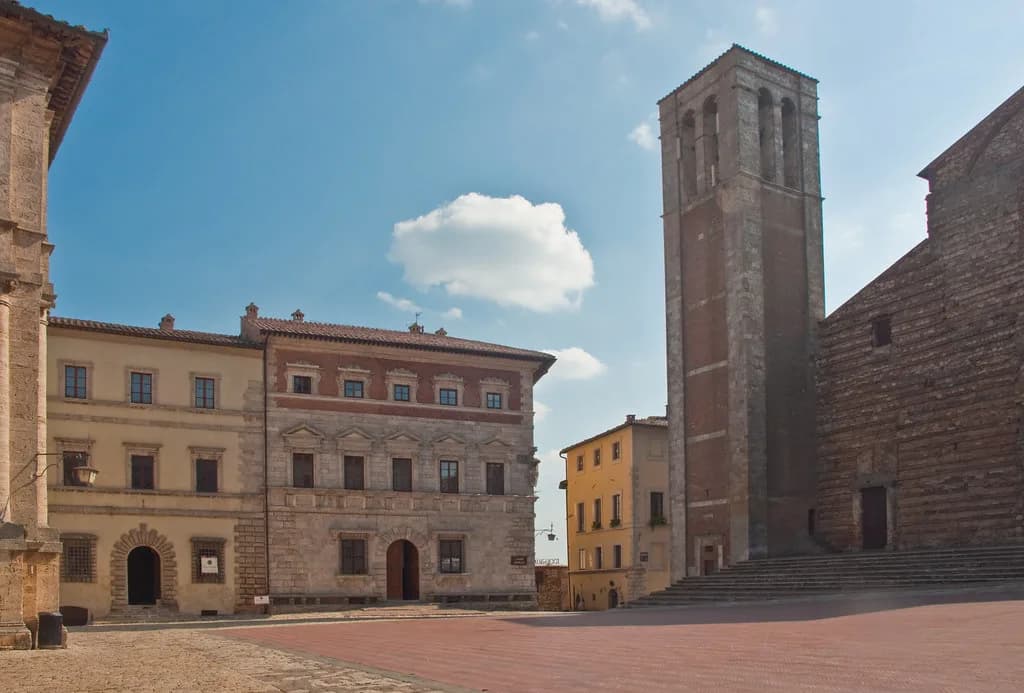
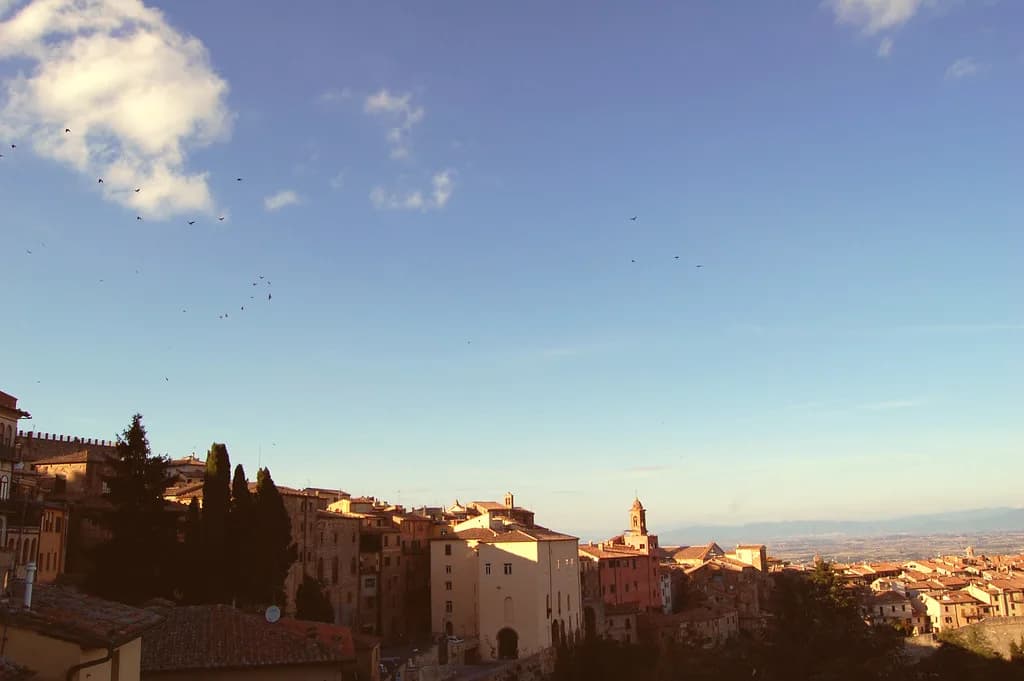
Montepulciano sits on a narrow ridge in southern Tuscany, with Il Corso climbing steadily from Porta al Prato to Piazza Grande and the Val d'Orcia falling away below the walls. That shape matters for lodging: a room inside the center puts cellars within walking distance, while a countryside estate trades that convenience for vineyards, silence and a drive to dinner.
This guide sorts the three main models — farmhouse agriturismo, winery-owned rooms and in-town palazzo stays — by what each gives a wine traveler, names only cellars confirmed to receive visitors, and explains how to pair a bed with a tasting without renting a car you cannot use after the first glass.
Why Montepulciano Works as a Wine-Stay Base
The town is compact but steep, so most cellars, enoteche and restaurants sit on or just off the main street that changes name several times as it climbs. A half day covers the highlights on foot, and a full day lets you work through several cellars without moving the car.
Below the ridge, the Val d'Orcia opens into the landscape that draws most visitors: Pienza is about 20 minutes away by car, Montalcino roughly 45 minutes and Siena about an hour. Smaller Val d'Orcia towns such as San Quirico d'Orcia sit within half an hour, which makes a ridge base practical for day trips as well as tastings.
One confusion to clear up early: Vino Nobile di Montepulciano is a Sangiovese-based red, not a wine made from the Montepulciano grape grown in Abruzzo. The DOCG requires at least 70 percent Sangiovese, allows Canaiolo Nero and Mammolo in the blend, and demands at least two years of ageing with one in oak; Riserva adds a third year.
Agriturismo vs. Winery Hotel vs. Rooms Inside the Walls
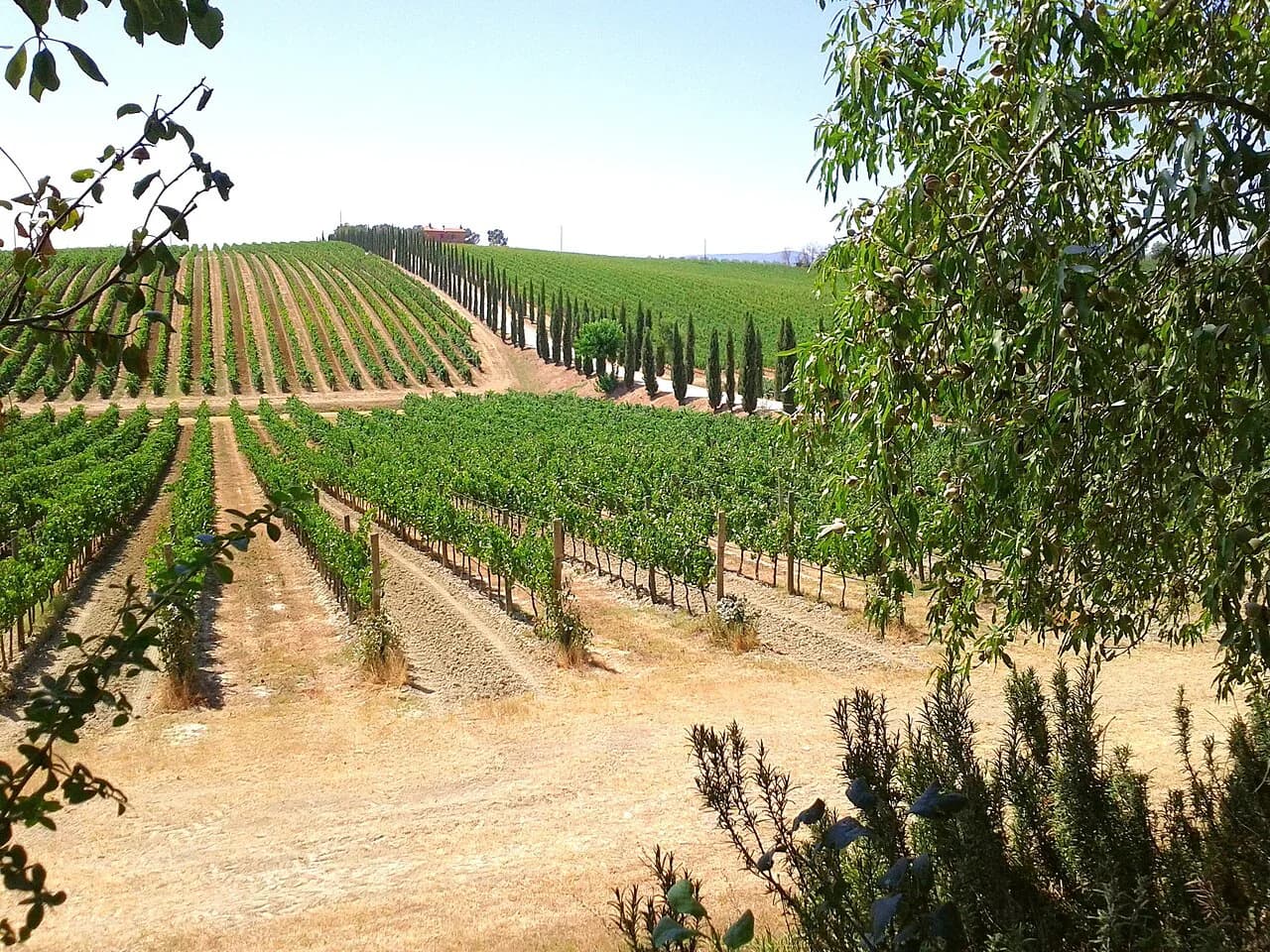
An agriturismo is a working farm that takes in guests, which in this part of Tuscany usually means vineyards, olive groves and a farmhouse conversion rather than a staffed hotel. Expect simpler service, breakfasts built around local produce and a host who may also make the wine; confirm whether tastings are included, poured on request or simply not part of the stay.
A winery-owned or winery-adjacent property is the middle path: rooms attached to a cellar, often with a tasting built into the booking. The trade-off is that you taste where you sleep, which is convenient, but you see less of the surrounding countryside and may pay for a structured experience you would rather assemble cellar by cellar.
Rooms inside the walls, including restored palazzi near Piazza Grande, put every cellar in town within a short walk and remove the driving question entirely. You give up garden space, parking ease and the vineyard view, and you should expect steep cobbled streets between your bed and your last glass of the evening.
Named Cellars in Town That Receive Visitors
Cantina Contucci occupies a building on Piazza Grande that predates the 16th-century family palazzo, with cellars spread over three floors and tunnels cut into the rock. Italia.it lists daily hours of 9:30am to 12:30pm and 2:30pm to 6:00pm at Via del Teatro 1, and the cellar can be walked without a booked tasting.
De'Ricci Cantine Storiche on Via Ricci runs guided visits through its vaulted cellar and a sixteenth-century wine cathedral, then a seated tasting of three or six wines with charcuterie, cheese and bruschetta. Reservations are required and can be made through the winery, by email or by phone.
Cantina Gattavecchi, in a former convent on Via di Collazzi, offers tours of the ageing rooms and a choice of four-wine, deluxe or vertical tastings with bread and cheese. Cantina Crociani on Via del Poliziano keeps a small tasting room and asks guests to reserve, while Fattoria della Talosa on Via Talosa runs self-guided cellar walks plus bookable guided tastings and lunches.
Cantina Ercolani, just inside the northern gate at Via di Gracciano nel Corso 80-82, is the easiest stop from the lower parking lots and runs frequent free guided tours of its underground cellars. One visitor account describes those tours as short and crowded, so a paid, seated tasting elsewhere may suit you better if you want unhurried conversation.
Inside the Fortezza Medicea, the Enoliteca Consorzio Vino Nobile pours more than a hundred regional wines from self-service dispensers on a prepaid card, including Vino Nobile, Rosso and Vin Santo, with local cheese and salumi to order. No reservation is needed, and the terrace looks toward the Tempio di San Biagio.
What a Cellar Visit Includes and What It Costs
A typical bookable cellar visit combines a walk through the ageing rooms — barrels, old bottles, sometimes Etruscan foundations — with a seated tasting of three to six wines and a plate of pecorino, cured meats and bread. Expect 60 to 90 minutes, longer if lunch or a vertical tasting is added.
Tasting fees in town usually fall in the roughly €20 to €30 band, depending on whether a guided tour is included. Several shops, including Contucci and Talosa, pour free samples if you intend to buy bottles, which is a genuine option for a second stop on the same afternoon.
Ercolani's free guided tours with tasting are the outlier, and the price reflects the format: standing, group-paced and quick. If your stay includes a tasting, ask whether the wines poured match the estate's own production or a broader regional selection, since that changes what you learn.
Staying in the Center, on an Estate, or in a Nearby Village
Choose the center if wine is the priority and you want to walk between a morning cellar, a long lunch and an afternoon tasting. The ridge is long and uphill, so pick lodging near Piazza Grande or along the upper Corso to limit climbing, and plan to leave the car in a lot outside the walls.
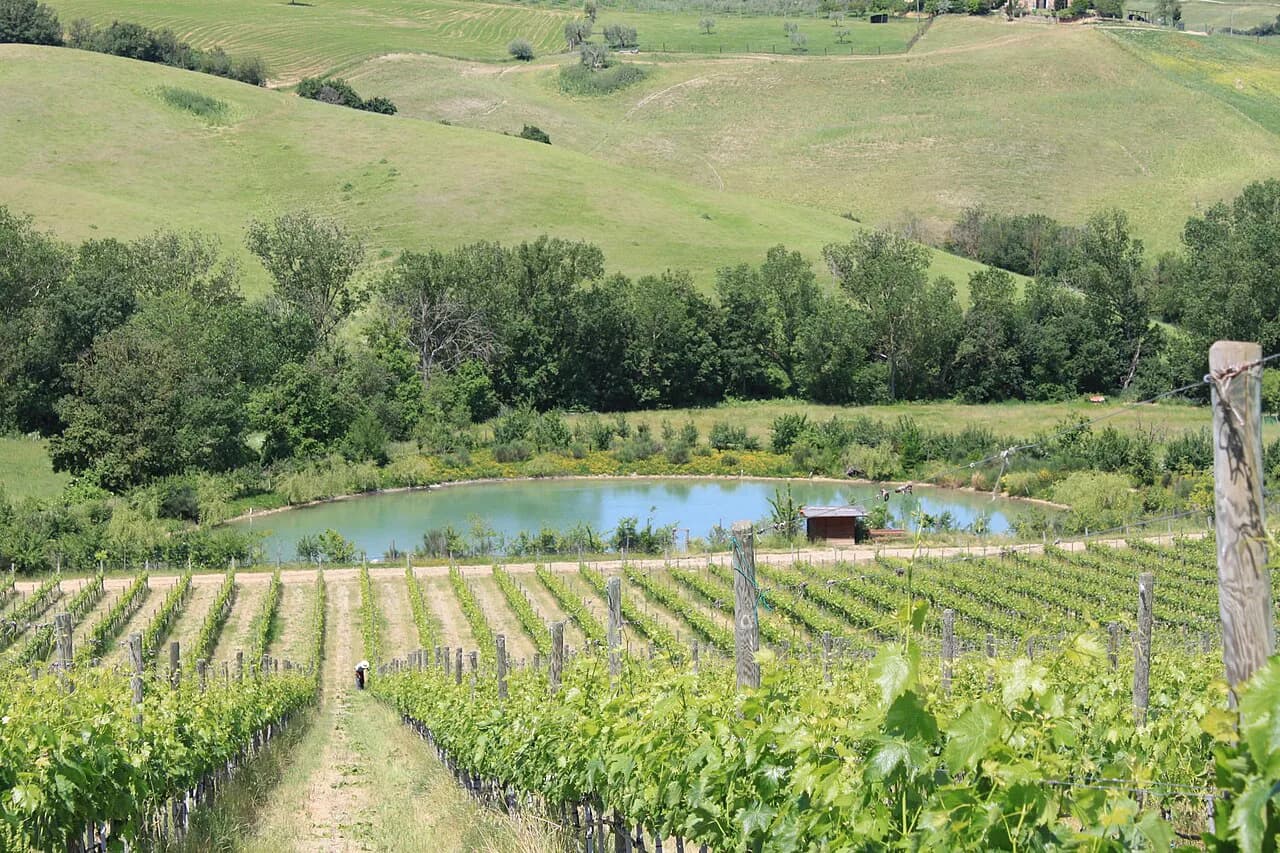
Choose a countryside estate if you want vineyards at the door, space for children, and the pace of a farm stay. The cost is a drive to everything, including dinner, and the need for a designated driver or a booked car for evenings — a real constraint on a wine trip. Farm-stay listings around Montepulciano are easy to find through booking aggregators, which is a starting point rather than a guarantee of quality or of wine facilities.
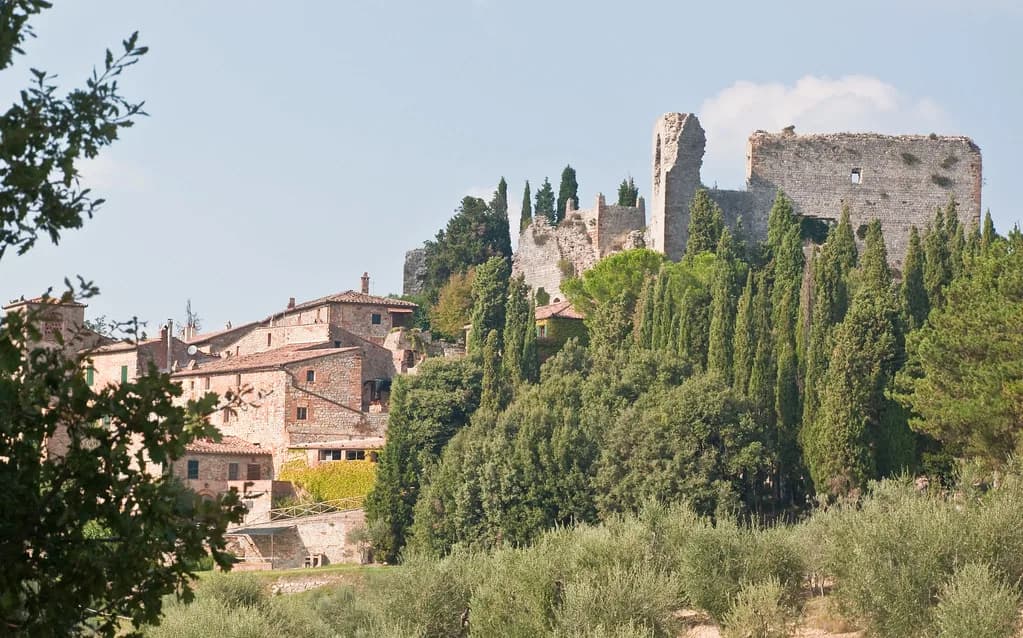
Nearby villages work as a compromise: Pienza is about 20 minutes by car, Montalcino about 45 and Siena an hour, so you can sleep somewhere quieter and still reach the cellars. This makes more sense over three or more nights, when a single base for both Montepulciano and Montalcino tastings starts to pay off.
If you would rather compare farm-stay models before committing, the same questions apply elsewhere in Tuscany: what the buildings are, whether the farm makes wine, and how far the nearest restaurant sits by road or on foot. The agriturismo san gimignano options show how those questions play out around a different Tuscan wine town.
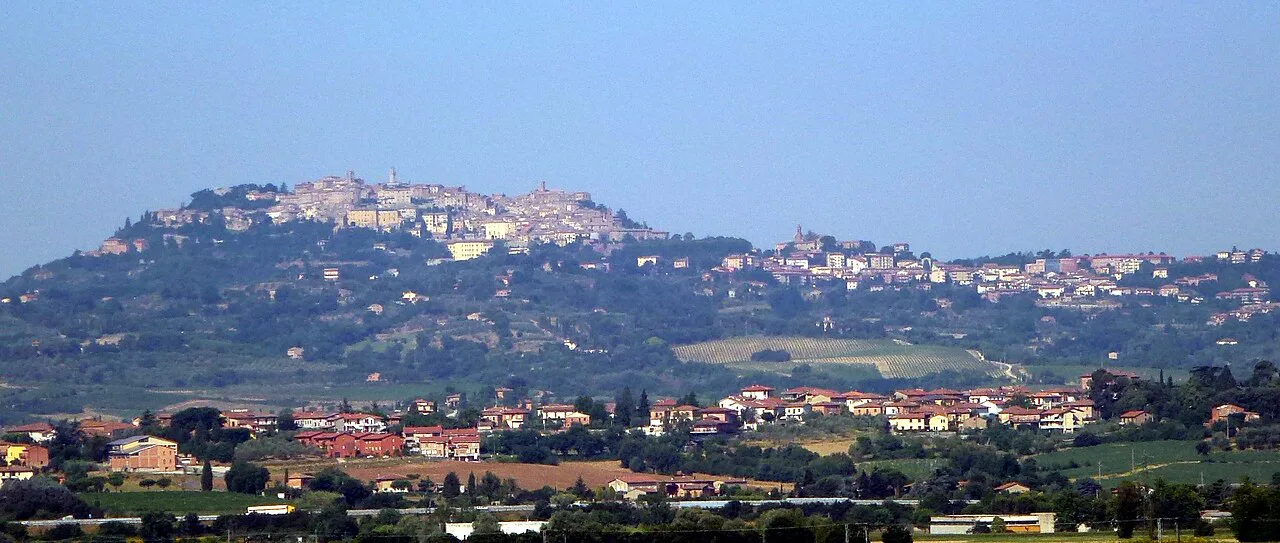
Where Countryside Stays Sit Relative to the Cellars
Agriturismo San Gallo near Montepulciano comes up in traveler discussion as a farm stay close to town, but a forum mention is a name to research, not a vetted recommendation: check its own website for rooms, wine and whether tastings are offered.
Aggregator listings for Montepulciano agriturismi — Villa Cicolina, Terra Antica Resort, Fattoria San Martino, Merigge, Sanguineto and others — give a starting list of properties, but they describe rooms and location, not cellar access. Read each property's own pages for whether it produces wine, pours its own bottles, or merely sits among vineyards.
Countryside properties typically sit on the roads below the ridge, which means a short drive up to a parking lot and a walk into the center rather than a doorstep cellar. Plan a stay of two or more nights if you want both an estate morning and a town afternoon without spending the day in the car.
Getting There Without a Car
Montepulciano has no station in the center. The practical rail approach is Chiusi-Chianciano Terme on the main Florence–Rome line, then a bus or taxi up to the town; a local station closer to Montepulciano also exists but sits several kilometers out, requiring a bus or taxi. Bus times change by season, so look them up with the local bus company before you commit to a schedule.
Buses connect Siena and Montepulciano, but service in this part of Tuscany is regional and slow compared with the high-speed network, so a car-free day trip from Florence costs far more time than driving. A common solution is to base in Siena or in Montepulciano itself and take a tour or a hired driver for the wine day.
A driver should not taste. Use spittoons, travel with a designated driver, or book a tour so the person at the wheel is not the person tasting — the alternative is a very expensive mistake on narrow country roads.
Parking and the Restricted Center
You cannot drive into the historic center; the restricted zone is enforced with fines, and the lots outside the walls — including those signed P1 and P8 — are where a day visit or an estate stay begins. Lots closest to the center fill around midday, so arrive earlier or park lower down and walk up Il Corso.
If you plan to buy bottles, think about where the car is before your last tasting. Buying near the northern entrance, close to the lower lots, saves carrying cases up and down a steep ridge at the end of the day.
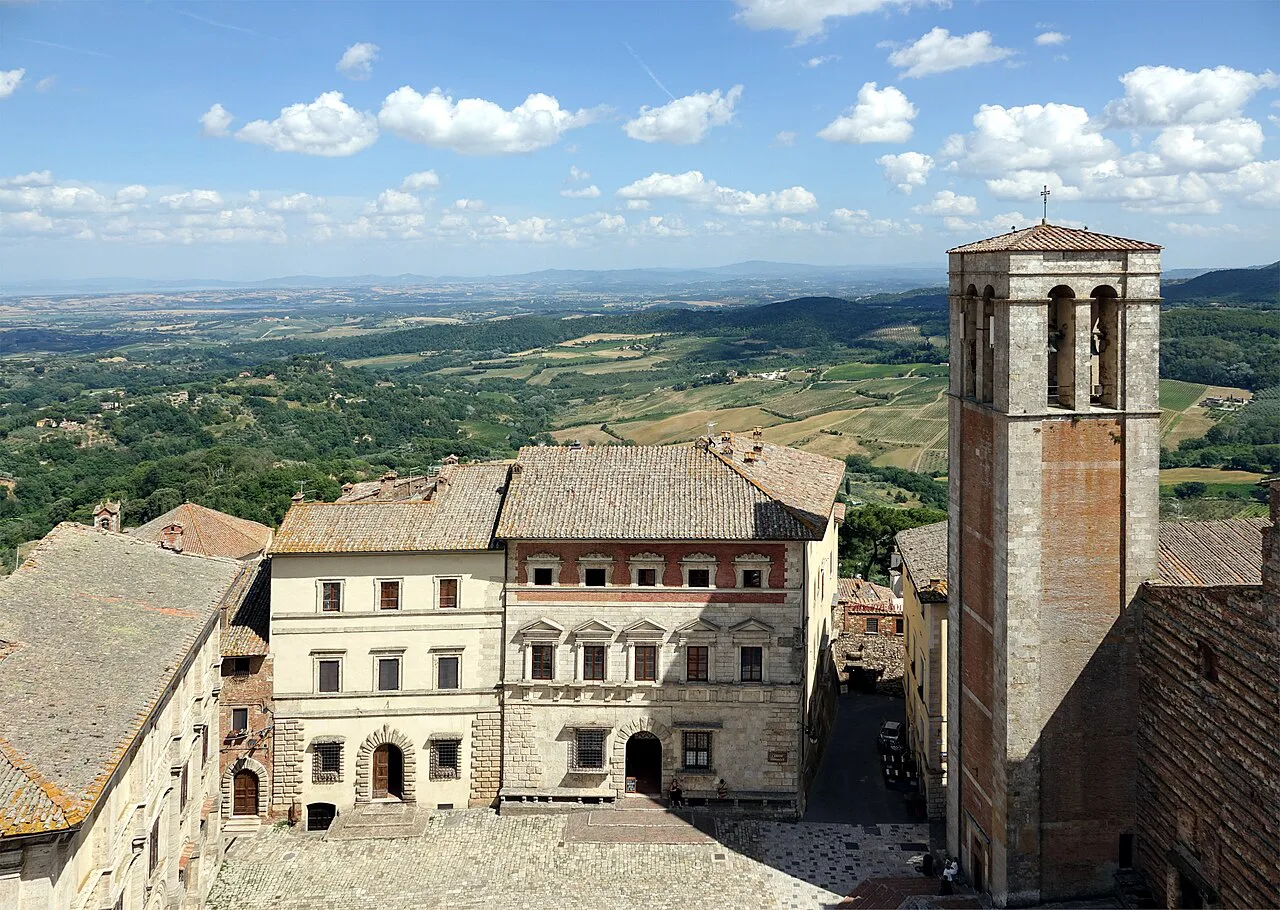
Harvest Rhythm and the Quiet Season
Late September and early October bring harvest activity to the vineyards below town, which gives a countryside stay a working-farm texture that midsummer lacks. Late spring and early fall are the most comfortable months for walking the ridge, while July and August bring heat and the heaviest crowds.
November through March is the quietest stretch, and some cellars and restaurants shorten hours or close. If you book a winter stay, ask the property which nearby cellars are open during your dates and how dinner works when the town settles early, instead of counting on everything running year-round.
A Two-Night Plan That Pairs Well with a Farm Stay
Spend the first full day on foot in town: one booked cellar tour in the morning, lunch on the Corso, and a self-service or shop tasting in the afternoon at the Enoliteca or a free-pour counter. This keeps driving to a minimum on arrival day and lets you calibrate what you like before visiting a producer.
Give the second day to the countryside: a booked tasting at an estate below the ridge, a slow lunch, then a drive to Pienza or San Quirico d'Orcia in the late afternoon. If you are traveling without a car, invert the plan and take an organized tour that includes transport, saving the in-town day for walking.
Tastings in Montalcino, roughly 45 minutes away, can be done from a Montepulciano base for contrast — the fortress enoteca there pours a wide range of producers, and Brunello makes a useful comparison with Vino Nobile.
What to Ask When Booking a Room-Plus-Tasting Stay
Ask three questions before you pay a deposit: does the property make its own wine and pour it, is the tasting included or charged separately, and what time is check-in relative to the cellar's afternoon hours? A farm stay that finishes tastings at six and serves dinner at seven leaves little room for a town cellar visit that same day.
Confirm booking mechanics, since appointment culture varies. De'Ricci and Gattavecchi require reservations, Crociani asks guests to book through its site or email, Contucci takes walk-ins at the shop but books guided experiences through an online form, and Ercolani requires reservations for its free tours. Do not assume a room booking covers a cellar slot.
Finally, ask about parking and access: where guests leave cars, whether the road is paved, and how far the property sits from the nearest bus stop if you are arriving by public transport. Those details decide whether the stay simplifies your wine day or complicates it.
Plan Your Visit
Montepulciano rewards a two-night stay: one day walking the ridge and tasting in town, one day on an estate with a view back up at the walls. Decide first whether you want the walkability of a palazzo room or the vineyard setting of an agriturismo, then build the tastings around it.
Book the cellar visit before you book the room, confirm the estate actually makes and pours its own wine, and leave the car outside the walls with a non-drinking driver for the evening. Get those three decisions right and the rest of the trip follows.
Frequently Asked Questions
What is an agriturismo, and how is it different from a winery hotel in Montepulciano?
An agriturismo is a working farm that takes guests, usually a farmhouse with vineyards or olive groves and simpler, host-run service. A winery hotel is a hospitality operation attached to a wine producer, often with a structured tasting included. Before booking, check whether the property makes its own wine, whether tastings are included or charged separately, and how far it sits from the cellars in town.
Can you stay at a winery in Montepulciano and taste on site?
Some countryside estates and farm stays around Montepulciano do combine rooms with wine, but inclusion varies widely. Ask directly whether the property produces wine, whether it pours its own bottles for guests, and what the tasting costs. In town, cellars such as De'Ricci and Gattavecchi receive visitors by reservation, so you can lodge inside the walls and walk to a booked tasting.
How much does wine tasting cost in Montepulciano?
Tasting fees in town usually fall in a moderate band that depends on whether a guided cellar tour and food pairing are included. Several wine shops pour free samples if you plan to buy bottles, and the Enoliteca inside the Fortezza Medicea charges per pour on a prepaid card. Confirm the current fee when you reserve, since published prices change.
Do you need reservations for Montepulciano wine cellars?
Guided cellar tours and seated tastings generally need advance booking, especially in peak months, and De'Ricci and Gattavecchi both require reservations. Walk-in shop tastings and self-guided cellar visits are more flexible, and Contucci is often accessible without a booking. If you are staying only one night, reserve the cellar slot first and choose lodging around it.
How do you get to Montepulciano without a car?
Take the train to Chiusi-Chianciano Terme on the Florence–Rome line, then a bus or taxi up to the town; buses also connect Siena and Montepulciano. Service is regional and slow, so check current times before planning a day trip. For a wine day, an organized tour or a hired driver removes the transport problem entirely.
When is harvest in Montepulciano?
Harvest activity around Montepulciano typically falls in late September and early October, which is also one of the most comfortable periods for walking the town. Late spring and early fall offer the best weather for a stay, while July and August bring heat and crowds. Winter is quiet, and some cellars and restaurants shorten hours.
Is it better to stay in Montepulciano town or in the countryside?
Stay in town if you want to walk to cellars, restaurants and Piazza Grande without driving, accepting steep cobbled streets and parking outside the walls. Stay in the countryside if you want vineyards, space and farm life, accepting a drive to dinner and the need for a non-drinking driver in the evening. Nearby villages such as Pienza and Montalcino can serve as quieter bases for longer trips.
Should you book a tour or visit the cellars independently?
Independent visits give you flexibility and cost less, and several in-town cellars accept walk-ins at the shop or for self-guided cellar walks. A tour solves transport and adds context, which matters if you are staying outside town or want to reach countryside estates without a designated driver. Many travelers do both: a self-guided town day and a booked tour or driver for the countryside.
Sources
Notes for your next wine trip
Optional updates to our winery and wine-town guides.
You might also like
Continue reading
More guides you'll find useful