Montepulciano Wine Cellar Guide: Which Cantinas to Visit
Compare Montepulciano's historic underground wine cellars: which welcome walk-ins, which need a booking, and how to plan tasting time in the hill town.
On this page
Montepulciano's wine cellars are not out among the vines; most of the town's historic cantinas are cut into soft tuff rock directly beneath the palazzi lining the main street. That makes a wine day here unusually compact: you walk uphill from Porta al Prato, and the cellars are stacked under your feet the whole way to Piazza Grande. The catch is that these eight historic cellars run on very different booking systems, and picking the wrong one for your schedule is the fastest way to lose an afternoon.
This guide sorts them by how you get in, not by reputation: which take walk-ins, which run set-time tours, which are free but fill quickly, and which sit outside the walls and reward people who sought them out. It also covers the wines themselves, the Fortezza pay-per-taste option, and the train-and-bus reality of arriving without a car. For the wider picture of the zone, see our companion guide to wine tasting in montepulciano.
Why the Cellars Are Underground, and How the Town Fits Together
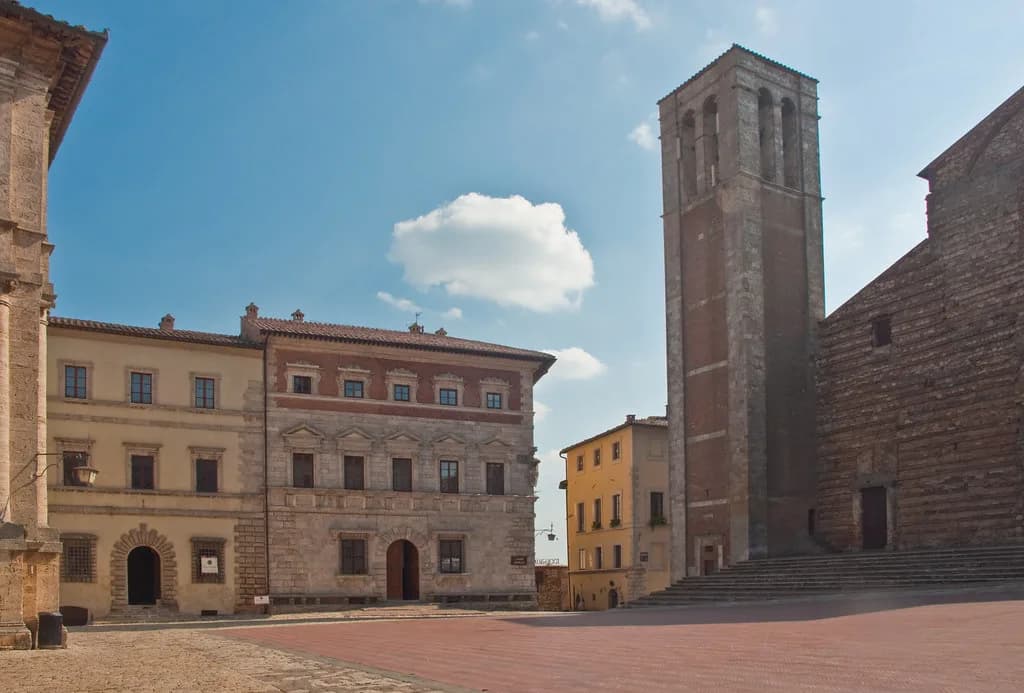
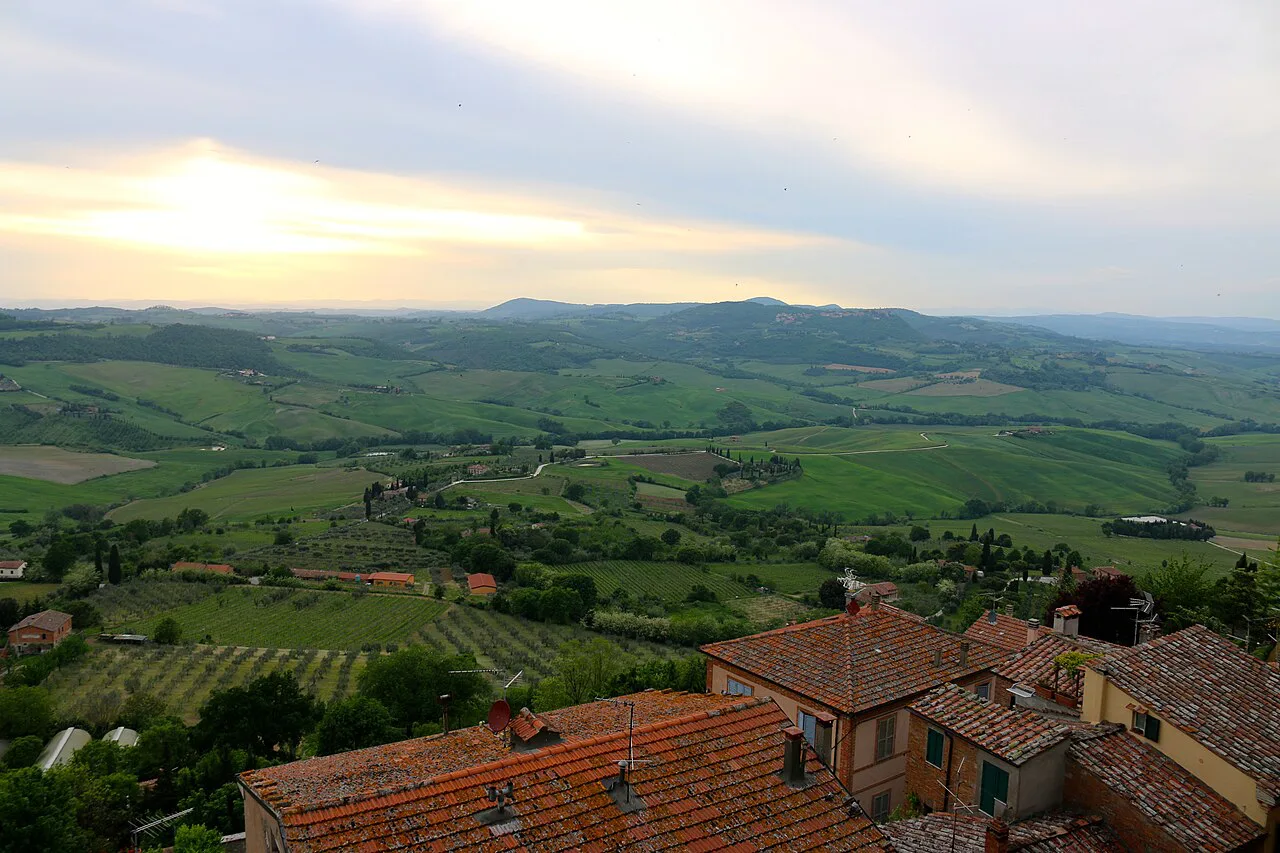
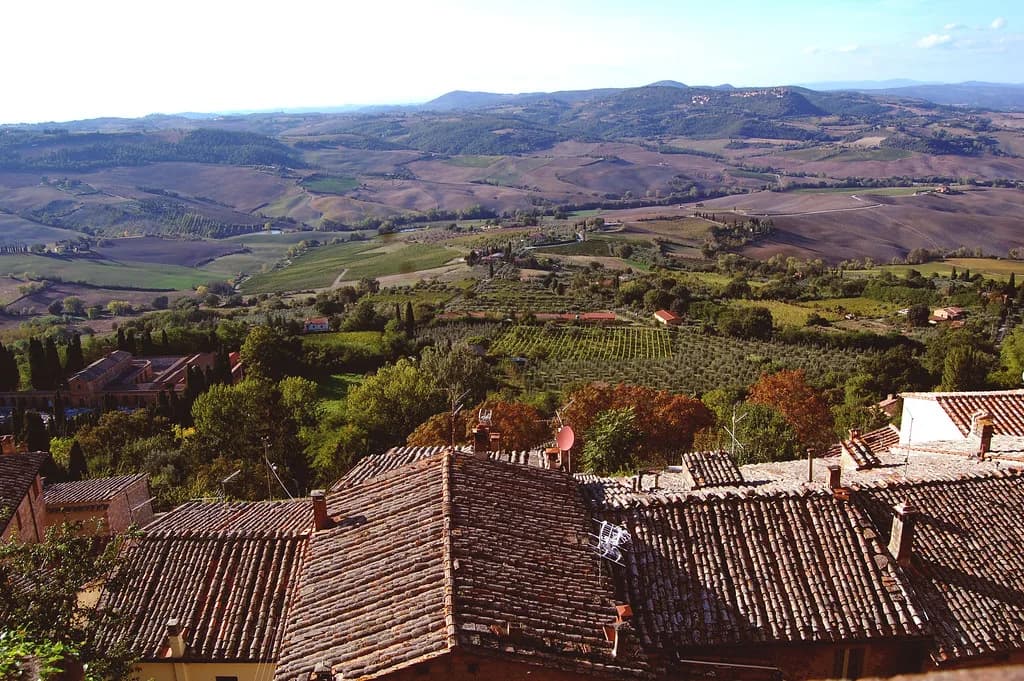
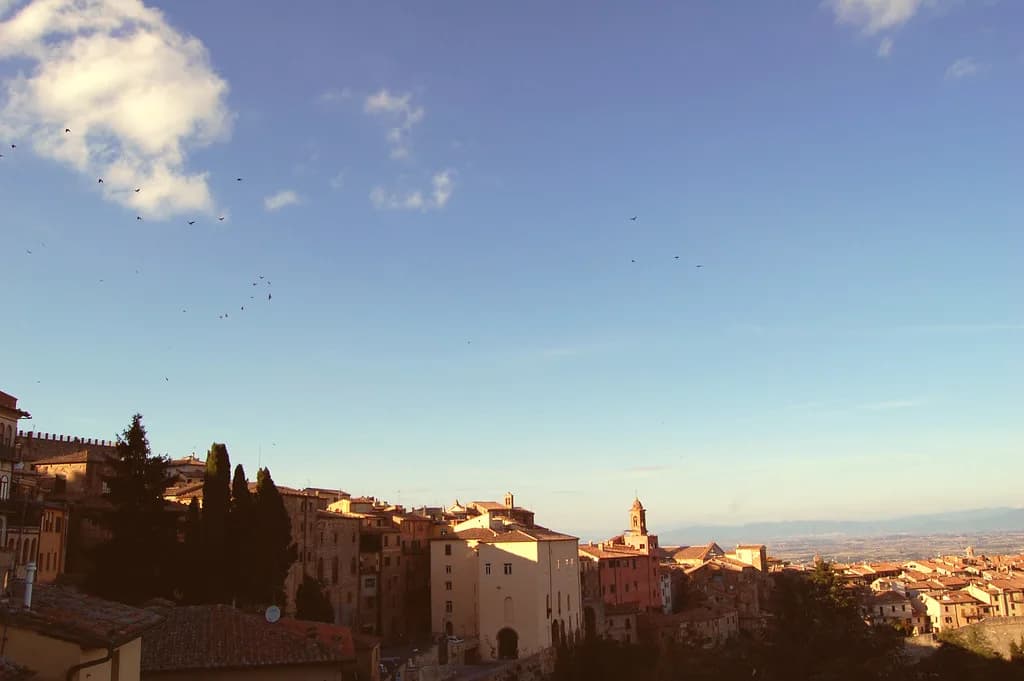
Montepulciano sits on a narrow ridge above the Val d'Orcia and Val di Chiana, and the historic center climbs steadily from Porta al Prato at the north end to Piazza Grande at the top. Il Corso changes names several times as it winds up, passing through Via di Gracciano, Via di Voltaia and Via del Poliziano before reaching the church of Santa Maria dei Servi. Side streets drop to viewpoints and restaurant doors, and the cellar entrances appear as modest doorways right off the street.
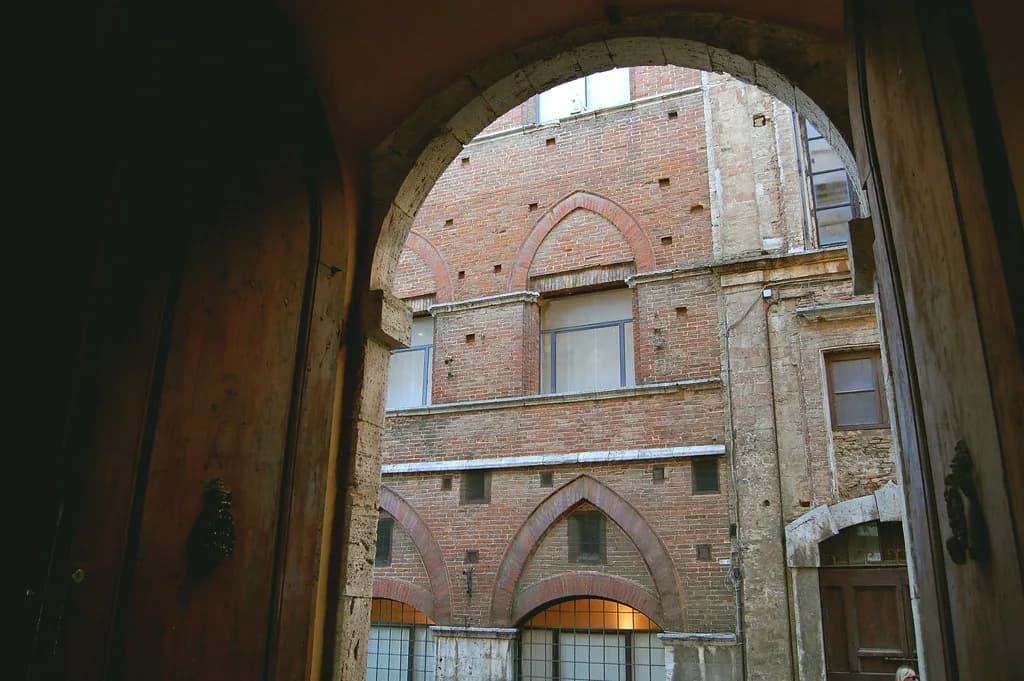
The cellars themselves were dug into the tuff beneath the palaces, which is why a visit here often means descending flights of stairs into vaulted rooms lined with large oak barrels. Many historic cellars allow free entry to look around, with guided visits and tastings of Vino Nobile and Rosso di Montepulciano available for a fee. That free-entry habit is the single most useful thing to know: you can see a cellar cheaply, then pay where the tasting actually matters to you.
Budget about four hours for the town's main highlights, which covers a walk up Il Corso, a clock-tower climb, one or two tasting stops and a meal. A full day lets you spread across several cellars and add the Fortezza Medicea. Because everything is within walking distance once you are inside the walls, the real planning question is how many fixed appointments you want to build a day around.
Late spring and early autumn are the most comfortable seasons for walking the hill, and late September into October brings harvest activity to the vineyards below town. July and August bring heat and the heaviest crowds, so an early start before tour buses arrive pays off. November through March is quietest, and some cellars and restaurants shorten their hours, which makes a quick confirmation worthwhile before you build a winter trip around one address.
Vino Nobile, Rosso and Vin Santo in Two Minutes
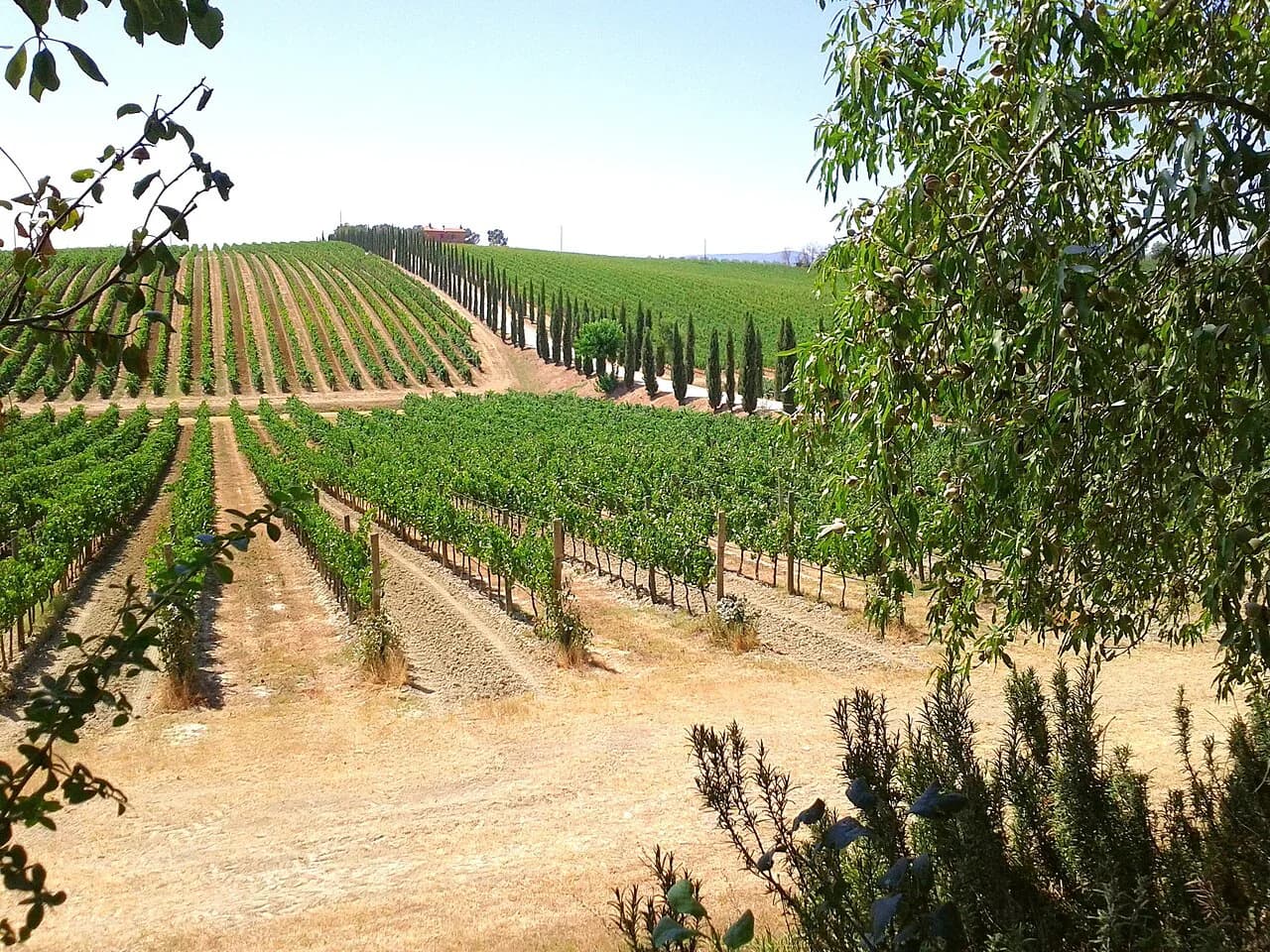
The reds here are Sangiovese-driven. Rosso di Montepulciano must be at least 70 percent Sangiovese, with the remaining share open to other grapes, and that free portion is where each estate's style actually shows. Vino Nobile di Montepulciano uses the same minimum but requires at least two years of aging, one of them in barrel, while a Riserva extends the aging to three years and typically costs more.
A practical question to ask at the counter is what fills the non-Sangiovese share of the blend, because it explains why two cellars a hundred meters apart taste different. Montepulciano is not a white-wine town, though a few estates make one. Sweet wines appear too: Vin Santo di Montepulciano is poured at the Fortezza enoteca, and Fanetti is known for its dessert wines and grappa.
Keep the grape and the place separate in your head: Montepulciano the town makes Sangiovese-based wines, while Montepulciano d'Abruzzo is a different grape grown in a different region. Anyone expecting a soft Abruzzo red will be surprised by the firmer, structured Tuscan reds here. For a broader comparison of estates and their styles, our montepulciano wineries overview is the natural next read.
Walk-In vs Appointment: Sorting the Eight Historic Cantinas
The cleanest way to plan is by booking model. Contucci, Crociani and Fattoria della Talosa generally let you step in without a reservation, while Cantina De' Ricci, Gattavecchi and Fanetti require or strongly prefer advance contact for anything beyond a basic pour. Ercolani sits in its own category: the underground is seen only on free guided tours that run frequently through the day, and those slots fill fast.
Group size is the trigger that changes everything. These historic cellars host larger parties happily, but a group of six or more should email several weeks ahead so the visit can be arranged around a single seating. If you want an intimate tasting rather than a shared tour, say so in the first message; it is easier to arrange than to fix on arrival.
Most of these cantinas sit on or just off the main street, which means you can combine two in one walk uphill without transport. Ercolani and Fattoria Pulcino are at the lower, Porta al Prato end, so they work well as a first stop; Contucci, Crociani and Talosa cluster near the top around Piazza Grande. Fanetti is the outlier, outside the walls on Viale Calamandrei, and asks for an email before you come.
Contucci: The Oldest Cellar and the No-Booking Walk-Through
Contucci occupies Via del Teatro just below Piazza Grande, and its cellar is the one to choose if you want to see an underground cantina without committing to a tour or a fee. You can walk through at your own pace, without a guide, and the family's winemaking history here is documented back centuries. The working cellar is not the most child-friendly room because of bottles and low tables, but a more formal seated tasting with cheese and charcuterie is available at the Contucci Enoteca upstairs.
Contucci was among the producers who shaped Vino Nobile's reputation, with a document from 1773 linking the family to the wine's early history. Treat the founding dates you hear on a visit as part of the storytelling and enjoy the frescoed palace setting. For a slow traveler or a family, the combination of free cellar access and an optional paid tasting upstairs is hard to beat.
Cantina De' Ricci: Set Tour Times and Tiered Tasting Prices
Cantina De' Ricci sits just down from Piazza Grande on Via De' Ricci, in a Renaissance palace whose cellars were built over earlier medieval structures. Visits to the cellar and underground require pre-booking, typically by email, at either 10:30 or 3:00 pm. Payment is handled on arrival, and the confirmation email should include the names in your party and a phone number.
The published formulas are straightforward: a guided tour of the historic cellar with three wines plus bruschetta, Tuscan cheese and salame costs €20 per person, while the six-wine version of the same tour costs €25. Minors who are not tasting pay €10 for the cellar visit alone. Because the tour times are fixed, De' Ricci works best as the anchor of your day rather than a spontaneous stop.
The cellar gained a wider audience after appearing in the Twilight film New Moon, and the Ricci family's history in the city reaches back to the twelfth century. Its scale and setting make it the most complete single visit in town for many travelers. If you only book one guided tour, this is the one whose format is clearest in advance.
Città Sotterranea di Ercolani: Free Tours, Tunnels and Timing
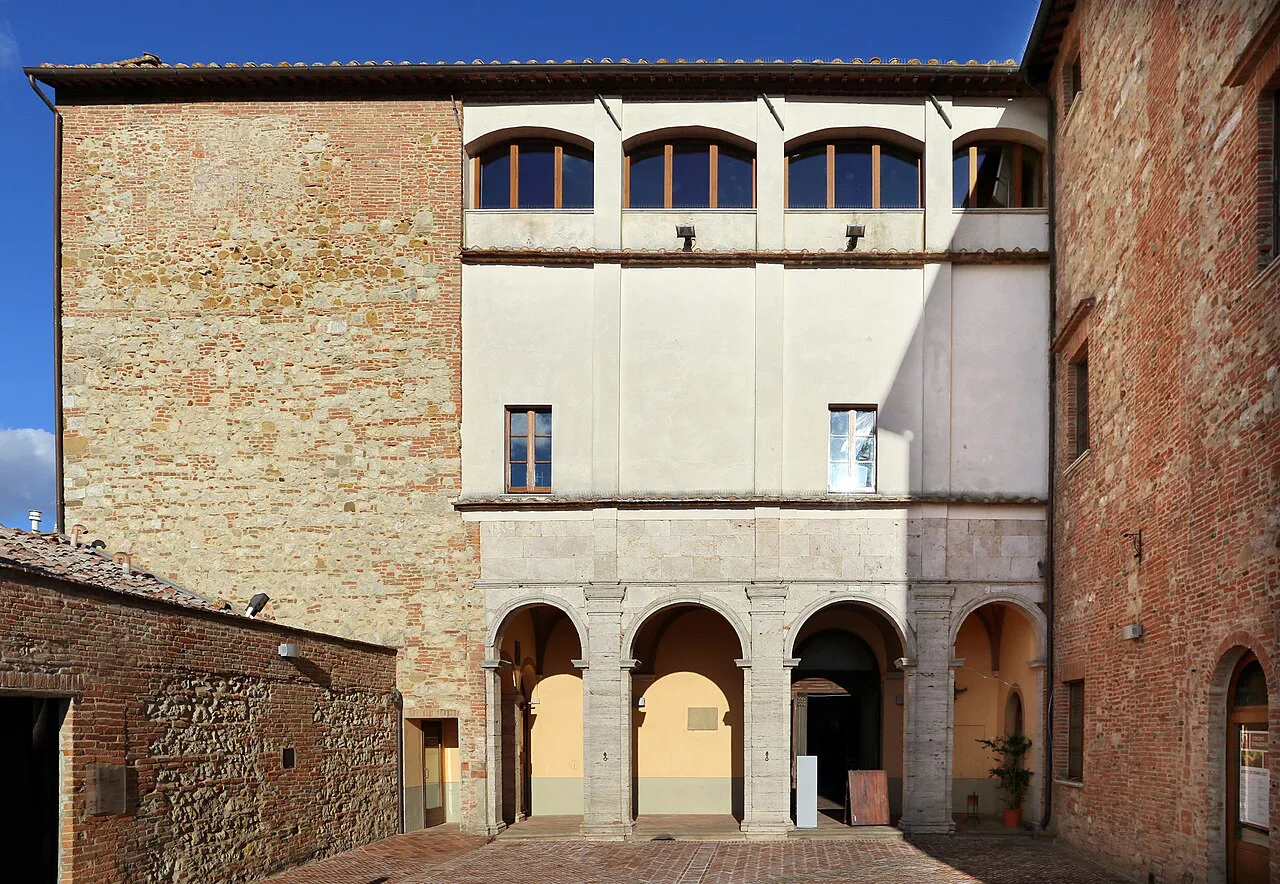
Ercolani, at Via di Gracciano nel Corso 80 near the bottom of town, runs frequent free guided tours through its underground, and no reservation is required, though booking ahead is sensible. The route is built for families, with a wishing well, old armor, a cistern and museum displays among the barrels, and the tour ends with a tasting. It also sells local food products, which makes it a convenient gift stop. The trade-off is volume: these tours are popular and can feel crowded and brisk, so arrive when it opens and sign up for a later slot rather than hoping for a quiet descent.
The Ercolani cellars mix Gothic and Renaissance atmosphere with stone stairways, hidden crypts and two Etruscan tombs, plus small museums on viticulture history. That makes it the most theatrical cellar in town and the easiest one to bring children to. If you want a calm, seated tasting instead, put your energy into a booked visit elsewhere and treat this as the family-friendly warm-up. If you like the idea of a town where the cellars themselves are the sight, our guide to Orvieto underground makes a natural next stop.
Fattoria della Talosa: Self-Guided Depths and a Booked Tasting Room
Fattoria della Talosa on Via Talosa has one of the deepest cellars you will walk into, with several flights of stairs leading down to brick vaults and rows of large barrels. The self-guided visit needs no reservation, which makes it a flexible addition to a walk between Piazza Grande and the upper streets. The small tasting room and mini restaurant down in the cellar do require pre-booking, and staff will tailor the format to what you want if you agree on it in advance.
The galleries date to the sixteenth century and are built entirely of brick, with vaults and niches holding the barrels where Vino Nobile matures. It is not the largest cellar in town, but the depth and quiet make it memorable. Pair it with a Piazza Grande stop and the clock tower climb nearby for a compact half day.
Crociani and Gattavecchi: Side-Room Tastings and a Convent Restaurant
Crociani on Via del Poliziano keeps a low profile, with a greenery-covered doorway that is easy to walk past. The front room sells wine and olive oil, and you can ask for a complimentary tasting in the side room where staff will walk you through the range. It suits travelers who want an intimate, unhurried stop rather than a structured tour.
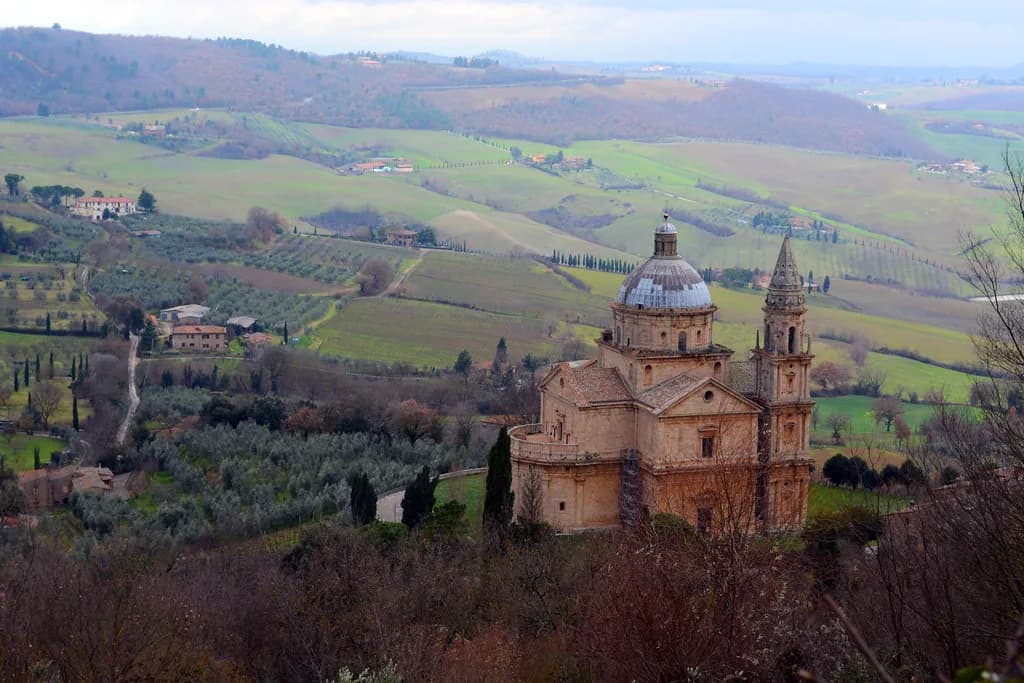
Crociani also ages and bottles its Vino Nobile in fourteenth-century cellars, so there is a working-winery element to the visit alongside the tasting. Gattavecchi, on Via di Collazzi, is the choice when you want lunch with your wine: its restaurant occupies the former convent of Santa Maria dei Servi, with views over the Valdichiana and the Temple of San Biagio. Pre-book the table, indoors or out, and mention that you want the cellar tour when you do.
Fanetti – Tenuta S. Agnese and Fattoria Pulcino: The Two Outside the Walls
Fanetti – Tenuta S. Agnese on Viale Calamandrei sits outside the city walls, and that slight distance is exactly why it draws people who looked it up deliberately. The family's fifth generation hosts a basic tasting readily, but a more elaborate experience or a look at the underground needs an email first, since it is not open to passing visitors the way the town-center cantinas are. Ask about the grappa and Vin Santo when you write.
Fattoria Pulcino on Via di Gracciano nel Corso is the first historic cellar you meet coming in from Porta al Prato, and it has tables in the back for a snack with your wine. Underground cellar tours are not currently offered there, but the affiliated restaurant just outside the walls on the road to Chianciano has a panoramic view and room for families with highchairs and parking. It is also a sensible place to buy cheese, pasta and sauces as well as wine.
Enoliteca at the Fortezza Medicea: Pay-Per-Taste Without an Appointment
The Medici Fortress at the south end of town holds the Enoliteca Consorzio Vino Nobile, which solves the problem of tasting on your own schedule. You pick up a card on entry, insert it into the dispensers and pay per pour, with the average taste running about €2 and bottle prices posted alongside. Tastings cover Vino Nobile, Rosso di Montepulciano and Vin Santo, and you can carry your glass to tables out back with a view.
The shop floor is glass, with views down into excavations of the fortress, so a stop here doubles as a piece of sightseeing. There are no walls to walk or towers to climb, but the grounds include a botanical garden. If you missed booking a cellar tour, this is the reliable fallback for tasting several producers side by side.
Prices, Timings and What to Confirm When You Book
Published tasting prices at the historic cellars change more often than the wine does, and De' Ricci's €20 and €25 tiers are the clearest figures currently documented. For the others, expect the format to be described when you enquire rather than posted on a door, and ask what the fee covers: number of wines, bread and cheese, and whether the cellar tour is included. Ercolani's tours are free, which changes the calculation if budget matters more than intimacy.
When you email, state your date, preferred time, party size and whether anyone is not drinking. Ask directly about closing days and seasonal breaks, because winter reduces hours at some cellars and restaurants. Day-to-day availability is the one thing to confirm with the winery before you go, especially in July, August and around harvest.
Getting to Montepulciano Without a Car
Montepulciano has no train station in town. The station called Montepulciano Stazione sits several kilometers from the center, so arriving there means a bus or taxi up the hill. The more useful railhead is Chiusi, on a main line with direct connections from Rome and Florence, from which you continue by bus. Buses also connect Siena with Montepulciano, and timetables are worth checking before you commit to a schedule.
Driving remains the simplest approach, with Pienza roughly twenty minutes away, Montalcino about forty-five and Siena about an hour. Parking sits outside the walls in signed lots around the center, and the closest ones fill at midday. If nobody in your group wants to drive, a guided tour removes both the parking problem and the sober-driver problem in one move; compare options in our guide to montepulciano wine tours.
Whoever is driving should not taste. Use the spittoons that cellars provide, nominate a designated driver, or take a tour or public transport instead. For overnight bases close to the vineyards, look at agriturismo montepulciano options so the drive after dinner stays short.
Building the Day: One Booked Cellar, One Walk-In, One Square
A workable structure is to anchor the morning with a booked visit, then let the rest of the day flow. Take De' Ricci's 10:30 tour with the wine and food tier, walk up to Contucci to wander the free cellar, and finish at Piazza Grande with the clock tower or a coffee. That gives you one guided deep dive, one atmospheric free look and the town's best square without overloading your palate.
If you are traveling with children, swap the morning booking for Ercolani's free family tour and save the seated tasting for the afternoon at Talosa or Gattavecchi. If you prefer no fixed times at all, build the day around Contucci, Crociani and the Fortezza enoteca and skip the appointments entirely. Buy bottles at the end, near where you parked or near the bus stop, so you are not carrying them up the hill.
Plan Your Visit
Montepulciano rewards a little sorting before you arrive. Decide whether your day is built on one booked cellar tour, a string of free walk-ins, or the pay-per-taste freedom of the Fortezza, and the rest of the logistics fall into place. Book De' Ricci early if you want the full underground tour with food, and keep Contucci in reserve as the flexible stop.
Group size and season are the two variables to settle first: parties of six or more need weeks of notice, and winter visits need a confirmed opening before you build a day around one address. The official Montepulciano wineries overview covers more estates beyond the historic eight, and the Vino Nobile di Montepulciano DOCG rules are worth reading before you compare what is poured.
Frequently Asked Questions
Which Montepulciano wine cellars can you visit without a reservation?
Contucci, Crociani and Fattoria della Talosa generally accept visitors without pre-booking for a basic look or tasting. Ercolani needs no reservation either, but its underground is seen only on free guided tours that fill quickly, so arriving when it opens is the safer plan.
How much does a wine tasting in a Montepulciano cellar cost?
It varies by format. Cantina De' Ricci publishes tiers for a guided cellar tour with food, with a lower price for three wines and a higher one for six, and a reduced fee for minors who skip the tasting. The Fortezza enoteca charges per pour instead. Elsewhere, ask what the fee includes when you enquire.
Is Montepulciano the same as Sangiovese?
No. Montepulciano is a Tuscan hill town whose reds are based on Sangiovese, with Rosso and Vino Nobile requiring at least 70 percent of the grape. Montepulciano d'Abruzzo is a separate wine from a different region and grape.
How do you get to Montepulciano by train or bus?
There is no station in the center. Montepulciano Stazione is several kilometers out, so you continue by bus or taxi. Chiusi, on a main line, is the practical railhead for arrivals from Rome or Florence, with a bus connection onward, and buses also link Siena with the town.
How long do you need in Montepulciano for wine tasting?
About four hours covers a walk up Il Corso, one or two tasting stops, a cellar visit and a meal. A full day lets you add a booked tour, the Fortezza enoteca and the clock tower without rushing between appointments.
What is the difference between Rosso and Vino Nobile di Montepulciano?
Both require at least 70 percent Sangiovese, but Vino Nobile must age for at least two years, one of them in barrel, while a Riserva ages for three. Rosso is the younger, more immediate wine and is usually the cheaper way to get to know a cellar's style.
Sources
Notes for your next wine trip
Optional updates to our winery and wine-town guides.
You might also like
Continue reading
More guides you'll find useful