Montefalco Sagrantino: Tasting Wineries from Orvieto
Plan a Montefalco Sagrantino tasting day from Orvieto: what the wines are like, which producers exist, and how to reach the vineyards without driving.
On this page
Orvieto is the natural base for a wine trip through southern Umbria, but the region's most distinctive red comes from the hills about an hour to the north-east, around the town of Montefalco. Sagrantino is the grape, a thick-skinned variety that produces deeply colored, firmly tannic wines, and the zone around the town carries its own DOCG. A day built around it is a different proposition from a morning in Orvieto's cellars: fewer walk-in options, more appointment-making, and a route that rewards planning.
This guide covers what the wines are, how the Montefalco zone is laid out, how to approach the producers, and the realistic transport choices from Orvieto. For the Orvieto side of the trip, the companion piece on wine tasting in Orvieto covers the town's own cellars and white wines, which pair well with a Montefalco day on a longer itinerary.
Why Sagrantino Is the Red to Build a Day Around
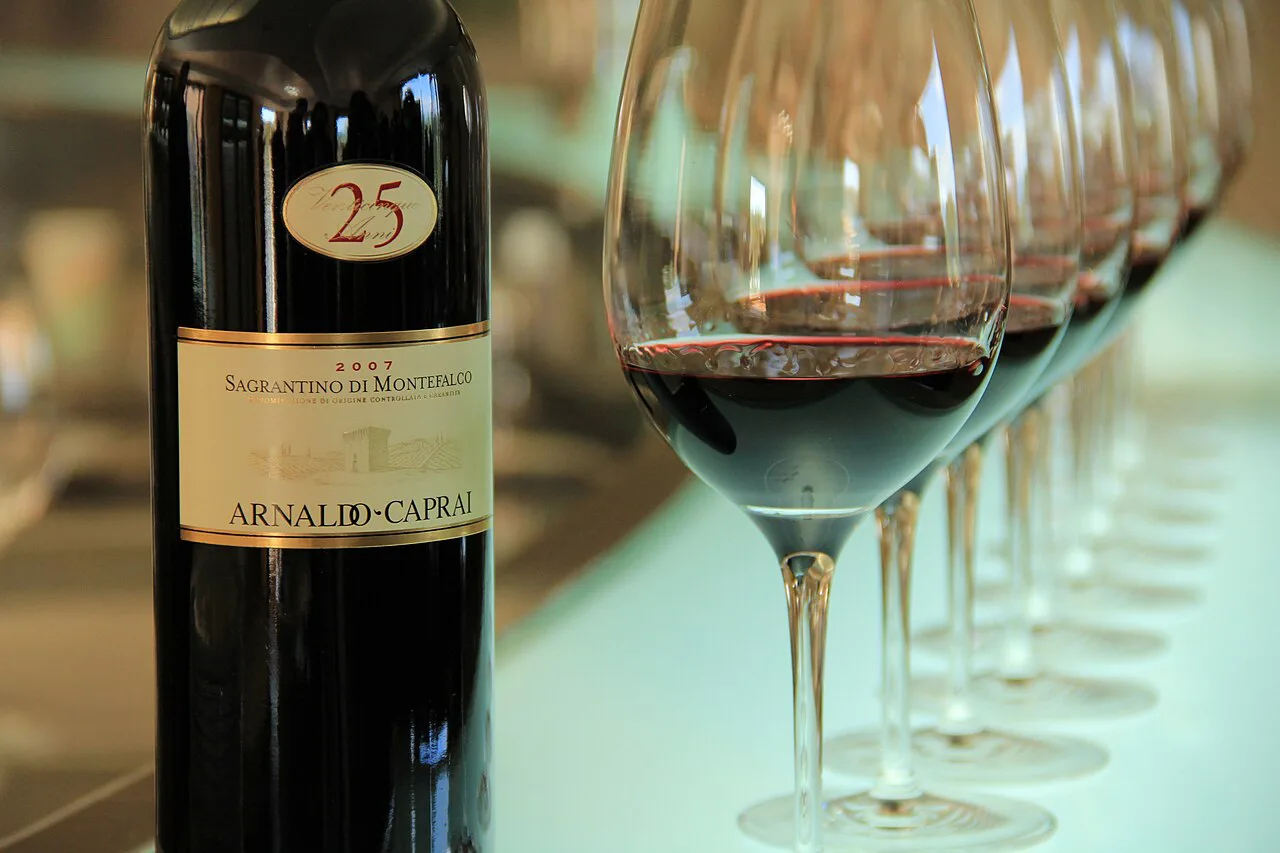
Montefalco Sagrantino is a DOCG appellation in Umbria made from the Sagrantino grape, a variety grown mainly in this part of Italy. The wines are full-bodied and structured, with marked tannins and a flavor profile of dark fruits, plums and spice, often aged in oak. That structure is what makes the appellation worth a dedicated day: these are not light lunch wines but serious reds that show their character when poured side by side.
The appellation's registered style is explicitly dry, full-bodied and tannic, which is the key to planning a tasting order. If you taste Sagrantino first thing, the tannin can numb your palate for everything after it, so ask to start with the lighter wines and finish with the Sagrantino. Serving temperature matters too: the appellation guidance suggests 16 to 18 degrees Celsius, which in practice means the reds will show better slightly cool rather than at warm room temperature.
Montefalco Sagrantino Versus Montefalco Rosso
Two wines carry the Montefalco name, and they are not interchangeable. Montefalco Sagrantino DOCG is the pure Sagrantino wine, the big, tannic red that built the zone's reputation. Montefalco Rosso is a separate, lighter appellation in the same area, typically a blend with Sangiovese as the dominant grape and Sagrantino playing a supporting role. A tasting that offers both will show you exactly why the distinction exists.
For planning purposes, the difference is practical. Montefalco Rosso is the more approachable, food-friendly wine and works well earlier in a tasting or with lunch. Montefalco Sagrantino is the one to taste last and the one worth buying to take home, because the appellation's aging potential runs from roughly 5 to 15 years, with currently drinkable vintages spanning a decade or so. If you plan to carry bottles back, check what your airline and home customs allow before you buy.
How the Montefalco Zone Is Laid Out
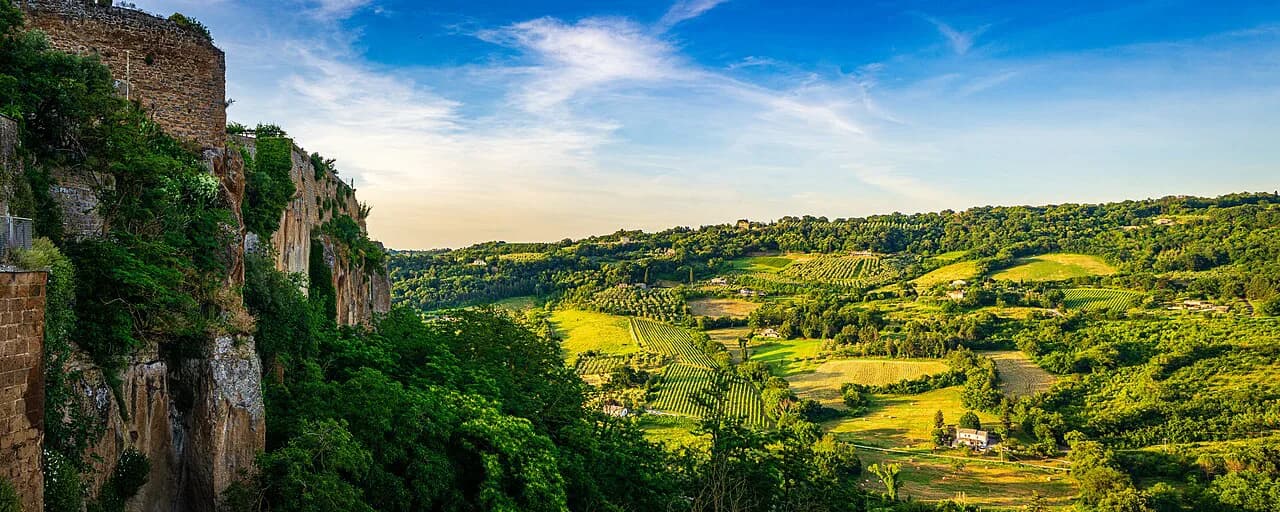
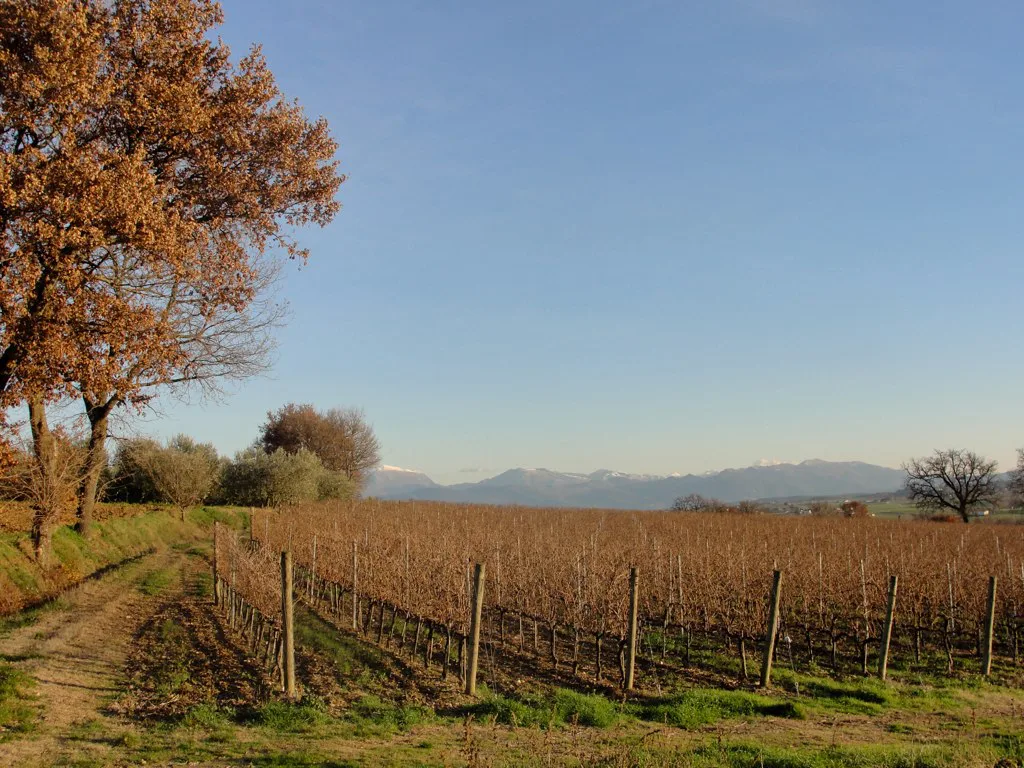
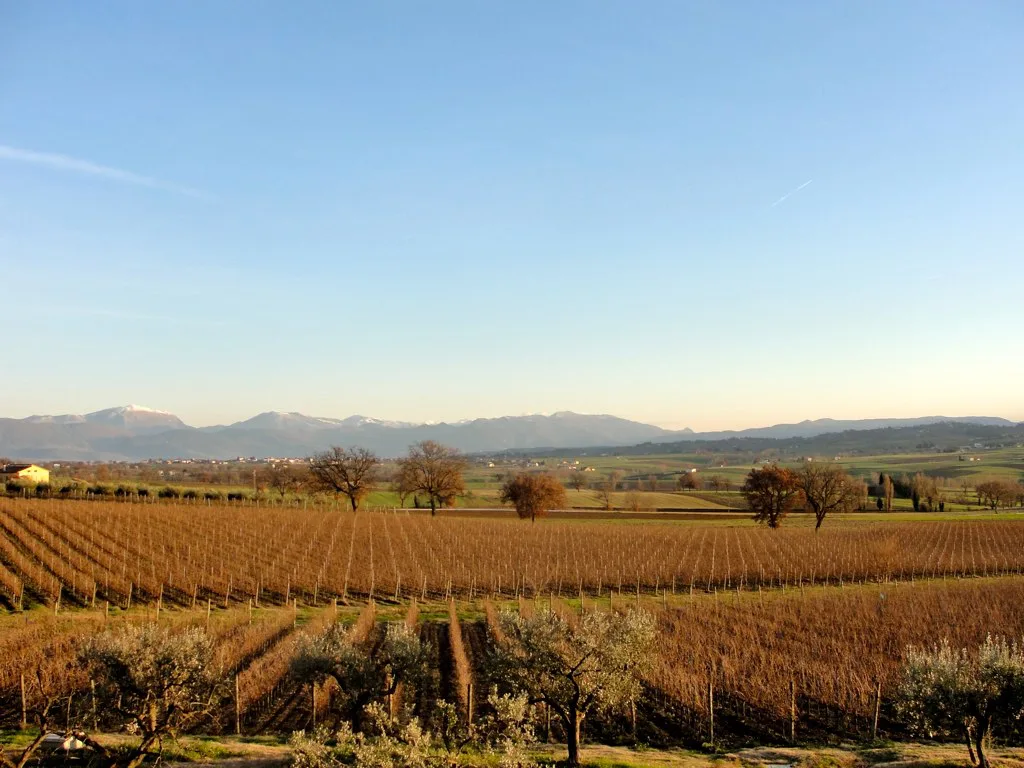
Montefalco is a small hill town ringed by vineyards, and the wineries are scattered across the slopes and the surrounding villages rather than concentrated on one street. That matters for a day trip: you cannot park once and walk between cellars the way you can in Orvieto. Instead, you pick two or three estates within a short drive of each other and build the day around them.
The practical approach is to treat Montefalco town as your anchor for lunch and a walk, then choose wineries in the villages on one side of it rather than crisscrossing the zone. Ask any producer you contact which neighboring estates they would group with them, because local recommendations usually reflect real driving distances better than a map does. Keep the number of stops modest: two tastings plus a cellar tour and a meal already fill a day once you account for the drive from Orvieto.
Producers in the Montefalco Area and What to Confirm
Cantina Fratelli Pardi is a Montefalco producer whose Sagrantino di Montefalco DOCG is widely distributed, including through retailers in the United States. You may see the name on a wine list or a shop shelf before you ever reach Umbria. That confirms the estate exists and makes the wine, but it does not establish that it opens its doors to visitors or what a visit would include. If you want to visit, contact Cantina Fratelli Pardi directly through its own published channels.
Bocale is another Montefalco Sagrantino producer that appears in published wine coverage, with a 2018 Sagrantino reviewed by Wine Enthusiast. The review describes the wine as dense and full-bodied, which fits the appellation's general profile, but again says nothing about visiting. The same rule applies: treat the name as a producer to look up, not as a confirmed tasting destination, and ask about appointments before you build a route around it.
Because published sources here confirm producers but not visitor programs, the reliable method is to search for the estate's own site and look for a visits or hospitality page, then write or call with your dates, party size and whether you want a cellar tour. Ask which wines are poured, whether there is a fee and whether it is credited against a purchase, and how long the visit lasts. Those four answers tell you more than any listing.
What a Tasting in Umbria Typically Involves
Umbrian estates tend to run tastings by appointment rather than keeping fixed drop-in hours, and the format usually combines a short walk through the cellar with a seated tasting of the estate's range. For a Montefalco producer that often means starting with a white or a rosato if one is made, moving through Montefalco Rosso, and finishing with Montefalco Sagrantino, sometimes in more than one vintage. Food pairings, when offered, lean on local cured meats, pecorino and olive oil rather than elaborate menus.
None of that is standardized, so the booking conversation is where you set expectations. Tell the estate how many people are coming, whether anyone is driving and will be spitting, and whether you want the full tour or just the wines. Smaller family estates may only receive one group at a time, so a week's notice is sensible and more during harvest, when the cellars are busy and staff are in the vineyards. Avoid the September and October crush window if you want unhurried attention.
Getting to Montefalco from Orvieto Without a Car
There is no direct rail link between Orvieto and Montefalco, so a car-free day means combining train and road. The usual logic is a train from Orvieto toward the Foligno or Spoleto direction and then a local bus or taxi for the final stretch up to Montefalco, but timetables change by season and operator, so check the current regional rail and bus operators' own sites for the day you plan to travel. Build in slack: a missed connection in a hill town with infrequent buses can strand you for hours.
Taxis are the flexible option and the expensive one. A taxi from the nearest station up to Montefalco and between two wineries will cost considerably more than the train fare, and you will need to arrange a return pickup in advance because taxis are scarce in the town itself. If your budget allows it, a private driver for the day removes the connection anxiety entirely and is the most realistic way to visit two or three estates without a car.
Independent Day Versus Guided Tour
Going independently gives you control over which estates you visit, how long you stay and what you buy, and it costs less on paper. The catch is the designated-driver problem: if you rent a car, whoever drives should not taste, which means one person spends the day on water while everyone else drinks Sagrantino. That is fine for a couple where one person genuinely does not mind, but it is a poor deal for a group of friends who all want to taste.
A guided tour or a hired driver with a vehicle solves that at a price, and it also handles the appointment-making and the routing between villages. The trade-off is fixed itineraries and less spontaneity, plus the possibility that the tour's chosen estates are not the ones you most wanted to see. If a specific producer matters to you, ask the tour company whether it can be included, and check current prices and dates with them as well. Drivers should stick to water and use spittoons where they are offered.
Eating and Staying: Montefalco or Orvieto as a Base
Orvieto makes the better base for a wider Umbrian trip: it has more hotels, a rail station on the main line and its own wine scene, including the cellars and white wines covered in the guide to Orvieto wineries. You can spend one day in Orvieto and one in Montefalco without changing hotels, and the town's restaurants give you somewhere to eat on the evening you return. For a deep dive into Orvieto's historic cellars under the town, the piece on Orvieto underground explains what is open to visitors. If you want to extend the trip further into Tuscany, the guide to wine tasting in Montepulciano covers another hill-town wine scene with a similar structure of cellars and appointments.
Staying in Montefalco itself suits a slower trip. The town is small, walkable and surrounded by vineyards, so you can eat well and be minutes from the estates the next morning, and the evening light over the hills is the reward for giving up Orvieto's hotel choice and rail connections. If you are combining the two, a night in each works: Orvieto first for the white wines, then Montefalco, then onward by rail.
Whichever base you choose, a Montefalco day pairs naturally with the Orvieto whites, and the broader guide to wine tasting in Orvieto is the place to plan that half of the trip. If you would rather let someone else handle the driving on the Orvieto side too, compare the available Orvieto wine tours before committing.
Sagrantino in the Glass and Why Bottle Age Matters
Sagrantino's thick skins give it the tannin and color that define the appellation, and the wines are routinely aged in oak to soften that structure. Young examples can feel imposing, which is why producers often hold back a library vintage to pour alongside the current release. Tasting both at the same estate is the clearest way to understand what aging does to the grape, and it is worth asking for when you book.
The appellation's drinking windows run long, with published storage potential of 5 to 15 years. That makes Montefalco Sagrantino a good bottle to buy for a future occasion rather than to drink in the week you return, and it means a modest purchase of two or three bottles can become a mini vertical to open over the following decade. Check shipping and customs rules before buying more than a bottle or two to carry home.
Food is where the tannin pays off. The appellation's pairing guidance runs to braised beef, roast lamb with herbs and porcini risotto, all dishes with enough fat and richness to soften the wine. If you eat lunch in Montefalco before your afternoon tasting, keep it light, or save the big meal for after the last cellar.
Plan Your Montefalco Day
Build the day around two estates with confirmed appointments, one meal in Montefalco town and a transport plan that does not put a taster behind the wheel. Start with Montefalco Rosso and finish with Montefalco Sagrantino, ask about bottle age and serving temperature when you taste, and buy a bottle or two to open years later. Confirm visit times, fees and availability directly with each estate before you travel.
Frequently Asked Questions
What is Montefalco Sagrantino similar to?
It is a full-bodied, firmly tannic red built on the Sagrantino grape, with dark fruit and spice, often aged in oak. Drinkers who like powerful, structured reds such as Aglianico or a serious Brunello will find the weight familiar, though Sagrantino's tannin is its own signature.
What wine is Montefalco known for?
The zone is known for two reds: Montefalco Sagrantino DOCG, made from the Sagrantino grape, and Montefalco Rosso, a lighter blend in which Sangiovese usually leads with Sagrantino alongside. Sagrantino is the wine that defines the area's reputation.
How do you get to Montefalco from Orvieto without a car?
There is no direct train, so plan a regional train toward Foligno or Spoleto plus a local bus or taxi for the final climb. Timetables vary by season, so check the current regional operators before you travel and allow generous connection time, or hire a driver for the day.
Does Montefalco Sagrantino need to age before drinking?
Published storage potential runs from about 5 to 15 years, and the wines are tannic when young. Many producers hold back older vintages to pour next to the current release, which is the best way to judge when a given bottle is ready.
Is a Montefalco tasting walk-in friendly?
Usually not. Umbrian estates tend to receive visitors by appointment, and small family wineries may host only one group at a time. Contact each estate with your dates and party size, and confirm what the tasting includes and whether a fee applies.
Who should not taste on a Montefalco day?
Anyone driving. If you rent a car, the driver should stick to water or use the spittoons provided, and the group should plan a designated driver, a hired car or public transport so the tasters are not behind the wheel.
Sources
Notes for your next wine trip
Optional updates to our winery and wine-town guides.
You might also like
Continue reading
More guides you'll find useful