Decugnano dei Barbi: Visiting This Orvieto Winery
Plan a visit to Decugnano dei Barbi outside Orvieto: what the estate makes, how visits and tastings work, and how to reach this hillside winery from town.
On this page
Decugnano dei Barbi is one of the Orvieto district's landmark estates: a hillside property northeast of town, in the Lago di Corbara area, with a winegrowing record that reaches back to 1212 and a modern history that began in 1973. It is a serious producer rather than a roadside tasting room, so the visit works best when you plan it as a half day and book ahead. This guide covers what the estate makes, how to arrange a tasting, and how to reach it from Orvieto.
Why This Estate Stands Out in Orvieto
The land at Decugnano belonged to the Cathedral of Orvieto in the Middle Ages and supplied wine to the clergy, a history the estate still leans on. Claudio Barbi bought the property in 1973 when it had long stood abandoned, replanted vineyards and built the winery, and released the first wines in 1978. His son Enzo now runs the estate.
Two firsts give the estate its reputation. Claudio Barbi was the first producer in Orvieto to make metodo classico sparkling wine and the first to make a botrytis wine, sold as Pourriture Noble and built on the noble rot that Orvieto regulates as muffa nobile. Orvieto remains the only Italian DOC with rules for botrytis-affected wines, which makes a stop here a useful counterpoint to the region's dry whites.
Where Decugnano dei Barbi Sits
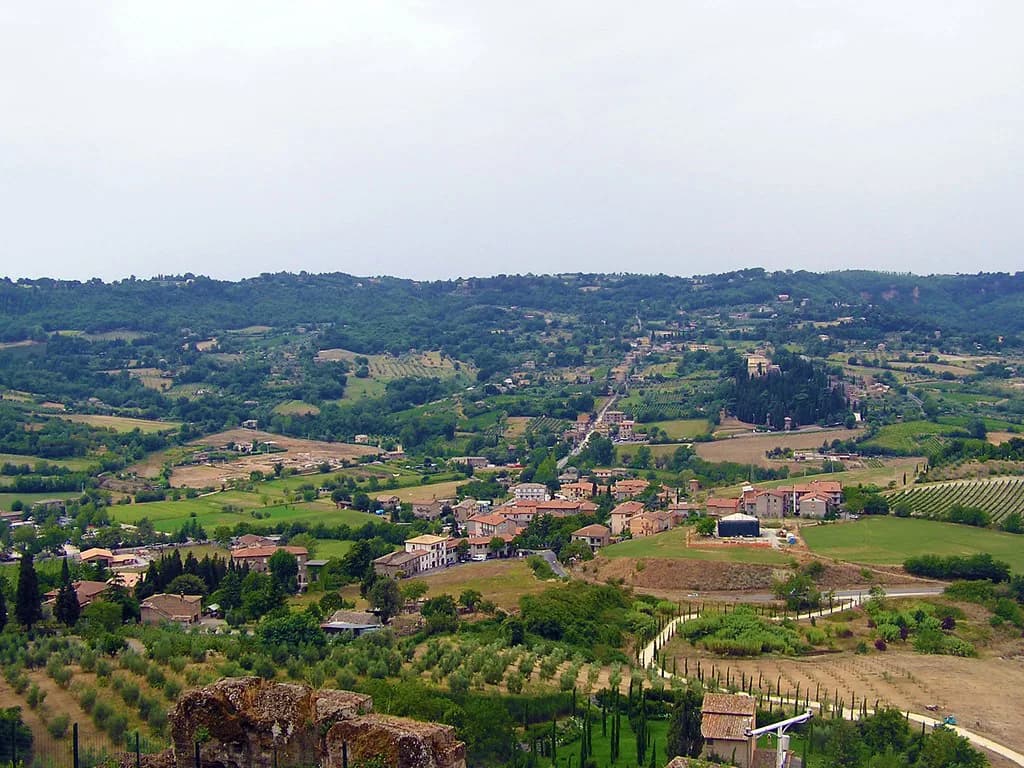
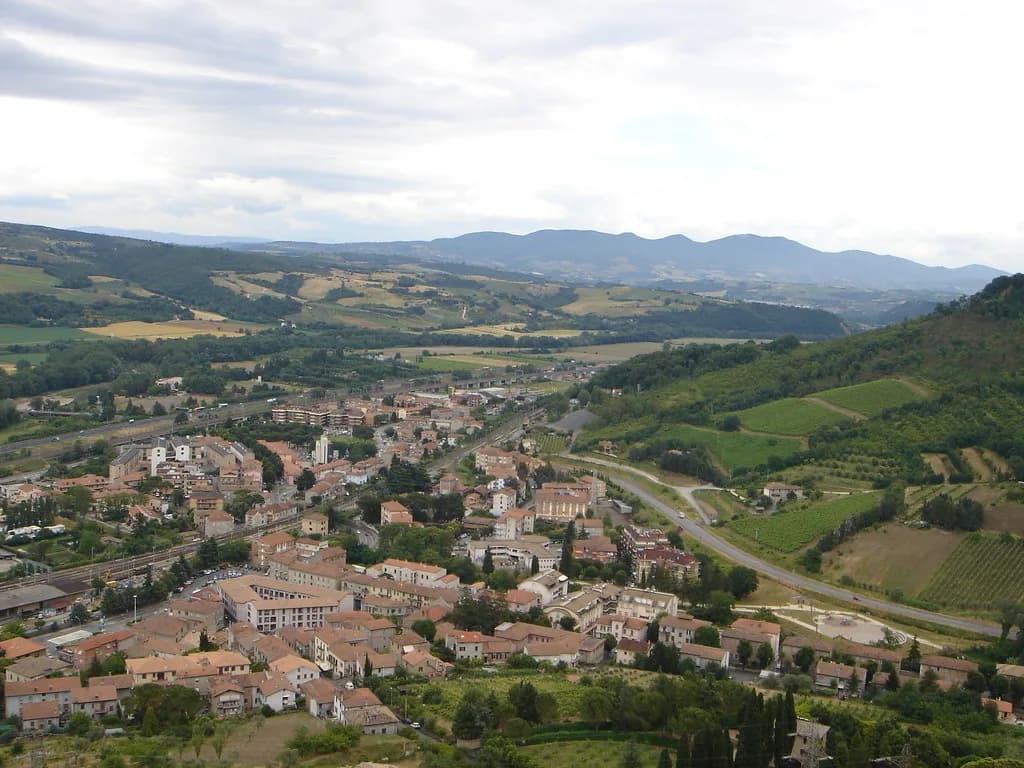
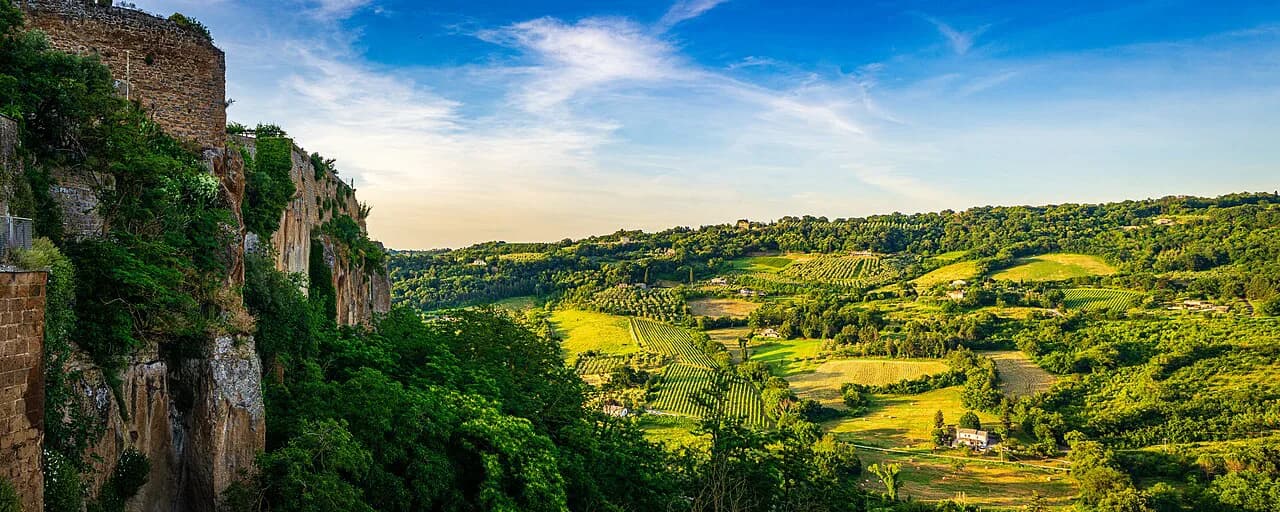
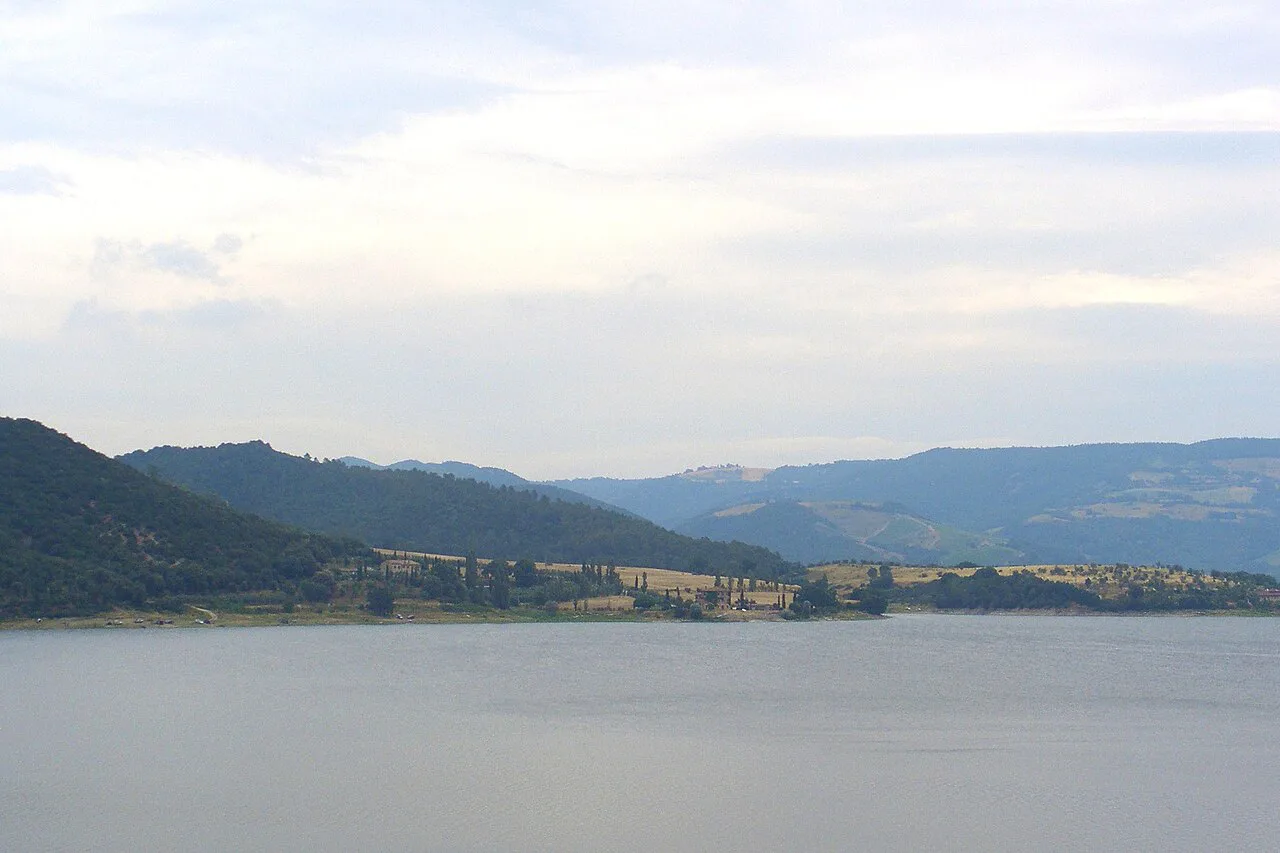
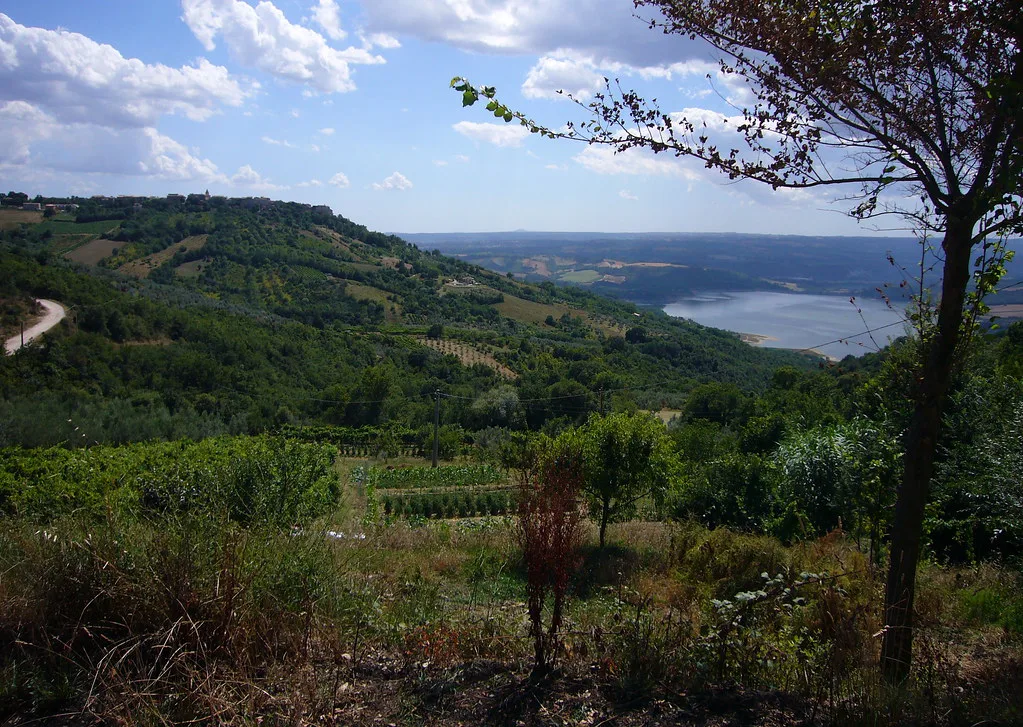
The estate occupies a hill with wide views over the countryside northeast of Orvieto, inside the Lago di Corbara area of the province of Terni. That position matters for planning: it is a rural property outside the town walls, not a cellar you can stroll to from the duomo, so build in travel time each way rather than squeezing it between two town appointments.
The surrounding district rewards a slower pace. If you want to compare Decugnano with other cellars in the zone, work through a shortlist of Orvieto wineries and pick two properties at most for one day. Two estate visits with cellar tours fill an afternoon comfortably; three turns into a day of driving between appointments.
What the Winery Makes
The core of the range is Orvieto Classico DOC and Orvieto Classico Superiore, whites built mainly on Grechetto with Procanico and supporting grapes such as Vermentino and Chardonnay depending on the label. The Trebbiano family, including Trebbiano Spoletino, also appears, and the estate ages its whites in stainless steel, barrique or amphorae according to style.
Alongside the whites there is a metodo classico sparkling program, including a Pas Dosage bottling of Chardonnay and Pinot Noir, and a red line led by Sangiovese blended with Cabernet Sauvignon and, in some labels, Merlot, Syrah or Montepulciano. The estate also bottles Villa Barbi Rosso. Knowing this lineup helps you ask for the right tasting when you book, especially if you want sparkling or the botrytis wine included.
Production is small: the estate makes about 12,000 bottles of metodo classico a year from its 34 hectares, which is why the sparkling and sweet wines are best treated as limited stops in a tasting rather than the whole menu.
The Caves Under the Winery
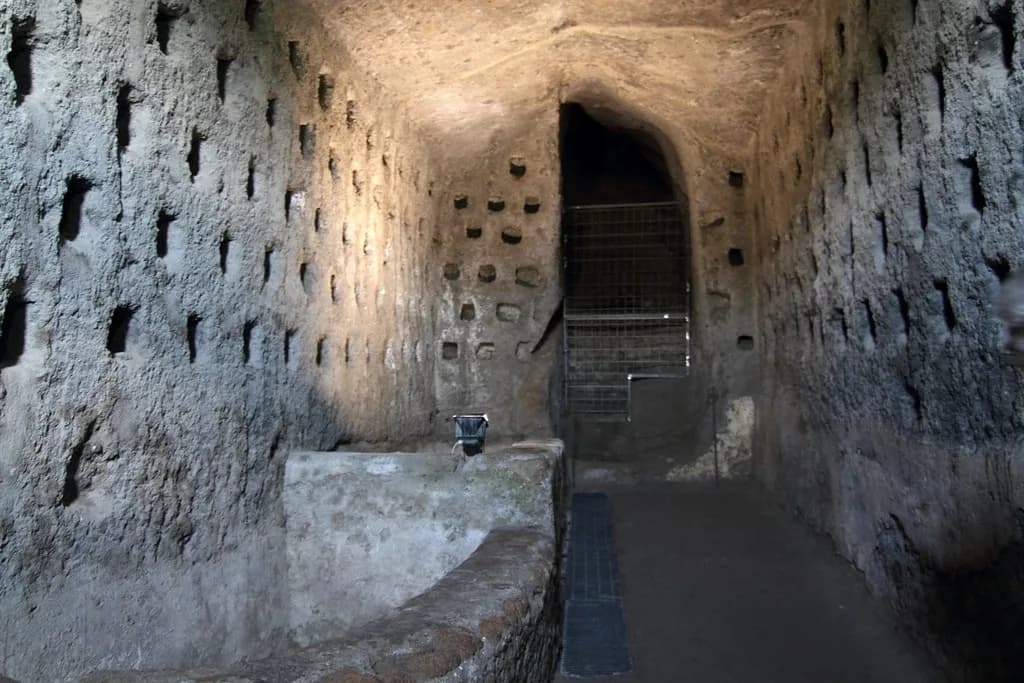
The winery is built over caves that date to the Etruscan era, and those spaces are still used for riddling and aging the sparkling wines. If underground cellars are a draw for you, ask explicitly whether the cave element is part of the visit you are booking, since it is the most distinctive thing to see on the property.
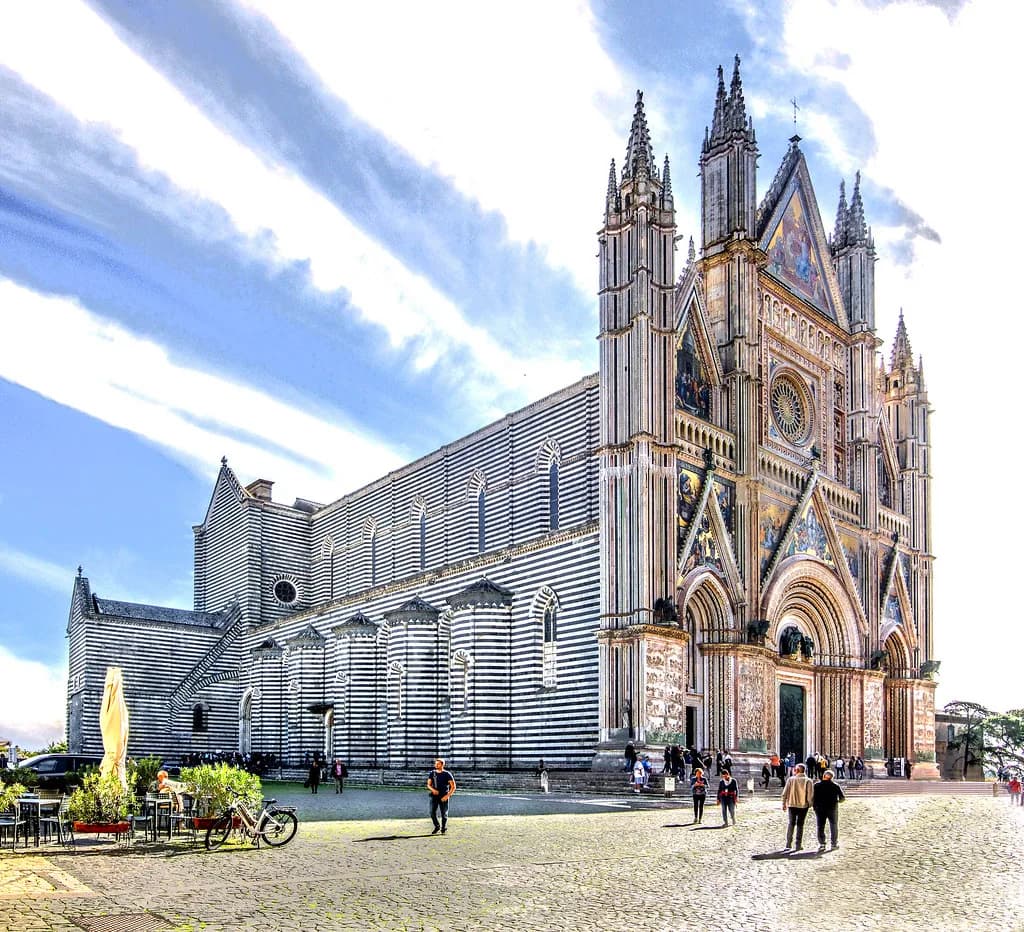
Orvieto has a long habit of using its soft volcanic rock for cellars, and the town's own underground network is worth a separate stop. If you are building a theme for the trip, pair the estate's caves with the town's underground passages and cellars, which are toured independently of the winery.
Booking a Visit and Tasting
Treat Decugnano dei Barbi as an appointment estate. The published contact channel is the estate's telephone line in Orvieto, and the property advertises guided visits and tastings that run from vineyard to glass. The hours listed publicly apply to the venue rather than to every tour, so confirm the day and time you want before you set out.
Come to the call with four questions: how long the visit runs, how many wines are poured, whether the caves are included, and whether bread, cheese or a fuller plate can be arranged. Ask whether sparkling and botrytis wines can be added, and whether there is a minimum party size for the format you want. Published tasting prices should be requested at booking rather than assumed.
For a wider set of options in the zone, including how other estates structure their visits, browse the Orvieto DOC guide before you commit to a timetable. It helps to know which properties are walk-in friendly and which, like Decugnano, expect a reservation.
Getting There From Orvieto Without a Car
The estate sits on a hill outside town, and public transport does not drop you at the gate. Realistic car-free options are a taxi from Orvieto arranged for a fixed round trip with a pick-up time, a private driver, or a booked wine tours itinerary that includes the estate. Taxis are limited in a town of Orvieto's size, so agree on the return leg when you arrive rather than hoping to hail one at the winery.
Several Orvieto operators run half-day tours that combine a cellar visit with the town or the surrounding countryside. Ask who else will be in the vehicle, whether the tasting fee is included, and how long you get at the property. If the operator cannot confirm Decugnano dei Barbi specifically, treat the tour as a broader district outing.
Self-Driving: The Trade-Offs
Driving gives you the most flexibility, since the estate is rural and you can pair it with a stop in the countryside or a meal outside town. The trade-off is the last stretch of hill road, which is slower and narrower than the main approach to Orvieto, and the fact that whoever drives cannot taste. Use spittoons at the tasting or appoint a designated driver for the day.
If nobody in the group wants to stay dry, a hired transfer usually costs more than fuel but solves both the road and the alcohol question in one move. Weigh that against the number of stops: for a single estate, the transfer wins on convenience; for a full day across several cellars, a driver by the hour is often the better structure.
Timing Your Visit
Harvest in Umbria generally falls in September, when the estate's attention is on the vineyards and the cellar is busy, so visits may be tighter or need more notice. Spring and early summer are calmer, and weekdays are easier to arrange at short notice than weekends. Ask at booking whether anything on the property is closed on the day you plan to come.
The estate has a villa on the property that it has offered for rent, which would let you stay on the hill rather than drive back to town after a tasting. Availability and rates are not published in a way you can rely on, so raise it directly when you book if a night at the winery appeals. Staying outside town also means arranging your own transport for dinner.
Pairing the Visit With an Orvieto Wine Day
Most travelers use Orvieto town as the base. That makes sense: the town has its own enoteche and restaurants where you can taste Orvieto Classico without driving, and the surrounding zone spreads across hillside villages that are best grouped by road. Build one day around a single estate visit and another around the town, rather than trying to do both in a single afternoon.
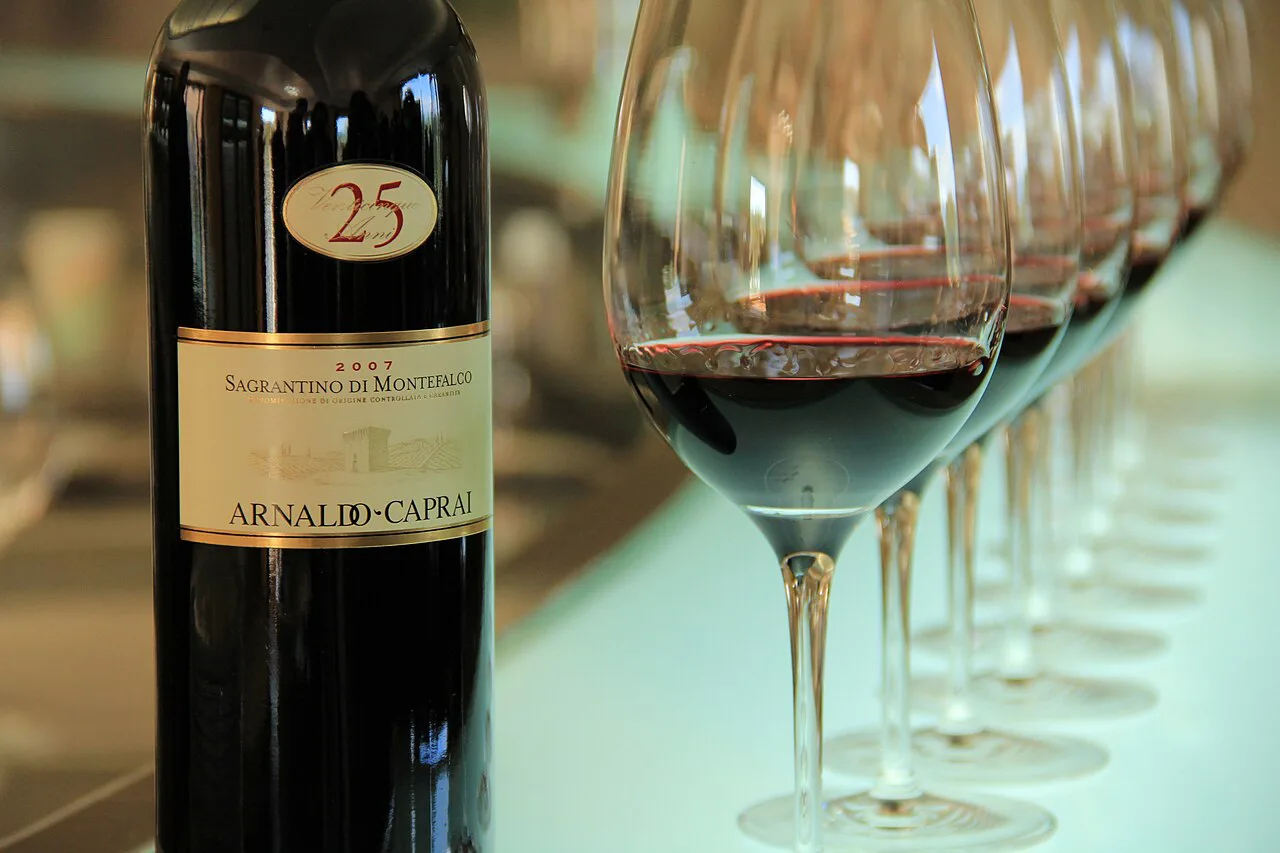
If you have a car or a driver for a second day, the Montefalco Sagrantino zone lies further south and makes a natural contrast to Orvieto's whites, with red wines built on a different grape and a different set of appointment-only cellars. For a Sangiovese-based red instead, wine tasting in Montepulciano is another option, and its cellar visits are booked the same appointment-first way. Keep it as a separate day rather than adding it to an Orvieto itinerary that already includes a hill estate.
How Long to Allow
Set aside a half day for Decugnano dei Barbi: travel each way from Orvieto, the visit itself, and a buffer for the slow hill road. A morning booking leaves the afternoon free for the town and its underground passages; an afternoon booking pairs well with a relaxed lunch in Orvieto beforehand. Confirm the length of the visit when you book so the rest of the day fits around it.
If you are working through a broader Orvieto wine tasting plan, keep this estate as the anchor of one day and group smaller stops around it rather than treating every cellar as equal. The region rewards depth over a checklist, and a property with Etruscan caves, sparkling wine and botrytis bottlings deserves the time.
Plan Your Visit
Decugnano dei Barbi is worth building a half day around: a medieval winegrowing site revived in 1973, with Orvieto Classico whites, metodo classico sparkling wine aged in Etruscan-era caves, and a botrytis bottling that few in the region attempt. Book ahead, ask about the caves and the tasting lineup, and settle how you will get up the hill before the day arrives.
If you drive, use the spittoons or name a designated driver; if you would rather everyone taste, arrange a taxi or transfer with a fixed return time. With transport settled and a reservation in hand, the visit slots neatly into a wider wine tasting in orvieto itinerary that includes the town's own cellars.
Frequently Asked Questions
Can you visit Decugnano dei Barbi without booking?
Treat it as an appointment estate. Guided visits and tastings are offered, but they are arranged in advance through the winery rather than joined on arrival. Contact the estate before your trip and agree on a day and time, especially if you want the caves included or a specific wine in the lineup.
What wines are poured at a Decugnano dei Barbi tasting?
The lineup depends on the tasting you book. The range includes Orvieto Classico and Orvieto Classico Superiore whites based on Grechetto and Procanico, metodo classico sparkling wine, and Sangiovese-led reds such as Villa Barbi Rosso. Ask when booking if you want sparkling or the botrytis wine included.
How far is Decugnano dei Barbi from Orvieto?
The estate sits on a hill northeast of Orvieto, in the Lago di Corbara area, outside the town walls. It is a short drive rather than a walk, and the final stretch is a rural hill road. Allow travel time each way and arrange your return transport in advance.
Does Decugnano dei Barbi make sparkling wine?
Yes. Claudio Barbi was the first producer in Orvieto to make metodo classico sparkling wine, and the estate still makes it, including a Pas Dosage bottling of Chardonnay and Pinot Noir. The sparkling wines are aged and riddled in the caves under the winery, which is a good reason to ask for a cellar element in your visit.
Can you stay at Decugnano dei Barbi?
The property includes a villa that the estate has offered for rent. Availability and rates are not published in a way travelers can rely on, so ask directly when you book if an overnight on the hill appeals. Staying there means arranging your own transport for dinner and any other outings.
How do you get to Decugnano dei Barbi without a car?
Arrange a taxi for a fixed round trip, hire a private driver, or join a guided wine tour that includes the estate. Taxis in Orvieto are limited, so agree on the return pickup when you arrive. Check current details to make sure the property is on the tour itinerary.
Sources
Notes for your next wine trip
Optional updates to our winery and wine-town guides.
You might also like
Continue reading
More guides you'll find useful