Orvieto Wineries: Where to Taste Orvieto Classico
Plan a wine day from Orvieto: which Orvieto Classico wineries welcome visitors, what tastings involve, how to book, and how to reach the estates without driving.
On this page
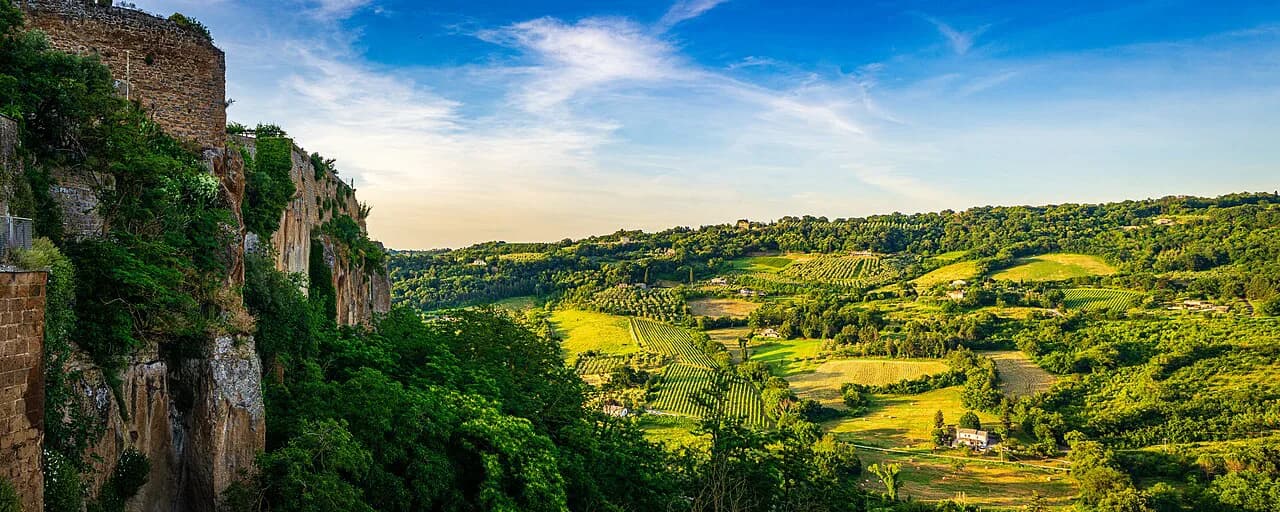
Orvieto is one of the easiest places in Italy to build a wine day around, because the town itself sits above the vineyards that make its name. The historic centre perches on a tuff outcrop, while the Orvieto Classico zone unfolds in the valley and on the slopes below, so you can see where the grapes grow from the cathedral square. That compact geography rewards careful planning: a morning cellar visit, a long lunch, and an afternoon estate visit can fit into one unhurried day, provided you know which doors open by appointment and which welcome drop-ins.
This guide is built for travelers who want to taste rather than just buy. It names the estates that publish a visitor offer, explains what Orvieto DOC and Orvieto Classico actually contain, and sets out how to move between town-centre cellars and countryside estates without a car. Prices, hours, and tasting formats change, so where a source does not give a figure this guide tells you exactly what to ask when you book rather than guessing.
Why Orvieto Works as a Compact Wine Base
The town’s layout does most of the work for you. The Duomo, the underground chambers carved into the tuff, and the surrounding wine bars sit within a short walk of each other, so a wine-focused morning in the centre needs no transport at all. The estates that make Orvieto Classico lie below the cliff and in the surrounding hills, typically a short drive or taxi ride from the centre, which means you can spend the morning underground and the afternoon in the vineyards without a long transfer. If you are new to the appellation, a broader wine tasting in orvieto overview helps you decide whether to anchor the day in the centre or in the countryside.
The practical trade-off is that the centre and the countryside offer different experiences. Town-centre enoteche and cellars give you flexibility, shelter from weather, and the ability to combine tasting with sightseeing. Countryside estates give you vineyard views, cellar tours in historic caves, and longer visits that often include food. Many travelers do both: a guided or self-guided underground visit in the morning and one estate in the afternoon, rather than trying to cram three estates into a single day.
Orvieto also works as a base for the wider region. Perugia is the main town of Umbria and sits about 20 km from Lake Trasimeno, while Torgiano and Montefalco lie further south and east. Decanter’s Umbria guide places Rome’s airports roughly two hours away by car, which makes Orvieto a realistic first or last stop on a longer Umbria itinerary. If you want to add a second wine district, plan it as a separate day rather than squeezing it into an Orvieto day.
What You Are Tasting: Orvieto DOC and Orvieto Classico
Orvieto’s white wines are built on a blend rather than a single grape. Procanico, which is Trebbiano Toscano, and Grechetto form the backbone, with Drupeggio, Verdello, or Malvasia completing the traditional mix; some producers also include international varieties. Grechetto brings structure and a slightly nutty character, while Procanico contributes freshness and lightness. Understanding this blend helps you choose between a traditionalist cellar and a more experimental one, because the wines can taste quite different even within the same appellation.
Orvieto Classico is the historic heart of the zone, the area closest to the town and the cliffs, and it is the label to look for if you want the benchmark style. The wines range from dry and mineral to the sweet, botrytised style that Orvieto is also known for. That sweet style was pioneered in the early 1980s, when mists from nearby Lake Corbara alternating with dry winds created conditions for Botrytis cinerea, and it remains a specialty worth seeking out if you enjoy dessert wines.
Orvieto DOC also rewards a bit of label reading. The denomination covers a wider area than the Classico subzone, so two bottles labeled Orvieto can come from quite different sites. When you book a tasting, ask which wines will be poured and whether they include a Classico Superiore or a botrytised wine, because that determines whether you are tasting the everyday style or the top of the range. The Orvieto DOC overview on this site explains the hierarchy in more detail if you want to arrive already knowing the difference.
Navigating the Wine Scene: Town Cellars and Countryside Estates
Orvieto’s wineries fall into two broad groups. The first is the town-centre and cliff-edge experience, where cellars carved into the tuff host tastings and the underground chambers themselves are part of the visit; Decanter notes that many Orvieto wineries use ancient caves as cellars, some of them Etruscan in origin. The second is the countryside estate, where you drive or take a taxi to a farmstead, tour the vineyards and cellars, and often sit down to a more structured tasting with food. The orvieto underground chambers are a sight in their own right, and combining them with a tasting gives you a sense of how the town’s winemaking grew out of its geology.
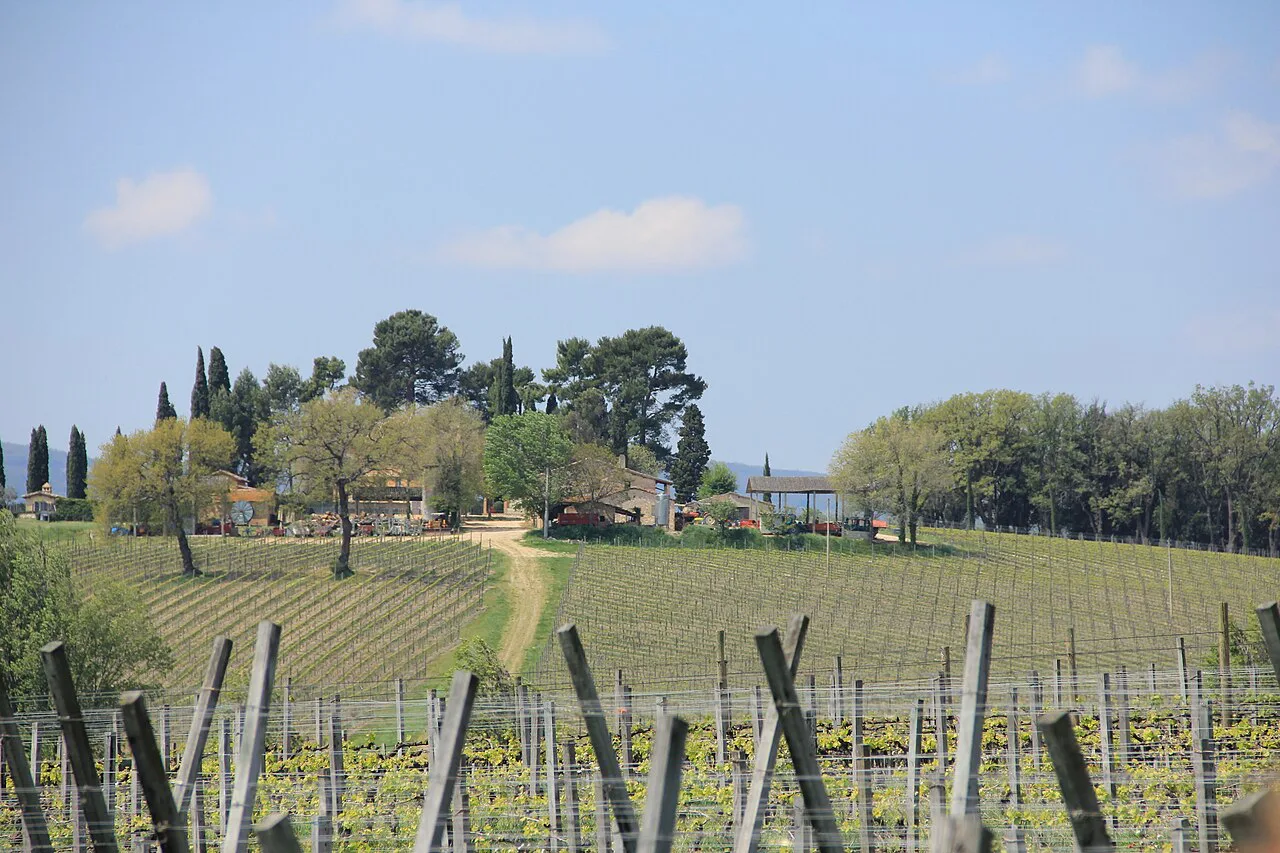
The countryside estates cluster in the hills northwest and west of town, toward Lake Corbara and the villages along the Orvieto Classico belt. Distances are short in absolute terms, often ten to twenty minutes by car, but they are not walkable from the railway station, and rural roads have no reliable bus service for winery hopping. That single fact shapes your day: either you book a driver or tour, or you choose one estate and treat the transfer as part of the outing.
A third option is a guided wine tours that handles transport and appointments. This suits travelers who want two or three estates in a day without negotiating rural roads or arranging taxis back from a farmhouse. The trade-off is cost and fixed timing: you see what the tour company has arranged, not necessarily the estate you had in mind. Independent travelers with a car have the most flexibility but need a designated driver who does not taste.
Tenuta Le Velette: A Historic Estate in the Orvieto Classico Zone
Tenuta Le Velette is a long-established estate in the Orvieto Classico zone, farming and making wine since 1877 according to its own history. It sits at Località Le Velette, in the 05018 Orvieto postal area, below the town in the vineyard belt. The estate publishes a visitor program organized around tastings, pairings, and hospitality, along with an olive oil experience, which makes it a good choice if you want more than a glass at a counter. Its wine range includes Orvieto Classico bottlings alongside reds, and the names on its site, such as Berganorio, Rasenna, Lunato, and Gaudio, are useful if you want to ask for specific wines when you book.
For booking, the estate publishes a telephone number and a dedicated booking email address, booking@tenutalevelette.com, which is the channel to use for a visit request. Whether a given day is open for drop-ins or requires a reservation is not something the site states as a fixed rule, so treat the booking email as the way to confirm availability, group size, and what the tasting includes. Ask specifically whether the visit includes a cellar tour, how many wines are poured, and whether food pairing is part of the format, since those details determine whether you should plan a full afternoon or a shorter stop.
Le Velette also makes olive oil and offers an oil experience alongside the wine tastings, which is worth considering if you are traveling with someone who is less interested in wine. The estate’s location in the Classico zone means you can combine it with a morning in Orvieto’s centre and a return before dinner if you have a car or a pre-arranged driver. Because the property sits outside the town, ask Tenuta Le Velette about the meeting point and parking arrangements when you book, since you cannot walk from the station.
Cantine Neri: Templars’ Manor, Blending, and Vertical Tastings
Cantine Neri occupies a Templars’ manor northwest of Orvieto, and its owner, Enrico Neri, focuses on the ageing potential of local whites. Decanter describes blending experiences and vertical tastings of Orvieto Classico Superiore paired with charcuterie from the estate’s free-range Mangalica pigs, which makes this one of the more distinctive tasting formats in the area. A vertical tasting lets you compare the same wine across vintages, which is a good way to understand how Orvieto Classico ages, while a blending session is a hands-on option if you want to learn how the Procanico and Grechetto components fit together.
The winery tour at Neri includes Etruscan caves where wines are aged, including traditional-method Grechetto and Procanico, according to the same source. That combination of underground cellars and sparkling wines made in the traditional method gives the visit a different character from a straightforward still-wine tasting. If you are choosing between estates, Neri is the stronger pick for anyone interested in sparkling wine or in comparing vintages side by side; Le Velette is the broader historic estate with olive oil and a range of reds and whites.
Because the published formats are specific, book with clear expectations. Ask whether the blending experience and the vertical tasting are separate bookings, how long each lasts, and whether the charcuterie pairing is included or an add-on. Neri sits northwest of town, so it pairs naturally with a stop at Locanda Palazzone or with a return to Orvieto for the afternoon. Confirm the current offer by email or phone before you build a day around a particular format, since tasting menus and availability change.
Decugnano dei Barbi: Botrytised Wines and a 13th-Century Farmstead
Decugnano dei Barbi is the estate most associated with Orvieto's botrytised sweet wines. Claudio Barbi pioneered winemaking with botrytised grapes here in the early 1980s, taking advantage of mists from Lake Corbara alternating with dry winds to encourage Botrytis cinerea. Today the estate's Orvieto Classico Superiore incorporates Vermentino and Chardonnay alongside the traditional varieties, which makes it a useful stop if you want to compare a more experimental Classico with a traditionalist one. The farmstead itself can be dated back to the 13th century, when it was owned by the church and used for wine production, so the setting is part of the appeal.
The estate also has a self-catering villa with five bedrooms, according to Decanter, which makes it an option if you want to stay in the vineyards rather than in town. Staying on site changes the logistics of a wine day: you can taste without worrying about the drive back, and you wake up already in the Classico zone. If you are based in Orvieto instead, plan Decugnano dei Barbi as a half-day outing and confirm the visit format in advance, because a working estate with accommodation may not keep fixed daily opening hours for drop-in tastings.
When you book, ask which wines are poured and whether the botrytised style is part of the standard tasting or a separate flight. Sweet wines are often served in smaller pours and may be reserved for specific visits, so it is worth stating your interest when you inquire. The estate’s location near Lake Corbara means it can be combined with a scenic drive, but the roads are rural; a taxi or a driver is the practical choice if you plan to taste.
Argillae and Palazzone: Amphora Wines and a Cru Classico
Argillae takes its name from the clay soils of the area and even makes amphorae from that clay, according to Decanter. Its Primo d’Anfora is a Grechetto, Drupeggio, and Malvasia blend from old vines, which makes the estate a good stop for travelers curious about amphora fermentation and the texture it gives white wine. The clay-soil story is also a useful contrast to the tuff cliff of Orvieto itself: the two soils produce different styles even within the same appellation, and tasting them side by side is one of the pleasures of a day in the zone.
Palazzone is known for its Campo del Guardiano Orvieto Classico cru, and the estate includes Locanda Palazzone, a 13th-century pilgrims’ hostel converted into a small hotel with seven rooms, a restaurant, and a pool, according to Decanter. Secretplaces lists Locanda Palazzone as a boutique hotel with rates starting from 220 EUR, though rates vary by season and room type, so treat that figure as an indication rather than a fixed price. Staying here puts you within a short drive of both the town and the estates, and it solves the designated-driver problem for an evening tasting.
If you are choosing between Argillae and Palazzone for a single stop, think about what you want from the visit. Argillae appeals to travelers interested in clay-soil wines and amphora methods, while Palazzone offers a cru Orvieto Classico plus the option of staying and dining on site. Both are countryside estates, so neither is a walk-in from the station; arrange a driver or stay overnight. For a broader view of how these estates fit into the appellation, the Orvieto Classico tasting guide on this site goes deeper into the styles and producers.
Building a Half-Day and a Full-Day Route
A half-day route works best around the town itself. Start with the underground chambers and a cellar tasting in the centre, then walk to the Duomo and finish with a glass at an enoteca. This route needs no car and suits travelers arriving by train. The underground visit is the anchor: it gives context for the caves used by wineries and takes you out of the weather. Book the underground visit and any town-centre tasting in advance if you are traveling in high season, and leave slack for a slow lunch.
A full day adds one or two countryside estates. A sensible pattern is a morning visit at Tenuta Le Velette or Cantine Neri, both below or northwest of town, a lunch stop, and an afternoon at Decugnano dei Barbi or Palazzone. Drive times between these estates are short, typically ten to twenty minutes, but the roads are rural and you will want a driver who knows the turns. Trying to fit three estates plus the underground chambers into one day is rushed; two estates and a town visit is a more realistic full day.
If you are staying multiple days, consider grouping the western estates on one day and the northern ones on another. The western cluster around Lake Corbara includes Decugnano dei Barbi, while the northern cluster includes Cantine Neri and the road toward Lake Trasimeno. Grouping by geography cuts down on driving and leaves room for a longer tasting. For travelers adding a second region, Montefalco Sagrantino wineries lie further south and deserve their own day rather than an add-on to Orvieto.
Booking Culture: Appointments, Group Sizes, and What to Ask
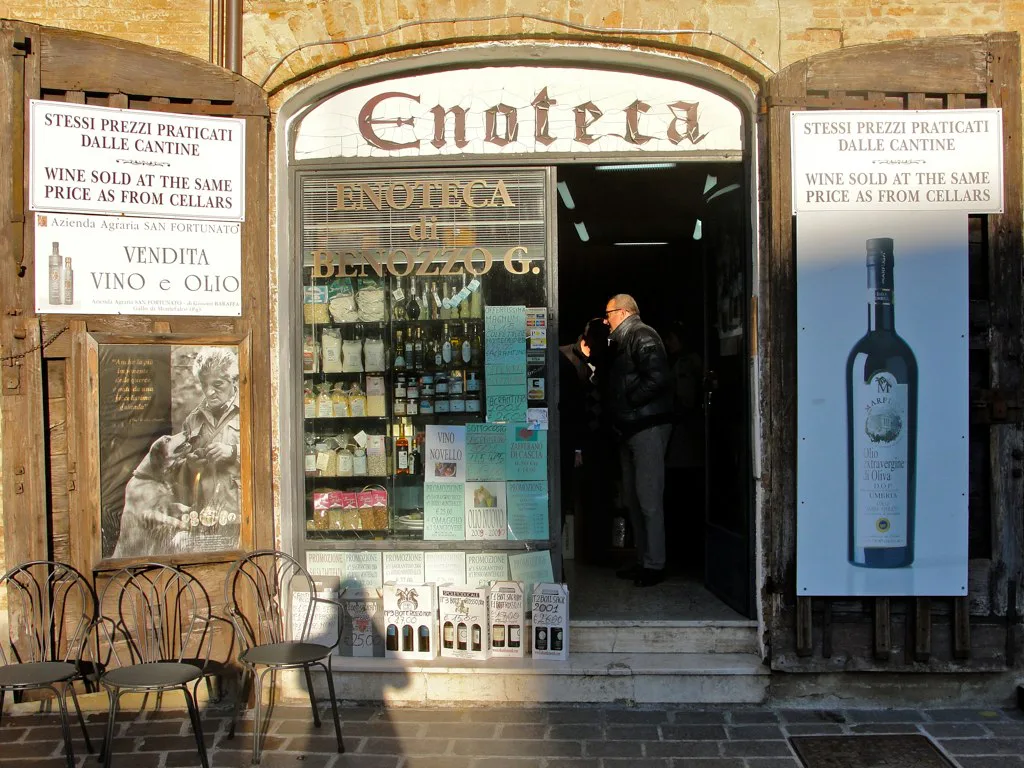
Orvieto’s estates generally expect advance contact rather than drop-in visits, especially for tastings that include food or a cellar tour. The booking culture is straightforward: send an email with your preferred date, the number of people, whether you want a tour or just a tasting, and any dietary restrictions. Tenuta Le Velette publishes a dedicated booking email, booking@tenutalevelette.com, which is the right channel for a visit request. For other estates, use the contact form or email on the winery’s own site and allow a few days for a reply in busy periods.
Ask four things in every inquiry: whether the date is available, what the tasting includes, how long the visit lasts, and the price per person. Sources describe formats such as Neri’s blending experiences and vertical tastings and Le Velette’s tasting and pairing options, but they do not publish per-person fees for every estate, so the price question belongs in your email rather than in an assumption. If you are a group of six or more, say so at the outset, because small estates may need to arrange staff and space differently for larger parties.
For travelers who prefer to book a fixed package, an organized Orvieto Classico wine tour can handle appointments and transport in one go. The trade-off is less flexibility and a higher total cost than booking directly, but it removes the risk of arriving at a locked gate. Whichever route you choose, confirm the meeting point and start time a day or two before the visit, and ask whether payment is on site or in advance.
Getting Around Without Driving
Orvieto is on the main rail line between Rome and Florence, which makes it easy to reach without a car, but the countryside estates are not served by frequent public transport. The town itself has a funicular from the station up to the historic centre, and the centre is walkable. For the estates, your realistic options are a taxi, a pre-booked driver, a guided tour, or a bicycle if you are comfortable with rural hills. There is no reliable bus service that loops between wineries, so plan each transfer rather than improvising.
Taxis are available in town but may be limited in number, especially in the evening, so book a return trip when you arrange the outbound ride. A driver for a half-day or full day is the most flexible option for two or more estates, and it solves the designated-driver problem entirely. Guided wine tours often include transport from Orvieto or from nearby towns, which is the simplest choice for travelers without a car. Compare the cost of a day driver against a tour package before you decide; for a couple, a shared tour often works out simpler.
If you are driving yourself, remember that the driver should not taste. Use spittoons at every tasting, or choose a designated driver who abstains, or take a tour or public transport so that everyone in the party can enjoy the wines. This is not a legal lecture, just practical planning: the rural roads around Orvieto are winding and poorly lit at night, and a day of tasting plus driving is a poor combination. Arrange your transport before the first glass, not after.
Independent vs Guided: The Trade-Offs
Going independent gives you control over which estates you visit, how long you stay, and what you spend. You can book directly with Tenuta Le Velette or Cantine Neri, choose a tasting format that matches your interests, and linger over lunch without a schedule. The cost is your time and attention: you handle the logistics, the driving or taxi bookings, and the email exchanges. For a couple or a small group with a confident planner, this is often the better value.
A guided tour simplifies everything but narrows your choices. You see the estates the tour company has relationships with, and you follow a fixed timetable. The advantage is that transport, appointments, and often a meal are bundled, which is valuable if you are short on time or traveling with people who do not want to plan. The disadvantage is that you may not visit the specific estate you had read about. If a particular winery is the reason for your trip, book it directly and build the rest of the day around it.
When to Visit: Harvest and Open-Cellar Weekends
Orvieto’s wine calendar has two timing anchors worth knowing. The first is the harvest, which in Umbria generally runs from late August into October depending on the variety and the year; this is when the countryside is busiest and some estates are less available for visits. The second is the open-cellar weekends, when wineries across Umbria welcome visitors without individual appointments. Decanter notes that many wineries adhere to the Cantine Aperte open-cellars days, historically held in late May, and that Orvieto hosts Benvenuto Orvieto diVino, historically in early June. These are recurring annual events, so confirm the current year’s dates with the event organizers or the wineries rather than relying on past dates.
Outside those weekends, spring and early autumn are the most comfortable times for a wine day, with mild weather and manageable crowds. Mid-summer can be hot, and many tastings happen indoors or in shaded cellars, so the heat is less of a problem than it sounds. Winter is quiet, and some estates reduce their visiting hours; if you are traveling between November and March, ask specifically whether tastings are running during your dates.
Where to Eat and Stay Near the Wineries
For eating, the town centre has the widest choice, and a long lunch between tastings is part of the rhythm of an Orvieto day. Decanter recommends Seven Café in Monteleone d’Orvieto, midway between Lake Trasimeno and Orvieto, for truffle dishes and wild boar pasta, and Re Tartù in Montefalco if you venture further south. Closer to the estates, Locanda Palazzone has a restaurant on site, which is convenient if you are staying there or visiting the estate.
For accommodation, staying in Orvieto's centre puts you within walking distance of the underground chambers, restaurants, and the funicular. Staying at an estate such as Locanda Palazzone or Decugnano dei Barbi puts you in the vineyards and removes the need for a driver in the evening, at the cost of being further from town. Secretplaces lists Locanda Palazzone with rates starting from 220 EUR, though seasonal variation applies, so compare dates and room types directly with the property. If you are combining Orvieto with Montepulciano wineries, plan separate bases rather than day-tripping between them.
Pairing Wine with the Duomo and Underground Chambers
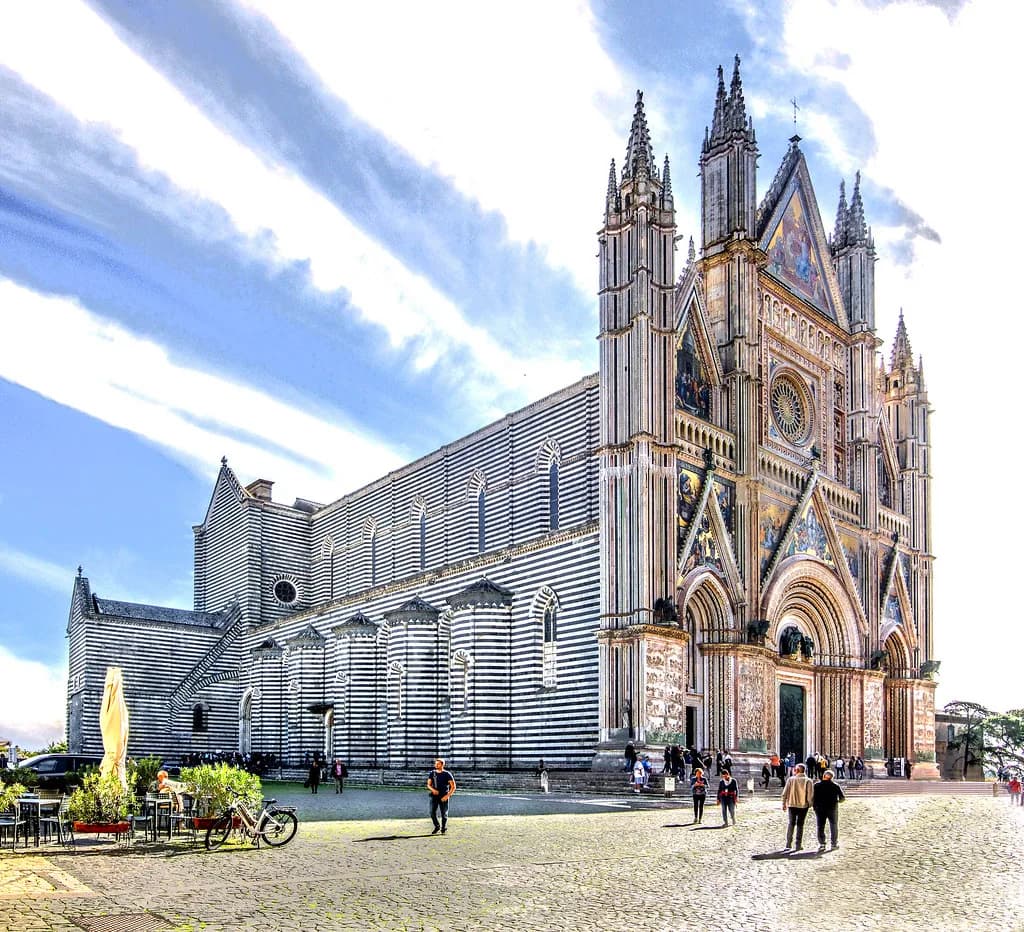
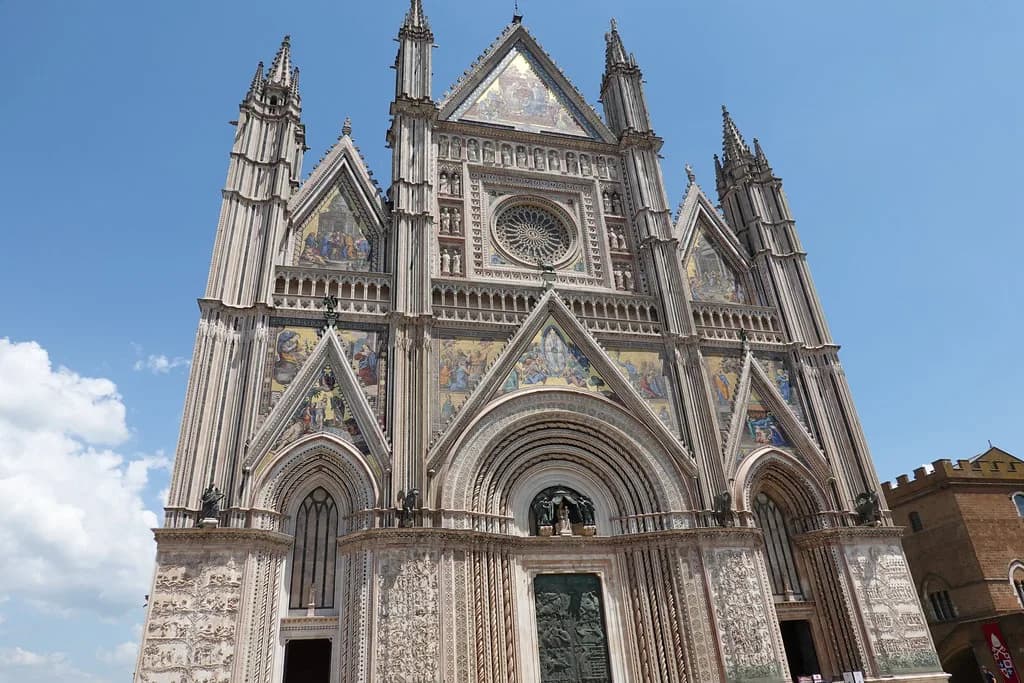
The most satisfying Orvieto day combines wine with the town’s two other attractions: the Duomo and the underground chambers. The cathedral’s mosaic facade is visible from much of the town, and the underground tour takes you through the tuff tunnels that wineries have used as cellars for centuries. Book the underground visit for the morning, taste in the afternoon, and leave the evening for a slow dinner. The Piazza Duomo is the natural orientation point for the centre, and most of the town’s wine bars and restaurants are within a short walk of it.
The underground chambers are operated as a separate visitor attraction, so check times and tickets with Speleotecnica Srl, the company associated with the underground tour, since its published schedule is the reliable source for opening times and need not match winery hours. Combining the underground visit with a town-centre tasting gives you a geology lesson and a wine lesson in one day, which is more coherent than rushing between distant estates.
Plan Your Visit
Orvieto rewards a day built around one or two estates rather than a checklist. Choose Tenuta Le Velette for a historic estate with olive oil and a range of wines, Cantine Neri for sparkling and vertical tastings, Decugnano dei Barbi for botrytised sweet wines and a farmstead stay, or Palazzone for a cru Classico and an on-site locanda. Book by email, ask what the tasting includes and how long it lasts, and arrange transport before the first glass.
If you are traveling without a car, keep the morning in town for the underground chambers and the afternoon for a single estate with a pre-booked driver or tour. If you are driving, use spittoons or appoint a designated driver so the day stays enjoyable for everyone. Confirm current dates and prices directly with each winery and event organizer, since those details change from year to year.
Frequently Asked Questions
Which Orvieto wineries can you actually visit?
Sources confirm visitor offers at Tenuta Le Velette, Cantine Neri, Decugnano dei Barbi, Argillae, and Palazzone with its Locanda Palazzone. Each is an estate in or near the Orvieto Classico zone, and most expect advance contact rather than drop-in visits. Ask about the specific tasting or tour format when you book.
Do you need to book Orvieto winery tastings in advance?
Yes, for most estates. Orvieto’s wineries generally arrange tastings and cellar tours by appointment, especially when food is involved. Tenuta Le Velette publishes a dedicated booking email, and other estates use contact forms or email on their own sites. Send your date, party size, and what you want from the visit, and allow a few days for a reply in busy periods.
What grapes are in Orvieto Classico?
Orvieto DOC is traditionally a blend built on Procanico, which is Trebbiano Toscano, and Grechetto, with Drupeggio, Verdello, or Malvasia completing the mix. Some producers include international varieties. Orvieto Classico is the historic heart of the zone closest to the town, and the wines range from dry and mineral to the botrytised sweet style.
Can you visit Orvieto wineries without a car?
In town, yes: the underground chambers and town-centre tastings are walkable from the funicular and the historic centre. Countryside estates are not served by frequent public transport, so you need a taxi, a pre-booked driver, or a guided tour. Book your return trip at the same time as the outbound ride, especially in the evening.
Is Orvieto a good base for a wine trip in Umbria?
It is a strong base for the Orvieto Classico zone and the surrounding estates, and it sits on the main rail line between Rome and Florence. For Montefalco and Torgiano, plan separate days or a second base rather than day-tripping long distances. Perugia and Lake Trasimeno are within reach by car for a longer Umbria itinerary.
When is harvest in Orvieto and when should you visit?
Harvest in Umbria generally runs from late August into October, depending on variety and year, and the countryside is busiest then. Spring and early autumn are the most comfortable times for a wine day. The Cantine Aperte open-cellars weekend and Orvieto’s Benvenuto Orvieto diVino are recurring annual events, so check current dates.
How long does an Orvieto winery tasting take?
It depends on the format. A simple tasting can be short, while a cellar tour with food pairing or a blending experience takes longer. Ask the winery for the expected duration when you book, and tell them whether you want a tour or just a tasting. That helps you plan travel between estates.
What is the difference between Orvieto and Orvieto Classico?
Orvieto DOC covers a wider area, while Orvieto Classico is the historic zone closest to the town and the cliffs. Classico is the label to look for if you want the benchmark style. Within both, you will find dry whites and the botrytised sweet wines that Orvieto is known for.
Sources
Notes for your next wine trip
Optional updates to our winery and wine-town guides.
You might also like
Continue reading
More guides you'll find useful