Orvieto Wine Tours: Tasting Orvieto Classico and Beyond
Plan a wine day from Orvieto: the Classico district, cellar visits by appointment, Madonna del Latte and Montefalco options, and how to taste without driving.
On this page
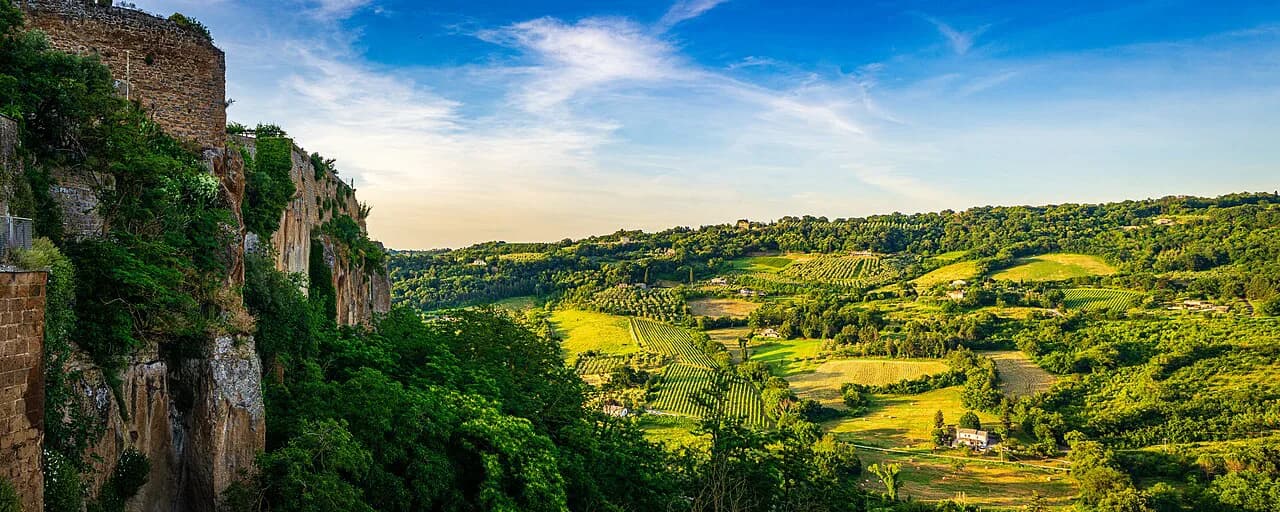
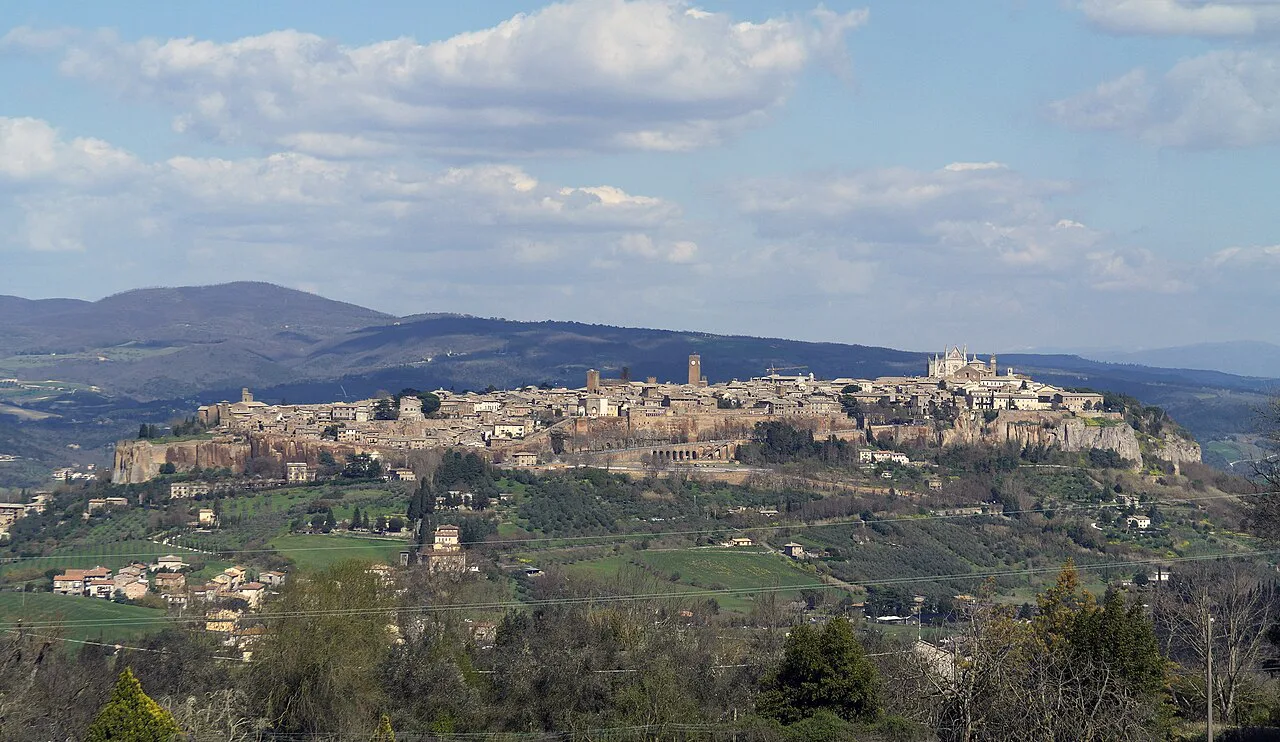
Orvieto sits on a volcanic tufa plateau above a plain of vineyards, and the town's name on a bottle signals a white-wine zone rather than a single estate. That makes it an unusually easy base: you can walk a medieval center in the morning, taste in the surrounding hills after lunch, and never commit to a long highway transfer. The same geography explains its limits, because the famous reds of Montefalco lie well to the east and deserve their own day.
This guide treats those two districts as separate trips, names the Orvieto-area estates that sources confirm receive visitors, and explains how bookings usually work in Umbria. Prices quoted here come from booking-platform listings for Umbrian wineries generally, not from any single Orvieto estate's published rate card, so treat them as a planning range.
Why Orvieto Works as a Wine Base
The town's historic core sits on a tufa outcrop riddled with cellars, many of them carved for storage long before modern tourism. That means a wine experience can start inside Orvieto itself, in the cave systems beneath the streets, before you ever board a vehicle. For a fuller picture of the cellar network, the underground passages and carved caverns are worth an hour on their own.
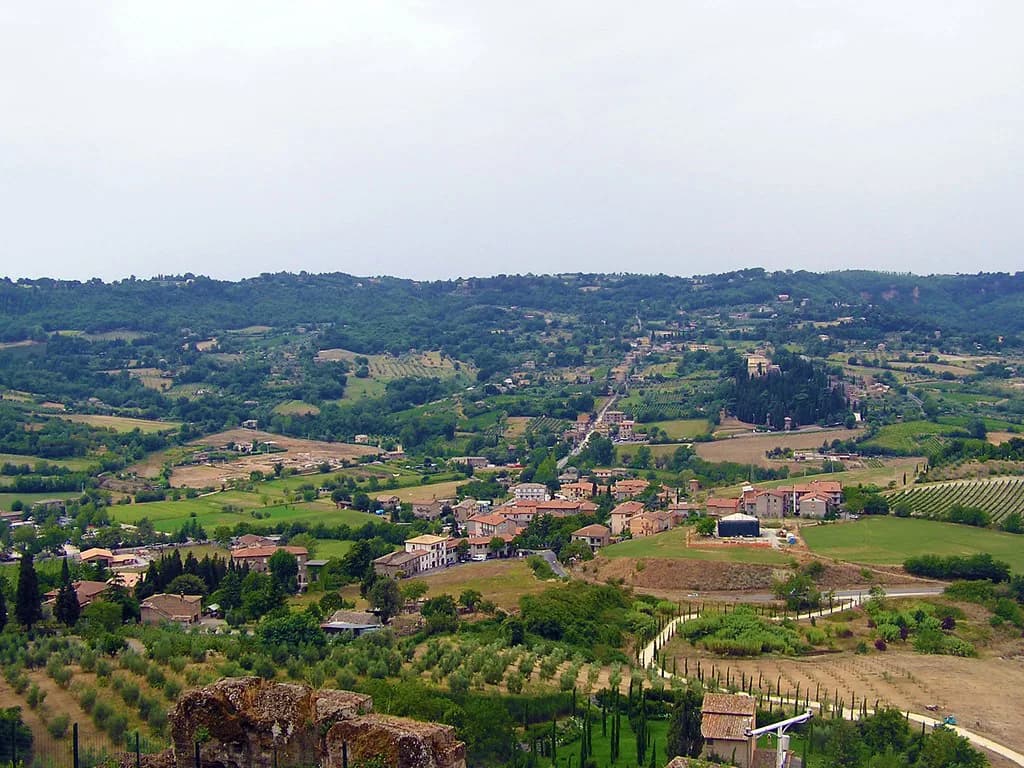
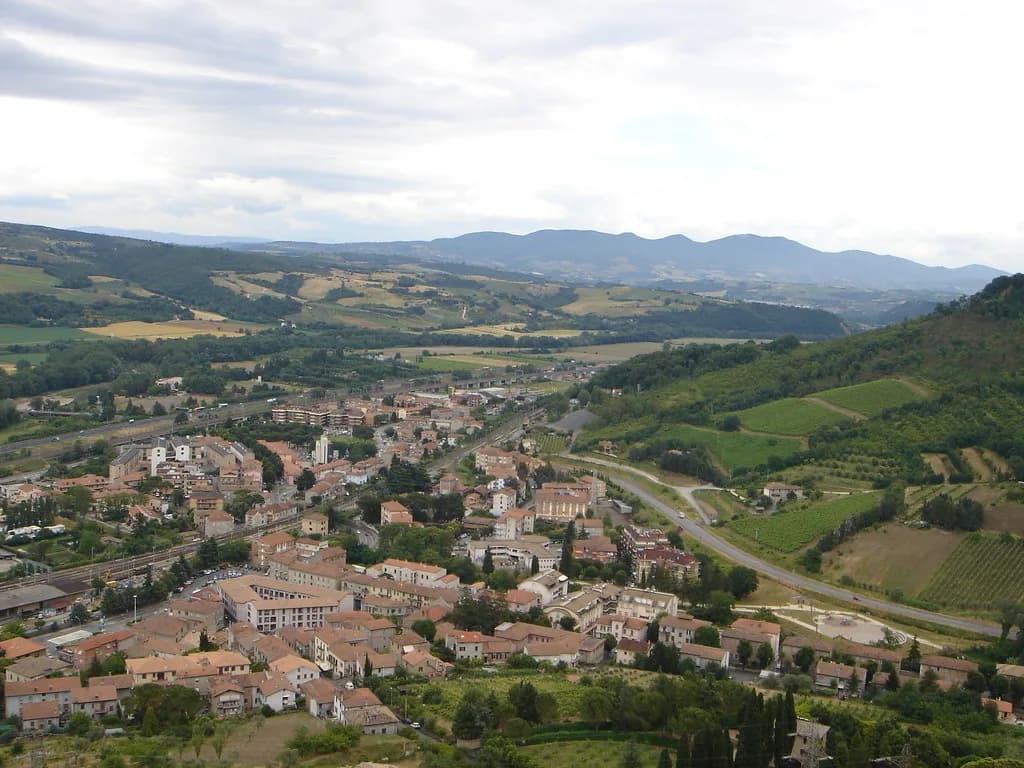
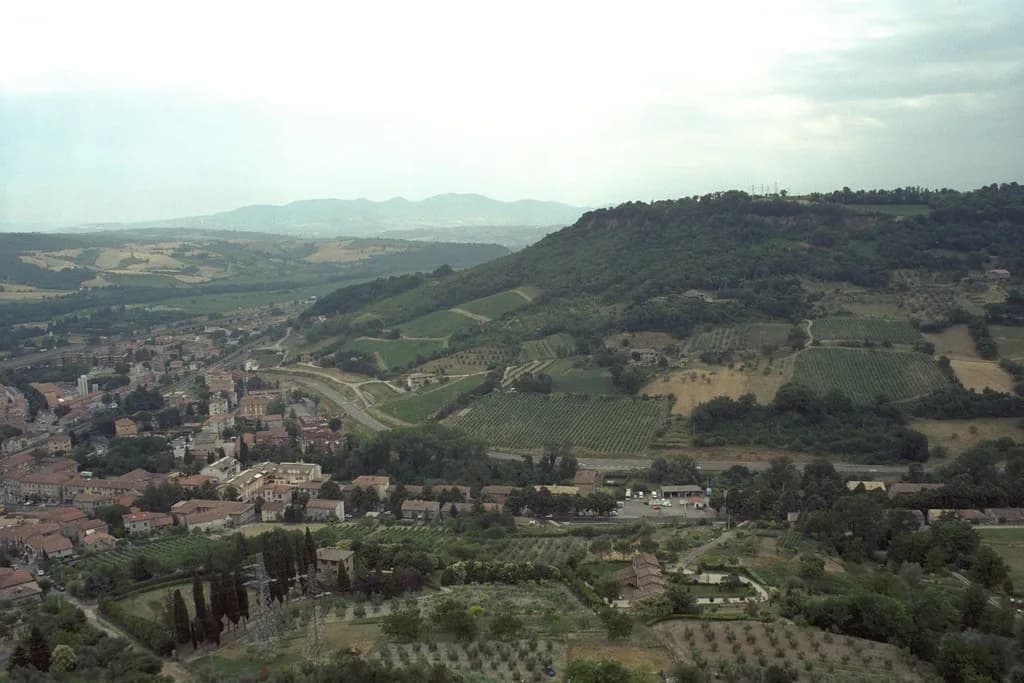
Beyond the town, the Classico zone spreads across the surrounding hills toward Lake Bolsena, and several estates sit in villages within a short drive of the center. Madonna del Latte, a small family-owned winery founded in 2000, describes itself as lying in the hills between Orvieto and Lake Bolsena, which places it in that western arc of the zone. That western axis, rather than the motorway corridor, is where you can group two visits comfortably.
Because the base town is small and the countryside is close, Orvieto rewards a half-day plan rather than a marathon. If your priority is a broad introduction rather than a single estate, start with an overview of wine tasting in orvieto and build the day around the two or three names that answer your emails.
What You Are Tasting: Orvieto Classico Explained
Orvieto's whites are blends, historically based on Trebbiano with Grechetto adding structure and a little aromatic lift; the Classico designation refers to the historic heart of the zone rather than a style or sweetness level. Modern examples are almost always dry, while the sweet and passito styles that made the name famous historically are now niche bottlings you are more likely to meet at a cellar door than in a supermarket.
Production rules also allow a Grechetto di Orvieto bottling, a varietal white that shows the grape without the blend, and it is often the more interesting pour for travelers who already know Trebbiano-based whites. If you want the appellation background before you book, the detail on Orvieto DOC, its permitted grapes and its historic sweet styles is worth reading first, and it is worth checking current prices and dates with the estates you plan to visit before setting out.
Reds from the immediate area are lighter and more marginal than the whites; the serious reds in Umbria belong to Montefalco, where Sagrantino and Sangiovese dominate. Keep that distinction in mind when an operator advertises a combined tour, because a single day covering both zones means a lot of time in the vehicle.
The Layout of the Orvieto Wine District
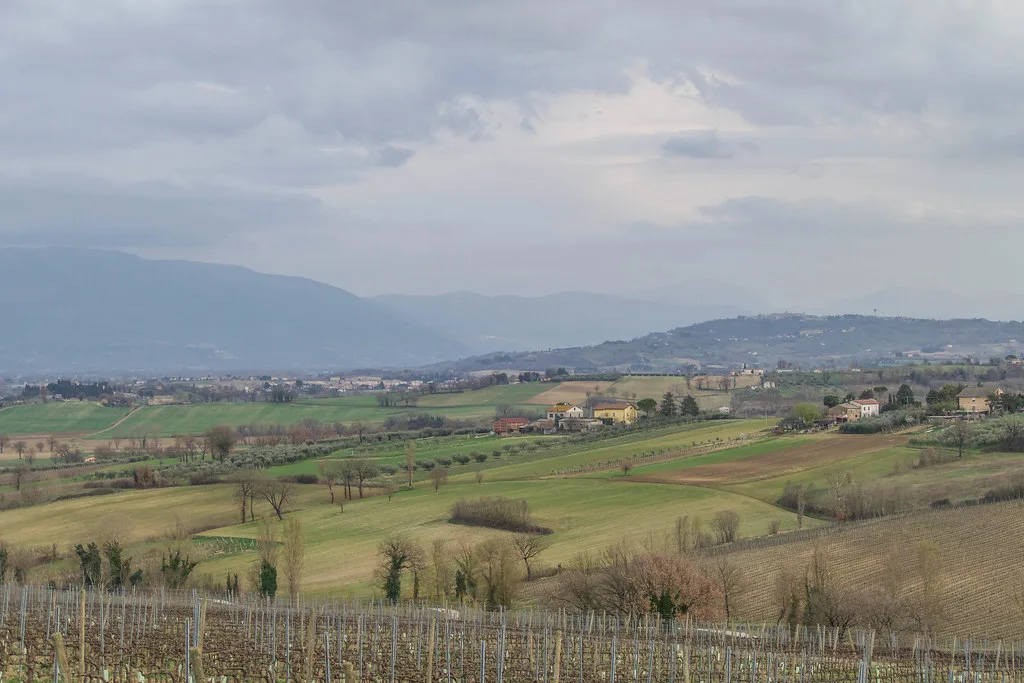
Think of the zone as two arcs. The western arc runs from Orvieto toward the Bolsena side, where Madonna del Latte and other hillside estates sit; the eastern and northern arc takes in properties around Rocca Ripesena and toward Castello di Corbara, closer to the Tiber side. Grouping by arc rather than by reputation saves you a crisscross drive on narrow country roads.
Azienda Agricola Palazzone is listed at Orvieto with a tufa outcrop at Rocca Ripesena as its setting, and Castello di Corbara appears under Orvieto in the Corbara area; both are confirmed as estates that take visitors. A directory of wineries around the town helps you plot them on a map before you decide which two to pair.
Two visits in one morning or one afternoon is a realistic target; three is pushing it once you allow for the drive, the cellar tour and a proper sit-down tasting. If you are weighing a single deeper visit against two shorter ones, the profiles of individual Orvieto Classico estates will tell you which ones present fuller tour formats.
Wineries Around Orvieto That Receive Visitors
Madonna del Latte is the clearest case in the western hills: a small family operation founded in 2000 on an old estate between Orvieto and Lake Bolsena. Its own site is the place to confirm what a visit currently includes, whether the family offers a cellar walk, how many wines are poured, and whether they charge.
Azienda Agricola Palazzone and Castello di Corbara both appear in booking listings as Orvieto-area estates with visitor experiences, and the platform shows published experience prices for each. Those figures are listings rather than estate rate cards, but they give a realistic sense of what a tour-and-tasting costs before you write to the producer directly.
If you would rather compare a shortlist before committing, an edited selection of Orvieto producers that host guests is a faster starting point than scrolling a large marketplace. Cross-check any name against the estate's own site before you build a day around it, since visit formats change with the season and the size of the team.
Appointment Culture: How Umbrian Estates Handle Visits
Small family estates in Umbria typically receive guests by arrangement rather than keeping open doors all afternoon, because the person pouring your wine is often the person making it. Write ahead with your date, party size and preferred language, and ask directly whether a walk-in is possible on the day you have in mind.
Be specific in the email: state whether you want a cellar tour or just a tasting, whether anyone in the group does not drink, and whether you need a vegetarian option if food is offered. Ask how long the visit lasts and where to park or be dropped off, since rural estates often have unsigned access lanes. One confirmation email a week or two out, and a quick check the day before, covers the rest.
Umbrian winery experiences listed on booking platforms typically run from a short basic tasting in the region of fifteen euros up to full-day or premium packages well above a hundred euros per person, with an average cellar tour and tasting around forty-nine euros. Those are platform-listed ranges across Umbria, not Orvieto-specific rates, so use them to budget rather than to predict any one estate's charge.
Guided Tours Versus Going Independently
A guided tour from Orvieto solves the two hardest parts of an independent day: the drive on unfamiliar country roads and the booking correspondence. Operators typically collect from town, handle two or three estate appointments, and include transport, which matters if your group wants to taste properly. The trade-off is fixed timing and less flexibility to linger over a bottle you like.
Going independently gives you control over which estates you visit and how long you stay, and it is cheaper on paper once you strip out the operator margin. It only works well if someone in the group drives and abstains, or if you keep to estates reachable by taxi or bike. For a wider comparison of how organized wine tours work elsewhere in central Italy, including cost structures and group sizes, the Montepulciano wine tours format offers a useful benchmark.
The middle path suits many travelers: book a private driver or taxi for a fixed three-hour block covering two nearby estates, and handle the tastings yourself. Ask the estate whether they can recommend a local driver, since rural operators often know who is available at short notice.
Getting There Without a Car
Orvieto sits on the Rome-Florence rail line, with frequent trains and a funicular linking the station below the plateau to the town above. That makes the town itself car-free and easy, but the surrounding estates are not: regional buses run to lakeside and valley villages, yet service is thin on Sundays and rarely drops you at a vineyard gate.
Taxis in Orvieto are limited in number, so book a return pickup with the same taxi company when you arrange the outbound ride rather than counting on one waiting at a rural estate. Cycling the plateau is feasible for confident riders, but the lanes are narrow and unlit, and a tasting visit plus a bike is a poor combination unless you spit.
A driver should not taste: use the spittoons at every estate, appoint a designated driver, or take a tour so nobody in your group is behind the wheel after a glass. This single decision shapes the whole day more than any choice of winery.
Montefalco and Sagrantino as a Longer Day
Montefalco lies east of Orvieto across the Umbrian hills, roughly a two-hour drive each way depending on the route, which makes a combined Orvieto morning and Montefalco afternoon a poor plan. Treat the Sagrantino zone as its own day trip, ideally with an overnight, and give it the time the wines deserve.
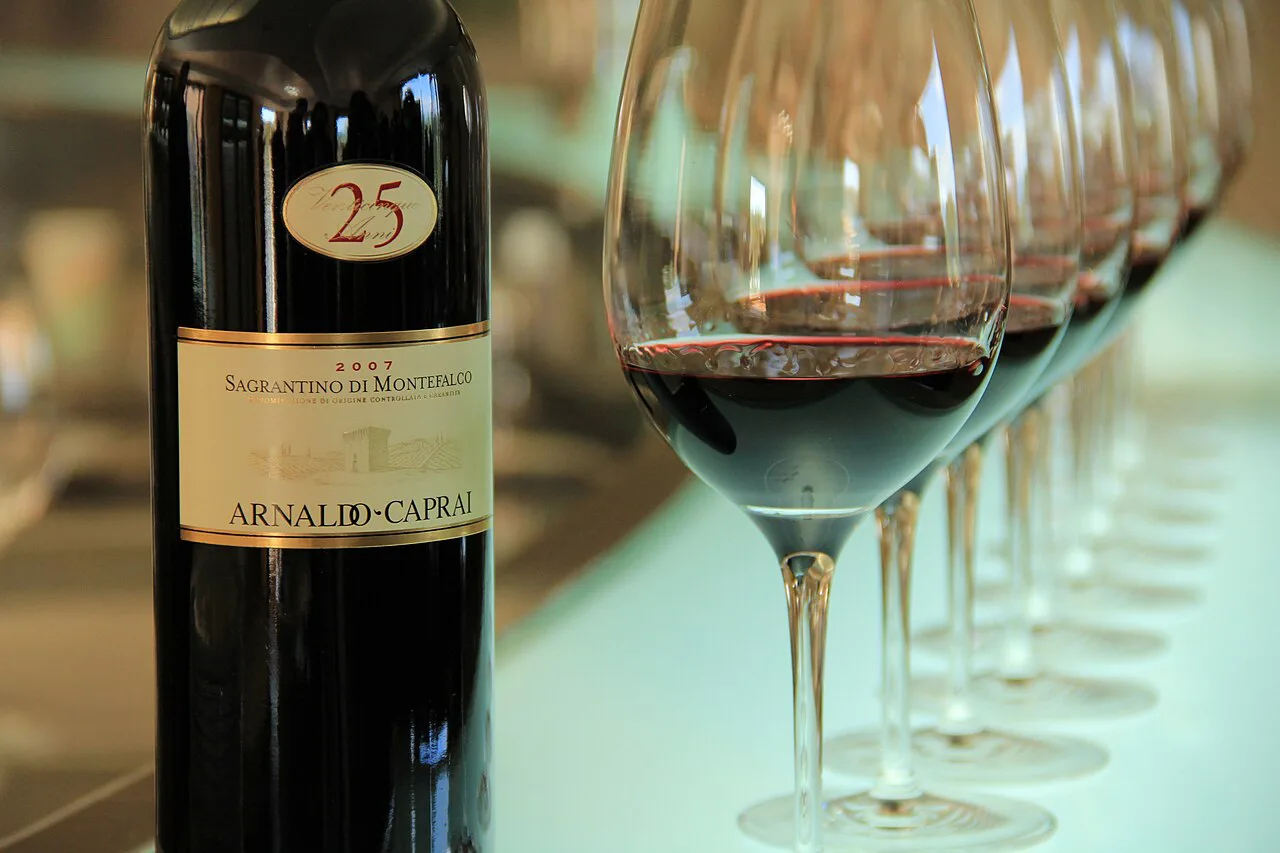
Sagrantino di Montefalco is the tannic, ageworthy red that put the zone on the map, and Montefalco Rosso is the more approachable Sangiovese-led blend that most visitors actually drink with lunch. Estates there also pour Trebbiano Spoletino, a white with real character that rarely travels far. If you are building a red-focused itinerary, the Montefalco Sagrantino Wineries guide is the place to start.
The Montefalco Sagrantino DOCG rules require extended aging before release, so the wines you taste on a first visit are from older vintages than you might expect. Ask the estate which vintages are currently open for tasting when you book, and whether they pour both the Rosso and the Sagrantino in the standard visit.
Sample One-Day and Two-Day Plans
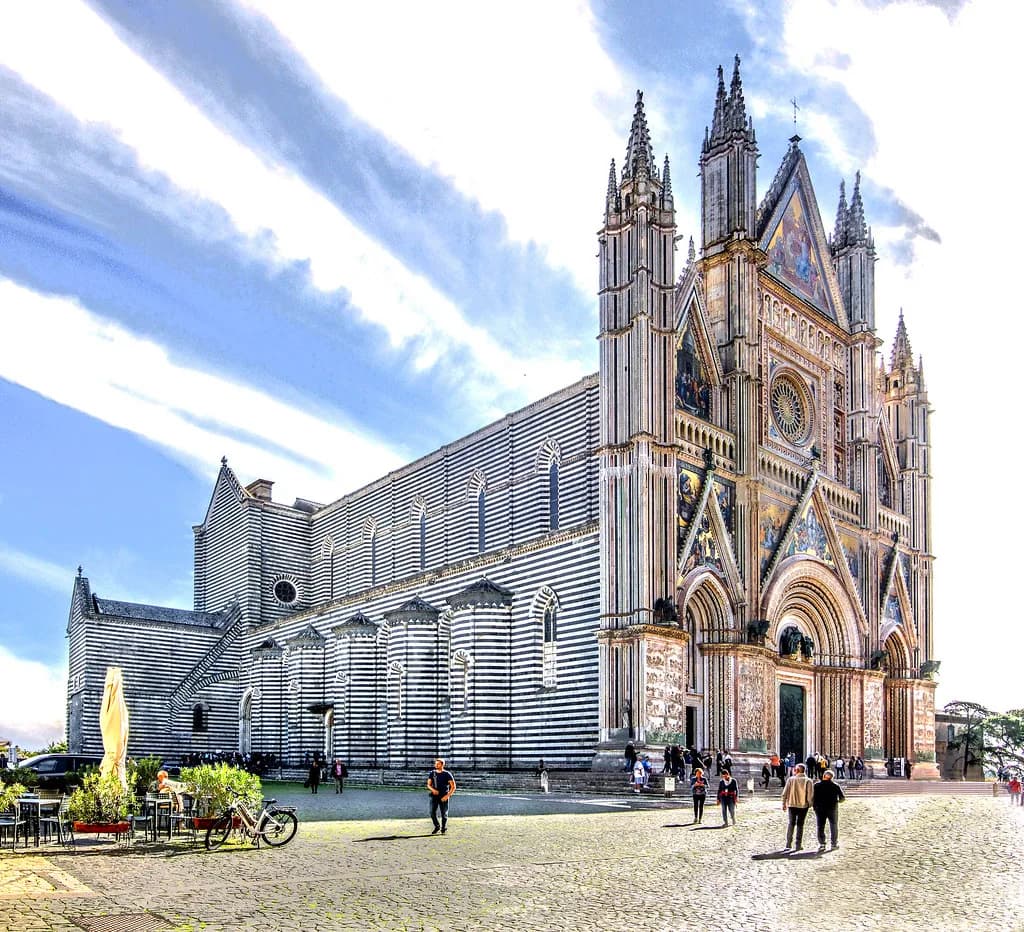
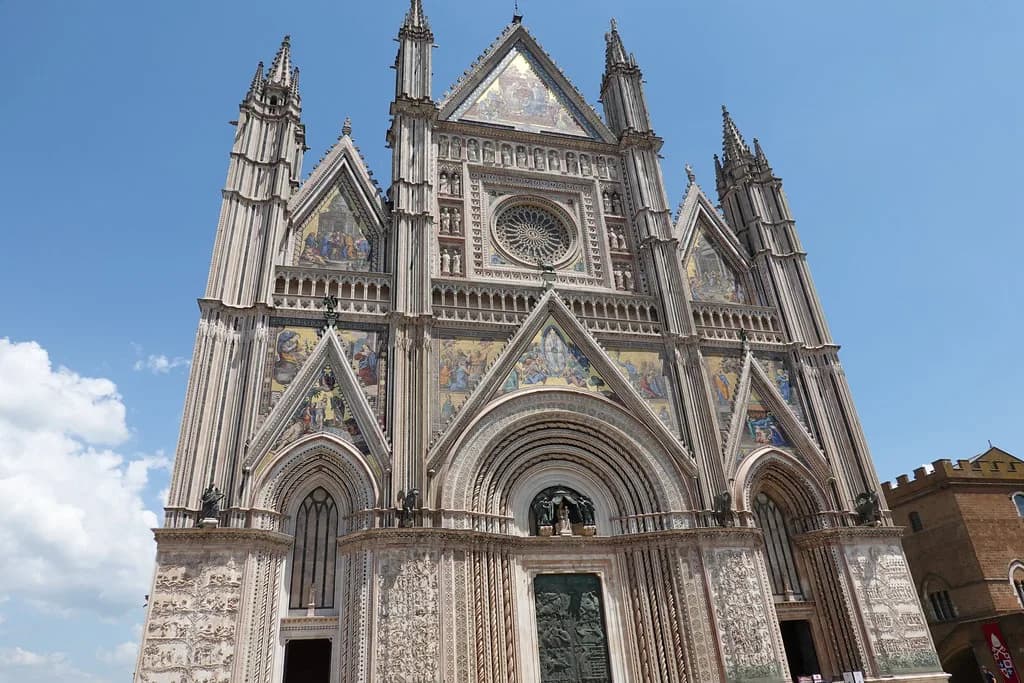
Day one: spend the morning on the Duomo and the underground cellars near Piazza Duomo, have lunch in town, then take an afternoon visit at a single estate in the western hills such as Madonna del Latte, returning to Orvieto for dinner. One estate done properly beats two rushed ones.
Day two: take a guided tour or a booked driver for a morning covering two estates on the eastern arc, then keep the afternoon free for the town's own wine bars. If you have a third day, give it entirely to Montefalco rather than squeezing Sagrantino into the Orvieto schedule.
Practical Timing: Harvest, Weekdays and Lunch Gaps
Umbrian harvest generally falls in September and early October, which is the most atmospheric but also the busiest moment for small estates, since the team is in the vineyard rather than in the tasting room. If you travel in that window, book further ahead than usual and accept that a visit may be shorter.
Many rural estates close their tasting rooms over the long lunch hour and do not receive guests on Sundays, though this varies by producer. Midweek mornings are usually the calmest slot, and asking for a late-morning visit lets you finish before the kitchen closes.
Vineyards are quietest in winter and high summer, when heat pushes work to early hours; either season can be rewarding if you confirm the estate is receiving guests at all.
Buying Bottles in Town and Carrying Them Home
Orvieto's center has wine shops and enoteche where you can buy Classico and Grechetto bottlings from producers too small to host visits, which is a good way to fill gaps after a single estate tour. Buying directly at the estate is also common, and many producers will hold a case for you to collect at the end of the day.
For flights, pack bottles in a padded wine suitcase or ask the shop for a shipper; Orvieto's whites travel well but bottle weight adds up fast. If you are continuing by train, remember that the funicular and station stairs make a heavy case awkward.
Plan Your Visit
Orvieto rewards travelers who treat it as a base for one good white-wine afternoon rather than a gateway to all of Umbria. Pick two estates in the same arc, write to them with a clear date and party size, and decide early whether you are booking a driver or a tour. For a deeper look at Sagrantino and the red district, plan a separate day.
If your trip extends into Tuscany, the same logic applies to its red zones, and the Vino Nobile di Montepulciano DOCG area is a natural next stop on the same rail line. Compare wine tours there before you commit, and keep one day free for spontaneity.
Frequently Asked Questions
Do you need a car for Orvieto wine tours?
Not for the town itself, which is served by train and funicular, but the surrounding estates are not reachable on foot and regional buses rarely stop at vineyard gates. Most travelers either book a guided tour with pickup in Orvieto, hire a driver for a few hours, or designate a non-drinking driver.
How far is Montefalco from Orvieto, and can you do both in one day?
Montefalco lies east of Orvieto across the Umbrian hills, roughly a two-hour drive each way depending on the route. Combining an Orvieto morning with a Montefalco afternoon leaves too little time at the estates, so treat Sagrantino country as a separate day or an overnight stay.
Are Orvieto winery visits by appointment only?
Small family estates in Umbria generally receive guests by arrangement, because the person hosting the tasting is often involved in production. Write ahead with your date, party size and language, and ask directly whether a walk-in is possible on the day you plan to visit.
What is the difference between Orvieto and Orvieto Classico?
Orvieto is the broader appellation, while Classico refers to the historic heart of the zone and appears on bottles from that area. Both are typically dry Trebbiano and Grechetto blends today, though the appellation also permits a varietal Grechetto di Orvieto bottling.
Which wineries near Orvieto accept visitors?
Madonna del Latte, between Orvieto and Lake Bolsena, receives guests on a family estate founded in 2000. Azienda Agricola Palazzone at Rocca Ripesena and Castello di Corbara in the Corbara area also appear as Orvieto-area estates with visitor experiences in booking listings. Visit formats are listed on each estate's own site.
What does a guided wine tour from Orvieto usually include?
Most operators collect from Orvieto, drive you to two or three estates with pre-arranged appointments, and include the tastings in the price. Ask whether lunch is included, how many wines are poured at each stop, and the maximum group size.
When is harvest in Umbria?
Harvest generally falls in September and early October, with whites usually picked before the reds. It is the liveliest time to visit but also the busiest for small estates, so book well ahead and expect shorter visits while the team is working in the vineyard.
Sources
Notes for your next wine trip
Optional updates to our winery and wine-town guides.
You might also like
Continue reading
More guides you'll find useful