Castello della Sala: Orvieto Winery Visit Guide
Plan a day at Castello della Sala, Antinori's Umbrian estate near Orvieto: where it sits, the wines to know, and how to book a visit and get there.
On this page
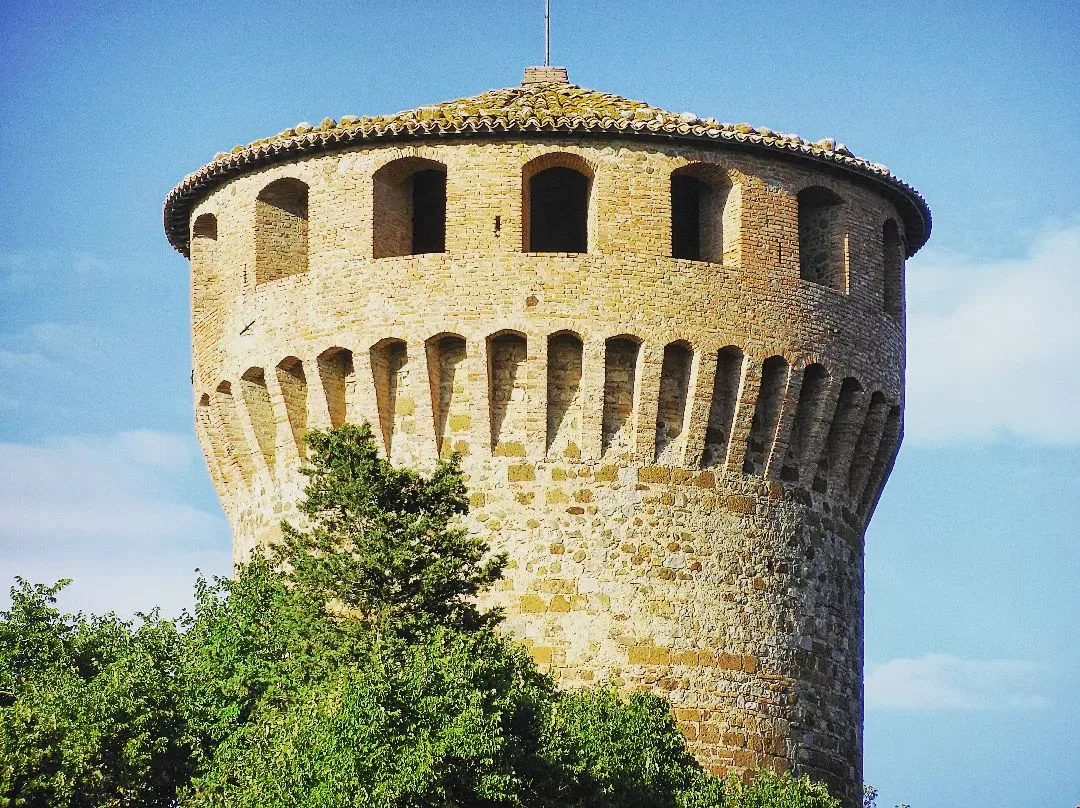
Castello della Sala is the Antinori family's Umbrian estate, a medieval castle turned modern winery in the hills west of Orvieto. Travelers usually meet its wines on restaurant lists long before they see the building, which is why the visit is best planned around three wines rather than a single label. This guide covers where the estate sits, what is grown there, how booking works through Antinori, and how to build a day around it from Orvieto.
The defining planning detail is distance. The castle is not in Orvieto itself but roughly 18 kilometers away in the Umbrian countryside near the Tuscan border, so transport decides how the day unfolds. Independent travelers can pair a morning visit with an afternoon in town; anyone relying on trains and buses should think through the last leg before booking anything.
Where Castello della Sala Sits
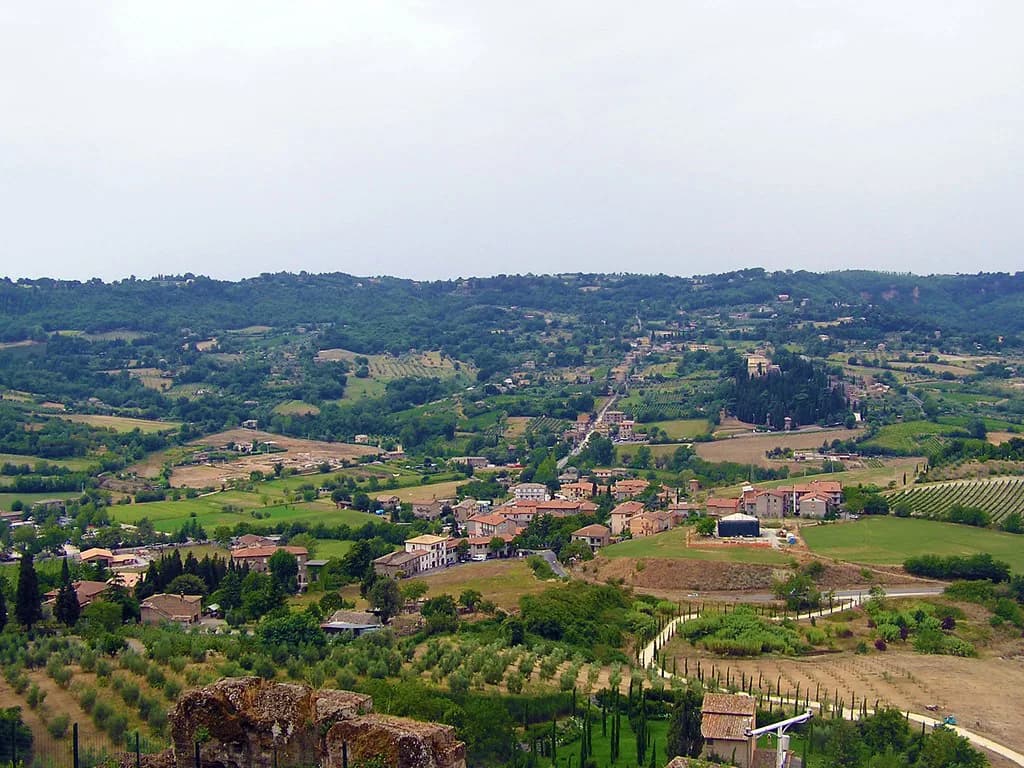
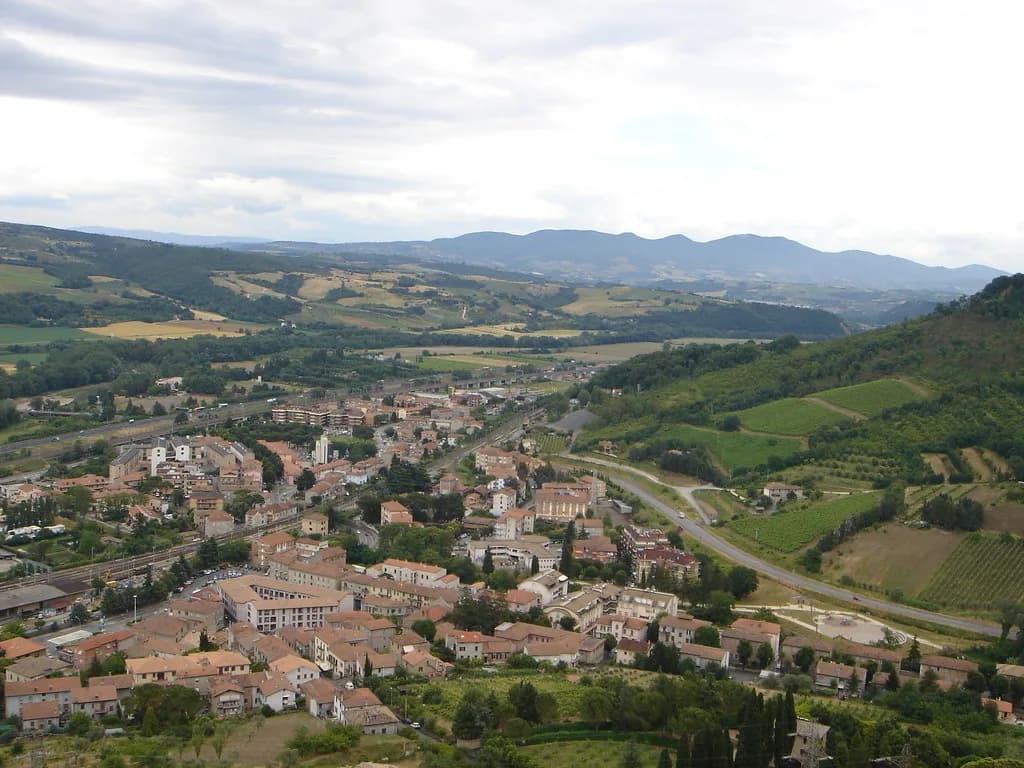
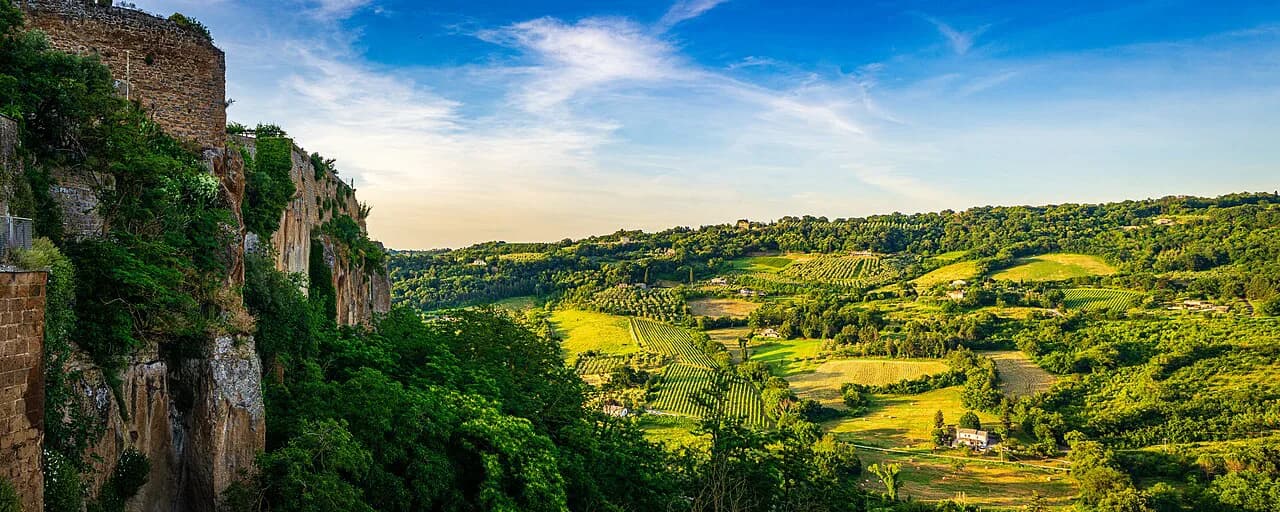
Castello della Sala stands in the Umbria region, close to the Tuscan border and about 18 kilometers from the historic center of Orvieto, according to the estate's own description. The property spreads across 600 hectares, of which 229 hectares are planted to vines on rolling hillsides between 220 and 470 meters above sea level. That altitude and the day-to-night temperature swing are the reasons the estate's white varieties perform as they do.
For trip planning, treat Orvieto as the base and the castle as a countryside excursion. The drive is short but rural, and the last stretch climbs into hills where you will not find a taxi rank or a bus stop at the gate. That makes the final leg the single decision that shapes the day, whether you arrange a car, join a tour or book a transfer.
If you want a wider frame for the region before committing to one estate, the town's wineries range from castle-scale producers to small family cellars, and reading up on Orvieto wineries helps you decide whether one big visit or two smaller ones suits your pace.
Why This Estate Matters for White Wine
Antinori describes the estate as an ideal place for white varieties, and the vineyard data supports the claim: clay and calcareous soils rich in fossil shells, good sun exposure and cool nights. Chardonnay is the flagship planting, with Pinot Noir the lone red that has found a convincing home here. If your wine interests lean toward whites, this is the Orvieto-area address to prioritize.
The property is also a working modern winery built around a restored medieval castle, so the visit is as much about the estate's scale and architecture as about the glass. Expect a visit that moves through the property rather than a single tasting room, and allow time for the setting itself.
The Wines to Know Before You Go
Bramìto della Sala is the entry point: a Chardonnay bottled as Umbria IGT, made from vineyards around the castle and first released with the 1994 vintage. Antinori ferments some lots in oak and some in stainless steel, and only the oak-fermented portions go through malolactic fermentation, which keeps the wine fresh rather than heavy. It is the bottle most visitors will recognize and the easiest reference point for the estate's style.
Cervaro della Sala is the estate's better-known white, a Chardonnay and Grechetto blend that has become a benchmark for modern Umbrian white wine. Grechetto is the local grape that gives Orvieto its identity, so tasting Cervaro alongside an Orvieto Classico is the most efficient way to understand what the region does. Retail listings for the wine appear in the US market, but those are shop prices rather than anything connected to a cellar visit.
San Giovanni della Sala is the estate's Orvieto Classico bottling, the wine that ties the castle to the town's historic appellation. If you only have time for one structured tasting in the area, this trio — a varietal Chardonnay, a Grechetto blend and an Orvieto Classico — covers the estate's range and the local style in three glasses.
Retail prices for these bottles vary widely by market and retailer; US listings for San Giovanni, for example, show shop prices rather than producer-set ones. Treat any bottle price you see online as a shelf price in that country and nothing more. What the estate charges for a visit, if anything, is a separate question answered only through Antinori's booking channel.
Visiting as an Antinori Estate
Castello della Sala is one of several Antinori estates that appear in the company's published visit program, alongside cellars in Chianti Classico, Bolgheri, Montalcino and Franciacorta. That matters practically: visits are organized through Antinori's central booking rather than by knocking on the castle gate. Plan on reserving ahead, and expect the estate to control which days and times are open rather than offering open-ended access.
Castello della Sala is not the same as Antinori nel Chianti Classico, the family's better-known Tuscan headquarters and visitor center near Florence. Travelers sometimes conflate the two because both appear on the same booking page; if your itinerary is built around Orvieto, make sure the confirmation names the Umbrian estate.
How to Book a Visit
Use the Book a visit route on the Antinori website and select the Castello della Sala estate rather than the Tuscan properties. In your request, state your preferred date, the size of your party and the language you need, since those details determine whether a slot can be confirmed. Antinori publishes contact addresses for its offices, so a direct email is a reasonable follow-up if the online form leaves questions. The company lists a general contact at antinori@antinori.it, but confirm which address handles visit requests for this estate before writing.
Ask explicitly what the visit includes: whether it covers the vineyards, the cellars and a seated tasting, how many wines are poured and whether any are library or estate-only bottlings. Also ask whether a fee applies and how it is paid, because Antinori's pages do not publish a standard visit price for this estate. Get the answers in writing before you commit to transport, since a cancelled tasting leaves you in the countryside with nothing to do.
Group size matters in Umbria. Small estates often cap tours at a handful of guests, and a large party may need a private slot rather than joining a scheduled one. If you are traveling as a couple, ask to be added to an existing group to improve your chances on short notice.
Getting There from Orvieto Without Driving
The estate's rural location about 18 kilometers from Orvieto means there is no realistic walk-in option from town. Taxis from Orvieto can cover the distance, but you need a return plan: arrange for the driver to come back at a set time, or ask the estate whether it can call a car. Ride-hailing coverage in this part of Umbria is thin, so do not count on summoning a car from the castle gate.
Organized wine tours solve the logistics problem outright: a driver handles the country roads, and the group format often means the estate can slot you into a scheduled visit. The trade-off is fixed timing and less flexibility in how long you linger. Compare the cost and convenience of a tour against a private transfer, especially if two people are splitting the fare.
Trains reach Orvieto easily from Rome and Florence, making the town itself car-free, but public transport does not deliver you to the castle door in any dependable way. A sensible pattern is to arrive by train, stay in Orvieto and join a tour or book a transfer for the estate day. That way you are not juggling a rental car for a single appointment in the hills.
If you do drive, remember that anyone behind the wheel should not taste. Spittoons are standard at Italian tastings, and a designated driver can enjoy the visit without drinking. Tours and transfers remove the question entirely.
Building the Day Around Orvieto
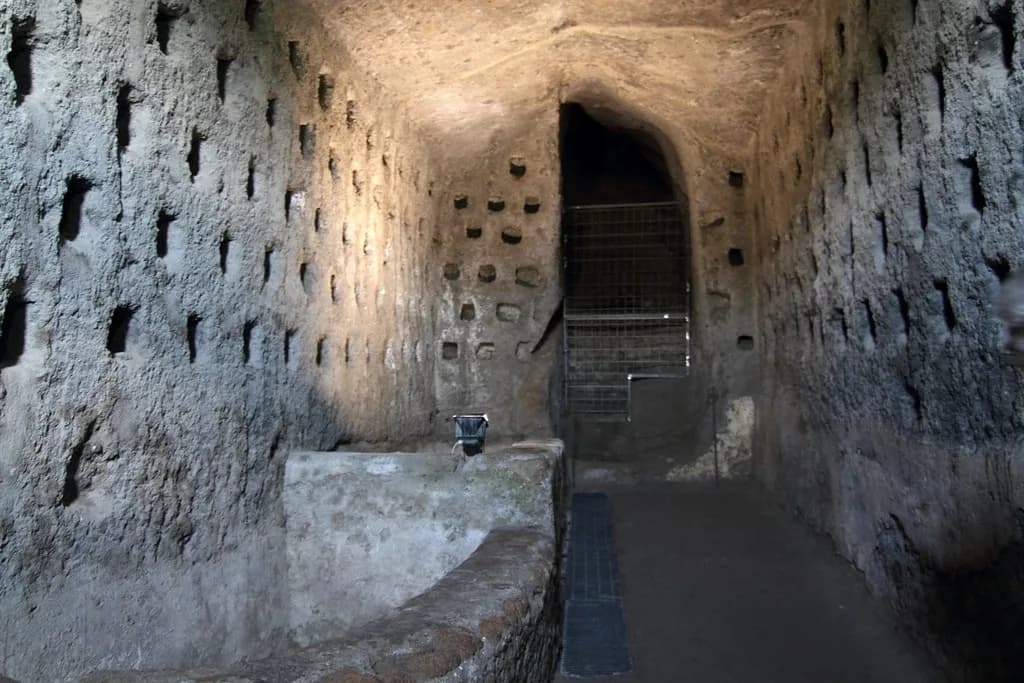
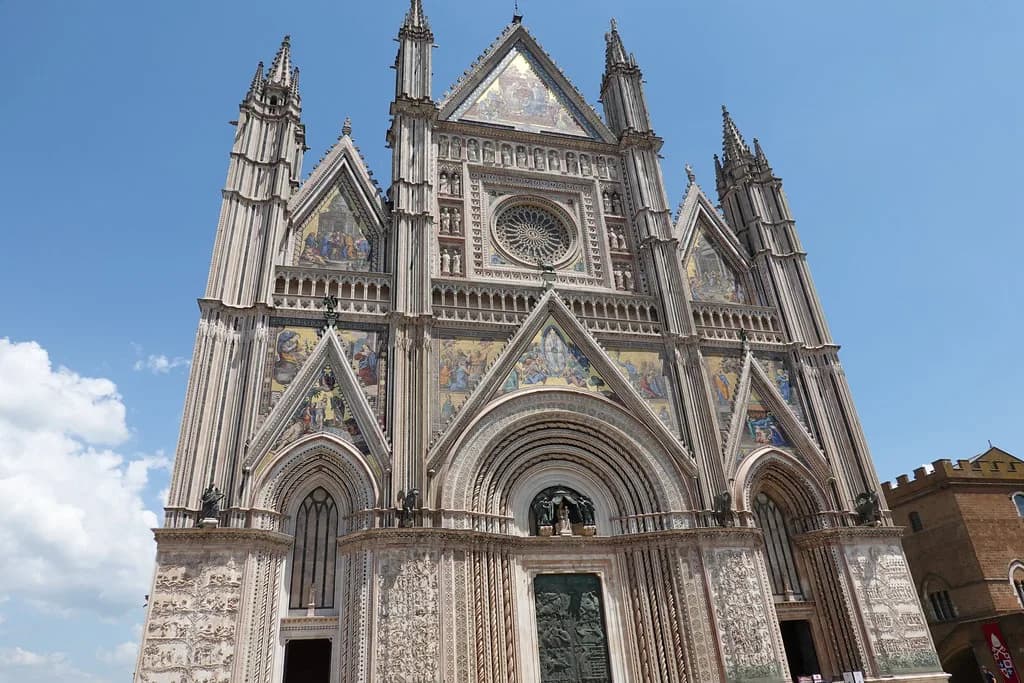
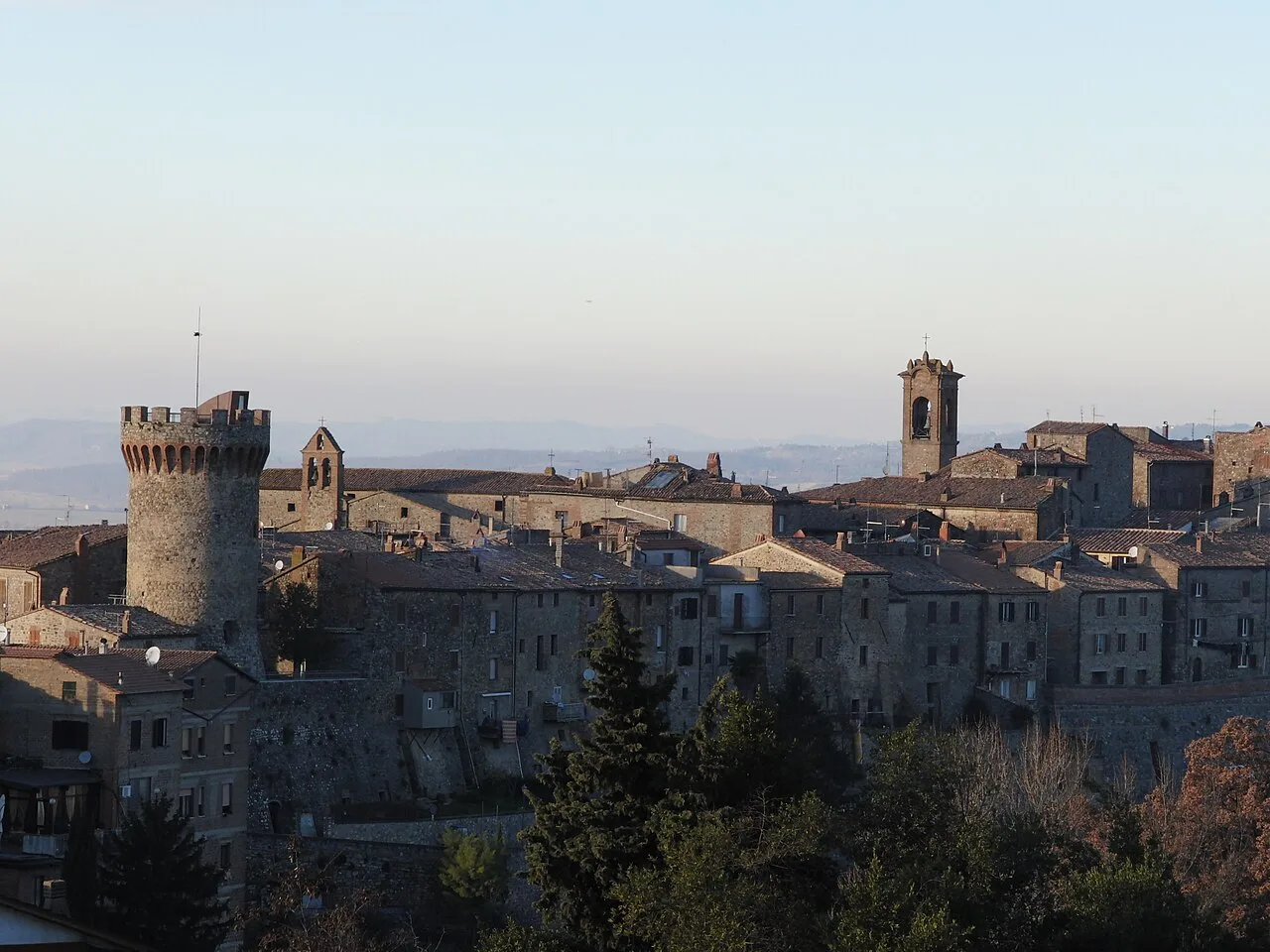
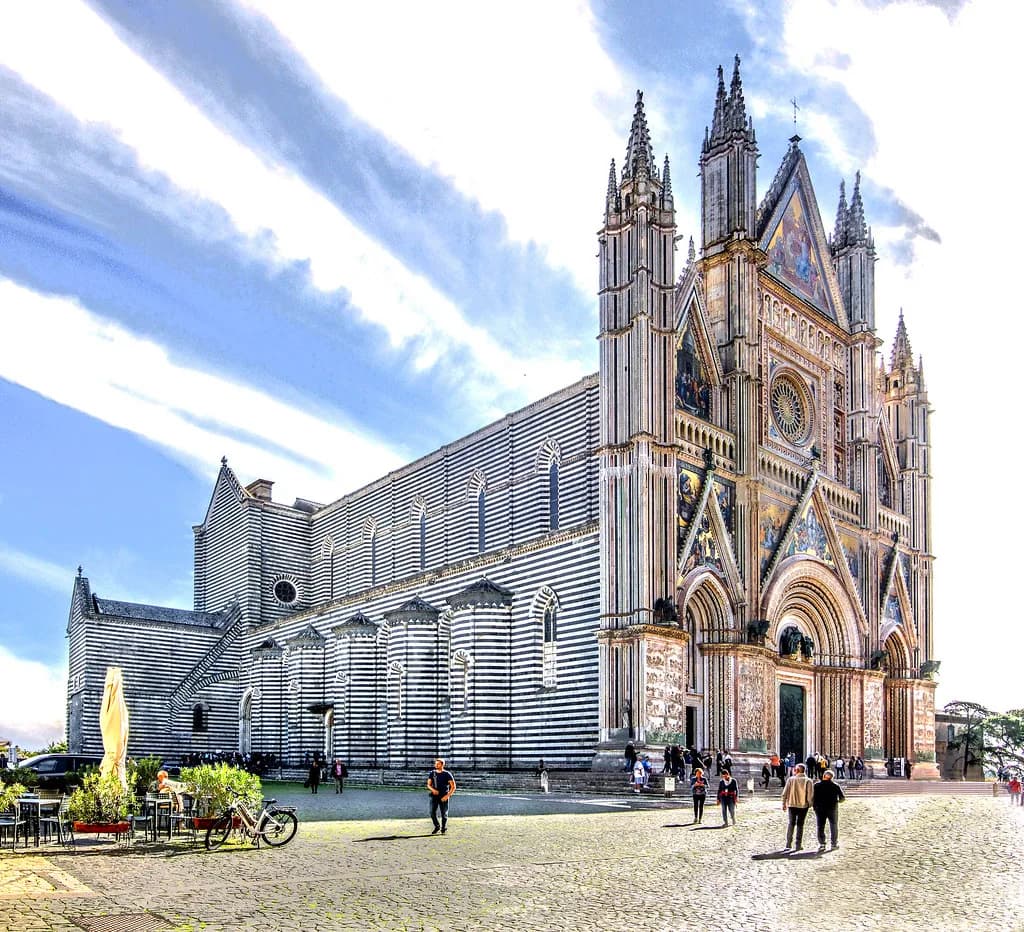
An estate visit works best as half of a day, with the rest spent in Orvieto itself. The town's historic core is compact, easy to walk, and home to the Duomo and the underground cavities that sit beneath the streets, so a morning tasting and an afternoon in town is a realistic plan if you have arranged a car or tour. The Orvieto DOC white makes more sense once you have walked the streets it is named for, so taste after you wander rather than before.
The Duomo area is the natural anchor for the afternoon, and the underground tour operators near the cathedral are easy to find on foot. Booking the underground visit is a sensible way to add some depth to an itinerary that is otherwise built around wine.
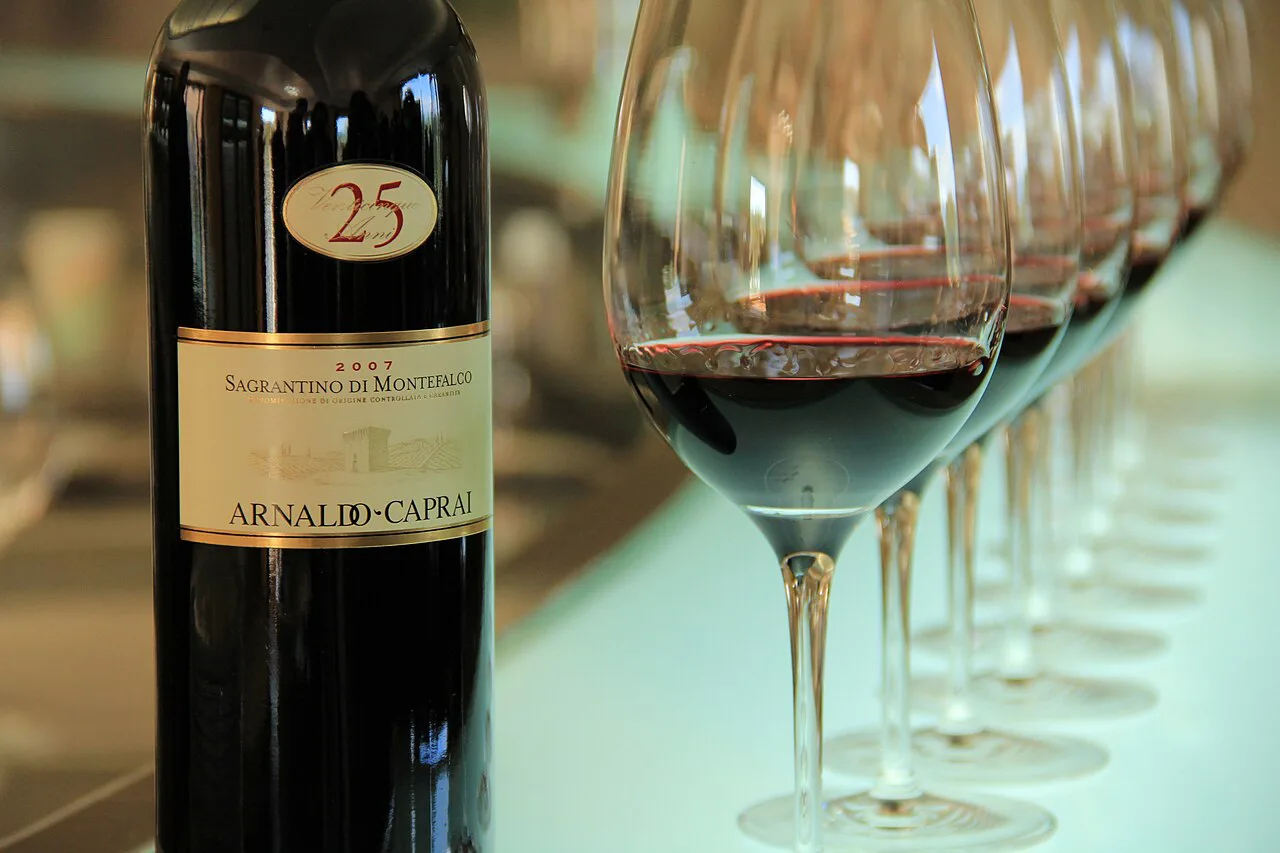
If you are adding a second wine stop, note that Montefalco Sagrantino country lies further east and makes for another full day rather than an add-on to the castle. The wines are red and structured, so pairing the two regions in one trip gives you both the white and red sides of Umbria. Plan them on separate days and let a tour or driver cover the distances. If you would rather extend the trip in the other direction, wine tasting in Montepulciano puts Sangiovese-based Nobile wines within reach on a separate day.
Timing, Harvest and What to Ask
Harvest timing changes year to year. In 2025 Antinori harvested the Chardonnay for Bramìto from around mid-August into the first week of September, but that is one season's pattern, not a fixed date. If you want to see the estate in motion, ask when the estate expects to pick the current year and build your request around that answer rather than a guess.
Accessibility questions are worth raising when you book: whether the route through the property involves steps, stairs or uneven ground, and whether the tasting room can be reached without climbing. The castle complex is historic, so ask direct questions when you reserve about whether an accessible route exists.
Finally, confirm any published opening days and closures for your dates when you receive your confirmation, since a working estate closes for holidays and harvest activity. That is a single question to include with your booking, not something to chase repeatedly.
Plan Your Orvieto Wine Day
Castello della Sala deserves its place on an Orvieto itinerary because it explains the region's white wine story better than any single restaurant list can. Book through Antinori, lock in your party size and language, and settle transport before anything else, since the 18-kilometer gap between town and castle is the one detail that can unravel a well-made plan. Build the rest of the day around the Duomo and the underground passages, and let a driver or a tour handle the country road back.
For travelers staying longer in Umbria, the wider map of Orvieto wineries helps you choose whether to add a smaller family cellar, while the region's reds around Montefalco make a rewarding second day. Bottles bought in town travel home easily, so a visit that does not yield a case can still end with one.
Frequently Asked Questions
How far is Castello della Sala from Orvieto?
The estate describes itself as about 18 kilometers from the historic center of Orvieto, near the Tuscan border in Umbria. The drive is short but rural, and there is no reliable bus or train connection to the gate, so plan on a taxi, a transfer or an organized tour. Confirm your return transport before the tasting, because the castle has no ride-hailing pickup.
Do you need an appointment to visit Castello della Sala?
Visits are organized through Antinori's Book a visit channel rather than as open castle access, so reserve ahead and wait for confirmation. Antinori does not publish a standard walk-in policy or tasting price for this estate, so include those questions in your request. State your date, party size and language when you write.
What wines should I taste at Castello della Sala?
Bramìto della Sala is the Chardonnay-based Umbria IGT that introduced the estate to many drinkers, first released in 1994. Cervaro della Sala blends Chardonnay with Grechetto, the local white grape, and San Giovanni della Sala is the estate's Orvieto Classico bottling. Tasting all three covers the range of what the property does.
Is Castello della Sala the same as Antinori nel Chianti Classico?
No. Castello della Sala is the Antinori estate in Umbria, near Orvieto, while Antinori nel Chianti Classico is the family's headquarters and visitor center in Tuscany near Florence. Both appear in the group's published visit program, so check that your booking confirmation names the Umbrian castle before you arrange transport.
Can you visit Castello della Sala without a car?
Yes, if you book a seat on an organized tour or arrange a private transfer from Orvieto. The town is easy to reach by train from Rome and Florence, but public transport does not stop at the castle. Walking from Orvieto is not realistic given the distance and the hill roads.
When is harvest at Castello della Sala?
Harvest varies by year. Antinori reports that the Chardonnay for the 2025 Bramìto was picked from around mid-August into the first week of September, but that is one season's schedule, not a rule. Ask the estate about its plans for your year when you request a visit.
Where can I buy Castello della Sala wines if I cannot get a visit slot?
The wines are sold through importers and retailers in major markets, including the US, where listings for San Giovanni and Cervaro appear at varying prices. Orvieto's town wine shops are the practical local option and let you compare with other Orvieto Classico producers. Shop prices are unrelated to the cost of a visit, which is arranged separately through Antinori.
Sources
Notes for your next wine trip
Optional updates to our winery and wine-town guides.
You might also like
Continue reading
More guides you'll find useful