Wine Tasting in Orvieto: Wineries, Bookings & What to Expect
Plan a wine tasting day in Orvieto: which Classico estates welcome visitors, how appointment-only visits work, what a tasting covers, and how to arrive car-free.
On this page
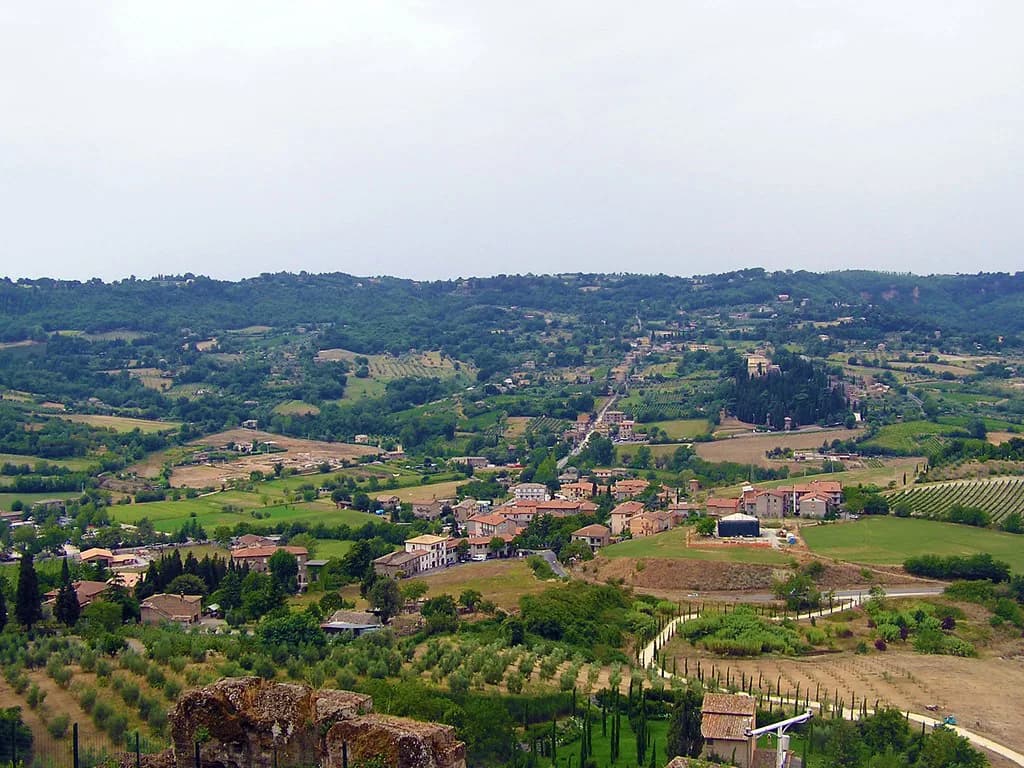
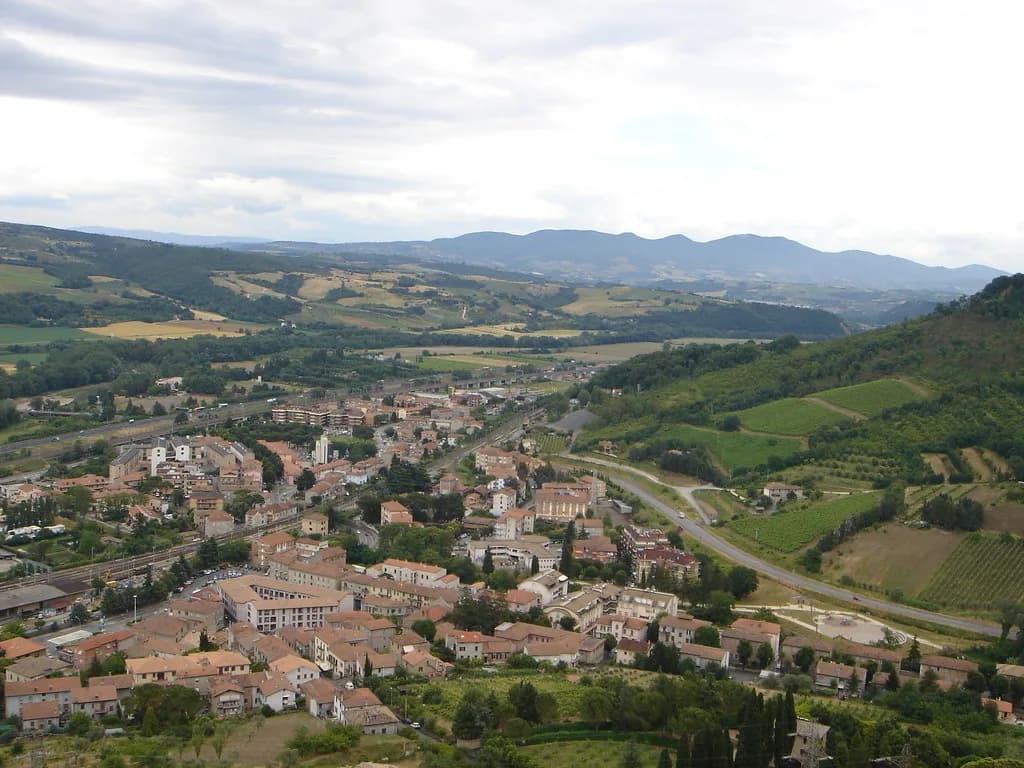
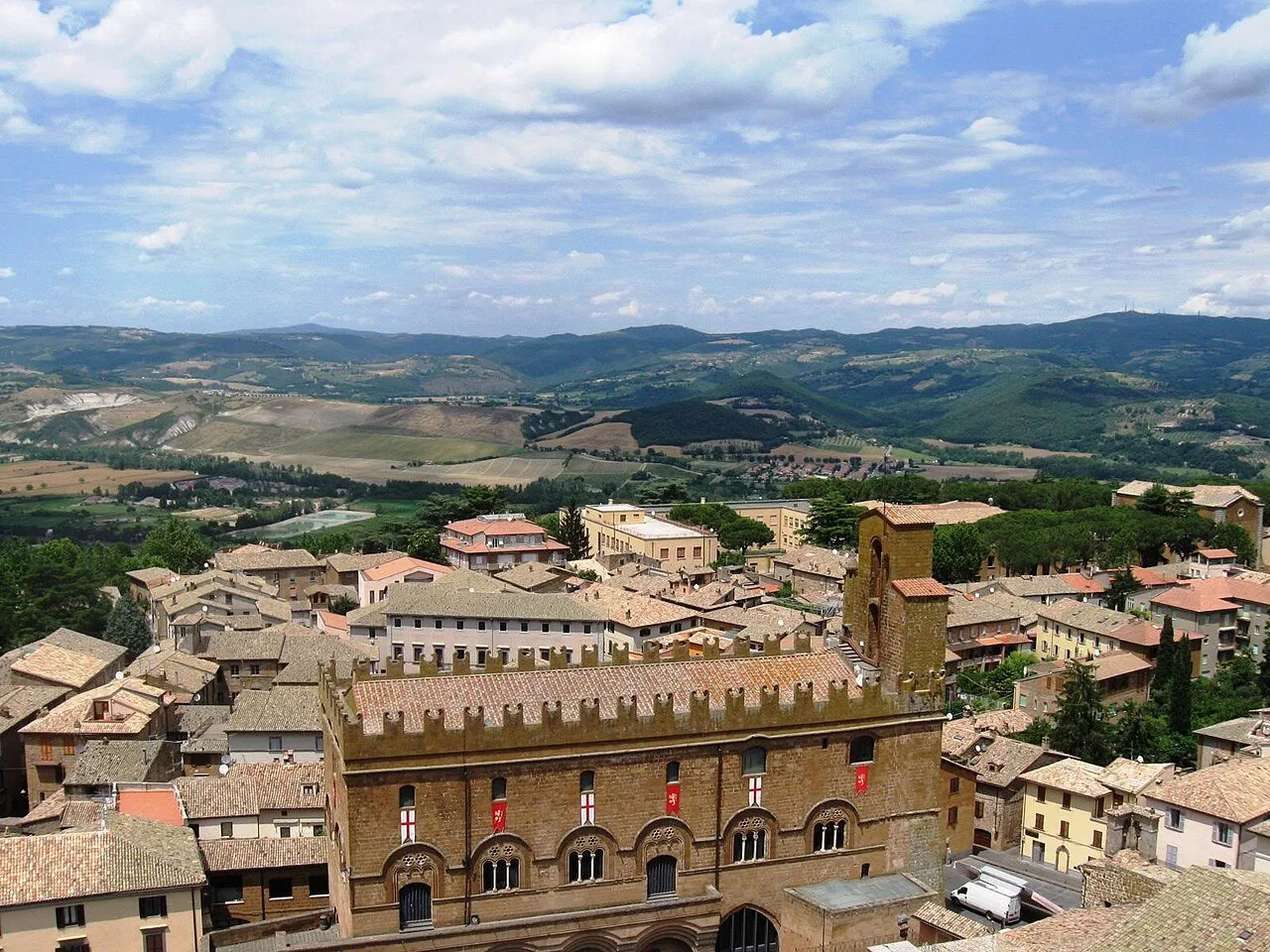
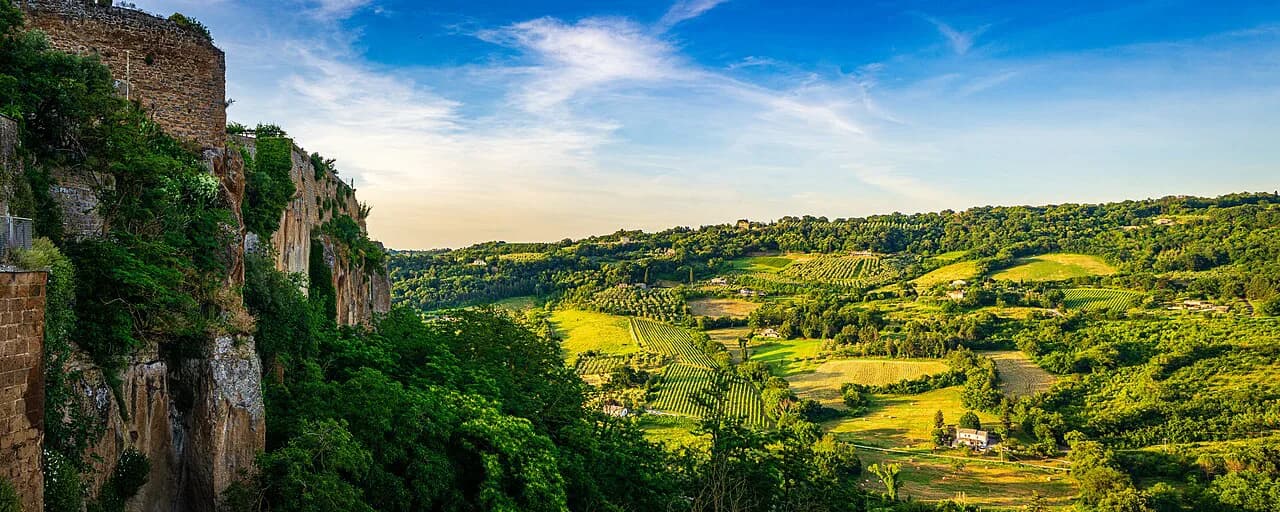
Orvieto is one of the few Italian wine towns where the appellation surrounds the city rather than sitting an hour away from it. The historic center perches on a vertical tufo cliff, and most estate visits put you looking back up at the Duomo from the vines. That geography is what makes a wine day here realistic even on a short Umbria stop.
The wine itself is a white-wine denomination with a long history and a recent quality push from small estate growers. Before you choose where to taste, it helps to understand the rules on the label, because Orvieto DOC covers a wider spread of styles than most visitors expect.
This guide groups the estates by direction from town, explains which visits are appointment-only, and sets out the car-free route via train and funicular. It also covers what to ask when you write to a winery, since published tour schedules vary more than the wines do.
Why Orvieto Works as a Wine-Day Base
The town sits in southern Umbria, southwest of Florence and north of Rome, and the rail line serves both, which turns Orvieto into an easy add-on to a city itinerary rather than a dedicated road trip. From the station below town, a funicular climbs the rock face to the centro storico. That arrival route matters: you can land in the morning, taste in the afternoon and be back on a train the same evening.
Because the vineyards ring the city on all sides, the practical question is not which winery is best but which direction you want to commit to. A vehicle or a booked transfer covers more ground; the funicular-and-taxi combination keeps you in one or two estates. Choose the second option if you are arriving by train and have a single day.
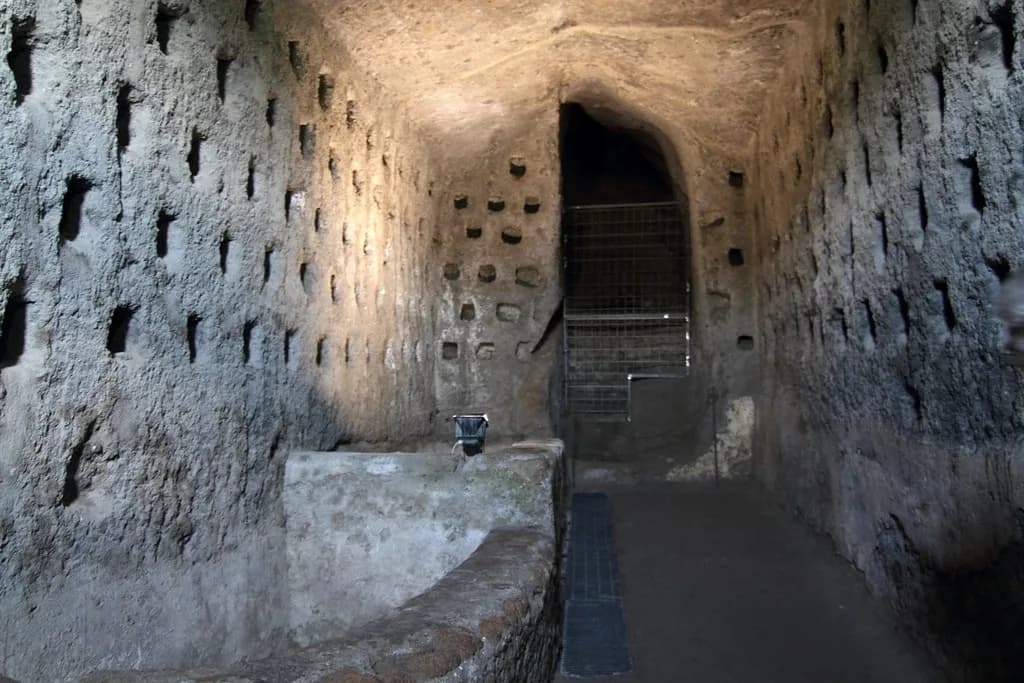
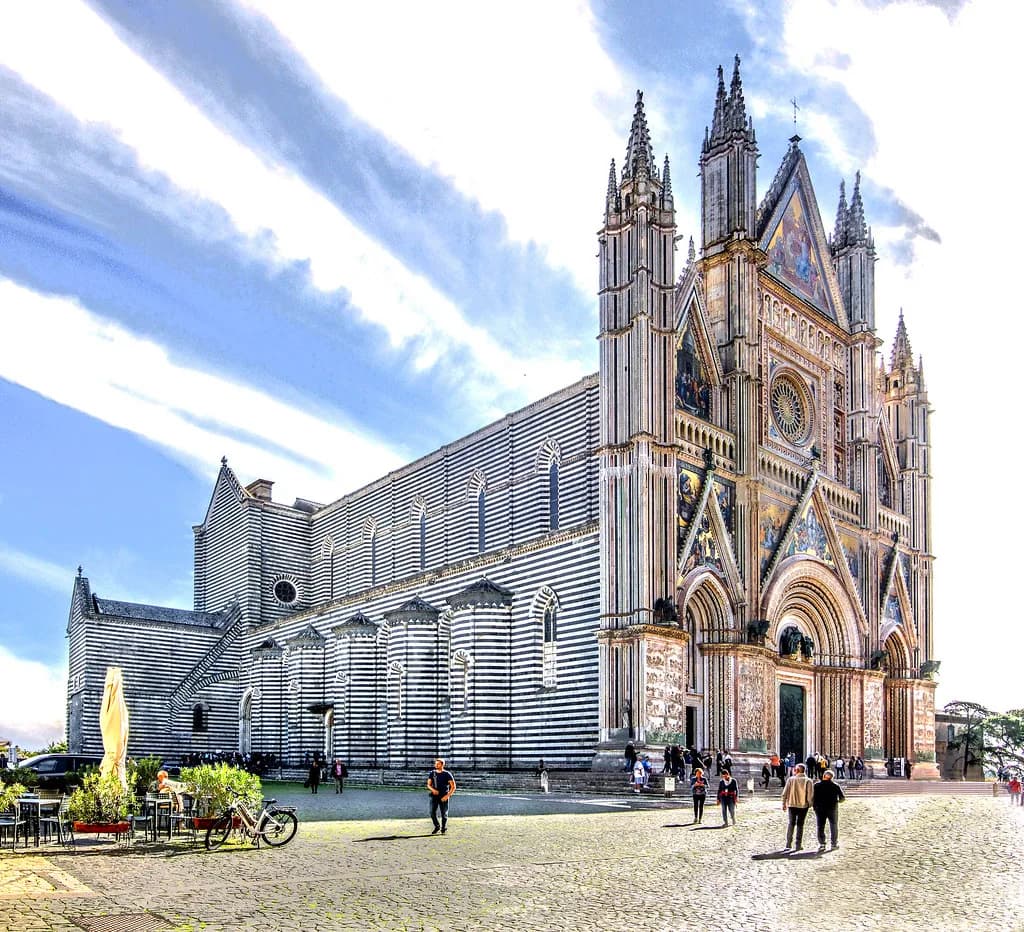
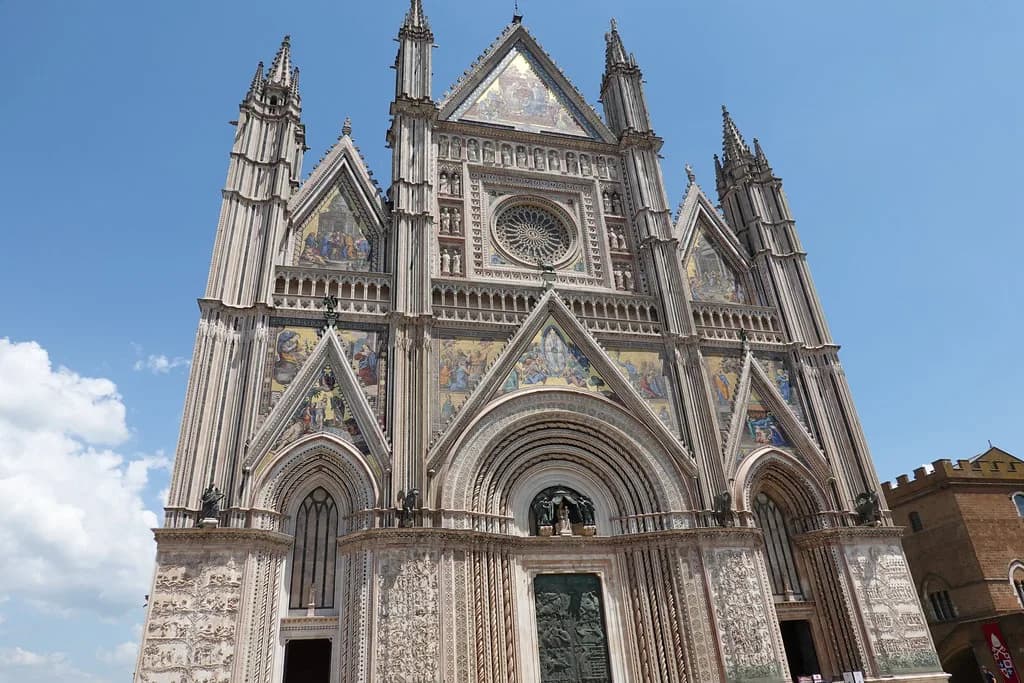
Orvieto also rewards a non-wine hour or two. The Duomo facade and the Pozzo di San Patrizio are both in the center, and the underground tufo caves that once held fermentation vessels are part of the same geology you will hear about in a cellar. Building a cave visit into the day gives you context for why this zone's white wines developed the way they did.
The Wines in Brief: Reading an Orvieto Label
Orvieto DOC has been a white-wine-only denomination since 1971 and spans both Umbria and a slice of Lazio. The disciplinare requires at least 60 percent Grechetto and/or Procanico, with the remaining share open to other local and international varieties. That liberal blend rule is why two bottles from neighboring estates can taste quite different.
Grechetto is the aromatic backbone, and Procanico is a local biotype of Trebbiano Toscano prized for acidity and resistance to rot. Sweetness ranges from secco through abboccato and amabile to dolce, so abboccato wines with a touch of residual sugar are a normal part of the range rather than an anomaly. Late-harvest and botrytis styles also exist, encouraged by humidity from the surrounding lakes and rivers.
Two words on the label narrow things down. Classico means the wine comes from the historic zone and excludes the Lazio portion, while Superiore requires extended aging of at least five months and a minimum 12 percent alcohol. If you want the estate-grown version rather than a bulk bottling, look for imbottigliato all'origine, which indicates the producer grew, vinified and bottled the wine on site.
Grouping Estates by Direction from the Cliff
Rather than collecting names, build the day around one compass point. The eastern side of the denomination runs toward Lago di Corbara, where humidity from the water shapes both late-harvest potential and the feel of the landscape. The western and southern approaches give you the fossil-strewn seabed soils that producers like to talk about in the vineyard.
Two estates on one route is a comfortable half day; three is possible only if you have your own transport and confirmed times. Distances on the map are short but the roads wind, so a twenty-minute drive can easily become thirty-five. Give the booking contact your intended arrival time and ask for a realistic estimate of the transfer between estates.
The Consorzio Vino Orvieto has mapped four distinct soil types across the zone—clay, sandy clay, alluvial and volcanic. Producers reference these soils constantly, but because blends vary so widely, the vineyard explanation rarely translates into an obvious taste difference in the glass. Treat soil talk as a reason to visit a specific slope, not as a guarantee of style.
Decugnano dei Barbi: Appointment-Only Visits Every Day
Decugnano dei Barbi, in Località Fossatello outside Orvieto, is the clearest case in the zone of an estate that runs organized hospitality. Its own site states that tours are personalized and available by appointment only, every day of the week, and it publishes a booking form plus a phone number and email address for inquiries. That combination of seven-day availability and appointment-only booking is worth planning around rather than testing on arrival.
The offer extends beyond a standard tasting. The estate also runs an Umbrian cooking class and lets Villa Barbi, its on-site residence, to guests for stays of at least four nights with a maximum of ten people. A deconsecrated medieval church on the property, Santa Maria di Decugnano, hosts weddings and private events for up to 120 people. None of these extras are necessary for a wine visit, but they explain why dates fill.
The estate's wines give you a reason to ask specific questions when booking. Its Orvieto Classico Superiore is a blend built on Grechetto with Procanico, Vermentino and Chardonnay, and the property also makes a botrytis sweet wine and a metodo classico sparkling aged in its Etruscan caves. Ask which of these are poured on the day and whether the cave is part of the walk-through, because that determines whether you are indoors or out.
Tenuta di Salviano and Palazzone: Eastern and Riverside Estates
Tenuta di Salviano, whose Castello di Titignano bottling comes from the far eastern edge of the denomination near Lago di Corbara, is owned by the Incisa della Rocchetta family of Sassicaia fame. Its Orvieto Classico Superiore is built largely on Procanico. The estate is confirmed as a producer of bottled Classico Superiore; whether it receives individual visitors on a given week is a question for its own office, not something to assume from a wine label.
Palazzone sits near the volcanic outcrop of Rocca Ripensa and close to the Paglia River, and makes its dry wines from native varieties including Procanico, Grechetto, Malvasia and Verdello. For a traveler, the appeal of visiting an estate you may already know from a bottle is seeing the slope and the cellar behind it. Confirm directly whether a visit is possible and in what format before you build a route around it.
On the practical side, these eastern estates sit in the same general arc as the lake, which makes them a natural pairing with a Corbara-side afternoon. If you are relying on taxis, book the return leg when you arrive rather than hoping to hail something on a country road. A driver who waits is often the simplest arrangement for a two-estate day.
Tasting Inside Town: Enoteche and the Tufo Caves
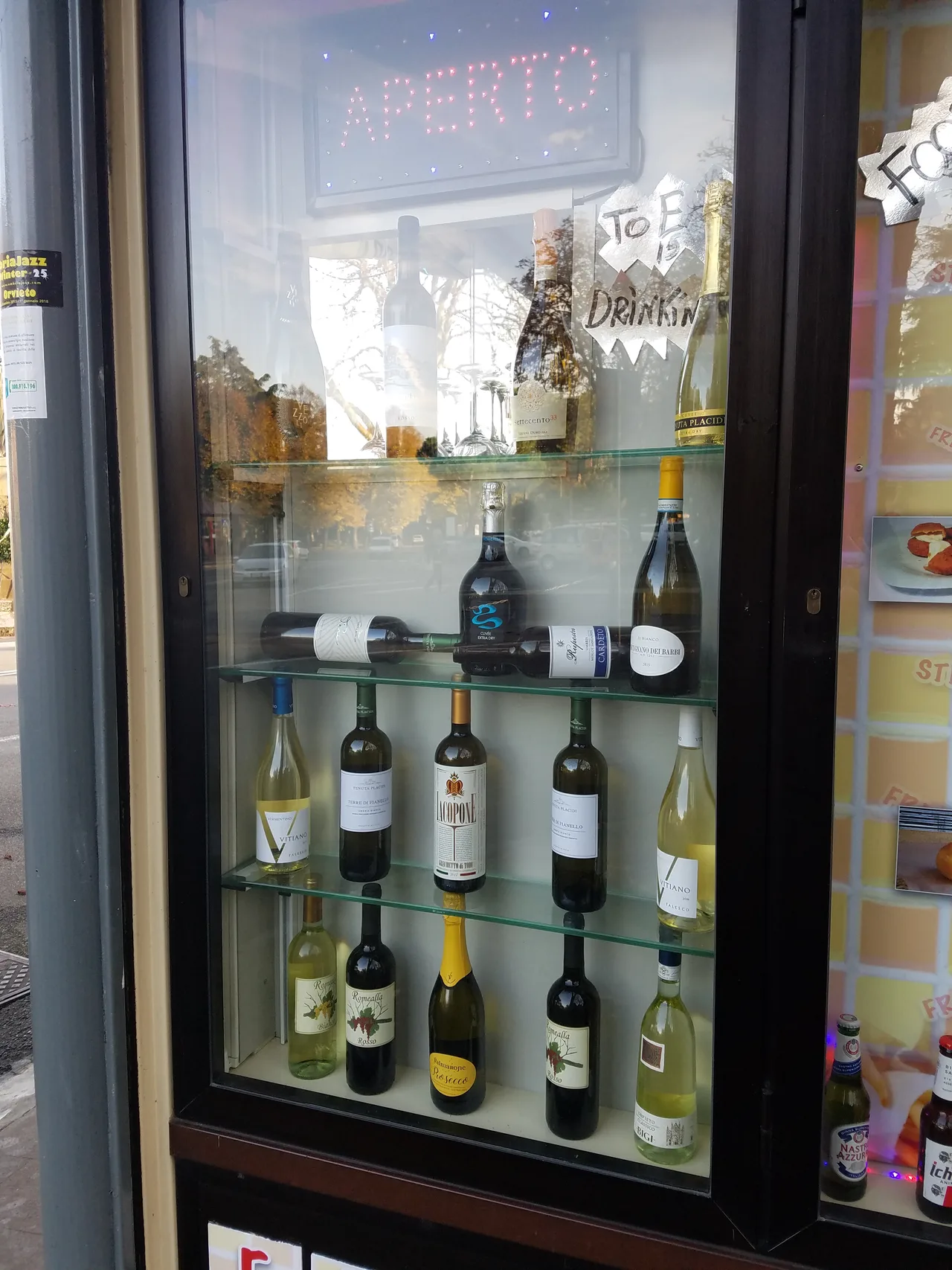
Not every wine day needs a car. Orvieto has wineries, farms and organic producers in and around town that offer tastings and vineyard visits, which means you can sample the appellation without leaving the center. This is the better call in poor weather, on a Sunday, or when you have only a couple of hours between trains.
The caves under the city are the other draw. Wine was once made and stored in the cool tufo hollows beneath the streets, and the same geology explains the stuck fermentations that historically pushed Orvieto toward off-dry styles. A guided underground walk pairs naturally with a town tasting, and it works when a country estate has no availability.
An in-town tasting also solves the driving question entirely. Everything in the centro storico is walkable, the funicular handles the cliff, and you can end the evening without worrying about a rural road in the dark. Reserve the country estate for a day when you have transport and confirmed times.
How to Book: What to Write and What to Ask
Appointment culture is the norm at Orvieto estates, and email is usually the most reliable first contact because it leaves a written record of times and party size. State your date, the number of people, whether you want a cellar tour or tasting only, and whether anyone in the group needs a food pairing or has dietary restrictions. A short, specific message gets a faster answer than a general inquiry.
Ask four things before you commit: the total duration of the visit, how many wines are poured, whether the vineyard walk is included, and the fee per person. Rather than treating any figure you see online as a fixed rate, confirm it with the estate. If a fee is deducted from a wine purchase, ask that too.
Harvest changes everything. In the weeks around picking, estate teams are in the vineyard and the cellar, and hospitality slots shrink or move at short notice. If your dates are flexible, ask when the quieter windows fall; if they are not, book earlier than you would for a spring visit and confirm the week before you travel. A single confirmation email close to the date settles most of this.
Appointment Versus Walk-In
Assume appointment-only unless you have been told otherwise. Decugnano dei Barbi states the policy plainly on its own site, and estates of that type organize staff and pours around bookings rather than a drop-in counter. Turning up unannounced risks a gate and a wasted taxi fare, particularly outside the main season.
Walk-in tasting is realistic mainly in town, at enoteche and shops set up for small flights, and occasionally at larger estates with dedicated hospitality space. Season shifts the answer: a quiet February may accommodate a same-day request that August cannot. Rather than guessing, send a message the morning you plan to go and keep a town option as backup.
Group size is the usual sticking point. Small parties slot into existing tours; larger ones often need a private arrangement and more lead time. If you are traveling as a group of six or more, open the conversation weeks ahead and ask explicitly whether a private visit is required.
Getting There Without a Car
Trains from Rome and Florence serve Orvieto, and the station sits below the town rather than in it. The funicular connects the station area to the centro storico, which is how most day-trippers arrive. From the center, taxis cover the country estates, though supply is limited and a pre-booked return is far more dependable than finding one in a vineyard at dusk.
Bicycles suit the fit and the brave: the terrain rolls, the roads are narrow, and the climb back up to town is real. You also face the same tasting limit as any driver, since a bike is no place for even one glass on a winding road. For most visitors, a taxi or a guided van is the sane combination.
Wine tours in the area typically handle the driving and the booking, and they often bundle two estates with a stop for food. The trade-off is fixed timing and less choice about which estate you see. If a specific producer is the reason for your trip, book it yourself and arrange transport around that slot instead.
Independent Day Versus Guided Tour
Going independent gives you control over pace, which estate, and how long you linger in a cellar. It also puts the logistics on you: taxis, timing between stops, and the sober-driver question. With two people, the cost of a private transfer can be roughly comparable to two seats on an organized tour, so compare before defaulting to either.
A guided tour wins on convenience and on tasting volume. Someone else drives, the estates are pre-arranged, and you can taste without counting glasses. The cost is flexibility: group vans run to a schedule and may include a producer you would not have chosen. Check the itinerary before booking rather than after.
Whoever drives should not taste—use the spittoons, appoint a designated driver, or take a tour or public transport so everyone at the table can relax. This is the one planning point worth settling before you leave the hotel, because rural Orvieto offers no easy alternative once you are out among the vines.
What a Visit Typically Includes
Most estate visits follow a recognizable shape: a walk through the vines or the cellar, an explanation of the blend, then a seated tasting of the current range. Where the property has historic caves, as Decugnano dei Barbi does with its Etruscan cellars, the underground portion becomes the centerpiece. Ask whether your visit is indoor, outdoor or both, since that decides your footwear and your timing.
Tasting fees in the zone are quoted by the estate and often depend on the number of wines and whether food is served. Some properties credit part of the fee against a purchase, others do not. Since no standard published rate applies across Orvieto, ask for the per-person figure and what it covers in your first email.
Food pairings range from bread and oil to a fuller Umbrian lunch, and cooking classes exist at some estates. If you want a meal, say so at booking rather than at the table, because kitchens plan ahead. A morning tasting plus a long lunch is a better rhythm than squeezing three estates into the same hours.
Fitting Orvieto into a Bigger Umbria or Rome Trip
Orvieto's position on the Rome–Florence line makes it a natural stopover rather than a detour. A night in town lets you taste in the afternoon, eat a long dinner, and take a morning train onward without rushing the cellar. Day-trippers from Rome can manage a single estate if they book ahead and keep the itinerary tight.
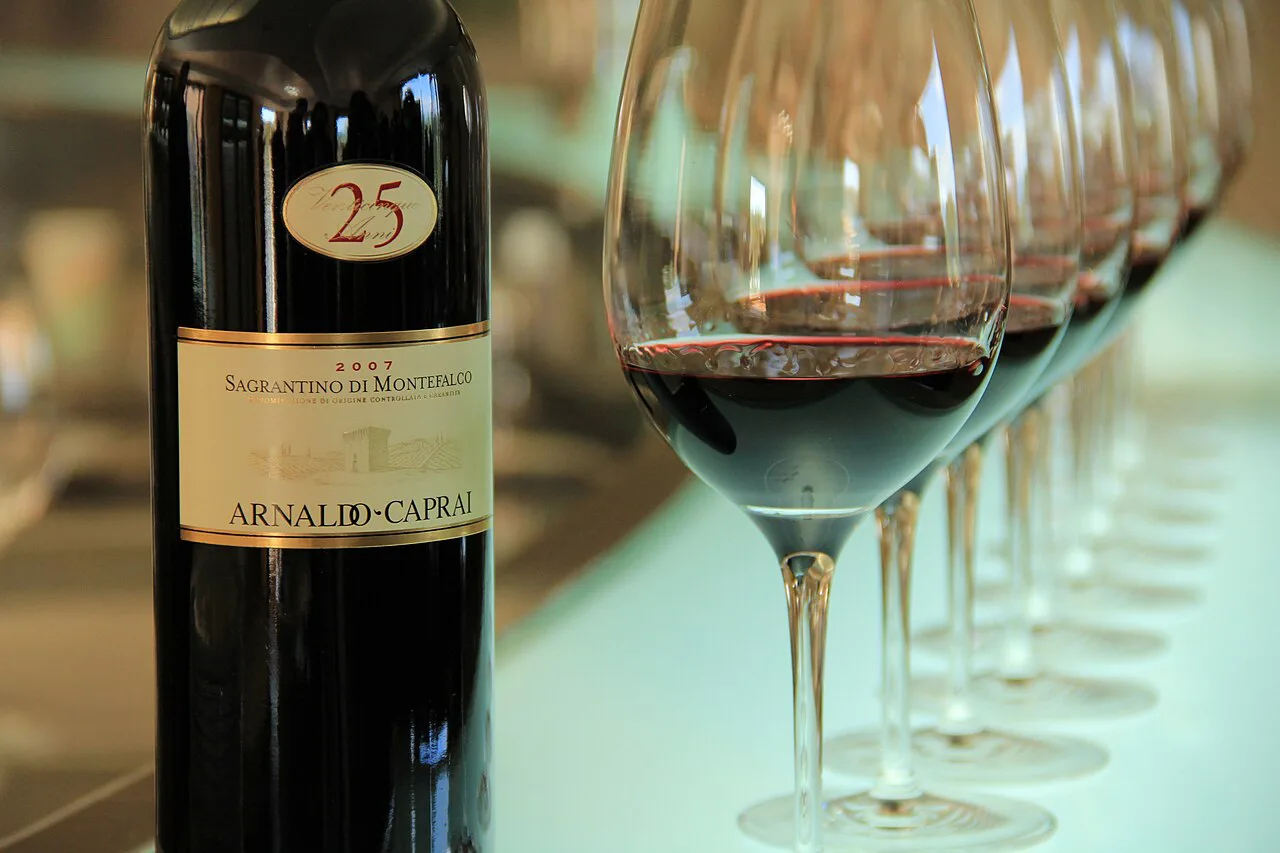
Within Umbria, Orvieto is the white-wine counterweight to the red zones further north and east. Pairing it with a Montefalco or Torgiano leg gives you both sides of the region, but plan the driving carefully if you are linking several towns in one trip. Two bases with two tastings each beats four towns in three days.
If your broader trip touches other Italian wine cities, the same appointment-first logic applies elsewhere, from the hills above Bologna to the terraces of the Amalfi Coast. In both cases, the tasting is only as good as the booking, whether you are planning wine tasting in bologna or further south. Building a consistent booking habit—written confirmation, party size stated, fee requested—saves time wherever you go.
Timing: Harvest, Seasons and Quiet Months
Harvest in the Orvieto zone falls in the late-summer to early-autumn window, when estate attention shifts from hospitality to the vineyard and cellar. Visiting then can be the most interesting time to see a working winery, but availability tightens and spontaneity is unrealistic. Spring and early summer generally offer easier scheduling and greener vineyard views.
Winter visits are possible but quieter, and some estates run reduced hospitality outside the main season. Because closures are not published centrally, check directly with the winery about the dates you have in mind rather than assuming a property is open. A short email settles it faster than a search.
Plan Your Orvieto Wine Day
Start with the label, then the map: decide whether you want a Classico estate visit or an in-town tasting, pick a direction from the cliff, and confirm the appointment before you build anything else around it. One well-booked estate plus a cave visit beats three rushed stops.
Arrive by train and funicular if you can, book a return taxi or a tour if you are heading into the vines, and settle the driving question before the first glass. Confirm the final details with your chosen estate in the week before you travel, and the rest of the day looks after itself.
More wine guides from Orvieto
- Montefalco Sagrantino Wineries
- Orvieto Underground
- Orvieto Wineries
- Castello della Sala
- Decugnano dei Barbi
- Orvieto Classico
- Umbria Wine Tours from Orvieto
- Visiting Arnaldo Caprai in Montefalco
- Agriturismo Near Orvieto
- Orvieto Wine Tours
- Palazzone Winery in Orvieto
- Tabarrini Winery
- Tenuta Le Velette
Frequently Asked Questions
Do you need to book Orvieto winery visits in advance?
Yes, for country estates. Decugnano dei Barbi states that its tours are by appointment only, available every day of the week, so a same-day arrival is a gamble. In-town enoteche are more flexible and can often seat a small group without notice, which makes them a useful backup if your first choice is full.
Can you do wine tasting in Orvieto without a car?
Yes. Trains from Rome and Florence stop at Orvieto, and a funicular connects the station area to the historic center. From town, taxis reach the surrounding estates, though supply is limited and a pre-booked return is far more reliable than finding a cab at a vineyard. Guided tours that include transport are the other car-free route.
What is the difference between Orvieto and Orvieto Classico?
Orvieto DOC covers a zone that spans southern Umbria and a small part of Lazio. Classico restricts the wine to the historic area and excludes the Lazio portion, so a Classico bottle comes from the core of the appellation around the town. Superiore is a separate term and refers to aging requirements and minimum alcohol rather than location.
What grapes go into Orvieto wine?
The rules require at least 60 percent Grechetto and/or Procanico, with the remaining share open to other local and international varieties. Grechetto brings citrus and sapidity, while Procanico, a local Trebbiano Toscano biotype, adds acidity and resistance to rot. The broad blend allowance is why styles vary so much between estates.
How much does a tasting cost in Orvieto?
Fees are set by each estate and usually depend on the number of wines poured and whether food is included. No standard published rate applies across the zone, so request the per-person figure and what it covers when you book, and ask whether any of it is credited against a wine purchase.
When is harvest in the Orvieto wine zone?
Picking generally falls in the late-summer to early-autumn window, when estate teams are busy in the vineyard and cellar. Hospitality slots can tighten or shift at short notice during that period. If your dates are fixed, book earlier than you would for a spring visit and reconfirm shortly before you travel.
Which Orvieto estates receive visitors?
Decugnano dei Barbi publishes tours by appointment every day of the week, along with a cooking class and on-site villa stays. Tenuta di Salviano and Palazzone are confirmed producers of Orvieto Classico Superiore, but public visit arrangements are not published, so contact them directly. Several wineries and farms around town also offer tastings.
How long should a tasting visit take?
Most estate visits combine a walk through the vines or cellar with a seated tasting, and the total depends on how many wines are poured and whether food is served. Ask the estate for the expected duration when you book, then leave a buffer for the drive between stops. Two estates is a comfortable half day.
Sources
Notes for your next wine trip
Optional updates to our winery and wine-town guides.
You might also like
Continue reading
More guides you'll find useful