Umbria Wine Tour from Orvieto: Plan Montefalco & Torgiano
Plan an Umbria wine tour from Orvieto: Orvieto Classico cellars, Montefalco Sagrantino, Torgiano and Lake Trasimeno, with booking styles and transport.
On this page
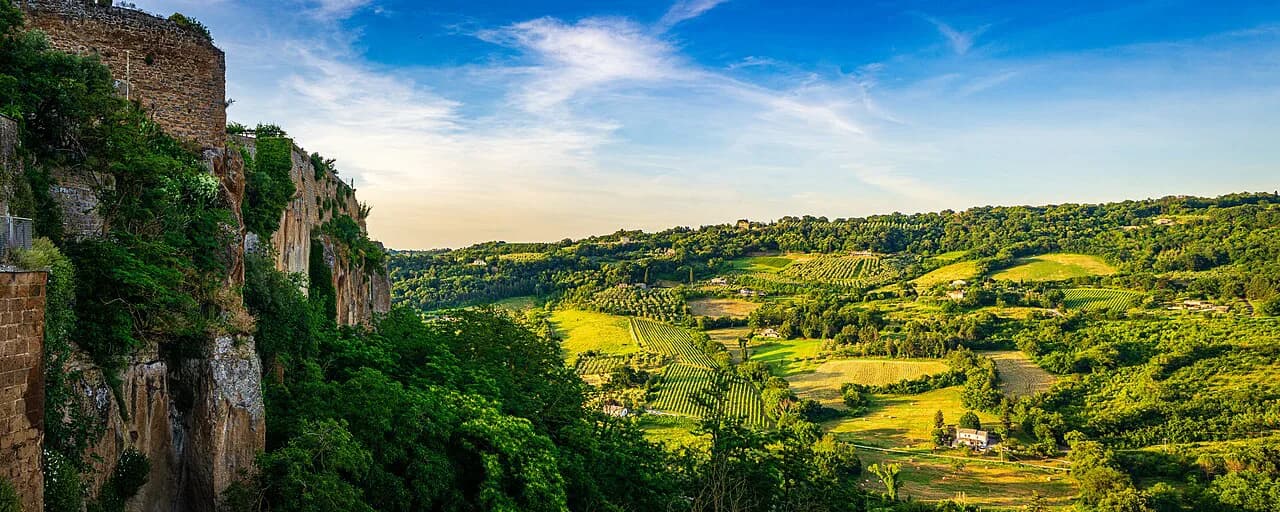
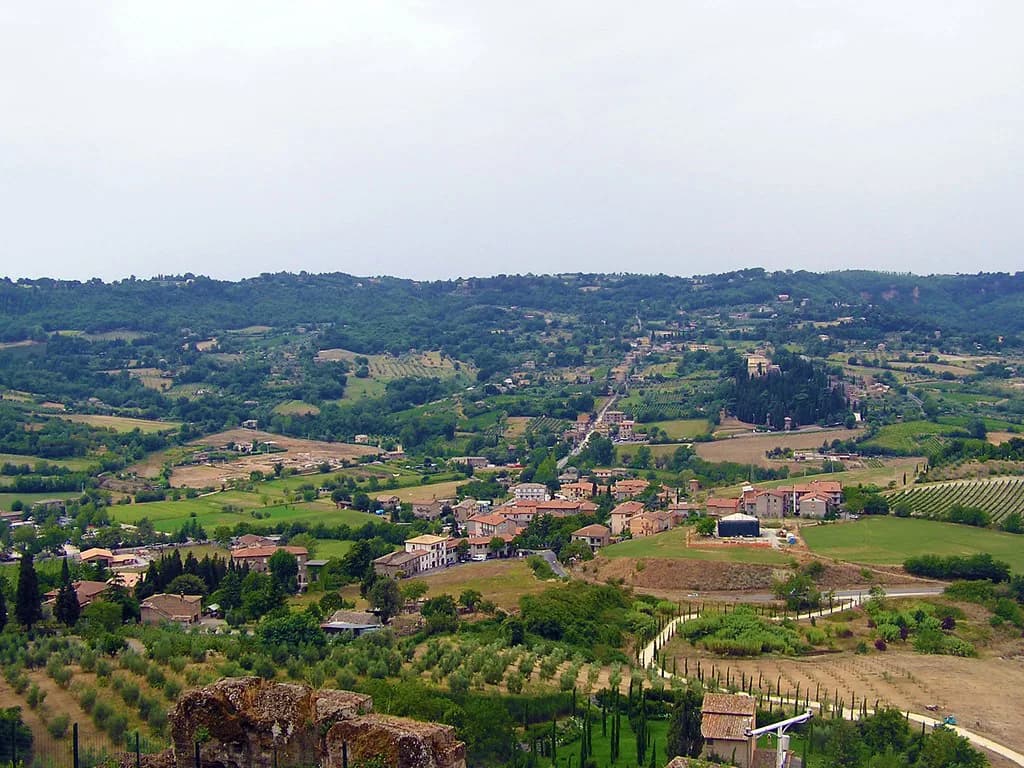
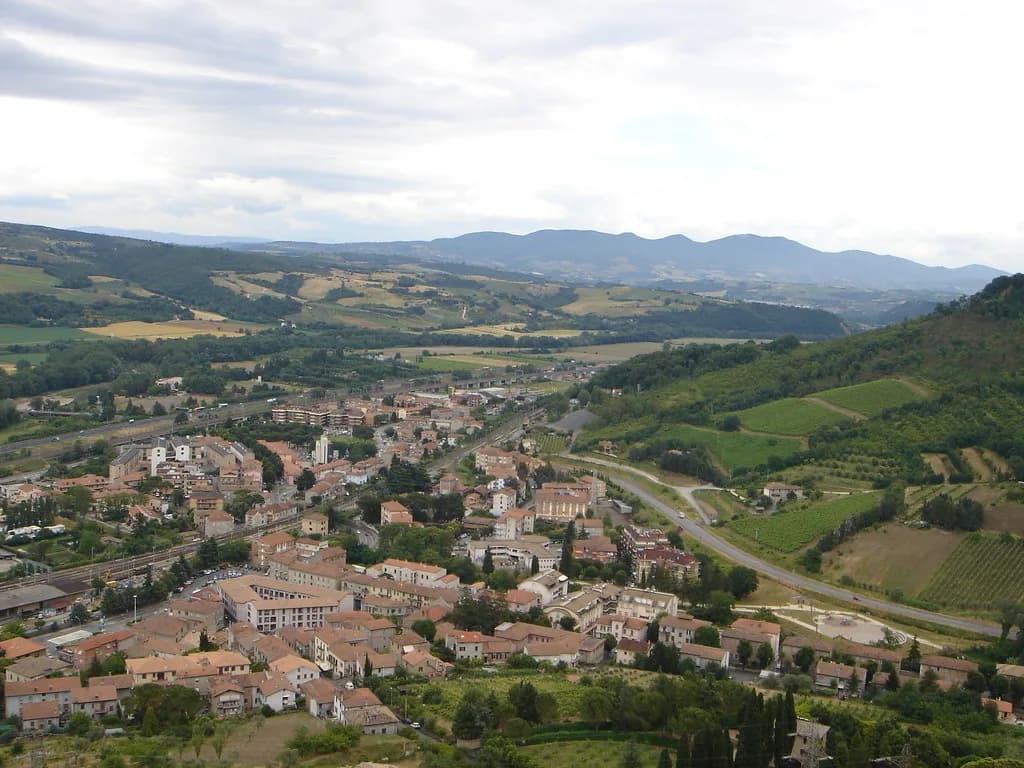
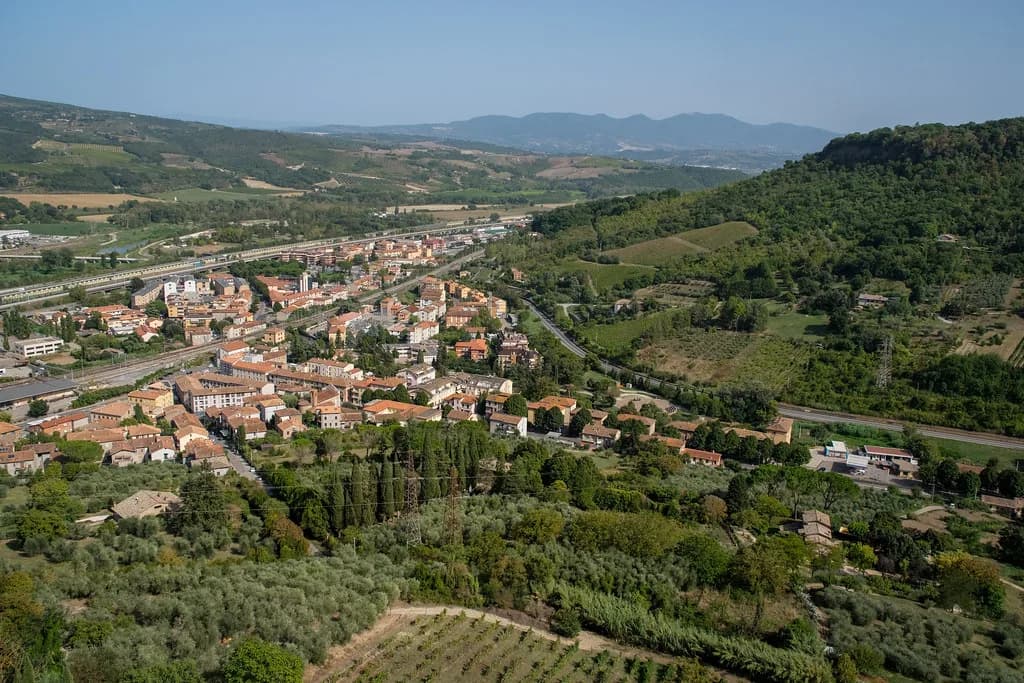
Umbria runs down the middle of Italy, southeast of Tuscany and north of Rome, and its wine country splits into a western white-wine zone around Orvieto and a central red zone around Montefalco, with Torgiano and Lake Trasimeno filling the ground between. Based in Orvieto, you can walk to cellar caves in town one afternoon and reach the Sagrantino hills on another day, but not both comfortably in the same few hours. This guide organizes the wineries that receive visitors by cluster, so you can decide what fits before you start emailing estates.
The formats below come from published sources and are tied to what each one actually describes: a simple tasting, a guided cellar tour, or a tasting with lunch. Formats vary enormously within a single village, so compare like with like; one estate's entry format need not apply to its neighbor. Where no visitor detail is published, the guide says so and explains what to ask instead of guessing.
Why Orvieto Works as an Umbria Wine-Tour Base
Orvieto sits on a volcanic tuff plateau in western Umbria, roughly halfway between Florence and Rome, and it has been a winemaking center since Etruscan times, later consolidated by Renaissance popes. That history left the town with naturally cool caves cut into the rock beneath the streets, which producers still use as ageing cellars. Staying here puts you inside a wine district rather than a day trip away from one.
The catch is geography. Montefalco, the center of Umbria's most famous red, lies in the hills well east of Orvieto, and Torgiano and Lake Trasimeno sit further north toward Perugia. Treat Orvieto as a base for its own white wines plus one day trip into the center, not as a hub for touring the whole region in a morning. Grouping by direction is the single biggest planning decision you will make.
If your trip is centered entirely on the town's white wines and underground cellars, a dedicated guide to wine tasting in Orvieto covers the town itself in more depth than this regional overview can. Use it for the in-town day and come back here for routing to Montefalco, Torgiano and the lake.
The Wines in Brief: What You Are Tasting Across Umbria
Orvieto Classico is a white blend built largely on Procanico and Grechetto, and producers here also make traditional-method sparkling wines from local varieties such as Verdello and Grechetto. Decanter notes that some Orvieto whites age in Etruscan caves and show notable longevity, which is worth knowing before you skip a vertical tasting as repetitive.
Montefalco is Sagrantino country. The grape gives famously tannic reds, and Montefalco Sagrantino DOCG sits alongside Montefalco Rosso DOC, a Sangiovese-led blend. Modern producers are pushing Sagrantino toward leaner, more elegant styles than the old passito-only image suggests, so a flight across two or three estates tells you more than a single stop. If you are weighing this hillside zone against the white-wine south, the Siena wine guide covers a neighboring Tuscan comparison to the west.
Torgiano is Sangiovese territory, home to Torgiano Rosso Riserva DOCG, while Lake Trasimeno in the north grows Trasimeno Gamay, which is Grenache under a historically misleading local name. Also around Montefalco and Spoleto, Trebbiano Spoletino is surging in popularity and is thought not to be related to other grapes carrying the Trebbiano name, so do not assume it tastes like Trebbiano d'Abruzzo.
One more trap for label-readers: Orvieto's Grechetto comes in at least two distinct biotypes, and producers choose between them for different purposes, with a more aromatic one used for sparkling wines and a more structured one in the DOC blend. If a tasting sheet mentions Grechetto G5 or G109, that difference is what it refers to.
Orvieto Town and the Cellar Caves: Which Producers Receive Visitors
Cantine Neri occupies a medieval Templars' residence with views across to Orvieto, and the estate began producing its own wine in 2006 after years of selling grapes. Tours include the Etruscan caves where wines are aged and older vintages stored, and the estate offers blind tastings, vertical tastings, blending experiences and pairings with its own charcuterie. Tours start from 28 euros per person. Palazzone sits about 5km from Orvieto with views back to the city on its rock, and it runs a vertical tasting of four vintages of its Campo del Guardiano Orvieto Classico Superiore with tour and lunch for 120 euros per person. Simpler options exist at the same estate: a straight winery tour and tasting, lunch with the winemaker, barrel tasting or truffle hunting. The property also runs a locanda in a restored medieval pilgrims' hostel, which makes it a rare Orvieto-area estate where you can taste and stay without driving afterward.
Madonna del Latte grows five hectares of vines and hundreds of olive trees on volcanic soil around a restored farmhouse, with the winery built into the hill and a naturally cool Etruscan cave serving as barrel room. Its wines lean on international varieties such as Syrah, Cabernet Franc and Viognier rather than the local white blend, with a terrace garden looking across to Orvieto. That makes it a useful contrast stop if you want to see how the same soils perform with French grapes.
Castello della Sala, the Antinori family's only Umbrian estate, farms about 170 hectares on the hills of Monte Nibbio and ages wines in cellars within a medieval fortress, focusing on whites including Orvieto DOC alongside Chardonnay, Sauvignon Blanc and Riesling. Also in the wider Orvieto countryside, Castello di Montegiove has been home to the Misciattelli family for around 250 years and produces an Orvieto Classico white plus a Sangiovese-based rosato. Neither estate publishes its visitor rules in these sources, so establish tour availability and format when you make contact.
For the caves themselves rather than the wines, Orvieto's underground spaces have their own visitor infrastructure, and a look at what lies beneath the streets helps you understand why producers here age wine in rock-cut cellars at stable temperatures. Pair a cave visit with a cellar tour at one of the estates above for the fuller picture.
Montefalco and Bevagna: Walk-Ins, Booked Tours and the Sagrantino Route
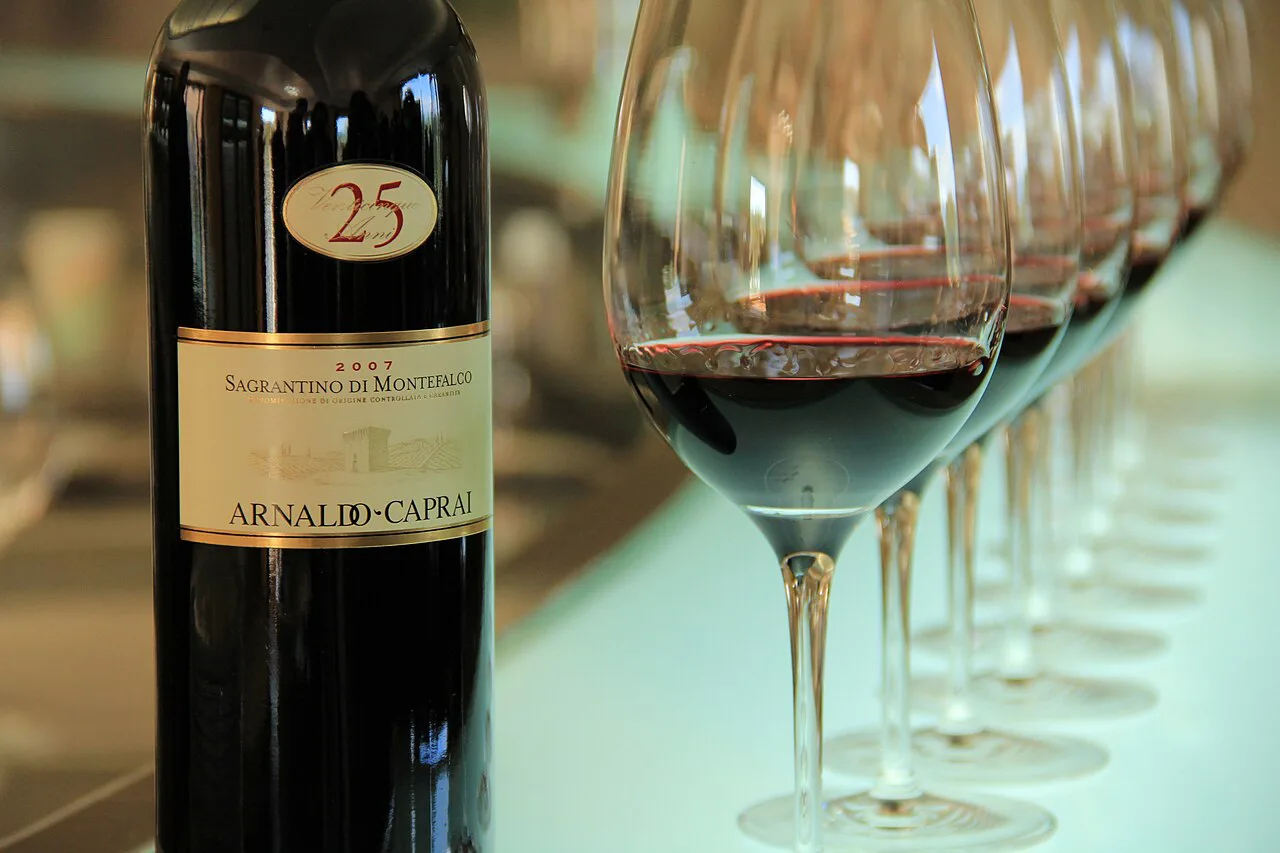
Arnaldo Caprai is the estate most associated with bringing dry Sagrantino to wider attention, and it is also the most flexible for spontaneous visitors: walk-ins are welcome for simple tastings, while tours should be booked and run from 65 to 200 euros per person depending on format. The vineyard terrace under an old oak tree is a short stroll from the winery. Because the range is so wide, confirm which tier you are booking before you arrive. At Tabarrini, guided cellar tours are bookable from 25 euros per person, or 20 euros when combined with a tasting, and the new building includes a pop-in bar and roof terrace alongside the cellar visits. The estate's research with the University of Florence helped drive the revival of Trebbiano Spoletino, so this is a good stop if you want the white as well as the red. It remains a family operation rather than a large visitor center.
Tenuta Bellafonte near Bevagna was bought in 2008 with the explicit aim of making a more elegant Sagrantino, and its Sagrantino vines face east rather than the usual south, which affects how the tannins develop. The rebuilt stone farmhouse on the estate is available to rent. Bevagna itself is a compact medieval town worth an hour before or after a tasting, and it sits close enough to Montefalco that the two work as one loop.
The Strada del Sagrantino wine route, initiated by Marco Caprai, ties the Montefalco zone together and is the most useful organizing framework if you plan more than one estate in a day. Use it to cluster stops rather than crisscrossing the basin. For a fuller list of estates in the zone, the Montefalco Sagrantino winery guide covers the options.
Goretti, a family winery that has passed viticulture through four generations, makes Montefalco Sagrantino DOCG and Montefalco Rosso DOC and offers tastings in its historic cellar. It also runs helicopter tours over the estate, which is a distinctly different proposition from a cellar visit. Antonelli San Marco, in the heart of the Montefalco area since 1881 on an estate dating to the 13th century, farms 199 hectares and hosts cellar tastings of its organically farmed wines. Neither source sets out walk-in versus appointment policy, so ask when you book.
West of Montefalco, Roccafiore near Todi combines wines with a restaurant, spa and vineyard accommodation, and Le Thadee near Montefalco farms very old Trebbiano Spoletino vines trained up field maples and has opened its Liberty-style villa for tastings. These are slower, stay-a-night options rather than quick stops, and Le Thadee's villa opening was announced for spring-summer of a past season, so check the current visiting arrangements with Le Thadee directly.
Torgiano: Lungarotti's Wines, the MUVIT Museum and the Osteria
Lungarotti put Umbria on the wine map and marks decades of its Vigna Monticchio Rubesco Riserva, a Sangiovese cru. Its range runs from the white blend Torre di Giano, made from Vermentino, Trebbiano and Grechetto, to Sagrantino from a Montefalco estate. The estate also works with regenerative agriculture practices, which is relevant if sustainability credentials matter to your choice of visit.
The Lungarotti Foundation's MUVIT wine museum holds more than 3,000 wine-related items and artworks, and the museum's Osteria serves Umbrian food with estate wines; the 7 euro ticket includes a glass of wine. That combination makes Torgiano the easiest place in Umbria to combine wine, food and culture in a single unhurried stop without booking a full tour.
Torgiano's vineyards are traditionally lit with bonfires on St George's Day, 23 April, which the town has marked with events such as a retrospective photo exhibition at the museum. If your trip lands in late April, this is a date worth building around. Otherwise, treat Torgiano as a half-day stop rather than a full day.
Lake Trasimeno and the North: Carini, Madrevite and Assisi-Side Stops
Carini sits just outside Perugia in a converted farmhouse with stables turned into tasting rooms, and its tastings of wines and produce, including sheep's cheeses and cured meats, are booked through the winery's website. The estate includes woodland where pigs feed on acorns and chestnuts, olive groves for single-cultivar oils and its own vineyards, plus walking routes across the property. Events include truffle hunts and cookery classes, though the wines remain the main focus.
Madrevite, run by Nicola Chiucchiurlotto since 2003, restored Trasimeno Gamay in the clay soils between Lake Trasimeno and Lake Chiusi and hosts summer sunset picnic events with a young, friendly vibe; details come through the winery's website. The wines include a pét-nat Trebbiano Spoletino, which is a good introduction to how far the local white can stretch. Book the picnics ahead, since they are event-based rather than daily.
On the Assisi side, SAIO sits about 800m from the town and its Basilica of St Francis, run by the Mencarelli family, with tastings on a veranda facing the vineyards and views toward Subasio mountain. It grows Sangiovese, Chardonnay and Grechetto and pours six labels. Because it is so close to Assisi, it pairs naturally with a morning in the basilica rather than a dedicated drive. SAIO's booking policy is not set out in the available sources.
A guided small-group format, available through operator listings, typically combines a vineyard and cellar walk with an olive grove visit and three wines paired with local delicacies. That structure suits travelers who want interpretation of what they are drinking rather than a self-directed flight. Check what the specific operator includes and where it departs before booking.
Building a One-Day Route from Orvieto
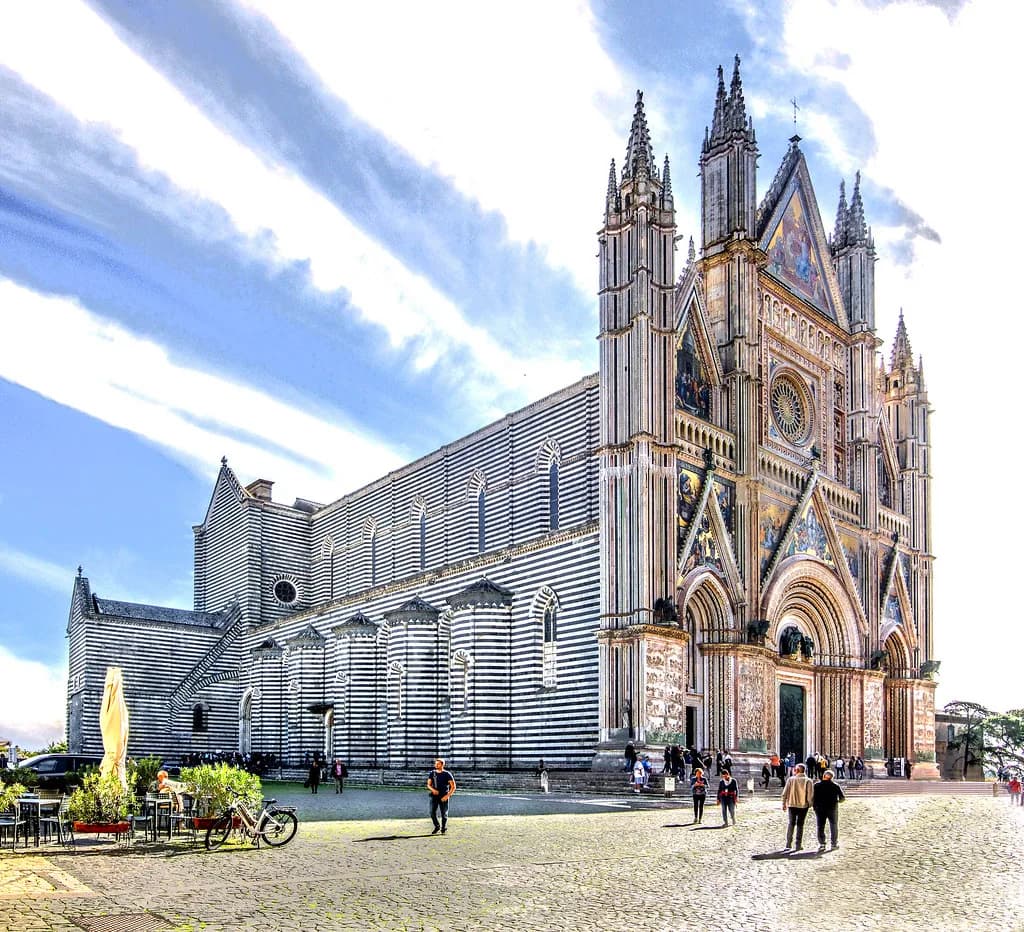
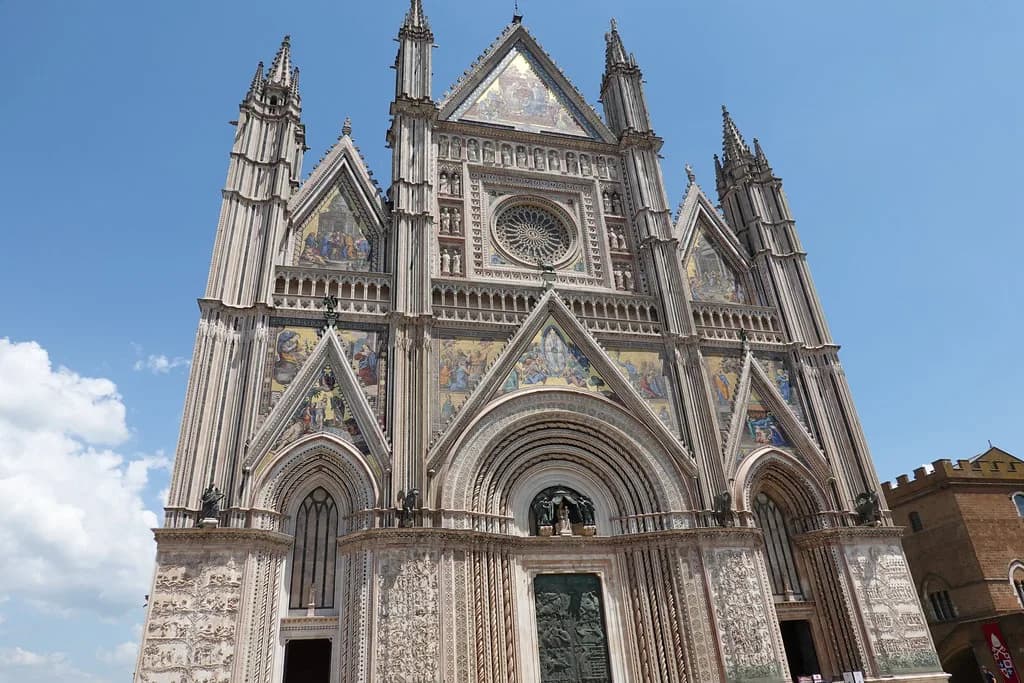
The realistic single-day pairing is Orvieto town in the morning and one Orvieto-area estate in the afternoon, with the cave tour at Cantine Neri or the vertical at Palazzone as the anchor. That keeps driving to a minimum and leaves time for the cathedral and a proper lunch. Trying to add Montefalco to the same day turns a relaxed tasting into a timetable.
If Sagrantino is the priority, give Montefalco and Bevagna the whole day: two estates with booked tours, lunch in Bevagna, and no Orvieto stop. Arnaldo Caprai plus Tabarrini works because both are in the Montefalco zone and both publish clear tour formats, one for walk-in tastings and one for cellar tours. Adding Torgiano or the lake to that day is not realistic.
Lake Trasimeno and Torgiano pair well with each other because both sit north of Orvieto toward Perugia, and Carini's 10km distance from Perugia makes it a natural lunch stop. Torgiano's museum and osteria then fill an afternoon without requiring another booking. Save this combination for a second day rather than folding it into the Sagrantino day.
Two- and Three-Day Shapes: Whites First, Sagrantino Second, Lake Third
With two days, do Orvieto whites and caves first while you are fresh and based in town, then dedicate the second day to Montefalco and Bevagna. This order matches the geography: you start where you sleep and move east once. It also means any wine you buy in Orvieto can be left at your accommodation rather than carried around the Sagrantino hills.
With three days, add a northern day combining Torgiano's MUVIT museum and osteria with Carini near Perugia, or with Madrevite if a sunset picnic is running. That day is lighter on cellar tours and heavier on food and landscape, which balances two days of structured tastings. It also gives you a buffer if one estate has to reschedule.
An alternative third day heads to Assisi for SAIO's veranda tasting plus the basilica, which suits travelers who want a town day with wine attached rather than another country drive. Whichever shape you choose, keep one sub-region per day; Umbria's hill roads make multi-zone itineraries slower than the map suggests.
Getting Around Without Driving: Trains, Buses, Taxis and Tours
Umbria's rail and bus network links the main towns, but the wineries themselves sit in the countryside, often several kilometers from a station. That means a train-plus-taxi day is workable for one estate if you arrange the return taxi in advance, and poor value for three stops. Torgiano, with its museum, osteria and village center, is the most forgiving stop for a traveler without a car.
Guided day tours solve the countryside problem and the driving problem at once, and published operator formats typically include vineyard and cellar walks plus a guided tasting with food pairings. The trade-off is fixed itineraries and group pacing, so you may not get the single estate you had circled. Independent travel gives you choice but requires booking taxis and tours yourself.
Whichever you choose, the driver in your group should not taste; use the spittoons, appoint a designated driver, or take public transport or a tour. Every serious tasting room provides spittoons, and using them is normal rather than rude. That one rule keeps the rest of the day simple.
When to Go: Harvest Timing and the Spring-to-Autumn Calendar
Most Umbrian wine events run from spring to autumn, which is also when the countryside looks its best. Decanter's calendar references the Trasimeno Rosé Festival in late April, Cantine Aperte winery open days in late May and Enologica Montefalco in September. Treat these as typical seasonal slots for your year, and check the current schedule with the organizers or the Consorzio before you book travel.
Harvest in Umbria generally falls in late summer into early autumn, and visiting during picking changes what you will see: active cellar work, more restricted access to some production areas, and busier teams. Late spring and early summer tend to give the calmest visits and the widest choice of appointment times. Neither season guarantees specific weather, so plan around events rather than forecasts.
Cantine Aperte open days are the single best-value window for travelers who want to sample several estates without arranging individual appointments, since participating wineries open their doors to the public on the same weekend. Enologica Montefalco serves a similar function for the Sagrantino zone in September. Check which estates are participating each year before you build a route.
Booking Checklist: What to Put in Your Email or Call
State your date, the number of people, whether you want a simple tasting or a tour with the cellar, and whether you need a food pairing or lunch. Ask for the total price per person and the expected duration, since a published range like Arnaldo Caprai's spread between simple and premium tours, or Tabarrini's two tour options, reflects very different formats. Mention any non-drinkers in the group early.
Ask whether the tasting is seated or standing, whether it includes the caves, and which language the tour runs in. For estates with restaurants or farmhouse stays, such as Palazzone's locanda or Roccafiore's restaurant and spa, ask whether lunch and rooms need separate reservations. These are the details that decide whether a stop takes one hour or four.
For estates that publish no visitor information, such as Castello della Sala, SAIO or Antonelli San Marco in the sources here, write directly and ask whether they receive visitors, on which days, and at what price. A clear answer beats an assumption. Confirm any detail that changes your schedule with the winery before you finalize the day.
Plan Your Visit
Orvieto is a strong base for a wine trip precisely because it is not central: you get a real wine town with caves under it, and you commit to one direction per day for the rest. Whites and caves first, Montefalco second, Torgiano and the lake third is the shape that works.
Choose the format that matches your day rather than hunting for the cheapest entry rate: a short cellar tour and a long tasting with lunch are different experiences, and both are legitimate. Keep the driver sober, use spittoons, and leave slack in the schedule for the fact that country roads in Umbria take longer than they look.
Frequently Asked Questions
Can you do an Umbria wine tour without a car from Orvieto?
Partly. Torgiano is the easiest wine stop without a car because the village, the MUVIT museum and its osteria sit together and can be reached by public transport from the region's main towns. For countryside estates around Montefalco and Lake Trasimeno, a train plus pre-arranged taxi works for a single stop, while a guided day tour is the practical option for two or three wineries in one day.
How far is Montefalco from Orvieto?
Montefalco lies in central Umbria, east of Orvieto, and is not a quick hop. Plan it as a full day rather than a half-day add-on, and group Montefalco with nearby Bevagna rather than trying to combine it with Orvieto town or Torgiano in the same outing.
Which Umbria wineries take walk-ins?
Arnaldo Caprai near Montefalco welcomes walk-ins for simple tastings, though tours should be booked in advance. Beyond that, walk-in policies are not published consistently, so ask directly before turning up, especially at smaller family estates and at castles such as Castello della Sala that operate primarily as production sites.
What does an Umbria wine tasting cost?
Rates depend entirely on format, so ask each estate for its current price list per person and what it includes. Cantine Neri, Tabarrini, Carini and Palazzone all publish different formats, from a cave tour to a vertical tasting with lunch, and Arnaldo Caprai prices several tour tiers. Request the figure in writing when you book so you can compare like with like.
What is Sagrantino wine similar to?
Sagrantino is known for powerful tannins, which puts it in the same broad category as other highly structured reds rather than light, fruity wines. Modern Montefalco producers are making more elegant styles than the grape's reputation suggests, so tasting across two or three estates gives a fairer picture than a single glass.
When is harvest in Umbria and which wine events should I plan around?
Harvest generally falls in late summer into early autumn, when cellar work is busy and some production areas are restricted. The event calendar runs mainly from spring to autumn, with the Trasimeno Rosé Festival in late April, Cantine Aperte open days in late May and Enologica Montefalco in September. Confirm the current year's dates with the organizers.
Is Trebbiano Spoletino the same as other Trebbiano grapes?
No. Trebbiano Spoletino is thought not to be related to other grapes that carry the Trebbiano name, and it is used for a wide range of styles including sparkling wines. If you see it on a tasting list, expect something distinct from Trebbiano d'Abruzzo.
Sources
Notes for your next wine trip
Optional updates to our winery and wine-town guides.
You might also like
Continue reading
More guides you'll find useful