Orvieto Classico: What the Wine Is and Where to Taste It
Orvieto Classico is Umbria's historic white-wine zone. Learn what's in the blend, how sweet or dry it runs, and which estates and caves welcome tasters.
On this page
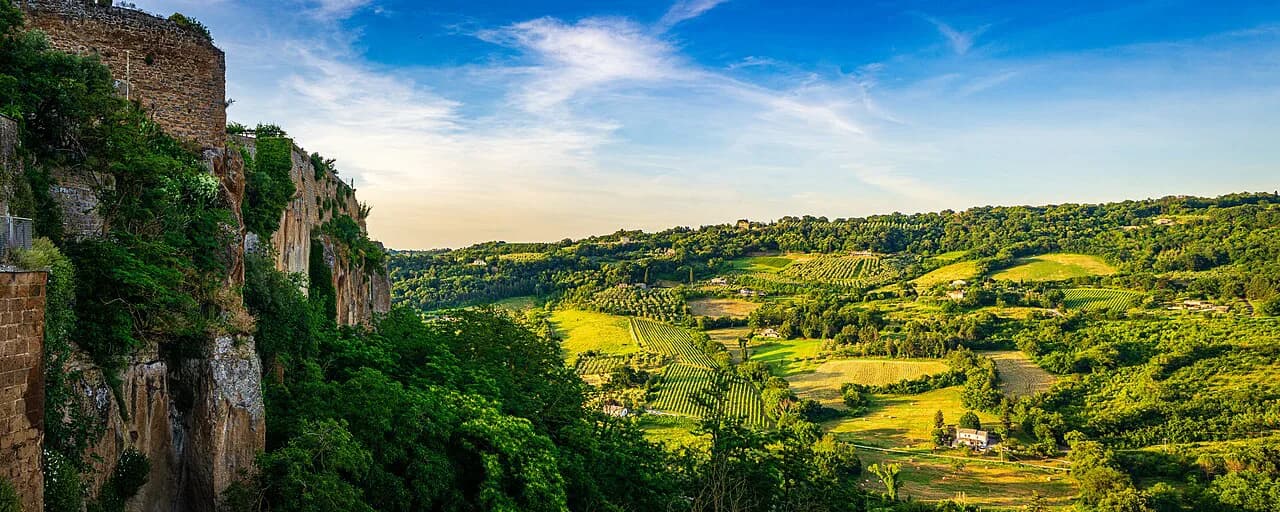
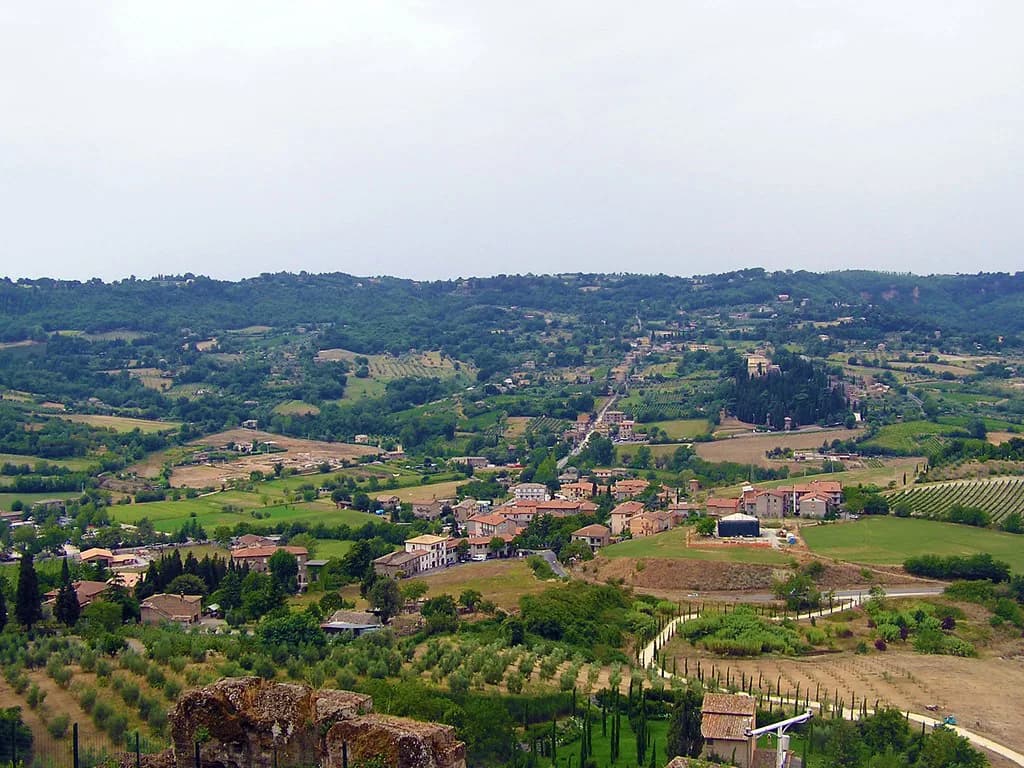
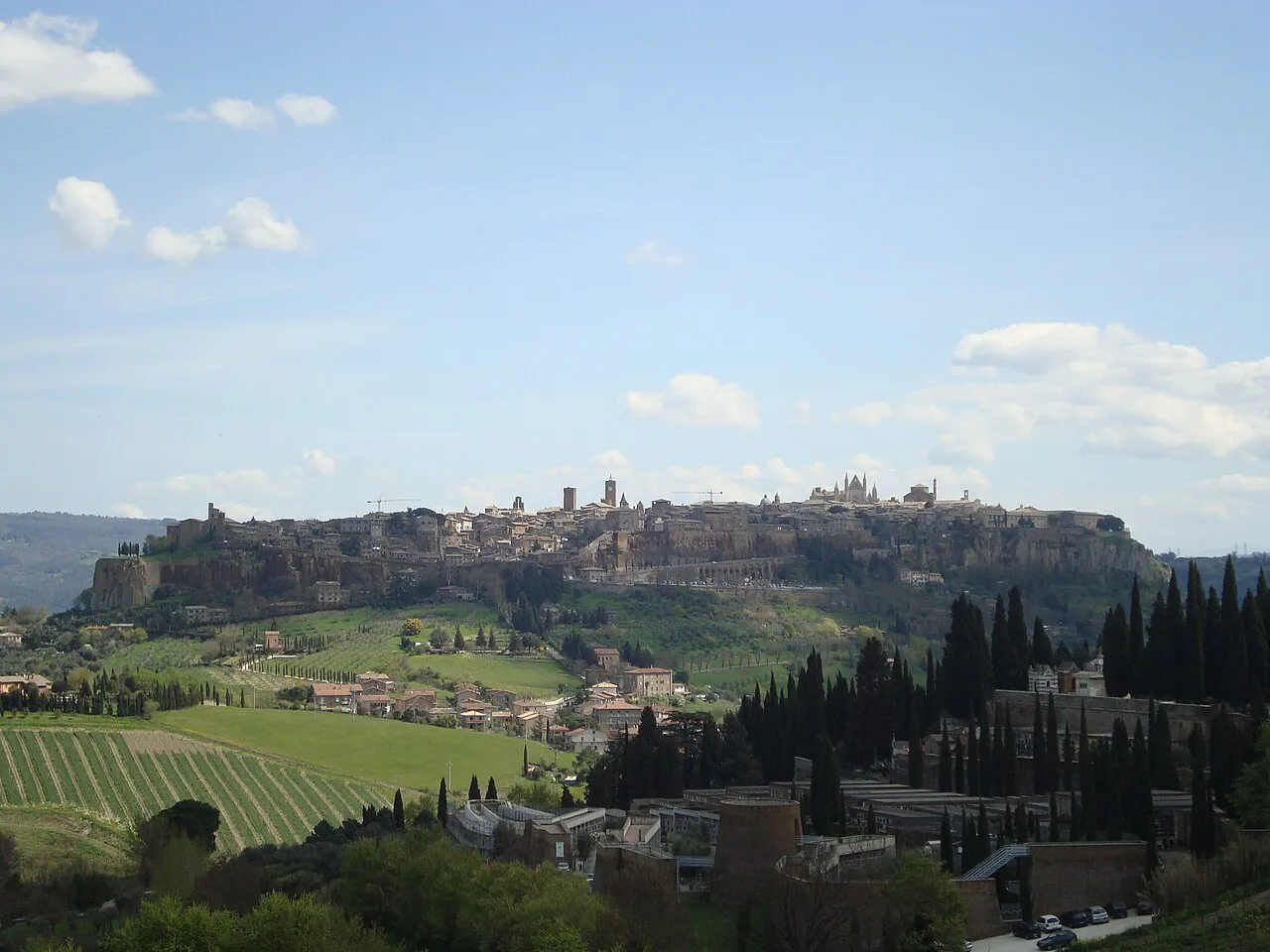
Orvieto Classico is the name to know before you step off the train in this hilltop Umbrian town. It marks the historic core of the Orvieto DOC, the white-wine appellation whose vineyards ring the city's volcanic cliff, and it appears on bottles ranging from crisp everyday pours to rare sweet wines made from botrytis-affected grapes.
This guide covers what the classico zone actually is, which grapes go into the blend, how dry or sweet the wines run, and where around town you can taste them in the cellars where they age. It also covers the practical side: which estates receive visitors, what a visit involves, how to book, and how to reach the countryside without a car.
What Orvieto Classico Actually Means
The Orvieto DOC is a white-wine-only appellation in southern Umbria, with a small portion spilling into Lazio, and it dates back to 1971 as one of Italy's earliest white-only denominations. The classico designation identifies vineyards in the historic zone, which excludes the Lazio portion, so a classico bottle is effectively the Umbrian heartland of the appellation rather than an aging grade.
A separate term, superiore, is the aging grade: it requires extended aging of five months and a minimum of 12% alcohol. A bottle can carry both words, and many of the estate wines worth seeking out do exactly that. When you are comparing labels, read classico as a place and superiore as a minimum standard of time in the cellar.
The appellation is smaller than its export reputation suggests, with roughly 5,000 acres under vine, about the same vineyard area as Barolo. That gap between fame and actual size explains a lot about the wines you meet: the region's bulk past and its estate-driven present coexist on the same shelves.
The Blend Decoded: Grechetto and Procanico
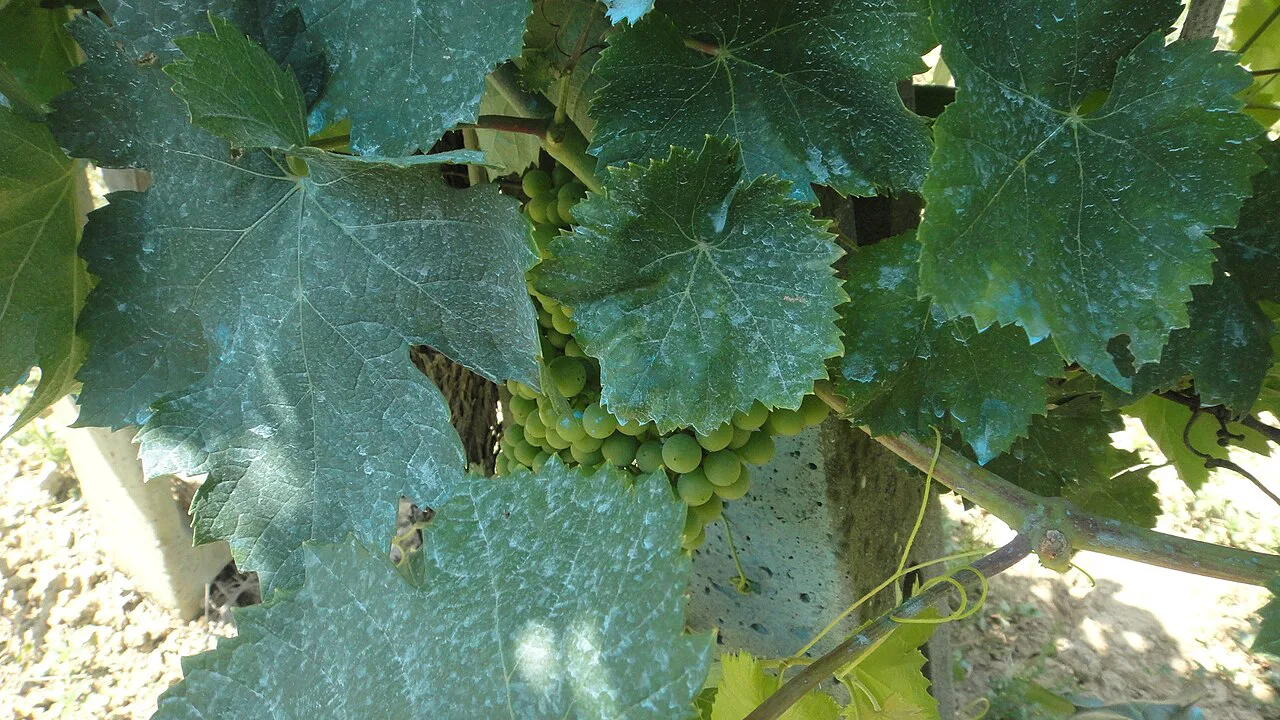
Orvieto DOC rules require at least 60% Grechetto and/or Procanico, a quality biotype of Trebbiano Toscano local to this area, with the remaining 40% open to other indigenous or international varieties. That flexibility means no two producers make quite the same wine, and it is why the appellation rewards tasting across several estates rather than settling on one house style.
The Grechetto name covers two unrelated grapes: Grechetto di Orvieto, which brings citrus and lightness, and Grechetto di Todi, a more tannic white that gives wines weight and grip. Labels do not have to say which one is in the bottle, so the practical way to gauge a wine's build is to ask at the tasting counter or read the producer's technical sheet.
Procanico contributes acidity and delicate citrus-floral notes, and its resistance to rot makes it useful for late-harvest styles. Common partners in the remaining 40% include Verdello, Malvasia, Vermentino, Chardonnay and Sauvignon Blanc. Palazzone, for instance, builds its dry wines on Procanico, Grechetto, Malvasia and Verdello.
Dry or Sweet? Reading the Style on the Label
Orvieto covers a wider sweetness range than most travelers expect. The scale runs from secco (dry) through abboccato (off-dry) and amabile (semi-sweet) to dolce (sweet), and most wines are secco, though abboccato is common enough that you should check before assuming a bottle is bone-dry.
The off-dry tradition has a practical origin: cold tufo caves under the city once caused stuck fermentations, leaving residual sugar in the wine. The appellation also uniquely includes vendemmia tardiva (late harvest) and muffa nobile (noble rot) categories, so sweet Orvieto is a formal part of the rulebook rather than an afterthought.
The botrytis wines owe their existence to humidity from the lakes and rivers, particularly after the damming of the Tevere River in 1963 created Lago di Corbara. These sweet wines are rare, costly and seldom exported, which makes them a genuine reason to taste on home ground.
Why the Caves Matter
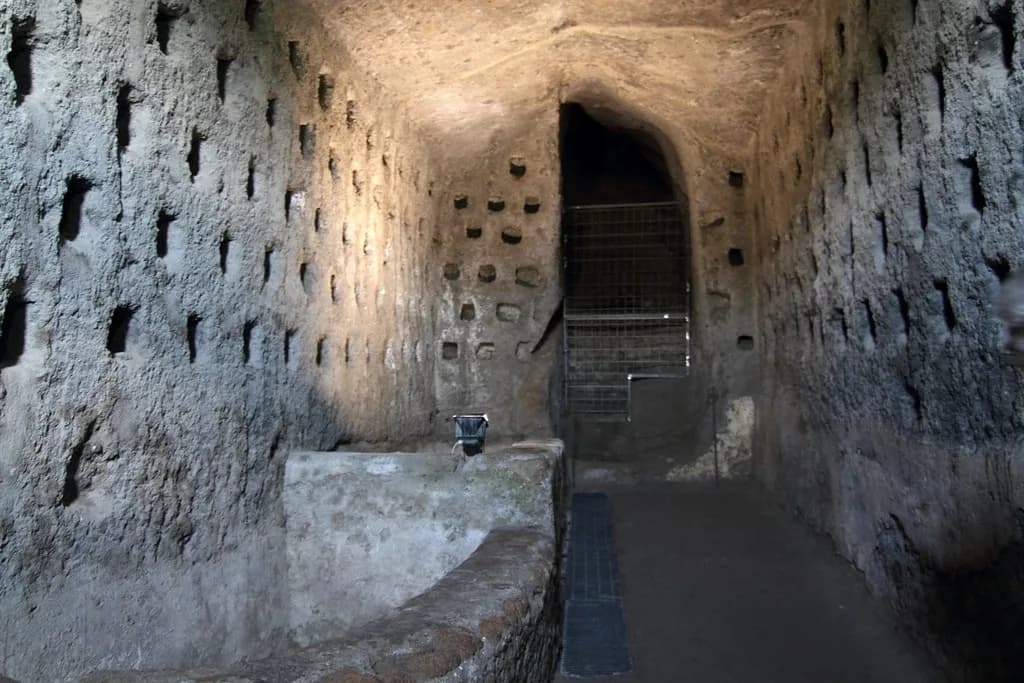
Orvieto sits on a vertical cliff of tufo, the porous volcanic rock that shows up in vineyard soils, building stone and cellars alike. Producers age wine in naturally cool caves cut into this rock, and several estates have built their hospitality around them, so a cellar visit here is a geology lesson as much as a tasting.
Cantine Neri occupies a medieval Templars' residence with views across to Orvieto from its terrace garden, and its tours take in the Etruscan caves where wines are aged and older vintages are stored. Decugnano dei Barbi ages its traditional-method sparkling wine in deep Etruscan caves on the estate, which gives a cellar tour there a different focus from a still-wine tasting.
Under the city itself, a separate network of Etruscan-era tunnels and wells can be visited, which helps explain how wine was once made and stored below the streets. If you want the underground context before a winery visit, plan a cave tour in town first; the city's underground attractions are catalogued by Lonely Planet, though opening arrangements should be confirmed locally.
Where to Taste: Estates Around Orvieto
Palazzone sits about 5km from Orvieto with views back to the city on its rock, and it offers the most complete visit in the area: a vertical tasting of four vintages of Campo del Guardiano Orvieto Classico Superiore costs €120 per person including tour and lunch. Simpler options include a winery tour and tasting, lunch with the winemaker, barrel tasting or truffle hunting, and rooms are available at the estate's restored medieval pilgrims' hostel.
Cantine Neri concentrates on traditional local varieties and pioneered a traditional-method Grechetto spumante. Winery tours start from €28 and include the Etruscan caves, with blind tastings, vertical tastings, blending sessions and pairings with estate-made charcuterie available as add-ons.
Madonna del Latte is a 5-hectare estate on volcanic soil around a restored farmhouse, with the winery built into the hill and a naturally cool Etruscan cave serving as barrel room below a country-chic tasting room. The wines lean on international varieties such as Syrah, Cabernet Franc and Viognier, a useful counterpoint if you want to compare them with Grechetto-based blends.
Decugnano dei Barbi looks at Orvieto from the east, with fossil-strewn vineyards that recall the ancient seabed, and it produces a celebrated muffa nobile called Pourritore Noble alongside a metodo classico sparkling wine aged in its caves. Tenuta di Salviano, near Lago di Corbara at the eastern edge of the zone, makes a classic, fresh Orvieto Classico Superiore from Procanico-led fruit; both are worth requesting when you plan a countryside day.
Booking Culture: Appointments, Walk-Ins and What to Ask
Umbrian estate visits run largely on appointments, especially for anything beyond a basic tasting, and a short email is usually the most effective first move. Say how many people are coming, whether you want a cellar tour, and whether you need lunch or a food pairing, since those extras shape both the schedule and the cost.
Ask explicitly which wines will be poured and whether the visit includes the caves, because two estates an hour apart can offer very different formats at similar prices. If you want a specific bottling such as a vertical of Orvieto Classico Superiore or a sweet muffa nobile, request it in advance; these are not always open by default.
For visitors based in town who prefer not to travel to the countryside, the city's enoteche and wine bars pour local bottles without an appointment. Specific opening days and hours for individual estates and bars are not something you should assume from a website alone, so confirm the day before you go.
Getting There Without a Car
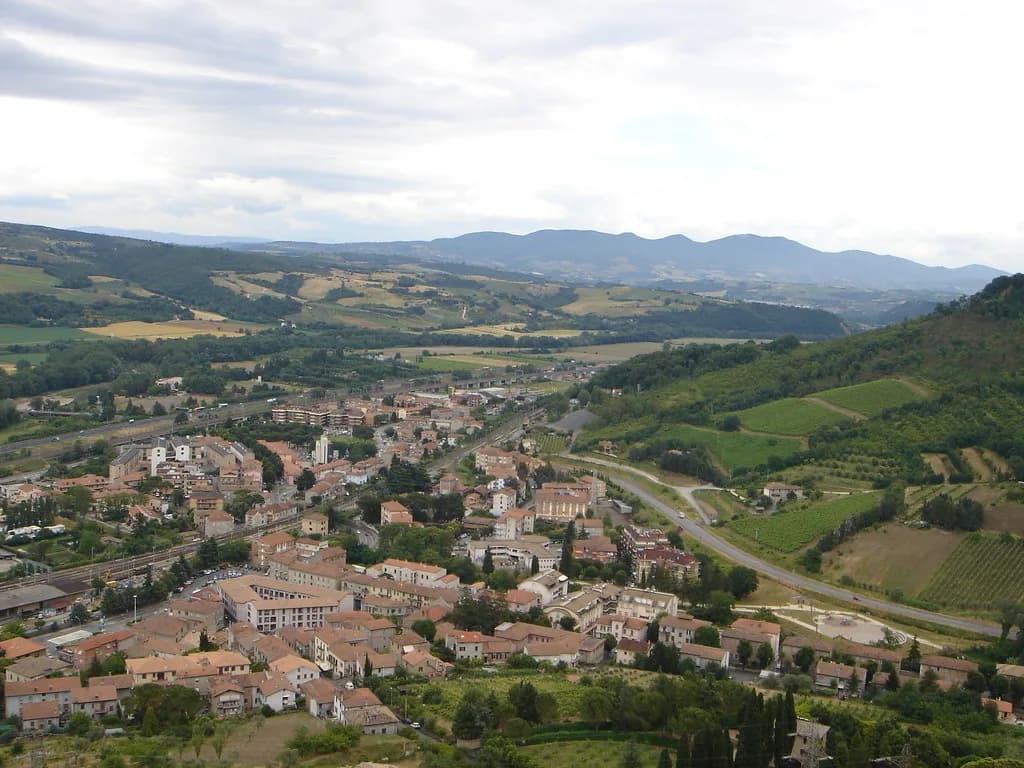
Orvieto sits on the main rail line between Rome and Florence, and the journey can be done in under two hours from either city, with a funicular climbing the rock face from the station to the historic center. That makes the town an easy base for a wine day even if you never rent a car.
The countryside estates, including Palazzone, Cantine Neri, Madonna del Latte and Decugnano dei Barbi, sit outside the center and are not served by the funicular or a simple town walk. Taxis, pre-arranged transfers or a guided tour are the realistic options, and it is worth booking the return leg before you leave town because rural taxis are scarce.
An organized wine tour removes the transport problem and often bundles two or three estates with a driver, at the cost of less flexibility on which wines you taste and how long you linger. Going independently gives you more control but shifts the logistics onto you. Whichever you choose, a driver should not taste: use spittoons, designate a driver, or rely on a tour or public transport.
Pairing Orvieto With the Local Table
The region's food is heavier than its white wines might suggest, which is exactly where the two Grechettos earn their keep. Grechetto di Todi's tannic grip suits robust dishes, and Orvieto's classic table includes pigeon (piccione), truffles, porcini, pecorino and ricotta, and the local ombrichelli pasta.
A dry Orvieto Classico with citrus and saline notes handles lighter antipasti and freshwater fish, while an abboccato works with sharper cheeses and preserved meats. If you taste a sweet muffa nobile, save it for the end of the meal rather than the start.
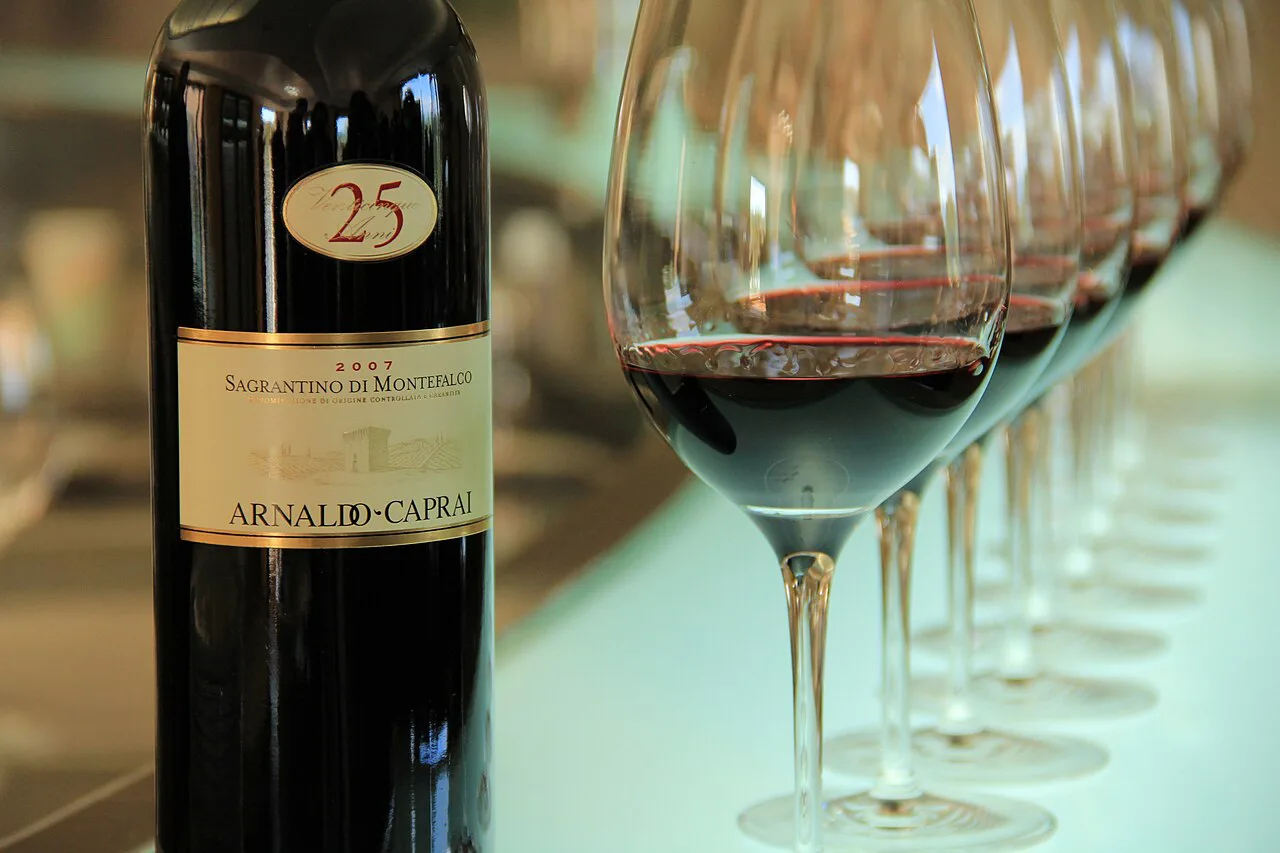
For a broader Umbrian comparison, the reds of Montefalco Sagrantino lie a reasonable drive to the east and make a natural second day if your base allows it. If your itinerary continues into Tuscany, it's worth pairing this with [[wine tasting in Montepulciano]], where Vino Nobile offers a similarly terroir-driven alternative.
Buying and Bringing It Home
Look for imbottigliato all'origine on the back label, which indicates the wine was estate-grown, vinified and bottled by the producer rather than by an outside bottler. That cue separates grower bottles from bulk-bottled supermarket Orvieto and is the single most useful shortcut when you are standing in a shop.
Bulk-bottled Orvieto has long filled supermarket shelves, and some of that history is why the appellation carries a modest reputation abroad. The grower scene is where the interest lies, with around thirty estate producers and two quality co-ops making the wines worth carrying home.
Retail bottle prices vary by market and producer, so check the shelf label rather than relying on a figure you read before your trip. When you buy at the estate, ask about shipping and airline allowances before you commit to a case.
Plan Your Orvieto Classico Day
A compact plan works well: arrive by train in the morning, take the funicular up, and spend an hour in the city's underground before heading out to one estate for a cellar tour and tasting. Palazzone and Cantine Neri are the easiest to build a day around because their visits are well defined, with Palazzone's €120 vertical tasting and lunch option at the top end and Cantine Neri's cave tours from €28 at the more accessible end.
Book your estate visit before you travel, sort your return transport, and leave room to compare a dry Grechetto blend against a sweet muffa nobile if you can find one. That side-by-side is the clearest way to understand what Orvieto Classico is and why the appellation is worth a day of your trip.
Frequently Asked Questions
What kind of wine is Orvieto Classico?
It is a white wine from the historic core of the Orvieto DOC in southern Umbria. The blend must be at least 60% Grechetto and/or Procanico, with the remainder open to other local and international grapes, so styles vary widely between producers.
Is Orvieto wine dry or sweet?
Most Orvieto is secco, meaning dry, but abboccato (off-dry) is also common. Sweeter styles include amabile and dolce, plus late-harvest and noble-rot wines, so check the label before assuming a bottle is dry.
What grapes are in Orvieto Classico?
At least 60% Grechetto and/or Procanico, a local biotype of Trebbiano Toscano. The remaining 40% can include Verdello, Malvasia, Vermentino, Chardonnay or Sauvignon Blanc, depending on the producer.
Where can I taste Orvieto Classico near the town?
Estates around Orvieto that receive visitors include Palazzone, about 5km away, Cantine Neri, Madonna del Latte, Decugnano dei Barbi and Tenuta di Salviano. In town, enoteche pour local bottles without an appointment.
Do I need a car to visit Orvieto wineries?
You can reach Orvieto by train from Rome or Florence and take the funicular up to the center, but the countryside estates need a taxi, transfer or guided tour. Book your return leg in advance because rural taxis are limited.
Is Orvieto Classico like Pinot Grigio?
Only loosely. Both are Italian whites often served young, but Orvieto is a blended wine built on Grechetto and Procanico with more texture and, in some versions, tannic weight, whereas Pinot Grigio is typically a lighter single-variety wine.
Sources
Notes for your next wine trip
Optional updates to our winery and wine-town guides.
You might also like
Continue reading
More guides you'll find useful