Poggio Antico Winery: Visiting Montalcino from Montepulciano
Poggio Antico sits above Montalcino, a rewarding day trip from Montepulciano. Here is how bookings, Brunello tastings and the drive work in practice.
On this page
Montalcino and Montepulciano are the two great Sangiovese towns of southern Tuscany, and travelers based in one usually want a look at the other. Poggio Antico makes a clean target: a single estate south of Montalcino village, reachable in a morning, with a booking process handled directly by the winery.
This guide sticks to what the estate and its published pages actually confirm, and it flags the details you settle at booking rather than guess at. If your base is Montepulciano and your calendar allows one out-of-town winery day, this is the one to plan around, with the town's own cellars filling the rest.
What Poggio Antico Is
Poggio Antico is a Montalcino estate that has grown Sangiovese since 1976, according to the winery's own account of its history. It sits at the highest point of the Brunello appellation, just south of Montalcino village, and has built its identity on that elevation rather than on volume. For a visitor, that means a working estate with a defined range rather than a large hospitality complex.
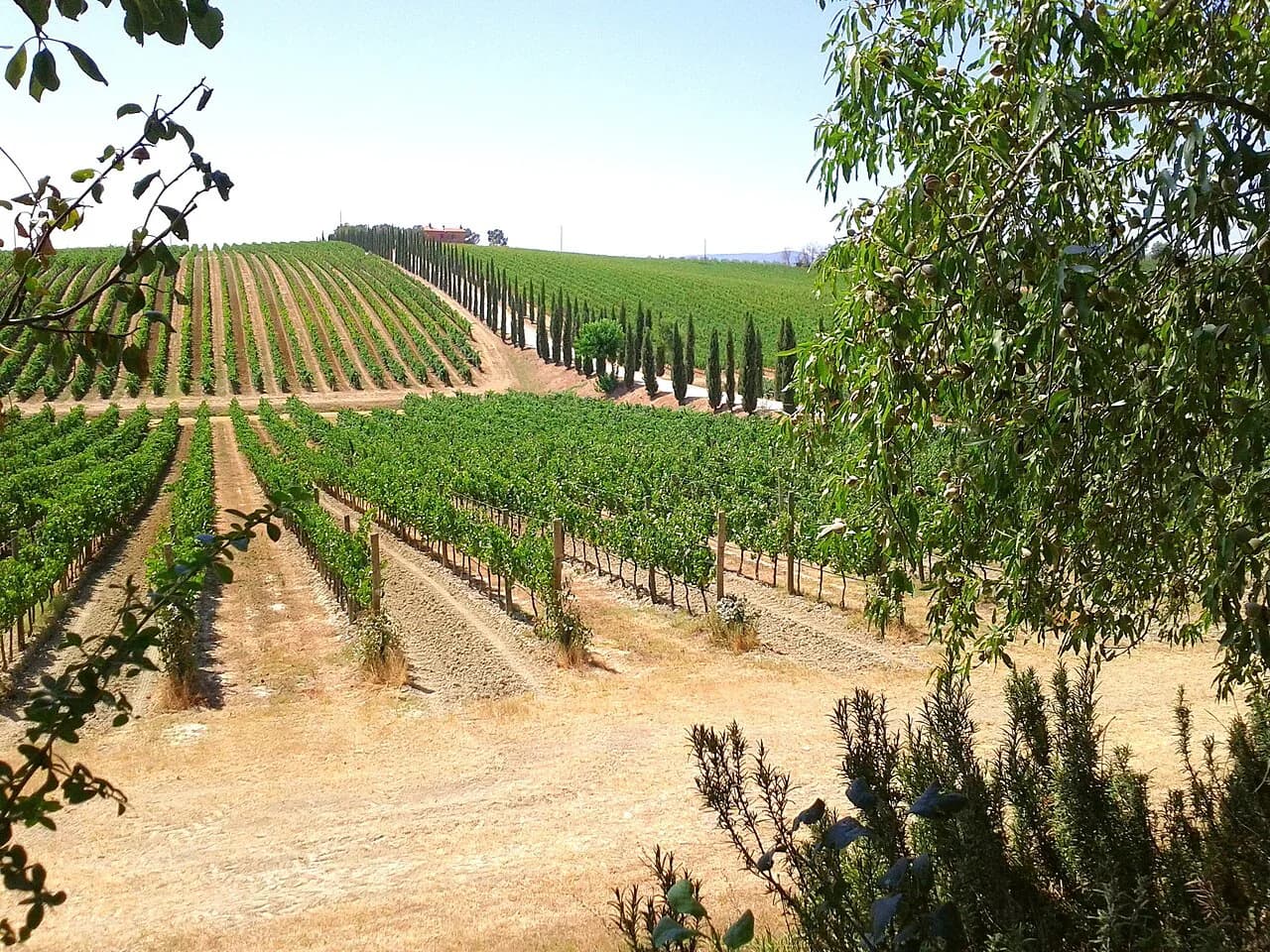
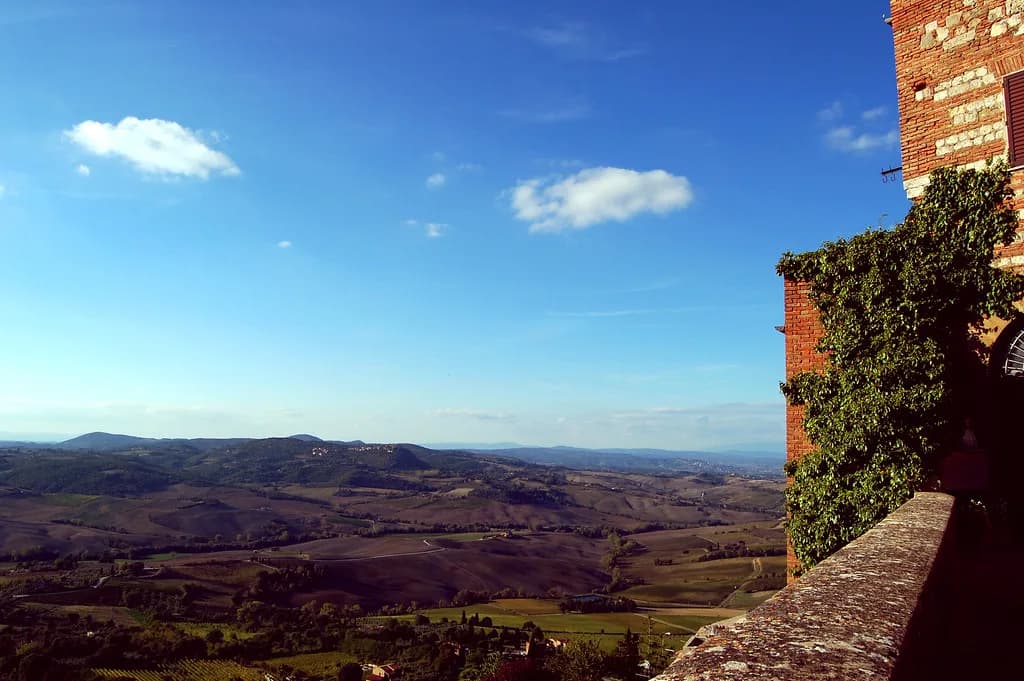
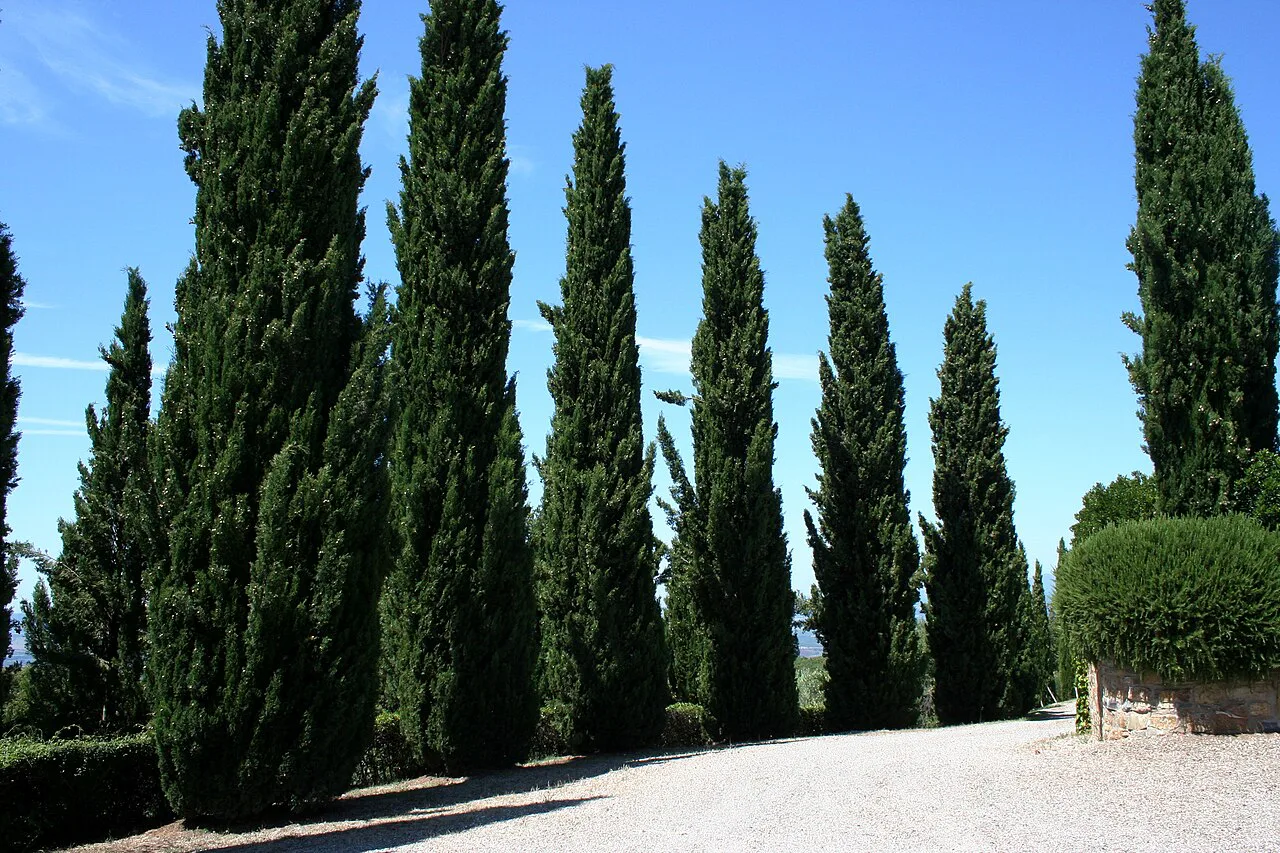
The property describes its vineyards rising above 550 meters, high enough that on clear days the Tyrrhenian Sea can be glimpsed roughly fifty kilometers to the west. The coastal breeze moderates humidity and temperature across the site, which is the kind of detail worth having in mind as you look out over the rows. The cypress-lined approach up the hill is part of the visit's shape, so allow a little slack before your appointment.
Where the Estate Sits
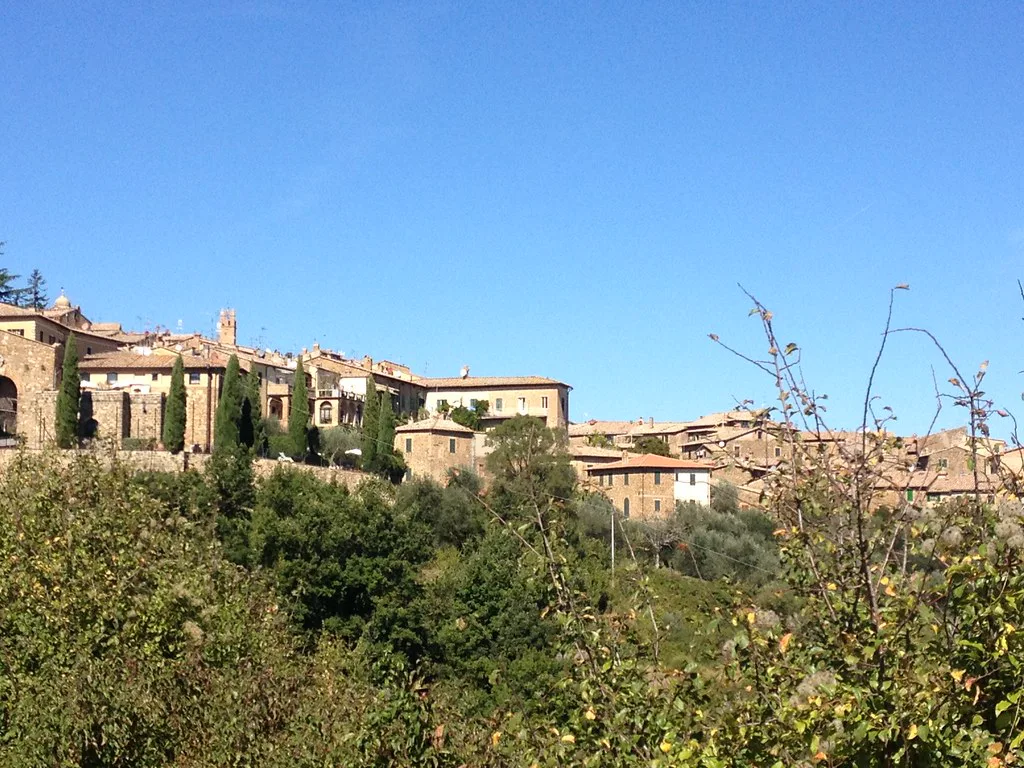
Poggio Antico's address is in the comune of Montalcino in the province of Siena, and the estate lies just south of the village itself rather than in a separate hamlet. That makes it easy to combine with Montalcino town: park or arrive at the estate for your slot, then return to the village for a walk and a meal.
Because the winery sits above the village, the final stretch is uphill on a narrow country road. If you are driving, plan for a slower approach than the map suggests, and if you are arriving by taxi from Montalcino, agree the pickup time before the driver leaves. There is no station at the estate, so the last leg is always by road.
The Wines in Brief
The core of the range is Brunello di Montalcino DOCG, made from Sangiovese grown in the zone and aged under the appellation's rules, plus a Riserva version from selected lots. The estate also releases Rosso di Montalcino, the younger, lighter-bodied expression of the same grape, and IGT bottlings that fall outside the DOCG framework, including a rosé and wines the winery groups under its own names.
What this means for a tasting is a flight built around Sangiovese in several registers rather than a tour of many grape varieties. If you want a side-by-side comparison with Montepulciano's Sangiovese, known there as Prugnolo Gentile, save notes from each stop and taste them in the same week; the two zones sit close enough for that to be practical.
Booking a Visit
Poggio Antico runs its visits and tastings through a booking page on the winery's site, and the estate publishes a direct phone number and email address for contact. Reservation is the sensible default for a Brunello estate of this profile: these are working cellars with scheduled hospitality, not a village enoteca you drift into. Book before you fix your travel dates, especially for weekends in spring and autumn.
When you write or call, ask the questions that shape the day: how long the visit runs, how many wines are poured, whether the cellar and vineyard walk-through is included, and what the current per-person charge is. Those specifics vary by season and package and are settled at booking, so the confirmation email is the document to keep. Mention your party size and whether anyone is not drinking.
What a Visit Typically Covers
The estate frames its hospitality as winery visits and tastings, typically pairing a look at the cellars and the surrounding vineyards with a guided flight of the current releases. Expect the host to explain the elevation and the coastal influence as part of the tasting, since that is the estate's central argument. Group sizes and the exact shape of the tour are set by the winery when you book.
Ask in advance whether the tasting happens seated in a tasting room, standing in the cellar, or outdoors when weather allows, and whether food is served alongside. In October, the shoulder season when harvest is wrapping up, cellar work can affect which areas you see. None of that is a reason to skip the visit, but it is worth knowing before you arrive.
The Restaurant Question
Travelers often ask whether Poggio Antico has an on-site restaurant. The winery's own pages center on the wines, the territory, the visits and a wine club rather than on published dining menus, so treat a full meal at the estate as unconfirmed until your booking contact says otherwise. Ask directly whether any food pairing or light lunch is part of the package you are reserving.
If dining at the estate is not available for your slot, the natural plan is to eat in Montalcino village after the tasting, which also gives you time in the town itself. Build the day that way and the restaurant question stops being a risk.
Getting There from Montepulciano
The drive from Montepulciano to Montalcino runs through the Val d'Orcia via roads such as the SP146 and the SS2, a scenic route of roughly an hour depending on your exact start and stop points. The winery is south of the village, so you will pass through or bypass Montalcino before turning up to the estate. Give yourself more time than the distance suggests, because the last section is slow.
Without a car, the trip is harder but not impossible. Regional buses link the two towns via connecting points, and a taxi from Montalcino can cover the final climb, but services thin out on Sundays and in the evening. A guided tour with pickup from your base removes that planning burden entirely, which is why many travelers based in Montepulciano choose it for this particular outing.
Going Independent vs. Joining a Tour
Driving yourself gives you control over timing, lets you linger at the estate, and makes it easy to stop in Pienza or the Val d'Orcia viewpoints on the way back. The trade-off is that the driver cannot taste properly, so a group of two needs a designated driver or a serious commitment to the spittoon. Public transport is the third option, but it costs flexibility and demands a careful look at return times.
A small-group or private tour solves the drinking and driving conflict and often includes pickup from Montepulciano or another base town, with the winery booking handled for you. You pay for that convenience in money and in a fixed schedule. For a single estate visit paired with Montalcino town, the independent drive is manageable; for two or three wineries in a day, the tour earns its keep.
Pairing Montalcino with Montepulciano
The two towns make a natural pair because both are Sangiovese country, but they reward different pacing. Montepulciano's cellars sit inside the old town, many of them under the streets, so an afternoon of wine tasting in montepulciano needs little more than walking shoes and a reservation or two. Montalcino's estates, Poggio Antico included, sit out in the countryside and demand a drive between stops, much as wine tasting in Orvieto pairs town cellars with nearby countryside estates.
A workable split is one full day out in Montalcino and the remaining days on foot among the wineries of Montepulciano, which range from historic cantine to small family cellars. If you want the town's own appellation explained properly, the local Vino Nobile di Montepulciano DOCG is the reference point, and it is worth tasting before or after your Brunello day so the comparison lands.
Book the out-of-town estate first, then fill the town days around it, since Montalcino appointments are the harder constraint. Travelers who try it the other way around often end up squeezing the drive. Staying overnight in the countryside near Montepulciano also makes early starts easier.
If you would rather hand the logistics to an operator, several wine tours cover the Montalcino zone from a Montepulciano base, typically combining two estates with lunch. Compare what is included before choosing: pickup point, number of wineries, and whether tastings are prepaid all change the real value.
Harvest Season and Appointment Culture
Late August through October is harvest time in this part of Tuscany, and it is the most atmospheric window to visit, with fruit coming in and cellar work in full swing. It is also when estate teams are busiest, so book further ahead than you would in quieter months. Conditions shift year to year, so anchor your trip to the season rather than to a fixed picking date.
In Montalcino, appointments are the norm for estate visits, unlike the walk-in enoteche of larger towns. That is not a hurdle so much as a planning habit: decide your date, contact the winery, and build the rest of the day around the confirmed slot. The same habit serves you well for other wineries in Tuscany, though towns like Montepulciano have cellars you can often enter with less notice.
Practical Notes for the Day
Tasting on an empty stomach and then driving is the classic mistake on a Tuscan wine day. Eat properly beforehand, use the spittoons, and if you are the driver, plan to taste sparingly or not at all. A designated driver, a booked tour or public transport all remove the problem, and the estate's own tasting room staff will be used to the request.
Keep one copy of your booking confirmation with the arrival time, party size and any food arrangement, and confirm the day's details with the winery once, a day or two ahead, particularly if you are crossing the Val d'Orcia by car. That single check covers the practical variables without turning the trip into admin. Bring cash or a card for any extras and dress in layers for cool cellars.
Plan Your Visit
Poggio Antico works well as the anchor of a Montalcino day from Montepulciano: a single high-elevation estate, clear wines to taste, and a booking handled directly with the winery. Reserve through the estate's own channels, ask your questions then, and let the drive or the tour take care of the rest.
Keep the rest of your trip in Montepulciano itself, where the cellars are within walking distance and a Brunello comparison will make more sense the moment you get back. Confirm the day's details once before you set out, and you have a wine day that runs on schedule rather than on luck.
Frequently Asked Questions
Where is Poggio Antico located?
The estate lies in the comune of Montalcino in the province of Siena, just south of Montalcino village, on the high ground above it. If you are coming from Montepulciano, you will pass through or around the village before turning up the cypress-lined road to the winery. Allow extra time for that final uphill stretch, which is slower than the main-road driving suggests.
Do you need a reservation to visit Poggio Antico?
Yes, plan on booking ahead. The estate schedules its visits and tastings through a booking page on its own site and also publishes a phone number and email address, so reservation is the normal route rather than an exception. Write with your dates, party size and any non-drinkers in the group, and keep the confirmation email since it records the agreed details.
What wines can you taste at Poggio Antico?
The range centers on Sangiovese from the Montalcino zone: Brunello di Montalcino DOCG, a Riserva, and the younger Rosso di Montalcino, alongside IGT bottlings that sit outside the DOCG rules, including a rosé. Ask at booking which wines the current flight includes, since the selection is set by the winery and can change with the season and the package you reserve.
Is there a restaurant at Poggio Antico?
The winery's published pages focus on the wines, the territory, visits and a wine club, and they do not set out a dining menu. Rather than assume a full meal is available, ask your booking contact whether a food pairing or light lunch forms part of the package. If it does not, eating in Montalcino village after the tasting is the straightforward plan.
How far is Poggio Antico from Montepulciano?
The drive crosses the Val d'Orcia via roads such as the SP146 and the SS2, and it is commonly described as about an hour, though your exact start and stop points change that. The road is scenic and the last stretch to the estate is narrow and uphill, so budget more time than the distance alone implies. Confirm the drive time with the winery when you book your slot.
Can you visit Montalcino wineries without a car?
It is possible but slower. Regional buses link the two towns via connecting points, and a taxi from Montalcino can handle the final climb to the estate, though services thin out on Sundays and in the evening. A small-group or private tour with pickup from Montepulciano is the practical no-car option, since it removes both the driving and the booking logistics.
Sources
Notes for your next wine trip
Optional updates to our winery and wine-town guides.
You might also like
Continue reading
More guides you'll find useful