Poliziano Winery: Montepulciano Guide to Vino Nobile
A practical guide to visiting Poliziano near Montepulciano: where the estate sits, what Vino Nobile and Rosso it makes, and how to plan a tasting without a car.
On this page
Poliziano sits in the Montepulciano zone of southern Tuscany, the hill country between the Val d'Orcia and the Val di Chiana where Sangiovese is bottled as Vino Nobile. Plan the visit around one fact: the estate's registered address is at Montepulciano Stazione, the valley settlement below the historic town, not inside the walled centre. That shapes your transport, your timing and which other estates you can reasonably pair with it in a single day.
This guide covers what the estate publishes about its wines and cellar, how the tasting side is organised, and how to reach it by bus, taxi or organised tour rather than a rental car. Visit formats, costs and appointment times are set through the estate's booking contact rather than posted as a fixed schedule, so the sensible move is to settle format and cost with the estate directly at the booking stage.
Where Poliziano Is: Estate, Stazione and the Hill Town
The winery's own site lists its address as Via Fontago 1, 53045 Montepulciano Stazione, in the province of Siena, with telephone and fax lines and a single email contact for enquiries. Montepulciano Stazione is the low-lying railway settlement, so anyone picturing a cellar door beside the town's Renaissance squares should reset expectations before booking a taxi.
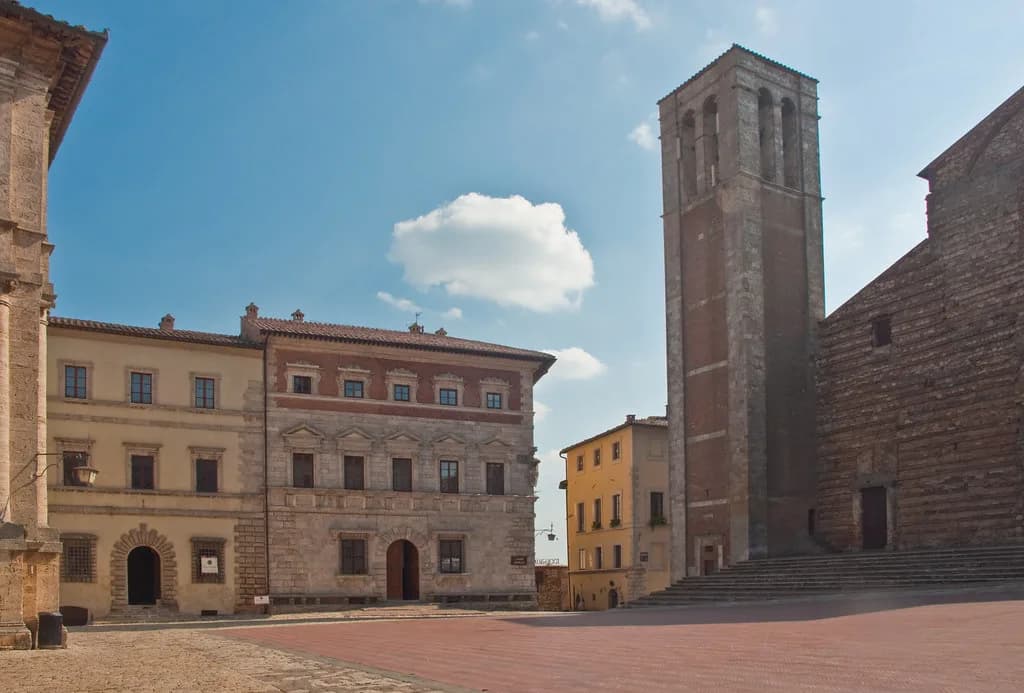
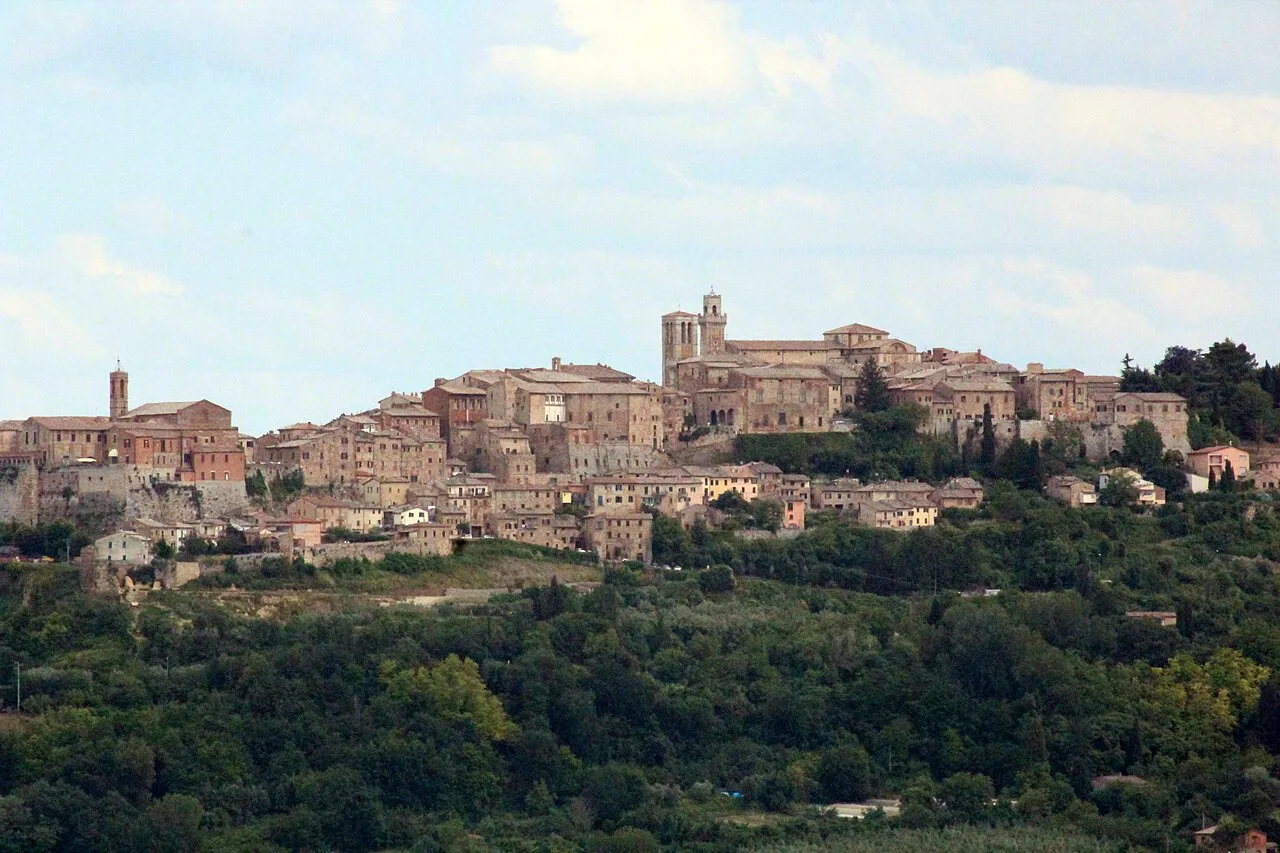
Two things usually get confused here. The historic centre of Montepulciano sits on its ridge with the enoteche and cellars of the old town, while the Poliziano production site is down in the valley near the station. The estate's published material also refers to a tasting at Le Stanze del Poliziano, so ask which location your appointment covers when you write to them, because the two require different travel plans.
Because the address is in the valley rather than on the ridge, a visit fits naturally into a morning or early afternoon slot before you climb back up to the town. Treat the trip between the station area and the centre as a short vehicle ride rather than a stroll, and build that transfer into your schedule instead of assuming you can walk it between two tastings.
Why Vino Nobile Is the Reason to Come
Montepulciano's flagship red is Vino Nobile di Montepulciano, a DOCG made predominantly from Sangiovese grown around the town. It is not the same wine as the Montepulciano grape of Abruzzo, a confusion worth clearing up before you order in a restaurant; here the name belongs to the place, not the variety. The zone also produces Rosso di Montepulciano, a DOC red from the same family of grapes that is typically released younger and is the easier introduction to the district's style.
If you want a broader picture of the appellation and how the different estates compare before committing to a booking, the overview of wineries in the zone is the place to start. Poliziano is one name among several serious producers, and knowing the shape of the district — hill-town cellars versus valley estates — helps you decide how much of a day to give it.
What Poliziano Makes
The estate's portfolio is built around Sangiovese in Montepulciano and extends into other Tuscan appellations. On the Montepulciano side it lists Fiori Rossi Rosso di Montepulciano DOC, a Nobile di Montepulciano DOCG, two single-vineyard Nobiles bottled as Asinone and Le Caggiole, and a Vin Santo di Montepulciano DOC. Further afield it produces Le Stanze del Poliziano IGT Toscana, an In Violas Cortona Merlot DOC, a Mandrone di Lohsa Maremma Toscana Cabernet and a Morellino di Scansano DOCG.
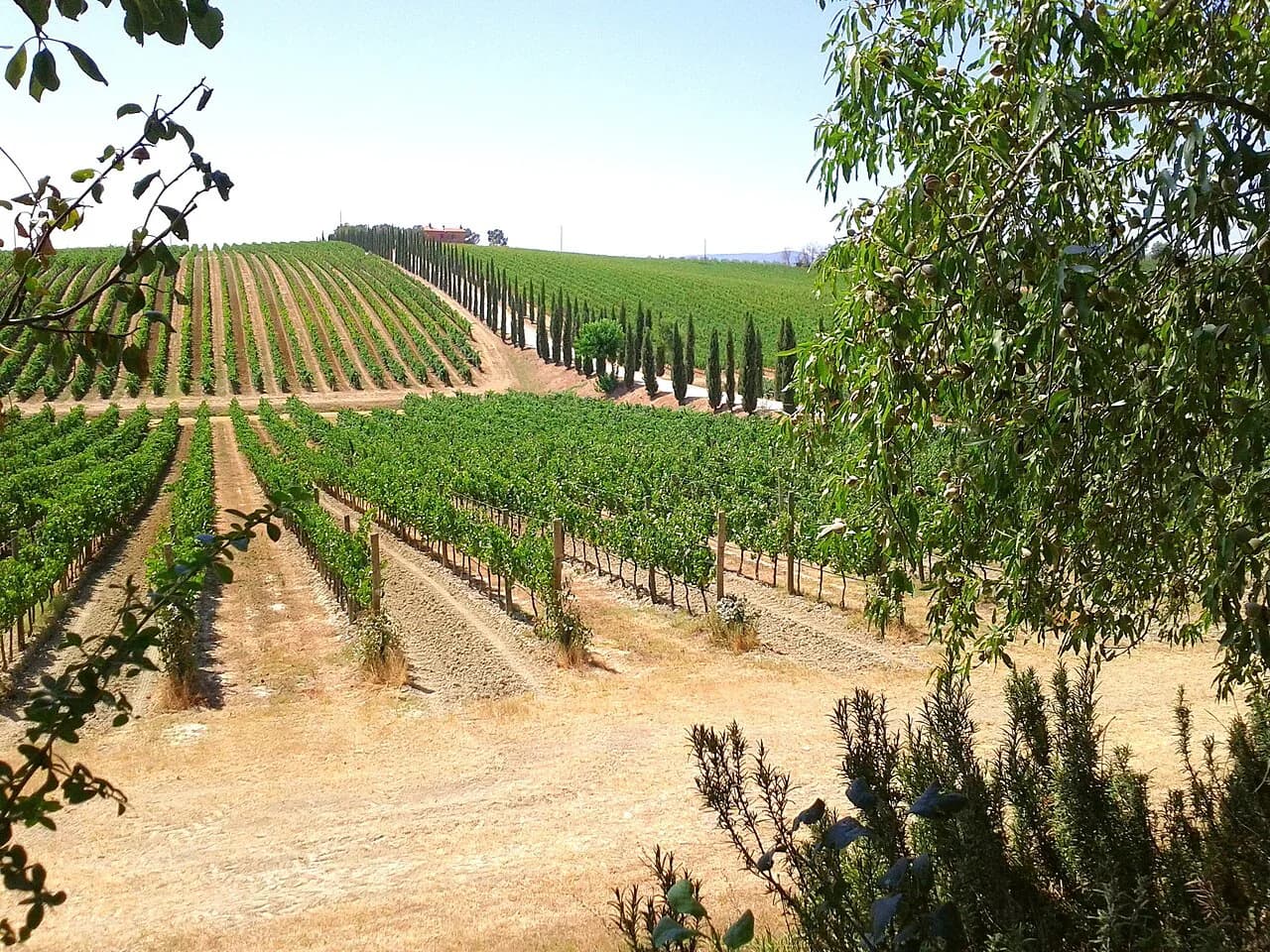
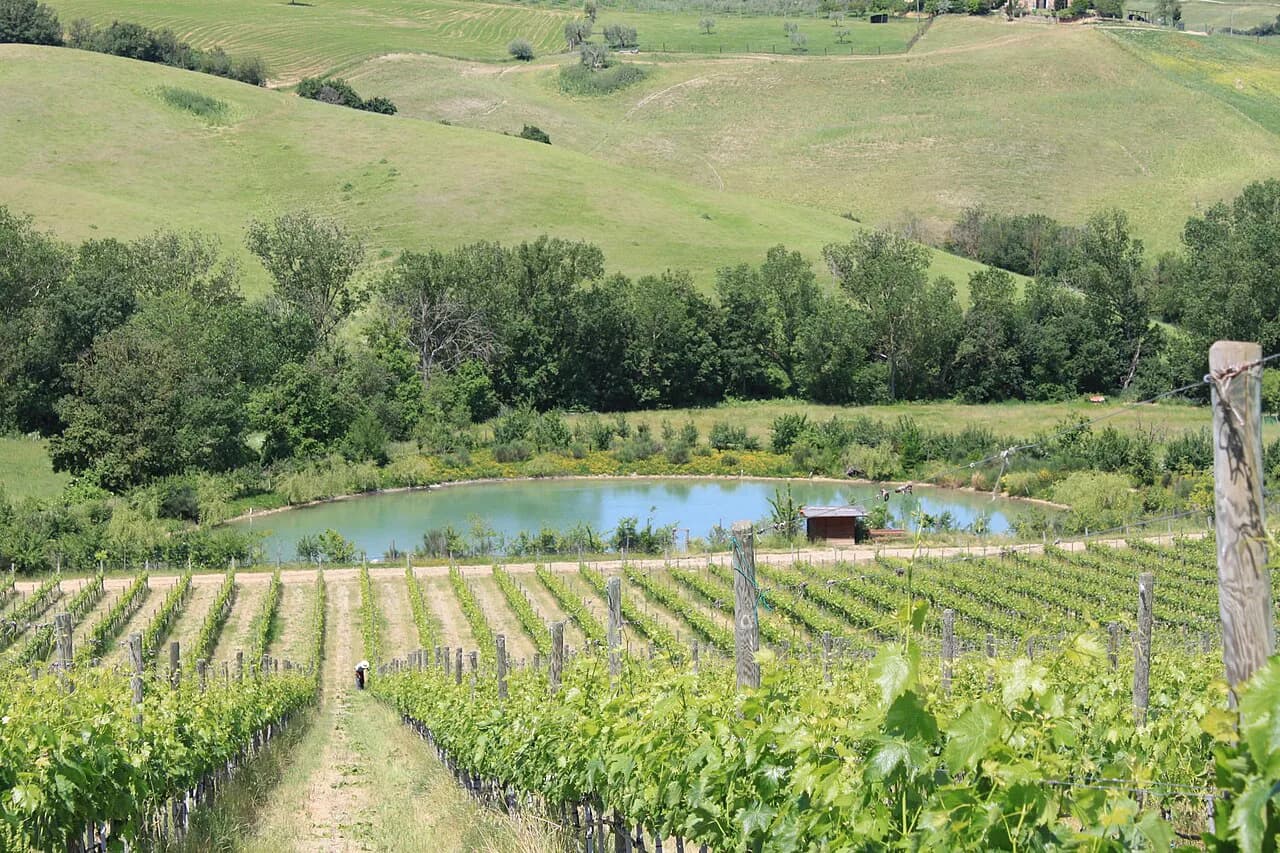
The Asinone vineyard is the estate's signature parcel: 12 hectares on a southwest-facing clay hill, seven of them more than fifty years old, planted almost entirely to Sangiovese. The name comes from the vineyard's donkey-back shape, and the wine made from it led the family to create a dedicated wine club in 2015. Knowing this helps you read a tasting list: Asinone and Le Caggiole are the top tier, the plain Nobile is the estate's core, and Rosso is the fresher, earlier-drinking red.
Independent trade material describes the property as family-owned, founded in 1961 by Dino Carletti and now farming roughly 420 organically farmed acres. Use that as background for what you will hear in the cellar rather than as a promise of any particular pour; the exact line-up poured on a given day is set by the estate.
If you are weighing Poliziano against the wider list of producers, the guide to Vino Nobile di Montepulciano DOCG estates and their visit policies is a useful cross-check. Compare the single-vineyard approach here with estates that bottle only a classic Nobile, then decide whether one appointment is enough for the day.
Tasting and Visit Options: The Poliziano Experience
The estate promotes a visit programme under the name Poliziano Experience, positioned around the Asinone vineyard and the cellar built and expanded over the years. The site describes the cellar as the place where the estate's winemaking experience is applied to producing wines that interpret the terroir, so expect a visit that includes the working side of the property rather than a bar counter alone.
There is also a tasting room, Le Stanze del Poliziano, referenced in the estate's own social posts, which suggests a seated tasting format in addition to a vineyard and cellar walk. What the site does not publish is a fixed number of wines poured, a tour length, a group cap or a menu of paid packages. Ask those four questions in your booking email and you will know exactly what you are buying before you travel.
Food is the piece most travelers leave to chance. Montepulciano's zone is known for pecorino, cured meats and hearty pasta, and a tasting that includes a plate of local cheese will change how much time you need and whether you want a proper meal afterwards. Confirm whether your slot is wine-only or includes a pairing, and plan lunch or dinner in the hill town accordingly.
Booking: How Appointment Culture Works Here
Most working estates in the Montepulciano zone receive visitors by prior arrangement rather than open-door walk-in, and Poliziano's approachable contact routes are the ones published on its site: one email address, one telephone number and a fax line. A short message stating your date, preferred time, party size and whether anyone is driving is enough to start; the estate will reply with what is available and what it costs.
Book earlier than you would for a city wine bar. Harvest, usually from September into October, is when cellar staff are busiest and when the property's attention is on the vines, so late-September and early-October requests can take longer to answer and may be declined outright. Spring and late autumn are calmer windows for a focused visit, and weekdays are generally easier than weekends.
The other booking lever is the time of day. A morning slot leaves room for a second estate after lunch, while an afternoon appointment risks colliding with the town's own cellar visits. If you have only one day in Montepulciano, choose the slot that lets you arrive unhurried rather than squeezing Poliziano between two other stops.
Getting There Without Driving
Montepulciano Stazione has a railway station on the Chiusi–Siena line, which makes a car-free arrival feasible in principle: train to the valley station, then a short taxi or local bus ride to the estate address. The estate publishes a phone number, and asking them at booking which local transfer they recommend for your arrival time is the most reliable way to close that last stretch, since local bus timetables change with the season.
From the hill town itself, the workable options are a taxi, a pre-arranged driver or a guided tour that collects you. The trade-off is straightforward: independent travel is cheaper and more flexible but costs you two transfers each way, while a tour removes the logistics and usually bundles two or three estates into one afternoon. Read the small print on what a tour actually includes, because some itineraries pass estates without entering the cellar.
Whoever is behind the wheel should not taste. Use the spittoons that estates provide, nominate a designated driver for the day, or book a tour or public transport so nobody has to choose between the wines and the road. It is a small planning decision that makes the Asinone pour possible for everyone at the table.
Poliziano or Nearby: Boscarelli, Salcheto and Avignonesi
Poliziano is rarely the only name on a Montepulciano shortlist. Boscarelli and Salcheto are the neighbours most often grouped with it, both within the same zone and reachable on a single day if you start early, while Avignonesi sits further out and suits a separate outing. The practical rule is two estates per day, three only if the appointments are close together and you have your own driver. If you are extending the trip across Tuscany, wine tasting in Siena follows the same two-estates-a-day logic for its enoteche and classes.
Pairing Poliziano with a hill-town cellar is the most efficient combination, because you finish the valley visit and climb to the centre for the second appointment and lunch. If you prefer to spread visits across several days and stay in the countryside, an agriturismo in Montepulciano puts you closer to the estates and cuts the daily drive, at the cost of walking access to the town's restaurants.
Travelers who are also considering estates in the wider Tuscan appellations, such as the Brunello zone around Montalcino, can compare visit formats with a property like the estate behind the Argiano winery visit, where tour structures and booking routes follow southern-Tuscan conventions. It helps calibrate what a serious Tuscan appointment normally includes before you commit your days.
When to Go and What Harvest Changes
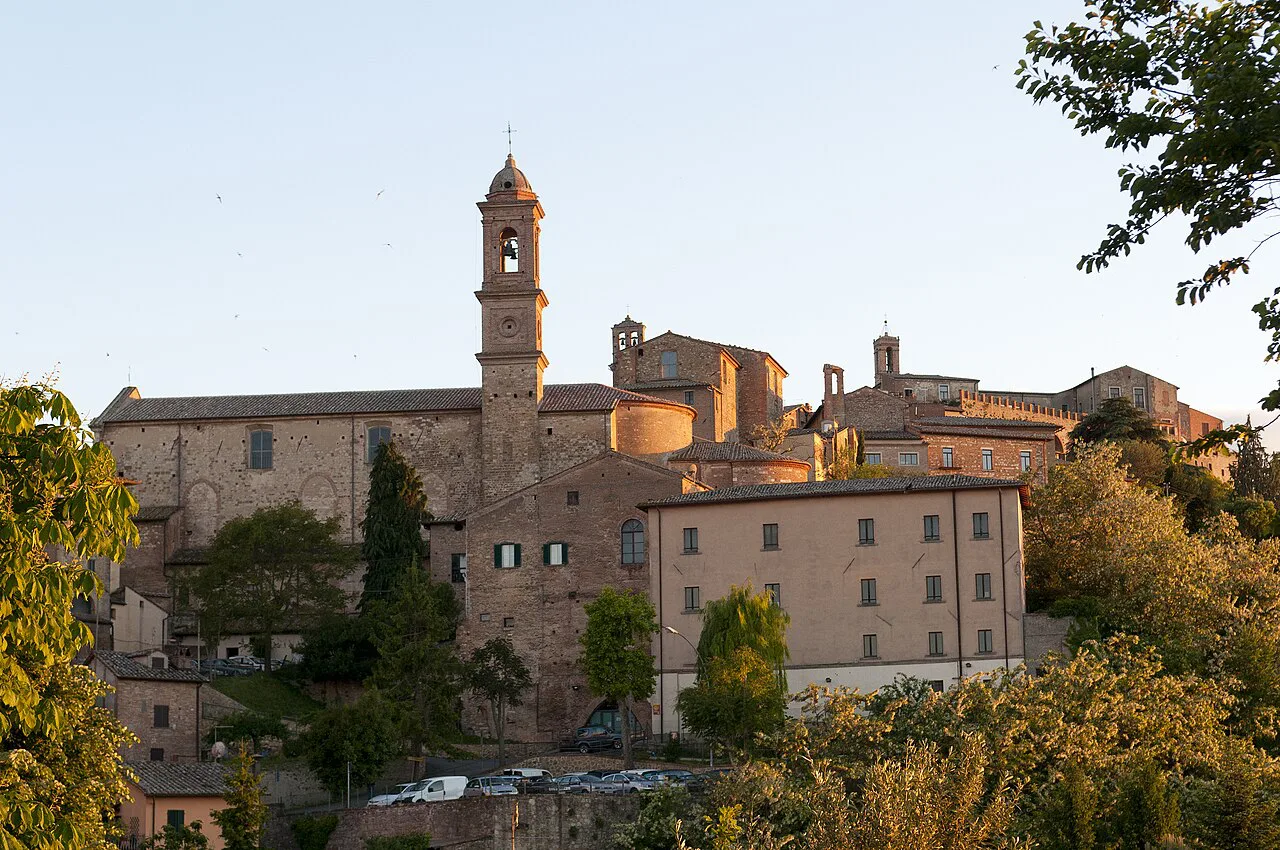
Harvest in the Montepulciano zone generally falls in September and October, and those weeks are the least predictable for visitor capacity because the cellar is in full operation. Visiting earlier, from late spring onward, gives you green vineyards, long daylight and more available appointment times. Late autumn and winter are quieter again, but the estate's own news and events section is the best gauge of what is happening on the property, so check it before fixing dates.
Temperature matters more than you might expect, because the valley floor at Stazione runs warmer than the ridge in summer and colder on winter mornings. A spring visit means a light jacket for the cellar and a hat for the vineyard walk; a summer visit means booking the earliest slot the estate offers and taking the shaded route through the town afterwards.
After the Tasting: An Evening in Montepulciano
Once you are back up in the historic centre, the natural end to a Poliziano day is a plate of pecorino and a glass of Rosso di Montepulciano at one of the town's enoteche, which lets you compare a younger style against the Nobile you tasted earlier. If you are staying overnight, choose a table inside the walls so the walk home stays short and the evening does not depend on a car.
Buying bottles to take home is easier at the estate than in town, where shop hours and stock vary, and asking the estate what it can ship avoids carrying wine through several trains. Confirm the shipping cost and destination rules at the till; the price on the bottle is rarely the final figure once shipping is added.
Plan Your Poliziano Visit
Poliziano rewards a little preparation: know that the estate sits at Montepulciano Stazione rather than in the hill town, decide whether you want the vineyard and cellar programme or a seated tasting, and settle format, cost and timing by email or phone before you go. Build the day around two estates at most, with a valley appointment first and the town in the afternoon.
Leave the driving to a taxi, a tour or the train, and if you are behind the wheel, use the spittoon. Between the Asinone parcel, the cellar and the Rosso in a town enoteca, one well-planned day covers the essentials of Montepulciano's signature red.
Frequently Asked Questions
Where is Poliziano winery located?
The estate gives its address as Via Fontago 1, 53045 Montepulciano Stazione, in the province of Siena. That is the valley settlement near the railway station below the historic hill town, not a cellar inside Montepulciano's walled centre, so plan a short vehicle transfer between the two.
How do you book a tasting at Poliziano?
Write to the estate using the email address or telephone number published on its own site, and state your date, preferred time, party size and whether anyone in the group is driving. Ask which location the appointment covers, since the estate also references a tasting at Le Stanze del Poliziano, and request the format, duration and cost in the same message.
What wines does Poliziano produce?
The Montepulciano range includes Fiori Rossi Rosso di Montepulciano DOC, a Vino Nobile di Montepulciano DOCG, the single-vineyard Asinone and Le Caggiole Nobiles, and a Vin Santo di Montepulciano DOC. The estate also makes Le Stanze del Poliziano IGT Toscana, In Violas Cortona Merlot, Mandrone di Lohsa Maremma Toscana Cabernet and a Morellino di Scansano DOCG.
What is the difference between Vino Nobile and Rosso di Montepulciano?
Both are reds made mainly from Sangiovese grown around Montepulciano, but Vino Nobile di Montepulciano is the DOCG flagship and Rosso di Montepulciano is a DOC released younger and easier to drink. Neither has anything to do with the Montepulciano grape of Abruzzo; here the name refers to the town.
Can you visit Poliziano without a car?
Yes, with planning: Montepulciano Stazione has a station on the Chiusi–Siena line, and from there a taxi or local bus covers the last stretch to the estate. From the hill town, book a taxi, a pre-arranged driver or a guided tour that collects you, and confirm the transfer arrangement with the estate when you book rather than relying on a seasonal bus timetable.
When is the best time to visit Poliziano?
Late spring through early summer and late autumn are the calmest windows, with more appointment times available and comfortable weather for a vineyard walk. Harvest, generally September into October, keeps the cellar at full operation and makes visitor capacity less predictable, so read the estate's own news and events page before fixing dates.
Sources
Notes for your next wine trip
Optional updates to our winery and wine-town guides.
You might also like
Continue reading
More guides you'll find useful