Orvieto Underground: Cave Tours, Cellars and Tastings
Plan Orvieto Underground with tour times, ticket prices, booking rules and the cave cellars worth pairing with a tasting in the tufa rock beneath town.
On this page
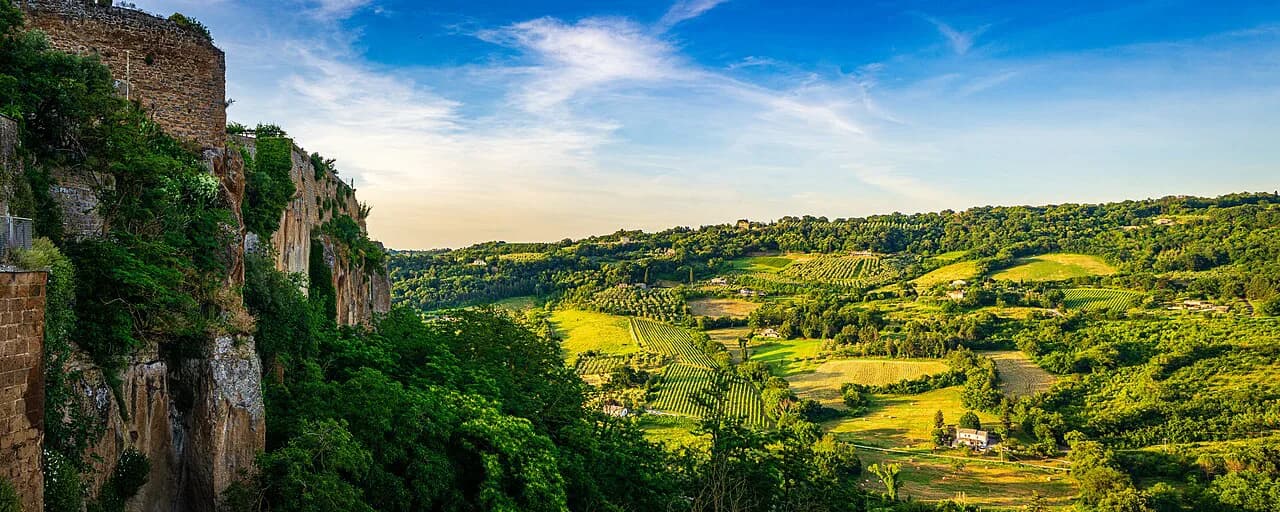
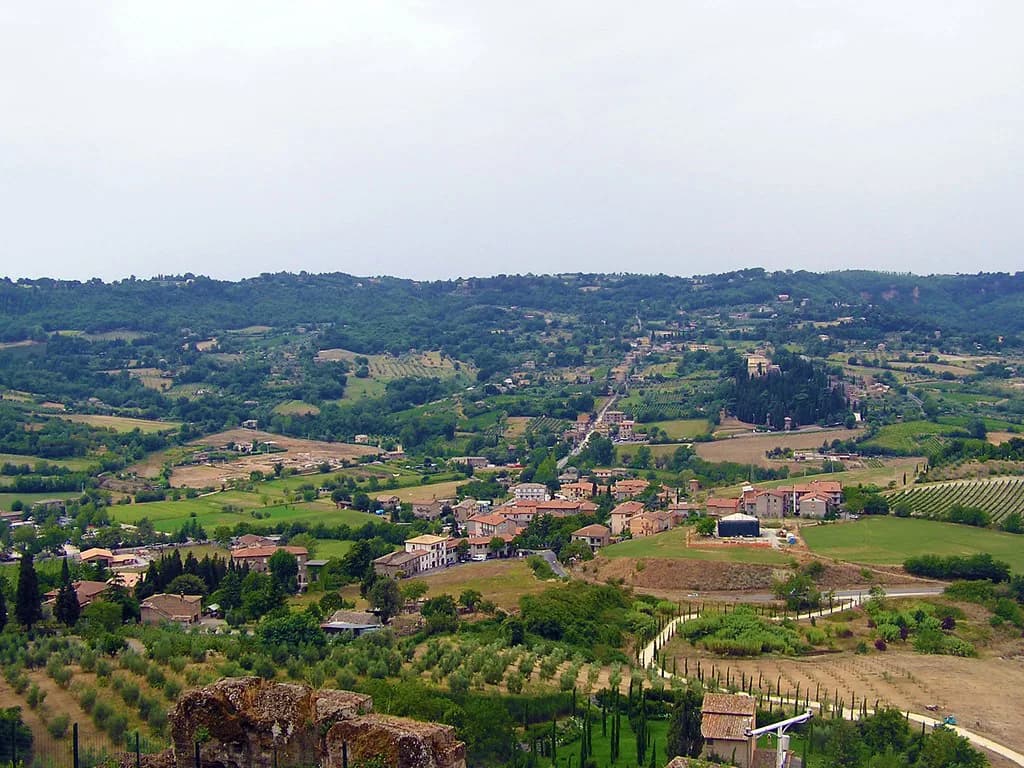
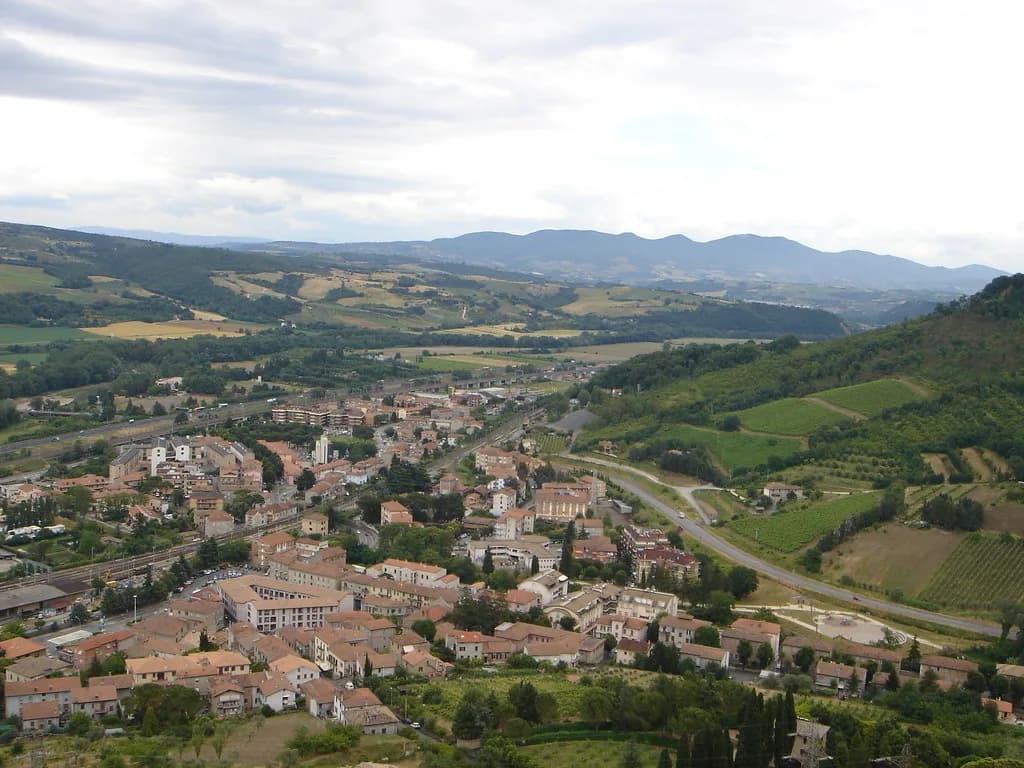
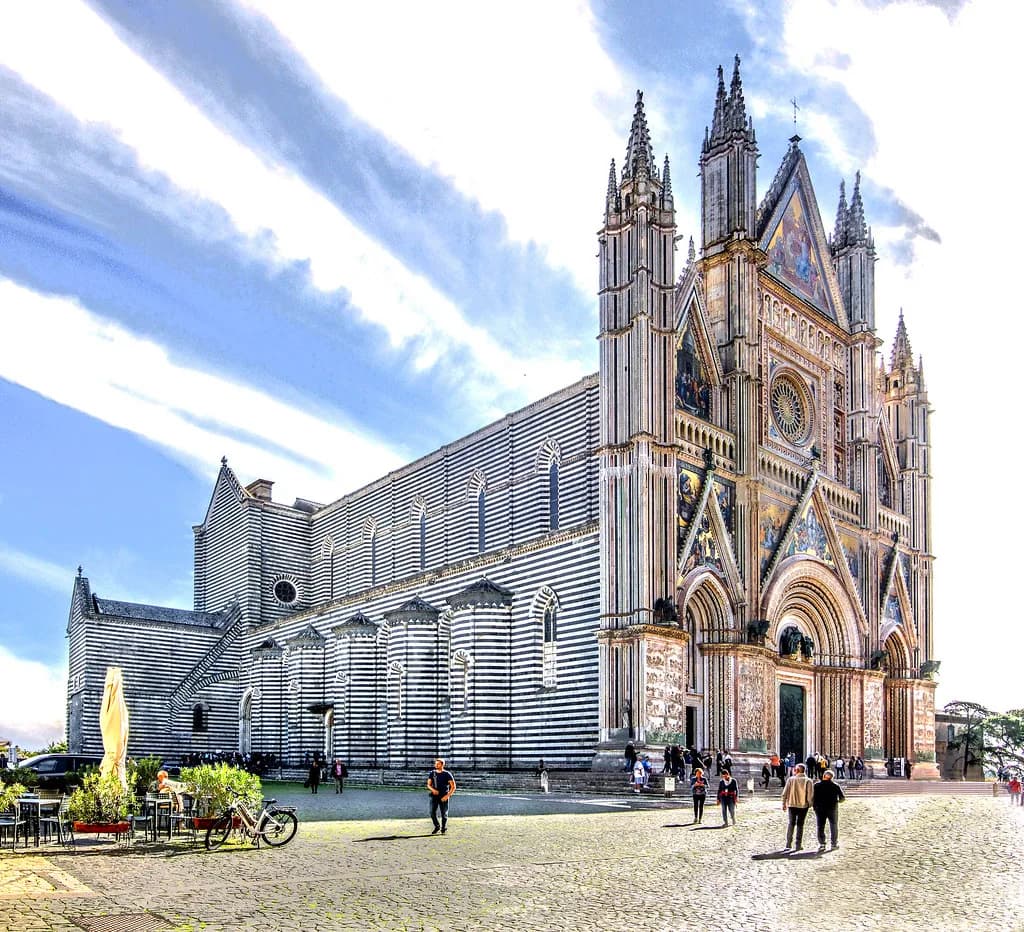
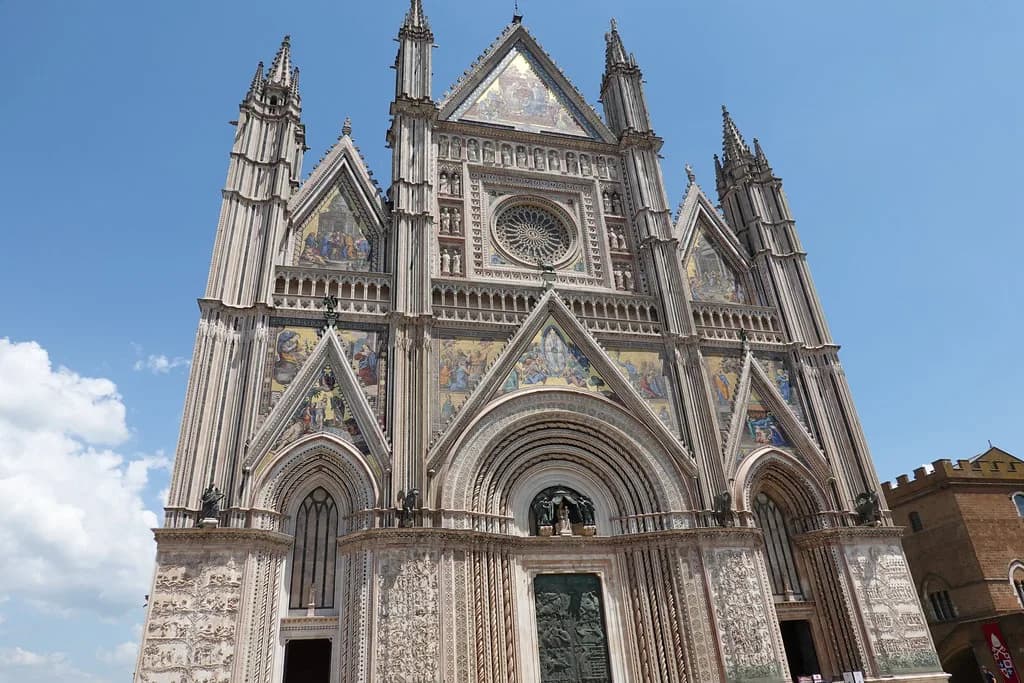
Orvieto sits on a plug of volcanic tufa above the Paglia valley, and the soft rock beneath the streets is honeycombed with caves, wells and cellars dug over centuries. The Orvieto Underground visit opens a stretch of that hidden layer to the public, starting from a ticket office a few steps from the cathedral. This guide explains the fixed schedule, ticket tiers and booking conventions, then shows how to fit a cave visit around a wine tasting in town.
What Orvieto Underground Actually Is
The visit is a guided walk through excavated spaces beneath the historic center, entered at Piazza Duomo 23. It is an archaeological and speleological experience rather than a wine tour: the operator, Speleotecnica Srl, frames it as a journey through the cavities that made the town habitable, and a Lonely Planet attraction entry identifies the site as Orvieto Underground.
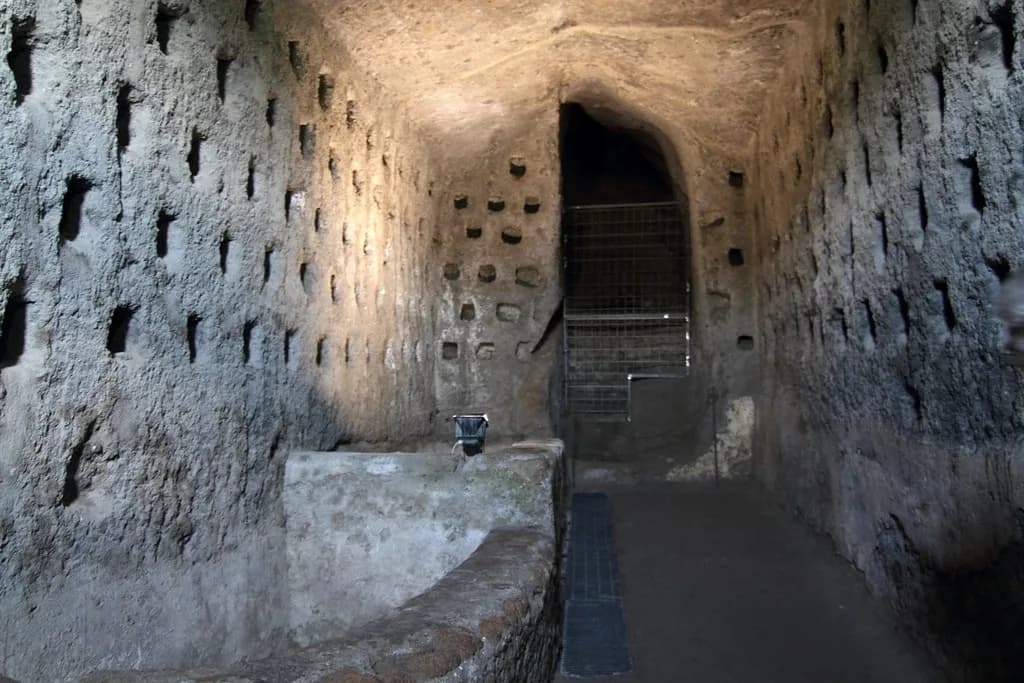
Because the town had little flat land and no easy building stone, generations carved storage rooms, cisterns, quarries and cellars directly into the tufa. That dual role explains why so many Orvieto cellars feel like caves: they were cut, not built. A cave visit gives you the context for the underground rooms you will later see at a winery.
Where the Tour Starts and How the Daily Departures Run
Departures leave from Piazza Duomo n.23 every day at 11:00, 12:15, 16:00 and 17:15, from 1 January to 31 December. Speleotecnica Srl closes on 25 December. These are fixed slots rather than rolling departures, so plan your tasting around the four times.
Tickets are published as €10 full price and €8 reduced for students, seniors and groups over 25 people. Buy at the ticket office or reserve ahead by email or phone; Speleotecnica Srl lists booking@orvietounderground.it and 0763/340688 for tickets and reservations.
In summer Speleotecnica Srl strongly recommends reserving at least a day ahead, a sensible rule for a small town that fills with day-trippers from Rome and Florence. If you are set on a specific slot, reserve it before you leave your base town.
Booking, Languages and Group Visits
The standard visit runs in Italian, with German added during busy tourist periods. French, Spanish and Russian tours can be arranged on request, so mention your language when you write. Organized groups can book guided visits any day of the year and at any time, which makes the Underground a plausible add-on for a small wine group.
The underground is cool and damp, so bring a layer even in July. Flat shoes are more useful than a camera flash. Ask at the ticket desk how the slot you want fits the day's demand; Orvieto Underground advises booking ahead in high season rather than publishing group limits.
Combined Tickets: Carta Orvieto Unica and the Underground Pass
If you plan to see more than the cave tour, the city's combined card can work out cheaper than separate tickets. Carta Orvieto Unica covers the Duomo with the Cappella di San Brizio, the MODO cathedral museum, the Claudio Faina Etruscan museum, the national archaeological museum, the Crocifisso del Tufo necropolis, Orvieto Underground, the Pozzo di San Patrizio, the Pozzo della Cava and the Torre del Moro. The full card costs €35 and the reduced card €25 for students, minors, over-65s and larger groups, while children under ten go free.
For a day spent mostly below the streets, the themed underground route bundles Pozzo della Cava, the Pozzo di San Patrizio, the Orvieto Underground tour and the Etruscan necropolis for €18 at full price, with a reduced rate for students, minors and over-65s. The themed packages are sold online or at the Carta Unica ticket office in Piazza Cahen, while single Pozzo della Cava tickets can be bought at its door. Count the sites you will realistically fit around a tasting before you buy a bundle.
What the Guided Visit Covers
Expect a walk through carved chambers with a guide explaining how the town used and reused them. The operator describes the route as an easy walk of about an hour through two of the largest cavities in the rock, so plan on roughly an hour underground plus time to collect tickets before your slot. Leave time to climb back up to the Duomo square and orient yourself before lunch.
The visit is not a tasting. For that, you need a separate cellar or enoteca stop, either in town or at a producer outside the walls. Treat the Underground as the historical primer and the tasting as the second act.
Orvieto's Wine Backdrop in Brief
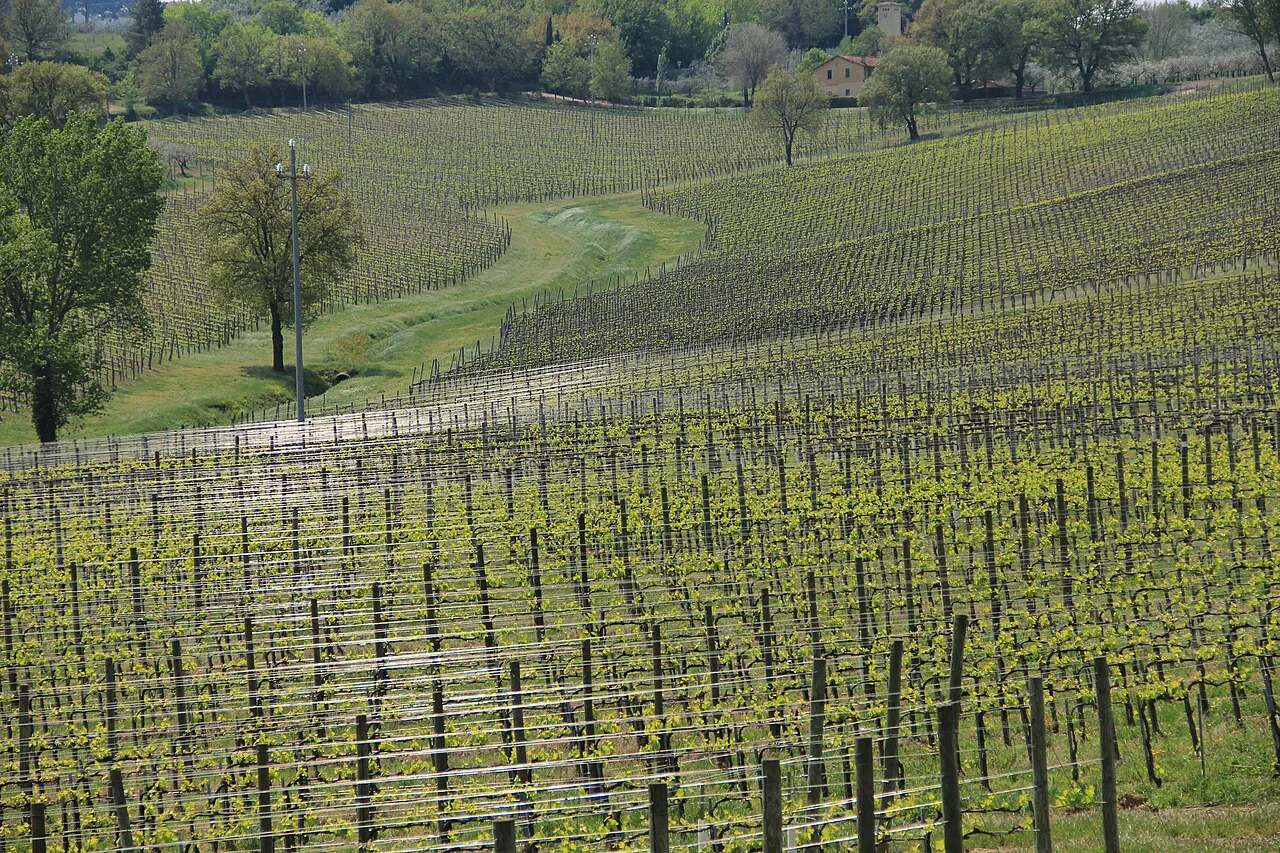
Orvieto's white wines are the local benchmark. The Orvieto DOC is built mainly on Trebbiano Toscano and Grechetto, often with a minority of other permitted grapes, and the Classico zone covers the historic hills around town. Styles range from dry and crisp to sweeter versions, so ask what is in the glass rather than assuming one profile.
The tufa cellars are the other half of the story. Their stable, humid conditions suit aging, and producers use them for barrel rooms and bottle storage. Seeing the Underground caves first makes it easier to read what a winery is showing you.
Cave Cellars and Tasting Options in Town
Several Orvieto wine bars and producers receive visitors in cellar rooms cut from tufa, and the most rewarding tasting is one where you can see the rock walls. Rather than naming cellars without a confirmed published schedule, use the town's enoteche as your starting point and ask whether the tasting takes place underground. The contrast between the Underground's archaeological caves and a working cellar is the reason to do both.
For a broader look at producers that open their doors, the Orvieto wineries guide maps the estates worth contacting. Note which are walkable from the funicular and which need a car or taxi, because country roads outside the walls are not strollable after a tasting.
Sequencing the Underground and a Tasting
The 11:00 and 12:15 slots suit a morning cave visit followed by lunch and an afternoon tasting; the 16:00 and 17:15 slots are better if you taste at midday and want a cool indoor break before dinner. Pick one of the two patterns rather than trying to squeeze both into a single afternoon.
Allow time between the cave tour and the cellar so you are not rushed. The cathedral square is a natural meeting point, and the Underground exit leaves you close to the heart of town. If your tasting is at a country estate, check transfer time before locking in a slot.
Pozzo della Cava and St Patrick's Well: Two More Ways Underground
Orvieto Underground is not the only way into the rock. Pozzo della Cava, at Via della Cava 28 in the medieval quarter, is an archaeological complex of caves beneath the oldest streets of town, and unlike the Piazza Duomo tour it needs no booking and is visited at your own pace. Captions in Italian, English, French, German and Spanish mark the main finds, and free audioguides in the same languages offer a classic route, a water-themed route and one for children; since 2023 the site has belonged to UNESCO's global network of water museums.
Entry is €5, or €3.50 for children from six, students under 25, over-65s and groups of at least ten, and the reduced rate also applies if you show a ticket for Orvieto Underground or the Pozzo di San Patrizio; children up to five go free. The courtyard and the Bottega del Pozzo shop are free to enter, and the site takes bookings for guided and themed visits and tastings, so ask what a tasting covers when you book.
Drivers can park at the former Campo della Fiera car park, where free escalators and lifts climb to the medieval quarter a few steps from the caves. If you come up on the funicular, the circular C minibus stops at the top of Via della Cava, which saves the walk across town between the Duomo tour and the second cave site.
The Pozzo di San Patrizio, or St Patrick's Well, is the town's other underground landmark. Antonio da Sangallo the Younger built it between 1527 and 1537 for Pope Clement VII, who had taken refuge in Orvieto during the sack of Rome and feared the town's water would not last a long siege. The cylindrical shaft is 53.15 meters deep, and two separate helical ramps of 248 steps, lit by 70 windows, let donkeys carry water up and down without crossing paths. Budget the climb back up before you head to a tasting.
Bundled Tour with Tasting and Light Lunch
A Viator listing markets an Orvieto Underground tour that includes a wine tasting and light lunch. The listing exists and describes a combined cave-and-wine format, but it does not clearly publish the full inclusions, duration or price in the material reviewed, so treat Viator's own page as the authority on what is served and how long it runs.
A bundled tour suits travelers without a car who want the logistics solved and a tasting guaranteed in one booking. Going independently gives you control over which cellar, how many wines and how long you linger. The trade-off is flexibility versus convenience.
Getting to Piazza Duomo from the Station
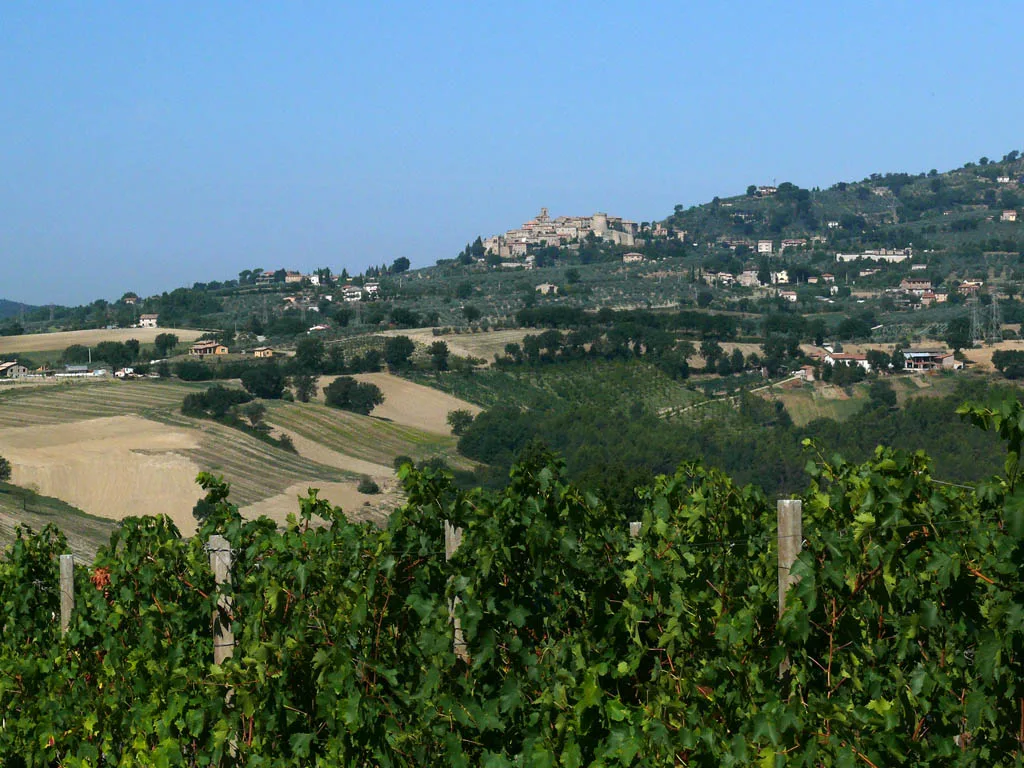
Orvieto's station sits on the Rome–Florence line, and Speleotecnica Srl notes the town is reached by train or by the A1 motorway exit at Orvieto. From the station, the funicular climbs to the historic center, followed by a short walk to Piazza Duomo. Check funicular operating times locally if you arrive late, as published schedules are not guaranteed in this guide.
Drivers should leave the car at the station or a peripheral car park and ride up, since the center is largely closed to through traffic. A driver should not taste; use spittoons, a designated driver, a tour or public transport. That choice shapes whether you book a bundled tour or a stand-alone cave slot.
Timing, Crowds and Language Slots
Summer is the peak season, and Speleotecnica Srl's advice to reserve a day ahead reflects it. The midday slots fill with day-trippers, so if you want a quieter cave, the standard advice is to aim early or late. Market days in town also change the rhythm of the streets; ask at your accommodation which mornings are busiest, and check current dates before fixing your plans.
If you need a language other than Italian or German, request it in writing well before your visit. Multi-lingual guides are arranged on request rather than guaranteed at every departure. Build a little slack into the day so a language change does not derail your tasting reservation.
Where to Eat and Other Orvieto Plans
After the cave visit, the lanes around the Duomo and the corso offer simple lunches and wine bars. Pair the Underground with a cathedral visit and a cellar tasting, and you have a coherent day without a car. Orvieto also works as a base for day trips, including Assisi and the wider Umbrian wine country.
For travelers comparing underground cellars across Italy, Montepulciano is the other great tufa-and-wine town. The contrast is instructive: Orvieto's caves are archaeological, while Montepulciano's are more often working wine cellars, so it helps to know which Montepulciano wine cellars open their cantinas to visitors. If you are planning both, do Orvieto first for the history and Montepulciano second for the barrels.
Plan Your Visit
Book your Orvieto Underground slot around the fixed times, then choose a tasting that matches your transport. If you are driving, plan not to taste, or arrange a driver. For the full picture of local producers and styles, start with the Orvieto wine tasting guide and the Orvieto winery listings, then confirm the current details with your chosen cellar.
Frequently Asked Questions
What time are Orvieto Underground tours?
Departures are at 11:00, 12:15, 16:00 and 17:15 daily from 1 January to 31 December. The site closes on 25 December.
How much is an Orvieto Underground ticket?
There is a full-price ticket and a reduced ticket for students, seniors and groups over 25 people. The price is available when you book by email or phone.
Do I need to book Orvieto Underground in advance?
In summer booking at least a day ahead is strongly recommended. Reservations are taken by email and phone.
Can you taste wine in Orvieto's underground caves?
The Orvieto Underground visit is a guided historical tour, not a tasting. Wine tastings take place at separate cellars and enoteche in town or at producers outside the walls.
How do I get to Piazza Duomo from the train station?
Take the funicular from the station area up to the historic center, then walk to Piazza Duomo. Check the funicular schedule locally for late arrivals.
Sources
Notes for your next wine trip
Optional updates to our winery and wine-town guides.
You might also like
Continue reading
More guides you'll find useful