Agriturismo Orvieto: Farm Stays in the Orvieto Wine Country
How agriturismi around Orvieto work as a wine-tasting base: what farm stays include, how far they sit from town, and how to plan a day without driving.
On this page
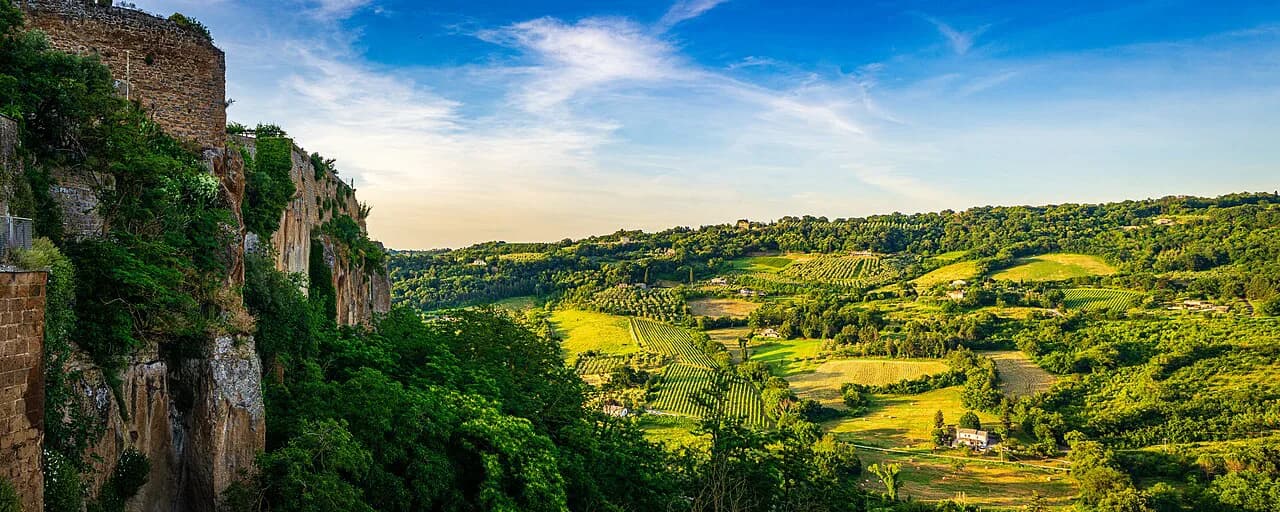
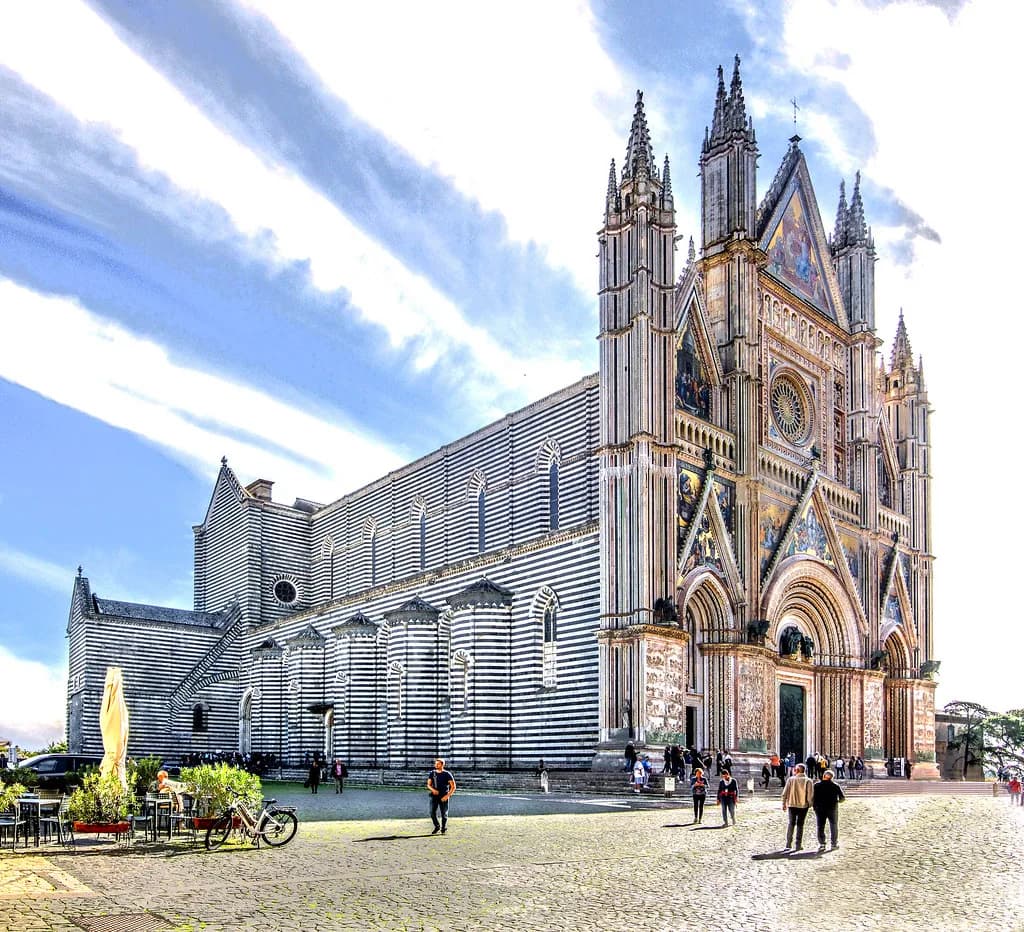
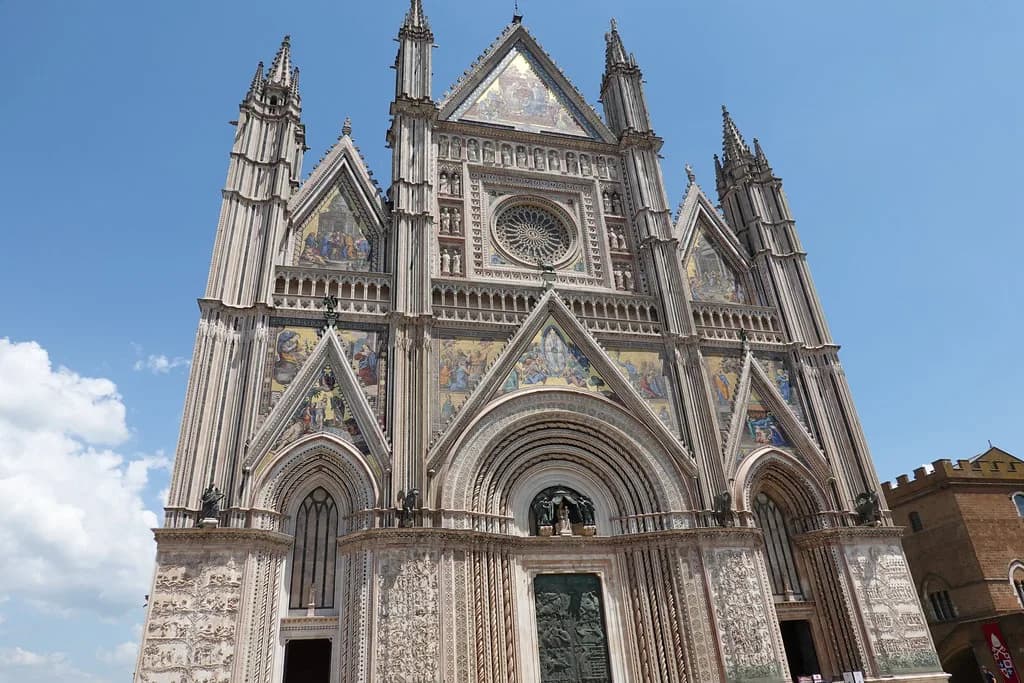
Orvieto sits on a plateau of volcanic tufa above a valley of vineyards and olive groves, which is why the town works unusually well as a wine base. You can spend the morning in the Duomo and the afternoon among vines, and still sleep in the countryside rather than a city hotel. The question is not whether to stay outside the walls but which part of the countryside suits the wines you want to taste.
Farm stays here are not interchangeable with rural hotels. An agriturismo is legally tied to agricultural activity, so the property you book may be a working olive farm with a few guest rooms, an old stone farmhouse converted to rooms and breakfast, or something in between. Knowing which one you are booking decides whether your evenings involve a drive or a walk to dinner.
This guide reads the Orvieto countryside as a tasting base rather than a hotel list. It covers the layout of the valley, the wine styles you will meet, how to group nearby appellations into one coherent route, and how to handle transport when nobody in the party wants to drive. For the town side of the same trip, the main wine tasting in Orvieto guide covers cellars and enoteche inside the walls.
Why Orvieto Works as a Wine-Tasting Base
The town's position on the Florence–Rome rail line is the practical argument. You can arrive by train, leave luggage, and be in the vineyards the same day, which is rare for a historic hill town of this size. Orvieto also sits close enough to Montefalco and Torgiano that a two- or three-night stay can cover three distinct appellations without long transfers.
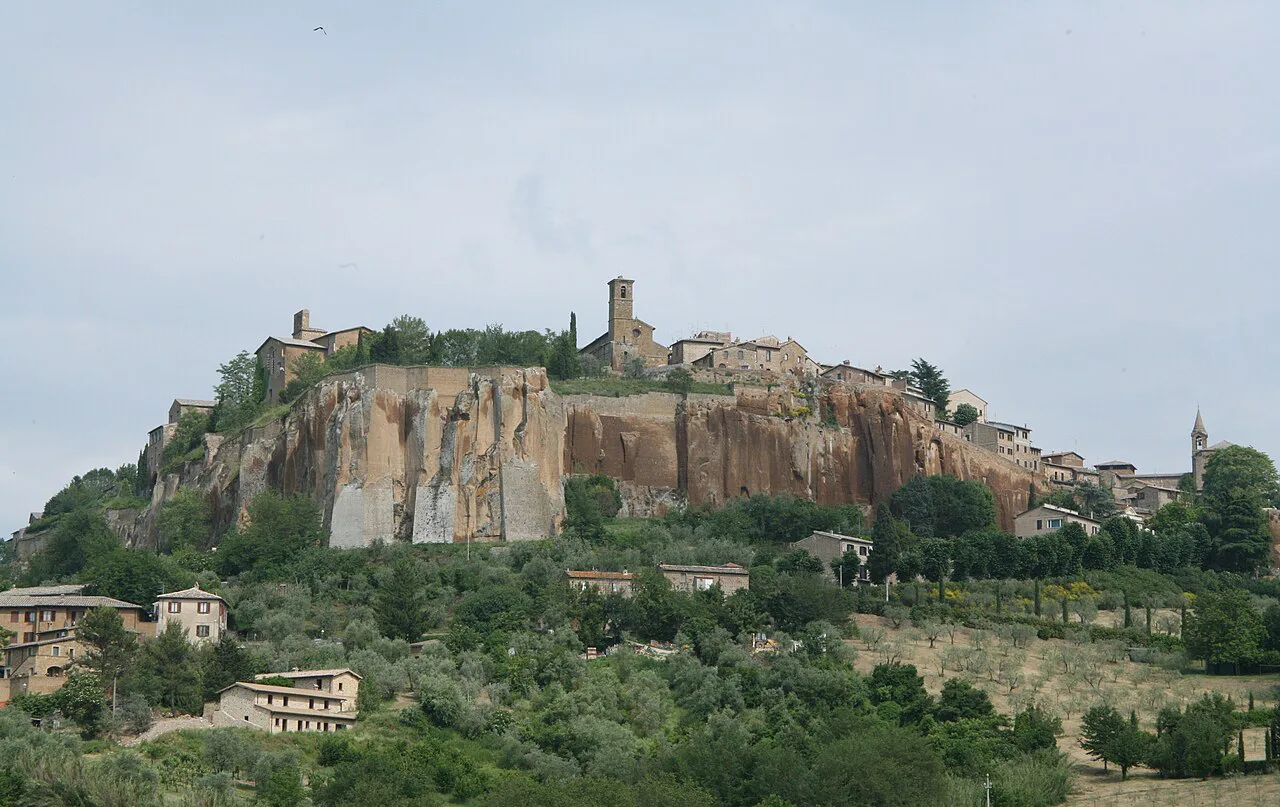
The second argument is scale. The Orvieto production zone wraps around the base of the tufa cliff and spreads across the surrounding hills, so the countryside begins at the edge of town rather than an hour away. A farm stay in the valley can put you among olive groves and vines while the Duomo stays visible on the skyline.
The trade-off is evening logistics. Countryside properties sit on rural roads with little lighting and no continuous pavement, and the town's restaurants cluster inside the walls or just below them. If you want to eat in Orvieto at night, either choose a stay within easy taxi range or plan to eat on the farm. Orvieto wineries covers the cellar side of the same landscape if you are still deciding where to taste.
What an Agriturismo Actually Is
In Italy the term is regulated: an agriturismo must be run by an agricultural business and connected to farming on the land, which is why the category skews toward olive groves, vineyards, livestock and orchards rather than decorative countryside. Guests are meant to see how the land is cultivated, and local produce is often sold or served on site.
Registration as an agriturismo does not guarantee a wine experience. A farm can qualify through olives, grain, honey or vegetables, so a beautifully restored farmhouse may have no cellar and no tastings at all. If tasting on the property matters to you, ask the farm directly whether it makes wine and whether guests can taste it; the word agriturismo does not imply a winery.
The category also covers a wide range of comforts. Some properties are simple working farms with a handful of rooms and a shared dining table; others are polished conversions with pools and panoramic terraces. Names you will meet in Orvieto listings, such as La Chiusetta, L'Elmo, Locanda Rosati, Cioccoleta and Tenuta di, span that range, and accommodation aggregators list them without much detail on farming activity, so the property's own site is the place to establish what the farm actually produces.
How the Orvieto Countryside Is Laid Out
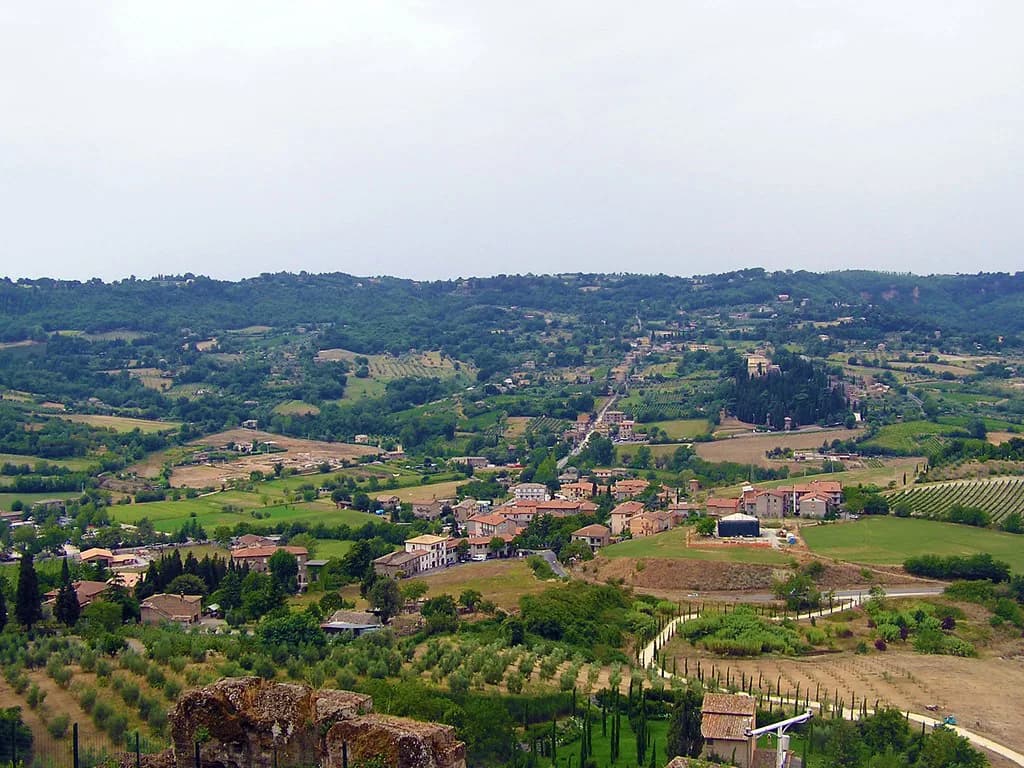
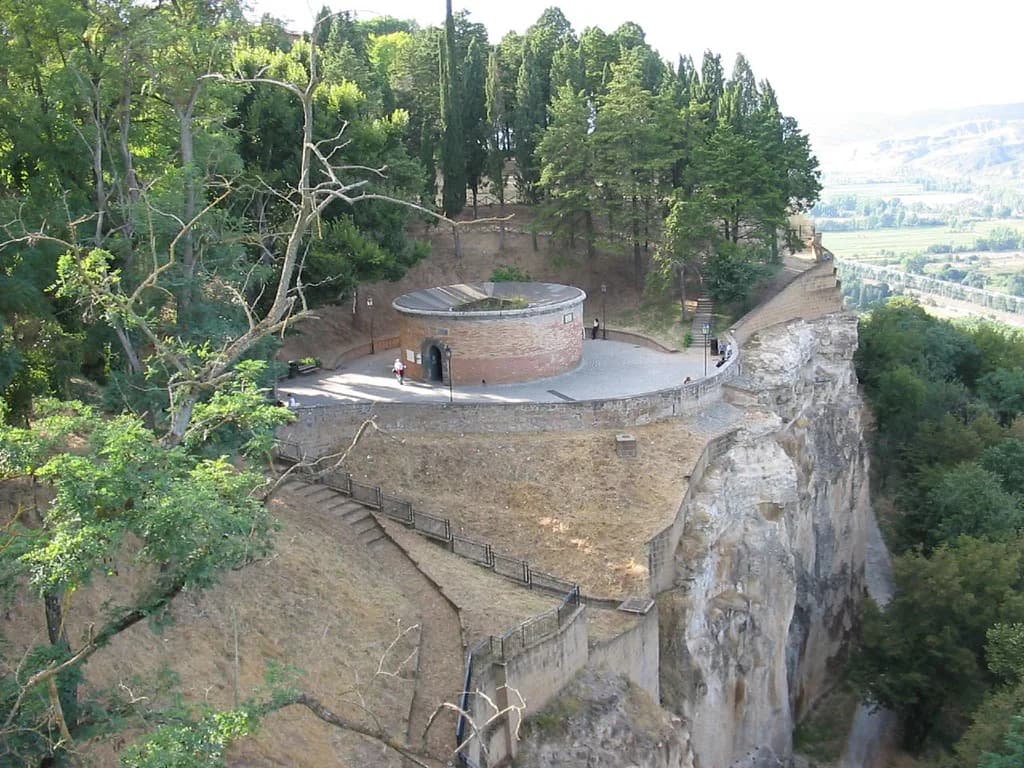
Think of Orvieto in three rings. The first is the rupe itself, the tufa cliff and the town on top, where cellars are carved into the rock below the streets. The second is the immediate valley floor and lower slopes, where olive groves, vegetable plots and vineyards begin within a few minutes of the town gates. The third is the surrounding hamlets and parishes spread across the hills, where most farm stays sit.
The San Bartolomeo valley, east of Orvieto, is one of these rural pockets and a useful reference point. Agriturismo Antica Olivaia occupies a stone farmhouse there that the owners date to the 1600s, on a seven-hectare estate of olive groves, forest, fields and creeks; the farm's own page describes it as an agriturismo with guest rooms, breakfast on a panoramic veranda and estate olive oil rather than a winery. That profile, a farm with rooms and food but no cellar, is common in the area and worth recognising before choosing where to stay.
For orientation, treat the town as the hub and the hamlets as spokes. Ask any property for its distance from the Orvieto station and from the Duomo, not just its postal address, because a farm can be administratively in Orvieto while sitting several kilometres down a country road. The Orvieto DOC zone follows these slopes, so a stay on the right side of town shortens every vineyard visit.
Vineyards With Rooms vs. Converted Farmhouses
Two broad types of stay serve wine travelers, and they behave differently. The first is a working estate that grows grapes and makes wine, where rooms are a side business; you wake up inside the production landscape but the accommodation may be plain. The second is a converted farmhouse focused on rooms, breakfast and quiet, where the farming link may be olives or a kitchen garden rather than vines.
Choose the first if your priority is walking out to the vines and talking to the people who farm them, and accept that hospitality may be simpler and dinner may depend on the family's schedule. Choose the second if you want comfort, a pool and a reliable breakfast before driving to tastings elsewhere. Neither is better; they answer different questions about how you want to spend the hours between winery visits.
Where a farm does make wine, do not assume a formal tour is included. Ask at booking whether the estate pours its own bottles, whether there is a cellar to see, and whether the tasting is for guests only or open to outside visitors. That single question separates a genuine wine stay from a scenic bed for the night.
What a Farm Stay Includes: Rooms, Breakfast and Estate Oil
Breakfast is the reliable common thread. At Antica Olivaia it is served on a panoramic veranda, with the owners baking tarts and cakes, and the farm's own extra virgin olive oil is part of what guests are invited to try. Guests also have use of a pool, hammocks and walking routes across the seven-hectare estate, which matters if you plan a rest day between tasting days.
The property also illustrates how varied the food side can be. Its owners describe one-day and half-day itineraries for guests that range from medieval towns and waterfalls to food and wine experiences, and they recommend dishes and wines from the region. That kind of local knowledge is often the most useful thing a farm stay provides, more than any printed tasting menu.
Contact details are published openly: Località San Bartolomeo 17, Orvieto, with telephone numbers and an email address on the farmhouse page, and the property publishes its site in both Italian and English. Use those channels to state your dates and ask what is included before committing, since inclusions vary from farm to farm. If you want to compare the model elsewhere in central Italy, Agriturismo in Montepulciano covers the same question for a Tuscan wine town.
Orvieto's Wines in Brief
Orvieto's white is the region's signature, historically a blend built on Trebbiano, known locally as Procanico, with Grechetto adding structure and the wine labeled Orvieto Classico when it comes from the historic heart of the zone. Styles run from dry and lean to sweeter versions, so the label alone does not tell you what is in the glass. Ask which style is being poured before you commit to a flight.
Grechetto also appears as a varietal wine, and it is the grape most worth seeking out if you want to understand Umbrian whites beyond the famous blend. Around the hills you will also find lighter reds from Sangiovese and other local grapes, which suit the region's cured meats and pasta better than a heavy pour would.
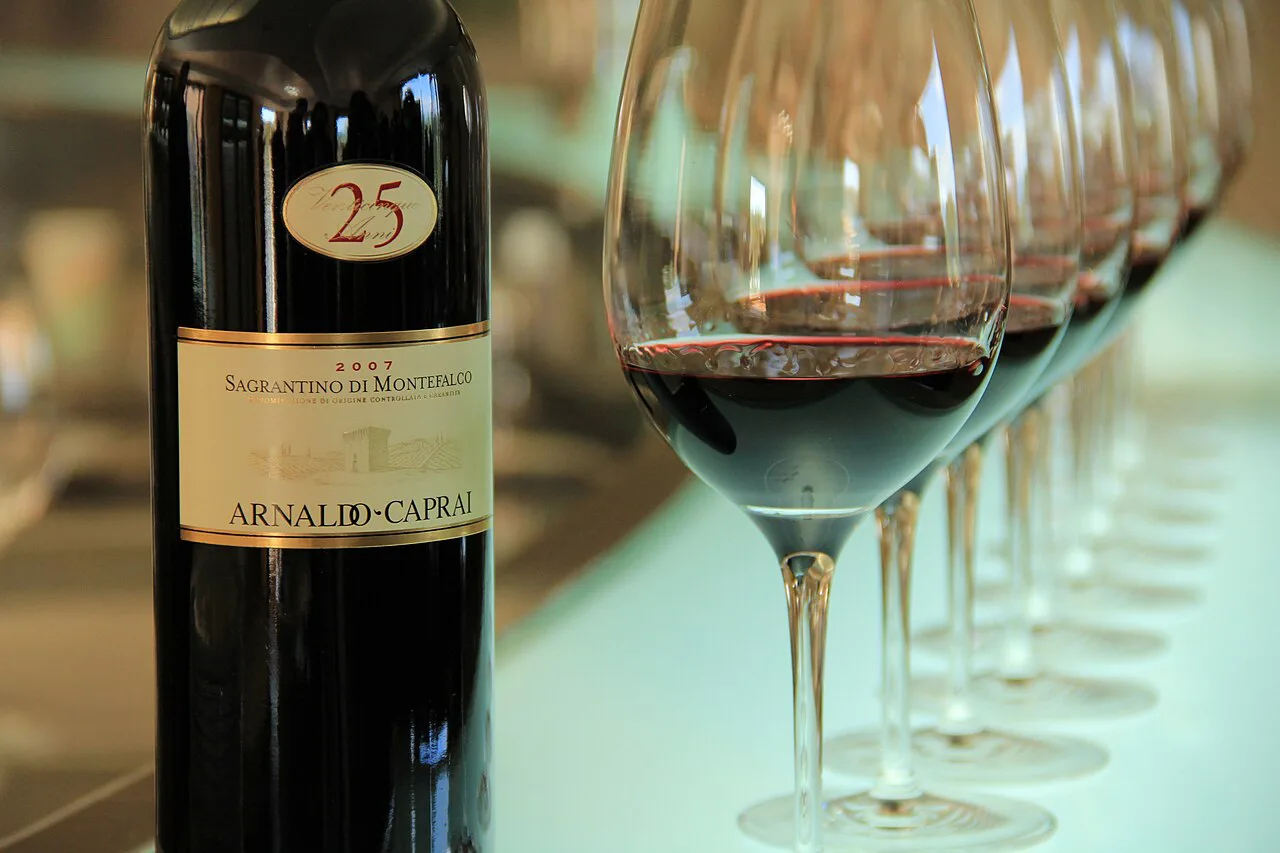
The wider region gives you two contrasting red destinations. Montefalco, south-east of Orvieto, is the home of Sagrantino, a tannic grape bottled as Montefalco Sagrantino DOCG, while Torgiano, south of Lake Trasimeno, has its own DOCG built on Sangiovese. Both are day trips rather than strolls, which is why grouping them with Orvieto stays requires a car or a driver.
Pairing a Stay With Tastings: Which Appellations to Group
A sensible three-day structure keeps each day in one zone. Day one stays on the Orvieto slopes for whites and a cellar visit under the town; day two heads south to Montefalco for Sagrantino; day three covers Torgiano or a slower morning in the Orvieto countryside. Trying to combine Montefalco and Torgiano in one afternoon means spending more time on rural roads than in cellars.
If you are based on a farm east of town, Montefalco is the natural second-day target because the route runs south rather than back through Orvieto. Montefalco Sagrantino Wineries lists the producers that receive visitors, which is the detail that decides whether a day trip is realistic.
Wine tours from Orvieto solve the appointment problem as well as the driving one. Many small producers open by arrangement rather than fixed hours, and a guide who books the visits can string together two or three stops that an independent visitor would struggle to coordinate. The trade-off is cost and a fixed schedule, so compare the tour price against the cost of a taxi and your own booking emails before deciding.
Dining on the Farm or in Orvieto
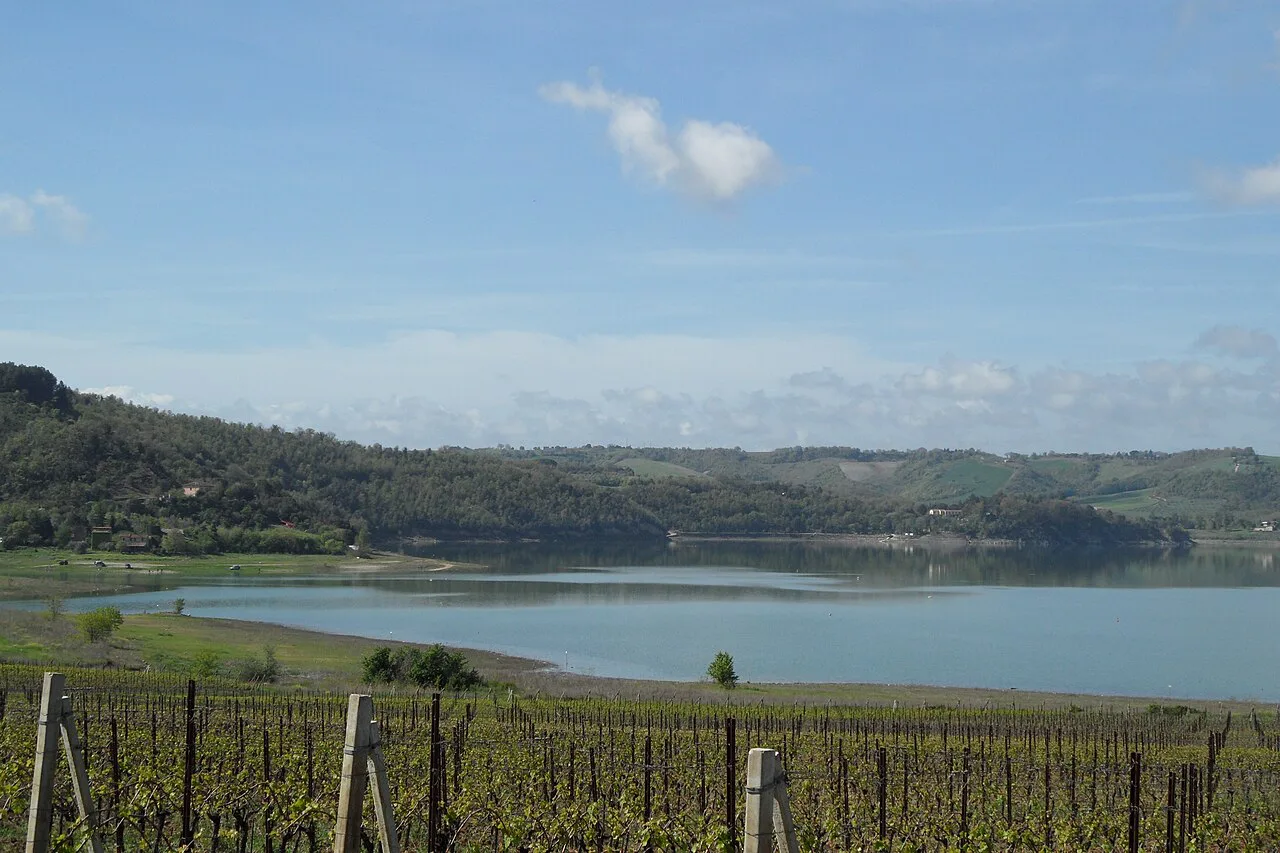
This is the decision that shapes your evenings. A farm with a dining room or table service lets you taste through lunch and stop, with no drive afterward; a rooms-and-breakfast property leaves dinner to the town. Country roads here are narrow, unlit and often without verges, so an evening return from Orvieto to a rural farm is a taxi journey, not a stroll.
If you plan to eat in town most nights, weigh that against the cost and availability of taxis back to the countryside, especially late. If you plan to eat on the farm, confirm at booking whether dinner is offered every night or only sometimes, and whether it must be reserved in advance. Many small farms cook for guests by arrangement rather than running a restaurant.
A middle path works well: stay in the countryside, taste and lunch at farms during the day, and keep one or two evenings in Orvieto for the restaurants around the Duomo, using a taxi both ways. That keeps the wine-day driving to daylight hours, when the roads are easier and the views are the point.
Pools, Belvedere Views and What You Trade for Them
The appeal of a countryside stay is space: a pool, a terrace facing the valley, a bench positioned for sunset over the tufa cliff. Antica Olivaia describes exactly this, with a pool, hammocks, a meditation bench looking toward Orvieto and a belvedere terrace over the Umbrian countryside. For a couple splitting a wine trip with rest days, that is a real asset.
What you trade is proximity. From a farm in the valley you cannot walk out for a coffee, a museum or an evening passeggiata; every town excursion becomes a short drive or a taxi. Travelers who want to step out of the door into Orvieto's streets should base inside the walls and treat the countryside as a day trip instead.
There is a third option that suits mixed itineraries: split the stay. Two nights in town for the Duomo, the underground and the enoteche, then two nights on a farm for the vineyards and the quiet. Repacking once is a small price for getting both versions of Orvieto.
Reaching a Farm Stay Without a Car
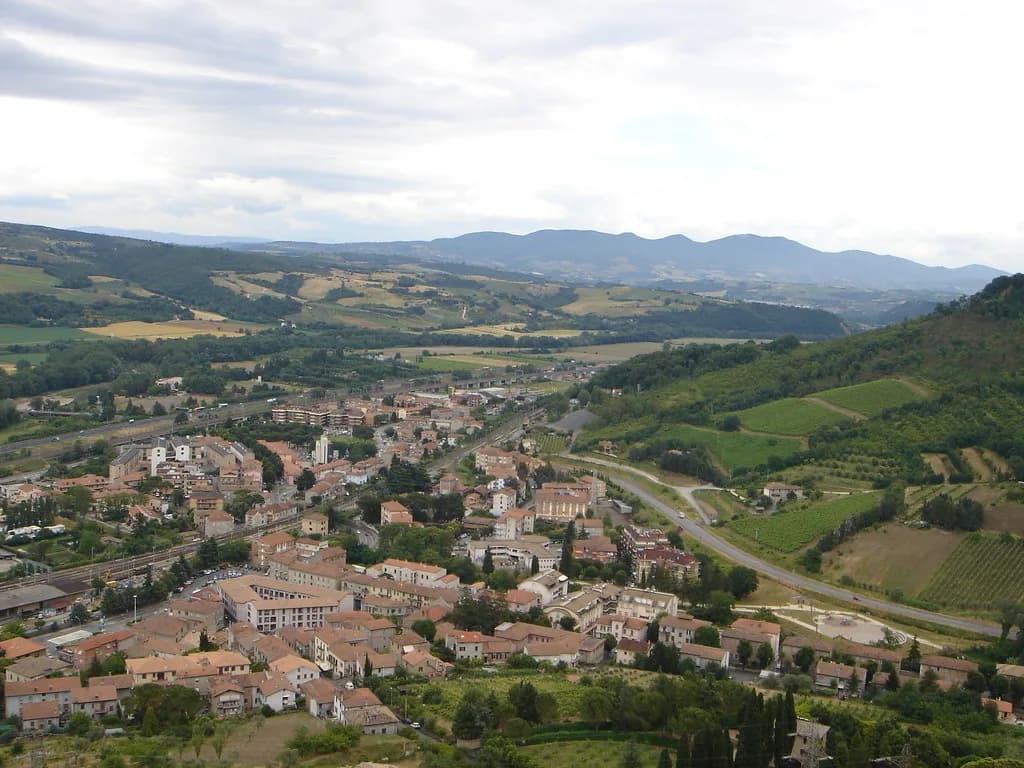
Orvieto's main advantage is rail. The town sits on the Florence–Rome line, with frequent trains and a station below the cliff connected to the historic centre by funicular and bus. That gets you to Orvieto easily; the last few kilometres to a farm are the part that needs planning, and they are not walkable with luggage on rural roads.
Taxis from the station are the straightforward solution for the transfer, and some farms will arrange a pickup if asked in advance, as Antica Olivaia invites guests to get in touch with the owners by email or phone. Ask about the transfer when you book rather than on arrival, and confirm whether the arrangement is a lift or a paid service. Once installed on the farm, you can use the same taxi for winery visits or join an organized tour that collects from accommodation.
Travelers who want to taste independently should consider staying in Orvieto town and using trains and tours for the wine days, keeping the farm stay for a car-based trip. Mixing a rural base with no car only works if the property is close to a village with buses or if you budget for taxis on every outing.
Guided Tour vs. Independent Wine Day
Independent tasting gives you flexibility and lower headline cost, but it puts the booking work on you. Around Orvieto, smaller cellars often receive visitors by arrangement, so you will be sending emails or making calls in Italian or English and coordinating times across two or three properties. A car or a hired driver is then essential, since the countryside has no practical vineyard-to-vineyard bus network.
A guided tour removes the appointment handling, the driving and the map reading, and often adds a guide who can explain the difference between Orvieto Classico and the wider DOC on the way. The trade-off is a fixed itinerary and a group pace, which can feel rushed if you like to linger in a cellar.
For the town itself, note that Orvieto's cellars are not all wineries: many are carved spaces below the streets, and the Orvieto underground route through them is a separate attraction from wine tasting. Plan those visits for a morning and keep the afternoon free for a producer outside the walls.
Booking a Farm Stay: What to Ask Before You Commit
Start with the questions that determine the shape of the trip: is dinner available and on which nights, is the farm reachable by taxi, does the property make wine, and is the stay tied to a minimum number of nights. Ask about harvest, roughly late summer into early autumn in Umbria, when farms are busy and rooms fill earlier; book well ahead if your dates fall in that window.
Then ask about the tasting side: which producers the owners send guests to, whether they can book a visit on your behalf, and whether a driver or transfer can be arranged. A farm that answers these in detail is usually the one that will look after you once you arrive.
Finally, confirm the practical matters in writing, including the exact address and the nearest landmark, since rural properties can be hard to find after dark. Telephone numbers and email addresses are published on the Antica Olivaia farmhouse page; other farms you find through Orvieto listings should be contacted through their own sites so you can read the terms directly.
Drinking Responsibly on a Tasting Day
A tasting day needs a plan for the person behind the wheel. If you are driving, spit rather than swallow, keep the pours small and treat the drive back as the priority it is; rural roads here reward a completely sober driver. Otherwise designate a driver for the day, book a tour, or keep the tasting to a town you reached by train.
The same logic applies to the evening. If dinner comes with wine, the return to a countryside farm should not involve anyone driving, which is where a farm with table service or a pre-arranged taxi earns its keep. Decide this before you book rather than on the night.
Plan Your Orvieto Farm Stay
Choose the property by the shape of your days, not the photographs. A working farm east of town gives you olive groves, quiet and a valley view; a rooms-focused farmhouse gives you breakfast and a pool; a hotel inside the walls gives you the Duomo on your doorstep. Decide which of those you want for each night, and split the stay if the answer is more than one.
Then solve transport and dinner before anything else. Confirm how you will reach the farm from Orvieto station, whether you will eat on site or in town, and who is driving on each day of tasting. With those three answers fixed, the rest of the trip, from Orvieto Classico whites to a Montefalco day, falls into place.
For the cellar and enoteca side of the same visit, the main wine tasting in Orvieto guide is the natural next read, and Orvieto wineries listings help you pick producers that actually open their doors.
Frequently Asked Questions
What is an agriturismo and how is it different from a B&B?
An agriturismo is a regulated Italian farm stay tied to a working agricultural business, so guests are hosted on land that is actually cultivated. A B&B only has to provide a bed and breakfast and carries no farming requirement. In practice the line blurs, because many converted farmhouses offer rooms and breakfast with only a small olive grove or kitchen garden as the agricultural link. Ask what the farm produces if that matters to you.
Can you stay on a vineyard near Orvieto?
Yes, some estates around Orvieto combine grape growing with guest rooms, though many countryside stays are olive farms or mixed farms rather than wineries. The word agriturismo does not guarantee a cellar or tastings, so confirm directly whether the property makes wine and whether guests can taste it. Orvieto winery listings help identify producers that receive visitors.
Do Orvieto farm stays serve dinner?
It varies. Some farms cook for guests by arrangement, others offer only breakfast and expect guests to eat in Orvieto. Because rural roads are narrow and poorly lit, a farm without dinner means relying on a taxi for evening meals in town. Ask at booking which nights dinner is available and whether it must be reserved ahead.
How do you reach an Orvieto agriturismo without a car?
Take the train to Orvieto, which sits on the Florence–Rome line, then a taxi from the station down to the farm. Some properties will arrange a pickup if you ask when booking. Once installed, use the same taxi or a guided tour for winery visits, since the countryside has no practical vineyard bus network.
What wines should you taste around Orvieto?
Start with the Orvieto white blend, built on Trebbiano or Procanico with Grechetto, and try Grechetto as a varietal wine to understand the local style. Lighter reds from the surrounding hills pair well with Umbrian food. Further afield, Montefalco is known for Sagrantino and Torgiano for Sangiovese-based wines.
When is harvest in Umbria and does it affect bookings?
Harvest generally falls from late summer into early autumn, with dates shifting according to the season and the grape. Farms are at their busiest then, so accommodation can fill earlier and owners have less time for spontaneous visits. Book ahead and arrange tasting appointments, as you can't count on turning up during harvest.
Is a farm stay a good base for visiting Assisi and Montefalco?
Yes, if you have a car. Assisi and Spello lie to the north-east and Montefalco to the south-east, both realistic day trips from the Orvieto countryside. Without a car the combination becomes difficult, and you are better off staying in Orvieto town and joining organized excursions.
Sources
Notes for your next wine trip
Optional updates to our winery and wine-town guides.
You might also like
Continue reading
More guides you'll find useful