Tabarrini Winery: Visiting Montefalco's Sagrantino Estate
What to expect from a visit to Tabarrini in Montefalco, how far it is from Orvieto, which wines to know, and how to arrange a cellar stop without driving.
On this page
Tabarrini sits in the Turrita hills of Montefalco, a Sagrantino stronghold about an hour and a half east of Orvieto across the Umbrian divide. It is not a city tasting room you drop into between duomo visits; it is a working family estate where the cellar doors open by arrangement for friends and enthusiasts. This guide covers what the estate publishes about hosting, how to reach it without a car, and how to build the day around it.
Plan it as the anchor of a full day rather than a quick stop. The drive or train-and-taxi combination eats a chunk of the morning, and the reward is a district of hill towns where Montefalco, Bevagna and a handful of other cellars sit within easy reach of one another. If Orvieto is your base, treat the Tabarrini stop as the reason to cross into the Montefalco zone, then spend the afternoon among the villages. If your Umbrian plans stretch toward Tuscany, the same cellar-first logic applies to wine tasting in Montepulciano, where appointment-driven estates also reward a single planned visit.
Why Tabarrini Is Worth the Trip from Orvieto
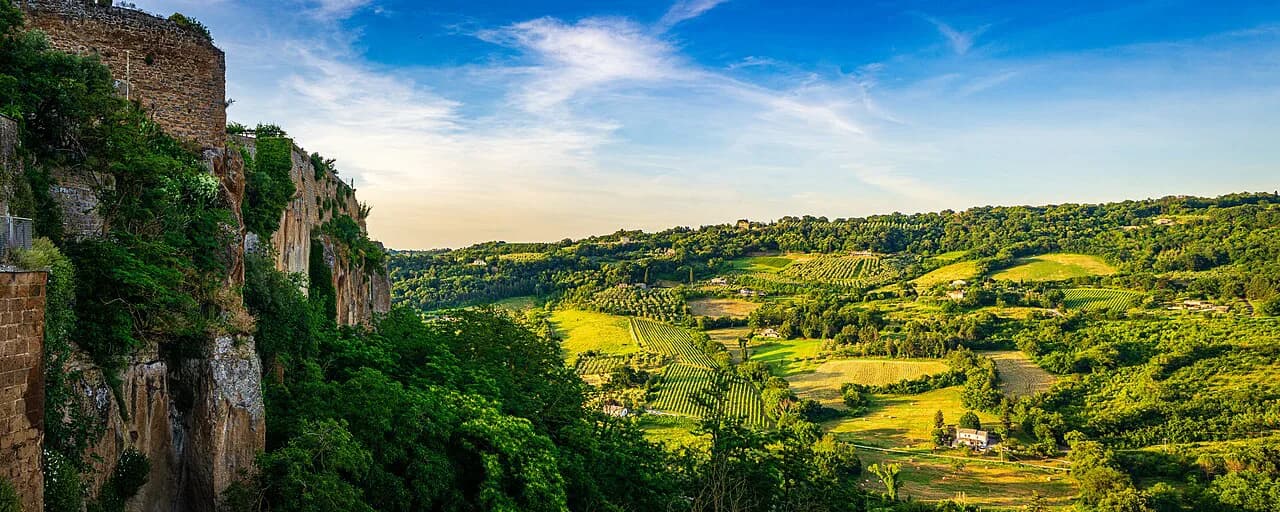
Tabarrini is a small, quality-driven estate known for Sagrantino and for Trebbiano Spoletino, with vineyards spread across Montefalco in separate plots worked as individual crus. The family farms roughly 22 hectares, 15 of them planted to vines, and the cellar is built on different levels to move wine by gravity rather than pumps. That detail tells you what kind of visit to expect: a production-focused cellar rather than a polished visitor center.
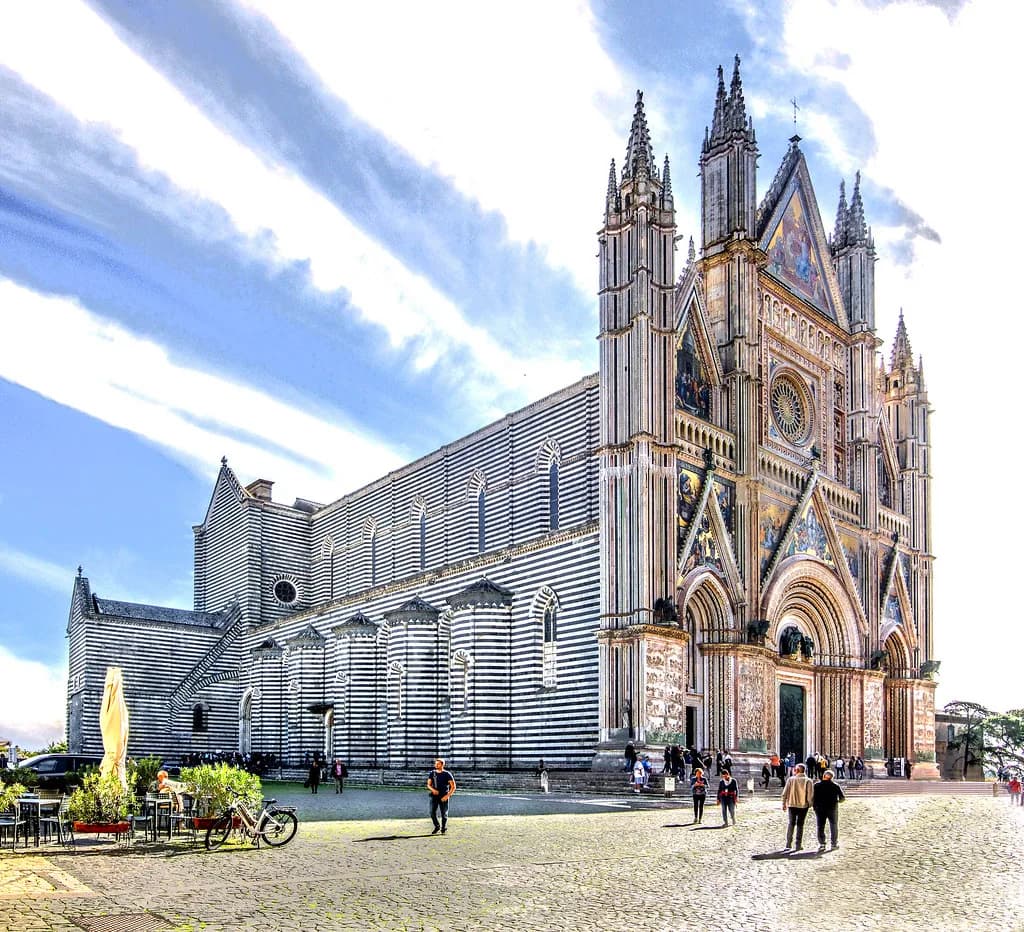
For travelers based in Orvieto, the logic is straightforward. Orvieto is a white-wine town with its own Classico tradition; Montefalco is where you meet one of Italy's most tannic red grapes. Crossing the valley lets you compare two Umbrian identities in a single trip, and it explains why this estate earns a place on a short itinerary even when the drive is long. If you want the Orvieto side covered first, start with the local wine tasting in orvieto before heading east.
Where Tabarrini Sits in the Montefalco Landscape
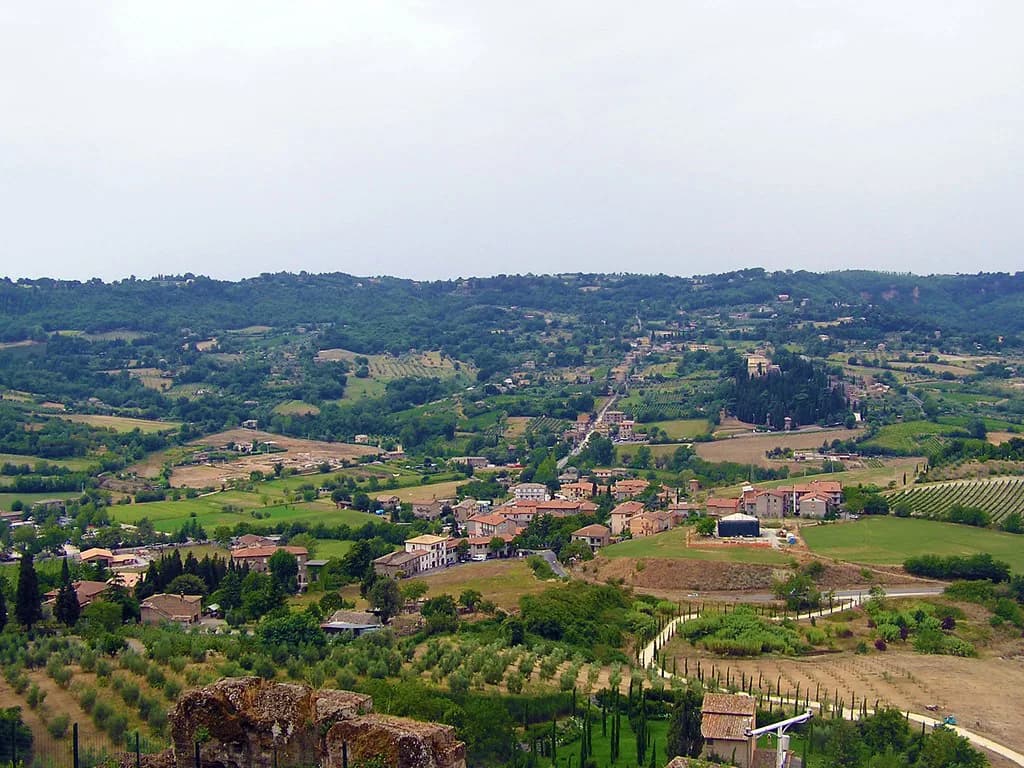
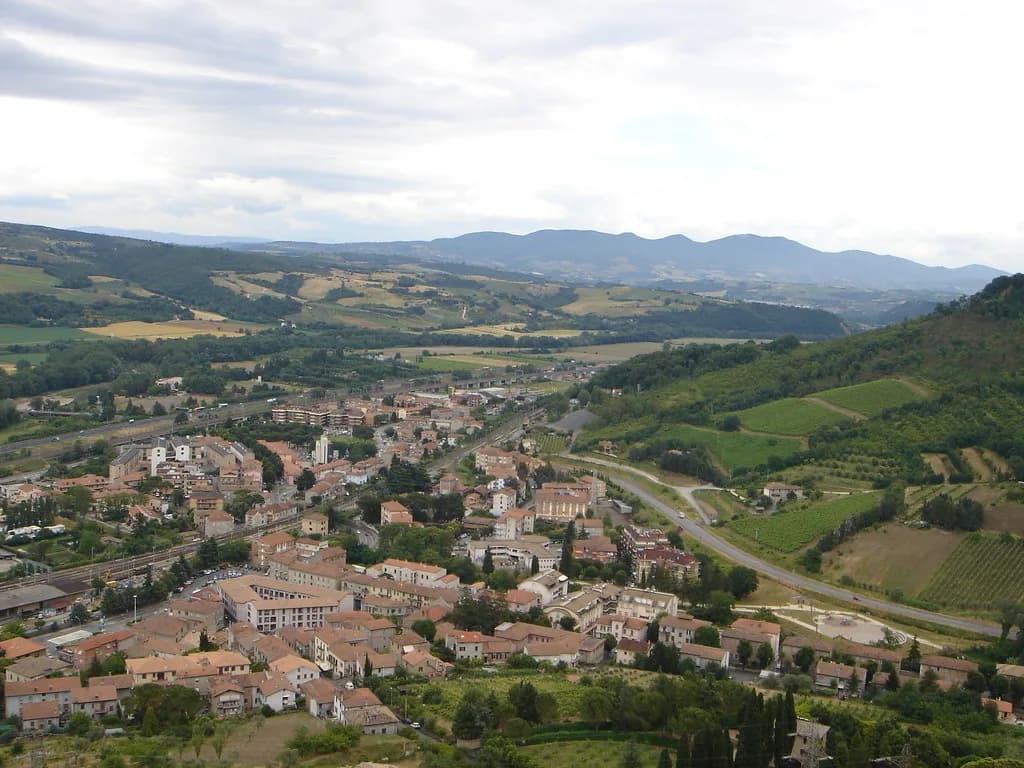
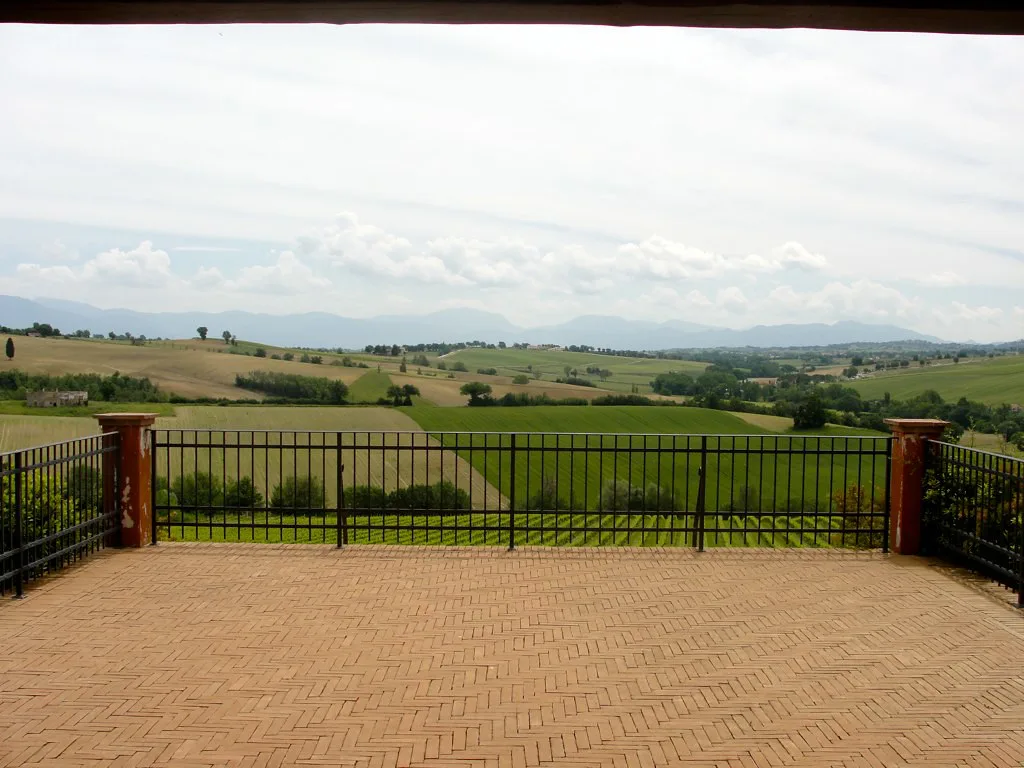
The estate is in Turrita, a village in the Montefalco area, with its plots scattered across the surrounding hills. Giampaolo Tabarrini took over the family farm in the late 1990s and built the current project, with his partner Federica, resident winemaker Alessandro Meniconi and consulting oenologist Emiliano Falsini on the production side. Fermentations are spontaneous, macerations are long, and aging happens in large oak barrels with a spell in bottle before release.
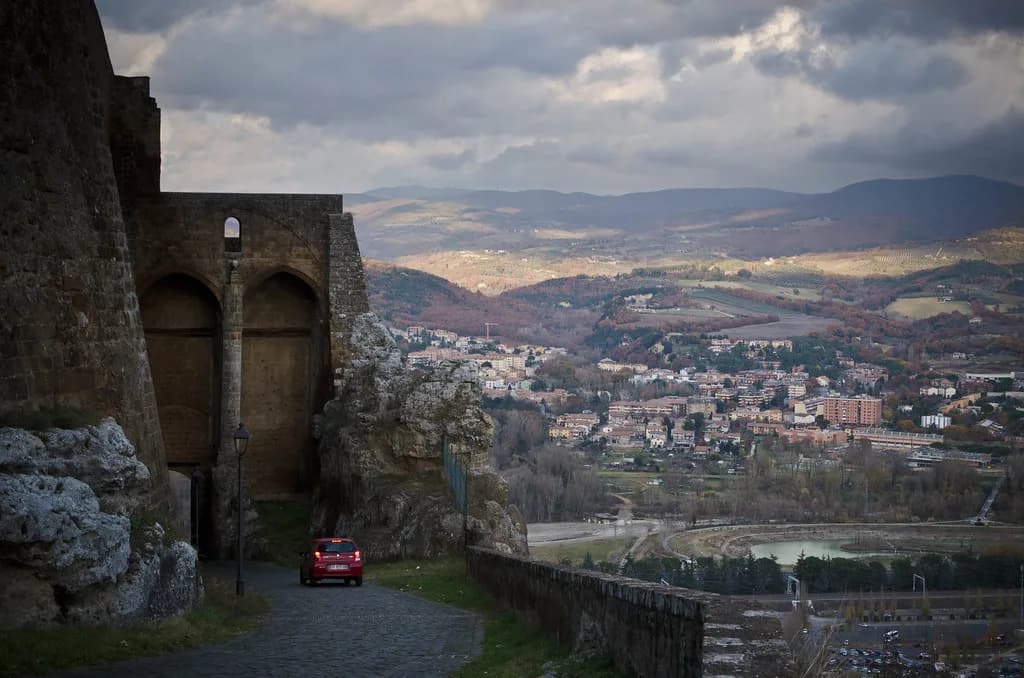
From Orvieto, expect a drive of roughly an hour and a half on the A1 and then the SS3 or SS316 toward Foligno and Montefalco, depending on the routing you choose. The last stretch climbs into vineyard country, so the final kilometers are slower than the highway. Because the address is rural, a navigation pin or written directions from the winery matter more than in a town center; request them with your booking confirmation.
Getting There Without a Car
Independent travelers usually piece the trip together by rail and road. Trains run along the Orvieto corridor toward Spoleto or Foligno, and from either station you continue by regional bus or taxi toward Montefalco and Turrita. The variable is the final leg: buses in rural Umbria are sparse and often tied to school and commuter rhythms, so the last few kilometers may need a taxi called ahead. Do not build the day around a freshly discovered timetable; note the return times when you arrive, because the last afternoon bus can be hours before dinner.
The alternative is a guided wine tour or a private driver arranged from Orvieto. It costs more than two train tickets but removes the timetable risk and the dead time between connections, and it is the only sensible option if your group wants to taste without a designated driver. Group tours also tend to bundle Montefalco with Bevagna or other cellars, which suits the geography. Compare orvieto wine tours that explicitly list Montefalco pickup and drop-off before committing.
If anyone in the group is driving, that person should not taste. Use spittoons, nominate a driver, or book a tour or public transport instead. The winery roads are narrow and dark early in the evening outside summer, so a plan that ends with a relaxed driver beats one that ends with a rushed descent.
Booking a Visit: Appointment Culture in Montefalco
Tabarrini's own site says it welcomes friends and enthusiasts to the cellar, and lists experiences for winery visits and tastings as coming soon rather than publishing fixed formats. That means you cannot yet rely on a published schedule of tour times, and you should write or call to arrange the details. The site carries contact details, so begin there rather than through an agency, which adds a layer between you and the family.
Treat the email as a short brief. State your date and preferred time window, the number of adults, whether you are driving and need parking, and whether you want a cellar walkthrough or just a seated tasting. Ask directly how many wines are poured, whether a tour of the production rooms is included, how long the visit runs, whether food is served, and what the cost is per person. Those five answers determine whether the stop fits a half day or a full one, and the winery is the only reliable source for them.
Small artisan estates in this district run on fixed appointment slots, often one host at a time. A week's notice is courtesy; a few days is usually workable in quiet seasons, but harvest and the autumn wine weekends fill quickly. Keep the reply with you, since a rural cellar with seasonal staffing may not staff a drop-in counter on the day.
The Cellar Experience: What the Estate Describes
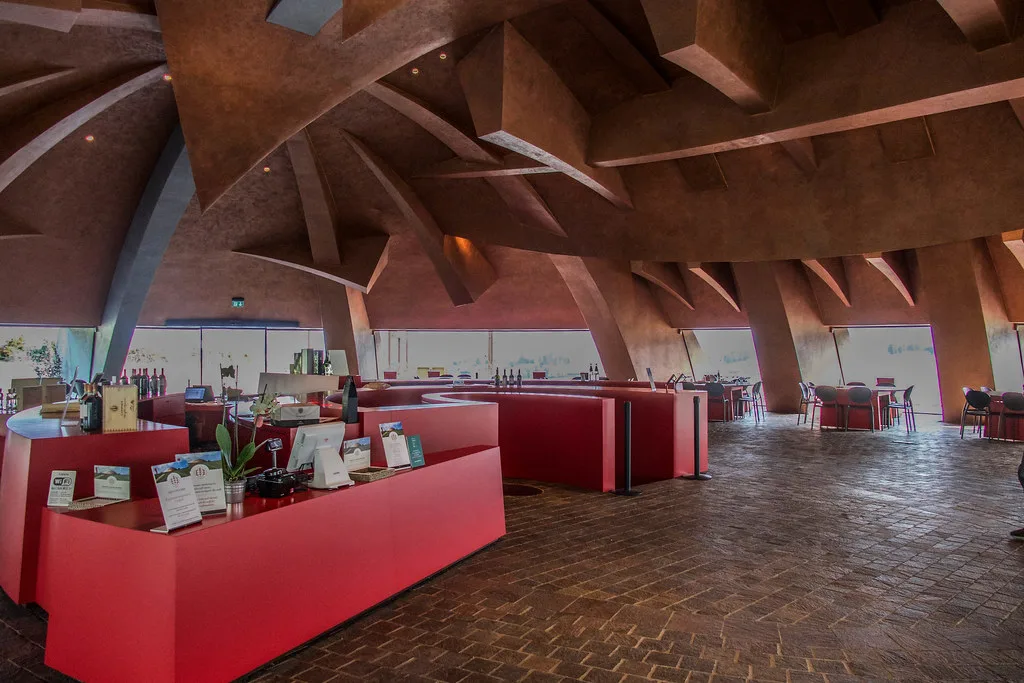
The estate describes an open, immersive cellar space spread over several levels, with the opportunity to see where the wines are made and laid down against a backdrop of hills, vineyards and old villages. Visits are framed around wine and production rather than dining. There are no published tasting menus, no stated number of pours and no listed prices, so the format is agreed when you book.
Build the rest of your day around an undetermined stop length. If you are on public transport, book a late-morning tasting and leave the afternoon open for Montefalco village, which keeps you from chasing a tight train. If you are driving or on a tour, the reverse works: taste first, then lunch and a wander in Bevagna. To set expectations before you write, look at how the neighboring cellars operate via this overview of montefalco sagrantino producers and their appointment habits.
The Wines You Will Meet: Montefalco's Red and White Hierarchy
Montefalco has a clear appellation ladder that helps you read a list. Montefalco Rosso DOC is the everyday red, a Sangiovese-led blend with a quota of Sagrantino and other grapes; Montefalco Sagrantino DOCG is 100 percent Sagrantino, aged far longer before release. The white side runs on Trebbiano Spoletino, an Umbrian grape that gives fresh, savory whites. Knowing which tier a bottle belongs to tells you more than any tasting note about what to expect in the glass.
Use the visit to test that ladder. Sagrantino is powerful and tannic, so comparing a Montefalco Rosso against a single-vineyard Sagrantino shows how the blend softens the structure and how the pure varietal asserts it. On the white side, Trebbiano Spoletino brings the estate's fresh side: Tabarrini makes Il Padrone delle Vigne and Adarmando from the grape, the second aged at least 12 months in steel and 6 in bottle before release. That contrast between red and white makes a varied stop even if your group has mixed tastes.
The Sagrantino Crus to Know Before You Go
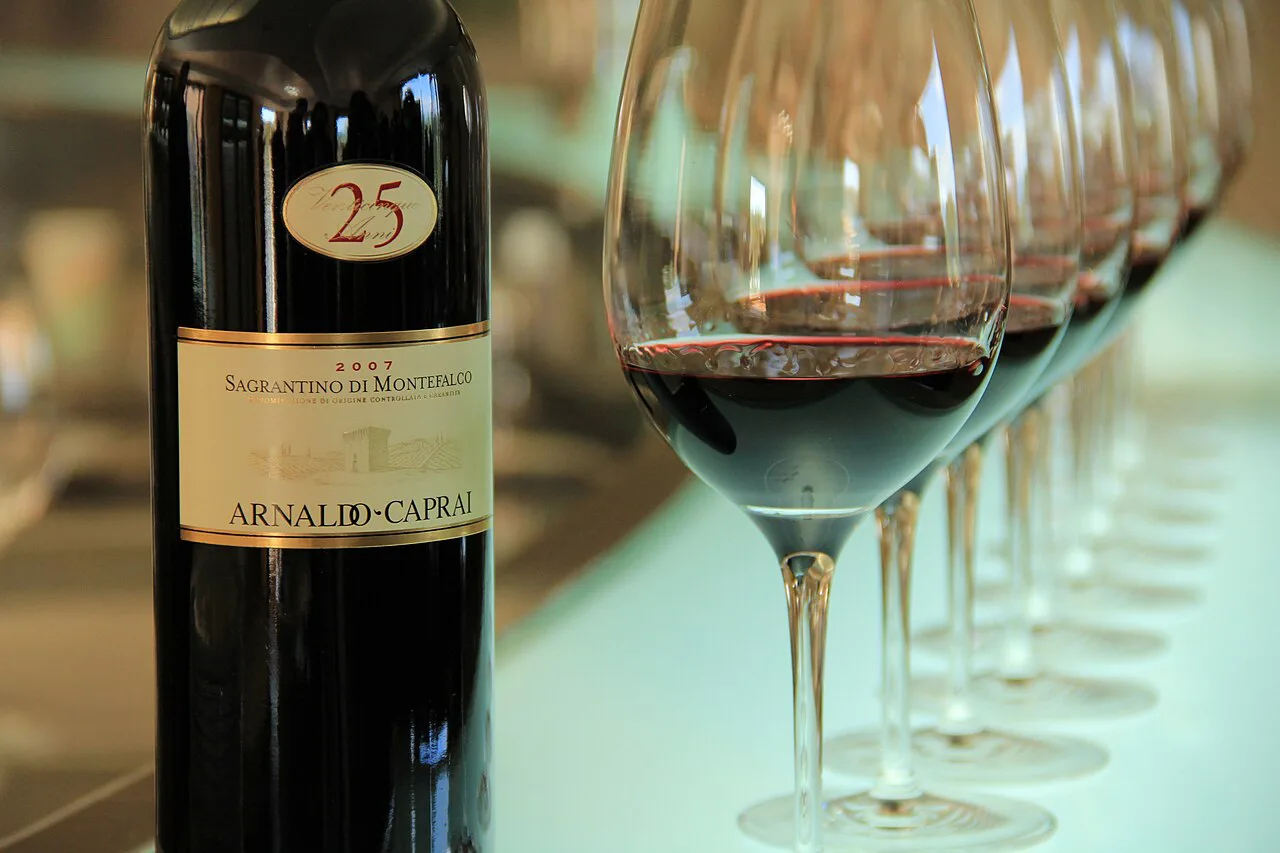
Tabarrini bottles three single-vineyard Sagrantino crus, each from a distinct Montefalco site. Colle Grimaldesco, the estate's first Sagrantino, comes from silt-rich clay with easterly and southeasterly exposure; Campo alla Cerqua, from stony soil, is aged in large barrels and made in limited quantity; Campo alle Macchie, from clay with a southern exposure, is the most powerful of the three and built for long aging. All three spend at least 36 months in French oak and 12 months in bottle before release.
Knowing the crus helps you order your attention. Ask whether all three are open on the day and, if not, which is being poured: a stony-soil site and a clay site of the same grape can be explained side by side, and that comparison is the heart of a Tabarrini tasting. Because release dates depend on the aging rule and the vintage, the winery confirms which bottles are currently available; the website and tasting list are not updated for general consumption.
Beyond Sagrantino: Everyday Reds and Whites
The estate's wider range gives you fallbacks if Sagrantino's tannin feels heavy. Il Padrone delle Vigne covers a white from Trebbiano and a red built on Sangiovese with a little Sagrantino and Barbera, made as everyday wines. Boccatone is a Montefalco Rosso DOC in the classic local style, and Adarmando is a 100 percent Trebbiano Spoletino white aged at least 12 months in steel and 6 months in bottle before release.
These wines also suit a lighter visit. If your timetable allows one seated tasting rather than a full cellar tour, ask for the white plus two reds across the range: one everyday red, one Montefalco Rosso and one crus Sagrantino. That set covers the styles without overwhelming a driver or a late-afternoon schedule, and it gives you a clear sense of the estate's range.
Grouping Your Day: Montefalco, Bevagna and Other Cellars
Tabarrini is best paired with the places around it. The hill town of Montefalco has enoteche and restaurants in a compact center; Bevagna, a short drive north, is a slower medieval town worth an hour's walk. Keep the driving short and the geography simple: cellar, village lunch, one wander, return. Squeezing in two more estates on a single day from Orvieto usually means tasting quickly and driving tired, which defeats the point.
If you want more than one cellar, choose by scale. Tabarrini is small and appointment-driven; other Montefalco producers range from large family firms to boutique operations. See how orvieto wineries are organized for a comparison, and use this page for orientation on wineries across the wider district if your base stays on the Orvieto side.
Costs and Length: Half Day Versus Full Day
Tabarrini does not publish tasting prices, visit lengths or opening days, so ask directly when you arrange the appointment rather than budgeting from an old blog post. What you can plan for is the day's shape: transport, lunch and one visit. A half day is tight from Orvieto unless you have a car; a full day gives room for the cellar, Montefalco and Bevagna without racing.
If you are fitting the trip around other Umbrian sights, weigh the time budget honestly. The return to Orvieto is a climb back over the divide, and an evening train from Spoleto or Foligno requires a taxi or shuttle from Montefalco. A tour that costs more on paper often wins because it removes that final leg and the risk of missing the last connection.
Practical Notes: Harvest, Market Days and the Driver
Harvest in Montefalco generally runs from late September into October, the busiest and most vivid time to see the zone, though the cellar itself may be short-staffed then. Market-day rhythms matter too: towns in the district hold regular weekly markets, and a market morning can make a village lively or impossible to park in. Confirm a market day before you pin the itinerary to a village stop.
Sort out transport before you sort out the tasting. Nominate a driver or book a tour, and if you go by train remember the last connection back. Bring a light jacket, since cellar rooms and hillside evenings cool down, and carry cash for small enoteche and taxis. Finally, email the winery your questions with the date in the subject line; a clear message gets a clear answer and a confirmed slot.
Plan Your Visit
Tabarrini is a serious producer in a beautiful corner of Umbria, and it rewards a little planning: an appointment, a route that accounts for the final kilometers, and enough time to sit with a Sagrantino crus rather than taste it on the run. Book directly, ask about formats and costs at the time of writing, and build the day around one cellar rather than three.
From Orvieto, make the crossing only once and make it count. Put Tabarrini first, then Montefalco for lunch and Bevagna for a walk, and let a driver or a guide handle the road home so the tasting is the memory of the day rather than a stressful drive.
Frequently Asked Questions
Is Tabarrini winery open for tours and tastings?
Tabarrini welcomes visitors to its cellar by arrangement and lists visit and tasting experiences on its site, but does not publish fixed daily opening hours. Write or call using the contact details on tabarrini.com to check availability for your date and to ask what the visit includes.
How do you book a tasting at Tabarrini?
Book directly with the estate via its website or phone. In your message, give the date, party size, whether you are driving, whether you want a cellar walkthrough or a seated tasting, and ask for the price, duration and number of wines poured so you can plan the rest of the day.
How far is Tabarrini from Orvieto, and can you get there by train?
The winery is in the Montefalco area, roughly a 90-minute drive east of Orvieto. Trains run toward Spoleto and Foligno, but the final stretch requires a regional bus or taxi, so most independent travelers combine rail with a pre-booked taxi or a guided tour.
What is the difference between Montefalco Rosso and Montefalco Sagrantino?
Montefalco Rosso is a Sangiovese-led blend with a small share of Sagrantino, making it the lighter, everyday red of the appellation. Montefalco Sagrantino is 100 percent Sagrantino, aged for longer before release, and delivers the deep color and firm tannin the zone is known for.
Which Tabarrini wines should a first-time visitor taste?
Start with a Trebbiano Spoletino white such as Adarmando, then compare a Montefalco Rosso like Boccatone with one or two single-vineyard Sagrantino crus. Ask which crus are open on the day, since the bottles on the tasting list depend on release and vintage.
Do you need an appointment to visit wineries in Montefalco?
Yes, most small estates in Montefalco work by appointment, often with one host per slot. A few days' notice is usually enough in quiet periods, but book earlier around harvest and autumn wine weekends, and confirm the slot in writing before you travel.
Sources
Notes for your next wine trip
Optional updates to our winery and wine-town guides.
You might also like
Continue reading
More guides you'll find useful