Tenuta Le Velette: Visiting the Orvieto Classico Estate
Plan a visit to Tenuta Le Velette near Orvieto: what the Bottai family estate publishes about tastings, its Orvieto Classico wines, and how to get there.
On this page
Tenuta Le Velette is one of the estates that define Orvieto Classico, the white wine zone wrapped around the tufa cliff town of Orvieto in southwestern Umbria. It sits close enough to town that a half-day visit slots easily into a broader Orvieto wine tasting itinerary, and it publishes several distinct experiences rather than a single standard tour. This guide covers what the estate actually makes public, which wines to understand before you arrive, and the logistics of getting there from Orvieto.
Why Tenuta Le Velette Anchors the Orvieto Classico Zone
Orvieto Classico is a delimited sub-zone of the wider Orvieto DOC, reserved for vineyards on the volcanic tufa plateau and surrounding hills that ring the town. Le Velette farms in the middle of this historic core, which is why its whites read as a benchmark for the style: fuller and more structured than the light, neutral Orvieto sold in bulk. Knowing this helps you place the estate within a broader map of Orvieto wineries before you commit a day to one address.
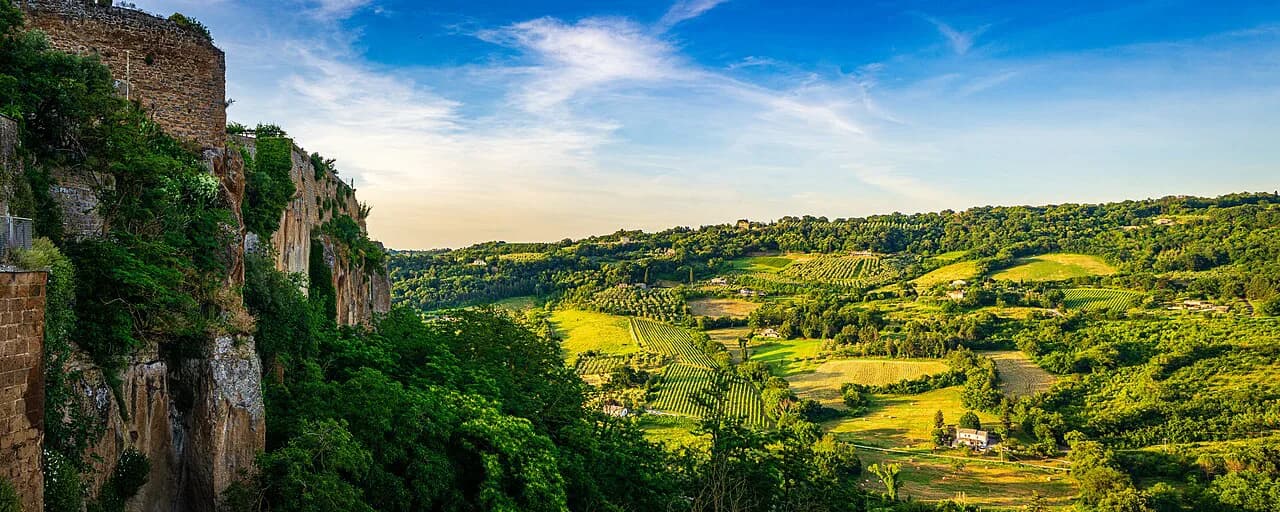
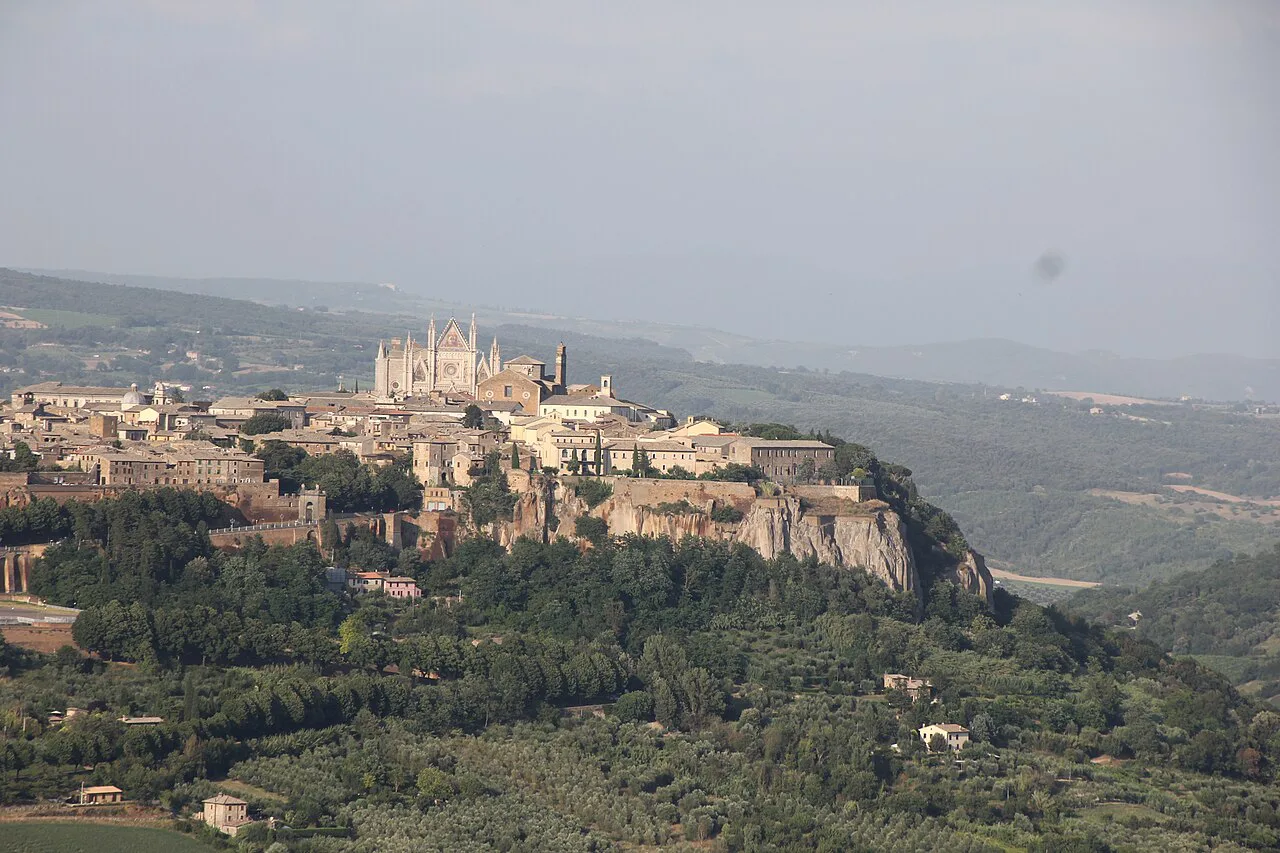
A merchant profile of the estate places the property on a tufa rise roughly two kilometers from Orvieto's cathedral, with vineyards laid out in a natural amphitheater that catches sun from morning to evening and vents well at altitude. That figure comes from the merchant rather than the winery, so treat it as a planning aid and settle the final approach when you book. The short distance is what makes Le Velette a realistic half-day rather than a full countryside excursion.
The Bottai Family and Felici History
The estate has been in the Bottai family for close to two centuries, tracing its line to the Felici family who took over the property in the mid-nineteenth century. It is run today by Corrado and Cecilia Bottai, with winemaking support in the cellar. The property's own site places the start of grape growing and winemaking at 1877, while the merchant profile lists a 1965 founding year for the current company; the practical takeaway for visitors is simply that this is a long-established family estate, not a recent startup.
The Bottai family has kept the Orvieto Classico Secco style deliberate and full-bodied rather than chasing lighter fashions, alongside a serious red line. That dual identity matters when you plan a tasting: you can work through both the whites and the Sangiovese and Merlot-based reds in one sitting.
What the Estate Publishes Online
The winery's English site is organized into named sections that tell you what to ask for: The Tenuta and History for background, Wines for the portfolio, and separate pages for Tasting, Pairings, an Oil Experience and Hospitality. That structure signals that visits can be shaped around wine alone or combined with food and olive oil, rather than a fixed package. Read those pages before writing so your request matches an experience the estate actually offers.
What the site does not publish is a standard rate card or a fixed daily schedule of tastings, so do not build a budget or a timetable around a number you have seen elsewhere. When you contact the estate, ask directly what each experience includes, how long it lasts and what it costs, and note that in your reply email. That single exchange resolves most of the practical uncertainty around a visit.
The Wines to Know Before You Book
Orvieto Classico is a blend, traditionally built on Procanico and Grechetto with other permitted varieties, and at Le Velette it is made as a dry, structured white. The estate also bottles varietal Grechetto and Sauvignon, which lets you compare the two grapes side by side. If you have only tasted anonymous Orvieto in the past, this is the lineup that shows you what the zone can do.
On the red side, look for Rosso di Spicca under the Rosso Orvietano DOC, the Sangiovese-Cabernet Calanco with barrique ageing, the Merlot-based Gaudio, and the Sangiovese-led Accordo line. These are Umbrian reds with a clear sense of place rather than international copies. When booking, say which of these you most want to taste so the estate can plan the flight rather than defaulting to the entry range.
Is Orvieto Wine Sweet or Dry?
The confusion is common and worth clearing up before you book. Orvieto Classico Secco, the style Le Velette is best known for, is a dry white; the wider Orvieto DOC also permits sweeter styles, historically including the late-harvest and botrytized wines that made the name famous. If you want a dry tasting, say so plainly when you contact Tenuta Le Velette and ask which labels in the current range fall on the sweet side. That prevents an unexpected flight of dessert wines when you expected a table white.
Booking: What to Write and Where
The estate publishes a telephone number and a general email address, plus a dedicated booking address for visits, on the contact section of its site. Use the booking address for tastings rather than the general inbox so your request reaches the person who schedules visits. State your preferred date and rough time, party size, whether you want wine only or the food and oil experiences, and the language you would like the visit conducted in.
Because the estate does not publish a walk-in policy, treat a written confirmation as the thing that secures your slot, and ask what happens if you arrive late. If you are travelling as a couple or small group and want a fixed slot, booking a few weeks ahead is more reliable than leaving it to the day. One reply from the booking desk settles your timing, price and what is included.
Getting There from Orvieto Without a Car
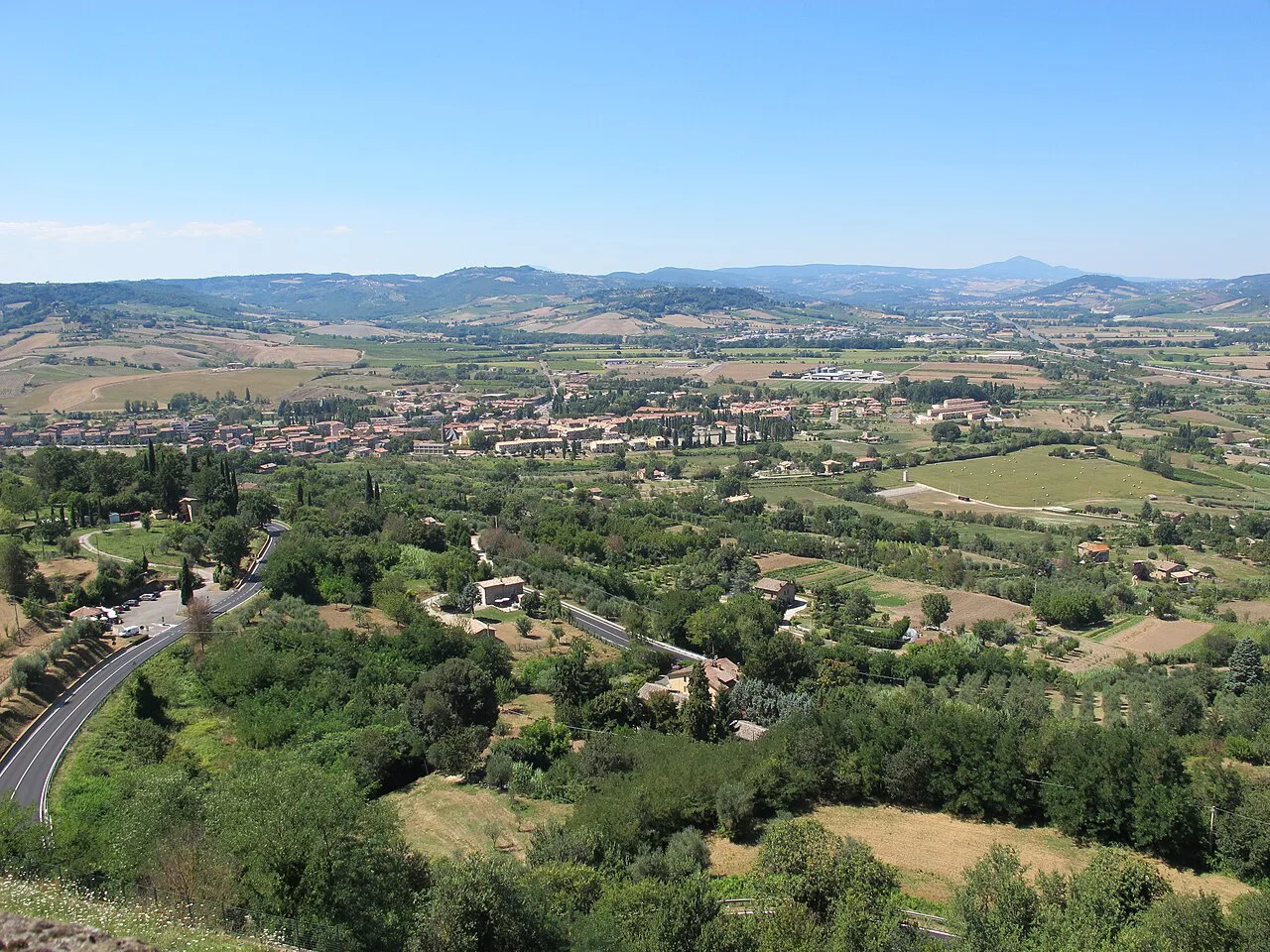
Given the estate's position on the plateau close to the cathedral, a taxi from central Orvieto is the simplest option, and you can arrange a return pickup when you confirm the booking. Cycling is realistic for confident riders on the tufa plateau roads, though you should choose a route away from fast traffic and check the gradient. Walking is possible on paper, but the distances and rural lanes make it a tiring option after a tasting; ask the estate for its preferred arrival point before committing.
Public transport in this part of Umbria is thin, and Tenuta Le Velette does not publish a shuttle or regular bus link to the winery, so it is not safe to assume you can hop off a bus at the gate. If you want to taste and travel on the same day without a designated driver, a wine tours arrangement is the cleanest solution: the tour company handles the driving and the timing, and you can ask them to include Le Velette alongside other producers.
Independent Visit vs. Guided Tour
The case for going independently is control: a short taxi ride from town, your own pace through the cellar and tasting, and no group schedule to follow. The case for a tour is that someone else drives and handles the rural lanes, which matters if you want to taste properly and also want to reach other producers the same afternoon. If Le Velette's cellar and tastings are the main draw, book directly with the estate; if you want breadth, a guided wine tours format fits better.
Building a Full Orvieto Wine Day
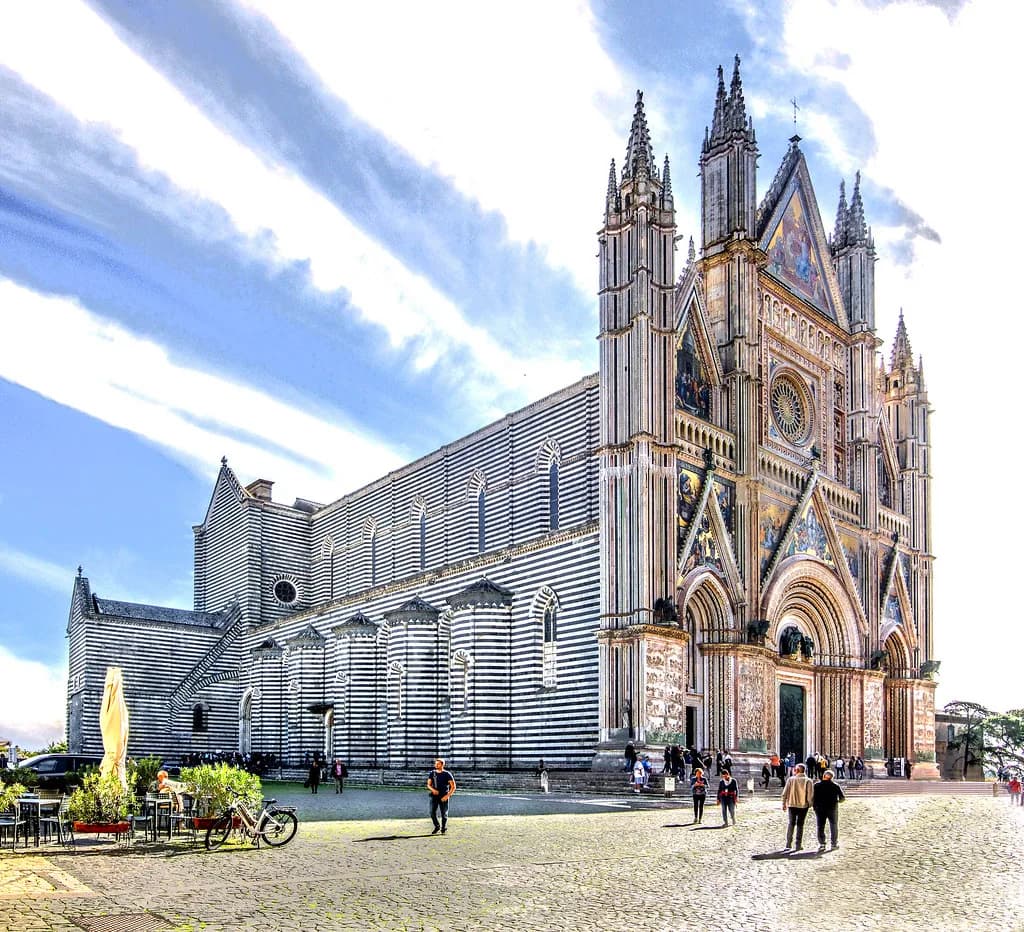
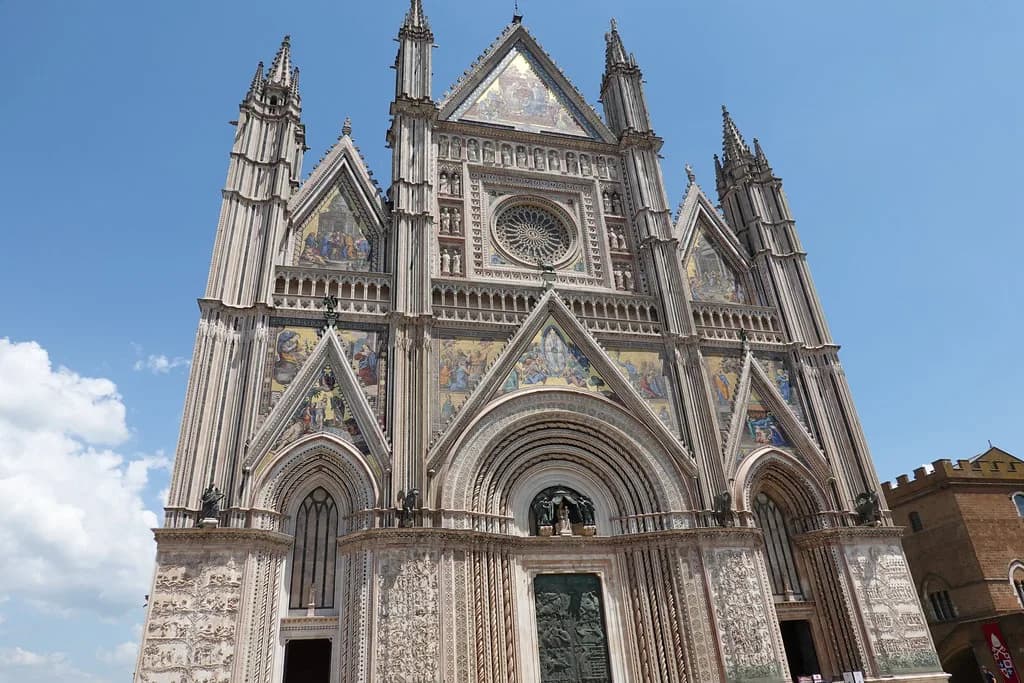
Le Velette pairs naturally with the town itself: the cathedral, the tufa cellars beneath the streets, and a walk along the cliff edge all fit around a morning or afternoon tasting. The network of underground chambers and historic cellars in the center is a useful complement to a winery visit, since it explains the tufa geology you have just seen in the vineyards.
If you want to compare styles, add a second Orvieto producer the same day, but keep to two visits rather than three so you have time to taste properly and rehydrate between stops. Staying overnight in the region lets you spread visits across two days and enjoy the wine country at a slower pace; vineyard stays and agriturismi around Orvieto are a practical base. For a longer trip, wine tasting in Montepulciano shows how another Tuscan-adjacent appellation structures its cellar visits.
Practical Notes for the Day
Harvest on the Orvieto plateau typically falls in September and early October, when vineyard work is in full swing and the cellar is busy; a harvest-time visit can be atmospheric but appointments are in more demand, so book earlier. Outside those weeks, late spring and early autumn give the most comfortable walking and cycling weather. Umbrian cellars commonly work by appointment rather than drop-in, so a confirmed booking is worth more than a hopeful arrival.
If you are driving, one person should abstain and use the spittoons, or arrange a designated driver, so the tasting remains a pleasure rather than a risk on rural roads. Public transport and taxis make it simpler still: book a return and enjoy the wines without negotiating the lanes. This is not a formality; it is the difference between a good day and a memorable one.
Plan Your Visit
Tenuta Le Velette offers a close-to-town Orvieto Classico experience with a genuine family history and a portfolio that spans dry whites and structured reds. Use the estate's booking email to secure a slot, state your party size, preferred date and which experiences interest you, and ask what each involves so you know what to expect. With a taxi or a tour handling the drive, you can enjoy the tasting and still have energy for the town's cellars and cathedral.
Frequently Asked Questions
Where is Tenuta Le Velette relative to Orvieto?
It sits on the tufa plateau in the Orvieto Classico zone, roughly two kilometers from Orvieto's cathedral according to a merchant profile of the estate. That short distance makes it a practical half-day from town by taxi, bike or a booked tour.
Do you need an appointment to visit Tenuta Le Velette?
The estate publishes a phone number, a general email and a dedicated booking email, and asks visitors to write to the booking address. Confirm your date and time in writing before you travel, and ask whether the experience you want is available on that day.
What wines does Tenuta Le Velette make?
The range includes dry Orvieto Classico from Procanico, Grechetto and other permitted varieties, varietal Grechetto and Sauvignon, and reds such as Rosso di Spicca under Rosso Orvietano DOC, the Sangiovese-Cabernet Calanco, the Merlot-based Gaudio and the Sangiovese Accordo line.
Is Orvieto wine sweet or dry?
Orvieto covers both. Orvieto Classico Secco, the style Le Velette is known for, is dry and structured, while the wider Orvieto DOC also allows sweeter styles. Say that you want a dry tasting when you book so the flight is built around the wines you prefer.
How do you get to Tenuta Le Velette without a car?
A taxi from central Orvieto is the simplest option given the estate's position close to the cathedral. Cycling is realistic for confident riders, and a wine tour is the cleanest choice if you want to taste without a designated driver.
Sources
Notes for your next wine trip
Optional updates to our winery and wine-town guides.
You might also like
Continue reading
More guides you'll find useful