Il Poggione Winery Visit: Brunello Tasting Near Montalcino
Plan a visit to Il Poggione, the Brunello estate at Sant'Angelo in Colle: its wines, location, how to get there and what to ask before booking.
On this page
Il Poggione is one of the names travelers come across early when they start reading about Brunello di Montalcino: an old estate, a founding member of the appellation's consortium and a producer whose Rosso and Brunello turn up on wine lists far beyond Tuscany. If you are building a wine day out of Montepulciano, the estate is worth understanding properly, because its address is not in Montalcino town but in the countryside to the south, and that single fact shapes the whole visit.
This guide covers what Il Poggione makes, where the estate actually sits in the southwest Brunello subzone, and the realistic ways to reach it without a car full of people who all want to taste. It also explains how appointments tend to work at Montalcino estates and how to fold Il Poggione into a wider plan of wine tasting in montepulciano.
What Il Poggione Is and Why Travelers Seek It Out
Tenuta Il Poggione is a large agricultural estate south of Montalcino, founded at the end of the 19th century by Lavinio Franceschi and still in the hands of the family's fifth generation. It belongs to the small group of original Brunello producers and was a founding member of the Brunello di Montalcino consortium, which is part of why its name carries weight on tasting itineraries.
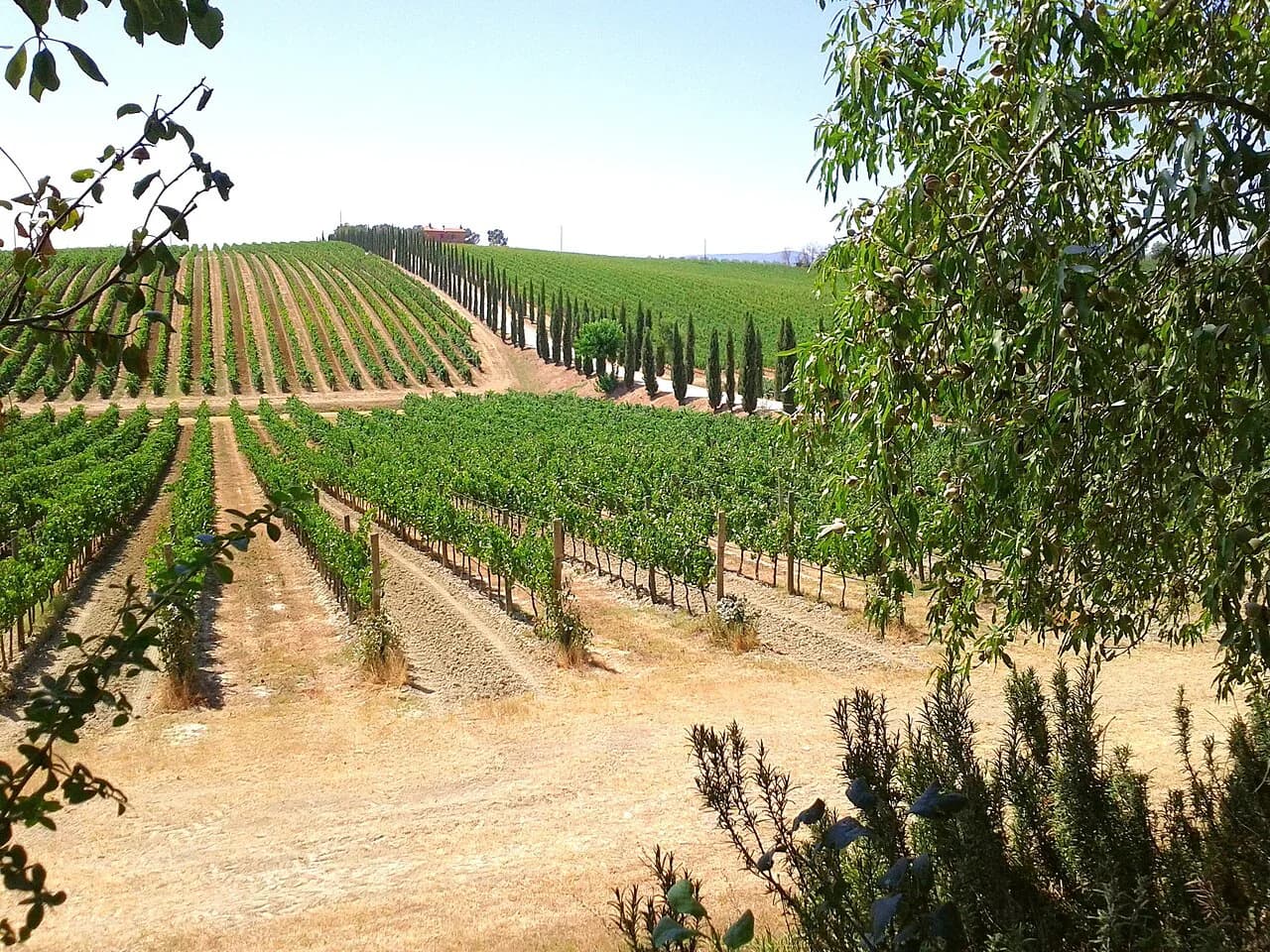
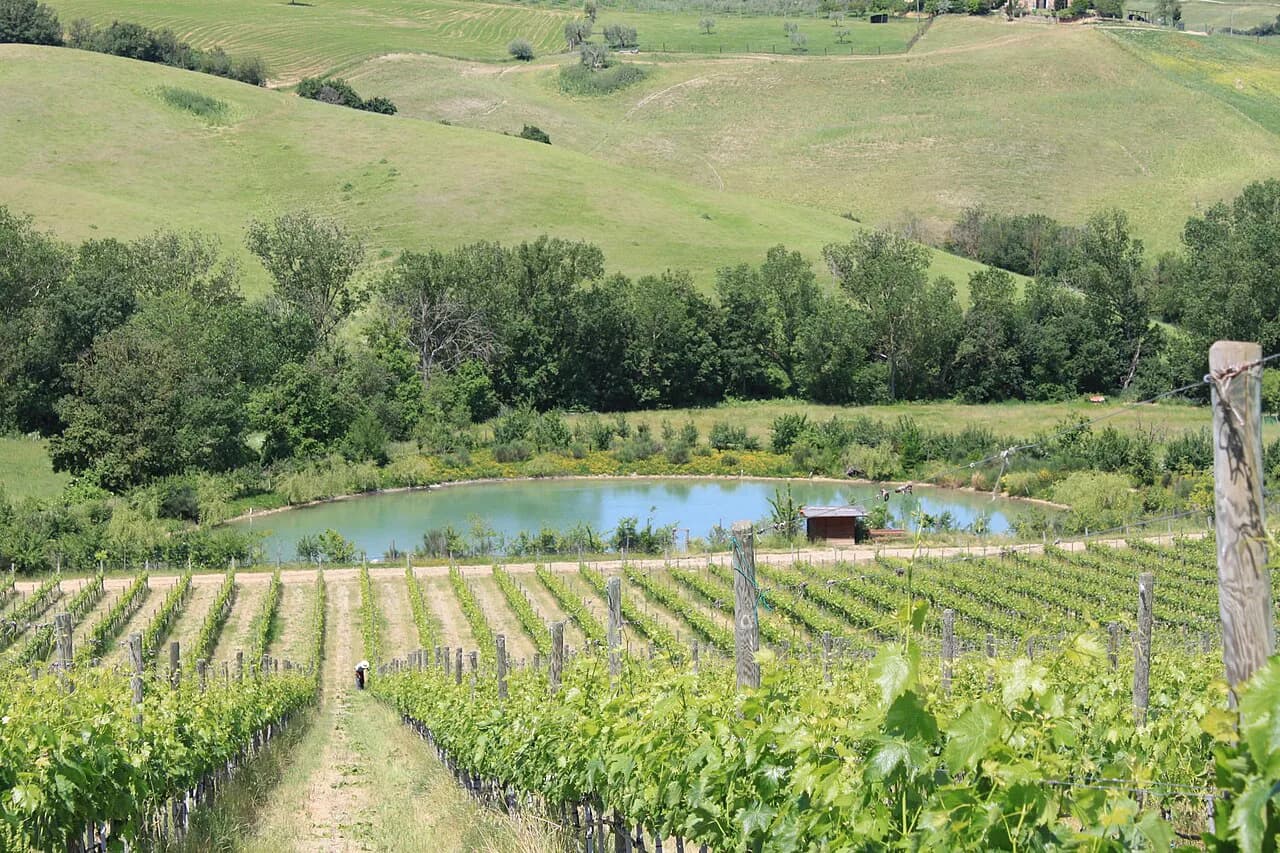
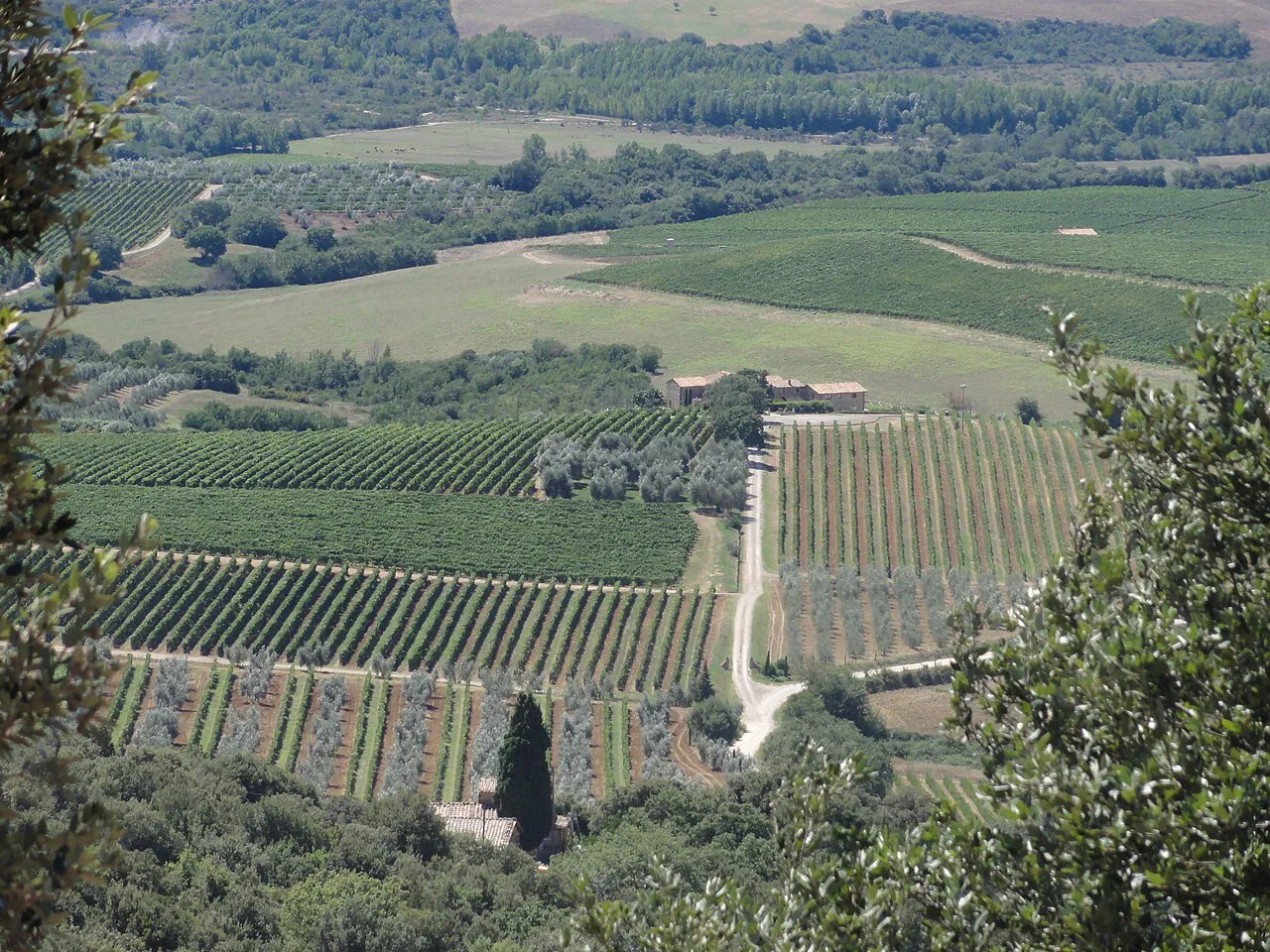
The property is far bigger than its vineyards: roughly 530 hectares in total, with about 140 under vine, alongside olive groves, grain and other farming. That scale matters to a visitor because it explains the setting you drive through, open countryside rather than a village-centre cellar, and it sets expectations for a working estate rather than a showroom.
Winemaking has been shaped by the Bindocci family, with Fabrizio Bindocci arriving in the late 1970s and his son Alessandro later joining him; a new winery built in 2004 lifted the quality further. For travelers comparing the many Montalcino addresses, that combination of founding-era history and a modern facility is the practical selling point.
Where the Estate Sits: Sant'Angelo in Colle and the Southwest Subzone
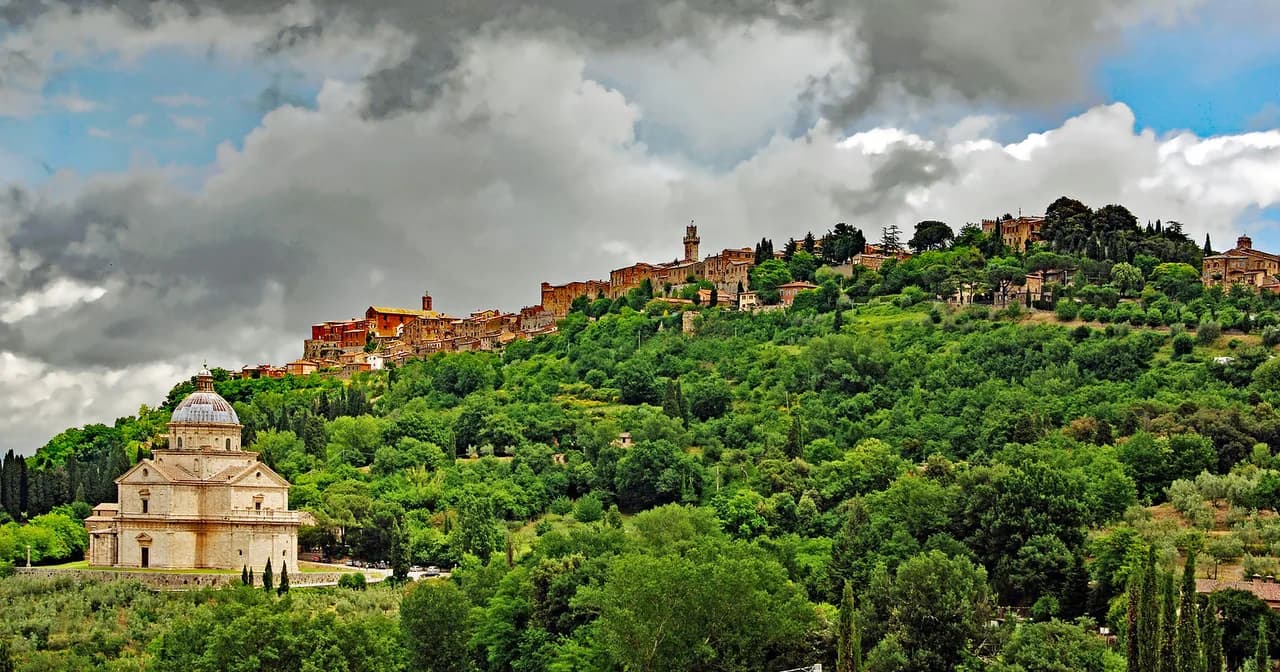
Il Poggione is based just outside the village of Sant'Angelo in Colle, in the southwest part of the Brunello zone, rather than in Montalcino's hilltop centre. The estate lies roughly 10 kilometres south of Montalcino town, so anyone picturing a stroll from the fortress and enoteca-lined streets should reset the map before planning the day.
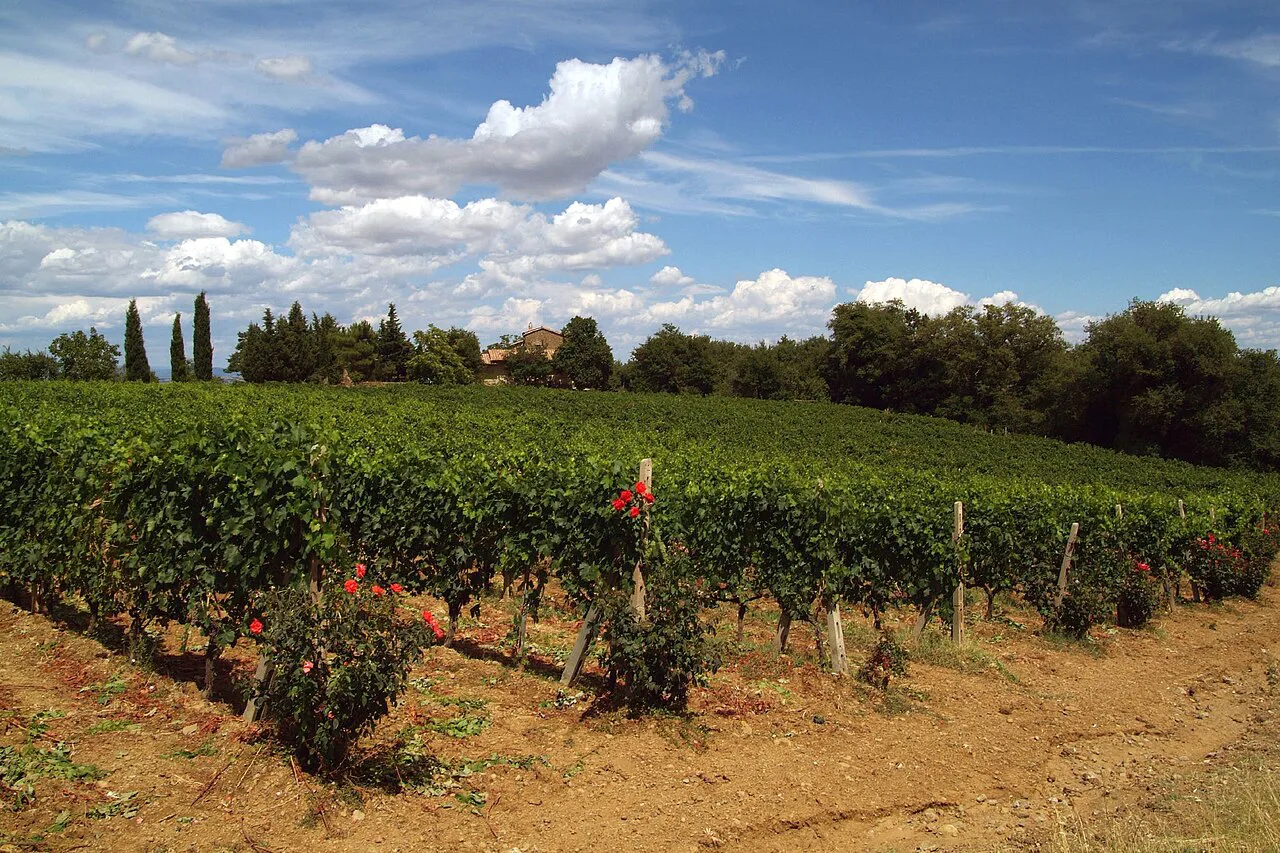
The southwest subzone is generally drier and warmer than other parts of the appellation, and Il Poggione's vineyards sit at altitude with good ventilation, which is the kind of detail that helps you understand why producers here farm differently from those on the northern side. Practically, it means Sant'Angelo in Colle is a sensible base or first stop for a southwest-zone tasting day, with Montalcino town kept for a separate half-day.
If you are staying in Montepulciano, the drive into this part of the Brunello zone is a natural extension of a Vino Nobile di Montepulciano itinerary rather than a replacement for one, and it rewards an early start. Choose one zone per day: hopping between Montepulciano and the southwest Brunello hills in a single afternoon leaves too little time at either. If you would rather stay closer to base, wine tasting in Siena is another classic Tuscan day that pairs well with a Montepulciano stay.
Distances and Orientation: From Montepulciano and the Val d'Orcia
Treat Sant'Angelo in Colle as the pin on the map and build the day around it. From Montepulciano the route runs through the Val d'Orcia via the SS146 and SS2 corridors toward Montalcino, then south on the local roads toward Sant'Angelo in Colle; the exact drive depends on your base and the season, so plot it in a mapping app on the morning of travel rather than relying on a fixed figure.
Coming from farther afield, the Val d'Orcia villages of Pienza and San Quirico d'Orcia sit between Montepulciano and Montalcino and make logical lunch stops, but each one eats into tasting time. A workable shape is one estate booked for mid-morning, a village lunch, and a second short visit or a walk in Montalcino town afterward, keeping the driving to a single loop.
If your base is Montepulciano and your wider plan includes several estates around the town itself, it helps to read up on montepulciano wineries before committing days to the Brunello side, because the two appellations are distinct and each has its own geography.
The Wines You Come For: Rosso, Brunello and Riserva Vigna Paganelli
Il Poggione works with Sangiovese across its range, and three labels tell you most of what you need to know. Rosso di Montalcino comes from younger vines and is released earlier, Brunello di Montalcino is the flagship aged in large oak, and Brunello di Montalcino Riserva Vigna Paganelli comes from the estate's oldest vineyard, planted in 1964, and is only made in selected vintages.
The difference between Rosso and Brunello is mostly about time in the cellar. Brunello requires a long minimum aging period, at least two years of it in oak, while Riserva carries a longer requirement still; Il Poggione ages its Brunello for around 30 months in large French oak barrels and its Rosso for about a year, so a flight here is a lesson in how Sangiovese changes with barrel and bottle time.
The Rosso is not a lesser wine to skip: producers treat it as a serious bottling with its own identity, and the estate's version spends time in barrel and bottle before release. If your group includes people who find young Brunello tight in its youth, opening with the Rosso gives everyone something generous to taste while the older wines get your attention.
How a Brunello Appointment Usually Works and What to Ask
Montalcino's estates, including the historic ones, generally run visits on a booked basis rather than as a drop-in cellar door, so the first step is contacting the estate directly through its own website or phone number, both of which are published on its site. When you write, state the date, the number in your party and whether you need the visit in English, and ask which wines are currently open to taste.
Ask three practical questions in the same message: how long the visit runs, whether it includes a walk through the cellars, and whether any food is served alongside the wines. Those answers determine whether you book Il Poggione as a 90-minute stop or as the anchor of a half-day, and they also tell you whether to eat before or after.
Prices, opening days and any harvest-time closure are published by Tenuta Il Poggione when they are finalised for the season, so ask the estate for the current figure in your booking exchange instead of relying on a guide written months earlier. A single email exchange with the winery, kept with your itinerary, is enough to pin down the day and time of your visit.
Getting There Without Driving
Public transport does not deliver you to the gate of a rural estate outside Sant'Angelo in Colle, so the honest options are a guided tour, a private driver, a taxi arranged in advance, or staying close enough to cycle. Local bus services connect Montalcino with the surrounding villages, but you still face a walk on country roads from the nearest stop, which is best avoided at dusk.
Group wine tours out of Montepulciano and Montalcino solve the access problem and usually pair two or three estates in the southwest zone in one afternoon, which suits travelers who want coverage of several producers without driving. Compare montepulciano wine tours for the format that fits: small-group departures are cheaper per person, while a private driver lets you set the pace and stay longer at Il Poggione.
Whichever route you take, someone in the car should stay dry: a driver should not taste, and the estate's spittoons, a designated driver or a booked tour keep the day legal and safe. For longer stays, an agriturismo near Sant'Angelo in Colle or Montalcino shortens the transfer and makes an early appointment easier to keep.
Pairing Il Poggione With Other Tastings in the Southwest Zone
Once you have committed to the Sant'Angelo in Colle corner of the appellation, the sensible move is to group two estates within a short drive and leave Montalcino town for a separate visit. Argiano is another well-known Brunello address in the same southern part of the zone and makes a natural second booking, with the two visits separated by lunch rather than crammed back to back.
For travelers who want a contrast in style and scale within the same trip, a day of Vino Nobile di Montepulciano DOCG tasting back at your base offers a different grape expression and a different landscape. Build the plan so the longer transfer happens once, not daily: stay south for the Brunello day and keep Montepulciano for the days either side.
Practical Notes for the Day Out
Late September and October bring harvest activity to this part of Tuscany, and estates may be busy with picking and cellar work, so book earlier for autumn dates than for spring. Summer visits benefit from a morning slot before the heat builds, while winter bookings should expect fewer open days and shorter tasting windows.
Dress for a working farm: gravel yards, cellar floors and cool barrel rooms call for flat shoes and a layer you can add or remove. Bring cash or a card for wine purchases, and ask about shipping before you buy bottles you will have to carry for the rest of the trip; many estates can arrange onward delivery but the terms vary.
Keep the day flexible. If the visit runs short, Montalcino town is close enough for an afternoon walk and a glass at an enoteca, and if it runs long, that is usually a sign the conversation was good; either way, avoid stacking a third appointment on the same afternoon.
Plan Your Visit
Il Poggione rewards travelers who plan around its real address: Sant'Angelo in Colle, roughly 10 km south of Montalcino, in the warmer southwest corner of the appellation. Book directly with the estate, ask about duration, cellar access and food in the same message, and arrange transport that lets everyone in the group taste except the driver.
Set the estate as the anchor of a southwest-zone day, pair it with one nearby producer, and keep Montepulciano and its wine tasting for a separate outing. That structure gives you time to understand the wines rather than merely collect stamps on a route.
Frequently Asked Questions
Where is Il Poggione winery located?
The estate is at Sant'Angelo in Colle in the commune of Montalcino, about 10 km south of Montalcino town, in the southwest part of the Brunello di Montalcino zone. It is a rural property rather than a cellar in the town centre, so plan a transfer or a tour to reach it.
Does Il Poggione take visitors, and do you need an appointment?
Montalcino's historic estates usually receive visitors by prior arrangement, so contact Il Poggione through its own website or phone before building it into an itinerary. Ask about available dates, the length of the visit, cellar access and whether food is served.
What wines does Il Poggione produce?
The core range is Rosso di Montalcino, Brunello di Montalcino and Brunello di Montalcino Riserva Vigna Paganelli, all from Sangiovese, plus other plantings on the wider estate. The Riserva comes from the oldest vineyard, planted in 1964, and is made only in select vintages.
How far is Il Poggione from Montalcino?
It is roughly 10 km south of Montalcino town, just outside Sant'Angelo in Colle. From a Montepulciano base the drive is longer and passes through the Val d'Orcia, so treat it as a half-day outing rather than a quick detour.
Can you visit Il Poggione without a car?
Public buses reach Montalcino and nearby villages, but not the estate gate, which leaves a walk on country roads. A guided tour, private driver or pre-arranged taxi is the practical choice, and a designated driver should skip the tasting itself.
What is the difference between Rosso di Montalcino and Brunello?
Both are Sangiovese from the same delimited zone, but Brunello must spend years aging, including time in oak, while Rosso is released earlier from younger vines. Il Poggione ages its Brunello about 30 months in large barrels and its Rosso around a year, which is why the two taste so different.
Sources
Notes for your next wine trip
Optional updates to our winery and wine-town guides.
You might also like
Continue reading
More guides you'll find useful