Brunello di Montalcino Wineries: A Day Trip from Montepulciano
Plan a Brunello di Montalcino winery day from Montepulciano: which estates take visitors, how booking works, and how to get around without driving.
On this page
Montepulciano and Montalcino are the two halves of a Sangiovese conversation in southern Tuscany, and basing in one to visit the other is one of the most rewarding day trips in the region. The catch is logistics: Montalcino's estates are scattered around a hill town rather than lined up along a single road, so the shape of your day matters more than the number of bookings. This guide treats Montepulciano as the base and works outward.
Expect to build the day around one village stop and two estates, with a firm decision up front about who is driving. The Brunello zone rewards grouping rather than sprinting, and the enotecas inside Montalcino give a no-booking fallback that many visitors overlook entirely.
Why Base in Montepulciano for a Brunello Day
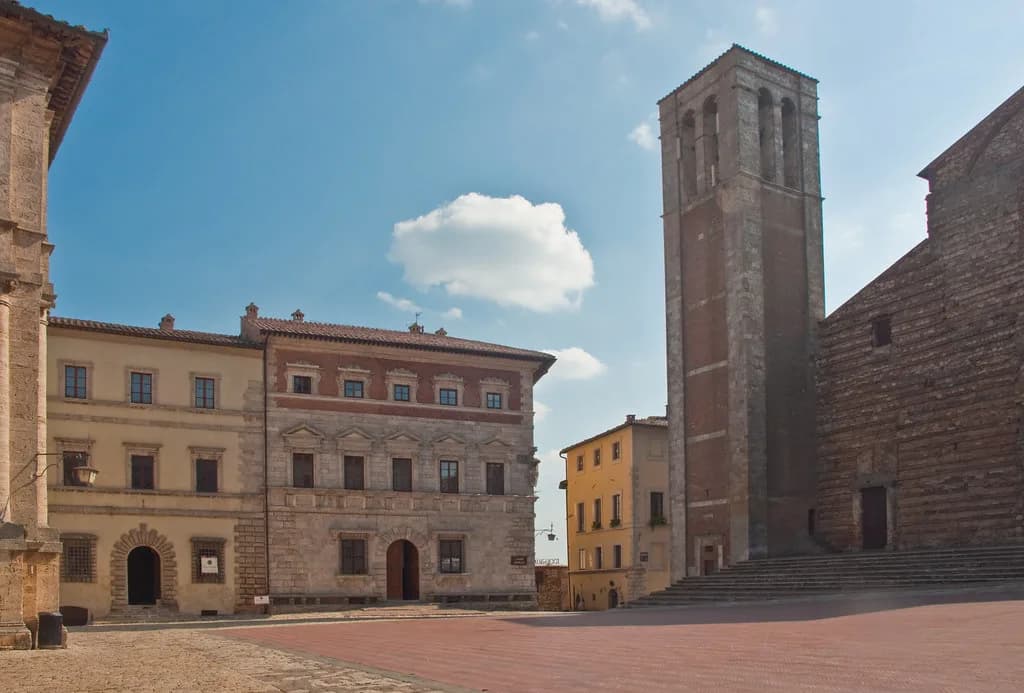
Montepulciano gives you a walkable hill town with its own cellar culture, so evenings and rest days are covered without a car. Its own red, Vino Nobile di Montepulciano, is Sangiovese-based like Brunello, which means your palate is already calibrated when you cross the valley. Treating the two towns as a pair makes a short trip feel complete rather than lopsided.
The trade-off is that you are adding a cross-valley transfer to every Montalcino appointment. If your only goal is Brunello and you have three or more estates booked, staying a night in Montalcino itself removes that friction. For a single wine day, though, Montepulciano's density of tasting rooms and restaurants is hard to beat, and the drive over is part of the scenery.
If you want the Montepulciano side mapped out first, the town's own wineries and enotecas are easy to arrange on foot or with a short taxi, and pairing that with one Brunello day gives a balanced itinerary. Planning Montepulciano wineries alongside your Montalcino bookings also stops you from duplicating the same estate style twice.
The Lay of the Brunello Zone: Village Hub and Spoke Roads
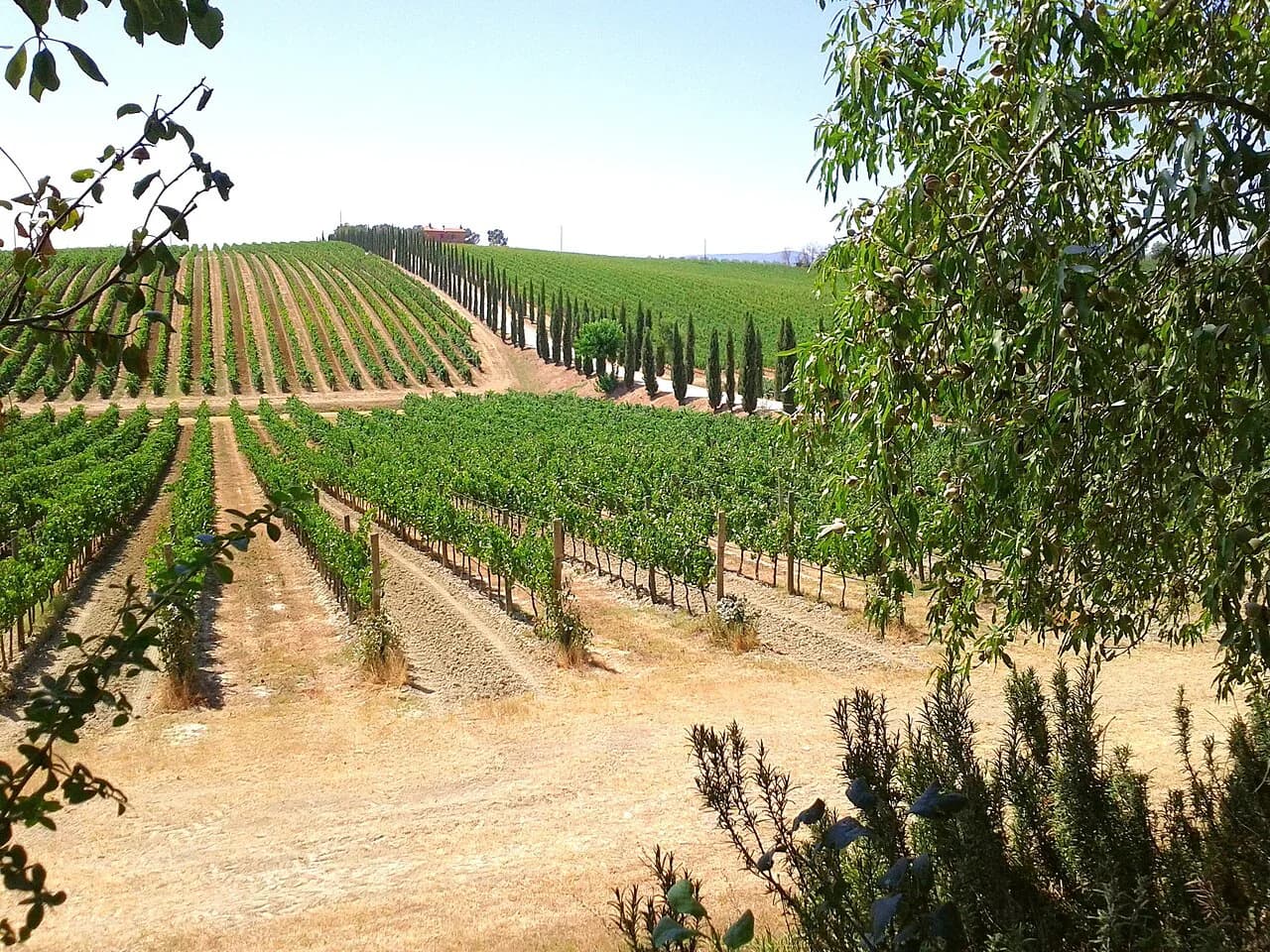
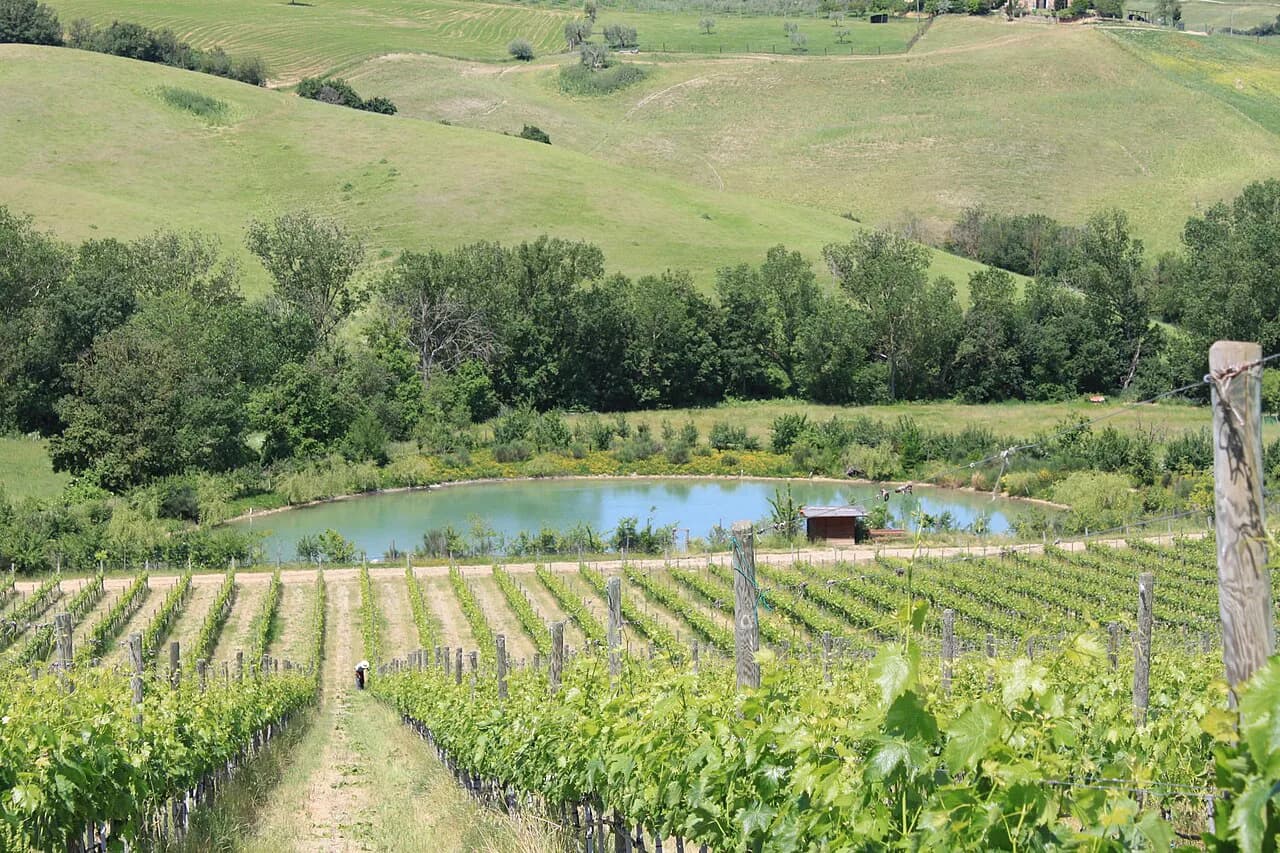
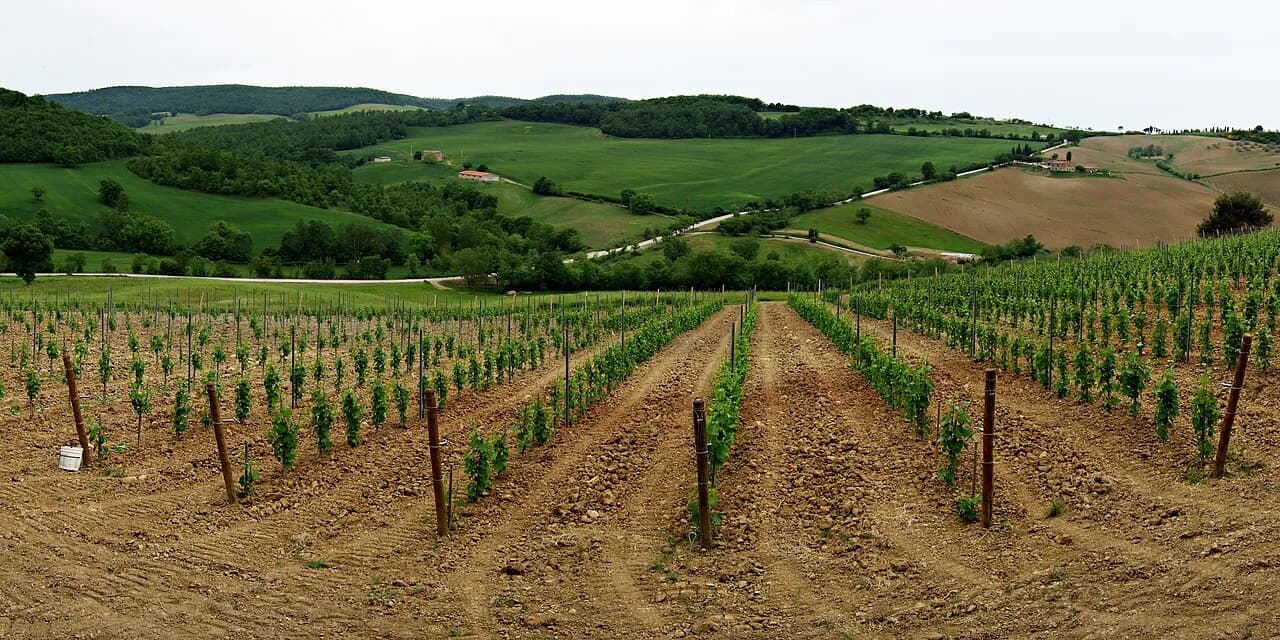
Montalcino village sits at the center, and the wineries radiate outward along a handful of roads toward Sant'Angelo in Colle to the south, Castelnuovo dell'Abate to the southeast, and the Montosoli slope just north of town. That hub-and-spoke layout is why Montalcino is easier to navigate than Chianti Classico, where estates a few kilometers apart can still mean a long, winding transfer. Group your bookings by spoke rather than by reputation.
Distances on the map understate drive times on these hill roads, so two estates that look close can consume a large share of an afternoon. A workable rule is one estate before lunch on one spoke and a second after lunch on an adjacent spoke, with the village as the pivot. Treating Montalcino as a hub with spokes keeps the driving efficient.
Beyond Brunello, the same trip logic works for the third Sangiovese town, Montepulciano, whose Vino Nobile di Montepulciano DOCG is often better value and less crowded. Building a two-day plan around both appellations gives you range without long transfers. If you would rather hand the driving to someone else on the Montepulciano side, there are organized wine tours that cover the town's cellars.
Getting from Montepulciano to Montalcino
The direct route runs west across the Val d'Orcia through Pienza, which is roughly a 40 to 50 minute drive depending on the road you take and the traffic around Pienza itself. Public transport is the weak link: connections between the two towns typically involve a change and can eat most of a day, so a bus-based Brunello itinerary is only realistic if you are staying overnight in Montalcino. A traveler who documented the region's transit found that getting from Montalcino to Florence took close to four hours by public transport versus under two by car.
Without a car, your realistic options are a pre-booked private driver, a taxi arranged the day before, or a guided tour that includes transport. Local taxis are scarce in both towns, so a same-morning hail is not a plan; ask your hotel or an enoteca in Montepulciano to arrange a driver with a fixed return time. A driver should not taste, so use spittoons at every stop and let the professional handle the roads.
A chauffeured option solves the geography problem outright. One documented full-day experience starts at 10:00 and moves between Fattoria dei Barbi and Castello Banfi with lunch, then offers either a third tasting at Podernuovo a Palazzone or a guided walk through Montalcino and Pienza. It runs with a minimum of two and maximum of 16 people, and Tuscany Now & More advises booking one to two months ahead, with transport priced separately from the listed experience.
Estates That Receive Visitors
Fattoria dei Barbi, just south of Montalcino village, and Castello Banfi, near Sant'Angelo in Colle, appear as the two core stops on the chauffeured itinerary described above, pouring three wines at Barbi and four at Banfi with a seasonal four-course lunch in Banfi's taverna. That format is a useful benchmark: a cellar tour plus a flight in the three-to-four-wine range, with food at the larger estate. Book these directly with each winery if you are driving yourself, and ask which tasting tier includes the cellar rather than the tasting room only. Castello Banfi is a large, polished operation; Barbi's Colombini family history gives it a different, more traditional character.
Podernuovo a Palazzone, near San Casciano dei Bagni, is the third stop on the same tour, where three wines are poured and the contemporary, solar-and-geothermal facility is part of the appeal. Its wines extend beyond pure Sangiovese, which makes it a good third stop if you want contrast with the two classic estates. Because it sits well south and east of Montalcino village, it works better as a scheduled tour stop than as a spur-of-the-moment addition between two village-side tastings.
Ciacci Piccolomini, in the Castelnuovo dell'Abate direction, is described in a travel account as offering a general overview tasting and a Brunello vertical, with Super Tuscan reds for anyone in the group who is not a Brunello drinker. Mocali offers a simpler cellar visit with a small collection of historic winemaking tools, and Celestino Pecci, according to the same account, takes bookings online and pours a five-wine range that shows the estate's breadth. These formats are indicative of what each estate has offered visitors, not published schedules.
Casa Raia is a short drive from the village and works out of a working cellar rather than a dedicated tasting room, so the visit is about process and barrel samples. Altesino, on the Montosoli side, is tied to Caparzo and pours a Super Tuscan alongside its Brunello. Azienda Agricola Capanna advertises cellar tours followed by tastings of wine, grappa and extra virgin olive oil through the year, which is rare in giving non-wine-drinkers something to taste. Fuligni, just outside the village, makes a natural first or last stop of the day.
What a Brunello Tasting Actually Involves
Most estate visits combine a short walk through the cellar or vineyard with a seated tasting of three to five wines, moving from Rosso di Montalcino or an IGT through to Brunello and sometimes a riserva. Larger estates may add a food pairing or a full lunch; smaller family operations tend to pour at the barrel or in a small room with the winemaker present. Ask whether the flight includes a riserva and whether the vintage on pour is current release or library stock, because those two answers change the value of the visit.
Vertical tastings of Brunello across several vintages are the format to seek if you already know the wine, and they are offered at some estates on request rather than as a standard tier. They take longer and usually need more lead time to arrange. If your group mixes red-wine drinkers and others, look for an estate that pours IGT whites or rosés alongside, such as Podernuovo a Palazzone.
Appointment Culture and Booking Mechanics
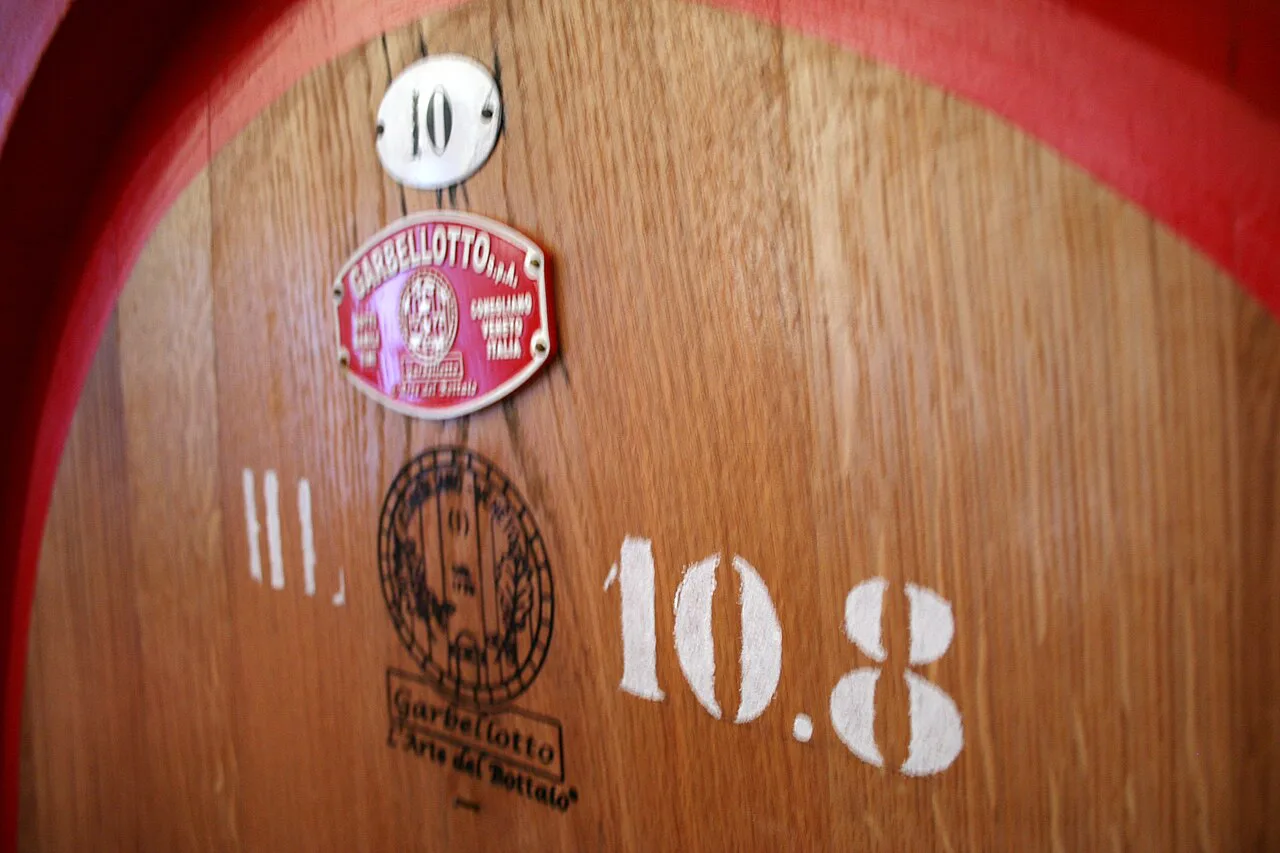
Outside the big names, most Brunello estates receive visitors by appointment and confirm by email or a website form, often with a minimum of two people. Write with your preferred date, arrival window, party size, whether you want a cellar tour, and any dietary needs, then ask for the visit duration and the price per person in the same message. Small estates answer in a few days, so a two-to-three-week lead time is sensible for a short trip and longer in September and October, when harvest work takes priority over hospitality.
Ask explicitly whether the estate is receiving visitors during your dates, because some close their doors during crush or bottling even when the website stays live. If an estate does not reply, move to your second choice on the same spoke rather than reworking the whole day. Confirm the final details with each winery a few days before you travel.
Tasting Without a Booking: Enotecas in Montalcino Village
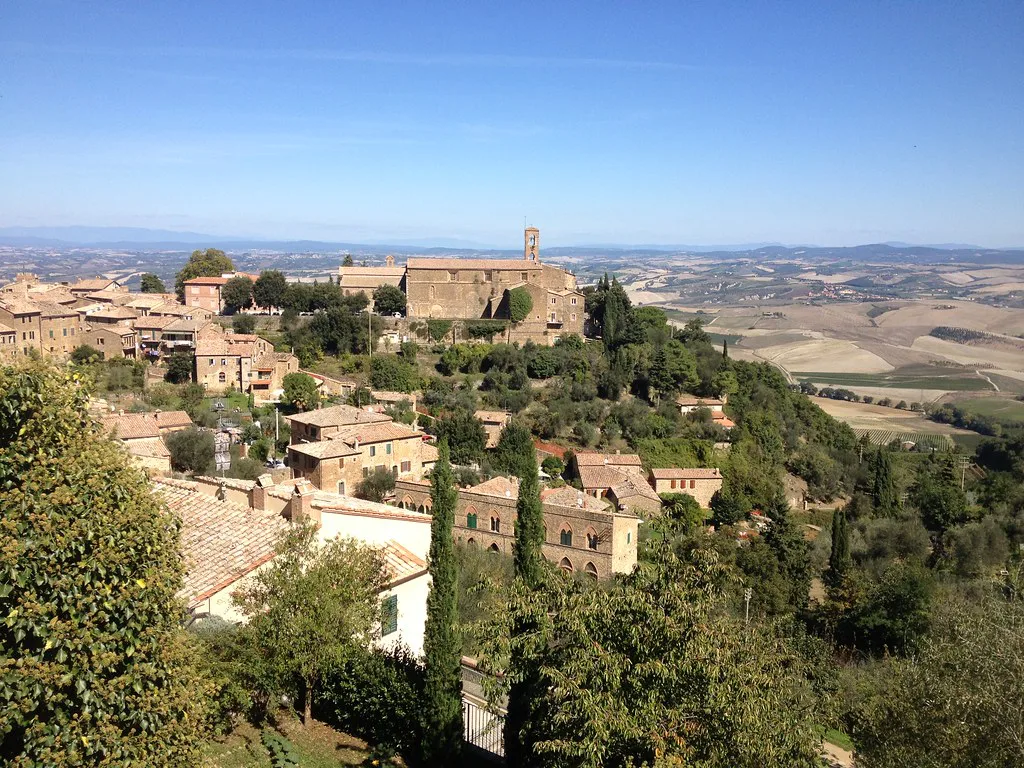
Enoteca la Fortezza sits inside the fortress at the edge of Montalcino village and pours across a wide range of producers, which makes it the single best place to calibrate your palate before or after estate visits. Enoteca di Piazza, near Piazza Giuseppe Garibaldi, uses self-pour machines so you can take a small taste of many wines or commit to a full glass, and it keeps several tasting formats on offer, from Brunello-focused flights to a broader Italian selection. Both let you taste widely in an afternoon without a single appointment, so you can settle opening days and tasting options when you arrive or with a quick phone call.
A practical pattern is to use an enoteca first to identify two or three producers whose style you like, then book estate visits for the following day. In the village, note that many places shut down in the evening, particularly outside high season, so plan a late lunch rather than a late dinner. If you ship bottles home, ask the enoteca about consolidation and shipping timelines before you buy.
Guided Tour or Independent Drive: The Trade-off
Self-driving gives you control over pacing and lets you slot in a village stop or a view over the Val d'Orcia, but it means one person in the party abstains at every tasting. The chauffeured benchmark described earlier covers two estates, a four-course lunch, a third tasting or a guided hill-town walk, and a full day, with transport priced on top of the experience. Compare that total against a rental car plus fuel and a paid driver, and factor in that hill-road navigation and limited parking in Montalcino village are real costs in time.
Tours win when your group is four or more, when nobody wants to drive, or when you only have one day and need the geography handled for you. Independent travel wins when you have specific small producers in mind, since fixed itineraries rarely include the family estates. If you are staying at an agriturismo near Montepulciano, ask your host whether they arrange drivers, as many do for guests.
Adding Pienza and the Val d'Orcia
Pienza sits directly on the road between Montepulciano and Montalcino, which makes it the obvious lunch or late-afternoon stop rather than a separate excursion. Pecorino from the town's shops travels well and pairs with the Sangiovese you have been tasting. Keep the stop short if you have two estates booked, because the day fills quickly once cellar tours and lunches are included.
If you would rather base the whole trip in Montalcino, note that the guided-tour option in the chauffeured package covers both Montalcino and Pienza, giving a sense of how much time the two towns need. For most visitors, one full day covering one estate plus a village walk is more satisfying than three rushed visits. Leave the second day for the Montepulciano side, where wine tasting in Orvieto makes another easy day out from the same base.
Montalcino or Montepulciano: Choosing One Wine Day
With only one day, choose the town you are sleeping in and taste there; the cross-valley transfer costs you a morning. Montepulciano is denser and easier on foot, with Vino Nobile giving you the same Sangiovese character at a lower entry point. Montalcino is the draw if Brunello specifically is the goal and you are willing to build the day around appointments.
With two days, split them: a booked estate morning and enoteca afternoon in Montalcino, then a relaxed day in Montepulciano with its own cellars and a walk through the historic center. That pattern also solves the designated-driver problem, since one day can be chauffeured and the other entirely on foot.
Brunello, Rosso and the Rest: A Short Primer
Brunello di Montalcino is made entirely from Sangiovese and aged longer before release, which gives it more structure and a firmer tannic frame than its younger sibling. Rosso di Montalcino comes from the same grape and zone but is released earlier, so it drinks well young and costs less; it is the wine to order at lunch. IGT Toscana wines from these estates can be Sangiovese or blends, and are often where a producer experiments with international varieties.
In Montepulciano, Vino Nobile di Montepulciano DOCG follows similar Sangiovese logic, with a Rosso di Montepulciano released earlier for everyday drinking. When ordering in a restaurant, ask whether a Brunello on the list is current release or an older vintage, since the difference in price and readiness to drink is substantial. Broad style, not scores, is the useful guide here.
Practical Notes: Harvest, Closures and the Driver Rule
Harvest in the Montalcino zone generally falls in September and early October, when estates are busy in the cellar and hospitality can be limited; late spring and early summer are calmer for visits. Village restaurants and some shops keep seasonal hours and go quiet in the evening off season, so book dinner ahead instead of counting on a walk-in table. Ask about closures when you confirm your appointments.
The rule that matters most: whoever is driving does not taste. Use spittoons, appoint a designated driver, or book a driver or tour so the day stays enjoyable for everyone. If you are tasting in Montepulciano itself, everything is walkable, which makes it the easiest place to end the evening.
Plan Your Visit
Build the Montalcino day around one spoke of the zone, two booked estates, and a village enoteca as backup, and the logistics stop being a problem. Base in Montepulciano for a walkable evening, or split two nights between the towns if Brunello is the main event. Book estates three to six weeks ahead in shoulder season and confirm details shortly before you travel.
For the Montepulciano half of the trip, the town's own cellars and tasting rooms are the place to start before you commit to a cross-valley day. Line up those visits first, then use the Montalcino day for the estates you cannot taste at home.
Frequently Asked Questions
How far is Montalcino from Montepulciano, and can I do it without a car?
The drive across the Val d'Orcia via Pienza takes roughly 40 to 50 minutes. Public transport between the two towns usually involves a change and can consume most of a day, so without a car the practical options are a pre-booked private driver, a taxi arranged in advance, or a guided tour that includes transport.
Do Brunello wineries require reservations?
Most estates outside the largest names receive visitors by appointment, confirmed by email or a website form, and many require a minimum of two people. Write with your date, arrival window, party size and whether you want a cellar tour, and ask for the duration and price per person in the same message.
How many wineries can I realistically visit in one day from Montepulciano?
Two estates plus a village stop is a comfortable full day once the cross-valley transfer is included. Three is possible only if the estates are close together on the same spoke road and you skip a long lunch.
What is the difference between Brunello and Rosso di Montalcino?
Both are made from Sangiovese in the Montalcino zone. Brunello is aged longer before release and has more structure, while Rosso is released earlier, drinks well young, and costs less.
Where can I taste Brunello without booking a winery?
Enoteca la Fortezza, inside the fortress at the edge of Montalcino village, pours across many producers, and Enoteca di Piazza near Piazza Giuseppe Garibaldi uses self-pour machines with several tasting formats. Check current opening days locally.
Is a guided tour better than driving myself?
A tour solves the designated-driver problem and handles hill-road navigation, and documented full-day options combine two estates with lunch. Driving yourself gives more control and suits travelers chasing specific small producers.
Which wineries near Montalcino accept visitors?
Among the names that appear in visitor accounts are Fattoria dei Barbi, Castello Banfi, Podernuovo a Palazzone, Ciacci Piccolomini, Mocali, Altesino, Casa Raia, Celestino Pecci, Capanna and Fuligni. Formats vary, so confirm the current visit offer directly with each estate.
Should I visit Montalcino or Montepulciano for wine?
With one day, taste in the town where you are sleeping. Montepulciano is denser and easier on foot, while Montalcino rewards travelers who plan around booked estate visits and want Brunello specifically.
Sources
Notes for your next wine trip
Optional updates to our winery and wine-town guides.
You might also like
Continue reading
More guides you'll find useful