Ronda Wineries: Which Bodegas to Visit and How to Reach Them
Six Ronda wineries that welcome visitors, with distances from town, booking rules, typical tasting formats and taxi costs for travelers without a car.
On this page
Ronda's wineries are not a walk-around wine district. Roughly twenty small bodegas are scattered through the hills between Ronda and Arriate, most family-run, and nearly all receive visitors by appointment rather than through an open tasting room. That single fact shapes every itinerary: you build the day around confirmed bookings, not around strolling from door to door.
The reward for planning is a quiet, personal visit at altitude, usually with the owner or winemaker pouring. This guide covers what a tasting costs and includes, six bodegas that genuinely welcome visitors, and the transport math for travelers based in town without a car. Use it alongside the broader wine tasting in ronda planning guide if you are still deciding how many days to give the region.
Why the Ronda Circuit Is Different
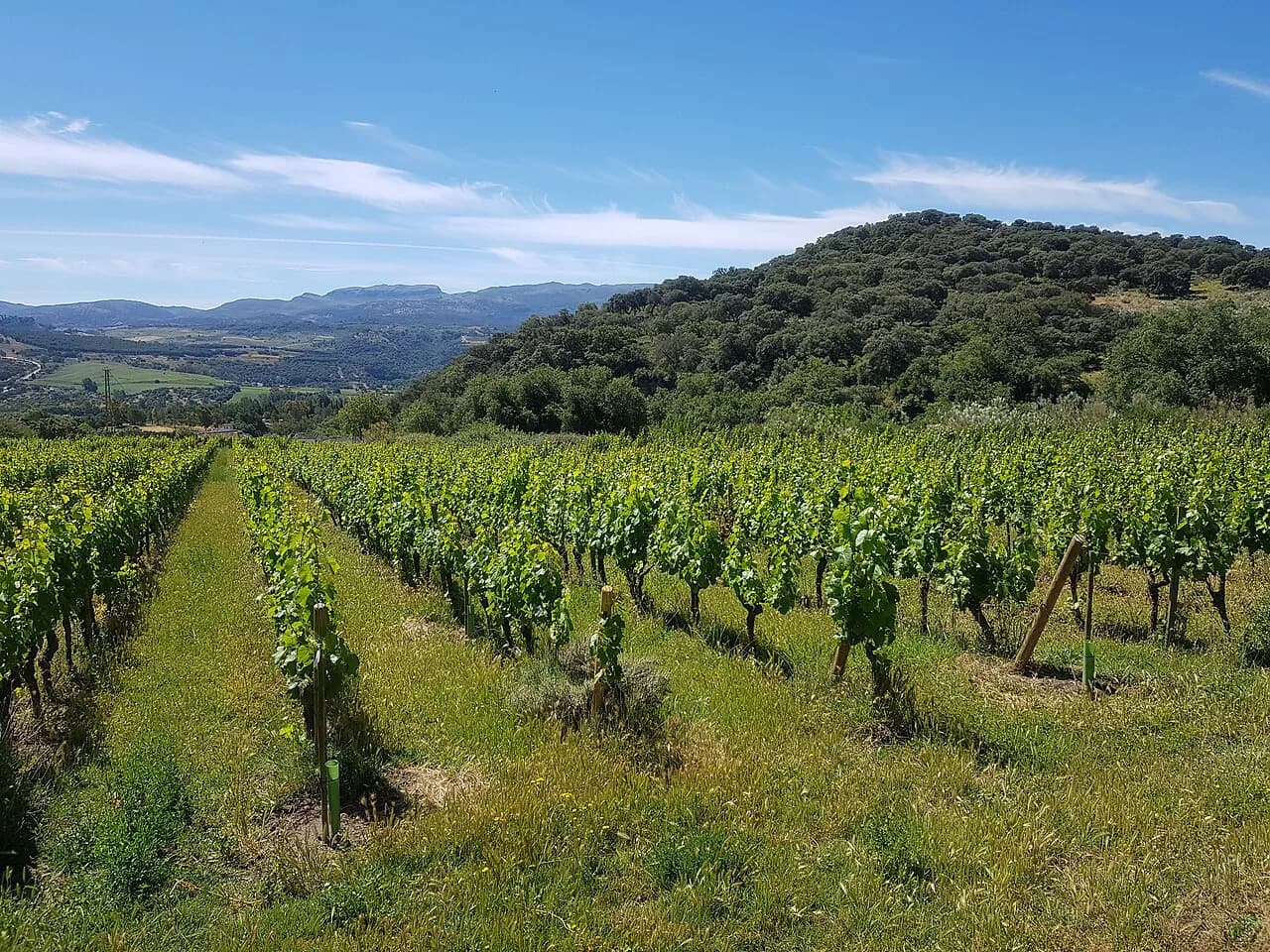
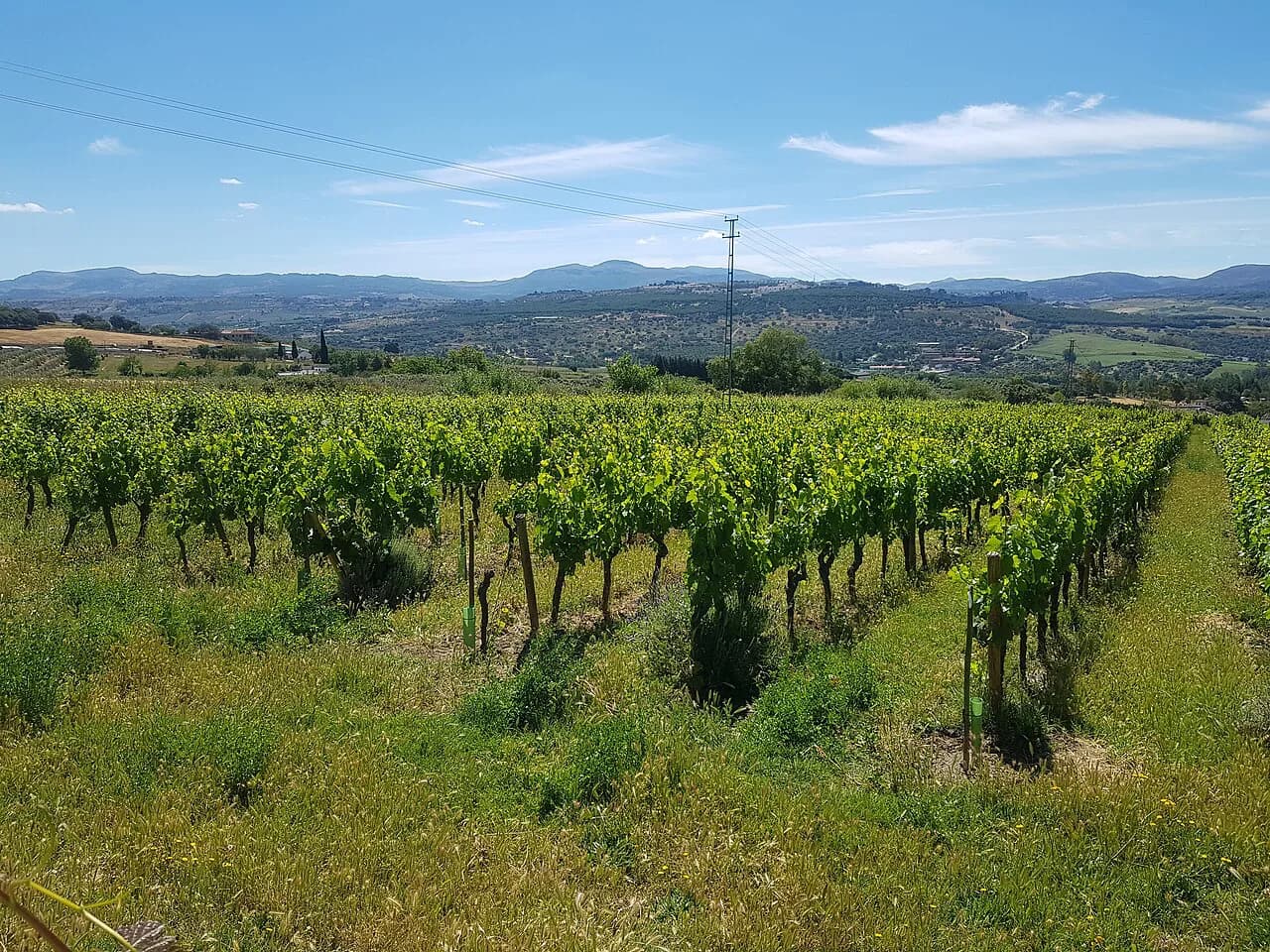
Vineyards here sit between roughly 700 and 1,000 meters, on limestone that drains hard and holds night cold even in August. Slow ripening gives reds structure and freshness rather than heavy heat, which is why a Serranía red surprises visitors who expect jammy southern Spanish wine. The producing zone belongs to the DO Sierras de Málaga, whose Serranía de Ronda subzone covers this mountain area, alongside the separate DO Málaga and DO Pasas de Málaga.
Almost every winery works by appointment, visits run one to two and a half hours, and groups are kept small by necessity. Several bodegas ask for a minimum number of guests, so a call or email a few days ahead is the difference between a good afternoon and a locked gate. Tours and tastings are usually offered in Spanish and English, and often in German or French.
The Wines in Brief
Ronda's reds lean on Syrah, Petit Verdot, Cabernet Sauvignon, Merlot and Tempranillo, plus recovered native varieties such as Romé, Blasco and Tintilla that phylloxera and decades of abandonment nearly erased. Whites include Chardonnay, Sauvignon Blanc and Macabeo, and they tend to be sharper and more mineral than the latitude suggests. Production is small, and many bottles never leave the province.
Knowing the appellation structure helps you read labels and ask better questions at the counter. The wider Ronda and Málaga wine route runs through Arriate, Ronda and several Axarquía and Manilva villages, and its wines fall under three designations: Málaga, Sierras de Málaga and Pasas de Málaga.
What a Visit Normally Involves
A typical visit begins in the vineyard, walking the rows while someone explains altitude, soils and varieties, then moves into the cellar and ends at the table. Expect three to six wines, most often poured with local cheese, ham and bread, and sometimes a fuller meal if arranged in advance.
Published rates run broadly between fifteen and fifty euros per person depending on the winery and how much food is included, with the average landing near thirty-five. That figure covers the vineyard walk, the cellar and the tasting with tapas; longer visits with a full meal cost more, and the price should be confirmed in writing when you book.
Six Bodegas That Receive Visitors
These are the wineries that open their doors to booked guests, each with a distinct reason to choose it. Descalzos Viejos sits about three kilometers from the center; Bodega F. Schatz, Bodega Doña Felisa and La Melonera lie north along the Ronda la Vieja road and the MA-7402 at roughly ten, nine and eleven kilometers; Cortijo Los Aguilares and Bodegas García Hidalgo sit about eight kilometers out on the Campillos and Arriate roads.
Descalzos Viejos: The Walkable Option
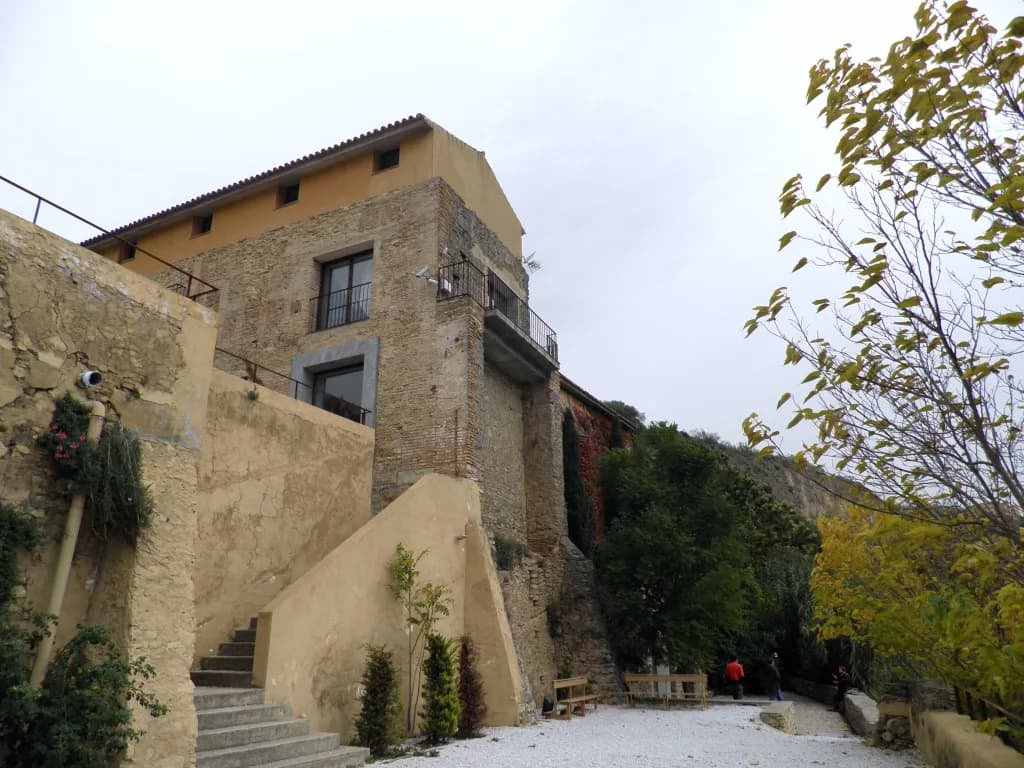
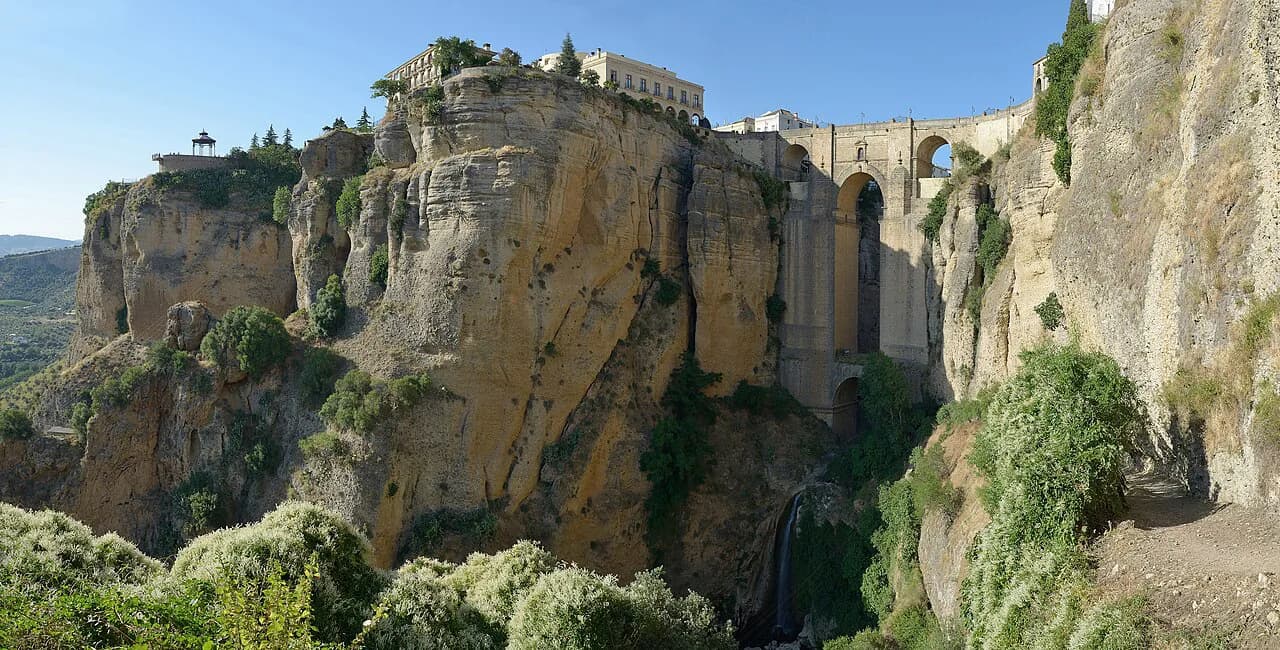
A restored sixteenth-century convent on the lip of the Tajo, Descalzos Viejos keeps its original frescoes above steel fermentation vats and pours small-production Syrah-led blends with a Chardonnay among them. The terrace looks straight down into the gorge, which makes it the most dramatic tasting room in the area and the obvious choice for a single afternoon.
Because it sits only about three kilometers from the center, it is the one bodega you can reach on foot, downhill on the way out and a climb back. Groups are deliberately small, so book several days ahead, especially at weekends. This is the pick for couples, architecture lovers and anyone staying in Ronda without a car.
The Northern Circuit: Schatz, Doña Felisa and La Melonera
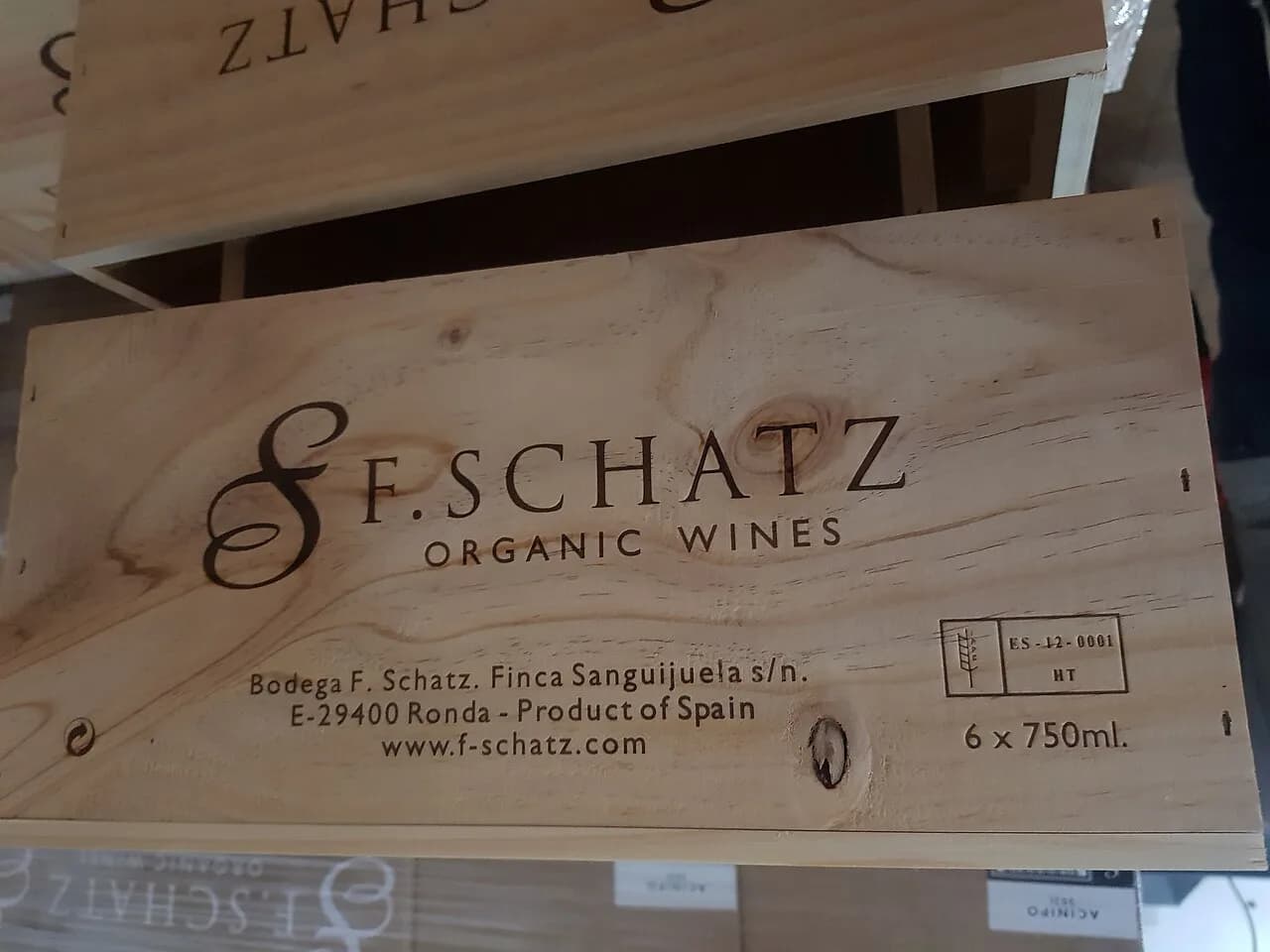
Bodega F. Schatz, founded by Friedrich Schatz after his arrival from South Tyrol in 1982, farms nine varieties biodynamically, including Lemberger and Moscatel Negro. Visits take in the vineyard, the cellar and four to six wines with detailed explanation, and the winery sits roughly ten kilometers north toward Ronda la Vieja. Allow a full morning; this is not a visit to hurry.
Bodega Doña Felisa, producer of the Chinchilla range, was among the first in the Serranía to open properly to visitors and runs unhurried, conversational tastings. It sits nine kilometers north along the MA-7402 and usually arranges visits for groups of five or more, which makes it the natural fit for a small party traveling together.
La Melonera, a hilltop winery of glass and stone near Llano de la Cruz, set out to recover varieties lost to phylloxera, among them Romé, Blasco and Tintilla. Visits run around two and a half hours and include tapas with the valley in view, and the property lies about eleven kilometers out toward Setenil. Ask for late afternoon when the light turns over the vines.
The Arriate and Campillos Roads
Cortijo Los Aguilares, north of town on the A-367 toward Campillos, farms vineyards shared with holm oaks and grazing and makes structured reds including Pinot Noir. The visit is unshowy and reception is by appointment only, so fix a time before you set out. It pairs well with a second bodega on the same road if you have a driver.
Bodegas García Hidalgo is a family winery in the green Guadalcobacín valley, eight kilometers out on the Arriate road, producing organic wines under the Alcobazín label. You can take a simple tasting with tapas or stay for a fuller table with paella and dessert. Say at booking which version you want, since the food shapes both the timing and the price.
Getting There Without Driving
Most bodegas cluster north of Ronda along the MA-7402 toward the Roman ruins at Acinipo, or along the roads to Arriate and Campillos. Distances are short, three to fifteen kilometers, but these are country roads with modest signposting. A taxi from Ronda to most bodegas runs roughly ten to twenty euros each way, which makes a single visit sensible and a three-stop circuit expensive.
Walking works for Descalzos Viejos and nothing else. For the northern bodegas, one taxi out and back is reasonable, while a multi-stop day needs a driver who stays sober. Several operators run ronda wine tours from town with transport included, which shifts the cost from the meter to a fixed package and removes the driving question entirely.
Independent Visit or Organized Tour
Going independently gives you flexibility and a lower headline cost for a single winery, but someone in the party has to stay dry, and taxis to scattered estates add up fast. A tour bundles transport, a fixed route and often two or three bodegas in one booking. The trade-off is schedule: tours move at the group's pace, not yours, so a long lunch at García Hidalgo is harder to fit.
For two people doing one tasting, the taxi math usually favors independence. For a group of four or more wanting three stops, a booked tour or a hired driver with a fixed price is the simpler arrangement, and it lets everyone taste. Whichever route you choose, spittoons are standard at the table, so a designated driver can sip and spit without missing the conversation.
How Booking Actually Works
Write or call a few days ahead with four details: party size, preferred language, whether you want tapas or a full meal, and your preferred time of day. Harvest season and weekends fill first, so build the booking before you fix train or taxi times. If a winery requires a minimum group, ask whether it can join you with another small booking rather than losing the slot.
Give the bodega a phone number that works in Spain and reconfirm the day before, since small family operations adjust around picking and cellar work. Tastings are commonly offered in Spanish and English and often in German or French, so state your language at booking. A short, clear email is usually answered faster than a social media message, so check current opening days with the bodega before you set out.
Building a Day Around One or Two Visits
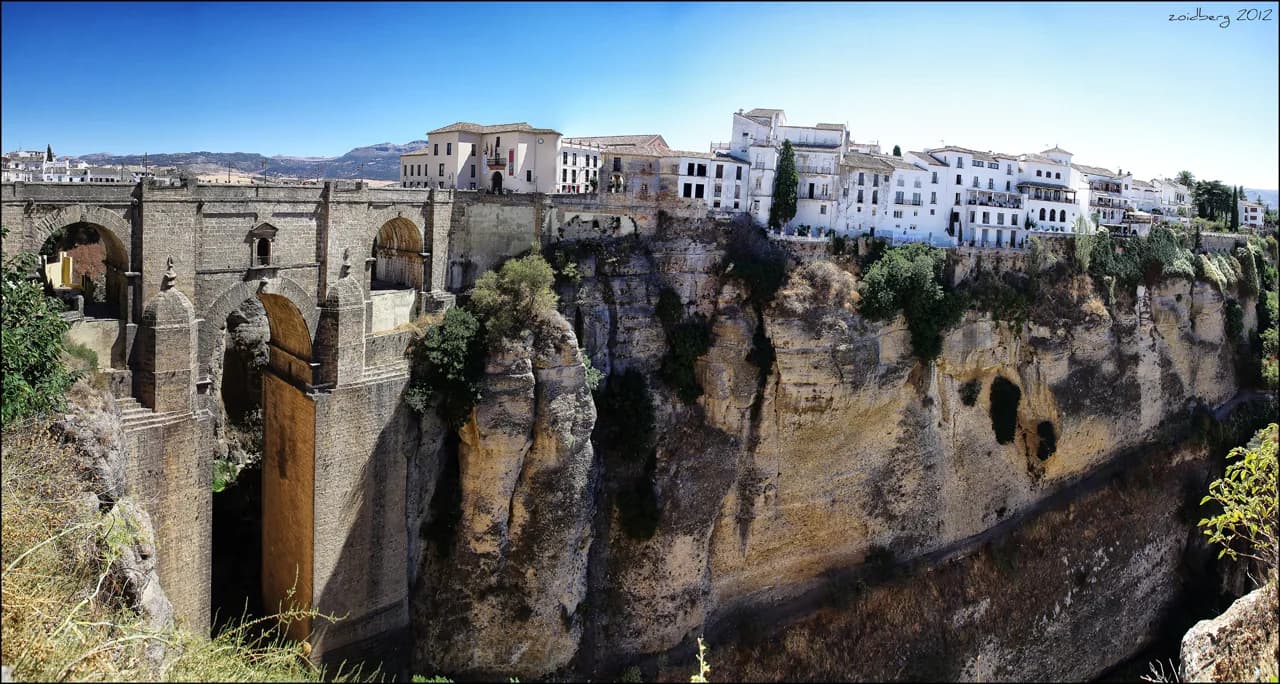
A single tasting takes a morning or an afternoon, leaving the other half for the Puente Nuevo, the old town and the bullring. Two bodegas plus the town makes a full but unhurried day. If you want a second visit, pair wineries on the same road rather than crossing the valley: Schatz, Doña Felisa and La Melonera sit within twenty minutes of one another on the northern circuit. The same logic of clustering by road applies if you are comparing a bigger city base, as in the Marseille wine guide where Cassis and Bandol tours are weighed against each other.
Travelers arriving from Málaga, Marbella or Seville should treat the day as a full one and sort out the driver in advance, since the hill roads are narrow and the point of a tasting is lost if nobody can join in. Staying overnight in Ronda removes the return drive and lets you book a late-afternoon slot at La Melonera without watching the clock.
When to Go
Spring and autumn are the strongest windows: April to June brings wildflowers through the vines, and September to October brings harvest, when the bodegas are at their liveliest. Summer tastings work best early in the morning or late in the day, when the altitude finally gives back some cool. Winter visits are quieter, so book earlier and expect smaller groups.
Plan Your Ronda Wine Day
Start with one confirmed booking, add a second only if it sits on the same road, and settle transport before you fix times. Descalzos Viejos is the low-friction choice in town; the northern cluster rewards anyone with a driver; García Hidalgo is where the food matters as much as the wine. Readers planning a longer stay in the region can check the Serranía de Ronda coverage for surrounding villages and routes.
Confirm rates, group minimums and languages when you book, and keep the day to one or two wineries so the tasting is not squeezed between other plans. A driver should not taste, so plan on spittoons, public transport or a booked tour with transport included. Adults of legal drinking age only, and a slow afternoon beats a rushed circuit every time.
Frequently Asked Questions
What wine is Ronda known for?
The Serranía de Ronda subzone of DO Sierras de Málaga is best known for reds built on Syrah, Petit Verdot, Cabernet Sauvignon, Merlot and Tempranillo, along with recovered native grapes such as Romé, Blasco and Tintilla. Whites include Chardonnay, Sauvignon Blanc and Macabeo. Production is small, so many bottles are sold locally and never travel far.
Do Ronda wineries take walk-ins, or do you need an appointment?
Plan on an appointment. Nearly all the bodegas in the hills between Ronda and Arriate receive visitors only by prior arrangement, and several set a minimum group size. A short email or phone call a few days ahead, stating party size, language and whether you want food, is normally enough outside harvest and weekends.
Can you visit Ronda wineries without a car?
Yes, within limits. Descalzos Viejos is about three kilometers from the center and can be reached on foot. For the northern estates, taxis run from town and tours include transport, but a taxi is realistic for one visit rather than a multi-stop circuit, since fares accumulate each way.
How long does a bodega visit take?
Most visits run between one and two and a half hours, covering a walk through the vines, a look at the cellar and a seated tasting. La Melonera is at the longer end at around two and a half hours with tapas. Allow a full morning or afternoon for anything on the northern circuit so the visit is not rushed.
Which Ronda winery suits a first visit?
Descalzos Viejos is the easiest introduction: close to town, a striking converted convent setting, and a tasting that does not demand a long drive. Travelers who care mainly about the wine itself often prefer Bodega F. Schatz or Cortijo Los Aguilares, both of which reward a unhurried half day.
Can you combine a winery visit with sightseeing in Ronda?
Comfortably. A single tasting takes half a day, leaving the rest for the Puente Nuevo, the old town and the bullring. Two bodegas plus the town makes a full day, but only if both wineries sit on the same road and you have a driver or a booked tour.
When is the best time of year to visit Ronda's wineries?
Spring and autumn are the strongest windows, with wildflowers in the vineyards from April to June and harvest activity in September and October. Summer works if you book early morning or late afternoon, when the altitude brings cooler air. Exact harvest timing shifts each year, so ask when you book.
How much does a wine tasting in Ronda cost?
Reported rates for a standard visit sit in a broad band from about fifteen to fifty euros per person, depending on the winery and how much food is included, with the average nearer the middle of that range. Longer visits with a full meal cost more. Ask for the current rate when you request a booking.
Sources
Notes for your next wine trip
Optional updates to our winery and wine-town guides.
You might also like
Continue reading
More guides you'll find useful