Teruzzi Winery Visit: Tasting Vernaccia in San Gimignano
Plan a Teruzzi winery visit in San Gimignano: what Vernaccia tastings cover, the two wine shop addresses and hours, booking, and arriving without a car.
On this page
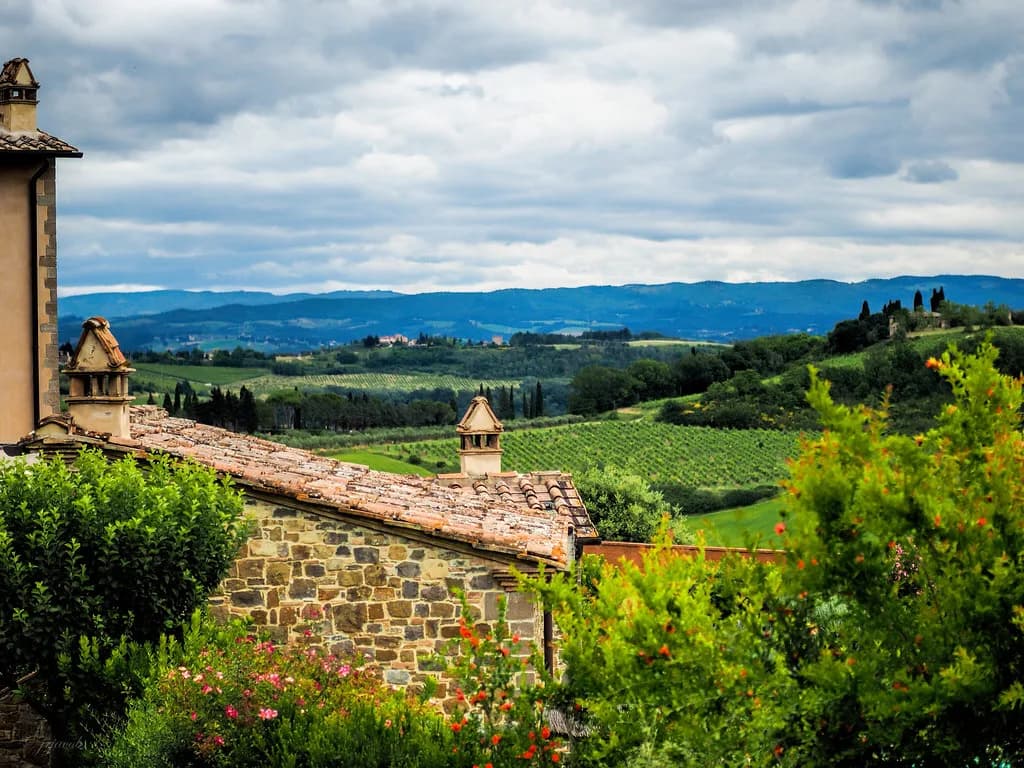
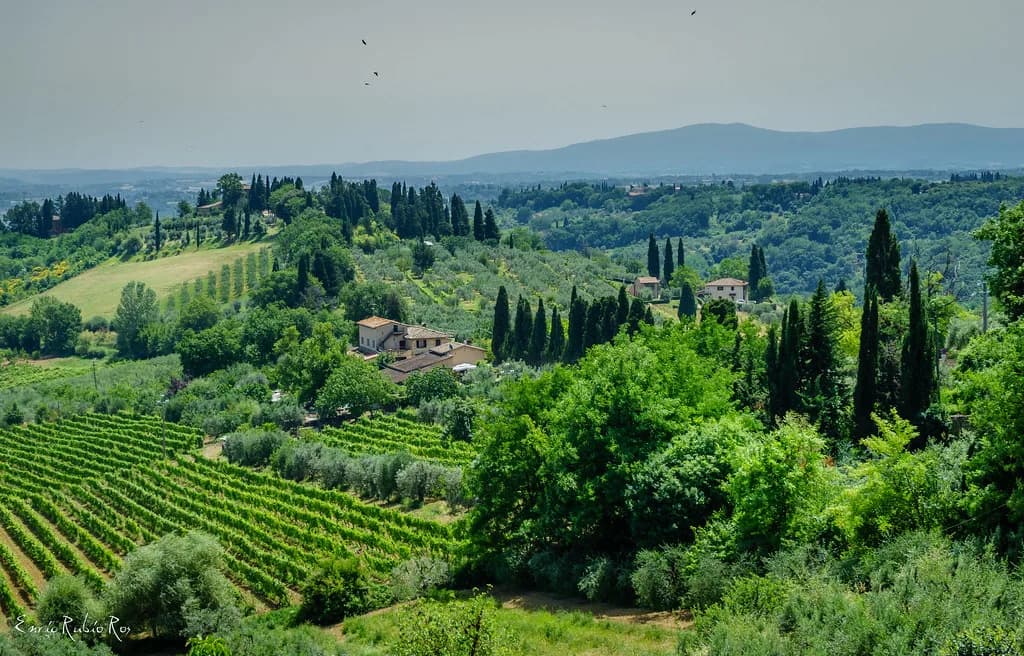
San Gimignano is a hill town of stone towers and one signature white grape, and Teruzzi sits at the foot of it with vineyards spread across four parcels of the municipality. A visit here is the simplest way to understand what Vernaccia di San Gimignano DOCG tastes like before you compare it with other producers. The estate belongs to the Terra Moretti group, which continues the winery founded in 1974.
The practical catch is that Teruzzi runs two separate visitor addresses with different purposes and hours, so deciding which one you want shapes your whole day. One is a town-side wine shop open through the warmer months; the other is the winery shop at the cellar, open on weekday mornings. Read both before you set out, because they are not interchangeable.
This guide covers the wines, the two addresses, how booking works, what a reported entry-level tasting costs, and how to arrive from San Gimignano town if nobody in your party wants to drive. Anyone driving should skip the glass — use the spittoons, nominate a driver, or take a tour.
Why Teruzzi Is the Natural First Stop for Vernaccia di San Gimignano
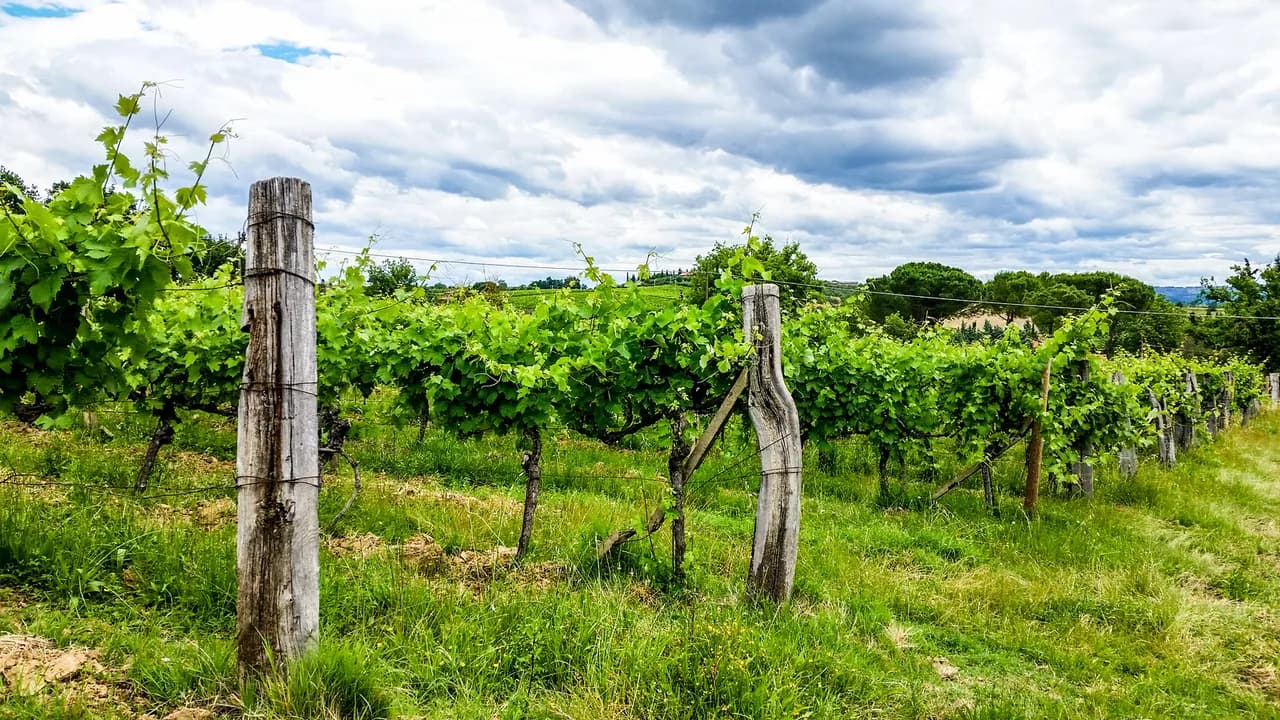
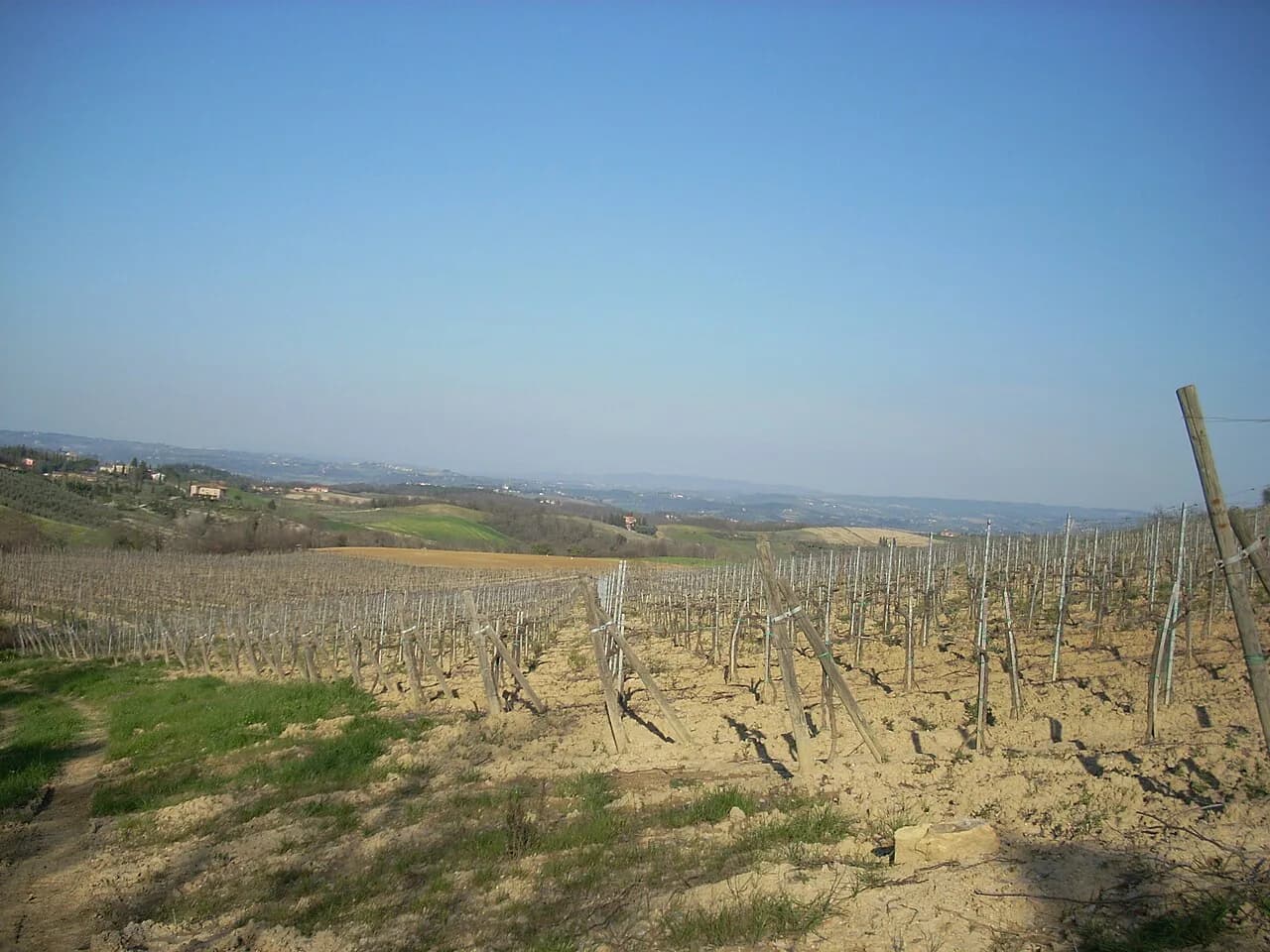
Vernaccia di San Gimignano earned DOCG status in 1993, the first Tuscan white to do so, and its history in these hills reaches back centuries along the Via Francigena pilgrim road. Teruzzi's estate covers 180 hectares, 94 of them vineyards, with 60 hectares planted to Vernaccia — a majority stake in the appellation. That scale makes it a useful benchmark before you taste at smaller family estates.
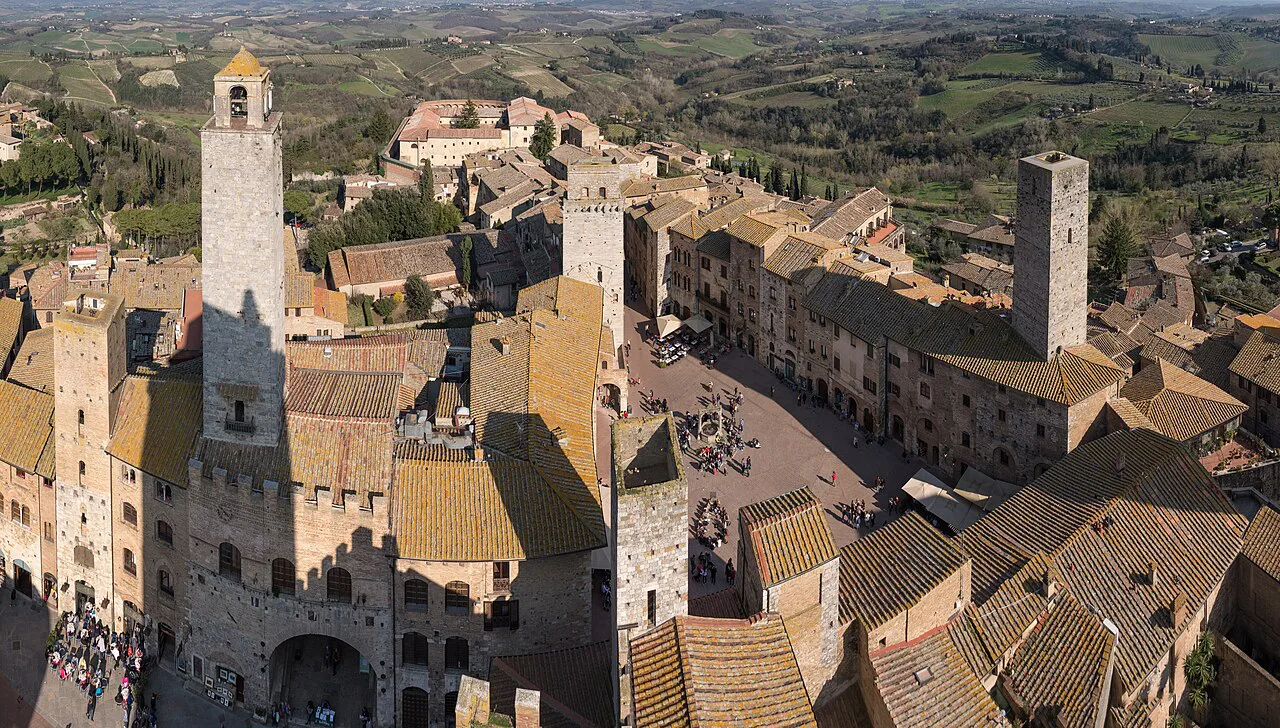
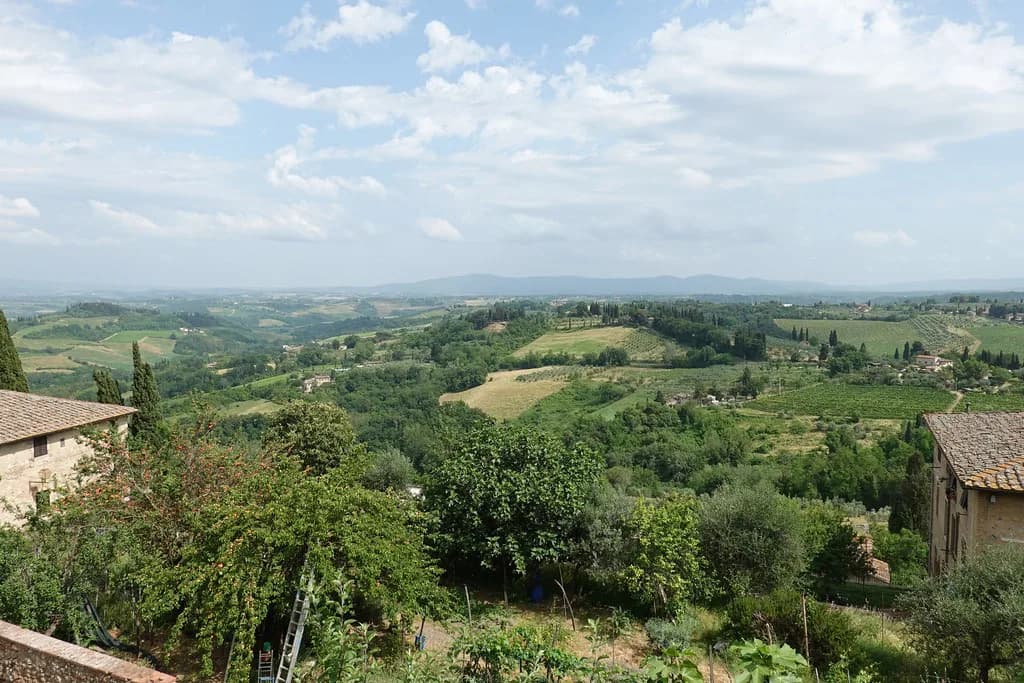
The appellation boundary sits entirely inside the municipality of San Gimignano, on Pliocene marine soils of yellow sand and clay, with the Tyrrhenian Sea about 60 kilometers away moderating the climate. Teruzzi farms four macro plots — Casetta, Racciano, Montegonfoli and Ponte Rondolino — which is why the range includes both a standard Vernaccia and a single-vineyard Riserva. For a wider look at who else receives visitors, browse San Gimignano wineries before fixing your route.
Two Addresses, Two Purposes: Montegonfoli Versus Casale
The Montegonfoli wine shop on SP127 is the seasonal, town-facing address: April to October, every day from 11:00 to 18:00, reachable by phone or email through the contacts the winery publishes. Out of season this door closes, which is the single biggest planning constraint for a casual drop-in.
The winery shop at Località Casale 19 keeps weekday hours instead, Monday to Friday 09:00 to 16:30, and this is the address the group lists for the estate. If your trip falls between November and March, Casale is the address that matters.
Treat the two as different jobs rather than duplicates. The Montegonfoli shop suits a bottle purchase and a glass in the warmer months; the Casale winery shop is where a cellar visit belongs, and tours are booked through the winery's own booking channel rather than simply turning up.
What the Wines Are: Vernaccia, Its Riserva, and the Reds
The core white is Isola Bianca, a 100% Vernaccia di San Gimignano DOCG aged a few months in steel and then in bottle, with the grape's characteristic almond-tinged finish. Above it, Riserva Sant'Elena comes from the Sant'Elena vineyard at Racciano, harvested at the end of September and kept on its fine lees for 15 to 18 months in temperature-controlled steel before bottling — a richer, more structured expression of the same grape.
The estate also blends beyond the appellation: Terre di Tufi is a Toscana Bianco IGT mixing Vernaccia with Trebbiano and aromatic varieties and part-aged in tonneaux. The reds are Sangiovese-led — Peperino as a Toscana Rosso DOC with Merlot, and Melograni as a Toscana Rosso IGT with Petit Verdot aged in French oak. Tasting across both colours tells you more about the estate than a white-only flight.
Vernaccia is picked around mid-September in the estate vineyards, so early autumn is when the cellar is busiest with harvest rather than visitors. If your interest is the vineyard itself, come in late spring or summer and ask about vineyard access when you book.
Choosing Your Tasting and Booking a Winery Tour
Teruzzi publishes a booking page for winery tours and experiences, but it does not publish the composition of each flight, the number of wines poured, food pairings or tour duration on the pages a visitor can read in advance. Ask those four questions by email or phone when you reserve, and say how many people are in your party, since minimum numbers are common at Tuscan estates.
This is appointment culture rather than walk-in culture for anything beyond a shop purchase. A winery tour booked ahead secures a guided visit; a spontaneous arrival in the Montegonfoli shop is a retail stop. Plan the former for a group and the latter for a solo bottle run.
If you would rather hand the logistics to someone else, guided San Gimignano wine tours bundle transport with two or three estate visits, which is often the difference between tasting properly and staying sober for the drive back.
What a Tasting Costs and What the Entry-Level Price Buys
No current price list appears on Teruzzi's own site, so treat any figure you see quoted online with caution. A visitor review reports an entry-level tasting of three wines for 10 euros, which gives a sense of the order of magnitude for a small-format stop rather than a confirmed rate. Ask for the current list when you book.
At that level you should expect a short counter-style tasting, not a cellar walk-through with food. Structure your expectations around it: a modest fee for a handful of wines, with any tour or extended experience priced separately by the winery.
Budget for what you carry home as well. The wine shop sells bottles directly, and shipping arrangements vary by destination, so ask at the Teruzzi counter whether shipping to your country is offered.
Getting There From San Gimignano Town Without a Car
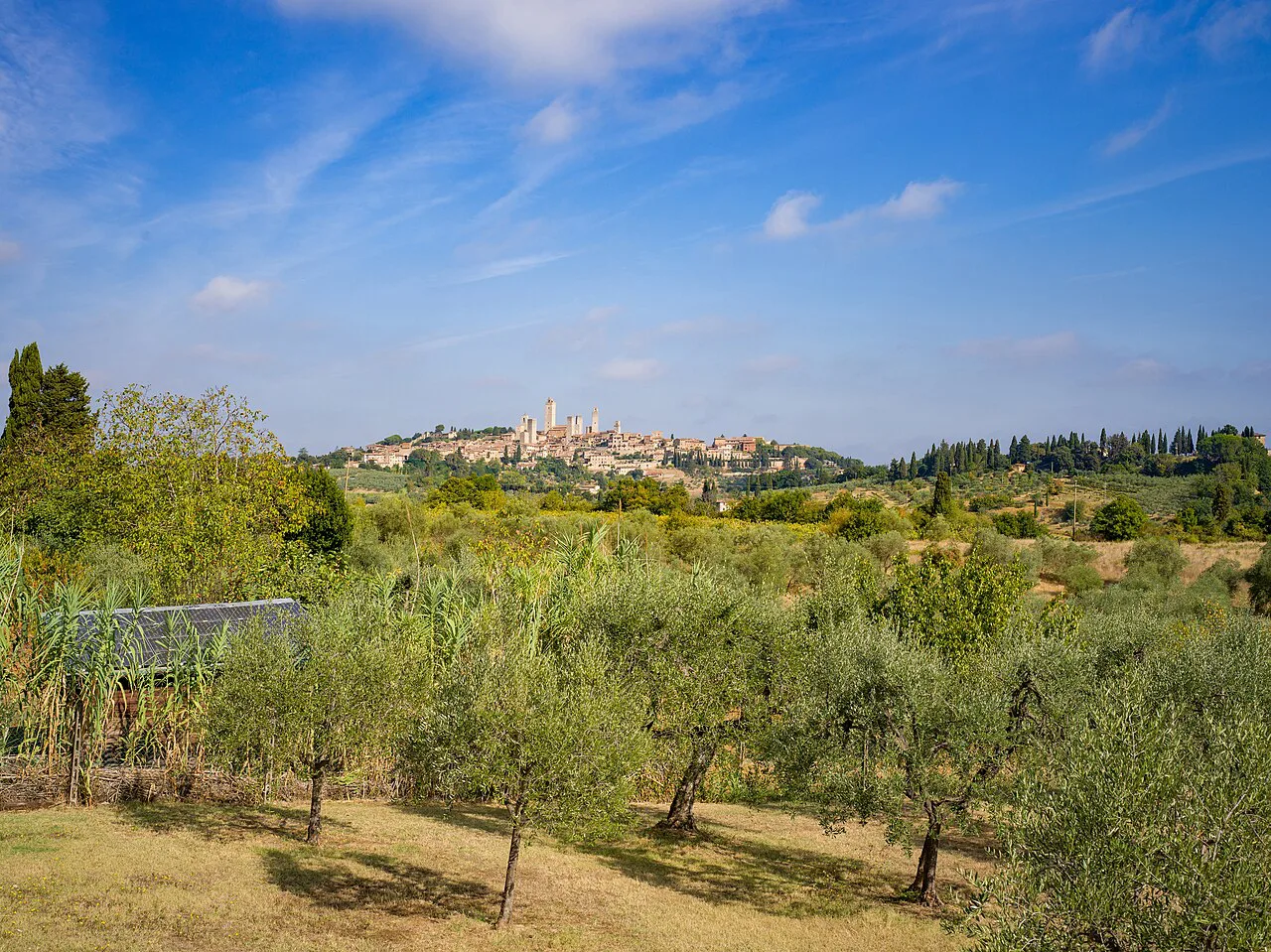
The estate lies outside the walled center, at the foot of the hill rather than within the towers, so this is not a stroll from the piazza. A taxi from town is the simplest no-car option for a booked appointment, and the winery's published phone numbers let you organize a return pickup when you reserve.
A bike gets you into the surrounding countryside on your own schedule, but the roads between town and the estate are country lanes shared with traffic, and a tasting visit plus a bicycle is a poor combination for anyone drinking.
A guided wine tour handles the transfer problem outright and is the cleanest choice for a group where everyone wants to taste. Independent travelers with a designated driver keep the most flexibility on timing, especially around the seasonal shop hours.
Grouping Teruzzi With the Rest of the San Gimignano Wine District
San Gimignano is compact enough to visit two estates in a day if you cluster them geographically and book both in advance. Teruzzi's four parcels sit around the municipality, so the drive between estates is short; the time cost is in the appointments, not the distance. Compare producers in the wider wine tasting guide before you choose the second stop.
For a contrast in scale, Fattoria San Donato is a smaller family-run property where the Fenzi family receives visitors, a different experience from a 94-hectare estate owned by a hospitality group. Pairing one of each gives you both ends of the local spectrum.
Staying overnight outside the walls makes an early appointment far easier and keeps you off the road after a tasting. If you want that, look at agriturismo options near town rather than hotels inside the historic center.
When to Go: Harvest Timing and Seasonal Hours
The Montegonfoli shop's April to October window aligns neatly with the growing season, and the estate harvests Vernaccia around mid-September, with the Riserva fruit picked at the end of that month. Late September is therefore a working moment in the cellar rather than a quiet one.
Outside April to October the town-side shop is closed, and a winter visit has to run through the Casale winery shop on its weekday schedule. Check opening days against your dates before booking transport, since a weekday-only window rules out a Sunday.
Booking Etiquette and What to Ask Before You Arrive
Write or call with your date, party size and whether you want a tour or just a tasting, and ask for the price list, the number of wines, whether a cellar walk-through is included, and how long to allow. These are the details that vary between estates and seasons, and the winery answers them directly.
Ask as well whether children or non-drinkers can join, and whether the visit involves stairs in the cellar. Confirm your appointment a day ahead if you are coming from Siena or Florence, since a missed slot is hard to replace on a short trip.
Practical Notes: EV Charging and Buying Bottles
Teruzzi has installed electric-car charging points at both the cellar and the wine shop, which is a concrete reason to drive if you have an EV and a designated driver. It also makes the estate an easy add-on to a longer road day through Tuscany.
For bottles, buy at the shop rather than carrying them around all day, and ask about packing and shipping at the counter. Airlines and shippers each have their own rules, so decide at purchase how the wine gets home.
Responsible Tasting: Spittoons, Designated Drivers and Public Transport
Tuscan tasting rooms expect spittoons to be used, and doing so is entirely normal rather than rude. If everyone in the car wants to drink, book a tour with a driver instead of improvising.
A designated driver who abstains keeps the independent option open and costs nothing extra. Plan the return leg before the first glass, whether that is a taxi booked in advance or a tour that collects you at the estate.
Tying a Teruzzi Visit Into a Wider Tuscany Wine Itinerary
San Gimignano works well as a day between Siena and Florence, with Vernaccia as the white interlude between Chianti's Sangiovese. Start with Teruzzi for the appellation overview, then add a smaller estate and a walk through the towers. The full wine tasting picture for the area is worth reading before you lock the order, and if you are extending the trip, wine tasting in Siena makes a natural next stop for comparing Tuscan producers.
Two nights in the area lets you split a tasting day from a driving day, which is the most comfortable way to handle the region without a hired driver throughout.
Plan Your Visit
Fix your date against the right address first: the Montegonfoli shop from April to October daily, the Casale winery shop on weekday mornings, and a booked tour for anything beyond a shop purchase. Then decide how you are getting back before you decide what to taste.
One email covering party size, price and tour content resolves most of the uncertainty in a single step, and Teruzzi will confirm current details closer to your date. With that settled, Teruzzi makes a straightforward and unusually complete introduction to Vernaccia di San Gimignano.
Frequently Asked Questions
What wines can you taste at Teruzzi winery?
The range is built around Vernaccia di San Gimignano DOCG, poured as the Isola Bianca and, in a richer style, as the Riserva Sant'Elena from the Racciano vineyard. Beyond the appellation the estate makes Terre di Tufi, a Toscana Bianco IGT with Trebbiano and aromatic varieties, plus two Sangiovese-based reds: Peperino, blended with Merlot, and Melograni, blended with Petit Verdot. The exact flight depends on the experience you book, so ask which wines are included when you reserve.
Is Teruzzi winery walk-in or by appointment?
For a cellar visit or guided tour, book ahead through the winery's own booking channel; that is how Tuscan estates generally operate. A shop purchase is different: the Montegonfoli wine shop and the Casale winery shop both keep published opening hours, so errands there do not need an appointment. Deciding which of those you want shapes your whole day.
How much does a tasting at Teruzzi cost?
Teruzzi does not publish a current tasting price list on the pages visitors can read in advance, so the rates quoted in online reviews should be read as older, informal reports rather than a confirmed tariff. Request the current list, and the number of wines it covers, by email or phone when you book. That one exchange also settles whether a cellar walk-through or food is part of the experience.
Where is Teruzzi winery located relative to San Gimignano?
The estate sits at the foot of the hill outside the walled historic center, with vineyards in four parcels around the municipality. The town-facing shop is on SP127 at Località Montegonfoli, while the winery shop is at Località Casale 19. Neither is a short walk from the piazza, so plan transport.
What is Vernaccia di San Gimignano?
It is the white wine that made this town famous, produced from the grape of the same name within a boundary that lies entirely inside the municipality of San Gimignano. It became the first Tuscan white awarded DOCG status, in 1993, and it is typically dry with a slightly bitter almond note on the finish. Building a day around it gives you a clear benchmark for comparing other producers.
Do you need a car to visit Teruzzi from San Gimignano town?
No, but you need a plan: a taxi from town for a booked appointment, a guided tour that collects you at the estate, or a bicycle if you are not drinking. Independent travelers with a designated driver keep the most flexibility on timing. Whichever you choose, arrange the return leg before your first glass.
When is the Teruzzi wine shop in San Gimignano open?
The Montegonfoli wine shop on SP127 opens April to October, every day from 11:00 to 18:00, so the warmer months are the window for a casual drop-in. The winery shop at Località Casale 19 keeps weekday hours, Monday to Friday 09:00 to 16:30, and is the address that matters outside the seasonal window. Match your dates to the correct address before booking transport.
Can you charge an electric car at Teruzzi winery?
Yes. Teruzzi has installed charging points at both the cellar and the wine shop, which makes the estate a practical stop on a Tuscan road day if you drive an EV. The driver still needs to abstain while everyone else tastes, so pair the charging stop with a designated driver or a booked tour.
Sources
Notes for your next wine trip
Optional updates to our winery and wine-town guides.
You might also like
Continue reading
More guides you'll find useful