Querciabella Winery Visit: Plan a Siena Tasting Trip
Plan a Querciabella winery visit from Siena: where the Greve in Chianti estate is, how private tasting bookings work, and what to know before you go.
On this page
Querciabella is one of the Chianti Classico addresses that rewards a little preparation: the estate sits in the hills at Greve in Chianti, roughly midway between Siena and Florence, and it arranges visits as private tastings rather than running an open cellar door. That single fact changes how you plan the day, because your appointment time, not a bus timetable, becomes the fixed point around which everything else is built.
This guide covers the published contact details, the wines worth naming in your request, the realistic transport picture from Siena, and how to pair the estate with the town of Greve itself. It sticks to what the winery actually publishes and flags plainly where a figure such as tasting price or visit length is not posted, so you ask rather than assume.
Why Querciabella Is Worth Planning Around
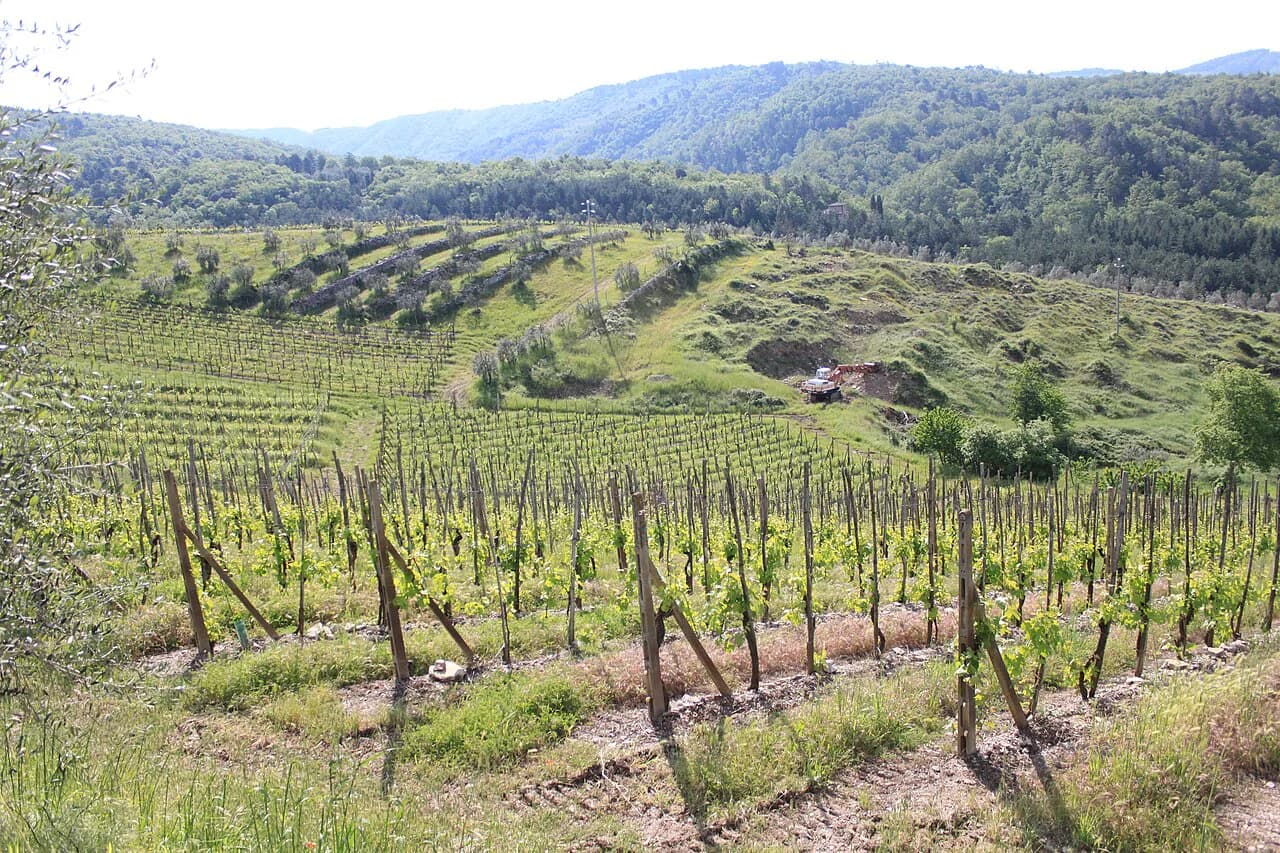
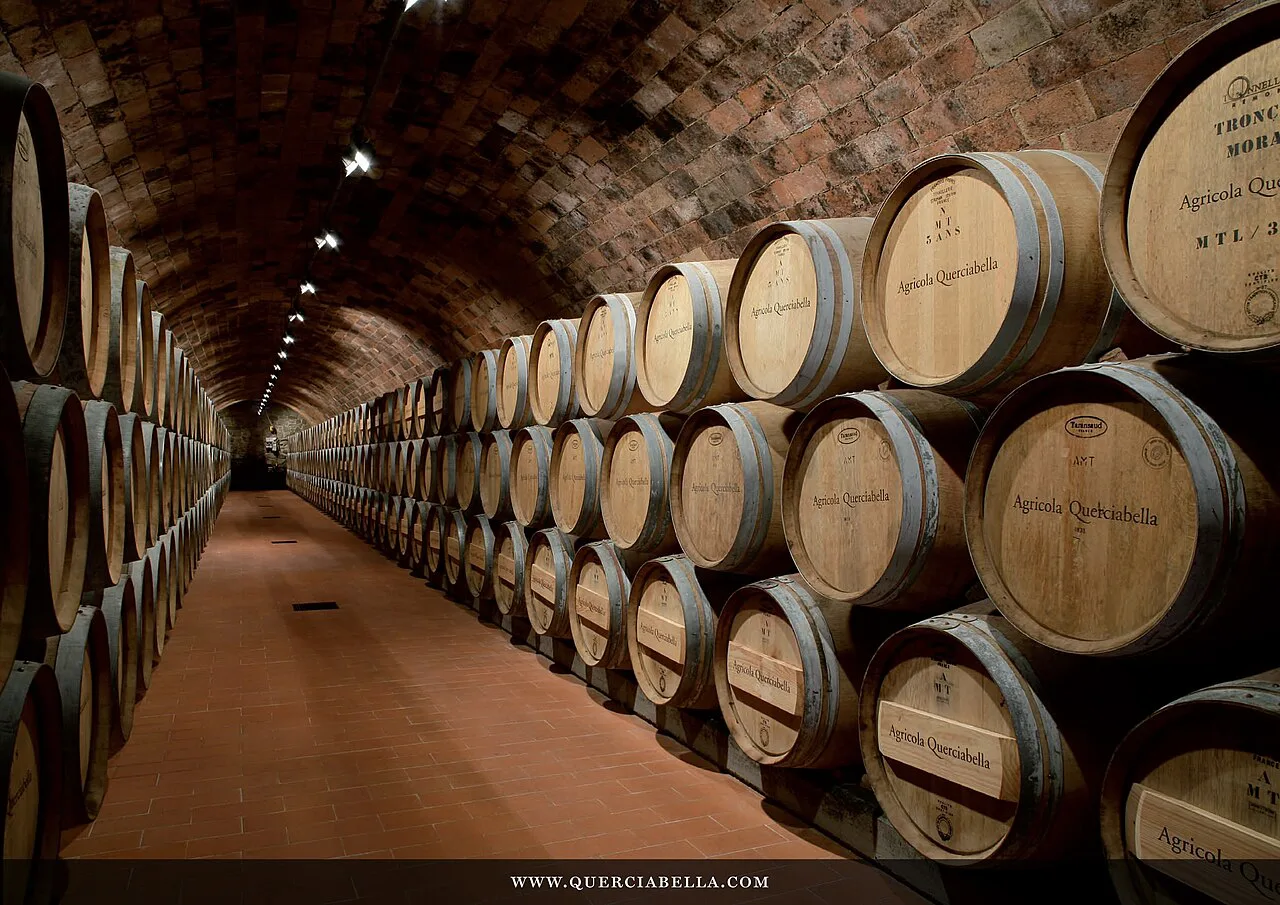
The estate's reputation rests on farming as much as on the bottles. Querciabella has built its identity on organic and biodynamic vineyard work and on a vegan approach in the cellar, a detail the winery highlights across its own shop and site rather than leaving to third parties. For a traveler choosing between a dozen Chianti Classico properties, that philosophy is a legitimate reason to prioritize this one, since it shapes what you will hear during a visit.
The practical consequence is that Querciabella is a host-led visit, not a self-guided circuit. You are received by arrangement, which usually means a more focused conversation about farming and cellar choices than a busy walk-in counter allows. Plan it as the anchor of a half day rather than a quick stop squeezed between two other estates.
Where the Estate Sits: Via di Barbiano, Greve in Chianti
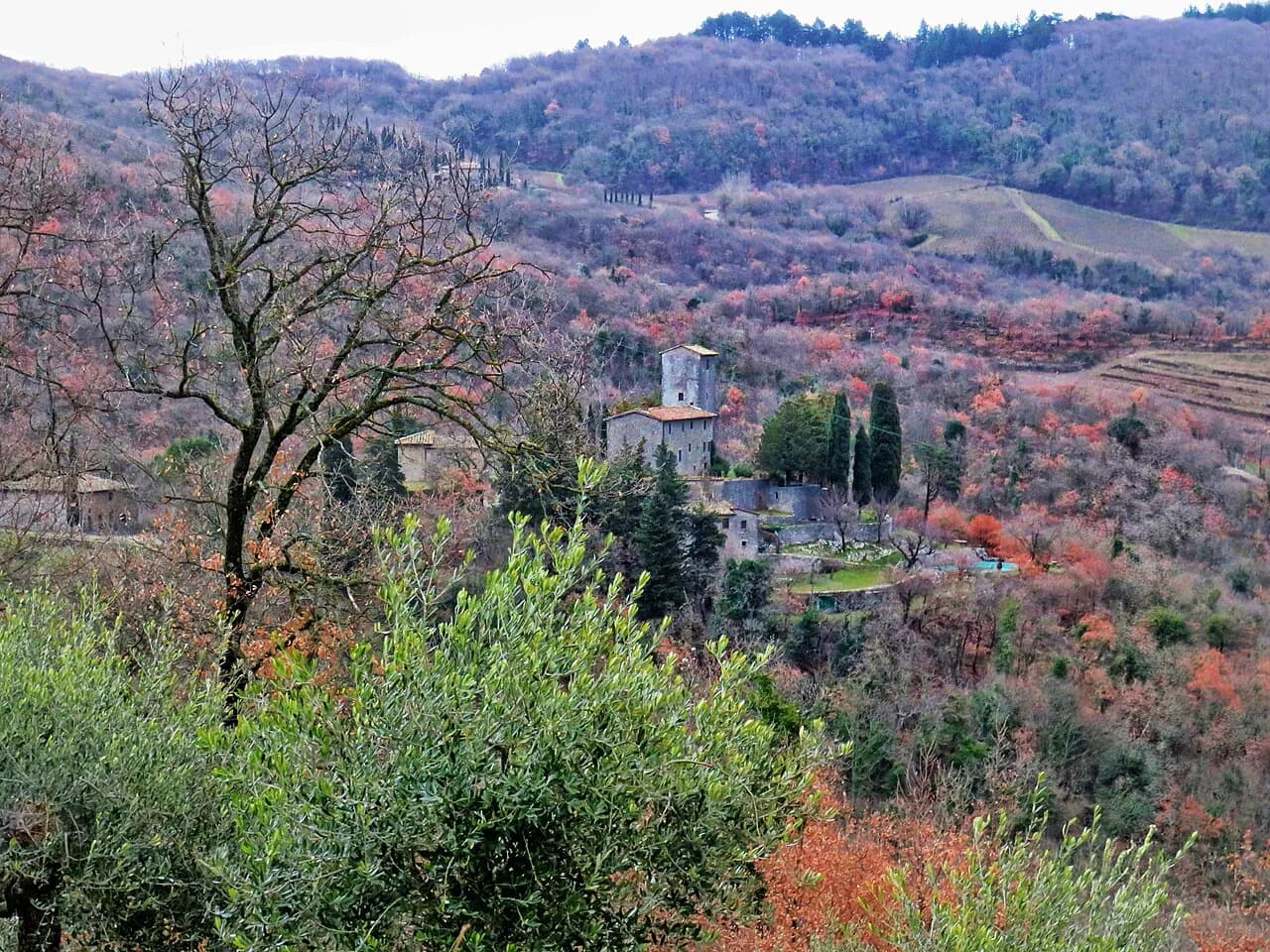
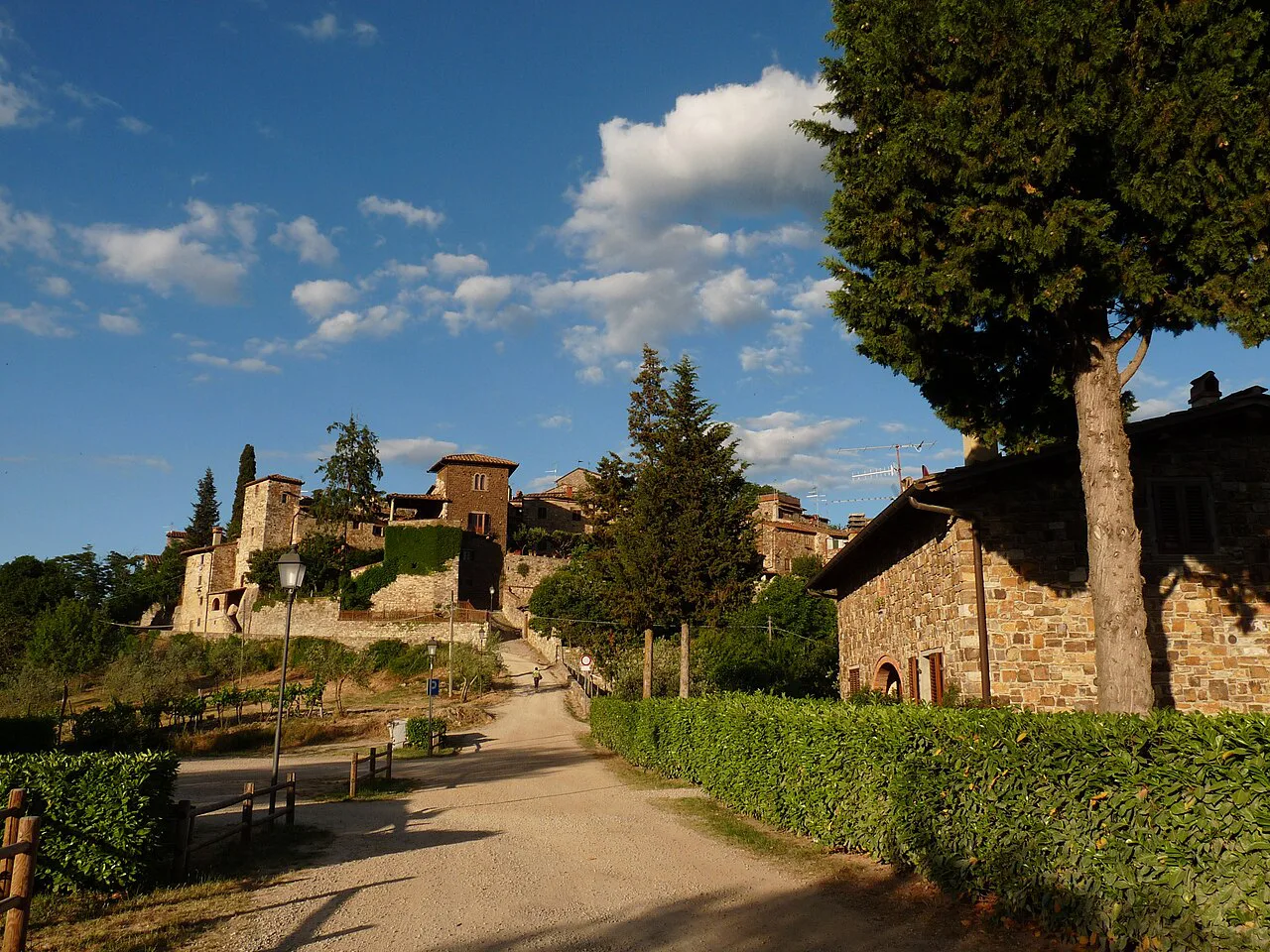
Querciabella's published address is Via di Barbiano 17, 50022 Greve in Chianti, in the province of Florence. Greve is the market town of the Chianti Classico zone, set in the hills southeast of Florence and north of Siena, and the estate lies outside the town center in the surrounding countryside. Treat the address as your navigation point and expect a rural approach road rather than a town-center drop-off.
Because Greve sits between the two cities, the estate works as a day trip from either base. From Siena you are heading north; from Florence you are heading south. Whichever direction you come from, the last stretch is hilly country road, so build in slack if you are arriving by taxi or hired driver for a fixed appointment.
How Visits Work: Private Tastings by Request
Querciabella does not publish fixed tasting-room hours on its contact page. Instead, the site invites visitors to book a private wine tasting through a dedicated inquiry form, and offers phone and email as alternatives for the same purpose. In practice this means there is no reliable walk-in option to fall back on, and turning up without an appointment risks finding nobody free to receive you.
The winery has not posted a standard tasting fee, the number of wines poured, or a fixed visit duration in the material available. Rather than guess, ask directly in your first message: how long the visit runs, how many wines are included, whether a walk through the cellars or vineyards is part of it, and what the charge is per person. Those four answers let you slot the appointment into a day and a budget with confidence.
How to Book: Form, Phone or Email
The winery publishes three booking channels: the inquiry form on its contact page, a telephone number, and an email address. The form asks for your name, country, email, the nature of your inquiry and a message, with a category for visiting the winery, so a form submission reaches the right desk. If you are traveling within a few weeks, a phone call on +39 055 8592 7777 is the fastest way to learn whether your preferred date is free.
Whichever channel you use, put the essentials in the first message: your preferred date and a backup, your party size, the time window you can manage, and whether you want a cellar tour or a seated tasting. Add any wine interests, such as the flagship reds or the white blend, so the host can shape the lineup. If you are relying on public transport or a driver, say so, because it helps the estate suggest a workable slot.
Booking well ahead matters most in the Chianti Classico high season, roughly late spring through early autumn, when private appointments across the zone fill quickly. Harvest, usually in September into October depending on the year, is a busy working period in the vineyards and cellars, so requests for those weeks deserve extra lead time. A month or more of notice is a sensible default for a specific date.
What the Querciabella Range Covers
Querciabella's portfolio spans two levels. The Chianti Classico wines are Sangiovese-based and carry the zone's name on the label, while the Toscana IGT bottlings sit outside the Chianti Classico rules and give the estate room to blend and to work with international varieties. Knowing which side of that line a wine sits on tells you a lot about style before you taste it.
Among the names to know are Batàr, a wooded white built on Chardonnay and Pinot Blanc, and the reds Camartina and Palafreno, alongside a Chianti Classico Riserva and a Gran Selezione. The Mongrana and Turpino labels represent the Maremma side of the estate's activity. Naming two or three of these in your booking request is the simplest way to signal what you hope to taste.
If your interest is specifically in Sangiovese and the Chianti Classico appellation, say so when you book: a host can then lean the selection toward the zone's reds. If you are more curious about the white blend and the super Tuscan reds, frame the request that way instead. Either way, the wines poured depend on what the estate has open and available, so treat your list as a preference rather than a guarantee.
Reading the Labels Before You Go
Chianti Classico is a delimited zone between Florence and Siena, and its wines must be based on Sangiovese, with the black rooster emblem on the neck as the zone's mark. Toscana IGT is a far broader designation covering the whole region, which is why estates use it for blends and for varieties that the Classico rules do not emphasize. Understanding the split keeps you from expecting a Sangiovese profile from a wine that was never meant to have one.
Within Chianti Classico, the Riserva and Gran Selezione tiers indicate longer aging and, in the case of Gran Selezione, estate-grown fruit with stricter requirements. If a structured red is what you are after, ask which of these tiers is likely to be open on your visit date. It is a more useful question than asking for a specific vintage, which may already be sold out at the cellar.
Getting There from Siena Without Driving
Greve has no rail station of its own, so the train is not a direct option; rail from Siena means heading toward Florence and then connecting by road, which adds hours. The realistic public-transport route is the bus network that links Siena and Florence with stops through the Chianti Classico towns, including Greve. Timetables vary by season and operator, so confirm the current service before you fix an appointment time.
Even with a bus to Greve, the estate sits outside town on a country road, and the final leg is the hard part. Local taxis in Greve are few, and booking one for a return trip from a rural address is unreliable without arranging it in advance. This is where a driver or an organized day becomes the practical choice rather than a luxury.
For travelers comparing formats, independent travel gives you control over pace but puts the transport risk on you, while a guided day removes the logistics and often bundles two estates. The trade-off is flexibility versus certainty: a tour fixes your schedule, which suits a timed private appointment well. Browsing the options for wine tasting in siena first makes the comparison concrete, and the same weighing of appointment times against transport applies to wine tasting in Montepulciano further south.
Coming from Florence Instead
Florence is the shorter base for Greve in straightforward distance terms, and the road south through the Chianti hills is the classic approach. Bus services run from Florence toward Greve, again with seasonal timetable variation, and the same last-mile problem applies once you leave the bus. If your trip centers on Florence, plan Querciabella as a full-day outing rather than an afternoon add-on.
A Florence base also makes it easy to combine the estate with other Chianti addresses on the same axis, since the SS222 road threads through the zone's main villages. Grouping two properties that sit close together is far more efficient than crisscrossing the hills. For a wider shortlist of estates in the zone, see these suggestions for wineries in siena and its surroundings.
Building a Greve Day Around the Appointment
Greve itself deserves more than a drive-through. The town's sloping piazza is a genuine market square with arcades, butcher shops and wine merchants around it, and it makes a natural base before or after a tasting. Arriving early gives you time for a coffee and a look around; staying after lets you eat without rushing back to the car.
Realistically, one private estate visit plus a relaxed meal and a wander through Greve fills a day once transport is factored in. Two wineries is possible only if the properties are close together and your appointments are back to back with no long transfer between them. Trying to fit three is how people end up tasting in a hurry and remembering nothing.
Independent Visit or Guided Chianti Tour
Going independently keeps costs transparent and lets you linger, but it requires a car or a carefully arranged driver, and it puts the booking burden on you. A guided Chianti Classico day handles transport and often secures the appointments, which matters when a winery receives visitors only by arrangement. The right answer depends on whether your priority is freedom or a stress-free timetable.
If you are building a broader itinerary, the region rewards mixing formats: a guided day for the outlying estates and self-guided time in Siena for the enoteca side. Siena's own wine bars pour widely across the zone, so you can taste more broadly in town without adding another drive. That combination covers ground without overloading any single day.
Another worthwhile comparison is a larger, purpose-built visitor center in the same zone, which runs on a different booking model from a private estate. Seeing how the two experiences differ helps you decide where to spend your appointment budget. Consider what a visit to antinori nel chianti classico offers as a contrast.
Timing Your Visit to the Chianti Season
Spring and early autumn are the most comfortable months for vineyard country, with mild temperatures and long daylight. High summer is hot in the exposed hills, so a morning appointment is kinder than an afternoon one. Harvest, typically September into October, is dramatic to see but a working period when estate staff are stretched.
Winter visits are possible but quieter, and some estates reduce their availability outside the season. If you are traveling between November and March, ask about availability early and keep your dates flexible. Whatever the month, confirm the current details with the winery once your date is close, since schedules shift with the vintage.
Booking Mistakes to Avoid
The most common error is assuming a walk-in tasting room. Querciabella works from appointments, so an unannounced arrival is likely to be turned away. The second is forgetting to include a phone number, which makes it hard for the estate to reach you if a time needs adjusting.
Underestimating travel time from Siena is the third. Hill roads and a rural final approach eat more of the day than a map suggests, so leave a generous buffer before your slot. Finally, avoid stacking two appointments too close together; a relaxed pace is what makes a Chianti day work.
Drinking Responsibly on a Wine Day
Whoever is driving should not taste, full stop. Use the spittoons that every tasting room provides, appoint a designated driver who abstains, or book a tour or driver so nobody is behind the wheel after sampling. Public transport works too, provided you have checked the return times before you set out.
Plan Your Querciabella Visit
Treat Querciabella as an appointment-led visit: send a request with your date, party size, time window and wine interests, then build the rest of the day around the slot you are given. Confirm the arrangements once your date is close, and ask directly about price and duration rather than expecting a posted rate.
Whether you come from Siena or Florence, sort out the last mile to Via di Barbiano before you commit to a time, since the estate sits outside Greve on a country road. Pair the tasting with the town's piazza and enoteche, keep the pace to one or two stops, and the day will feel planned rather than rushed.
Frequently Asked Questions
Do you need to book a Querciabella winery visit in advance?
Yes. Querciabella receives visitors as private tastings arranged in advance through the inquiry form on its contact page, by phone or by email. The winery does not publish fixed tasting-room hours, so an unannounced arrival is not a reliable way to be received.
How do you contact Querciabella to book a tasting?
Use the inquiry form on the winery's contact page, choosing the visiting-the-winery category, or call or email using the details listed there. In your first message include your preferred date and a backup, party size, the time window you can manage, and whether you want a cellar tour.
Where is Querciabella winery located?
The estate is at Via di Barbiano 17, 50022 Greve in Chianti, in the province of Florence. Greve is the market town of the Chianti Classico zone, set between Florence and Siena, and the property sits outside the town center in the surrounding hills.
How far is Querciabella from Siena?
Greve in Chianti lies north of Siena in the Chianti Classico hills, and the drive is entirely on hill roads, with a rural final approach to the estate. Distances on a map understate the time, so allow a generous buffer before a fixed appointment rather than cutting it close.
Can you visit Querciabella without a car?
It is possible but takes planning. Greve has no rail station, so the realistic route is a bus between Siena and Florence that stops in the Chianti Classico towns, followed by a taxi or pre-arranged driver for the last stretch to the estate. Many visitors find a guided day simpler.
What wines can you taste at Querciabella?
The range spans Sangiovese-based Chianti Classico wines, including a Riserva and a Gran Selezione, and Toscana IGT bottlings such as Batàr, Camartina, Palafreno, Mongrana and Turpino. The exact lineup depends on what the estate has open, so name your interests when you book.
Is Querciabella organic or vegan?
Querciabella presents itself around organic and biodynamic vineyard work and a vegan approach in the cellar, a point the estate emphasizes in its own communications. If these practices are central to your interest, ask about them when you request a visit so the host can cover them.
How long does a Querciabella tasting take and what does it cost?
The winery does not publish a standard visit length or tasting fee, so neither can be assumed. Ask in your booking request how long the visit runs, how many wines are included, whether a cellar or vineyard walk is part of it, and the charge per person.
Sources
Notes for your next wine trip
Optional updates to our winery and wine-town guides.
You might also like
Continue reading
More guides you'll find useful