Fontodi Winery: Visiting the Panzano Estate from Siena
Fontodi sits in Panzano's Conca d'Oro, a short drive from Siena. Here's what the estate makes, how visits are arranged, and how to plan the day.
On this page
Fontodi is one of the names that defines Panzano in Chianti, the village on the road between Greve and Castellina that wine travelers use as a base for the southern Chianti Classico hills. The estate belongs to the Manetti family, who took it over in the late 1960s, and it farms organically on the amphitheater-shaped slope known as the Conca d'Oro. For a Siena-based day, it is a natural anchor: a single estate with a clear identity, a published portfolio, and a village around it that rewards a slow afternoon.
What follows sticks to what the estate publishes and what traveler accounts confirm, and it flags what you have to settle directly with the winery. Tasting formats, durations and daily availability at Chianti Classico estates change with the season and the harvest, so the practical move is to decide your dates first, then request a visit. Pair this with broader planning on wine tasting in Siena so the Fontodi stop sits inside a route that makes sense, rather than a single appointment bolted onto a long drive.
What Fontodi Is Known For
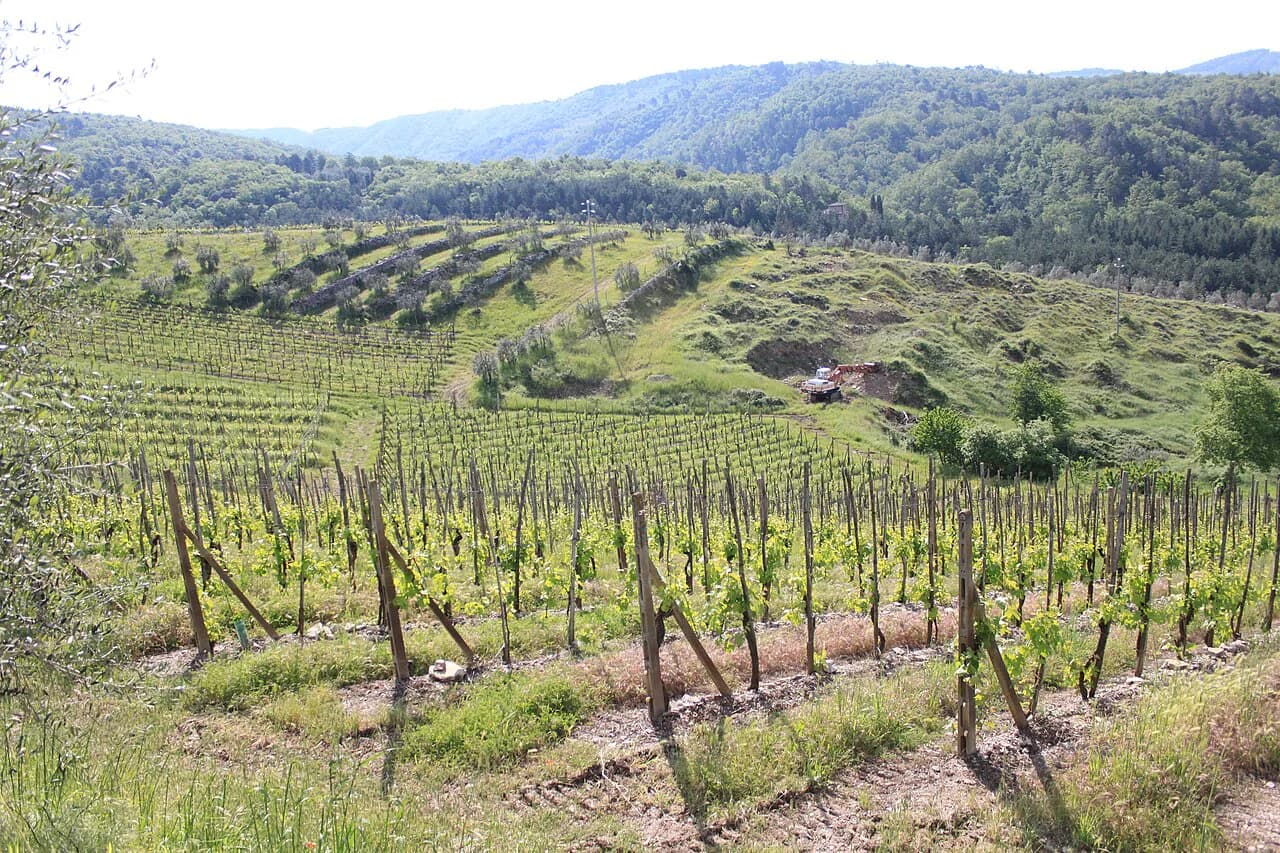
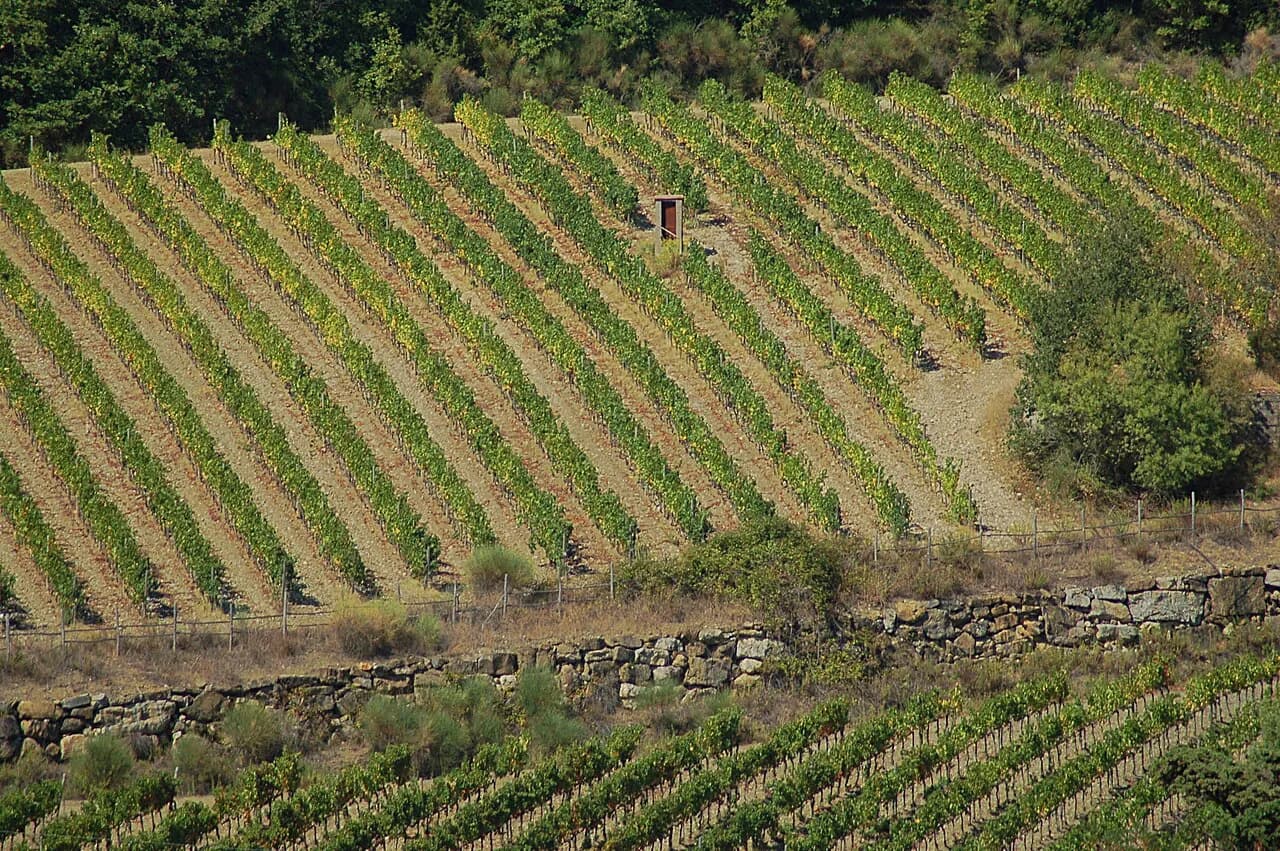
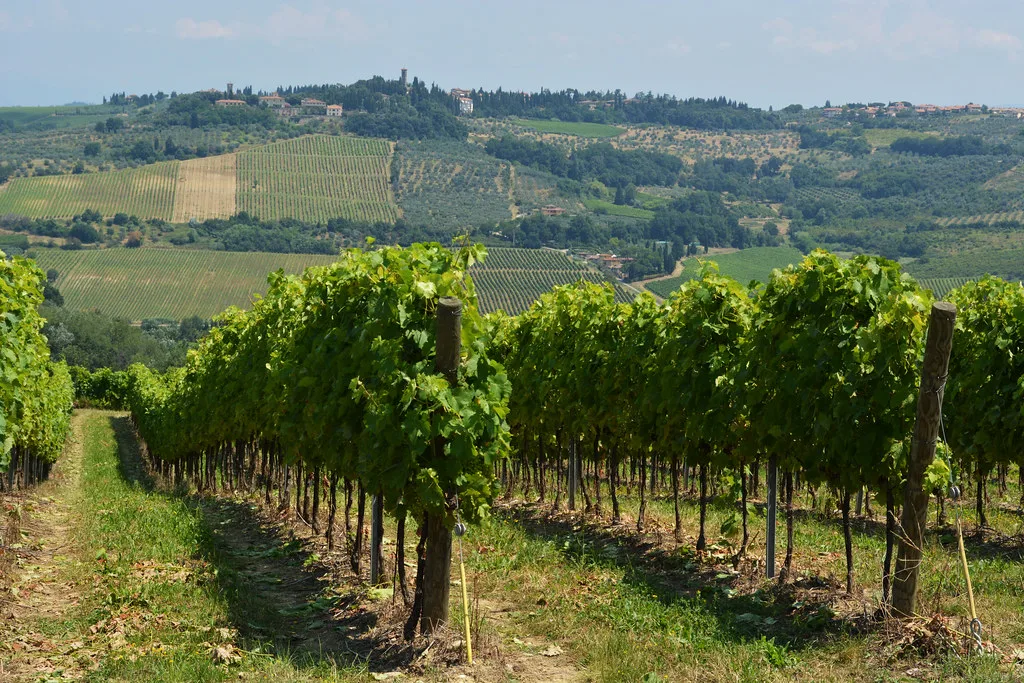
Fontodi sits in the Conca d'Oro, a bowl of vineyards just below Panzano that has been associated with quality winegrowing for centuries. The estate covers roughly 130 hectares, of which about 70 are planted to vines, and the vineyards sit high in the basin at over 500 meters, one of the cooler positions in the valley. Everything is farmed organically, with no chemical products used in the vineyards, and the grapes are picked by hand and sorted before vinification, as the estate describes on its own product pages.
The family story matters to how the estate presents itself. Dino Manetti bought a run-down property in 1968 and ran it for a decade before handing it to his son Giovanni, and the Manetti name still carries weight in Tuscany through a terracotta business that long predates the wine. The cellar is built on descending levels, with reds fermented in temperature-controlled steel and the Pinot Nero handled in conical wooden vats, and Chianina cattle have been reintroduced to the property as part of the organic and biodynamic approach.
The Wines You Will Meet on a Fontodi Visit
Start with the appellation logic, because it explains what a tasting may pour. Fontodi bottles a Chianti Classico DOCG as its entry red, plus two Gran Selezione Chianti Classico wines, Vigna del Sorbo and Terrazze San Leolino, which come from single sites and represent the estate's top tier within the appellation rules. Above those sits Flaccianello della Pieve, labeled Colli Toscana Centrale IGT and made entirely from Sangiovese, the wine that made the estate's reputation after its first release in 1981.
The range extends well beyond Sangiovese. Fontodi makes a second Chianti Classico from the Lamole area called Filetta di Lamole, two Colli Toscana Centrale IGT wines from international grapes, Case Via Pinot Nero and Case Via Syrah, and a Meriggio blend, plus a Vin Santo del Chianti Classico and two extra virgin olive oils from its own groves. If you care about a particular bottle, name it when you book so the visit can be built around it rather than around whatever happens to be open that day.
Traveler accounts describe Fontodi as a boutique estate with a strong reputation for Sangiovese and a tasting room experience centered on the wines and the property. Treat that as a starting point for your request, not as a fixed menu. Anyone can read about the wines online; the visit is where the altitude, the organic farming and the cellar layout start to make sense of what is in the glass.
Where Panzano Sits Relative to Siena and Florence
Panzano in Chianti lies in the hills between Siena and Florence, on the Chiantigiana road that threads through Greve in Chianti to the north and Castellina in Chianti to the south. From Siena it is a hill-road drive northwest through the Chianti Classico countryside, and the estate gives its address as Panzano in Chianti with a landline and fax code for the Florence province. Read the distance in terms of road time on twisty secondary roads rather than kilometers, and plan the day so you are not squeezing Fontodi between two other appointments on opposite sides of the zone.
The practical grouping for a Chianti Classico day runs in two arcs. North of Panzano, Greve in Chianti has the largest cluster of cellars and enoteche and works as a lunch stop; south, Castellina and Radda sit further along the same ridge. If you are building a full itinerary around the zone, the broader Chianti Classico planning material on this site is worth reading before you fix dates, since estate opening patterns often follow the same seasonal rhythm across the villages. If you are weighing another hill town against Panzano for a cellar visit, the San Gimignano wine guide covers Vernaccia and its wineries in comparable detail.
Getting to Panzano Without Driving
Bus service links Siena and Florence with the Chianti Classico villages, but the Chiantigiana corridor is served by local runs, not a dense timetable, and Panzano's stop sits a short walk from the village center and the estate road. Timetables change with the season, so check the current schedule from the regional bus company before you commit to a return time, and build in slack: a missed afternoon bus in the hills is a long wait.
A taxi from Siena is feasible for a single winery appointment but expensive for a round trip with waiting time, and drivers are not always available in Panzano itself for the return leg. The realistic alternatives are a private transfer booked in advance, a guided tour that includes the estate and the village, or a bike if you are comfortable with the climbs. Whichever you choose, someone in your party should not be tasting: use the spittoons, agree a designated driver, or let the tour handle the driving.
How Visits Work at Chianti Classico Estates
At estates of Fontodi's size in Chianti Classico, the norm is a booked visit rather than a walk-in tasting room. You write or call ahead, state your date, the size of your party and whether you want to see the cellars, and the estate confirms whether it can host you around its winemaking calendar. The estate publishes a phone number and fax on its contact details, and email through its site is the usual first approach for foreign visitors; expect a reply in Italian or English and confirm the appointment in writing before you travel.
When you make the request, ask the questions that shape the day: how many wines are poured, whether the visit includes the cellar and the vineyards, whether food is served or bread and oil only, how long the appointment runs, what it costs per person, and whether there is a minimum party size. Ask too about access, since hillside estates often have gravel approach roads and limited parking. If your group includes non-drinkers or a driver, say so early; many estates will still host them.
Building a Panzano Day Around Fontodi
Panzano is small enough to cover on foot, and the village itself supplies the rest of the day. The butchers and food shops on the main street are the reason many travelers stop here, and a lunch of local salumi and pecorino, or a plate at one of the village trattorias, fits neatly between a morning and an afternoon appointment. Book lunch as you would the winery: the best-known tables in a village this size fill quickly at weekends and in autumn.
Use the estate as the anchor and add one or two more stops rather than four. Other cellars around Panzano and Greve receive visitors by arrangement, and a second appointment in the same village keeps the day relaxed; if you want a contrast, the large contemporary Antinori nel Chianti Classico facility near San Casciano in Val di Pesa is a very different kind of visit and needs its own booking. Check the wider list of wineries in Siena if you want alternatives closer to the city for another day.
Harvest and the Best Months to Plan
Harvest in Chianti Classico normally falls in September and can run into early October, which is the busiest and least predictable moment to visit an estate: the cellar is working, the roads carry fruit, and staff are stretched. Late spring and early summer are easier for appointments, with green hills and long days, while late October and November bring olive harvest and quieter villages but shorter opening windows. Winter visits are possible by arrangement at many estates but the smallest choice of slots.
Whatever the month, the estate's own calendar decides availability, and the vintage and bottling schedule partly sets what can be poured and shown. Ask about the season when you request dates, and keep a flexible second choice. If your trip is built around wine tasting, the broader Siena wine tasting guide covers how the city's enoteche and the surrounding zone fit together when the hills are quiet.
Plan Your Fontodi Visit
Fontodi rewards a traveler who arrives with a plan: a booked appointment, a named set of wines to ask about, a clear route from Siena that does not depend on an improvised taxi, and time left in Panzano for lunch and the village itself. Sort out the transport before you fix the appointment time, because the hill bus schedule shapes the day more than anything else. Then confirm the details with the estate close to your date and leave room for a slower afternoon than you planned.
If you would rather hand over the logistics, a small-group tour from Siena covers the driving and the appointments and lets everyone taste. Otherwise, choose your designated driver, use the spittoons generously, and treat the drive back as part of the day rather than an afterthought.
Frequently Asked Questions
Can you visit Fontodi winery?
Fontodi is a working estate in Panzano in Chianti and receives visitors by arrangement rather than as a drop-in tasting room. Contact the winery ahead with your dates, party size and the wines you want to focus on, and settle the format and cost in writing before you travel. Availability moves with the winemaking calendar, so a flexible second date helps.
Where is Fontodi winery located?
Fontodi is in Panzano in Chianti, in the Chianti Classico hills between Siena and Florence, on the Conca d'Oro slope just below the village. The estate's published contact details give a Panzano address in the Florence province. It is reached by hill roads via Greve in Chianti to the north or Castellina in Chianti to the south.
What wines does Fontodi produce?
The estate bottles Chianti Classico DOCG, the Gran Selezione wines Vigna del Sorbo and Terrazze San Leolino, the Sangiovese-based Flaccianello della Pieve IGT, Filetta di Lamole, Case Via Pinot Nero, Case Via Syrah, Meriggio, a Vin Santo del Chianti Classico and two extra virgin olive oils. Name the bottles you care about when you book so the visit can include them.
How do you get to Panzano in Chianti from Siena without a car?
Local bus services run along the Chiantigiana corridor linking Siena, Greve in Chianti and the villages, but departures are limited, so check the current timetable with the regional operator and plan a return with slack. A pre-booked transfer or a guided tour is the more reliable option for a single appointment. A taxi works one way but waiting time and the return leg are the weak points.
Do you need an appointment to taste at Chianti Classico wineries?
In practice, yes. Estates of Fontodi's scale host booked visits rather than open tasting-room hours, and appointments are arranged around cellar work and harvest. Write or call with your preferred dates and ask how many wines are poured, whether the cellar is included, how long the visit runs, what it costs and whether there is a minimum party size.
When is harvest in Chianti Classico?
Harvest usually falls in September and can extend into early October, depending on the vintage. That is the least predictable period for visits because the cellar is in full operation. Late spring and early summer are easier for appointments, while late October and November bring quieter villages and the olive harvest.
Sources
Notes for your next wine trip
Optional updates to our winery and wine-town guides.
You might also like
Continue reading
More guides you'll find useful