Chianti Wine Tasting from Siena: How to Choose a Tour
Plan Chianti wine tasting from Siena with a village-by-village look at Classico wineries, what tastings include, how to book, and how to get around.
On this page
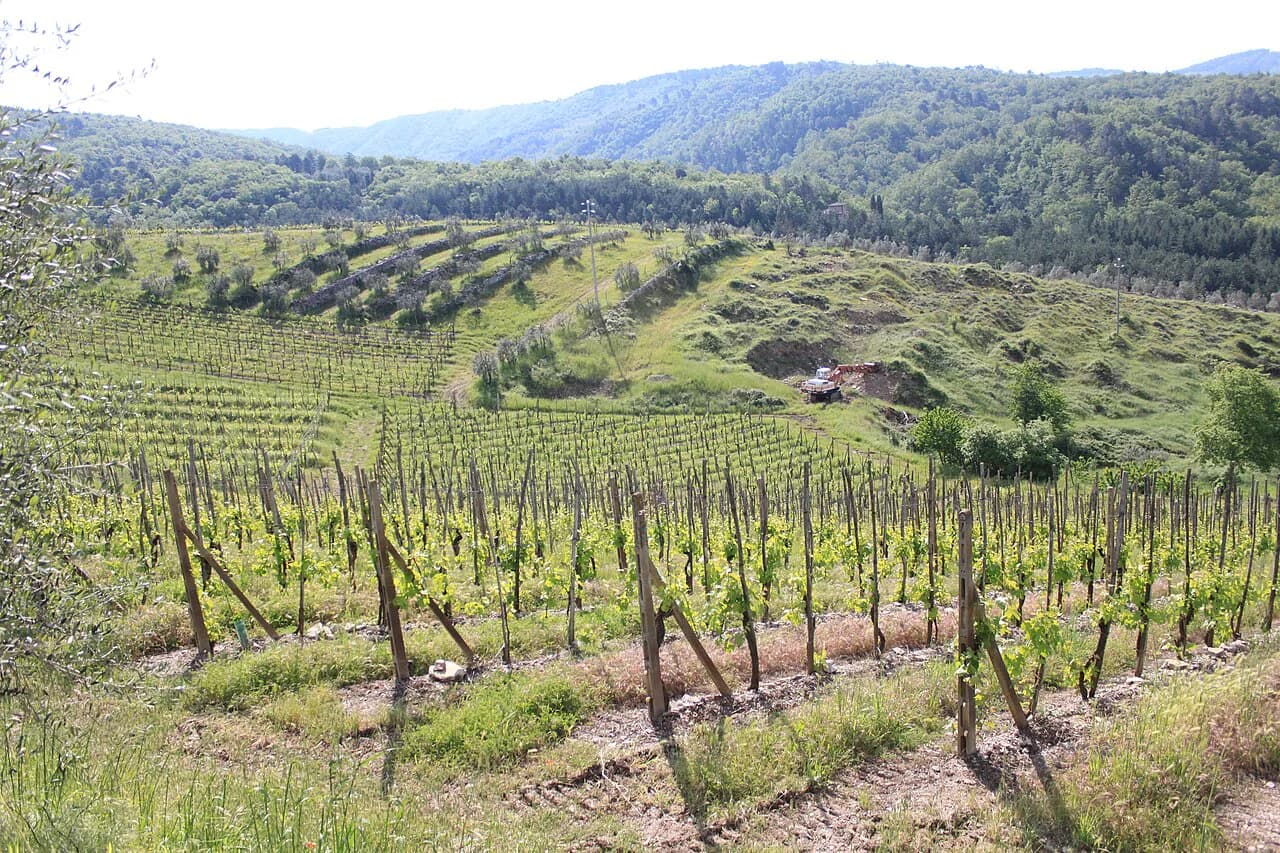
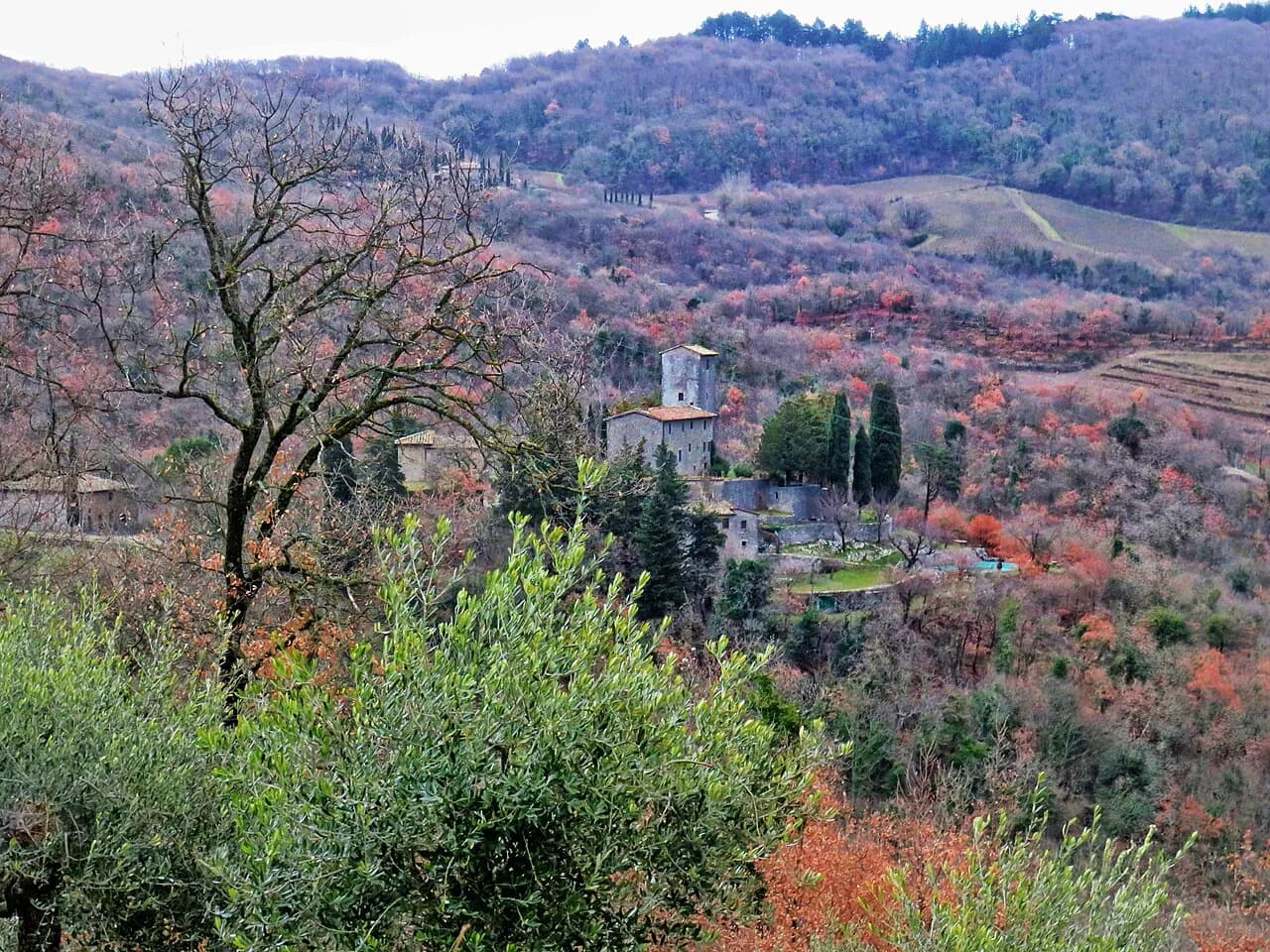
Siena is the quiet, practical gateway to Chianti Classico: the wine district begins just north of the city and runs up toward Florence through four historic villages. That geography matters more than any single winery, because the estates are spread across hills and connected by slow country roads rather than a single wine route. Plan around one or two villages per day and the tasting will feel relaxed rather than rushed.
This guide names estates that sources confirm welcome visitors, explains the appellation ladder in plain terms, and is honest about where the published record goes thin. Several details travelers ask about most, such as current tasting fees and seasonal closing days, are not published in a form that can be relied on here, so this guide tells you what to ask instead of guessing. A broader overview of the city's wine scene sits in the guide to wine tasting in Siena.
Why Siena Is the Practical Base for Chianti Classico Tasting
Chianti Classico occupies the hills between Florence and Siena, and the four villages at its core, Radda, Gaiole, Castellina and Greve, sit roughly midway between the two cities. Siena gives you the southern approach, with shorter country drives to Castellina and Radda than you would have from Florence. The Grand Duke of Tuscany, Cosimo III, formally delimited the land around those four villages in 1716, which is why they still anchor the zone. If you are weighing other Tuscan reds against Sangiovese, wine tasting in Montepulciano covers the Nobile cellars south of here.
The catch is that Siena is a city with restricted traffic in its historic center, so a rental car is a liability unless you park outside the walls and walk in. Travelers who want to taste seriously are better off basing themselves in Siena without a car and letting buses, taxis or an operator handle the hills. Travelers who want maximum estate choice and early-morning starts may prefer a countryside agriturismo instead, accepting that evenings become quiet and dinner means driving or booking a table on site.
Either way, treat the Classico zone as a set of clusters rather than a loop. Castellina, Radda, Gaiole and Greve each have a compact village center with services, and estates spread into the surrounding hills. Grouping two nearby estates with a lunch stop in one of those villages is the most efficient shape for a day.
Chianti vs. Chianti Classico: Appellations, Grapes and Styles in Brief
Chianti is a large DOCG zone spread across several Tuscan subregions, while Chianti Classico is the historic core between Florence and Siena, identified by the black rooster emblem on the neck of the bottle. The Classic zone has its own stricter rules. Sangiovese must make up at least 70 percent of a Chianti DOCG blend and at least 80 percent of a Chianti Classico DOCG wine, with Canaiolo, Colorino and certain international varieties allowed alongside.
Above the basic tier, Classico Riserva requires a longer minimum ageing than the standard wine, and Gran Selezione sits at the top, must come exclusively from the estate's own grapes and carries the longest minimum ageing of the three, at 30 months against 24 for Riserva. These are legal minimums, not a quality ranking, but they explain why the same producer may pour three quite different Sangiovese-based wines side by side. Expect a house style built on bright acidity and savory red fruit rather than heavy oak and ripeness.
Outside the Classico core, Chianti's seven subzones include Colli Fiorentini, Colli Senesi, Colli Arentini, Colline Pisane, Montalbano and Ruffina, each with its own microclimate. If a winery you want to visit falls outside the Classico boundary, the tasting will still be labeled Chianti but the rules and the landscape differ. Ask which appellation a bottle carries before you plan a route around it.
The Classico Map: Radda, Gaiole, Castellina and Greve
Castellina in Chianti sits closest to Siena and works well as a first stop, with the village itself compact enough to park once and walk. Radda in Chianti lies further north and higher, with a small historic center and several estates in the surrounding hills. Gaiole spreads across a wide valley to the east and rewards a car or a booked driver, since estates there are spaced further apart.
Greve in Chianti is the busiest of the four, with a long main square, shops and easy access from Florence on the SR222 road known as the Chiantigiana. Its satellite hamlets matter for tasting: Panzano sits on the ridge road above Greve, Montefioralle is a tiny walled village just uphill from Greve, and Lamole climbs into cooler hills to the south. Volpaia, near Radda, is another small fortified village worth pairing with a Radda day.
A sensible three-day split groups Castellina with a Siena-side estate, Radda with Gaiole or Volpaia, and Greve with Panzano, Montefioralle and Lamole. Trying to cover all four villages in one day means long stretches in the car and short visits. Two estates and a proper lunch is a realistic full day.
Wineries That Take Visitors, by Village
Near Castellina, Poggio Amorelli was founded in 1997 by the winemaker and agronomist Marco Mazzarrini and his wife Adriana. The estate produces Chianti Classico and other Tuscan wines alongside olive oil, grappa and balsamic vinegar, and visitors can combine a tasting with a lunch built from estate produce on a terrace overlooking the hills. Book the lunch option in advance, since it is not always available on the day.
Querceto di Castellina, also in the Castellina area, is a family estate that has been in the Masini family since 1945 and began producing its own wine under the current generation in 1998. It offers several tasting formats, including a premium option that pairs a property tour with a full Tuscan lunch of antipasto, pasta, a main course and dessert. Because the formats differ substantially, ask which one fits your available time when you write.
Fattoria Casa Sola near Castellina offers a tour and tasting with a snack and also runs apartments on the property, which makes it a candidate for travelers who want to stay among the vines. Montefioralle, the Sieni family winery beside the hamlet of the same name above Greve, pours Chianti Classico, Chianti Classico Riserva, IGT wines and Vin Santo, and receives visitors strictly by appointment. On selected days it also runs a vertical tasting of five vintages of its Riserva, which is worth asking about when you book.
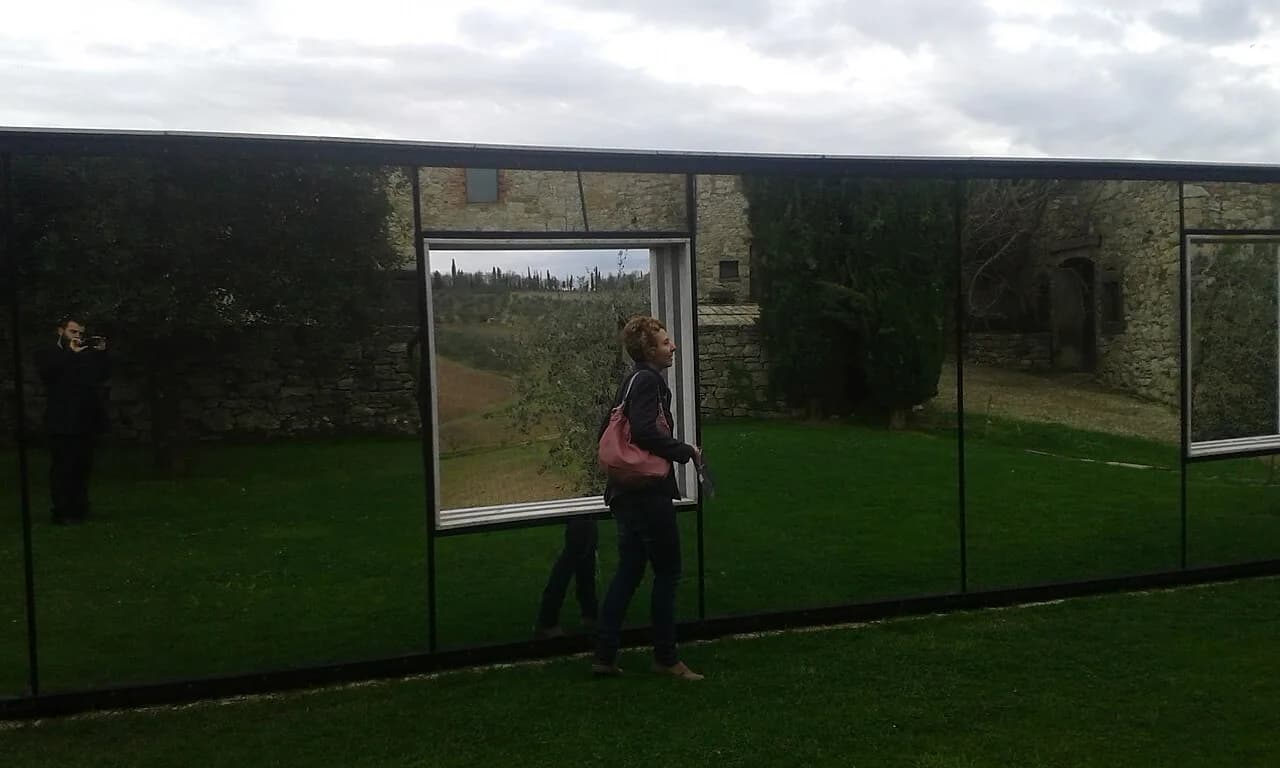
Castello di Ama, in the hills near Gaiole and Lecchi, is a historic estate revived in the 1970s whose tasting experiences include a tour featuring contemporary art installations alongside the wine and olive oil. Its offerings range from tastings without food to a tour and tasting followed by lunch in the estate restaurant. The food-free and food-inclusive formats are booked separately, so choose before you inquire.
Azienda Agricola Ammirabile is a small family farm in the Chianti hills with about six hectares of vines and ten of olive trees, run by the same family across two generations. It takes bookings for a tasting with a home-cooked lunch built around its own vegetables and estate wine and oil. The scale is small, so timing depends on the family's own schedule rather than fixed daily hours.
What a Chianti Tasting Actually Looks Like
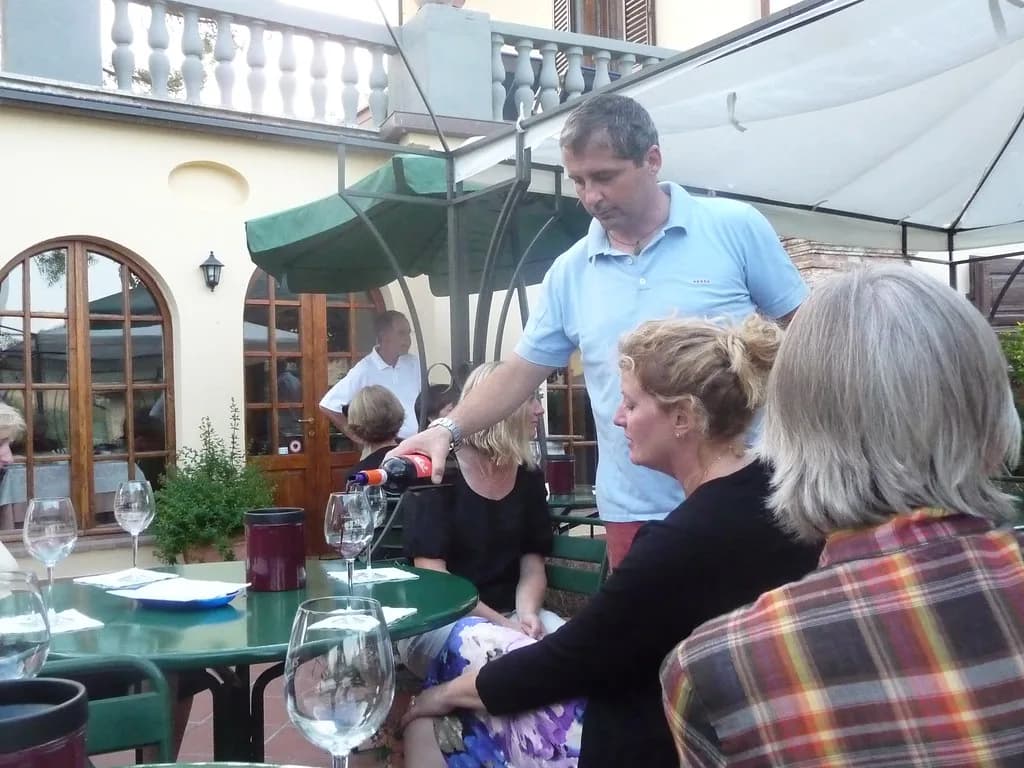
Expect two broad formats. A stand-alone tasting means a flight of wines, often three to six, poured at a counter or table with some explanation of vineyard and ageing; a visit that includes the cellar adds a walk through fermentation and barrel rooms. Estate lunches and light snacks are a separate tier and often need to be reserved in advance, since the kitchen plans around bookings rather than walk-ins.
When you write to an estate, ask four things in one message: how many wines are poured, whether the cellar or vineyard is included, whether food is available, and how long the visit lasts. Also ask whether the tasting fee is deducted from a purchase, a common arrangement in the region, and whether the wines poured include a Riserva or Gran Selezione. Those answers tell you more about value than any online ranking.
Tuscany's best-known food match is Bistecca alla Fiorentina, the thick grilled steak from the white Chianina cattle, which suits the acidity and tannin of Sangiovese far better than delicate dishes do. If your tasting is a light one, save the steak for dinner in Siena or Greve.
The Panzano Shop and the Accademia del Buon Gusto
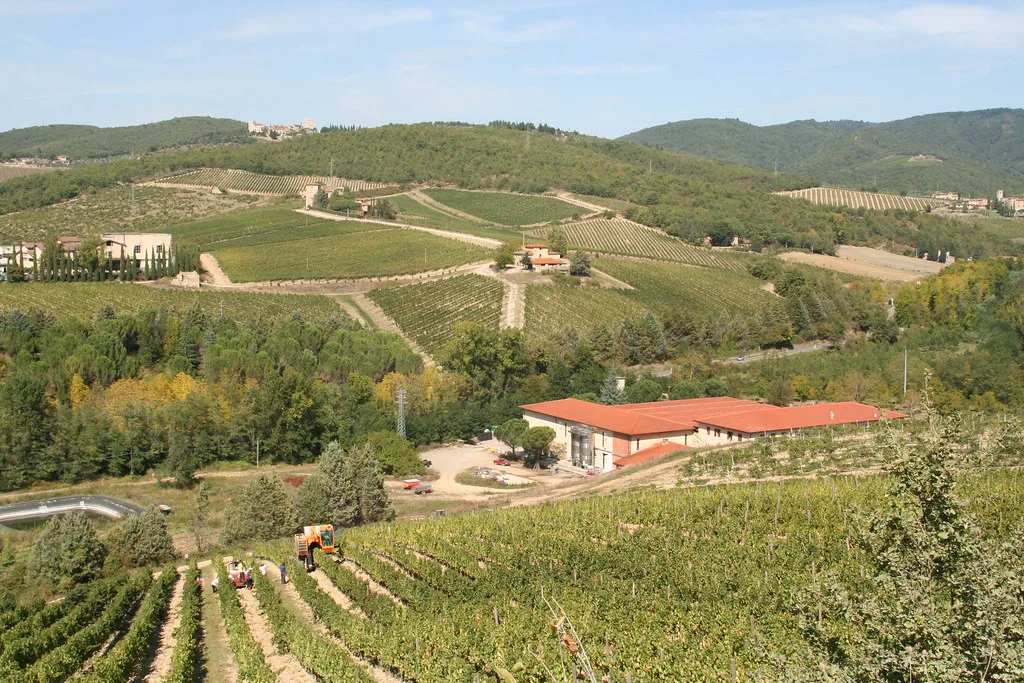
Panzano is often recommended for a walk-in tasting at the Accademia del Buon Gusto, a small shop that once poured generously and at no charge, with the expectation that visitors bought bottles afterward. The same source reports that the shop closed following the death of its owner, Stefano. Do not build a day around it.
Panzano still earns its place on a Greve day. The village sits on the ridge road with butchers, wine shops and restaurants, and it makes a natural lunch stop between a morning estate near Greve and an afternoon visit toward Lamole. Treat any single shop recommendation, including this one, as a lead rather than a guarantee, and confirm by phone before making a detour.
For a tasting inside Siena itself, whether as a warm-up or a rainy-day substitute, the city's enoteche pour Tuscan wines by the glass and are easier to reach on foot than any estate. The guide to Siena Wine Bars and Enoteche covers where to sit and what the local pouring culture looks like.
Booking Mechanics: Email, Phone, Minimum Party, Lead Time
Most Chianti Classico estates work on appointment rather than open-door hours, and the visitor experience is frequently run by a family member who also has vineyard or cellar duties. That means email is usually the right first move, with your dates, party size, preferred language and whether you want food. A phone call follows well for anything within a week, since small estates often answer messages in the evening.
Minimum party rules and cancellation terms vary by estate and are rarely posted in a form travelers can rely on, so they belong in the questions you ask with your booking rather than in assumptions. Ask specifically whether a tasting can be arranged for one or two people, whether children are welcome, and whether a no-show is charged. For harvest-time dates, ask earlier than you would for spring or autumn.
If you are coming from Siena with a group, a driver solves the appointment problem and the transport problem at once, and some estates prefer arranged transport for larger parties because parking in the hills is tight. Solo travelers and couples have more flexibility on weekday mornings, when small estates are less pressed.
Tasting Without a Car: Bus, Taxi, Bike and Guided Tours
Public buses run from Florence and Siena toward Greve and the Chiantigiana, which makes Greve the most realistic village to reach without a car, with Castellina a second option on some routes. Buses get you to a village, not to a hilltop estate, so the last few kilometers still need a taxi, a bike or a walk. Timetables are worth checking locally, since Chianti bus services thin out in the evening and on Sundays.
Taxis exist in Siena, Florence, Greve and Radda but are few in the countryside, and a driver waiting through a two-hour tasting is expensive. Bikes work well for confident riders covering the ridge between Greve and Panzano, though the climbs are real. The alternative is to let an operator handle the driving: several Siena wine tours run small-group or private days that include transport.
Whoever is behind the wheel should not taste. Spittoons are standard at every tasting room, a designated driver can enjoy the food and the landscape, and public transport or an operator removes the question entirely. Plan the return leg before the first pour.
Independent Tasting vs. an Organized Tour
Going independently buys you choice and time. You pick the estates, linger over the cellar tour, and can change plan when a village turns out to be busier or quieter than expected. Organized Chianti wine tasting tours from Florence, by contrast, standardize the day: a half-day coach trip visits two wineries with six wines across roughly five hours and includes round-trip transfers and a tour escort, which is hard to replicate on public buses.
Full-day formats combine wine with sightseeing, such as a trip that pairs a Chianti winery stop of three wines and a Tuscan lunch with free time in Pisa, Siena and San Gimignano over roughly eleven to twelve hours. Semi-private options instead concentrate on the wine side, visiting three estates and an olive mill with lunch, in smaller groups. Each trades depth at a single estate for breadth across the region.
The trade-off is straightforward. A tour removes the driving problem and the booking problem for a fixed itinerary and fixed start time, but you taste at the tour company's chosen estates and leave when the group leaves. Independent travel gives you the estate you actually wanted, at the cost of solving transport and appointments yourself. Travelers staying in Siena rather than Florence should ask whether a tour picks up there, since many depart from Florence only.
Half-Day or Full-Day: Choosing the Shape of Your Tasting Day
A half day suits a first visit, a hot afternoon, or anyone traveling with non-drinkers who would rather walk a village than sit through two cellar tours. Two estates, one with a short tour, plus a coffee stop in Greve or Castellina fits comfortably into five hours including transfers. It also leaves the evening free for dinner in Siena.
A full day is better value per hour and lets you combine a serious tasting with a long lunch, but it demands stamina and a plan. Build in one flexible slot, because Chianti's roads are slow and a visit that overruns will cost you the last appointment. If you are booking estates yourself, leave at least forty-five minutes between them for parking and finding the entrance.
Harvest and Season Timing
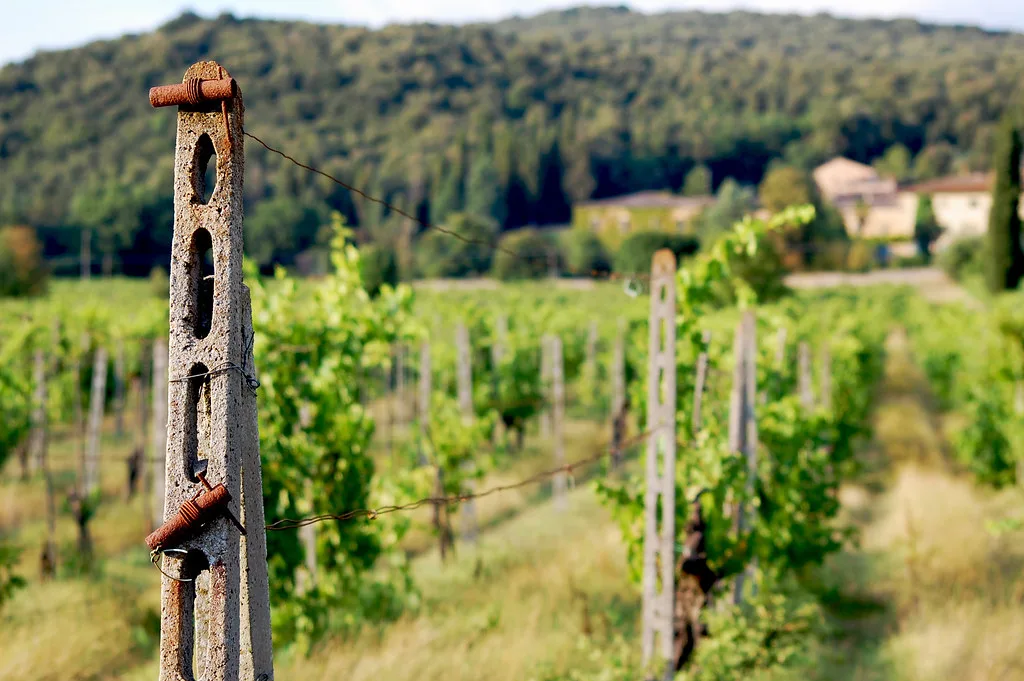
Harvest in Chianti generally falls in September and can run into early October depending on the vintage, and that is the busiest period in the cellars. Many small estates still welcome visitors then, but the person pouring may be the person pressing grapes, and appointments get shorter notice. Late spring and early autumn offer the best balance of open roads and working vineyards.
Winter visits are quieter and often easier to arrange at short notice, though some small estates close for family holidays and countryside restaurants keep limited hours. Rather than assuming a date is open, ask directly which weeks the estate accepts visitors and which of its tasting formats run in that period. Both questions belong in your first email.
Matching the Day to Food
Chianti rewards a lunch stop rather than a snatched sandwich. In Panzano, Lamole and Volpaia there are restaurants that lean on local ingredients and change menus with the seasons, and Volpaia in particular draws on produce from the village's own gardens. Book ahead on weekends and in harvest season, when the good tables fill with locals and tour groups alike.
If you would rather eat at the estate, several properties run lunch-based tastings and need notice to prepare them. A long estate lunch effectively replaces both a restaurant and a separate tasting, so it is often the better use of a full day than squeezing in a third winery. Be clear about dietary restrictions when you book.
Common Mistakes First-Time Chianti Tasters Make
The most frequent error is treating Florence, Siena and the Chianti villages as a single easy loop and over-scheduling. Distances look short on a map but the roads curve, and a three-estate day with lunch in a fourth village rarely works. The second is arriving without an appointment, which lands travelers at gates with no visitor capacity that day.
A third is comparing only Classico Riserva and assuming it is always the better wine, when the standard Chianti Classico and the whites and Vin Santo at some estates are part of the story. Finally, many visitors never ask about the estate's own olive oil, which is often the most distinctive thing you can carry home and easier to transport than wine.
Plan Your Visit
Build the day around a village, not a wish list. Castellina for a first outing from Siena, Greve and Panzano for shops and a ridge-road feel, Radda and Gaiole for quieter estates that reward a booked driver. Two estates, one lunch and a realistic return leg make a better Chianti day than four rushed stops.
Book by email with dates, party size and the format you want, and ask about fee, duration, food and whether the visit is by appointment. Confirm current hours and prices with the estate before you travel, since published visitor information changes with the season, and settle transport before you pour.
Frequently Asked Questions
Do I need to book Chianti winery tastings in advance?
In most cases yes. Small family estates run visits by appointment and may have no one free to receive drop-ins on a given day, and Montefioralle in particular is documented as appointment-only. Write ahead with your dates and party size, then follow up by phone if the visit is within a week.
What is the difference between Chianti and Chianti Classico?
Chianti is a broad DOCG zone across Tuscany, while Chianti Classico is the historic core between Florence and Siena, marked by the black rooster. The Classico rules require a higher minimum share of Sangiovese, at least 80 percent, against 70 percent for Chianti DOCG, and the top Classico tier, Gran Selezione, must use the estate's own grapes.
What do Chianti wines taste like?
They are Sangiovese-led wines with bright acidity and savory red fruit, often with earthy and floral notes. Blending grapes such as Canaiolo and Colorino, and in some cases international varieties, add weight and spice, so styles vary by estate and by ageing tier rather than following one house recipe.
Can I taste Chianti without a car from Siena?
Yes, but your options narrow. Buses connect Siena and Florence with villages such as Greve and Castellina, though estates sit outside the centers and evening services are limited. Taxis, bikes or a guided tour cover the last stretch, and a booked Siena wine tour handles transport and appointments together.
How do I get from Chianti to Florence?
The classic route is the SR222 Chiantigiana road through Greve and on toward Florence, which is straightforward by car. By public transport, buses run between Florence and the Chianti villages, with Greve the best-served stop. Check the current timetable locally before relying on an evening connection.
Is a half-day or full-day Chianti tour better?
A half-day suits a first visit or travelers with non-drinkers in the group, and a coach format of about five hours can cover two wineries and six wines. A full day allows a long estate lunch or a broader itinerary combining wine with Siena, San Gimignano or Pisa, at the cost of time at each stop. Choose based on whether depth or breadth matters more.
When is harvest in Chianti?
Harvest generally runs from September into early October, varying with the vintage. It is the busiest time in the cellars, so book earlier and expect shorter visits at small estates. Spring and early autumn offer a good balance of working vineyards and accessible roads.
Where should I eat between tastings in Chianti?
Volpaia, Panzano, Lamole and Greve all have restaurants built around seasonal local cooking, and several estates offer lunch as part of a tasting if you book it. Reserve on weekends and during harvest, and tell the estate about dietary needs when you request the lunch format rather than on arrival.
Sources
Notes for your next wine trip
Optional updates to our winery and wine-town guides.
You might also like
Continue reading
More guides you'll find useful