Chianti Wine Tour: Siena Departures and What's Included
Chianti wine tours compared: Florence and Siena departures, half-day and full-day formats, group sizes, stated prices, lunch stops and tasting without driving.
On this page
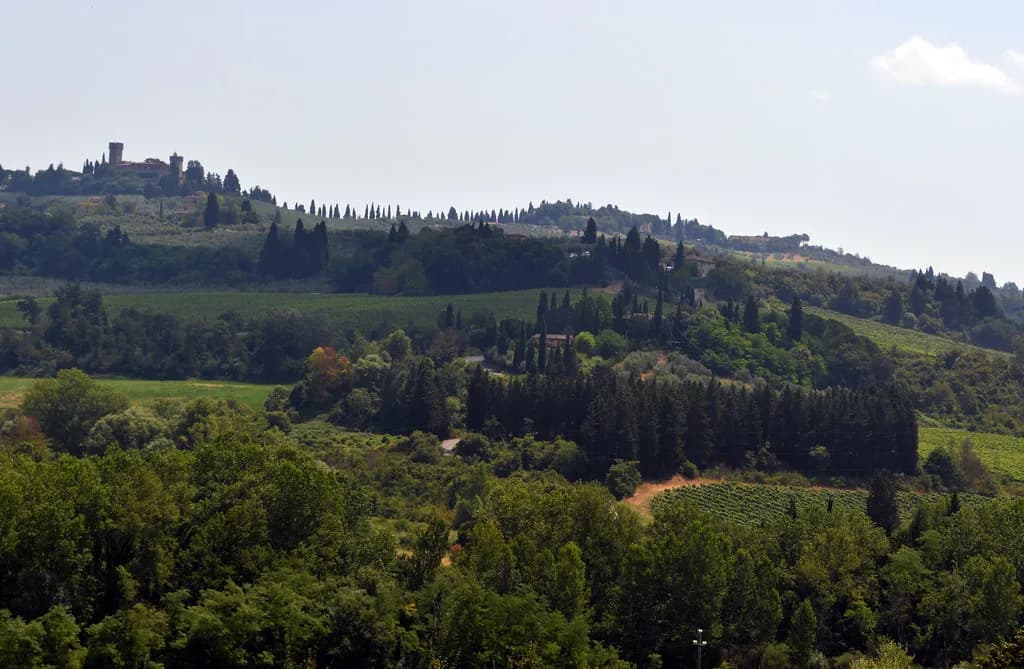
Chianti is not one place but a patchwork of wine zones between Florence and Siena, and the tour you book depends less on the wine than on where you wake up. A Florence departure means an early minivan ride south; a Siena base puts the Classico villages of Castellina, Radda and Gaiole within a shorter transfer. Decide the base first, then the format, then the wineries.
Most commercial Chianti tours are sold as packages with transport, cellar visits, tastings and often lunch bundled in, so comparing headline prices without reading the inclusions is misleading. The published figures from operators are a starting point rather than a final cost.
Quick Answer: Who Each Chianti Wine Tour Format Suits
A first-time visitor with three or four days in Tuscany is usually best served by a full-day small-group tour from Florence, because it stitches together wineries, a hill town and lunch without any route planning. Repeat travelers who already know Chianti Classico often prefer a Siena base and a shorter, more targeted day, or a private driver who can follow their own list of estates.
Travelers with limited mobility, young children or a tight schedule should read the itinerary times closely, since a seven- to eight-hour day plus a 9am meeting point can be tiring. For a broader look at the region's tasting scene, the wine tasting in Siena guide sets out how the town works as a base for day trips.
What Chianti Wine Tours Actually Cover
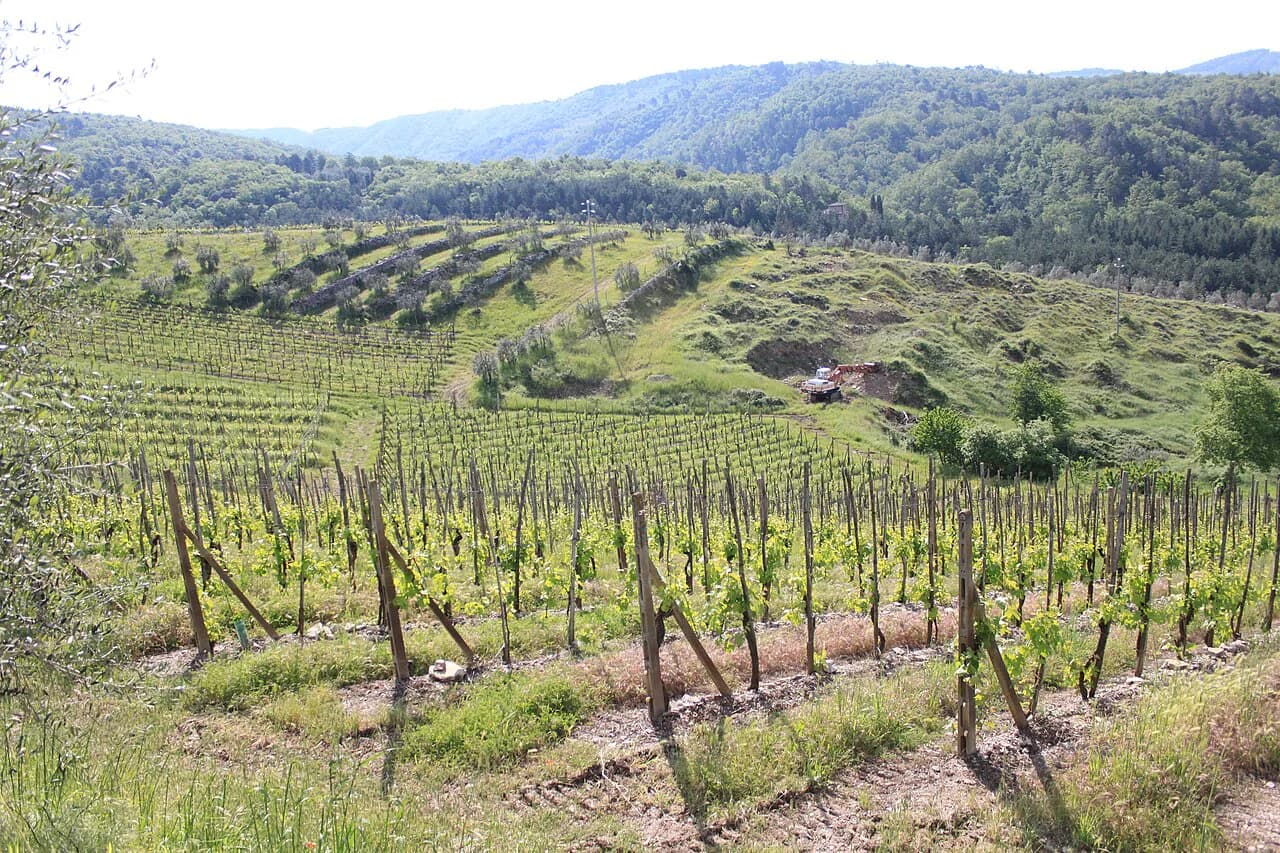
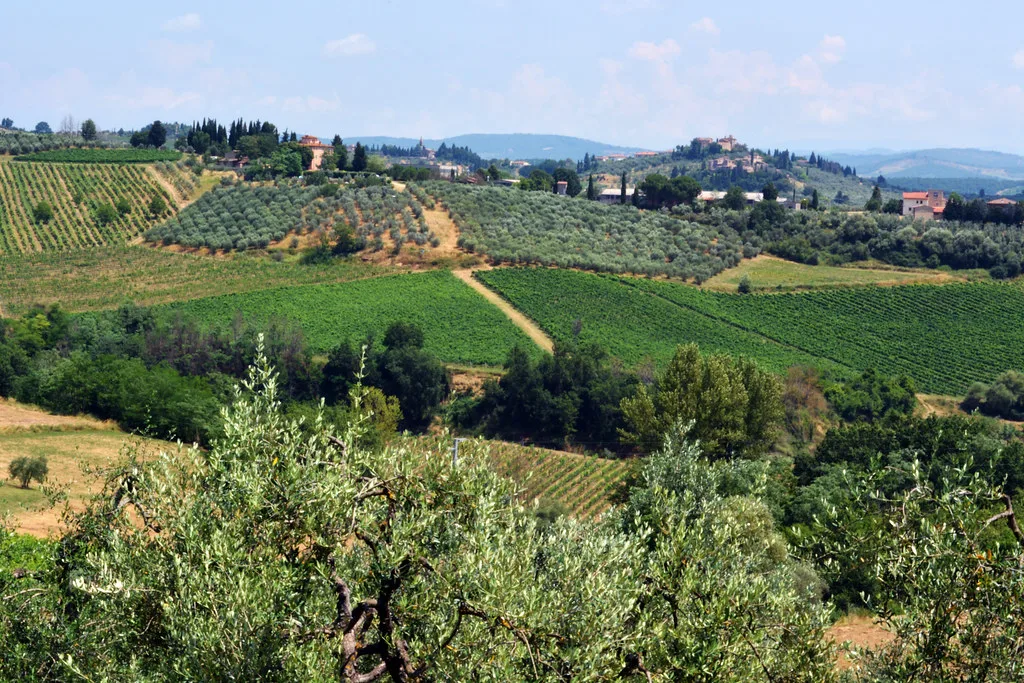
The heart of any Chianti tour is the Classico zone, the original delimited area around Gaiole, Radda and Castellina that was drawn up centuries ago and later distinguished from the wider Chianti appellation with its seven sub-zones. Tours often add a stop outside the core, such as San Gimignano to the west or the hill town of Panzano, which sits between Florence and Siena and is known for its butcher-restaurant. That add-on shapes the day as much as the wine does.
Most operators group two wineries into a single day, with a guided walk through the vineyard and cellar before the tasting. Some tours also include olive oil, cheese or balsamic vinegar in the line-up, which suits travelers who want a broader Tuscan food picture rather than a deep dive into one estate.
Florence Departures: The Small-Group Full Day
The Super Chianti tour from Grape Tours is a representative Florence format: a deluxe minivan capped at eight guests, two wineries with vineyard and cellar tours, a seated tasting of four wines at each stop, and a family-style meat lunch at Dario Cecchini's place in Panzano. It runs Monday to Saturday, departs around 9am to 10am from the Grape Tours office on Via dei Renai, and lasts about seven hours. The published price starts at 225 euros per person, all-inclusive, with an optional 20-euro refundable upgrade.
A second Florence option, the Chianti Wine Tour operated by Fun in Tuscany, starts at 9am on Via Curtatone near the Santa Maria Novella station and lasts up to eight hours. The published adult rate is 150 euros per person, with reduced rates for students and children, and the day includes two wineries, a cellar and vineyard walk, a Tuscan lunch and a stop in San Gimignano. Online booking is required, and cancellation is free up to 24 hours ahead.
Both Florence departures assume you can reach a central meeting point on foot or by taxi, which matters if you are staying outside the historic center. They also confirm the wineries only loosely: the Grape Tours page states that the exact estates vary by departure and are not confirmed in advance, so travelers with a specific winery on their list should ask before booking.
Siena Departures: A Southern Classico Base
Siena sits south of the Classico core, so a Siena-based day reaches Castellina in Chianti and the southern estates with less driving than a Florence departure, and the city itself is ringed by vineyards, including estates within walking distance of Piazza del Campo. For a contrasting white-wine stop north of the zone, wine tasting in San Gimignano makes a natural add-on to the same trip. That makes a Siena base attractive for travelers who want a half-day tasting plus an evening in town rather than a full loop back to Florence.
The catch is that fewer fixed small-group tours leave from Siena than from Florence, so a Siena day often relies on a private driver, a taxi transfer or a tour with hotel pickup. Ask the tour company directly whether pickup is included and where, because a Siena hotel pickup can add time to the itinerary and change the price.
Siena also works well as a car-free base for a wine day in town, with enoteche and wine bars pouring local Sangiovese by the glass. The Siena Wine Bars and Enoteche guide covers the options for an evening tasting after a tour.
Half-Day and Afternoon Options Versus Full Days
Half-day and afternoon tours typically visit one or two wineries closer to the departure city and skip a hill-town stop, which is a sensible trade for travelers with a morning arrival or an evening commitment. What you give up is the breadth: fewer wines poured, less cellar time and no leisurely lunch, so the day feels more like a tasting sample than a full immersion.
A full day earns its length when it includes a cellar tour, two wineries and a proper meal, because those three activities fill seven to eight hours without rushing. If you only want to taste Sangiovese and buy a few bottles, a shorter tour or a Siena enoteca will do the same job for less money and less time in a van.
What a Winery Stop Includes
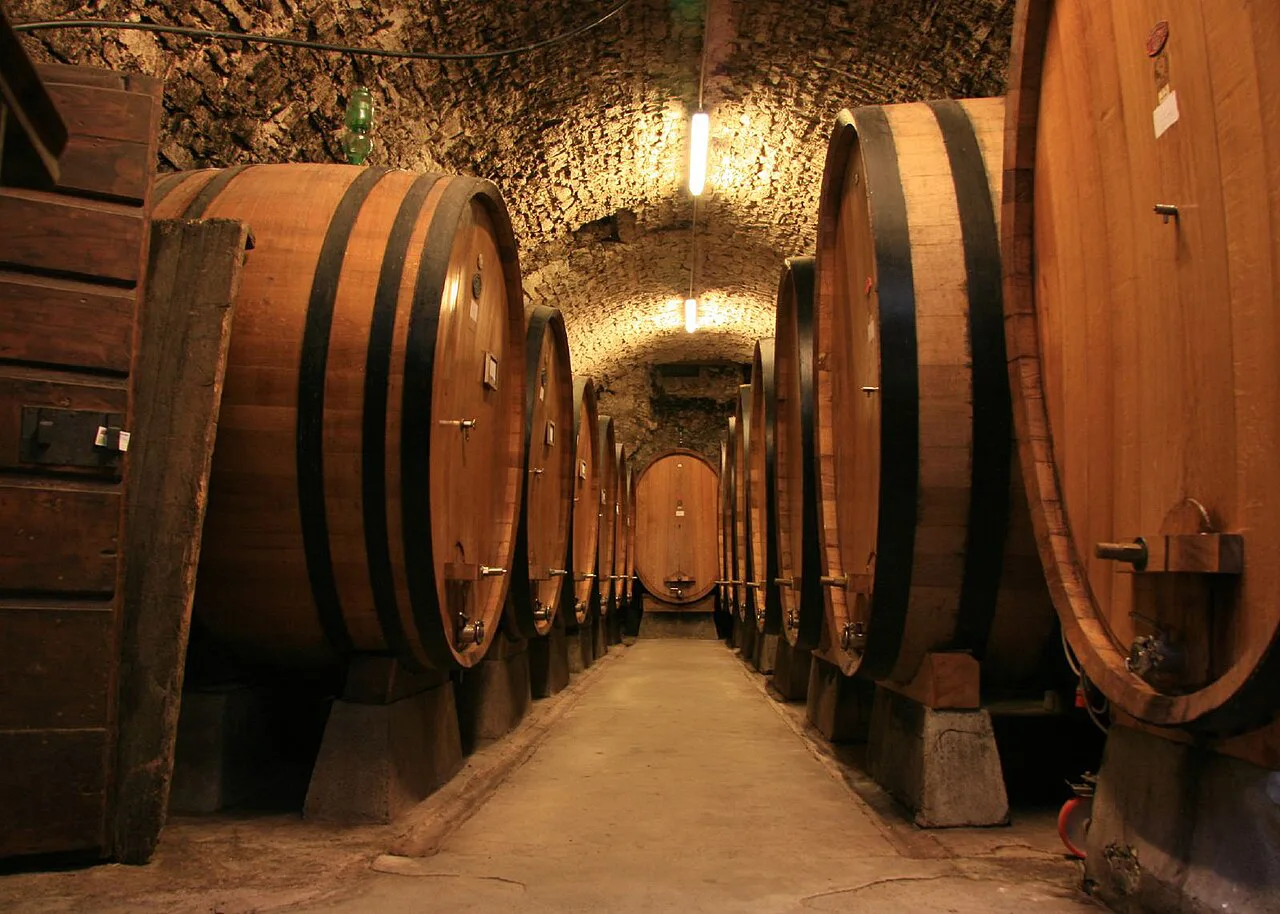
At the Florence full-day tours, a winery stop generally pairs a walk through the vineyards and ageing cellars with a guided seated tasting, often four wines at each estate, plus olive oil or cheese pairings produced on the property. The tasting is usually led by the guide rather than the winemaker, which is fine for learning the region but less useful if you want technical detail.
The Fun in Tuscany format includes three wines at the first winery with bread, olives, pecorino and olive oil, then a second tasting alongside lunch, with a tasting class element. Travelers who want a specific number of pours or a vertical of Riserva vintages should email Fun in Tuscany, since the standard menu is not the same as a bespoke tasting.
Lunch on Tour: Panzano Butcher Versus Winery Lunch
The Panzano butcher lunch is the more distinctive format: a family-style menu of five meat dishes at Dario Cecchini's restaurant, built around Tuscan grilled steak, beans and vegetables, with a vegetarian option available on request. It suits food-led travelers but not vegetarians who want a quiet, wine-focused table, since the menu is deliberately meat-heavy.
A winery lunch is the more common format, served at the second estate and paired with wines poured on site. The Fun in Tuscany page lists a three-course Tuscan pairing menu and notes that vegetarian, vegan and gluten-free meals are available if requested at booking, which is the moment to flag any allergy.
Price Ranges and What the Gap Buys
The published rates sit in two bands: 150 euros per person for the 8-hour Fun in Tuscany day, and from 225 euros per person for the 7-hour Grape Tours day with an eight-guest cap. The difference buys a smaller group, a named restaurant lunch, cheese and olive oil pairings and an optional refundable ticket, not a longer day.
Treat those figures as list prices rather than the final cost, because pickup outside the city center, private upgrades and refundable options can add to the total. Travelers on a budget can also build a cheaper day from Siena using public transport or a taxi and booking a winery tasting directly, though that requires more planning.
Group Size and Guide Language
A minivan capped at eight guests is the norm for the premium Florence tours, which makes for a relaxed tasting room and easier conversation with the guide. Larger coach tours are cheaper per head but move more slowly through cellar visits and offer less individual attention, so the group size is one of the clearest quality markers in the Chianti market.
English-speaking guides are standard on both Florence tours reviewed here, and both list the guide as part of the package rather than an optional extra. If you need another language, ask Fun in Tuscany or Grape Tours when you book, because departures are not uniformly multilingual.
Booking Mechanics and Cancellation Windows
The Fun in Tuscany tour requires online booking and allows free cancellation up to 24 hours before departure. The Grape Tours tour keeps a minimum of four guests and a maximum of eight, and if a departure does not reach the minimum, Grape Tours contacts guests with alternatives.
For the Grape Tours day, a 20-euro add-on makes the ticket refundable up to 24 hours before the start time, which is worth taking if your travel dates might shift. Read Grape Tours' cancellation terms at the point of booking rather than assuming they match Fun in Tuscany's policy.
Wine Without a Car: Trains, Buses, Taxis and Drivers
Chianti's villages are not well served by rail, so a car-free day usually means a tour, a private driver or a taxi from Siena or Florence, with buses covering some routes between the main towns. The Chianti.com guide notes that organized tours, private drivers, bikes and public transport are all viable alternatives to driving yourself.
If you build the day yourself, group two wineries in the same village rather than three across the zone, because transfer time between estates eats the tasting time. A taxi or driver booked for the day is usually more practical than trying to link rural estates by bus, and it removes the drinking-and-driving question entirely.
Wine Styles to Expect in the Glass
Sangiovese is the grape behind Chianti and Chianti Classico, and the appellation rules distinguish the historic Classico zone from sub-zones such as Rufina, Colli Fiorentini and Colli Senesi. Classico wines carry the black rooster emblem, and tours typically pour a standard Chianti Classico and a Riserva, with Super Tuscans appearing on some itineraries.
Expect reds to dominate, with whites and rosé appearing seasonally on some tours, so travelers who prefer white wine should ask what is being poured before booking. The Super Chianti page confirms that the line-up is reds mainly, with seasonally available whites and rosé.
Buying and Shipping Bottles on the Day
Both Florence tours include the chance to buy wine at the estates, and the Fun in Tuscany operator notes an option to ship bottles worldwide from the second winery. If shipping matters to you, ask at the first stop whether consolidation is possible, because shipping from two separate estates usually means two separate charges.
Bottles bought on tour then travel in the van for the rest of the day, which is fine in cool weather but less so in July and August. Carry a tote or ask the guide where the boxes are stored, and check your airline's checked-baggage limits before you commit to a case.
Practical Timing: Harvest, Seasons and Departure Details
September and October bring harvest activity, which can mean vineyard work in progress and a livelier cellar, while spring and early summer offer greener hills and easier driving. Both Florence tours run year-round, though the Grape Tours day operates Monday to Saturday, so a Sunday in Florence is better spent on a Siena-based plan or in town.
Departure times and meeting points are the details most likely to change between seasons, so confirm the meeting point and start time when you book rather than relying on a page you read weeks earlier. The wineries visited can also rotate, as the Grape Tours page makes clear, so a specific estate request needs a direct answer from Grape Tours.
Recommended Pick by Traveler Type
First-time visitors based in Florence should take the full-day small-group tour with a named lunch stop, since it covers the zone's highlights in one booking and removes the driving question. Siena-based travelers should build a shorter southern Classico day around Castellina and the estates near town, using a driver or a local tour with hotel pickup.
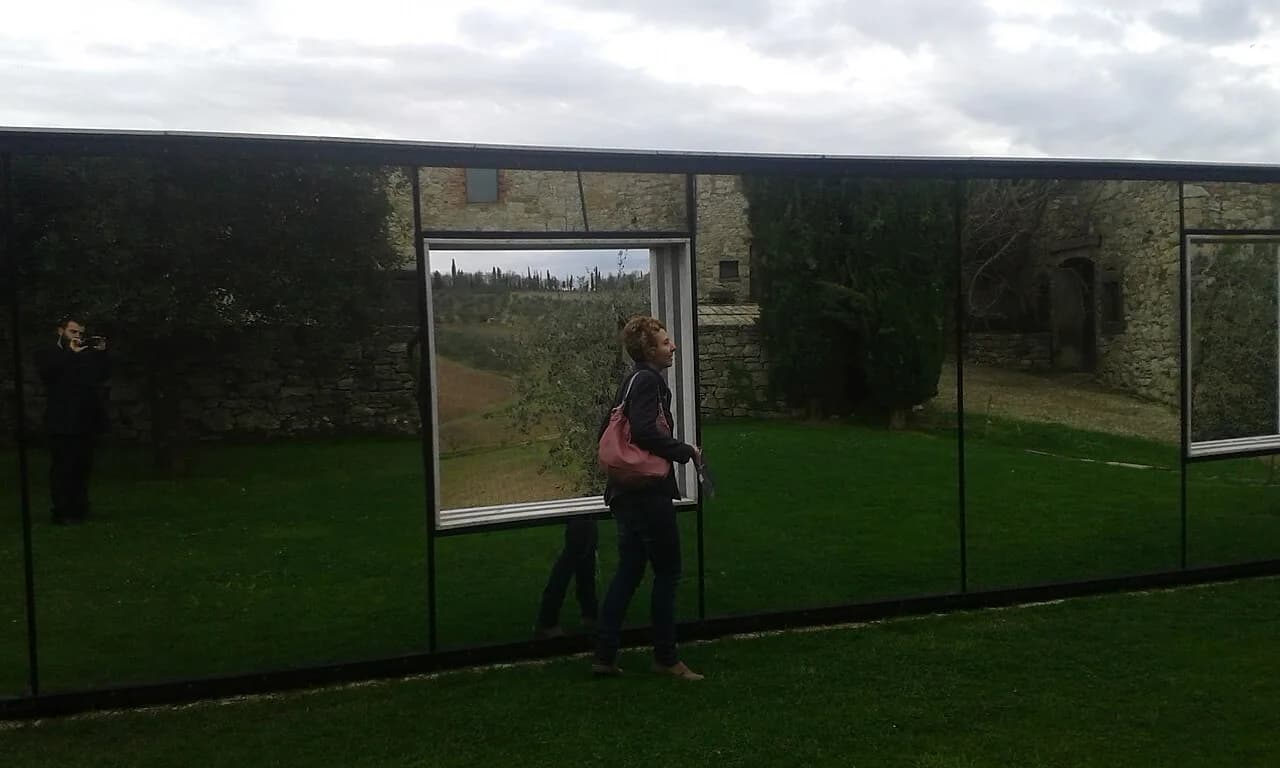
Food-led travelers will get more from the Panzano butcher format, while wine-focused repeat visitors may prefer a private driver and a shortlist of estates they have researched themselves. Travelers wanting to see a single large, architecturally ambitious winery should look at a dedicated visit rather than a multi-stop group tour, such as the Antinori nel Chianti Classico estate near San Casciano in Val di Pesa.
Tasting Without Driving
A driver should not taste at any of these stops, which is the strongest argument for booking a tour with transport included or hiring a private driver for the day. If you are driving yourself, use the spittoons at every tasting and keep the day to one or two wineries with a long lunch in between.
Plan Your Chianti Wine Day
Choose Florence if you want a fixed, small-group day with transport, two wineries and lunch arranged in one booking, and choose Siena if you want a shorter transfer to the southern Classico villages and more flexibility in the evening. Compare the inclusions line by line, since the published prices differ mainly in group size, lunch style and extras rather than in the amount of wine poured.
Book online, check the cancellation window and confirm the meeting point and any dietary requests when you reserve. For more on the estates around the city and the tasting rooms worth visiting on your own, see the wineries in Siena guide before finalizing your shortlist.
Frequently Asked Questions
Which Chianti wine tour is best for a first visit?
A full-day small-group tour from Florence is the simplest choice for a first visit, because transport, two winery visits with cellar tours, tastings and lunch are arranged in one booking. Travelers staying in Siena can do the same in a shorter transfer by focusing on the southern Classico villages near Castellina and Radda.
How much do Chianti wine tours cost?
Each operator publishes its own rates on its booking page, and the two Florence days compared here fall into different bands because of group size, lunch style and extras. Read the inclusions list beside the price before booking, and remember that private pickup or a refundable ticket adds to the total.
What is included in a Chianti wine tour?
Most tours include round-trip transport in a minivan, guided visits to two wineries with vineyard and cellar walks, several wines poured at each stop, and often olive oil or cheese pairings. Full-day options usually add a Tuscan lunch, either at a winery or at a named restaurant such as the butcher's place in Panzano.
Can I do a Chianti wine tour without a car?
Yes. Organized small-group tours and private drivers are the easiest car-free options, and some buses link the main Chianti towns, though rural estates are poorly served by public transport. A taxi booked for the day from Siena or Florence is another practical choice for two or three stops.
Do Chianti wine tours run in winter?
Both Florence tours reviewed here operate year-round, though the Grape Tours departure runs Monday to Saturday rather than daily. Winter tours often visit fewer estates or shorter vineyard walks; check current details for which wineries are open on your date.
What wines will I taste on a Chianti tour?
Expect Sangiovese-based reds, typically a Chianti Classico and a Riserva, with some tours adding Super Tuscans. Whites and rosé appear seasonally on some itineraries, and the exact line-up depends on the estates visited, which many operators confirm only after booking.
Sources
Notes for your next wine trip
Optional updates to our winery and wine-town guides.
You might also like
Continue reading
More guides you'll find useful