Castello Vicchiomaggio: Siena Chianti Classico Visit Guide
Castello Vicchiomaggio is a castle winery near Greve in Chianti. See how the estate is laid out and how to plan a tasting day from Siena or Florence.
On this page
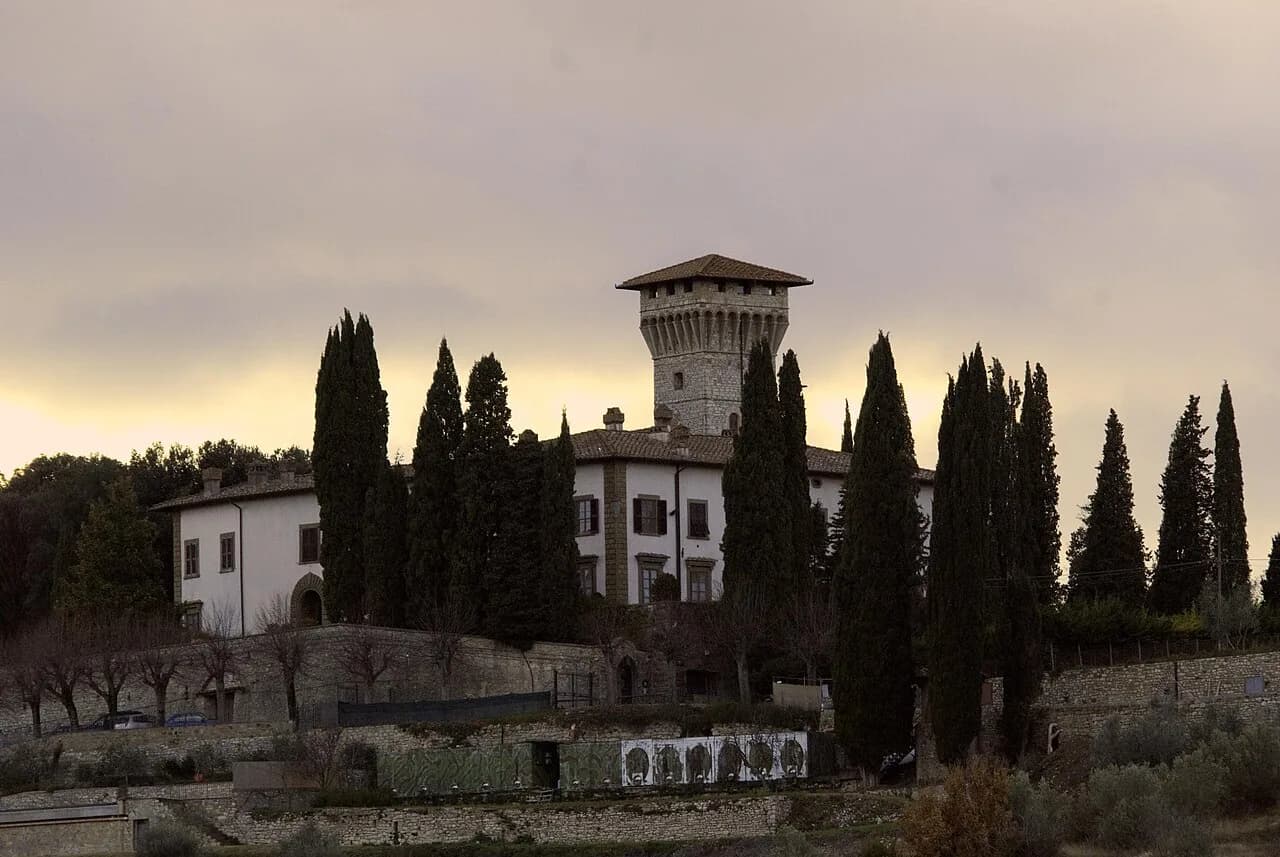
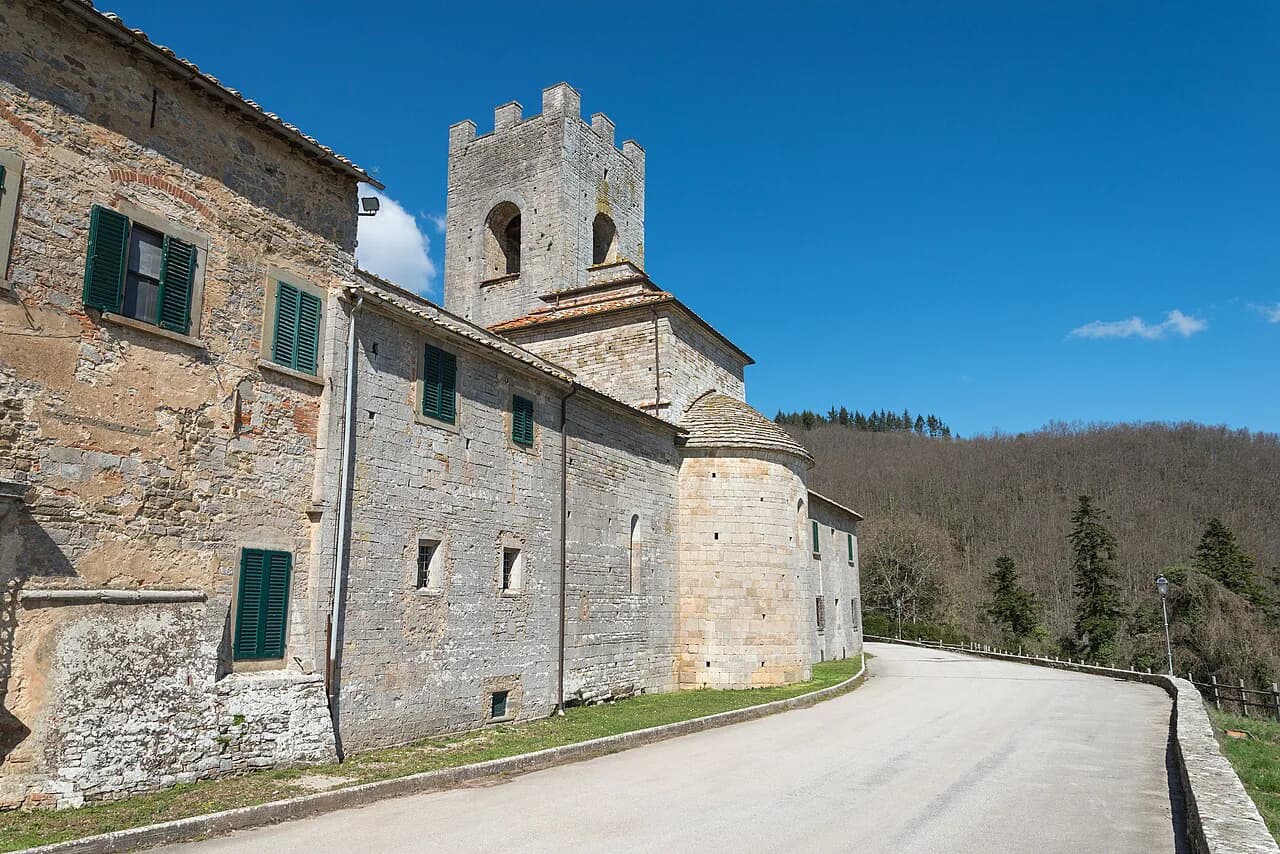
Castello Vicchiomaggio is one of the few Chianti Classico estates where the building itself is the attraction: a castle with a stone tower, set among vineyards between Siena and Florence. The Matta family runs the property, which makes Chianti Classico in several tiers plus Toscana IGT wines, and it also runs rooms and a restaurant on site. That combination makes it unusually easy to build a whole afternoon around one address.
This guide is for travelers staying in Siena who want a real wine day rather than a quick tasting stop. It explains where the estate sits in the appellation, which grapes and wine styles to expect, how visits and bookings usually work in this part of Chianti, and how to get there without getting behind the wheel.
Why Castello Vicchiomaggio Is Worth a Stop
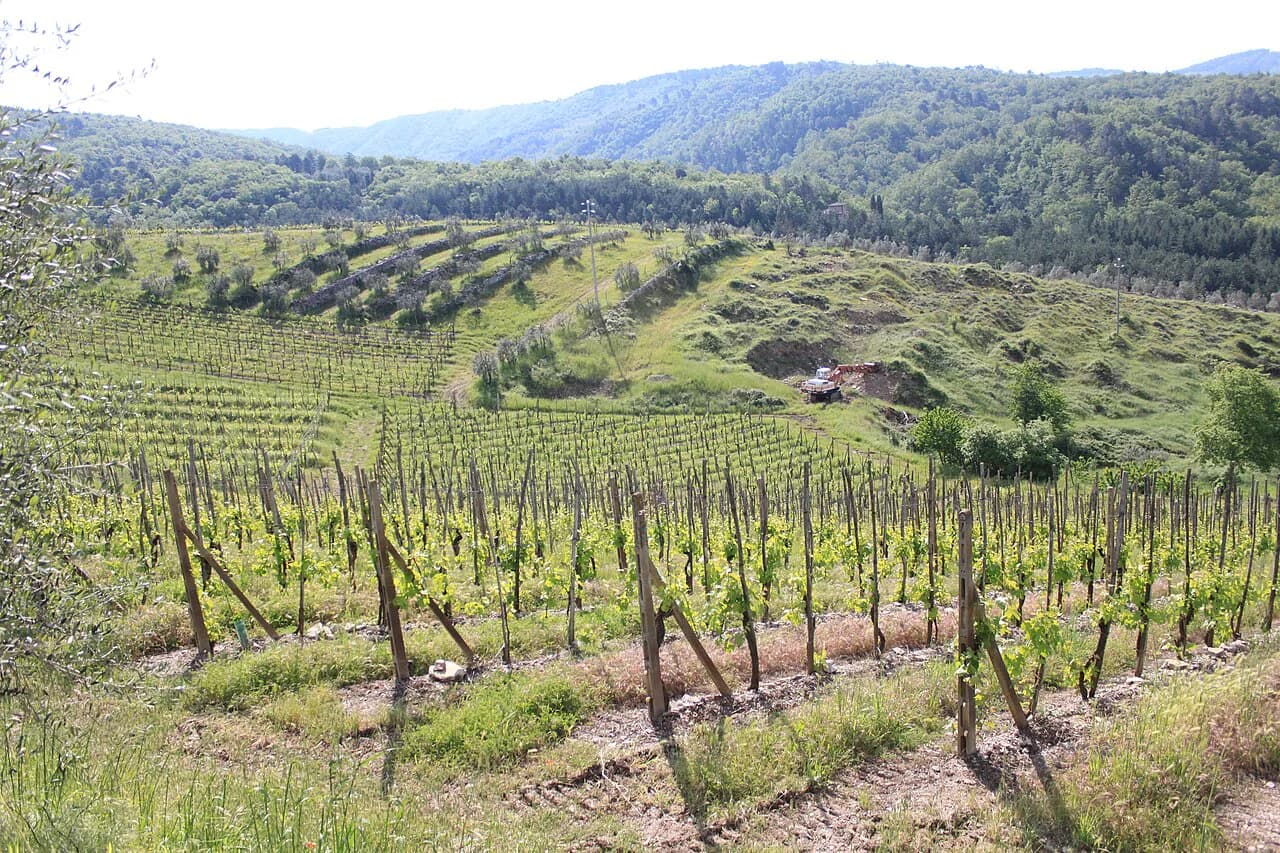
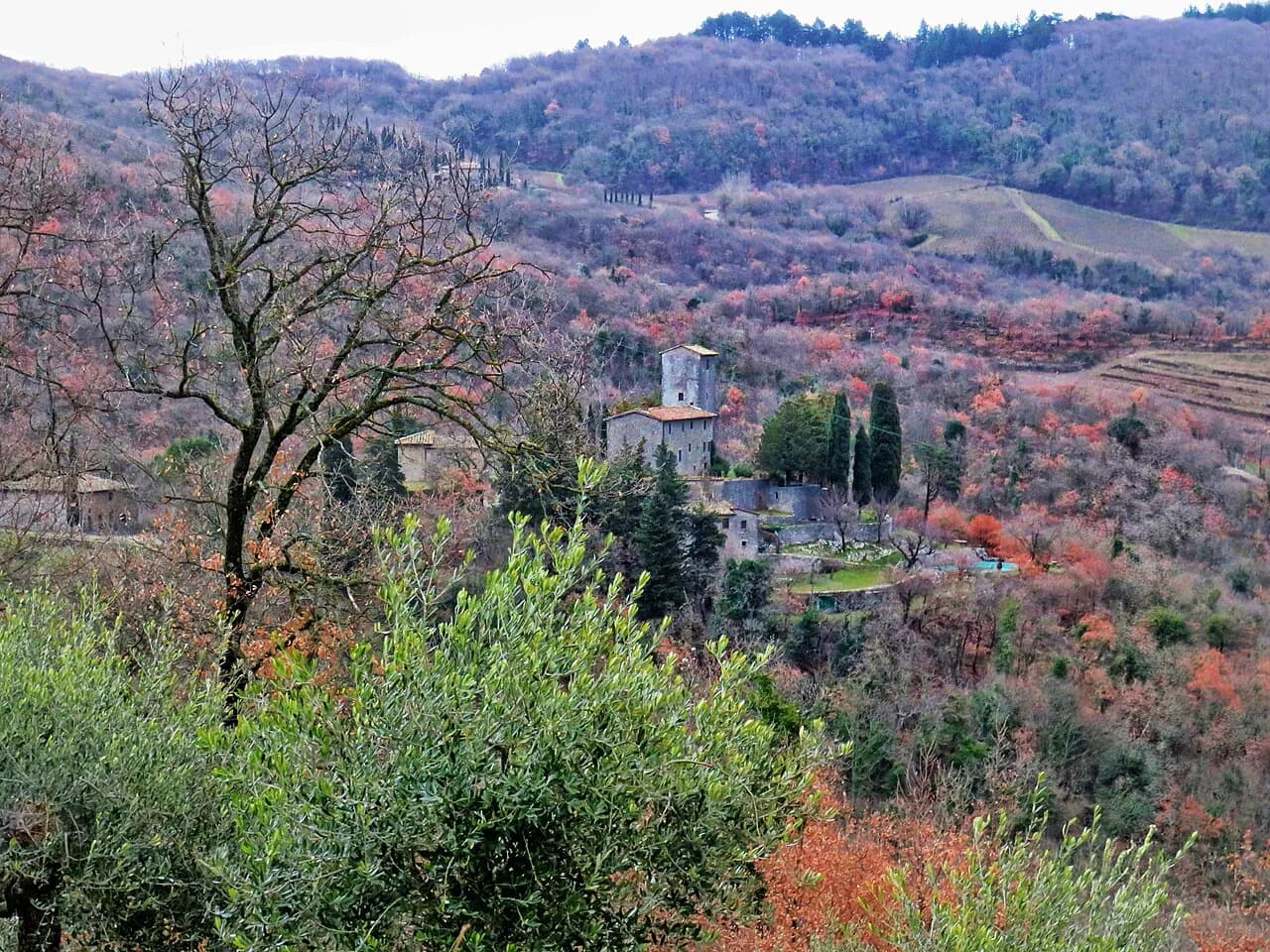
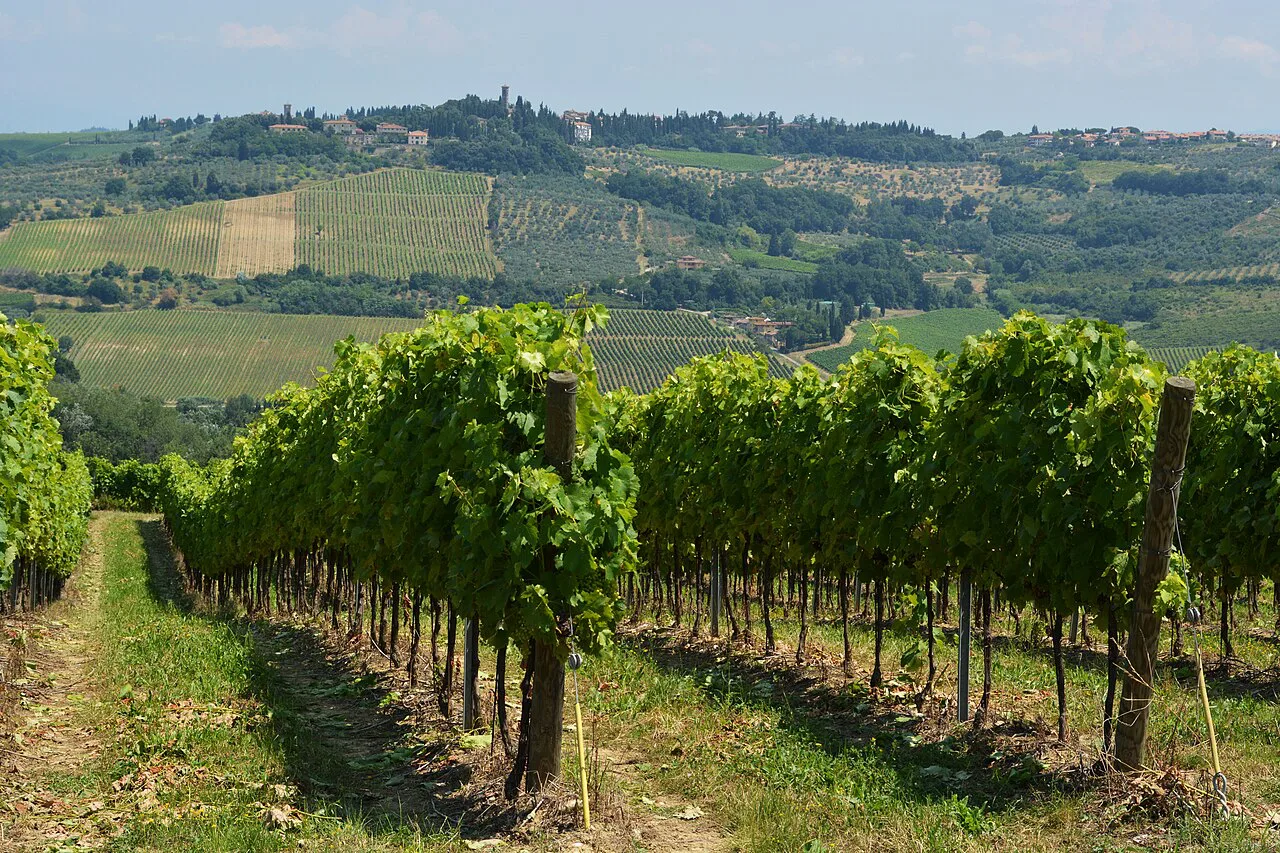
The estate covers about 140 hectares, of which 33 hectares are vineyards and 10 hectares are olive groves, and it sits squarely in the center of the Chianti Classico zone. The stone tower dates to the 1100s, and the castle was recorded in documents from the 15th century and served as a defensive fortress near Greve in Chianti. It later hosted figures including Leonardo da Vinci.
That history matters practically: you are not visiting a modern tasting room on an industrial estate but a working estate with an old core, a restaurant, a pool and guest units. The official site presents the winery as being run by John Matta and his family in the heart of Chianti Classico, which helps you plan whether to treat it as a one-hour stop or a half-day with lunch. If you would rather compare a hill-town cellar scene, the Montepulciano wine guide covers a different appellation's cellars.
Where It Is: Greve in Chianti, Between Siena and Florence
Castello Vicchiomaggio belongs to the comune of Greve in Chianti, the market town at the northern end of the Chianti Classico zone. It sits between Siena and Florence, closer to the Florence side, on the road network that threads through Greve, Panzano and Radda. If you are basing in Siena, plan on a drive or a tour that runs north through the Chianti hills rather than a short hop out of town.
Greve itself is the natural anchor for a day here: it has the region's best-known piazza, a handful of wine shops and butchers, and bus connections back toward Florence and Siena. Grouping the estate with Greve rather than trying to combine it with southern Chianti villages keeps the day realistic.
The Wines to Expect: Sangiovese and the Appellation Tiers
Sangiovese dominates the vineyards, supported by native grapes Canaiolo and Colorino and by Merlot and Cabernet Sauvignon, with the vines planted on south-facing slopes. Fermentation runs 12 to 15 days in temperature-controlled steel, and aging lasts 8 to 24 months in French oak barriques and barrels depending on the wine. The range spans Chianti Classico DOCG wines, including Riserva and Gran Selezione bottlings, alongside Maremma Toscana and Toscana IGT wines.
Knowing the tiers helps you read a tasting list. Chianti Classico annata is the standard bottling, Riserva requires longer aging, and Gran Selezione is the top tier made from estate fruit. The IGT wines fall outside the Chianti Classico rules and are often blends, so a flight that mixes DOCG and IGT is a useful way to compare Sangiovese against a broader Tuscan style.
What a Visit Involves: Cellar, Tastings, Restaurant and Rooms
The property combines the winery with agriturismo units to rent, a restaurant and a swimming pool, so a visit can stretch from a tasting into lunch or an overnight stay. That changes the logistics: you can taste, eat and stay in one place instead of stringing together three stops on narrow country roads.
Guest reviews describe well-kept rooms, friendly staff and a restaurant with carefully presented dishes, which suggests the hospitality side is a genuine part of the experience rather than an afterthought. Read recent reviews for the current state of the rooms and kitchen, since those impressions shift season to season.
The estate's own website is the place to see what is currently offered in the way of tours and tastings, since formats and timings change across the season. Look for whether a cellar visit is included or whether the offer is a seated flight, and whether food can be added.
Booking Culture: Appointments, Requests and What to Confirm
In Chianti Classico, most estates of this size receive visitors by prior arrangement rather than open-door walk-in, especially for anything beyond a simple glass. The practical move is to email or use the contact form on the estate site with your date, party size, preferred language and whether you want food, then wait for confirmation before building the rest of the day around it. Saturday and harvest-time slots fill first.
Because the estate also runs rooms and a restaurant, ask in the same message whether lunch or dinner can be reserved alongside the tasting and whether staying overnight changes the timing of the visit. Ask how many wines are poured and whether the cellar is part of it, so you know how long to allow and whether to book a driver for a fixed pickup. Confirm the final details shortly before you travel.
Getting There Without Driving
There is no station at the estate. The realistic no-car route is a bus to Greve in Chianti, then a taxi or a pre-booked transfer for the last stretch, or a guided Chianti day that collects you in Siena and handles the driving. Bus services on the Florence–Greve corridor are the workhorse of this area; check the current timetable, because seasonal schedules change.
Taxis in the Chianti countryside are few, so arrange the return leg when you arrive rather than hoping to hail one at the gate. A private driver costs more than the bus but buys flexibility across two or three estates in a day, which is what most wine tours in this zone are built around.
From Siena, a guided day removes the route planning entirely and usually pairs a Greve-area estate with a second stop, which suits anyone who wants to taste without worrying about the drive back. For a wider look at options from the city, including estates closer to town, the main guide to wine tasting in Siena sets out the choices.
Pairing the Estate with the Rest of Chianti Classico
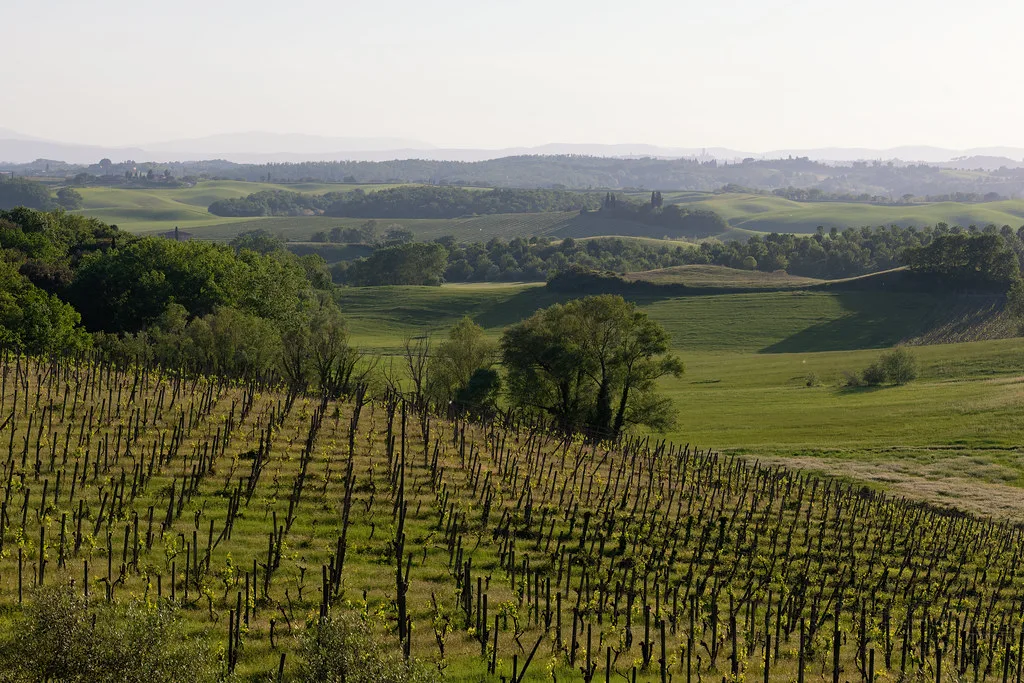
Greve in Chianti, Panzano and Radda form a natural triangle for a wine day, and Castello Vicchiomaggio works well as the first or last stop because it sits on the Greve side. Panzano is known for its butcher and steep vineyard views, while Radda keeps a quieter, smaller-scale feel. Pick two villages, not four.
If you want a second estate with a very different architecture, the Antinori nel Chianti Classico facility near San Casciano in Val di Pesa is a modern counterpoint to a medieval castle and sits on the same Florence-side axis. For a broader list of estates that take visitors around Siena, see the roundup of wineries in Siena before fixing your shortlist.
Back in Siena, an evening in a good enoteca is the easiest way to taste more Chianti Classico without another drive; the guide to Siena wine bars covers where to do that. Keep the heavy tasting to one part of the day and use the city for the rest.
Responsible Tasting on a Chianti Day
The roads between Greve, Panzano and Radda are narrow, winding and shared with cyclists, so anyone driving should not taste. Use the spittoons, share a single designated driver, or take a tour or bus so nobody at the table is making that decision after a flight of Sangiovese.
A Dog-Friendly Pause at Castello Vicchiomaggio
A 140-hectare (346-acre) wine estate of this scale is a tempting place to break up a day of driving between Siena and Florence, and it is a stop the whole group can enjoy. Castello Vicchiomaggio comprises 33ha (82 acres) of vineyards and 10ha (25 acres) of olive groves, with Sangiovese the most abundant grape variety, complemented by Canaiolo and Colorino as well as Merlot and Cabernet Sauvignon. Those vines are planted on south-facing slopes, and the grapes are harvested by hand. Knowing the layout in advance helps you plan an unhurried pause rather than a rushed one, with the chance to stretch legs and take in the Chianti Classico landscape.
The working parts of the property follow a fixed rhythm, which gives you predictable windows to plan around. After picking, the grapes are pressed and transferred to temperature-controlled stainless-steel tanks to ferment for 12-15 days, and the fermented juice is filtered to remove the grape skins destined for grappa production. The juice then goes into stainless steel for malolactic fermentation, and, depending on the style of wine, aging lasts from 8-24 months in French oak barriques and barrels. If you would rather walk the grounds than linger at a table, aim your time on site outside the moments when these steps are in full swing.
Onward arrangements are simple enough to build into the same day. Castello Vicchiomaggio is owned and run by the Matta family, and the estate has agro Turismo units to rent, together with a restaurant and a swimming pool. Guests describe the rooms as large, clean and comfortable, with friendly staff from reception to the restaurant waiters. A pause here therefore does not have to be a quick one; you can settle in, eat, and then carry on toward Greve in Chianti or back toward Siena with time to spare.
Arriving by car is the practical way to fit this in, and the estate falls in the center of the Chianti Classico zone, close to the town of Greve in Chianti, which makes the onward run straightforward. Keep the pace modest and the plan flexible, and the visit becomes a pleasant anchor rather than a detour.
Plan Your Visit
Castello Vicchiomaggio rewards a little planning: it is a historic castle estate with a serious Chianti Classico range, a restaurant and rooms, sitting on the Florence side of the Chianti Classico zone near Greve in Chianti. Treat it as the anchor of a day rather than a quick stop, and build the rest of the itinerary around Greve and one neighboring village.
Request your tasting directly with the estate, confirm the format and timing, and sort out transport before you commit to a slot. Travelers who want the company and the driving handled should compare guided options, while independent visitors should line up a bus to Greve plus a booked taxi or driver for the final leg.
Frequently Asked Questions
Where is Castello Vicchiomaggio?
It is in the comune of Greve in Chianti, in the center of the Chianti Classico zone between Siena and Florence, on the Florence side of the appellation. The estate covers about 140 hectares, with vineyards, olive groves, a castle core, a restaurant and guest units.
Do you need an appointment to visit Castello Vicchiomaggio?
Estates of this size in Chianti Classico generally receive visitors by prior arrangement rather than open-door walk-in. Write to the estate through its official site with your date, party size and whether you want a meal, and wait for confirmation before planning the rest of the day around it.
What wines does Castello Vicchiomaggio make?
The core is Sangiovese, with Canaiolo, Colorino, Merlot and Cabernet Sauvignon in the vineyards. The range includes Chianti Classico DOCG bottlings such as Riserva and Gran Selezione, plus Maremma Toscana and Toscana IGT wines, aged in French oak for 8 to 24 months depending on the style.
How do you get to Castello Vicchiomaggio without a car?
Take a bus to Greve in Chianti, then a taxi or pre-booked transfer for the last stretch, or join a guided Chianti tour that collects you in Siena. Taxis are scarce in the countryside, so arrange the return trip when you arrive rather than relying on finding one at the gate.
Can you eat and stay at Castello Vicchiomaggio?
Yes. The property includes agriturismo units to rent, a restaurant and a swimming pool, so a tasting can be combined with lunch or an overnight stay. Ask about restaurant reservations and room availability when you request the tasting, since the two are booked together at many estates.
What are Chianti Classico, Riserva and Gran Selezione?
They are tiers of the same appellation. Annata is the standard Chianti Classico, Riserva requires longer aging before release, and Gran Selezione is the top tier made from estate fruit. A tasting that includes several tiers is the clearest way to understand how the wines differ.
Sources
Notes for your next wine trip
Optional updates to our winery and wine-town guides.
You might also like
Continue reading
More guides you'll find useful