Castello di Volpaia: Siena Winery Guide & Tips
Plan a visit to Castello di Volpaia in Radda in Chianti: how the village cellars work, what the Chianti Classico estate makes, and how to arrive from Siena.
On this page
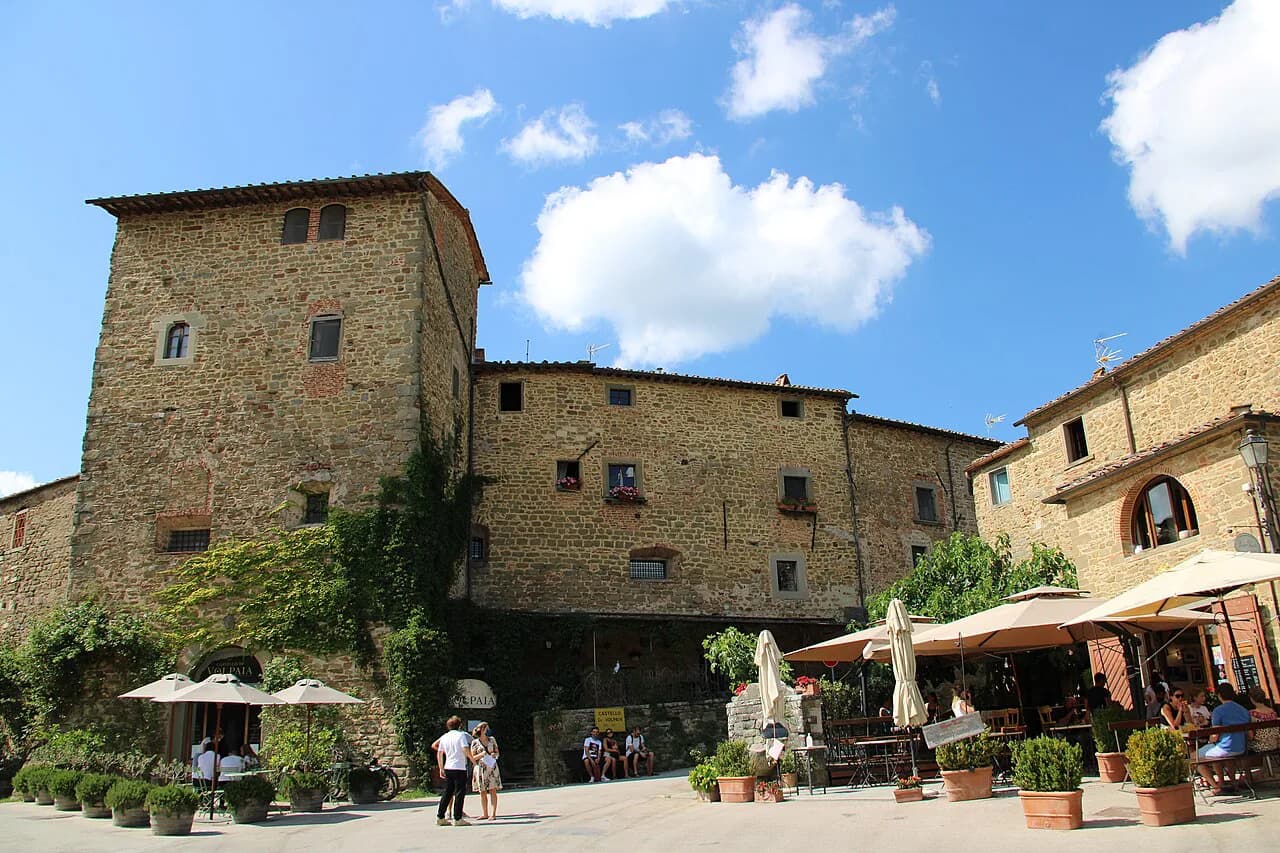
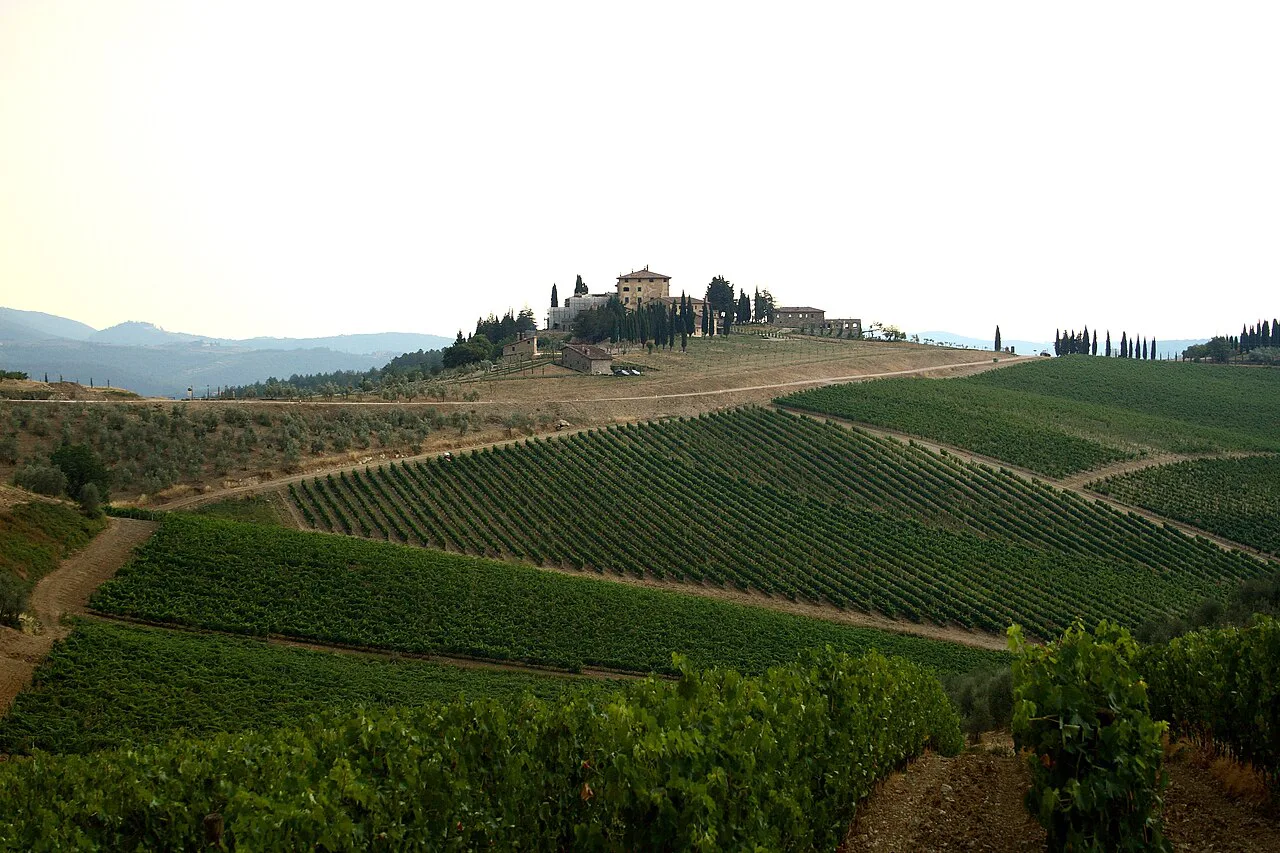
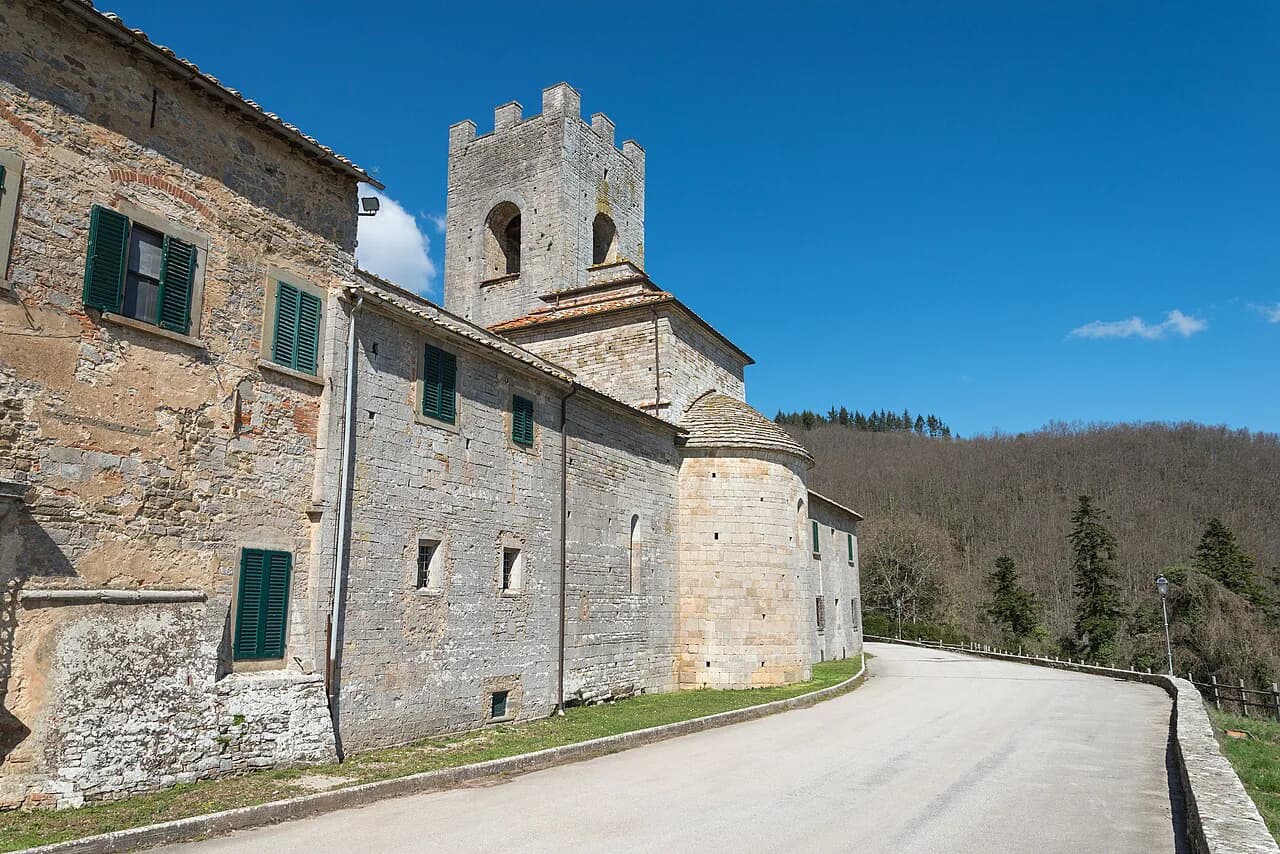
Castello di Volpaia is not a single tasting room on a country lane. It is a medieval borgo in the hills above Radda in Chianti where the winery, the cellars, a bakery, an osteria and rented rooms all sit inside the same stone walls, so a visit is part village walk and part cellar tour.
That layout shapes the planning. You are choosing a half day in a hill hamlet rather than a quick counter tasting, and you need to decide up front whether you will drive, take a taxi, or join a guided Chianti loop that includes Volpaia.
Quick answer: what Castello di Volpaia actually is
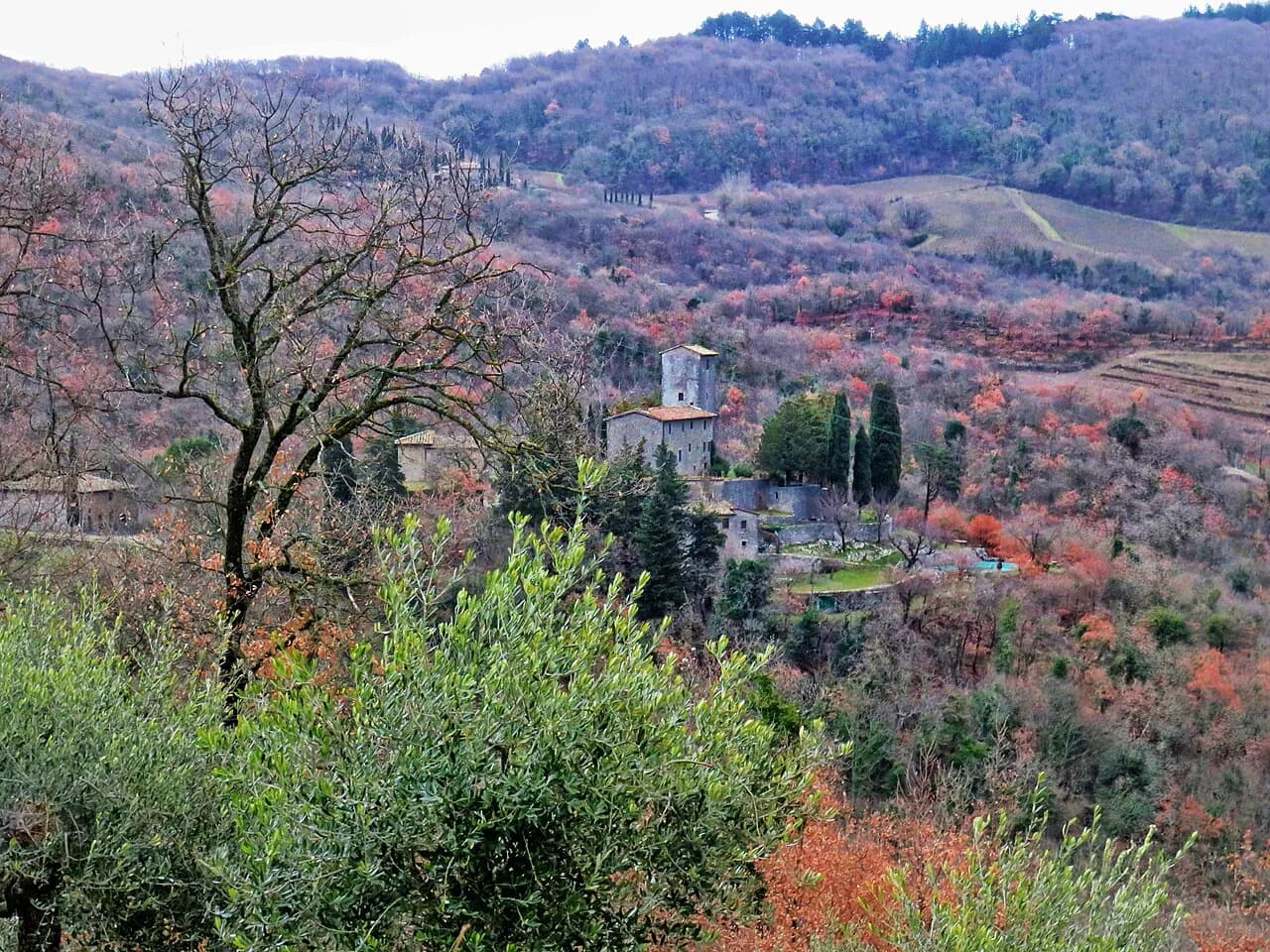
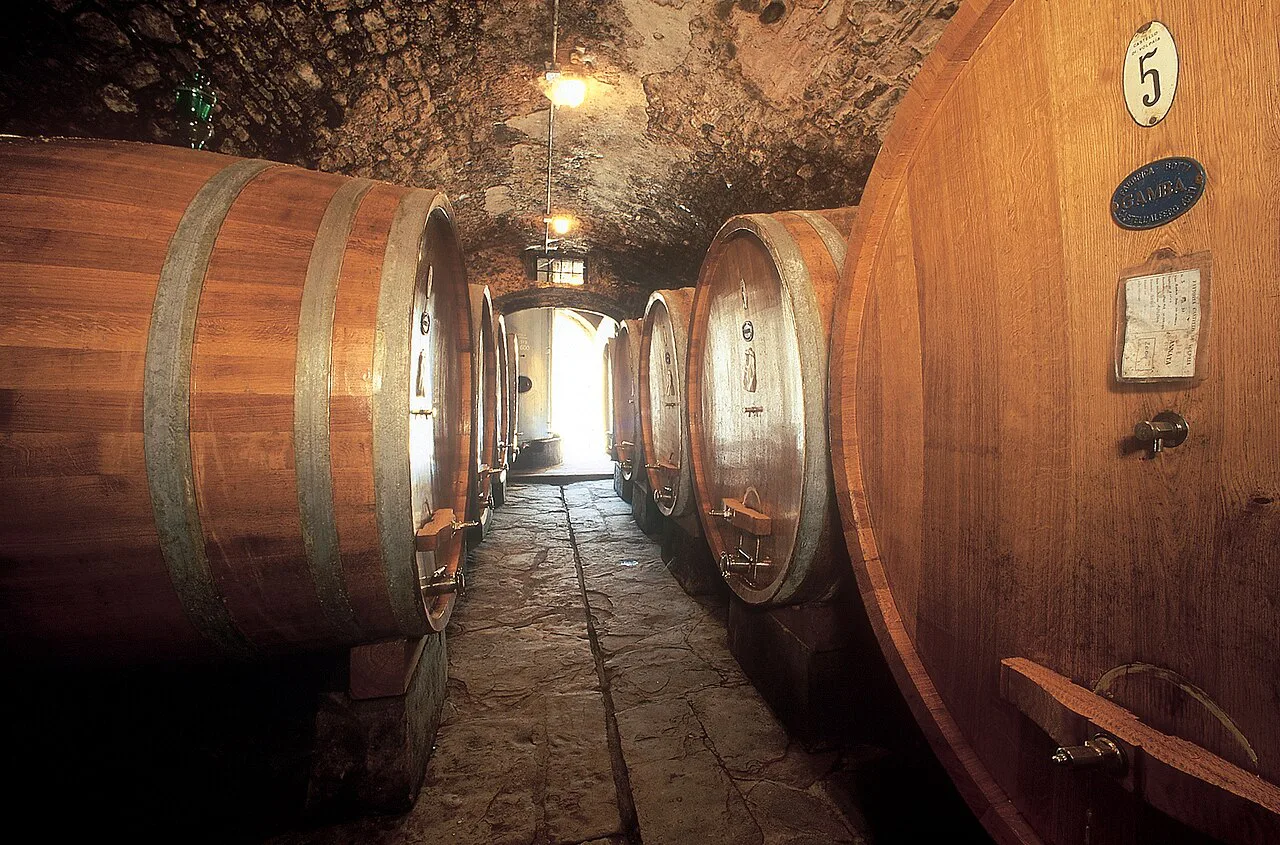
Volpaia is a small fortified village in the comune of Radda in Chianti, in the province of Siena, and Castello di Volpaia is the estate that farms the land around it and makes wine inside the village. The winery describes its cellars as hidden in the walls of the ancient fortified borgo, which is the detail that separates Volpaia from a purpose-built visitor center.
The estate is run by the Mascheroni Stianti family, and the winery's own account ties the village's winemaking to a documented history that begins in 1172. Treat that date as the estate's and the encyclopedia's shared starting point rather than a marketing flourish, and expect the visit to lean on the village's fabric: stone lanes, walled cellars, and production rooms tucked into buildings that were never designed as showrooms.
Because the winery sits inside a lived-in hamlet, the practical question is not whether Volpaia is worth a detour but how to slot it into a day. Pair it with the Chianti Classico towns around it rather than treating it as a stand-alone stop, since the drive up into the hills rewards a slower schedule.
Where Volpaia sits in the Chianti Classico zone
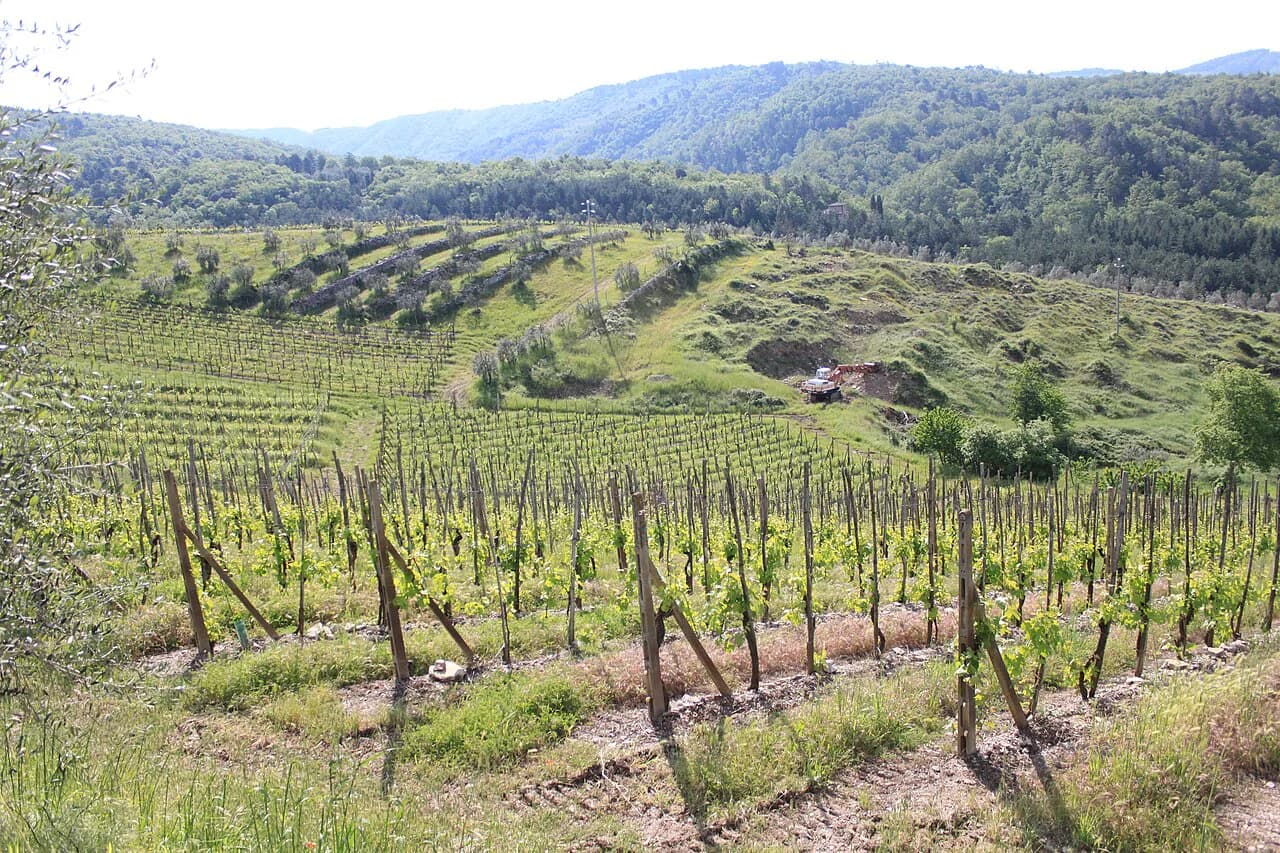
Volpaia lies in the high, northern part of Chianti Classico, the band often called Alto Chianti because the vineyards climb well above the valley floors. The winery puts its own vineyards at roughly 45 hectares, sitting over 400 meters above sea level on soils it describes as predominantly sandstone and rich in skeleton, the stony, free-draining ground that suits Sangiovese.
For route planning, think of Volpaia as a spur off the Radda in Chianti area rather than a stop on the main Florence-to-Siena road. Radda is the nearest town of any size and the natural place to orient yourself, while Siena to the south makes a workable base if you are building a full day of wine tasting in Siena and its surrounding hills.
The three historic market towns of Chianti Classico, Radda, Castellina in Chianti and Gaiole in Chianti, form the triangle most visitors use to organize a day. Volpaia belongs with Radda in that triangle, so grouping it with Castellina or Gaiole on the same outing means a lot of winding road for one afternoon; pick two towns and give Volpaia real time. The same is true of the great hill towns further south, where wine tasting in Montepulciano rewards a slow visit rather than a rushed stop.
The wines in brief: Sangiovese, altitude and three crus
Sangiovese is the base of the Volpaia range, farmed organically according to the estate, and the wines are bottled under Chianti Classico. The winery credits the altitude and the particular clonal selection of old local Sangiovese vines for the freshness it associates with the zone, which is why the village's wines are usually described as high-toned rather than weighty.
The estate names three single-vineyard crus, Coltassala, Il Puro and Balifico, each vinified separately from its own site. If you want to understand the difference altitude makes in Chianti Classico, ask during booking whether a tasting can include a comparison between the annata wine and one of the crus; the answer depends on what is open that week, so it is worth raising before you arrive.
Organic farming is central to how the estate presents itself, and the winery states that its Chianti Classico has been produced organically. Beyond that, avoid building the day around a specific bottle list, because what is poured changes with vintage releases and stock, and the winery publishes its current range and visit options on its own site.
What a visit actually involves
A Volpaia visit is best understood as two things layered together: a walk through the borgo and a look at the working cellars built into its walls, followed by a seated tasting. Visitor accounts describe tours that go behind the scenes of the winery rather than staying in one room, which fits the village-as-cellar layout.
The estate also runs an Osteria and the Forno di Volpaia, its bakery, plus a cooking school and occasional dinners, so lunch and a tasting can be planned as one block. Check the eating and visit pages separately before you commit to a time, because the restaurant and the winery keep their own calendars and a cellar appointment does not automatically come with a table.
Number of wines poured, tour length and any food pairing are not published in a form you can rely on from a distance. Ask those three questions in your booking message, and treat the reply as the schedule you plan the rest of the day around.
Booking and appointment culture in Chianti Classico
The winery's site carries a dedicated Book a visit channel, which is the right first stop rather than an email to a general info address. Use it, then follow up by email or phone only if you need something the form cannot express, such as a van of six arriving together.
Estate visits across Chianti Classico generally run on appointments, and Volpaia is a small walled hamlet rather than a large visitor facility, so a group turning up unannounced is a gamble. Do not assume a walk-in tasting will be possible; equally, do not assume the door is closed, because some estates absorb small parties between scheduled bookings.
A useful booking message states the date, your preferred time window, the number of adults, whether anyone is driving and therefore spitting, and whether you want a cellar tour plus tasting or a tasting only. Add any language needs and dietary issues for the osteria in the same message so the two bookings can be coordinated.
Getting to Volpaia without driving
Volpaia sits on hill roads above Radda in Chianti, and no source gives a reliable bus or train connection to the hamlet itself. The realistic car-free options are a taxi from Radda or Siena arranged in advance with a return pickup time, a private transfer, or a guided Chianti Classico day that lists Volpaia as a stop.
Taxis in rural Chianti are few and best booked for a fixed round trip rather than hailed, and a driver who waits while you taste will be charging for that time. That cost is the trade-off against a guided wine tours departure, which handles the roads and the logistics but fixes your schedule and your choice of stops.
Whoever is driving should not taste. Use the spittoons, appoint a designated driver who skips the glass, or take a taxi or tour, and remember that the hill roads out of Volpaia demand full attention after dark.
Pairing Volpaia with the rest of a Chianti Classico day
A sensible full day links Volpaia with Radda for a coffee and a walk, then one more estate or a town such as Castellina or Gaiole, rather than three wineries and a long drive. If you are building a broader wine itinerary from the city, the wider list of wineries in Siena helps you see which estates cluster where before you commit to a route.
Travelers who want a contrast to a historic village cellar can look at a modern architectural winery on the same axis south of Florence, such as the Antinori nel Chianti Classico facility near San Casciano in Val di Pesa, which is a very different visit in scale and design. Volpaia is the old-village experience; pairing the two makes for a long but coherent day.
Harvest, generally late September into October in this part of Tuscany, is when the village is busiest with work and the cellars may be mid-operation. If you travel in that window, book earlier and expect a working winery rather than a quiet stage set.
Staying and eating inside the borgo
Castello di Volpaia rents villas, apartments and rooms inside the village, which solves the designated-driver problem neatly: you taste, you eat at the osteria, and you walk back to your door. It also changes the character of the trip, since evenings in a hamlet of this size are quiet once day visitors leave.
The bakery, the Osteria and the cooking school are separate operations with their own hours, so a stay does not guarantee a table on the night you want one. If dinner in the village is part of the plan, mention it when you book the room and the visit together, and keep a backup in Radda.
If you would rather stay in Siena and day-trip, finish the day with an evening in town and choose a Siena wine bar for a glass you did not taste in the hills.
Common mistakes to avoid at Volpaia
The most frequent error is treating a working borgo as a free-entry museum. People live and work here, cellar access depends on staff availability, and the visit is something you arrange rather than wander into.
Second is assuming that the winery and the restaurant run to the same clock. Build in slack between a tasting and a lunch booking instead of scheduling them back to back, and confirm which one comes first.
Third is arriving in the middle of the day in high season without a plan for the drive back. Volpaia's appeal is its remove from the main road, and that same remove is what makes a fixed return transfer or a booked tour the calmer choice.
Plan Your Visit
Decide first how you will arrive and who will drive, then build the day around a booked visit rather than around a list of bottles. Volpaia rewards a slower half day: a village walk, the walled cellars, a tasting, and lunch at the osteria if the calendars align.
Before you go, confirm your visit time, what the tasting includes, and whether the osteria is open on your date, since those are the details that shape the schedule. The winery's Book a visit page is the place to start, and the surrounding towns of Radda, Castellina and Gaiole give you somewhere to go if plans shift.
Frequently Asked Questions
Is Volpaia worth visiting?
Yes, if you want a village-scale winery rather than a large visitor center. Castello di Volpaia folds its cellars into the walls of a fortified hamlet above Radda in Chianti, so the visit combines a walk through the borgo with a look at the working winery and a tasting. Allow a half day rather than a quick stop, and book before you go.
Do you need to book Castello di Volpaia in advance?
The winery runs a dedicated Book a visit channel, and appointments are the norm for estate visits in Chianti Classico. A small walled hamlet has limited capacity for tours, so arrange your time in advance and state your date, party size and whether you want a cellar tour with the tasting. Confirm the details you need directly with the winery.
How far is Volpaia from Siena and Radda?
Volpaia sits in the hills above Radda in Chianti, in the province of Siena, and Radda is the nearest town for orientation and supplies. Siena makes a workable base for a day trip into the Chianti Classico hills. No reliable scheduled bus or train reaches the hamlet itself, so plan on a taxi, transfer or guided tour with a fixed return.
How do you get to Volpaia without a car?
Arrange a taxi or private transfer from Radda or Siena with a set pickup and return time, or join a guided Chianti Classico day that includes Volpaia. Rural taxis are limited, so booking a round trip matters more than finding one on arrival. A driver in your group should not taste: use spittoons, a designated driver, or a tour.
What wines can you taste at Castello di Volpaia?
The estate works with Sangiovese farmed organically and bottles Chianti Classico, including three named crus: Coltassala, Il Puro and Balifico. Which wines are open on any given day depends on releases and stock, so ask what the tasting includes when you book rather than planning around a specific bottle.
Can you eat at Volpaia?
Yes. The village has the Osteria di Volpaia and the Forno di Volpaia bakery, and the estate also runs a cooking school and occasional dinners. These are separate from the winery visit with their own calendars, so check the eating pages and mention your preferred lunch or dinner time when you book the visit.
Can you stay overnight in Volpaia?
Castello di Volpaia rents villas, apartments and rooms inside the village, which is the simplest way to taste and dine without worrying about the drive back. Evenings in a hamlet this small are quiet once day visitors leave. Book rooms and any osteria table together so the dates line up.
Sources
Notes for your next wine trip
Optional updates to our winery and wine-town guides.
You might also like
Continue reading
More guides you'll find useful