Vignamaggio: Visiting the Greve in Chianti Estate from Siena
Plan a Vignamaggio visit with this practical guide to the Greve in Chianti estate, its wines, booking culture and getting there from Siena or Florence.
On this page
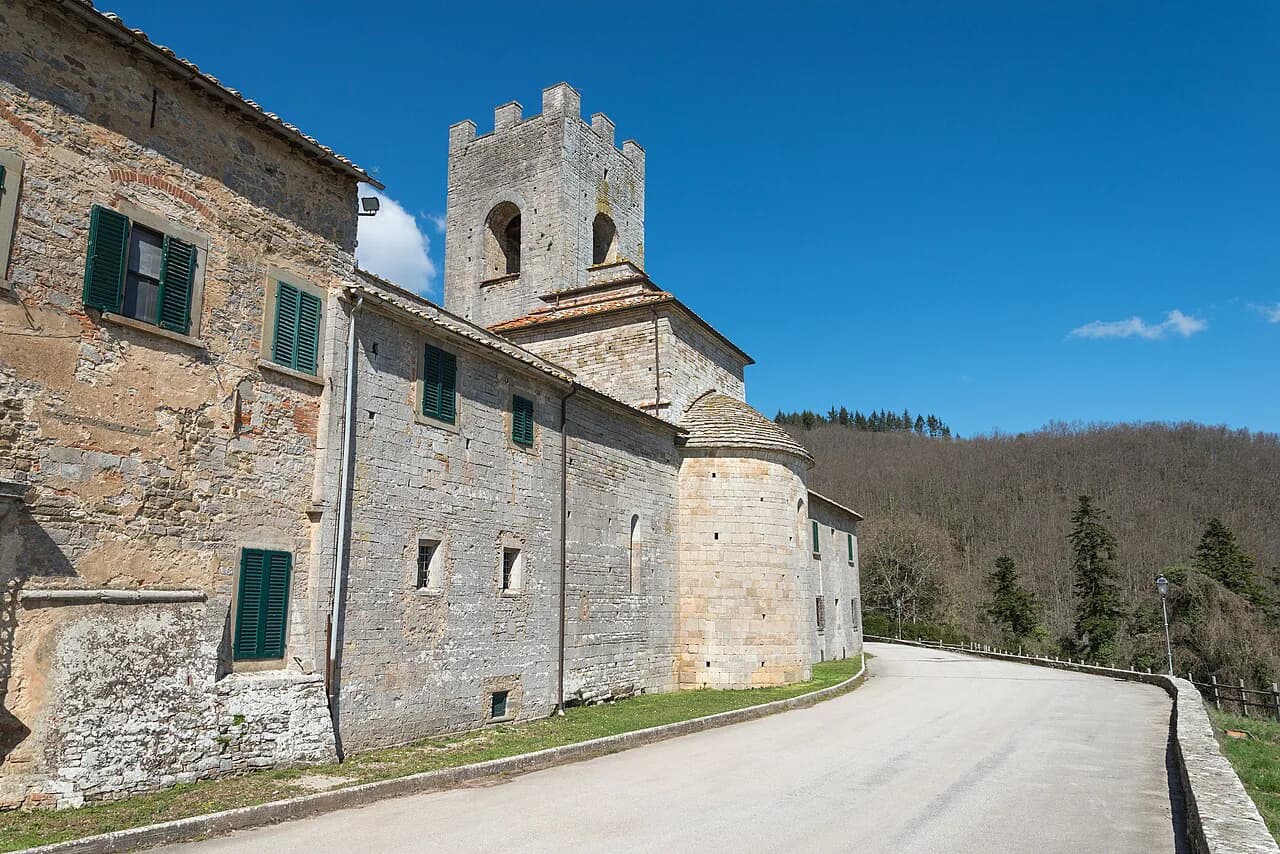
Vignamaggio is one of the most photographed estates in Chianti Classico, and it is also one of the easiest to misread from a search result. It is a Renaissance villa and agricultural estate on the road between Greve in Chianti and Lamole, not a hill town, and the property runs two distinct operations that travelers contact in different ways. Sorting out which part you want before you email saves a week of confusion.
The estate sits in the upper Val di Greve, roughly midway between Florence and Siena, which makes it a natural stop on a Chianti loop rather than a destination in itself. That geography shapes everything: how you get there, which villages you pair with it, and whether an escorted wine tour beats assembling buses and taxis yourself. Treat it as one anchor in a day that also includes Greve, Panzano or Montefioralle.
What Vignamaggio Actually Is
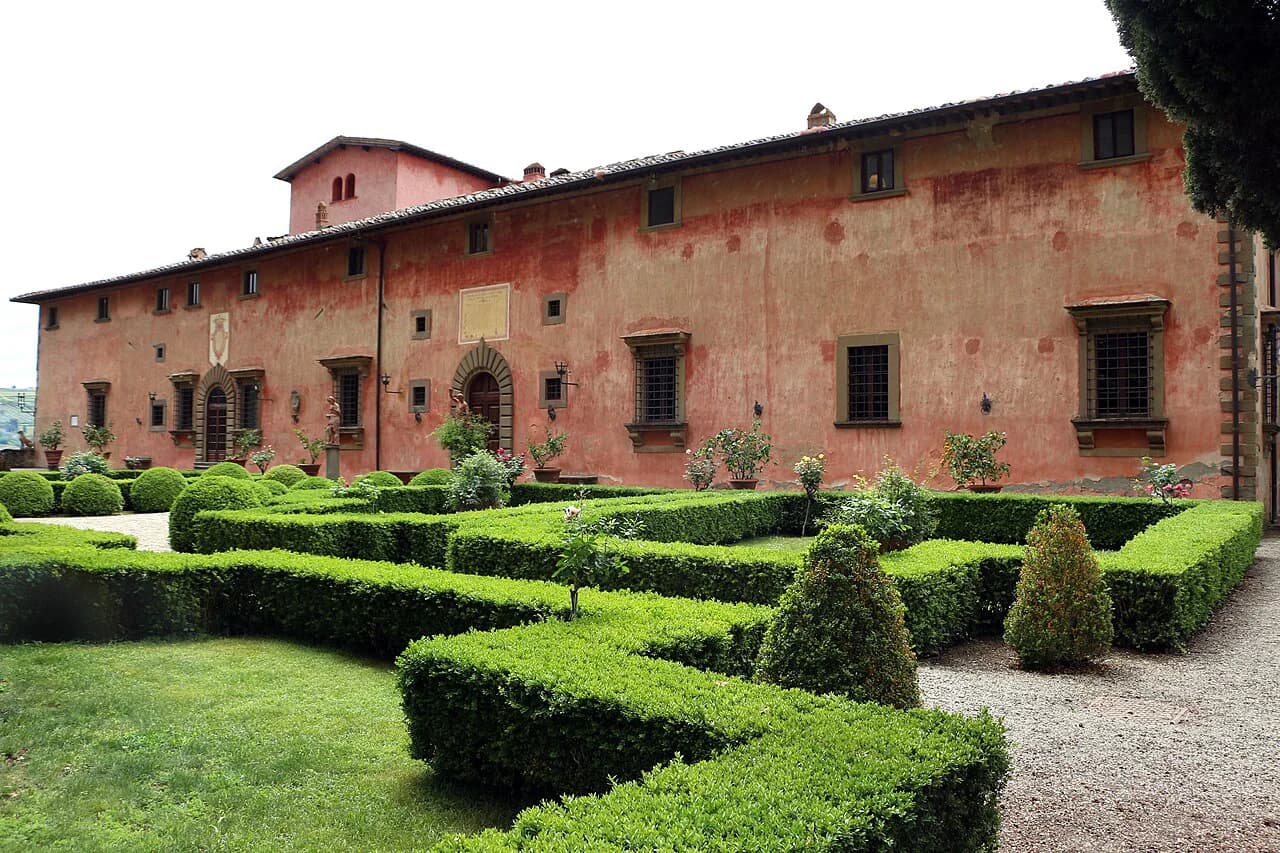
Villa Vignamaggio is a classic Renaissance villa near Greve in Chianti whose present form results from fifteenth- and sixteenth-century rebuilding by the Gherardi family, with an internal courtyard showing clear Brunelleschi influence. It offers accommodation as well as wine tours, and its Italianate garden is a reason to linger beyond the cellar. The villa is not, despite persistent folklore, the birthplace of Mona Lisa: Lisa Gherardini was born in Florence, and her family had sold Vignamaggio in 1421, decades before her birth.
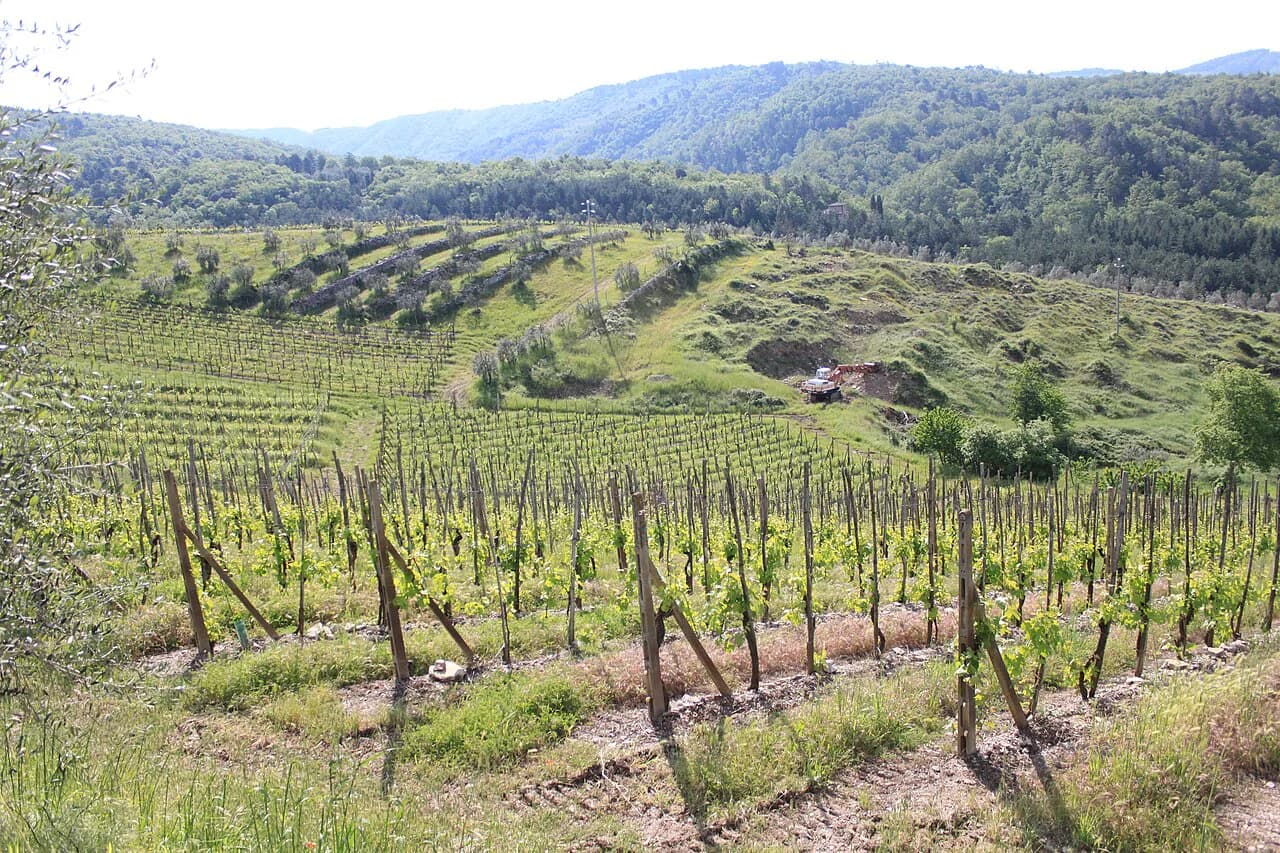
The historic identity of the site is agricultural as much as architectural. Winemaking at Vignamaggio is documented from 1404, and the estate later grew into a farm system with seventeen smaller holdings producing wine, oil and silk, which is why the property reads as a working landscape rather than a formal garden alone. Visitors who expect a single cellar door underestimate the scale of the place.
If you want a broader shortlist of cellar doors and enoteche before committing to one estate, the guide to wineries in siena covers the ground around the city and helps you decide how far into Chianti Classico you want to push. Vignamaggio rewards a deliberate plan because it sits off the main Florence-Siena corridor rather than on it.
Where It Sits: The Greve to Lamole Road
Vignamaggio lies on the road that climbs from Greve in Chianti toward Lamole, in the upper Val di Greve. Greve itself is the practical hub: it has the piazza, the shops, the bus connections and the largest concentration of places to eat in the immediate area. From Greve the estate is a short drive, but the road is rural, winding and unsigned in places, so plan your approach in daylight if you are self-driving.
For a day trip from Siena, Vignamaggio pairs naturally with the villages of the central Chianti hills, while from Florence it makes more sense as the first or last stop on a loop south through Greve. Neither city is close enough for a casual taxi round trip, which is the single biggest planning constraint travelers overlook. The estate works best as one stop on a route built around Greve rather than a standalone excursion.
The Wines: Chianti Classico and Beyond
Vignamaggio's core output is Chianti Classico and Chianti Classico Riserva under the DOCG, the appellation that covers the hills between Florence and Siena and requires a majority of Sangiovese in the blend. Sangiovese gives the zone its recognizable structure and savory profile, and the Riserva tier carries longer ageing requirements than the standard wine. Beyond Chianti Classico, the estate also produces a Bolgheri Superiore DOC label, Greppicaia, a reminder that Tuscan producers increasingly work outside their home appellation.
For visitors, the useful distinction is not between individual vintages but between the two appellations on offer. Chianti Classico reflects the estate's own hills and is the natural focus of a visit here. Bolgheri lies on the Tuscan coast and is known for Bordeaux-style blends, so a bottle of Greppicaia tells you about the producer's range rather than about the Greve landscape. Ask which wines are open for tasting when you request a visit.
If your trip also reaches the western side of the province, the Antinori nel Chianti Classico facility near San Casciano in Val di Pesa is a very different kind of visit, built as a modern architectural destination rather than a historic villa. Comparing the two is a useful way to understand how varied cellar-door experiences in Chianti Classico have become.
Villa Vignamaggio and Il Borgo: Two Different Doors
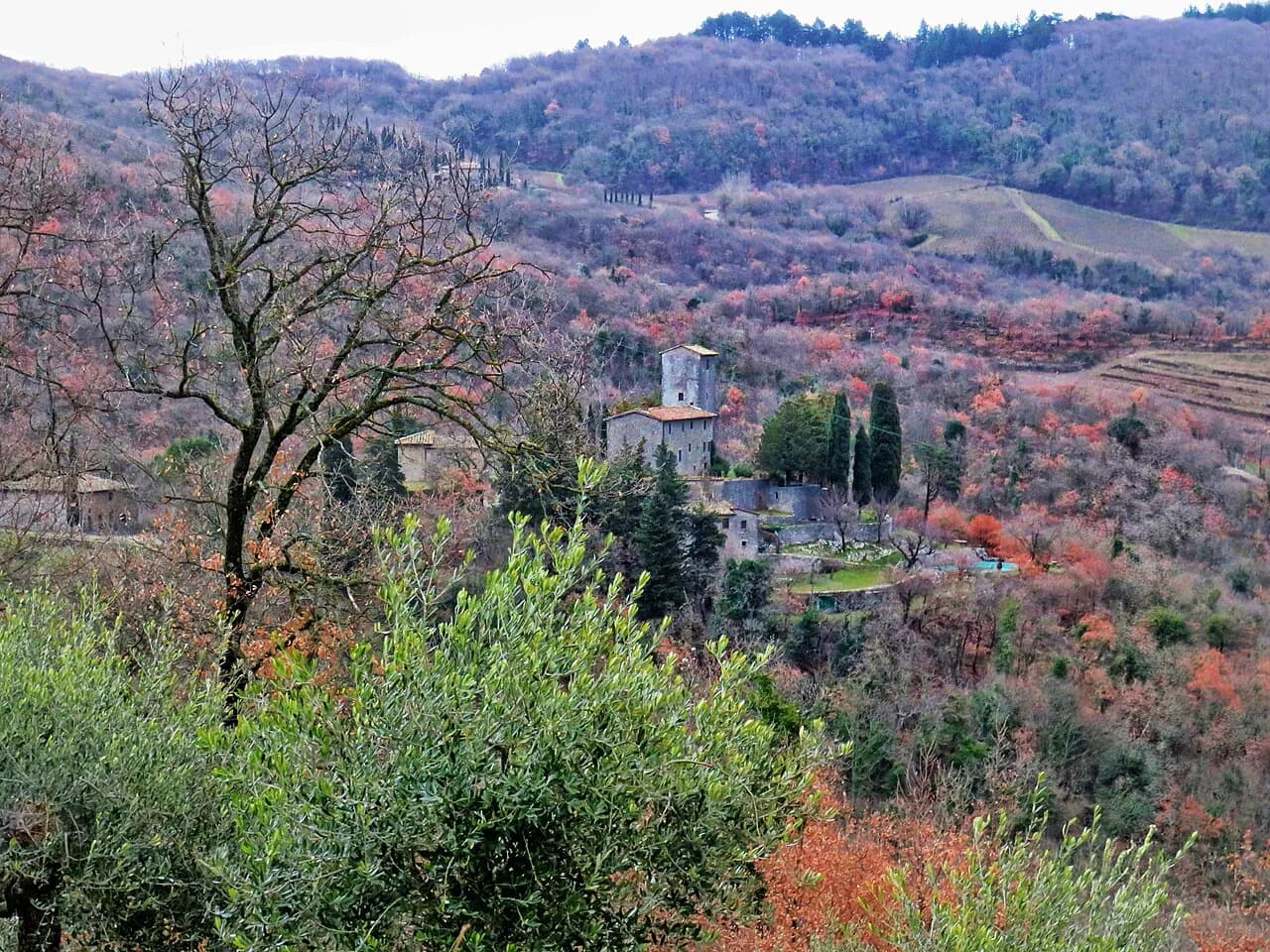
The property has two faces, and conflating them is the most common planning error. Villa Vignamaggio is the hospitality and tour side, the part that offers accommodation and wine visits to the traveling public. Il Borgo di Vignamaggio is the restored hamlet on the estate, a self-contained complex of suites, chapel, greenhouse, theater and banquet spaces that operates as an exclusive-use venue for weddings and private events.
That distinction matters because Il Borgo is not open for casual wandering and is not a tasting room you can add to an afternoon. It is booked as a whole for multi-day events, with recent published figures describing an exclusive rental fee of 30,000 to 33,000 euros per night, a minimum three-night weekend buyout and per-guest wedding dinners from 220 euros.
If you are planning a wedding rather than a wine day, the venue side is worth understanding on its own terms. Il Borgo hosts events for up to 300 guests and combines a chapel with original frescoes, a glass greenhouse, a banquet hall, a separate dancing hall and a poolside bar, which is why it markets itself on indoor back-up spaces rather than on weather-dependent gardens.
Can You Just Show Up? Appointment Culture in Chianti Classico
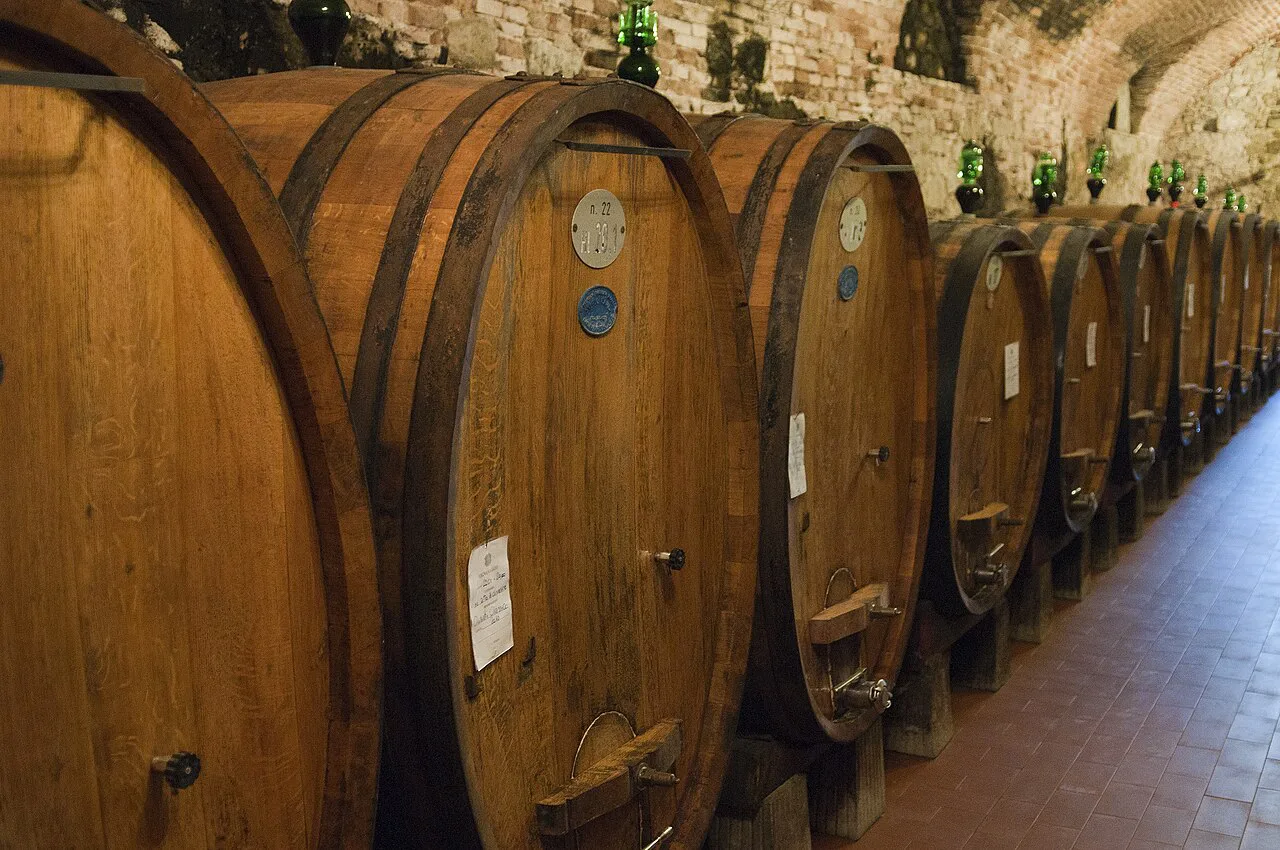
Chianti Classico estates overwhelmingly work by appointment, and Vignamaggio is no exception in spirit: the villa is a hospitality and agricultural operation, not a walk-in tasting bar with posted hours. The reliable approach is to email or phone before you travel, state how many people are in your party, whether you want a cellar tour or a seated tasting, and whether you need a language other than Italian or English. Ask for a written confirmation of the day and time.
The estate has not published a current schedule of public tour times, tasting prices or seasonal closures in the sources available here, so treat any figure you see elsewhere as unverified until the winery confirms it directly. That is not a reason to skip the visit; it is a reason to send the email early, especially for weekends in spring and autumn. Ask in the same message whether a tasting can be arranged without a full tour if your group includes someone who is driving.
A second practical question is access: ask where vehicles should park and whether the tasting takes place at the villa or elsewhere on the estate. Vignamaggio's landholding is large and the historic core is not designed around coach traffic. Getting that answer in writing prevents an awkward arrival at the wrong gate.
Grouping Vignamaggio into a Chianti Day
The strongest itinerary treats Greve in Chianti as the day's base and Vignamaggio as one stop on a loop through the surrounding villages. Greve has the piazza, the butcheries and the cafes; Montefioralle, the walled medieval village above it, is one of the best-preserved hilltop settlements in the area and was once the main inhabited site while Greve was only a market place. Panzano in Chianti sits further south on the same ridge and is a natural lunch stop.
Lamole, just beyond Vignamaggio on the same road, is worth adding for its high-altitude vineyards and quiet hamlet character. A sensible loop is Greve, then Vignamaggio, then Lamole, returning through Panzano or Montefioralle depending on how much time you have. Keep the loop to three stops; four turns a relaxed day into a driving schedule.
If you would rather hand the route to a specialist, a shortlist of siena wine tours will show what a guided Chianti day typically covers and whether a Greve-focused itinerary is offered. Compare the inclusions: a private driver, cellar visits with fees prepaid and a fixed number of tastings change the value calculation considerably.
Getting There Without Driving
Greve in Chianti is served by bus from Florence, with services running through the Chianti hills, while connections from Siena generally require a change and take longer. From the Greve bus stop, Vignamaggio is still a rural uphill distance that is not comfortably walkable with a booking time to keep, so the last leg is a taxi or a pre-arranged transfer. Local taxi capacity in the Chianti villages is limited, particularly at the end of the day, so book return transport in advance; there is no guarantee a car will be waiting otherwise.
Cyclists do ride these roads, and the climb from Greve toward Lamole is a genuine one; an e-bike from a Greve rental shop is the realistic option for most travelers. Whichever mode you choose, the driver problem does not disappear: someone has to get the group home. A driver should not taste, and the alternatives are spittoons, a designated driver, a guided tour or public transport.
If you are based in Siena and want to keep the day car-free, the broader wine tasting in siena guide covers shuttle services and tour operators that collect from the city. The trade-off is fixed departure times and shared groups, but it removes the logistics entirely.
Independent Visit or Escorted Tour
Going independently gives you control over timing, lets you linger at the villa garden and costs less than a private tour if you are already driving. The cost is flexibility elsewhere: you must handle the rural road, the parking, the appointment timing and the sober-driver question within your own group. For a couple or a small group of drivers willing to rotate, that trade is usually worth it.
An escorted tour costs more per person but bundles transport, reservations and a guide who can explain the appellation as you drive. It works best for groups where nobody wants to abstain, for travelers arriving by train, and for anyone visiting on a weekend when multiple estates need coordinating. Check the itinerary closely: cellar visit fees, lunch and tasting charges are often separate items.
A middle path is a private driver hired for the day with your own itinerary, which suits groups of four to six. You keep control of which estates you visit while removing the driving, and you can ask the driver to wait while you taste. Confirm in advance that the driver is licensed to carry paying passengers, since informal arrangements are common in the countryside.
Where to Eat and Stay Nearby
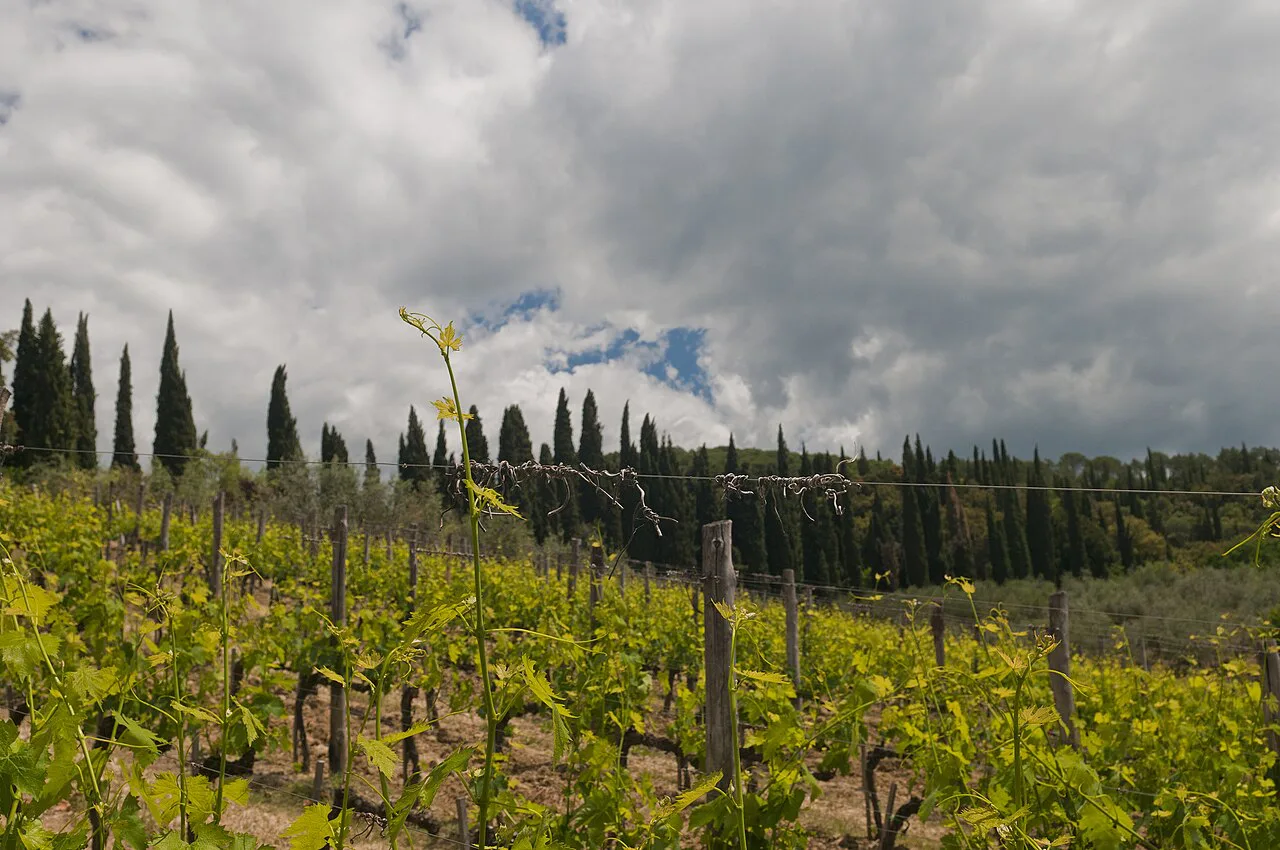
Greve in Chianti is the practical base for a Vignamaggio visit: it has the largest choice of restaurants and accommodation in the immediate area and puts you ten to fifteen minutes from the estate. Staying in Greve also means you can walk to dinner after a day of tasting, which is the simplest solution to the driver problem. Panzano is a smaller alternative with good restaurants and a hilltop setting.
Siena and Florence work as bases if you accept longer transfers and plan Vignamaggio as a full-day outing rather than a morning errand. From Siena the drive is scenic but slow on the Chianti roads, and from Florence you approach through Greve. Travelers who want city evenings and wine days in one trip should budget for a full day per wine excursion rather than trying to combine one with sightseeing.
If you end a day back in Siena, the city's enoteche are a good place to taste broadly before you commit to a single estate. A reliable siena wine bar will pour Chianti Classico from several producers by the glass, which helps you decide which appointment to book next.
Timing Your Visit
Harvest in Chianti Classico generally falls in September and into October, and that is when the estate is busiest with production work and when appointments can be hardest to arrange. Late spring and early summer are the most comfortable for garden visits, while November through March is quiet but many rural restaurants and smaller estates keep reduced hours. Weekdays are easier than weekends for securing a tasting slot at short notice.
Whatever the season, one confirmation email is enough: send your preferred dates, party size and any access needs, then keep the written reply with your travel documents. Do not rely on a listing site's opening hours, since estate schedules change with the vintage and the events calendar. The same message can ask about the villa garden, which is one of the reasons to visit Vignamaggio rather than a generic tasting room.
Plan Your Vignamaggio Visit
Vignamaggio rewards travelers who treat it as one carefully chosen stop in a Greve-based Chianti day. Decide first whether you want the villa's hospitality and wine tour or the private-event hamlet, then build the loop around Greve, Montefioralle, Panzano and Lamole. Book transport and the appointment together so the two do not undermine each other.
Send a single clear email with your dates, group size and the kind of visit you want, and keep the written confirmation. If nobody in your group can abstain, book a driver or a tour and enjoy the day properly. The estate's gardens, cellars and hilltop setting are worth the planning effort.
Frequently Asked Questions
Is Vignamaggio open for tours and tastings?
Villa Vignamaggio offers wine tours alongside its accommodation, but it operates as an appointment-based estate rather than a walk-in tasting room. Current tour times, tasting formats and any seasonal closure are not published in the sources available here, so email or phone the estate before you travel to fix a day and time.
Where is Vignamaggio relative to Greve in Chianti?
The estate lies on the road running from Greve in Chianti toward Lamole, in the upper Val di Greve between Florence and Siena. Greve is the nearest practical hub for restaurants, buses and accommodation, and the estate is a short rural drive from the town rather than a walkable stop.
What wines does Vignamaggio produce?
The estate's core wines are Chianti Classico and Chianti Classico Riserva DOCG, based on Sangiovese from the hills between Florence and Siena. It also produces a Bolgheri Superiore DOC called Greppicaia, a coastal Tuscan appellation known for Bordeaux-style blends. Ask which wines are open when you book.
How do you get to Vignamaggio without a car?
Take a bus from Florence to Greve in Chianti, then arrange a taxi or transfer for the final rural leg, since the estate is not comfortably walkable from the bus stop. Return taxis in the Chianti villages are limited, so book both directions in advance. Cyclists can ride up from Greve, and e-bike rental makes the climb manageable.
Can you visit Il Borgo di Vignamaggio?
Il Borgo di Vignamaggio is the restored hamlet on the estate, operated as an exclusive-use venue for weddings and private events rather than a public tasting room. It is booked as a whole for multi-day events, so it is not something to add to an afternoon of cellar visits. Contact the venue directly if you are planning an event.
How much does a wedding at Vignamaggio cost?
Recent published figures for Il Borgo describe an exclusive rental fee in the tens of thousands of euros per night, a minimum three-night weekend buyout and per-guest dinner costs from a tiered menu. These are wedding and event figures, not tasting fees, and they change with season and guest count. Ask the venue for a current quote.
What should I include in a booking email to Vignamaggio?
State your preferred date and time, the number of people, whether you want a cellar tour or a seated tasting, and any language or access needs. Ask where to park and whether the tasting takes place at the villa. Request written confirmation and keep it with your travel documents.
What else should I see on the same day as Vignamaggio?
Greve in Chianti is the natural base, with Montefioralle's walled medieval village just above it and Panzano in Chianti a short drive south. Lamole sits beyond Vignamaggio on the same road. Three stops make a comfortable day; four turns it into a driving schedule.
Sources
Notes for your next wine trip
Optional updates to our winery and wine-town guides.
You might also like
Continue reading
More guides you'll find useful