Castello di Querceto: Siena Guide to Greve in Chianti Estate
Plan a visit to Castello di Querceto near Greve in Chianti: what the estate publishes about visits, where it sits, and how to reach it from Siena.
On this page
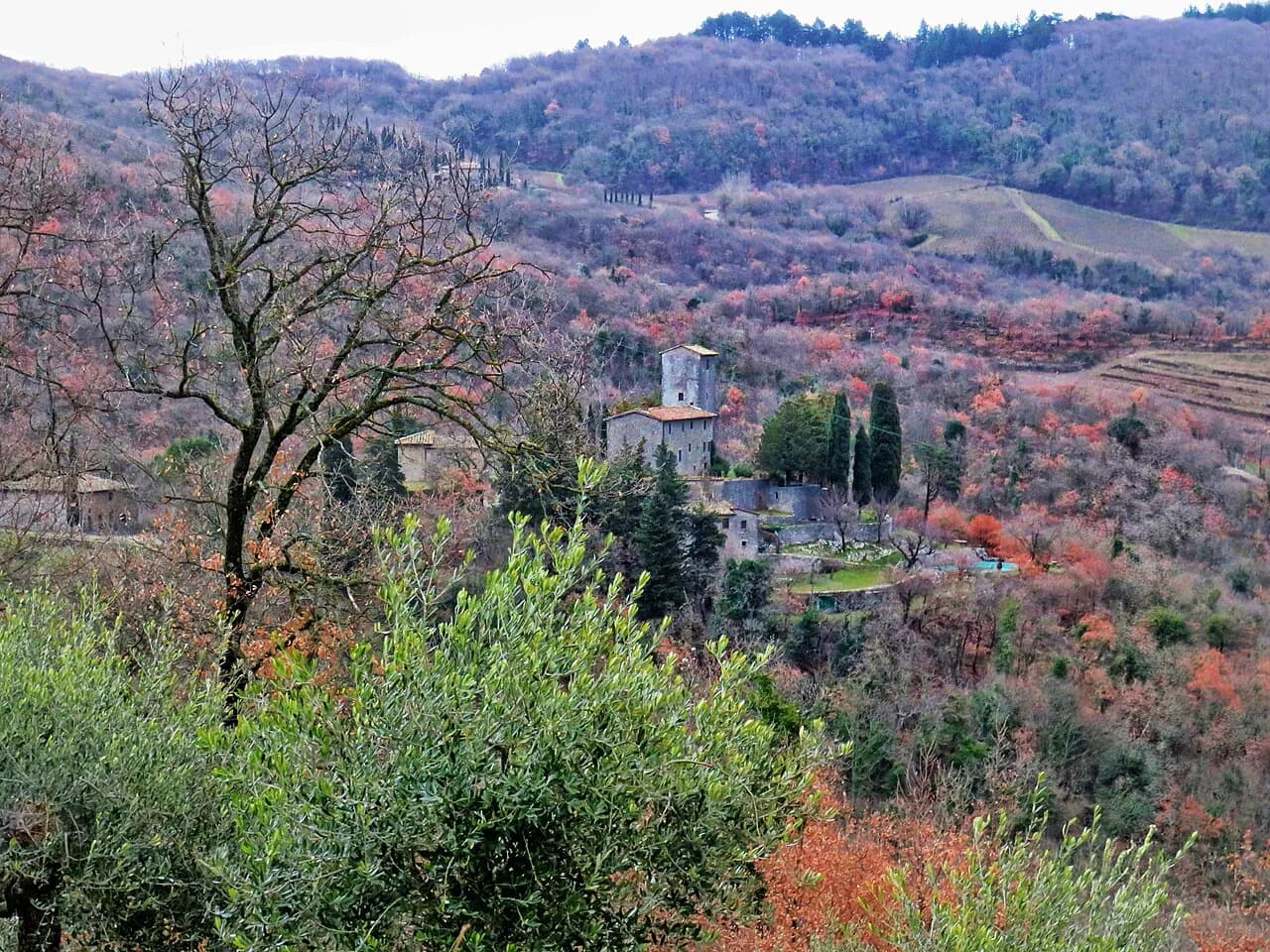
Castello di Querceto sits in the hills above Greve in Chianti, a castle that is also a working winery, roughly midway on the road between Siena and Florence. It belongs to the Chianti Classico heartland rather than to a remote corner of Tuscany, which makes it a realistic stop on a day out from Siena. The practical work is deciding how you reach the estate, what you want from the visit and what you need to settle before you go.
The estate's own site keeps a Visite section alongside pages for its wines and its agriturismo, so visits are handled as a distinct part of the business rather than an afterthought. That structure tells you where to start: read the visit page, then send a message with your dates and party size. If you are building a broader Chianti day, the Siena Wine tasting guide covers the appellation and the city's own tasting rooms as a companion.
Why Castello di Querceto: A Castle and Working Winery Above Greve
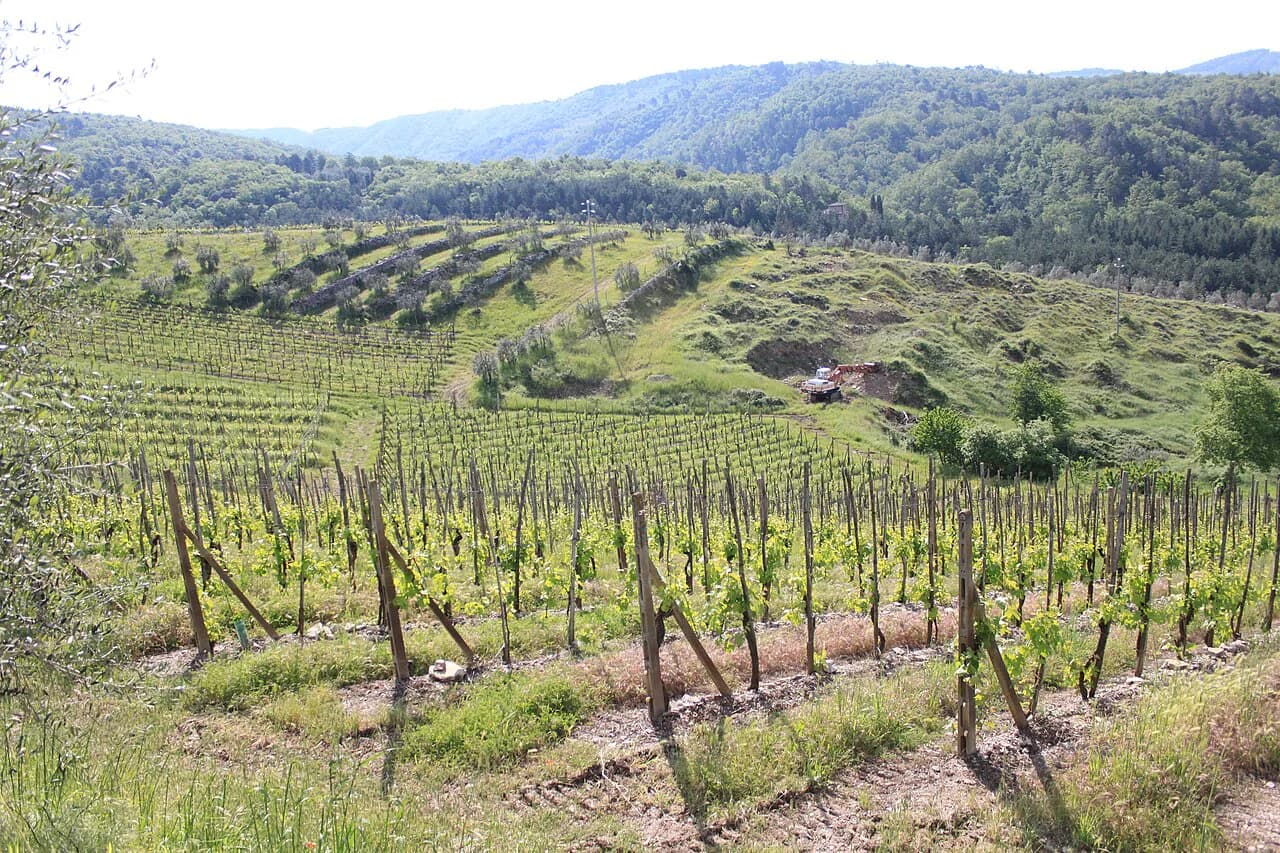
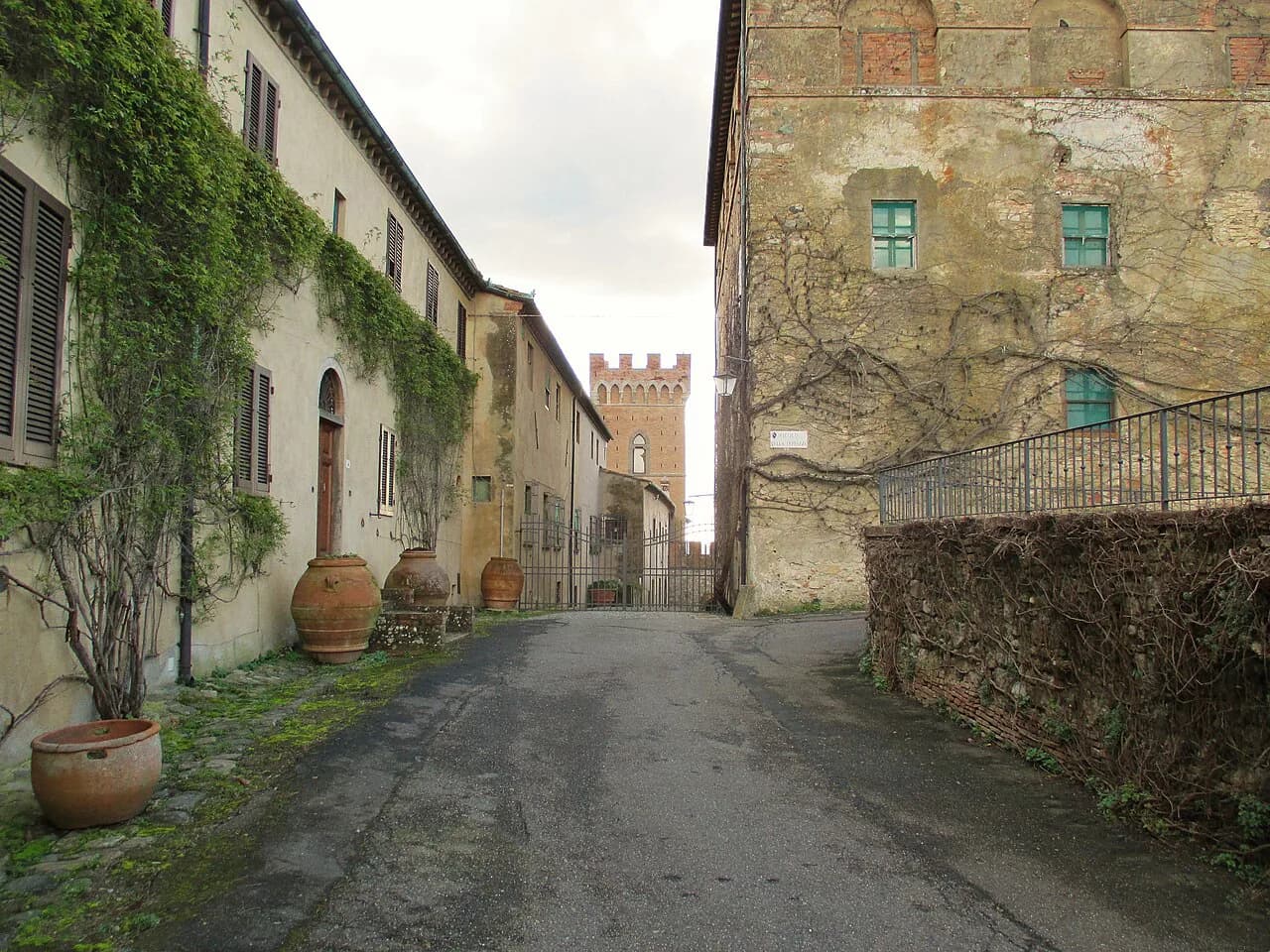
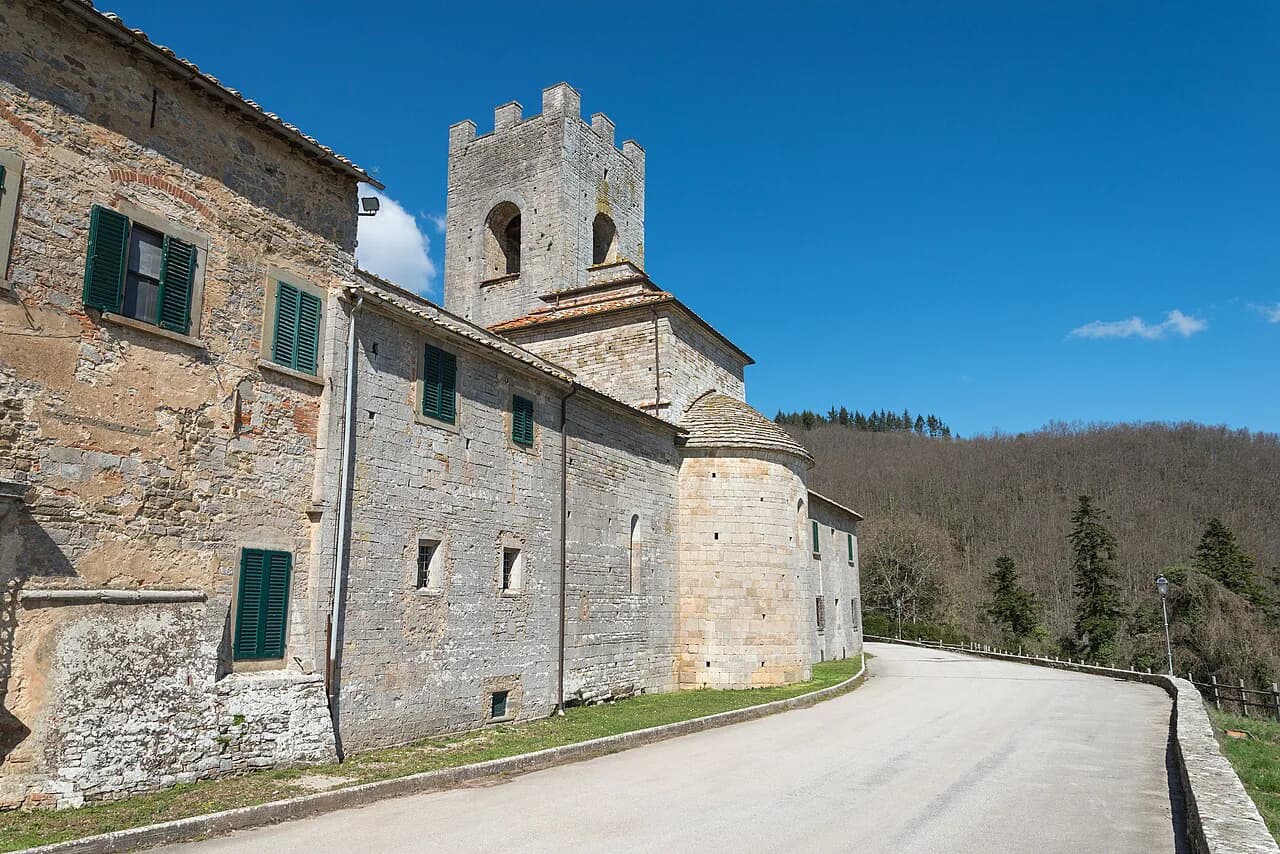
The draw here is a fortified sixteenth-century building that still functions as a winery rather than a museum piece, with cellars at the center of the operation. The estate's site frames the property as a family story that runs from vineyards to cantina, with olive oil alongside the wine. That combination of architecture, active production and landscape is why it earns a slot on a Greve itinerary.
Treat Querceto as one stop inside a Greve in Chianti day rather than a standalone destination. The village itself has enoteche and a compact center worth an hour, and other Chianti Classico cellars are strung along the same hill roads. Building two appointments into one loop is more efficient than crossing the district twice, and it gives you a fallback if one booking falls through.
Where It Is: The Address and How the Chianti Classico District Fits Together
The estate publishes its address as Via A. François 2, 50022 Greve in Chianti (FI), with the phone number (+39) 055 85921 and the email querceto@castellodiquerceto.it. Those are the details to use when you inquire or when you hand an address to a taxi driver. Save them offline before you leave Siena, because hill roads between villages are not generous with signal.
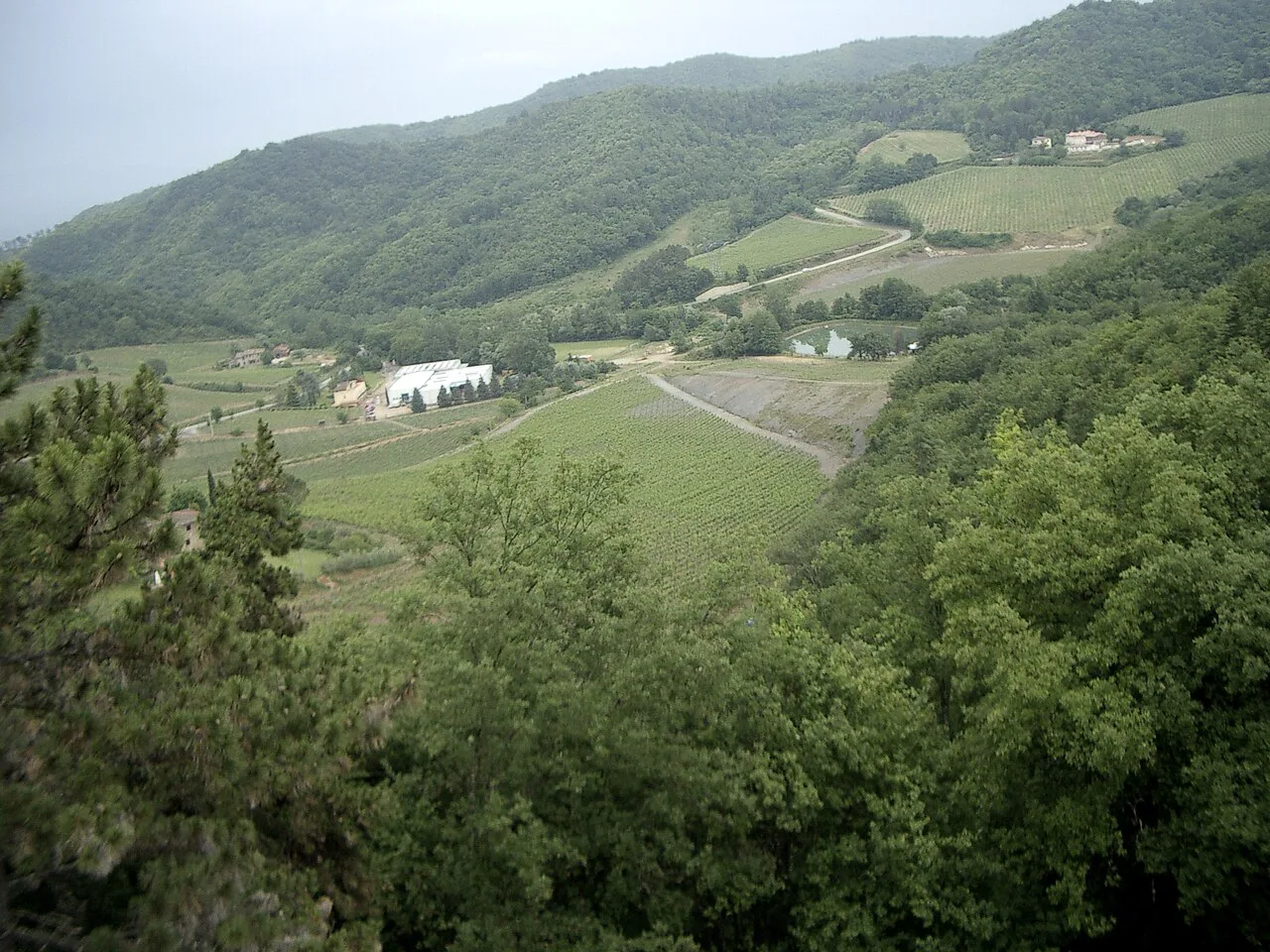
Chianti Classico runs between Florence and Siena along the old Via Chiantigiana, with Greve in Chianti as its market town and Radda, Castellina and Gaiole spaced along the ridge roads. Distances look short on a map but the routes are slow, curving and often narrow, so plan two or three stops at most for a day. Group your visits by valley rather than zigzagging across the district, and allow real time for the drive between them.
The Wines in Brief: Chianti Classico, Riserva and the Wider Range
The estate's flagship red is a Chianti Classico, the DOCG appellation for the historic core of the Chianti zone between Florence and Siena. Sangiovese dominates the blend, with supporting grapes permitted by the rules, and the wines tend toward firm acidity and savory red-fruit character that suits food. Knowing the appellation helps you read a label and ask better questions in the tasting room.
Riserva is the labeling term for Chianti Classico that has seen a longer period of aging before release, which usually means more structure and a darker, denser profile than the annata. The estate also lists a broader portfolio on its wine pages, and mentions of Vin Santo appear in how the property is discussed. Ask at booking which wines are typically open on the day you plan to visit, since the lineup shifts with what is available in the cellar.
A tasting here is a chance to compare the standard Chianti Classico against the Riserva in the same sitting, which is the most useful exercise for deciding what to buy. If the estate also pours other reds or a sweet wine, treat those as a bonus rather than the reason to come. Note what you liked and buy at the source if you can, since carrying bottles home is easier than shipping them.
What the Estate Publishes About Visits and the Agriturismo Option
The estate site maintains a dedicated Visite section, and the cellar is presented as the heart of the property, framed as a walk from vineyards to cantina with wine and olive oil together. That is the shape of the experience to expect when you inquire: a look at the production side paired with a seated tasting. What the site does not spell out clearly, such as tour length or how many wines are poured, is exactly what you settle in your message.
The same site also lists an agriturismo, which changes the calculus for travelers weighing a day trip from Siena against an overnight in the hills. Staying on the property removes the drive home and puts you in the vineyards at the quiet hours, but it commits you to the estate's own availability rather than the flexibility of a city base. If that trade-off appeals, look at other options for vineyard stays near Siena before deciding which fits your dates.
Booking Approach: Appointment Culture in Chianti Classico
Most Chianti Classico estates, including the smaller family-run properties, receive visitors by arrangement rather than on a drop-in basis, because the person who guides you is often also working in the cellar. The practical move is to email the estate with your preferred date, an alternate, the number in your party and whether you want a tasting only or a cellar walk as well. State any language needs and whether you are arriving by car or need to be collected.
If email goes unanswered for several days, phone the estate at the number published on its site during Italian business hours. Ask directly what the visit includes, how long it lasts and what it costs, because those details are not laid out on the site. Confirming the meeting point and the latest arrival time avoids the awkward scenario of arriving after the group has started.
For anyone comparing options, a guided wine tours format removes most of this back-and-forth because the tour company holds the appointments and sets the schedule. The trade-off is cost and less choice over which cellars you see, while independent booking gives you flexibility and a more personal visit if you are willing to plan ahead.
Prices, Durations and What to Confirm Directly
The estate does not publish a tasting fee, tour length or a set number of wines poured on its site, and retail bottle prices are not the same thing as a visit charge. So treat any figure you see elsewhere as unconfirmed and ask for the current fee when you book. In the Chianti Classico zone, fees usually scale with what is included, so a cellar tour with a seated tasting costs more than a simple glass at the counter.
Useful questions at the inquiry stage: how many wines are poured, whether the Riserva is included, whether bread, cheese or olive oil come with the tasting, whether the fee is deducted from a purchase, and how payment works on the day. Ask whether a minimum party size applies and whether children or non-drinkers can come along. Getting those answers in writing makes the day run smoothly.
Getting There From Siena Without Driving
The realistic no-car options are a bus toward Greve in Chianti, a taxi, or a guided tour that collects you in Siena. Buses on the Siena–Greve corridor run through the Chianti hills, but services thin out on Sundays and in the low season, and the estate sits outside the village, so you still need a short taxi or a walk from town. Check the current timetable with the bus operator before you commit to a route.
Taxis in this part of Tuscany are limited and expensive for a round trip into the hills, and hailing one at the estate for the return leg is unreliable. Arrange a car in advance with a fixed pickup time, or have the estate recommend a local driver. A tour handles the logistics in one price and pairs Querceto with other cellars, which often makes it the most efficient choice for a non-driver.
Getting There by Car and Parking at the Estate
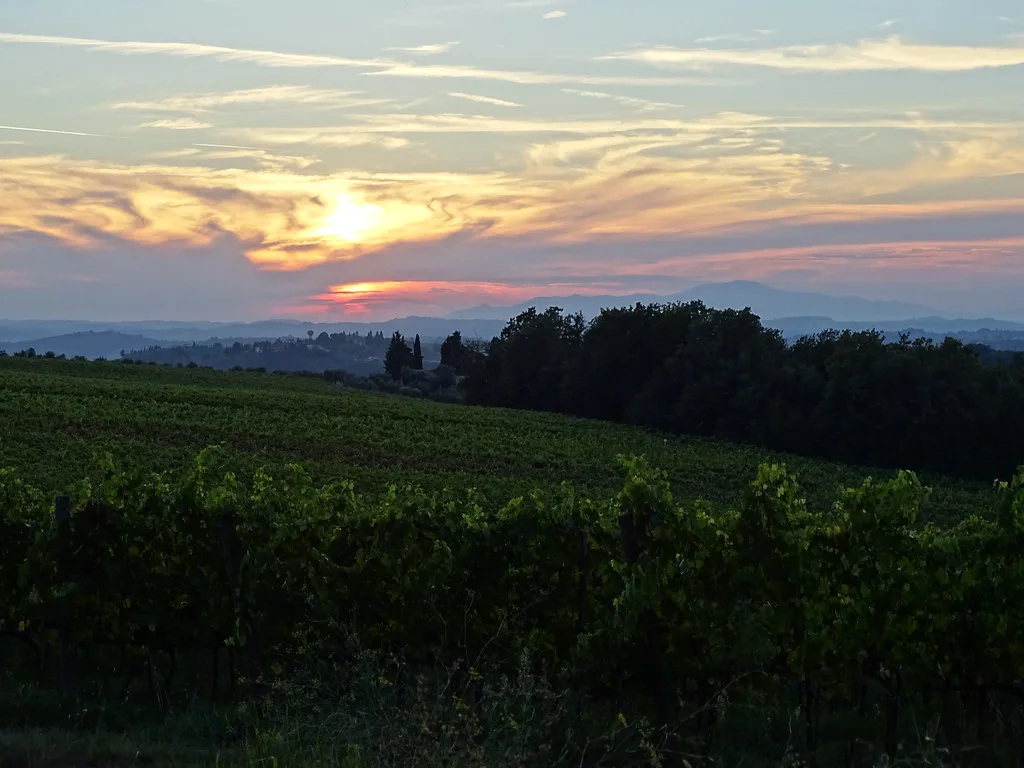
From Siena, take the road toward Greve in Chianti and follow the signs into the village, then continue on the local lanes toward the estate's address at Via A. François. The final stretch is a hill road with tight bends, so drive carefully and allow more time than the distance suggests. Fuel up in Greve or Siena, since rural stations keep shorter hours.
Parking at the estate is on the property, and the site does not publish a parking fee or a booking requirement for cars. Follow the signs on arrival and keep the driveway clear. If you are driving, remember that the person behind the wheel should not taste: use the spittoons, or split the driving so nobody drinks and drives.
Pairing Querceto With the Rest of a Greve Day
Greve in Chianti has a compact center with a market square, butchers and wine shops where you can taste by the glass without an appointment. That makes it a good buffer before or after an estate visit: arrive early for a coffee, then head up to Querceto for the booked slot. A short list of Siena Wine bars covers the same idea for an evening back in the city.
Other Chianti Classico cellars along the same hill roads receive visitors by appointment, and some have more formal tour programs than others. Choose one substantial visit plus one lighter stop rather than stacking three tastings into a single afternoon. If you want a broader survey of the appellation, cross-reference the Siena wineries guide before you set your route, and for a contrasting hill town with its own great reds, weigh the Montepulciano wine guide as a second day.
Harvest and Season Timing
The Chianti hills are busiest in late September and October, when harvest brings pickers, trucks and a heavier atmosphere to the roads, and the estates themselves are at their most stretched. Visits during that window can be more rewarding for the sense of activity, but appointments are harder to secure and the winery team has less spare time. Book earlier than you would in spring.
Late spring and early summer bring green hills and lighter traffic, while winter is the calmest season for cellar visits, though some estates run reduced hours. Ask about the seasonal calendar when you write, since closures vary by property rather than following a district-wide rule. Whatever the season, confirm the visit details directly with the estate before you travel.
Weekends draw more visitors from Florence and Siena, so a weekday slot gives you more room in the tasting room. Morning appointments also suit the light and leave the afternoon free for the village.
Responsible Drinking on a Chianti Day Out
Chianti roads are winding and often narrow, and Italian police enforce drink-driving limits strictly. If you are driving, do not taste: use the spittoons provided, or designate a driver who abstains for the day. A tour or a local driver is the simplest solution if everyone in your party wants to try the wines.
A Practical Checklist Before Leaving Siena
Save the estate's address, phone and email before you go, and note the booking confirmation with the time and meeting point. Bring a jacket or wrap, since cellars stay cool even in summer, and wear shoes that handle gravel and uneven courtyard paving. A reusable water bottle and a snack help on the longer hill drives.
Decide in advance how you will buy wine: bottles carried in the car are the easiest, while shipping needs arrangements made at the estate. Agree who is driving, and set a pickup time if you are using a taxi or driver. That single decision is what turns a good visit into a relaxed one.
Plan Your Querceto Visit
Castello di Querceto works best as one carefully chosen stop in a Greve in Chianti day: a castle and working winery with a published Visite section, clear contact details and a cellar that pairs wine with olive oil. Decide your transport first, then email or phone with your dates, party size and what you want from the visit. Settle the fee, the lineup and the duration in writing, and the rest of the day falls into place.
If you are still choosing between cellars in the wider region, compare this Greve option against the guides in the Siena wine tasting cluster before you commit. Build in a buffer for hill driving and leave room for the village. The best day is usually the one with fewer stops and longer conversations.
Frequently Asked Questions
Is Castello di Querceto open for visits and tastings?
The estate runs a Visite section on its own site and presents the cellar as the heart of the property, so visits are part of the business rather than an occasional courtesy. What the site leaves open is the format: tour length, how many wines are poured and the fee. Email or phone the estate with your dates and party size and ask for the current arrangement.
How far is Castello di Querceto from Siena?
The estate is in the hills above Greve in Chianti, on the Chianti Classico side of the province, and the drive from Siena follows the road toward Greve before turning onto local hill lanes. The map distance is modest but the route is slow and curving, so allow noticeably more time than the kilometers suggest. Greve in Chianti itself makes a natural stop before or after the visit.
Do you need an appointment to visit Castello di Querceto?
Chianti Classico estates generally receive visitors by arrangement, since the people who guide tastings also work in the cellar, and that is the sensible assumption here. Send an email with your preferred date, an alternate, your party size and whether you want a cellar walk as well as a tasting. If you hear nothing after several days, phone during Italian business hours.
What wines can you taste at Castello di Querceto?
The flagship is Chianti Classico, the Sangiovese-based DOCG of the zone between Florence and Siena, and the estate's portfolio also appears on its wine pages. Whether the Riserva or other bottlings are open on a given day depends on what is in the cellar, so ask when you book.
How do you get to Castello di Querceto without a car?
The workable options are a bus toward Greve in Chianti plus a short taxi or walk from the village, a pre-arranged taxi or driver, or a guided tour that collects you in Siena. Hill bus services thin out on Sundays and in low season, and the estate sits outside the village center. A tour usually costs more but removes the return-leg uncertainty.
Can you stay at Castello di Querceto?
The estate's site lists an agriturismo alongside its wine and visits pages, so an overnight on the property is an option to raise when you inquire. Room types, availability and rates are not laid out there, so ask the estate directly for the current offering. Staying on site removes the drive home but ties you to the property's own calendar.
Sources
Notes for your next wine trip
Optional updates to our winery and wine-town guides.
You might also like
Continue reading
More guides you'll find useful