Pompeii Wineries: Tasting Vesuvius Wines from Sorrento
Plan a winery visit near Pompeii from Sorrento: what Lacryma Christi wines are, where Cantina del Vesuvio sits, how tastings book, and how to arrive by train.
On this page
Most travelers come to Pompeii for the ruins and only notice the vineyards on the drive up toward the crater. Yet the volcanic slopes between Torre Annunziata, Trecase and Boscotrecase have produced wine since Roman times, and a working winery on the Vesuvius flank is a short hop from the archaeological site.
This guide separates two things that get blurred online: the vineyard replanting inside Pompeii Archaeological Park, which is a research and production project, and the winery nearby that actually receives visitors and takes bookings. Plan around the second if you want to taste.
Why Pompeii and Vesuvius Form a Wine District, Not a Single Winery Stop
Pompeii sits on a lava plateau at the foot of Vesuvius, and the wine zone wraps around the volcano rather than clinging to one estate. Wineries are scattered across villages such as Trecase, Boscotrecase and Torre del Greco, each a few minutes from the other by road. The practical consequence is that you choose one estate for a tasting and treat the rest as scenery, because shuttling between several on public transport eats the afternoon.
The archaeological park is the anchor of any wine day, but the two experiences work differently. Ruins are a walk-in, timed-ticket affair; a winery tasting is a scheduled visit with a start time, so the winery clock should dictate the shape of your day. Build the morning around the ruins and the afternoon around a reserved tasting slot.
The Wines to Taste Here: Lacryma Christi, Piedirosso and Falanghina
The flagship wine of the volcano is Lacryma Christi del Vesuvio, which comes in white, red and rosato versions. The white is built mainly on Falanghina and the red on Piedirosso, often blended with Aglianico, and the DOC rules also cover a spumante style. Local producers treat it as their signature bottle, so it is the first name to look for on any tasting list.
Beyond the DOC label, the slopes grow the classic southern Campania grapes you will see on labels across the region. Falanghina gives fresh, citrus-leaning whites, while Piedirosso and Aglianico make the reds, and the park replanting project also lists Greco, Fiano, Coda di Volpe, Caprettone and Per'e Palummo among the historic varieties being put back in the ground.
Ask a tasting room which grapes are in each glass rather than relying on the estate name alone: a Lacryma Christi Rosso from one producer can be mostly Piedirosso, from another a Piedirosso-Aglianico blend. That single question tells you more about the style than any shelf description.
Cantina del Vesuvio in Trecase: Location, Hours and Booking
Cantina del Vesuvio is a family winery in Trecase on the Vesuvius slope, at Via Panoramica 15, and it is one of the estates in the zone that openly receives visitors. It farms organically and has run cellar visits, tastings and cooking classes for years, which makes it the most straightforward confirmed stop for a Pompeii-area wine day.
The winery publishes its shop as open daily from 9 am to 6 pm, with tastings available every day from 10:30 am to 4 pm, the latest booking slot. A cooking class runs once daily at 1 pm, and reservations are required for visits. The phone lines are +39 081 536 9041 and +39 081 350 7001, and the email address is info@cantinadelvesuvio.it.
Because the last tasting booking is at 4 pm, a late start after a long morning in the ruins will not work. If your train from Sorrento gets you to Pompeii around midday, book the early afternoon slot rather than gambling on a walk-in, since the reservation rule is explicit. The estate has not published tasting prices or menu details on its site, so ask about the number of wines poured, whether food is included and the duration when you reserve.
How the Visit Works: Shop, Tastings, Cooking Class and Reservations
Think of the estate in three layers. The shop sells the winery's own bottles, olive oil and red wine vinegar, and it is open through the day without a booking. The tasting is a seated, hosted visit inside the fixed 10:30 am to 4 pm window. The cooking class is a separate, single daily session at 1 pm, so a tasting and a class can shape very different afternoons.
Reserve by email or phone and state the size of your party, your preferred date and whether you want the class or just the tasting. Ask directly which wines are poured and how long the visit lasts, because these details decide whether the stop fits around a ruin visit or becomes the main event of the day.
Vineyards Inside the Archaeological Park: What Visitors Can Expect Today
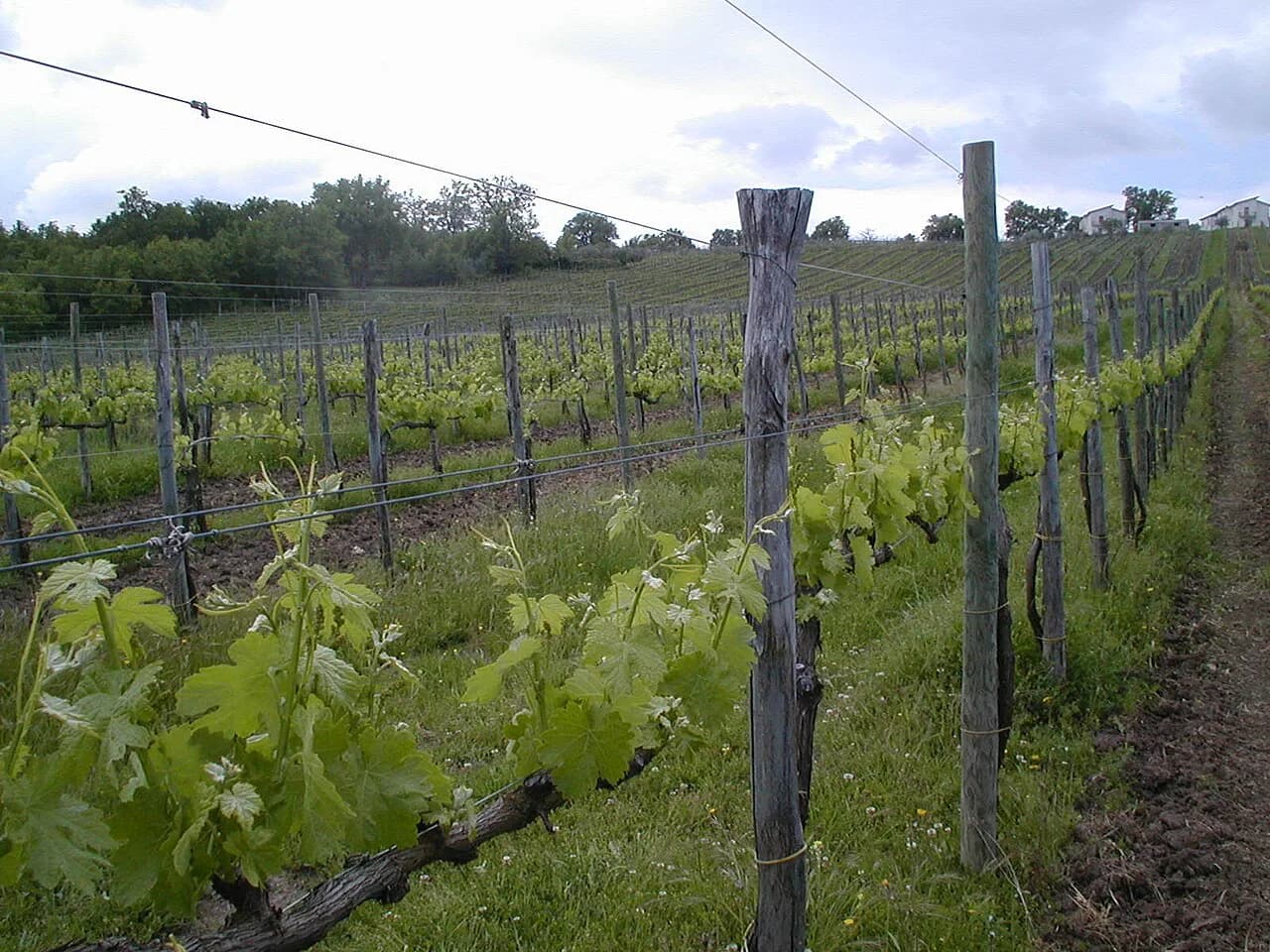
The vines growing inside Pompeii are part of a long-term project rather than a cellar door. The archaeological park has partnered with the Tenute Capaldo Group, owner of Feudi di San Gregorio, to replant plots on the sites of ancient vineyards and ultimately farm about 15 acres across the city, using pergola training and organic, biodynamic methods. Some of the land continues work begun earlier by Mastroberardino, whose Villa dei Misteri wine came from vines in the park.
Plan your visit around the archaeology, not around a tasting: the project has held a celebratory first harvest, but its first commercial vintage is projected for roughly 2028 to 2030. The crushing and amphora aging facilities described for inside the park are still future plans. There is no bookable winery experience in the ruins today, so anyone selling a walk through park vineyards as a tasting is overselling it.
Grouping Your Day: Ruins in the Morning, Winery in the Afternoon
The sequence that works is ruins first, tasting second. Start at the Porta Marina or Piazza Anfiteatro entrance when the site opens, cover the forum, theatres and the Villa dei Misteri, then leave by early afternoon for the short run up the volcano. You avoid the worst midday heat in the exposed ruins and arrive at the winery inside the 10:30 am to 4 pm tasting window.
If you would rather not build the logistics yourself, guided wine tours on the Pompeii circuit bundle transport with the tasting and remove the taxi negotiation at the end of the day. The trade-off is a fixed itinerary and less time in the ruins; the gain is that nobody at the table has to drive and the group timetable is handled for you.
Getting There from Sorrento Without a Car: Train, Then Taxi or Transfer
The Circumvesuviana line connects Sorrento with Pompeii along the coast, with stations at the archaeological site and at Pompeii Scavi for the ruins. From the Pompeii area you still need a short road hop up the Vesuvius slope to Trecase, which means a taxi, a pre-arranged transfer or a tour pickup. Trains run frequently through the day, but exact times and fares change, so check the current timetable before you set out.
Budget for the taxi separately from the train ticket and agree on a return pickup when you arrive at the winery, since the slope is not a place to hail a passing cab. If you are staying on the Sorrento Peninsula and want other routes and bases, the wider wine tasting guide covers options beyond the Pompeii day trip, and for a stretch of coast further along you can compare wine tasting in Amalfi.
Independent Visit vs. a Guided Tour That Includes Transport and Tasting
Going independently costs less in cash but more in coordination: train ticket, taxi both ways, a reserved tasting slot and a fixed return time. A tour collapses all of that into one booking and usually adds commentary on the volcano and the wines, which is worth something if you want context on Lacryma Christi and the DOC rules without reading up beforehand.
Independent travelers also keep the freedom to spend longer in the ruins or stop in a Sorrento wine bar on the way home instead of heading straight back. The deciding factor is how much you value your time on the ground versus the simplicity of a single booking, especially if your party is larger than two.
If the winery is the main point of the day rather than the ruins, base your planning on a single estate and build the rest of the trip around it. Our overview of Sorrento wineries sets out how the Peninsula cellars compare and helps you decide whether to spend the day on the volcano or closer to town.
What to Ask When You Book
Pin down four things before you commit: how many wines are poured, whether a cellar tour is included, whether food comes with the tasting and how long the visit lasts. Ask about the minimum party size and whether the price is per person or per group, since small estates sometimes require a minimum of two or more to open the tasting room.
Also ask about language, accessibility and what happens in bad weather, and check the meeting point with Cantina del Vesuvio rather than assuming the winery is signposted from the main road. If you want the cooking class, book it as its own item, because it runs once a day and does not automatically come with a tasting booking.
Practical Timing: Harvest, Midday Heat and Ruin Hours
Harvest around Vesuvius generally falls in late summer into early autumn, when the slopes are busiest and the wineries are working, so ask whether a visit coincides with picking and whether the tasting still runs as normal. Summer midday heat in the open ruins is fierce, which is another reason to put the vineyard stop in the afternoon.
Ruin opening hours shift with the season and with special evening openings, so confirm the site timetable for your date rather than relying on a guidebook. Build in a buffer between leaving the ruins and your booked tasting slot, because the road up to Trecase and the taxi wait are the two places a tight schedule breaks.
Plan Your Pompeii Wine Day
Treat Pompeii as a district with one reliable winery stop and a long-term vineyard project inside the park, and the day plans itself: ruins in the morning, a reserved afternoon tasting at Cantina del Vesuvio in Trecase, and a taxi back to the Circumvesuviana for the return to Sorrento.
Book the tasting before you leave Sorrento, confirm the wines and duration by email, and settle your transport so no one in the party drinks and drives; spittoons, a designated driver or a booked tour all solve that neatly.
Frequently Asked Questions
Can you visit a winery next to the Pompeii ruins?
Yes. Cantina del Vesuvio in Trecase is a confirmed visitor winery on the Vesuvius slope a short taxi ride from the archaeological site, with tastings daily from 10:30 am to 4 pm and reservations required. The vineyards inside the park itself are not a bookable tasting experience.
What wine is made near Pompeii?
Lacryma Christi del Vesuvio is the signature wine, made as white, red, rosato and spumante from Falanghina, Piedirosso and Aglianico. The slopes also grow Greco, Fiano and Coda di Volpe, and other historic varieties are being replanted inside the park.
How do you get to Cantina del Vesuvio from Sorrento without a car?
Take the Circumvesuviana train from Sorrento toward Pompeii, then a short taxi or pre-arranged transfer up the slope to Trecase. Agree on a return pickup when you arrive, because the winery road is not a place to find a passing cab.
Do you need to book a tasting at Vesuvius wineries?
At Cantina del Vesuvio, yes: the winery states that reservations are required and that the last tasting booking is at 4 pm. Email or call with your date, party size and whether you want the tasting or the daily 1 pm cooking class.
Is there wine made inside Pompeii archaeological park?
Vines are being replanted inside the park by the Tenute Capaldo Group in partnership with the archaeological park, and a first harvest has been held. The first commercial vintage is projected for roughly 2028 to 2030, and no park wine is on sale to visitors today.
How long does a Pompeii winery tasting take?
The winery does not publish a set duration, so ask when you book whether the visit includes a cellar tour and food and how long the whole tasting runs. That answer determines whether you pair it with a full morning in the ruins or plan a lighter ruin visit.
Should you take a tour or go independently from Sorrento?
A tour bundles transport, the tasting and pickup into one booking and removes the taxi logistics; going independently gives you more time in the ruins and a lower cash outlay but requires booking the train, taxi and tasting yourself.
When is harvest around Vesuvius?
Picking generally falls in late summer into early autumn, when the slopes are at their busiest. Ask the winery whether your planned date overlaps with harvest and whether tastings run as usual during picking.
Sources
Notes for your next wine trip
Optional updates to our winery and wine-town guides.
You might also like


Continue reading
More guides you'll find useful