Coteaux d'Aix-en-Provence: A Wine Tasting Guide from Aix
Plan a Coteaux d'Aix-en-Provence wine day from Aix. Learn the appellation's grapes and styles, how estates work, and how to reach the vineyards.
On this page
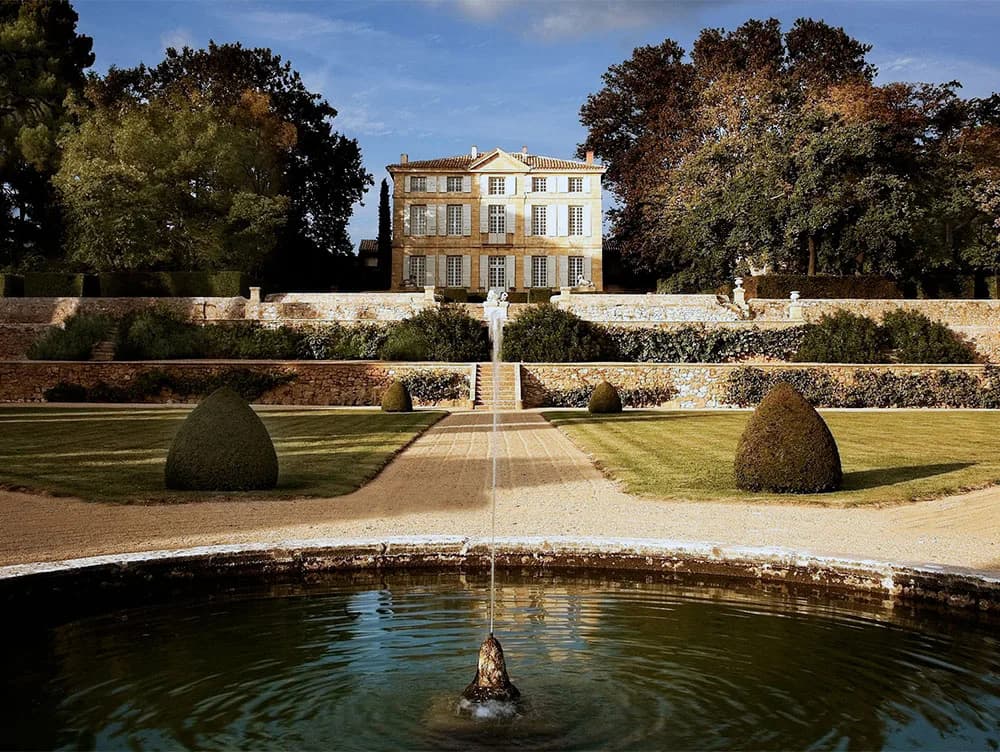
Aix-en-Provence is the natural base for the appellation that carries its name, but the two are not the same thing. The Coteaux d'Aix-en-Provence AOP covers a broad sweep of western Provence, and the vineyards begin on the city's doorstep and run west toward the Étang de Berre and the Rhône. Treating it as a single walkable wine village is the most common planning mistake.
This guide sets out what the appellation covers, which grapes shape its rosés, reds and whites, and which village clusters make sense in one day. It also explains how Provence estates handle visits, why most tastings run on appointments, and how to organize transport when the district is spread across a wide, car-dependent landscape.
What Coteaux d'Aix-en-Provence Is
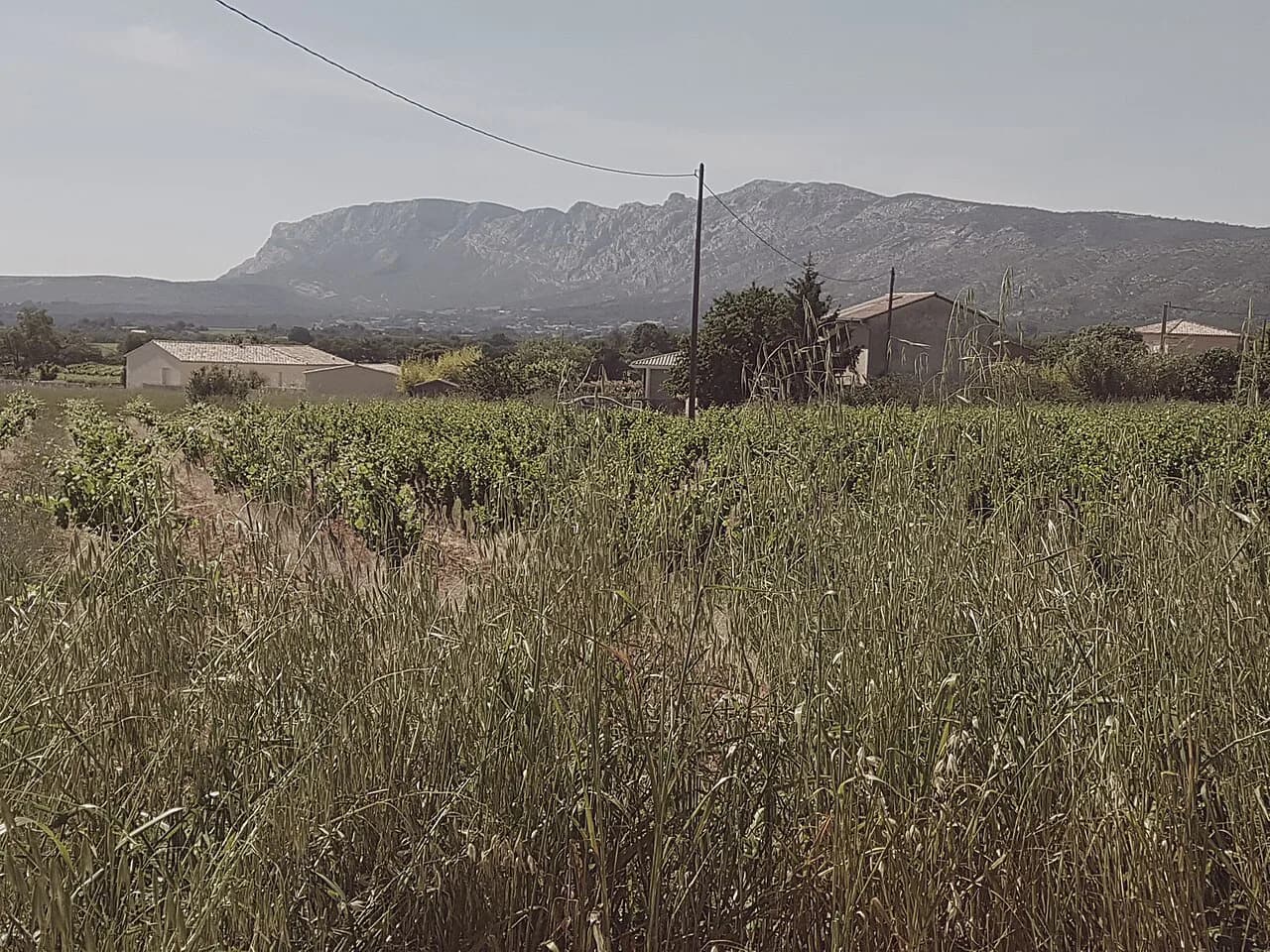
Coteaux d'Aix-en-Provence is the westernmost of the Provence appellations, recognized as an AOP in 1985. Its 4,300 hectares stretch from the Durance River to the Mediterranean and from the Rhône Valley in the west to the Sainte-Victoire mountain in the east, wrapping around the Étang de Berre. A standout statistic for travelers who care about farming: 82 percent of that area is certified organic or HVE (high environmental value).
The scale matters for planning. Aix sits inside the appellation's eastern half, so vineyards appear quickly once you leave the city ring road, but the named district continues well beyond any single village. Rather than chase a center, think in clusters: the country around Éguilles and the Trévaresse ridges, the arc toward the Étang de Berre, and the western sectors toward the Alpilles and the Durance.
The Mediterranean climate here is shaped by the Mistral, the cold, dry north wind that gives the appellation roughly 2,900 hours of sunshine a year and keeps grapes dry. Rainfall is modest at 550 to 680 millimeters, mostly in spring and autumn. In practical terms, that means windy, sunlit vineyard days even in shoulder season, so a light layer and a hat earn their place in your bag.
Soils vary from stony clay and limestone to sandy, gravelly molasse and the terraces of the Arc and Durance rivers. If you group your day by geology you will overcomplicate it; group by drive time instead and let the wineries explain their own sites. For a wider map of the region's estates, the
Soils vary from stony clay and limestone to sandy, gravelly molasse and the terraces of the Arc and Durance rivers. Group your day by drive time rather than geology, and let each estate explain its own site. For a wider map of estates across the region, the Coteaux d'Aix-en-Provence appellation sits alongside many other Provençal addresses worth comparing.
Rosé, Red and White: What to Expect
Unlike appellations that specialize, Coteaux d'Aix-en-Provence covers all three colors, and the split shapes what you will be poured. Rosé is the region's calling card, typically pale and fresh, built on Grenache with Syrah and Cinsault, and often made by direct pressing or a short maceration. Expect dry, citrus-and-red-fruit styles rather than sweet pink wines.
Reds range from structured, age-worthy blends to deliberately easy-drinking, unoaked wines. The appellation's own notes describe robust styles alongside a clear trend toward fruity, early-drinking reds, some made with cold soaking and short vatting. If you prefer lighter reds, say so when you book; if you want tannic, Mourvèdre-driven wines, aim for estates that bottle for ageing.
Whites are the least known of the three and often the most surprising on a visit. They are generally fresh and aromatic, based on Rolle (Vermentino) with support from Clairette, Grenache Blanc and other varieties. Ask specifically for white when you arrange a tasting, since some small estates open a bottle only on request.
Côtes de Provence, the larger appellation to the east and south, dominates the rosé shelf and the tourist circuit. The Aix appellation's edge is variety and proximity to the city: you can compare red and white styles in a single afternoon without long transfers. If rosé is your priority, either appellation delivers; if you want range, stay with Aix. Travelers weighing a base further west can also compare this with wine tasting in Avignon, where Châteauneuf-du-Pape and Tavel offer a different set of styles.
The Grapes Behind the Wines
For reds and rosés, the main varieties are Grenache, Syrah, Cinsault, Counoise and Mourvèdre, with Cabernet Sauvignon, Carignan and Caladoc as supporting players. Grenache supplies body and generous fruit, Cinsault brings delicacy and freshness to rosé, and Mourvèdre adds structure and spice, though it ripens slowly and needs warm, calcareous sites near the sea.
Cabernet Sauvignon is uncommon in Provence but permitted here, and Syrah handles it well in blends built for ageing. Carignan now rare in the region, delivers color and generosity when grown on low-yielding hillsides, while Caladoc, a Grenache and Malbec cross, adapts to drought and is used mainly for balanced, fruity rosé.
For whites, Rolle is the anchor, giving citrus, pear and almond character with good body. Clairette, Grenache Blanc, Sauvignon, Ugni Blanc, Bourboulenc and Sémillon appear in smaller roles, each adding aroma, roundness or freshness. When a winery lists a white blend, the grapes on the back label tell you whether to expect a lean, citrusy wine or a fuller, softer one.
How the Vineyard Landscape Is Laid Out
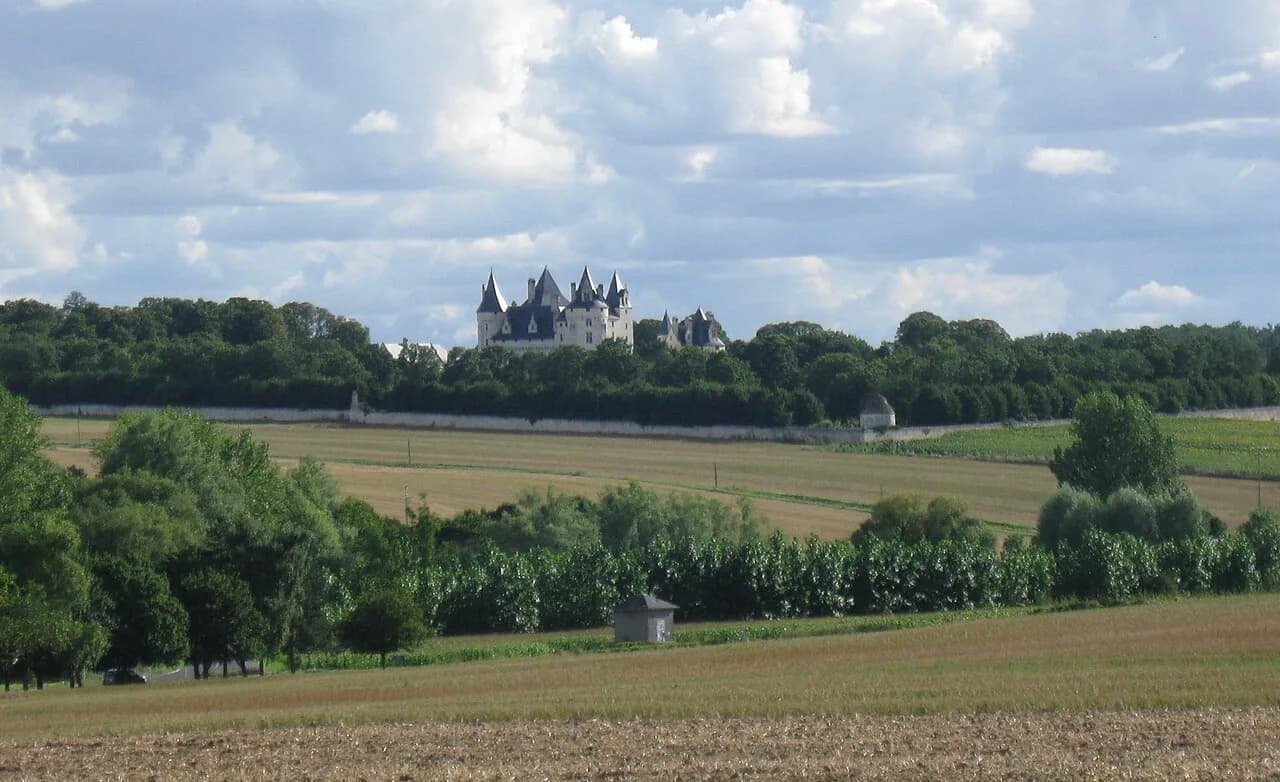
Picture Aix at the eastern edge of a vineyard district that runs west on both sides of the Étang de Berre. The closest tasting country lies just north and west of the city, around Éguilles, Puyricard and the Trévaresse foothills, where you can reach several estates in a short drive. From there the appellation continues through the Nerthe and Fare ranges toward the coast and the Rhône.
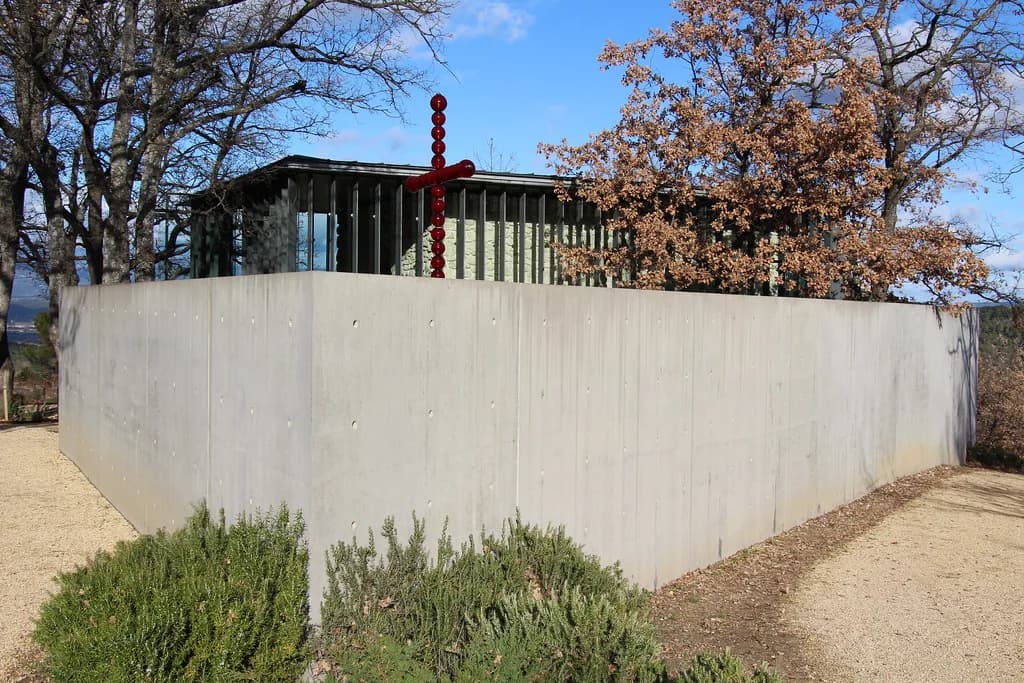
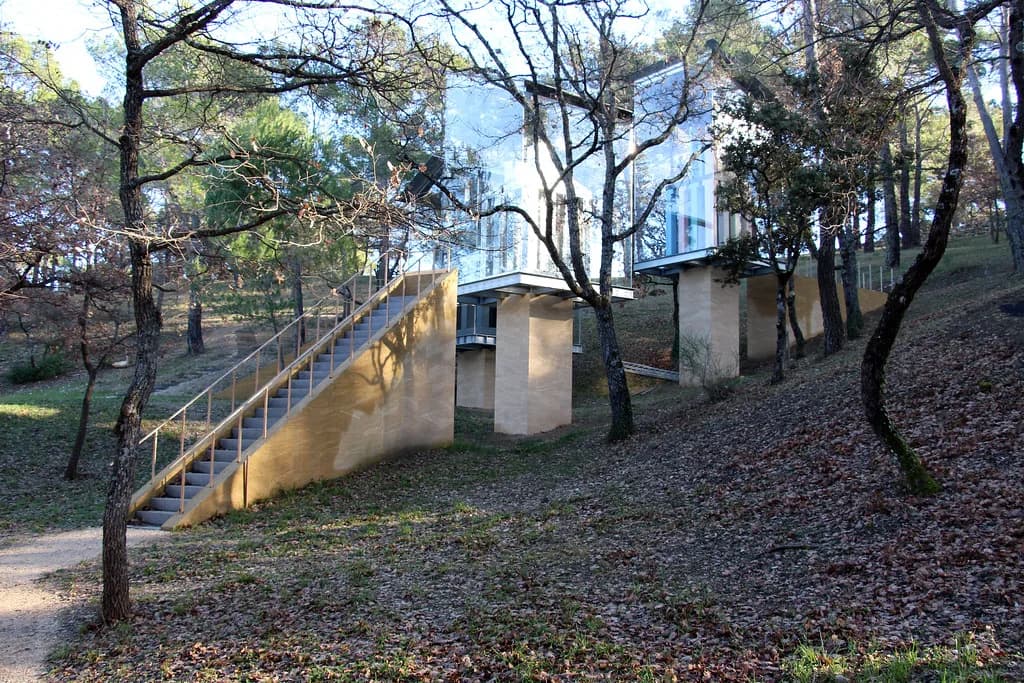
One convenient cluster for a first visit sits at Le Puy-Sainte-Réparade, northeast of Aix and within the appellation's orbit, where Château La Coste combines vineyards with art and architecture. It works well as an anchor for a half-day because you can pair a tasting with a walk on the estate grounds. Build the rest of the day around two or three nearby addresses rather than crisscrossing the region.
South and west, the land rises toward Sainte-Victoire and rolls toward the Durance valley. These sectors are further apart, so plan a loop, not a scatter. A realistic independent day is two estates in the morning and early afternoon plus a lunch stop, with a third only if the drives are short. Driving times between clusters add up faster than the map suggests.
Keep in mind that village names on the map do not equal open cellar doors. Many estates are family farms on side roads with no signage for passing traffic. Choosing your candidates first and plotting a route between them is more reliable than driving to a village and hoping to find wineries.

How Visiting Works: Appointments and Tastings
Provence estates generally receive visitors by appointment, even when they have a tasting room. Smaller properties are often run by people who are also in the vineyards or the cellar, so a call or email a few days ahead, and earlier in high season, is the norm rather than a formality. Large estates with shops and regular tour slots are the exception, not the rule.
When you write to a winery, ask five things: how many wines are poured, whether a cellar tour is included, whether there is a fee that is credited against a purchase, whether the visit is in English, and how long it lasts. A tasting might be four wines at a counter or a full walk-through with barrel samples; the difference matters when booking several in one day. Published details for Coteaux d'Aix-en-Provence estates vary and change, so confirm times and fees directly when you reserve.
Maison Saint Aix, one of the appellation's best-known names, farms a domaine in this district with high-elevation vineyards and produces a Grenache, Syrah and Cinsault rosé. If it is on your list, use its own site or email to ask about visits and group size. As with any winery, the answer you get directly is the one that counts.
Group size shapes what is possible. Parties of six or more often need special arrangements, and some estates charge a flat fee for opening the cellar. If you are a couple or a small group, ask whether you can join a scheduled tasting; it is often cheaper and more sociable than a private slot.
Getting There Without Driving
No rail line runs through the vineyard district, and scattered estates sit on country roads without bus stops. That leaves three practical options: taxis from Aix, a private driver booked for the day, or a guided wine tour. Public buses can take you to towns on the edge of the appellation, but reaching the wineries themselves from those stops usually requires a taxi anyway.
Booked tours are the path of least resistance, especially for solo travelers and couples. Operators handle the routing, the appointments and the driving, and their guides typically know which estates suit which tastes, which is valuable when you cannot sample everything yourself. The trade-off is fixed itineraries and less time lingering at a place you like.
A private driver arranged by the hour or by the day gives you maximum flexibility and lets you build the schedule around a single estate you care about. For shared groups, that means splitting the cost, so six people can often travel this way for a sensible per-person outlay, while two people may find a set tour better value. Taxis are simplest for a half-day or a single winery but expensive to hold for a full loop; ask for a fixed quote covering waiting time, not a meter estimate.
If you plan to taste seriously, do not drive. Spittoons are standard in tasting rooms, and no one will mind if you use them, but the safest plan is a booked driver, a guided tour or a designated driver who abstains. Cycling between estates is possible for confident riders on quiet roads, though heat and wind make it a real workout in summer.
Independent Visit vs Guided Tour
Going independently is best when you have a short list of specific estates, speak enough French or have confirmed English visits, and are comfortable with a set of confirmed appointments. You control the pace and can skip a third tasting for a longer lunch. The cost of a car and driver, however, is fixed regardless of how much you taste, and no-shows are not usually forgiven.
A guided tour wins when you want breadth with less planning, and when your group crosses language or logistical gaps. Tours usually pair tasting with commentary on the appellation, and many include a stop beyond wineries, such as a village or a market. The downside is group pace: you may spend 45 minutes where you would happily spend two hours.
The estate-level detail you can arrange yourself is often the best part: a cellar walkthrough, a question about a specific parcel, a bottle you cannot buy at home. Tours that promise such access should describe it in writing before you pay. If they do not, treat the visit as an overview and choose one estate afterward for a deeper return.
Pairing the Wine Day with Aix Itself
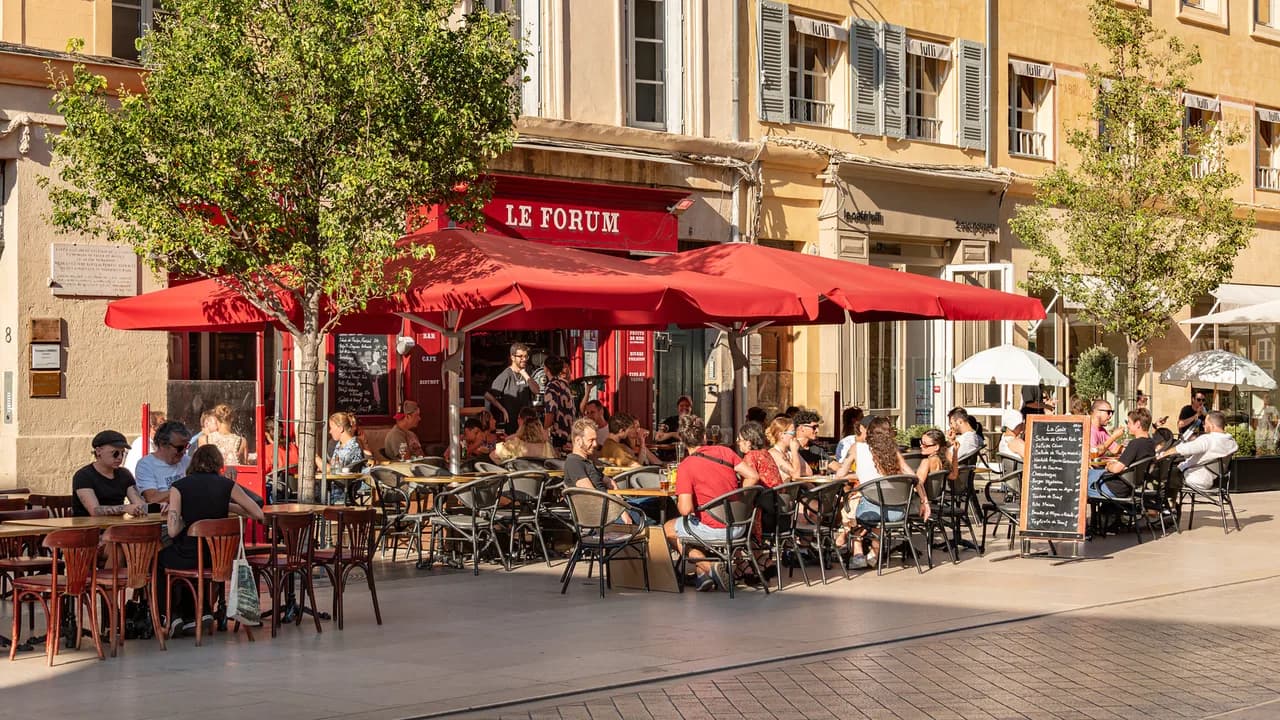
Aix-en-Provence rewards a slow morning before any vineyard. The old town's daily food market on Place Richelme and the surrounding squares supply cheese, olives and produce that pair naturally with the appellation's rosé and whites. Cézanne's studio and the Sainte-Victoire viewpoints sit on the edge of the very landscape the appellation crosses, so a short walk or drive connects art and vines without a detour.
Local wine lists in town are a useful test before you commit to a vineyard day. Ask for wines from Coteaux d'Aix-en-Provence by name; a restaurant that pours them is a fair signal of local sourcing, and one conversation there can refine your list of estates. The appellation's wine tourism directory is also worth scanning before you pick up the phone.
If you have only a single day, split it: market and town in the morning, one or two estates in the afternoon, and dinner back in Aix. If you have two, put the farther western clusters on a day with a driver and keep the nearer Trévaresse and Puy-Sainte-Réparade estates for a short taxi trip. That structure keeps driving time under control and leaves room for unplanned stops.
Booking Checklist and Harvest Timing
Before you send emails, settle four variables: date, party size, language and budget per person. State whether you want a cellar tour, whether you plan to buy wine, and whether anyone in the group will not drink. Then list three estates per day and rank them, since a single cancellation should not collapse your plan.
Harvest timing matters for both atmosphere and access. In this warm, windy appellation, picking typically falls in late summer and early autumn, and estates may close tasting rooms or shift visits during the busiest cellar weeks. Do not assume a visit during harvest; ask in advance whether tours run and whether you will see the winery working or a quiet tasting room.
Confirm the final appointment, meeting point and any fee once, close to your visit date, and carry a phone number for the estate. Wineries around Aix are scattered across rural roads, and a missed turn plus a lost reservation makes for a long afternoon. A printed list of addresses saves trouble where mobile coverage thins.
Plan Your Coteaux d'Aix-en-Provence Wine Day
Build your day around two or three estates in one cluster, stay in Aix for the evening, and let someone else drive. Whether that is a tour or a private car depends on your group size and how specific your list is; both solve the appellation's central problem, which is distance between good addresses.
The Coteaux d'Aix-en-Provence appellation covers 4,300 hectares and three colors. If you focused only on rosé before reading this, add a white and a red to your tasting request. That is where the appellation's range becomes clear, and it is what makes a day from Aix worthwhile even when the Mistral is blowing.
Plan Your Visit
Start with the appellation map and a short list of estates, then confirm appointments before you book transport. Keep your tasting day to one geographic cluster and schedule the market or a Cézanne site for the morning of departure or return. That rhythm leaves you with a wine day that feels unhurried even though the district is wide.
Frequently Asked Questions
What kind of wine is Coteaux d'Aix-en-Provence?
It is a Provence appellation recognized in 1985 that produces rosé, red and white wines. Rosé is the best-known style, typically pale and dry, based on Grenache with Syrah and Cinsault; reds range from fruity, easy-drinking wines to structured blends; whites are fresh and aromatic, built mainly on Rolle.
Is Coteaux d'Aix-en-Provence mostly rosé?
Rosé is the region's calling card and what most visitors expect, but the appellation also covers red and white wines. Reds range from light and unoaked to robust and age-worthy, while whites from Rolle and Clairette are less common on export shelves and worth asking for at the estate.
How do you pronounce Coteaux d'Aix-en-Provence?
Approximately koh-TOH dakes on pro-VAHNS, with the final x in Aix silent. In practice, saying Coteaux d'Aix slowly and clearly will be understood by anyone in the region, and most winery staff switch to English once they hear the accent.
Can you visit wineries in Coteaux d'Aix-en-Provence without a car?
It is possible but not simple. No rail line serves the vineyards, buses reach towns on the edge of the appellation, and estates sit on country roads, so most visitors use a taxi from Aix, a private driver booked for the day, or a guided tour. Ask about pick-up and drop-off when arranging the trip.
Do you need an appointment to taste at Provence wineries?
At most estates, yes. Smaller properties are often run by people working in the cellar or vineyards, so a call or email a few days ahead is the norm, and earlier in high season. A few larger estates keep regular visitor hours, but those details change, so ask directly when you reserve.
When is harvest in Coteaux d'Aix-en-Provence?
Picking generally falls in late summer to early autumn in this warm, windy district, but exact dates shift with the year. Some estates pause tastings or change their opening arrangements during harvest, so ask when you book whether visits run and what you will see. Never assume a harvest visit from the calendar alone.
Sources
Notes for your next wine trip
Optional updates to our winery and wine-town guides.
You might also like
Continue reading
More guides you'll find useful