Provence Wineries Guide: Tasting Tips from Aix-en-Provence
Plan Provence winery visits from Aix-en-Provence: which wine zones to group, how appointments work, and how to reach Bandol, Cassis and the Var without driving.
On this page
Aix-en-Provence is the most practical base for a Provence wine trip because four distinct wine zones sit within roughly an hour's drive, and a fifth makes a long but rewarding day out. That matters because Provence is not one wine district but a patchwork of appellations, each with its own grapes, its own visitor culture and its own style in the glass. Treat the region as a set of zones to group by geography rather than a checklist of famous names, and you will spend more time at cellar doors and less in traffic.
Why Aix-en-Provence Works as a Tasting Base
From Aix, the closest vines are practically in the suburbs: the Coteaux d'Aix-en-Provence appellation wraps around the city and runs east toward the Montagne Sainte-Victoire. Bandol and Cassis lie south and southeast toward the coast, and both are realistic in a single day if you start early. The Côtes de Provence estates of the Var hinterland, around Lorgues, Flayosc and Cannet-des-Maures, sit further east and work better as a full day or an overnight.
Grouping your visits by zone rather than by reputation is the single decision that most improves a Provence wine day. Two estates in the same appellation usually mean ten or fifteen minutes between gates; two estates in different zones can mean an hour of country roads each way. Ask an estate for its address before you agree to a time, because some domaines are signposted only from a small village lane.
There is no single visitor pass or coordinated booking system covering Provence's estates. Some châteaux run their own hospitality desks with regular tours, while family domaines answer email between vineyard work and harvest. The Aix tourist office and local wine tour operators can fill gaps, but booking each estate yourself is how you control the schedule and know exactly what a visit includes.
Provence Wine in Brief: Appellations and Grapes
Provence is famous for pale, dry rosé, and most of that comes from the sprawling Côtes de Provence appellation, supplemented by smaller zones such as Coteaux d'Aix-en-Provence, Coteaux Varois and Palette. Rosé here is typically a blend, most often Grenache and Cinsault with Syrah adding color and structure; the result is fresh and food-friendly rather than sweet. The same grapes also make whites and reds, which are worth tasting if you want to see a producer's full range.
Bandol is the exception that proves the rule: its reds and rosés are built on Mourvèdre, a late-ripening grape that gives color, tannin and the capacity to age. Coastal Cassis is known for white wines based on Marsanne and Clairette, which pair with the seafood served along the port. Bellet, in the hills above Nice, works with local varieties including Rolle for whites and Braquet and Fuella Nera for rosés and reds, as a regional overview notes.
This split should shape where you go. If you want the classic aperitif rosé experience, the Côtes de Provence châteaux east of Aix deliver it with the easiest logistics. If you want structured, gastronomic wines, head for Bandol, where a tasting is more like a lesson in terroir than a terrace refreshment.
Zone 1 — Aix and Sainte-Victoire
The nearest zone is the one most visitors skip. The Coteaux d'Aix-en-Provence vineyards spread across the hills north and east of the city, and the Sainte-Victoire area gives you a morning of tastings with the mountain as a backdrop. Because the drive from central Aix is short, you can comfortably fit two estates before lunch and still be back in town for the market.
A half-day here should be paced like this: one visit at opening time, then a second after a short drive, with lunch reserved rather than improvised because country restaurants close their kitchens between services. Aim for a morning start on weekdays when cellar staff have more room to talk you through the wines. Bring a cool bag in summer and keep purchases out of the sun.
Zone 2 — Bandol: Mourvèdre Country
Bandol lies south of Aix toward Toulon, and its amphitheater of vineyards above the Mediterranean is one of the most rewarding places in Provence to taste red wine. Domaine Tempier and Domaine de Terrebrune both receive visitors and both produce rosés and reds with the density that Mourvèdre brings. A visit here is slower and more technical than a château stop, usually with a walk through the cellars and a discussion of soils and ageing.
This zone rewards booking ahead more than any other. Family-run domaines work with small groups and limited staff, so an appointment is the norm rather than a courtesy. Say plainly how many people are in your party, whether any of you plan to buy wine, and whether you want a cellar walk-through or just the tasting, so the estate can shape the visit.
Zone 3 — Cassis: Cliffside Whites
Cassis is the coast's small appellation, its vines growing on terraces beneath limestone cliffs above the Mediterranean. Clos Sainte Magdeleine is one of the region's best-known estates and is described as a 15-minute walk from the Cassis port, which makes it one of the few Provence wineries you can reach on foot from a town center. Book your visit in advance even though the walk is easy; foot traffic does not guarantee a space at the tasting counter.
Cassis whites, built mainly on Marsanne and Clairette, are a natural match for the harbor's fish restaurants, so build lunch around them rather than after them. The walk-in versus booked decision here is a genuine trade-off: a former visitor account recommends reserving, while a town nearby gives you alternatives if your first choice is full. Combine a Cassis cellar visit with a stop in Bandol and you get two appellations and two very different styles in one coastal loop.
Zone 4 — Côtes de Provence and the Var Hinterland
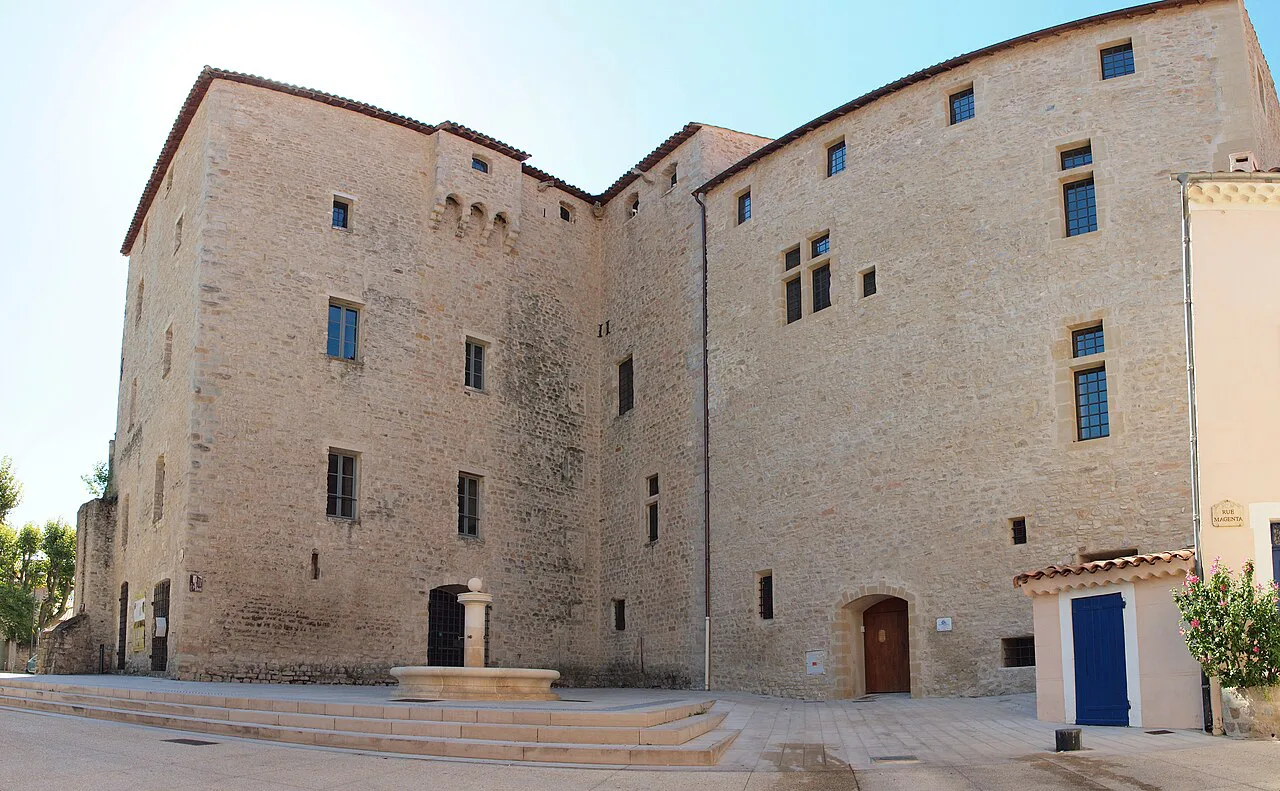
East of Aix, the Var interior holds large estates that combine wine with hotels, restaurants and gardens, making them some of the most visitor-ready wineries in Provence. Château de Berne, between Lorgues and Flayosc, sits on a large estate with a hotel, two restaurants and cellar visits, and it is certified organic since February 2021 according to the estate's own published description. Visitors can stroll through the 143 hectares of vineyards, and tasting follows a guided or self-guided tour of the cellars and wineries.
Château des Bertrands in Cannet-des-Maures produces Côtes de Provence from an estate of about 200 hectares and is described as being 33 km from Saint-Tropez and the sea. Château Saint-Roux, nearby, made organic its main commitment, with a restaurant and guest rooms on site. Ultimate Provence, closer to the Riviera at La Garde-Freinet, spreads its vineyard across 46 hectares entirely in AOP Côtes de Provence and in organic conversion, with a restaurant and hotel attached.
These estates make a good full day from Aix if you accept a long drive and start early. The bonus is structure: when a château has a restaurant, you can spend the whole day on the property and skip the drive between lunch and your second tasting. The trade-off is that the largest estates feel more like hospitality businesses than working family domaines, so if you want intimacy, book a small domaine in the morning and a château in the afternoon.
Zone 5 — Bellet and the Riviera
Bellet is a small appellation in the hills above Nice, close enough to the city that the vineyards feel like a well-kept neighbor. Its estates work with local grapes such as Rolle, Braquet and Fuella Nera, and they make whites, rosés and reds that rarely leave the region. A visit here is a fine way to end a trip that began in Provence, but the drive from Aix is long, so use a train to Nice and approach from there rather than driving back and forth.
The Riviera is also home to more glamorous names. Château Minuty, in Gassin near Saint-Tropez, receives visitors and runs a tasting room and walking visits through the vineyards, according to a first-hand account. A reported purchase of the estate by a luxury group appeared in that same travel blog, so treat the ownership detail as a rumor to check rather than a fact, and focus your planning on the visit itself.
Appointment Culture: What to Write in Your Booking Email
Provence covers the whole spectrum, from châteaux that run scheduled tours for walk-in guests to family domaines that open only by arrangement. Before you commit, ask three questions in one email: whether the visit is by appointment, how many wines the tasting includes and whether there is a cellar tour, and in which languages a guide can lead it. Those three answers usually reveal whether the visit suits what you want from the day.
State your party size, your dates and whether you are buying for a cellar or just tasting. Mentioning that you would like to taste both the red and the white signals seriousness and often loosens up the visit. If you are traveling with children, say so: some estates welcome them in the gardens and others do not, and this is one of the few things worth confirming directly.
What a Tasting Usually Includes
Expect a short tour and a tasting of three to five wines at most estates, with the exact lineup and any pairing decided by the property. Cellar visits range from a quick walk through the tanks to a formal explanation of vinification, and a few estates include cheese, olive oil or charcuterie boards sourced locally, as at Château Saint-Roux. Allow about an hour for a standard visit, and closer to two if you add a restaurant meal.
Skip the assumption that a food pairing is included in the basic tasting. At large estates with restaurants, the pairing may be a separate booking; at small domaines, it may not exist at all. If a pairing matters to you, ask about it before you choose the estate rather than afterward.
Published Prices and Openings: What to Confirm
Tasting fees, opening days and seasonal closures are not set out in a single, reliable list for the estates here. Prices vary by visit type and by season, and an estate that opens daily in summer may keep weekend hours only in winter. Ask for the current fee, the duration and the cancellation terms when you book, and confirm a day or two before you go.
Online booking systems sometimes show only the headline tour. If the fee, the number of wines or the meeting point is missing from the website, send a short email with your dates and ask for confirmation in writing. That way the answer is attached to your booking rather than to a page.
Getting There Without Driving
Aix has a train station with regional links, and bus networks connect to surrounding towns, but a bus to Lorgues or Cannet-des-Maures is a slow, infrequent journey that can eat your day. A train to Cassis or Toulon puts you close to the coast and the Bandol vineyards, and local taxis fill the last few miles. Hiring a local driver for a day lets you taste and see several estates without anyone behind the wheel after a glass of rosé.
Bikes are a pleasure in the Coteaux d'Aix-en-Provence and along the flatter roads, provided you keep within your comfort zone on the hills. For the Var hinterland and the Bellet hills, a car or a guided tour is the realistic option. Whichever you choose, the driver should not taste; use the spittoons, book a designated driver, or let public transport and a tour handle the logistics.
Independent Day Versus Guided Tour
Going independently gives you flexibility on timing, the freedom to buy as much wine as fits your luggage, and often a more personal conversation at a small domaine. The cost, of course, is that you cannot both drive and taste, and someone must stay with the car. Choose independence if your goal is one or two estates in a single zone and you don't mind organizing transport.
A guided tour costs more and locks you into a group schedule, but it solves the driving problem, often includes a knowledgeable guide and can secure access to estates that rarely open. Choose a tour if your priority is Bandol or a chain of Var châteaux, where the distances and the formal visits make organization the hard part. A hybrid works too: book a private driver and let the estates do the talking.
Harvest and Season Timing
Late summer and early autumn are the busiest and most interesting time to be in Provence, because the harvest brings activity to the cellars and the vineyard roads. September and October are also the best months for walking and cycling among the vines, when the heat breaks. The catch is that during harvest, smaller estates may find it hard to schedule visits at all.
Spring, from May to June, offers fewer crowds, cooler weather and fresh vintages at the tasting counter. Winter visits are possible at the largest estates, but many family domaines slow down and some close altogether, so the beginning of the year is a time to plan rather than to show up. Whichever season you choose, ask about harvest dates before you pick your dates, since they move from year to year.
A Two-Day Plan from Aix
Day one: stay close to Aix with a morning tasting in the Coteaux d'Aix-en-Provence, lunch in a village near the Montagne Sainte-Victoire, and a second estate in the afternoon. That keeps driving to twenty or thirty minutes and leaves room for the city's markets and restaurants. Day two: head south to Cassis for a cliffside white, then inland to Bandol for a structured rosé or red, ending near the coast before returning to Aix. If you would rather base the coastal half of the trip in a bigger city, compare this route with wine tasting in Marseille.
If you have a third day, use it for the Var hinterland and its châteaux, or take the train to Nice for a Bellet visit. Book the furthest point of each day first and work back toward Aix, because the long drive is easier in the morning. Keep the evening free of any plans that require driving.
Book the Zone, Not the Logo
The most common mistake in planning Provence wineries is choosing estates by label and then spending the day in the car. Pick a zone first, book one or two estates within it, and let the rest of the day fill itself with lunch and a walk through the vines. Aix is the right base because it lets you take that approach four times over.
Move quickly on appointments for Bandol and the Var, allow a little flexibility for small domaines that answer email between rows of vines, and always arrange your return trip before you taste. In Provence, the wines are best enjoyed with a plan that keeps the driving separated from the glass.
Frequently Asked Questions
Which Provence wineries can I visit from Aix-en-Provence without a car?
Cassis is the easiest, because Clos Sainte Magdeleine is about a 15-minute walk from the port and the town is reachable by train. Bandol is accessible by train plus a taxi for the last stretch. The Var hinterland estates, including Château de Berne and Château des Bertrands, really need a car, a driver or a tour.
Do I need to book Provence winery tastings in advance?
For Bandol and the smaller family domaines, yes. Large Var châteaux often run scheduled tours, but small estates have limited staff and space. Ask about appointment policy, the number of wines poured and whether a cellar tour is included, and confirm the details before you travel.
What is the difference between Bandol and Côtes de Provence rosé?
Côtes de Provence rosé is typically a fresh, pale blend of Grenache, Cinsault and Syrah intended for drinking young. Bandol rosé is built mostly on Mourvèdre, which gives more color, structure and the ability to age. Taste both and the difference is clear in the glass.
When is the best time to visit Provence wineries?
Spring and early autumn offer mild weather and fewer crowds, and this is when vineyards are at their most pleasant to explore. Harvest brings activity to the cellars but can make appointments harder to secure. Ask about harvest dates when you book, because they shift from year to year.
How long does a typical Provence wine tasting take?
Plan on about an hour for a cellar tour and a tasting of three to five wines. Add another hour or two if you eat at the estate's restaurant. Ask about the duration and any food pairing when you book, since these change by property and by season.
Can I visit Provence wineries without drinking and driving?
Yes. Take a train to Cassis or Bandol and use a local taxi, or book a driver or a guided tour for the Var estates. If you are driving, use the spittoons and appoint a designated driver who stays alcohol-free.
Which grapes are grown in Provence?
Grenache, Cinsault and Syrah dominate rosé production across the Côtes de Provence. Mourvèdre is the key grape in Bandol, Marsanne and Clairette make Cassis whites, and Bellet works with Rolle, Braquet and Fuella Nera.
How far are the main wine zones from Aix-en-Provence?
The Coteaux d'Aix-en-Provence vineyards start at the city's edge, and Bandol and Cassis are within about an hour's drive. The Var hinterland estates around Lorgues and Cannet-des-Maures make a longer day out. Check current travel times, as coastal traffic can stretch them.
Sources
Notes for your next wine trip
Optional updates to our winery and wine-town guides.
You might also like
Continue reading
More guides you'll find useful