Provence Wine Tours: Best Day Trips from Aix-en-Provence
Compare Provence wine tours by departure town, group size and price, see what a day covers, and decide between a guided tour and going independently.
On this page
A Provence wine tour is less a single product than a family of day trips shaped by the town you leave from. A van out of Aix-en-Provence can reach the Sainte-Victoire vineyards quickly, while a tour leaving Nice faces a longer westward run before the first cellar door. Deciding your base town first narrows the tour-company list faster than comparing itineraries one by one.
The second decision is format: a shared small-group day, a private car with a flexible route, or no tour at all, using regional trains, buses and estate appointments. Each has a real trade-off in cost, flexibility and how much wine country you actually see. The sections below put published prices and departure points side by side, then map the appellations onto the routes.
Quick Answer: Who Should Book a Tour, and Who Should Go It Alone
Book a tour if you want to taste properly across three estates in one day without worrying about the drive home, and if your base town sits more than a short taxi ride from the vineyards. A guided day also solves the appointment problem: many Provençal estates receive visitors only by prior arrangement, and an operator handles that booking for you. The cost is real, but it buys distance covered and a driver who is not spitting every glass.
Go independently if you are staying in or near Aix-en-Provence, have a car-free plan built around a train or bus line, and are content with one or two estates plus a long lunch. Independent days suit travelers who want to linger, buy bottles and walk a village, and who dislike the fixed rhythm of a group schedule. The trade-off is logistics: you will be arranging appointments and reading timetables yourself.
The Shape of Provence Wine Country
Provence spreads its vineyards along the Mediterranean coast between Nice and the Rhône delta, a band of roughly 200 kilometers running through the Var, Bouches-du-Rhône and part of the Vaucluse. Vinotrip describes the trail this way, with the Alps defining the northern and eastern edges. For a day trip, that geography matters: no single tour covers the whole region, so you pick an eastern or western slice.
The appellations you will hear most are Côtes de Provence, the sprawling coastal appellation known for rosé and structured reds, and the smaller Coteaux d'Aix-en-Provence around the city of Aix. Within Côtes de Provence there are sub-zones such as Sainte-Victoire, and further south the limestone coast gives Bandol its Mourvèdre-based reds and Cassis its white wines. Coteaux Varois en Provence covers the inland Var hills, and Baux-de-Provence sits in the Alpilles.
Tour companies organize their days around these names. Provence Wine Tours says it works across Coteaux d'Aix-en-Provence, Côtes de Provence Sainte Victoire, Côtes de Provence, Coteaux Varois en Provence and Baux de Provence, which tells you an Aix-based day is likely to stay in the eastern and central vineyards rather than run to Bandol. If a specific appellation is the reason for your trip, request it when you book.
Choosing Your Departure Town: Aix, Marseille, Avignon, Toulon, Nice or Cannes
Aix-en-Provence is the natural hub for a first wine day. Provence Wine Tours runs small-group tours from Aix starting at 89 euros per person, the lowest published entry point among the operators here, and the city sits close to the Sainte-Victoire and Coteaux d'Aix vineyards. If you want the shortest transfer and the widest choice of half-day and full-day formats, base yourself here. Marseille departures cost a little more for the same style of day: the same operator lists small-group tours from Marseille starting at 105 euros per person, reflecting the extra distance to the vineyards. Avignon and Toulon also appear as pickup points on its booking form, which makes Avignon a sensible base if you are combining wine with the Rhône Valley or the Luberon. Cruise passengers get dedicated shore excursions starting at 135 euros per person, timed around port calls.
On the eastern side, Nice and Cannes are the departure points for Riviera-based days. Azur Wine Tours runs a full-day shared Côtes de Provence tour from Nice and the same format from Cannes, each priced at 165 euros per person with a maximum of eight people. That is a longer day in the van than an Aix departure, but it saves a hotel move if the coast is your base.
What a Typical Tour Day Looks Like
Most full-day Provençal tours follow a similar arc: two or three estate visits, a cellar walk-through, guided tastings of white, rosé and red, and a stop for lunch in a village or hill town. Azur Wine Tours describes its shared days as visiting three different types of winery with tastings tailored to the group's tastes, and its guest reviews repeatedly mention three vineyards plus a lunch stop. Expect to spend more time driving than you would in a dense region like Burgundy.
Provence Wine Tours frames its days around small, family-owned or more emblematic wineries, with the guide explaining grape varieties, terroirs and the winemaking process while you walk the cellars. Some estates farm organically or sustainably, and the company says it favors organic and sustainable wines in its selection. That is a useful filter if biodiversity and farming practice matter more to you than trophy château labels.
What is not standardized is the exact estate list. Operators rotate properties by season, day of week and group size, and neither published page names the specific wineries on each route. Ask at booking which appellation and roughly which villages the day covers, and whether a cellar tour is included or tasting only, so the day matches what you pictured.
Group vs Private Tours: Cost, Flexibility and How Far Your Money Goes
Shared small-group tours are the value option, and the group cap is what keeps them pleasant. Azur Wine Tours caps its shared Côtes de Provence days at eight people at 165 euros per person, while Provence Wine Tours starts at 89 euros from Aix and 105 euros from Marseille for its small-group format. Both are per-person rates for a full day with a driver-guide, which is the fair way to compare them. Private tours cost more per person but buy flexibility: your own pace, your own mix of estates and the freedom to add a village stop. Azur Wine Tours prices private days from 170 euros per person for the Côtes de Provence and French Riviera routes, with a heritage and fine-wine day from 300 euros for travelers chasing the region's most prestigious addresses. Provence Wine Tours quotes private tours on request rather than publishing a rate, so you will need a quote based on group size and route.
Run the arithmetic before you commit. Because the per-person gap between Azur Wine Tours' private and shared days is small, a private day only pays off if your party is small and you value the customization; for a couple, the difference is minor, while a group of six to eight often finds the shared van perfectly comfortable. Larger parties should ask both operators for a private quote, since per-person private pricing typically falls as the group grows.
Published Prices and What They Include
Published rates cluster in a recognizable band. Provence Wine Tours lists small-group days from 89 euros from Aix, 105 euros from Marseille and shore excursions from 135 euros, while Azur Wine Tours lists shared Côtes de Provence days at 165 euros from Nice or Cannes and private tours from 170 euros. Treat these as starting figures rather than final bills.
Multi-day packages are a different product and should not be read as day-tour prices. Vinotrip sells stays rather than single days: a winery-visits day with three estate visits, tastings and lunch is listed from 95 euros per person, but its Aix-en-Provence gastronomic break runs three days and two nights from 700 euros per person, and a Bandol weekend from 270 euros. Those figures bundle accommodation and meals, so compare them with a hotel plus tour booked separately.
Whether tasting fees and lunch are inside the headline price varies by operator and route. Ask directly when you reserve whether estate tasting fees are covered, whether lunch is included or merely a stop where you pay your own way, and what happens to the price if the group is smaller than expected. Getting those three answers in writing avoids surprises on the day.
e-Bike and Specialty Tours for Something Other Than a Minibus
Not every wine day has to happen behind a windshield. Azur Wine Tours runs a private e-bike tour through the vineyards from 210 euros per person, an active option that trades van comfort for pedaling between estates and views over the vines. It suits confident cyclists and mild-weather months; ask Azur Wine Tours about distance, terrain and whether a support vehicle follows on the day. Specialty formats also exist for travelers who want depth over breadth. The heritage and fine-wine day from 300 euros per person is built for connoisseurs and concentrates on the region's most prestigious addresses rather than three everyday estates. If your priority is a single serious tasting rather than a broad introduction, tell Azur Wine Tours and ask whether a half-day or bespoke itinerary is possible.
Booking, Pickup and Cancellation Logistics
Reserve ahead in high season, especially for weekend shared departures, which fill first. When you book, confirm the pickup point and time, the maximum group size, whether hotel pickup is included or you meet at a central point, and the cancellation window. The companies here publish contact phone numbers and enquiry forms; Provence Wine Tours, for instance, advertises customer service seven days a week.
Ask two questions that rarely appear on booking pages: what happens if a scheduled estate cancels, and which language the guide will use. Both operators run in multiple languages and can usually match you, but confirming at reservation protects you from a day narrated in a language you do not follow. Also check whether the price is per person or per vehicle for private tours, since the two are not interchangeable.
Going Independently: Trains, Buses, Taxis and Appointments
An independent day is entirely feasible from Aix-en-Provence, which has good rail and bus links into the surrounding vineyard villages, but it demands planning. Estates commonly receive visitors by appointment, so email or phone a day or two ahead, state your party size and language, and ask what a visit covers. Two estates plus a village lunch is a realistic independent day; three is ambitious without a car.
For a car-free independent plan, build the day around one village cluster rather than trying to cover multiple appellations. Keep the train or bus timetable on your phone, book an early tasting and a later one within walking distance of each other, and leave buffer time for the return. Taxis in rural Provence are scarce and expensive, so do not rely on hailing one at a vineyard gate.
If you want to compare the guided versions of these routes before deciding, the local operators are the ones to read. The main trade-off is simple: independence saves money and gives you freedom, while a booked tour saves you the appointment work, the driving and the risk of a wasted afternoon at a closed gate.
Matching the Region to Your Taste
Provence's calling card is rosé, but the region's red and white wines deserve equal attention. Bandol's reds, built mainly on Mourvèdre, are structured and age-worthy, while Cassis turns out white wines from limestone coastal vineyards. If your palate leans toward fresh, pale pink wines, a Côtes de Provence route is the natural fit; if you want tannic reds, push toward Bandol or the Rhône-influenced western edge.
Aix sits closest to Coteaux d'Aix-en-Provence and the Sainte-Victoire sub-zone, so an Aix-based day tends to deliver mountain-backed vineyards and a mix of rosé, red and white rather than a single specialty. For a deeper look at which estates around Aix receive visitors, browse the profiles of Aix en Provence wineries before you book a tour or plan a self-drive loop.
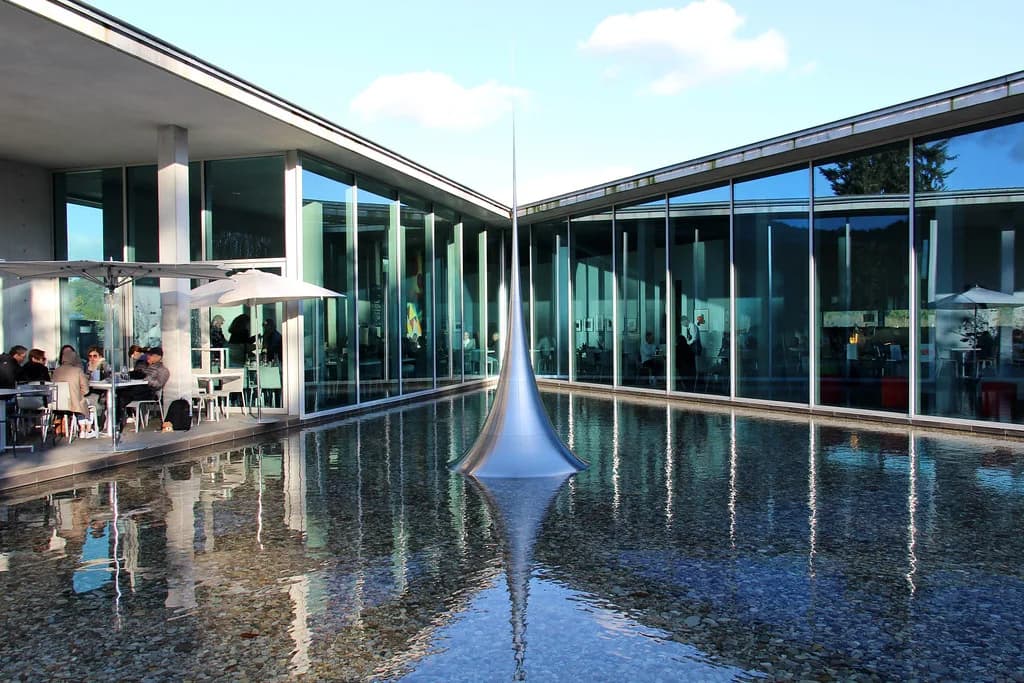
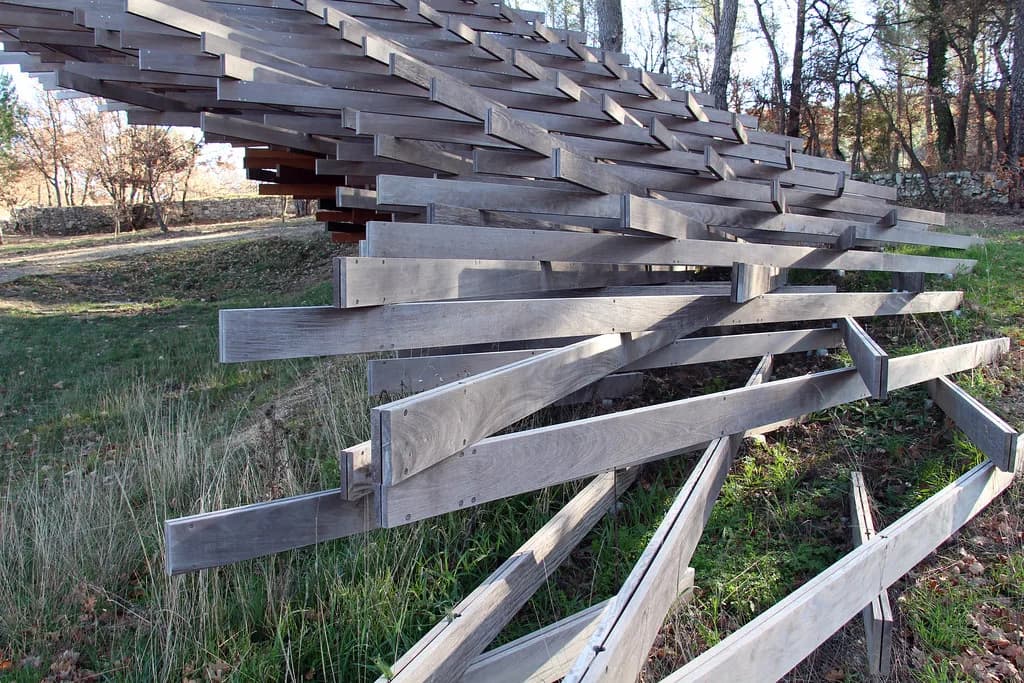
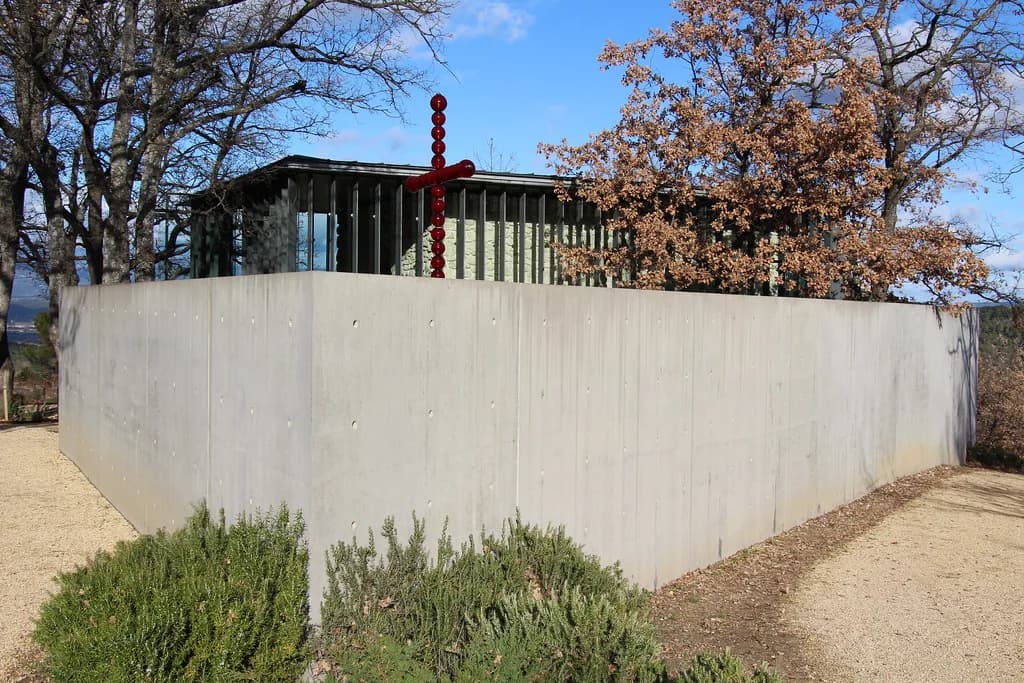
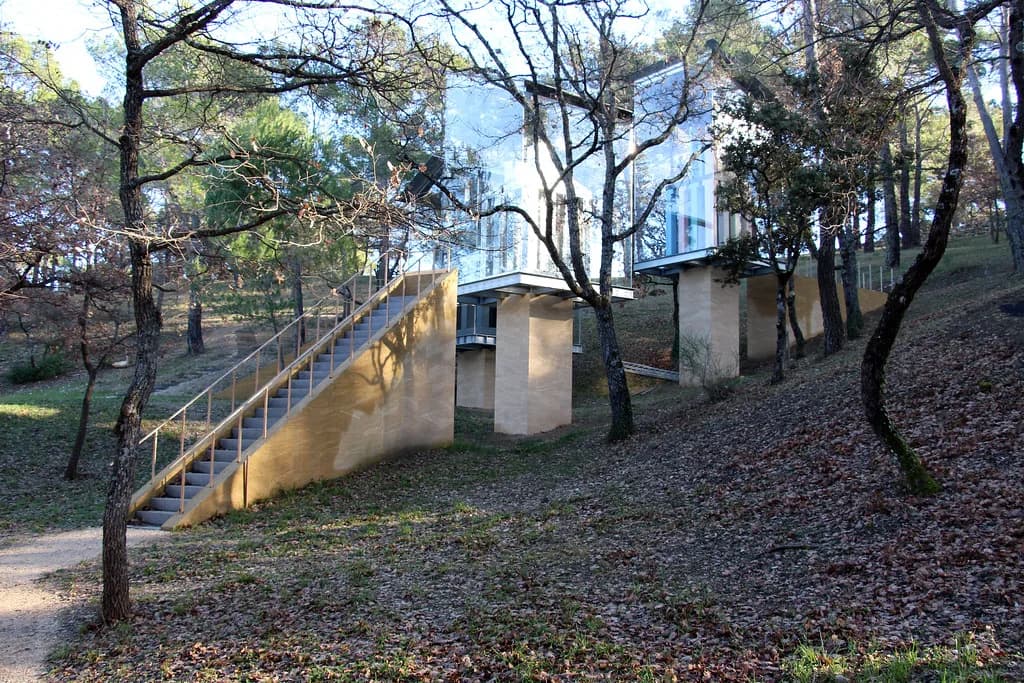
Wine tourists with an interest in architecture and art often add an estate visit that doubles as a design destination. Château La Coste, at Le Puy-Sainte-Réparade north of Aix, combines vineyards with contemporary art and architecture, and makes a natural anchor for a day that mixes wine with culture rather than pure tasting.
Seasonality: Choosing When to Go
Late spring and early autumn offer the best balance of warm days, open estates and manageable crowds. Harvest in Provence typically falls in late August and September, when villages are busier and some estates are focused on the cellar rather than visitors, so confirm whether tours run as usual during that window. Winter is quiet, with fewer departures and some properties closed.
Summer brings lavender, long days and the highest demand for shared tours, so book well ahead and expect midday heat on e-bike routes. Whatever the season, operators rotate estates and adjust routes, which is why the exact winery list is confirmed at booking rather than printed on the brochure.
Where to Stay to Make the Tour Morning Easy
Base yourself in the town your tour departs from; early pickup is far easier from a central hotel than from a rural farmhouse. Aix-en-Provence suits most first-time wine travelers, with Marseille and Avignon as strong alternatives for western Provence and Nice or Cannes for the Riviera. Comparing wine tasting in Marseille alongside an Aix base shows how much the departure town changes the route and price. Staying in a smaller village is charming, but check current pickup times and logistics before booking a departure elsewhere.
Plan Your Visit
Start by fixing your base town, then choose a format: shared small-group for value, private for flexibility, or an independent day built on trains and estate appointments. Published prices give you a realistic budget: shared days start around 89 euros from Aix and sit around 165 euros from Nice or Cannes, with private options from 170 euros and specialty days higher.
Confirm your chosen operator's current rates, inclusions and pickup arrangements when you reserve, since estate rotations and seasonal schedules shift through the year. And if anyone in the group is driving, they should use the spittoon or skip the tasting: a booked tour, public transport or a designated driver keeps the day safe for everyone.
Frequently Asked Questions
Is a Provence wine tour worth it?
For most visitors, yes. A guided day solves the two hardest problems in Provence: long driving distances between estates and the appointment culture at many wineries. You taste at two or three properties with a driver-guide and a fixed return, which is hard to replicate independently without a car. If you are staying in Aix and are content with one or two estates, a self-planned day is a cheaper alternative.
Which town should I start a Provence wine tour from?
Aix-en-Provence is the most convenient hub, with the shortest transfers into the surrounding vineyards and the widest choice of formats. Marseille and Avignon work well for western Provence, while Nice and Cannes serve travelers based on the Riviera. Choose the departure town that matches your hotel; the extra driving time is the main cost of starting further from the vines.
How much does a Provence wine tour cost?
Rates vary by departure town and format, and each operator publishes its own price list on its booking pages. Shared small-group days are generally the cheapest per person, private tours cost more, and specialty or fine-wine itineraries sit higher still. Ask whether tasting fees and lunch are included in the published rate when you reserve.
Do Provence wine tours include lunch?
It depends on the operator and the route. Some full-day tours stop at a village or hill town where you buy your own lunch, while others bundle a meal into the price. Before reserving, establish whether lunch is included or merely a stop, and how much time you get there.
Can I visit Provence wineries without a car?
Yes, with planning. Regional trains and buses connect Aix-en-Provence with surrounding villages, but estates often receive visitors only by appointment, so contact them ahead and build the day around one village cluster. Rural taxis are scarce and expensive, so keep to places you can reach on foot or by scheduled transport, and keep an eye on the last return service.
How many wineries do you visit on a Provence wine tour?
Most full-day tours visit two or three estates, usually mixing a cellar walk-through with a seated tasting of white, rosé and red. The exact count and properties vary by route and season, and operators often rotate estates, so ask for the appellation and number of visits at booking.
When is the best time of year for a Provence wine tour?
Late spring and early autumn generally offer the best combination of weather, open estates and fewer crowds. Harvest, typically late August through September, is lively but can disrupt visitor routines at some properties. Summer is busiest and hottest, while winter brings fewer tour departures and some closures, so check schedules before booking.
What wine is Provence best known for?
Provence is best known for rosé, particularly within the Côtes de Provence appellation, but the region also produces serious reds and whites. Bandol is known for structured Mourvèdre-based reds, Cassis for white wines, and the Coteaux d'Aix-en-Provence around Aix yields a range of styles. A tour route determines which of these you will actually taste.
Sources
Notes for your next wine trip
Optional updates to our winery and wine-town guides.
You might also like
Continue reading
More guides you'll find useful