Ravello Wine: Where to Taste on the Amalfi Coast
Plan a Ravello wine day with the local grapes and styles, how small-cellars booking works, and transport options that keep the driver out of the glass.
On this page
Ravello is a clifftop town of villas and gardens, not a village surrounded by cellars. The vineyards that supply Amalfi Coast wine are scattered on terraces below the town and across the inland Tramonti valley, so a wine day from Ravello is a transport decision as much as a tasting one. This guide covers the grapes worth knowing, how visits to small producers usually work, and the trade-offs between buses, taxis and organised tours.
Start here if you are building a day or two around wine tasting in amalfi and want the coastal geography to make sense before you book anything.
Why Ravello Is a Wine Base With a Difference
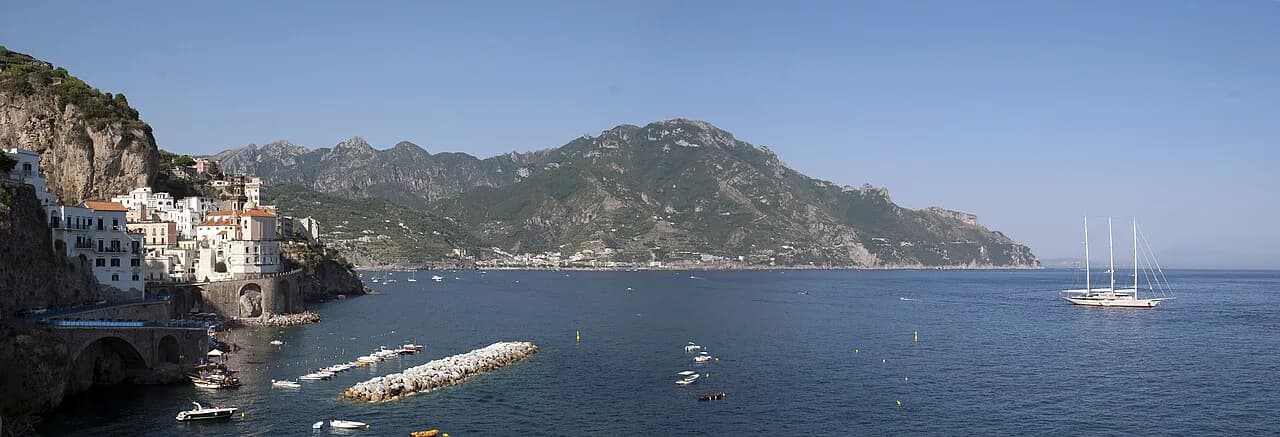
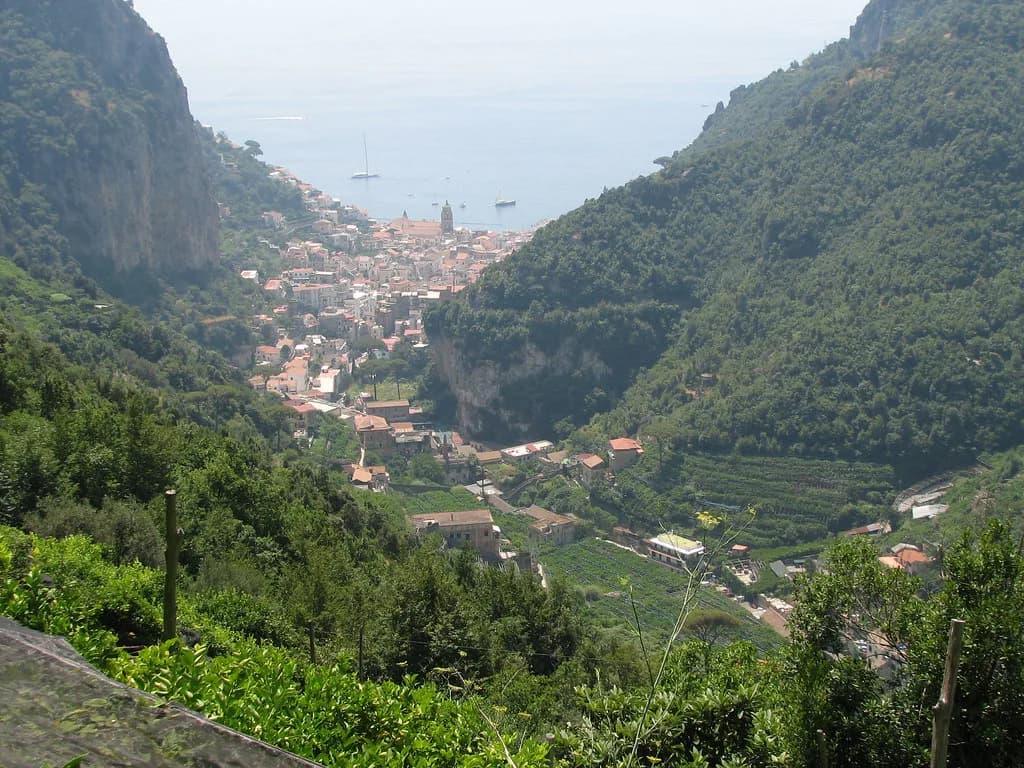
Ravello was built on a rocky platform nearly 1,200 feet above the Tyrrhenian Sea, which gives it famous views but no easy walk to any vineyard. The town itself is a destination for gardens, villas and music, with terraced vineyards and lemon groves visible on the slopes around it. Plan Ravello as a place to sleep and eat well, then treat the wine as a separate excursion down or inland.
Villa Cimbrone and Villa Rufolo anchor a Ravello morning, between them offering botanical gardens, the Terrace of Infinity and views over the Gulf of Salerno. Villa Rufolo's gardens are also tied to Wagner's Parsifal, and an annual concert of his music has been held in the lower garden. Doing these first lets you leave the afternoon free for a cellar visit without rushing the climb back up.
The practical consequence is that you should choose your wine day by the road, not by the map. The Amalfi Coast road is slow, and Ravello connects to it via a winding climb from Amalfi or Atrani. Budget generous transfer time and pick one wine area per day rather than trying to stitch together several.
What 'Ravello Wine' Actually Means
There is no Ravello appellation, so read 'Ravello wine' as shorthand for Campania and the Amalfi Coast. The white grapes you will meet most often are Falanghina and Fiano, with Greco and the aromatic Biancolella appearing on labels; the reds lean on Piedirosso and Aglianico. Coastal whites tend to be crisp and saline-adjacent in style, while the reds range from light and peppery to firmer Aglianico-based wines.
Several protected appellations sit near the coast, including Costa d'Amalfi for wines from terraced vineyards across the coastal villages. Ask which grapes and which appellation a bottle carries before you taste, because a small cellar may bottle both a broader Campania label and a tighter coastal one. The regional guide to amalfi coast wine explains the appellation map in more detail.
One name trap to clear up early: Revello is a family winery in La Morra, in the Langhe hills of Piedmont, not a Ravello producer on the Amalfi Coast. If a search result leads you to a Barolo estate with a similar name, you are several hundred miles north of Campania.
How Visiting Works Here: Small Cellars and Appointment Culture
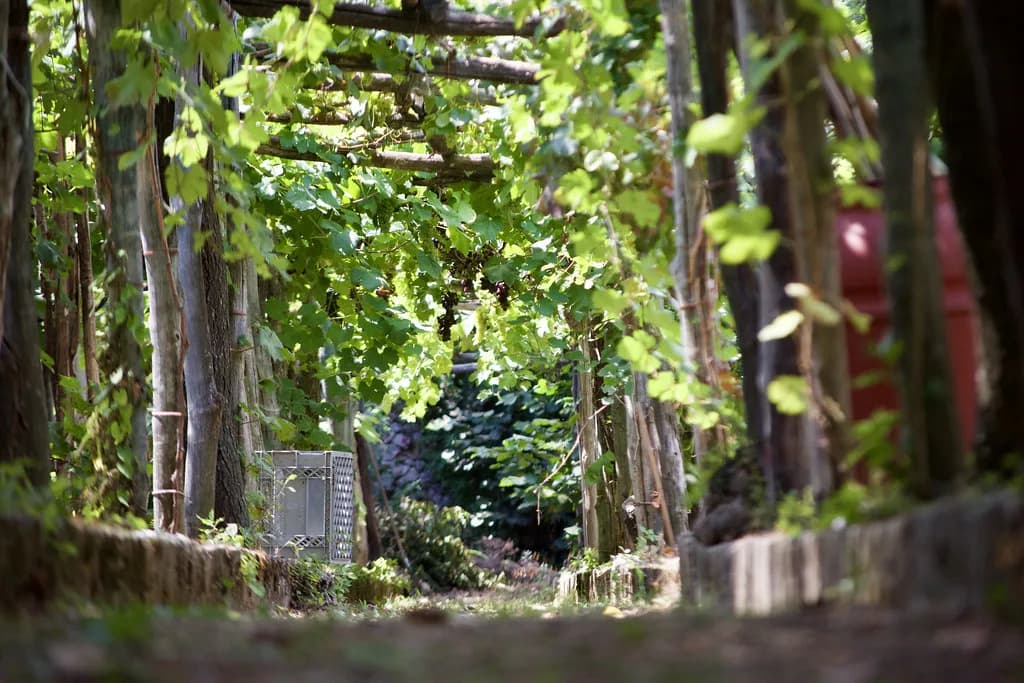
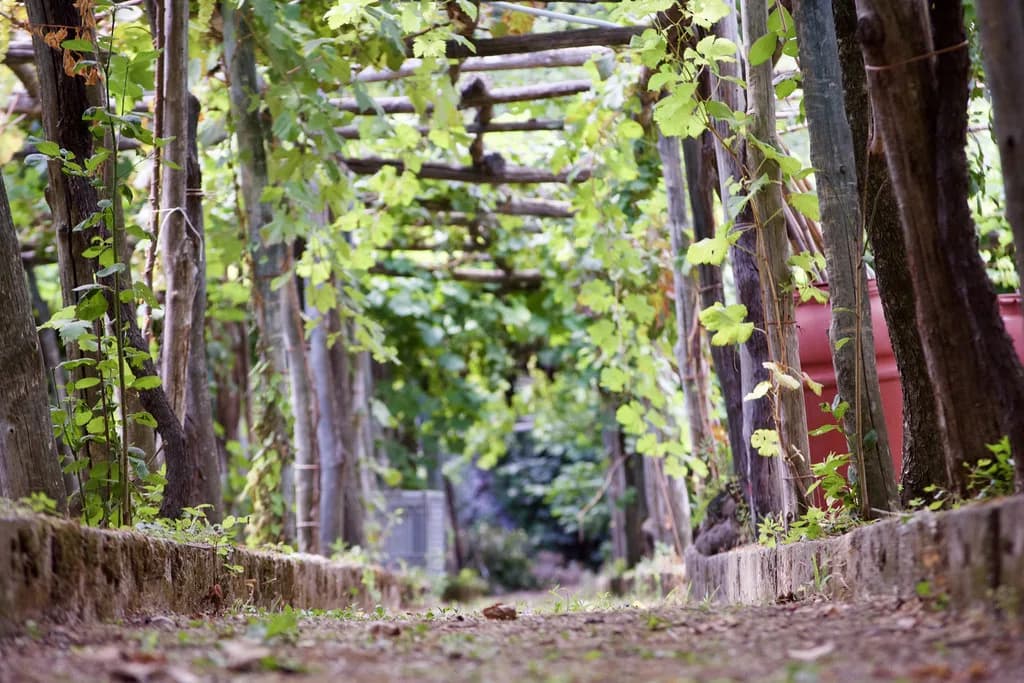
Amalfi Coast wine is largely made by small estates working steep terraces, and most of them do not keep shop-style opening hours for drop-ins. Assume a visit needs arranging in advance by email or phone, even a day or two ahead in shoulder season. When you write, ask six things: how many wines are poured, whether the vineyard or cellar is included, whether food comes with it, how long it lasts, what language the host speaks, and whether they can help arrange a ride back.
Party size matters more here than in a large tasting room, because terraces and small cellars have limited space and steep access. Say how many are coming, whether anyone is not drinking, and whether anyone has mobility limits. If a producer does not reply, that is usually a capacity answer rather than a snub, so have a second option ready.
Where the terraced coastal sites are harder to reach, the inland valley is the easier target. Furore, on the coast west of Amalfi, is home to the well-known Marisa Cuomo Winery in Furore, whose vineyards cling to the cliffs above the village.
Where the Wineries Sit Relative to the Town
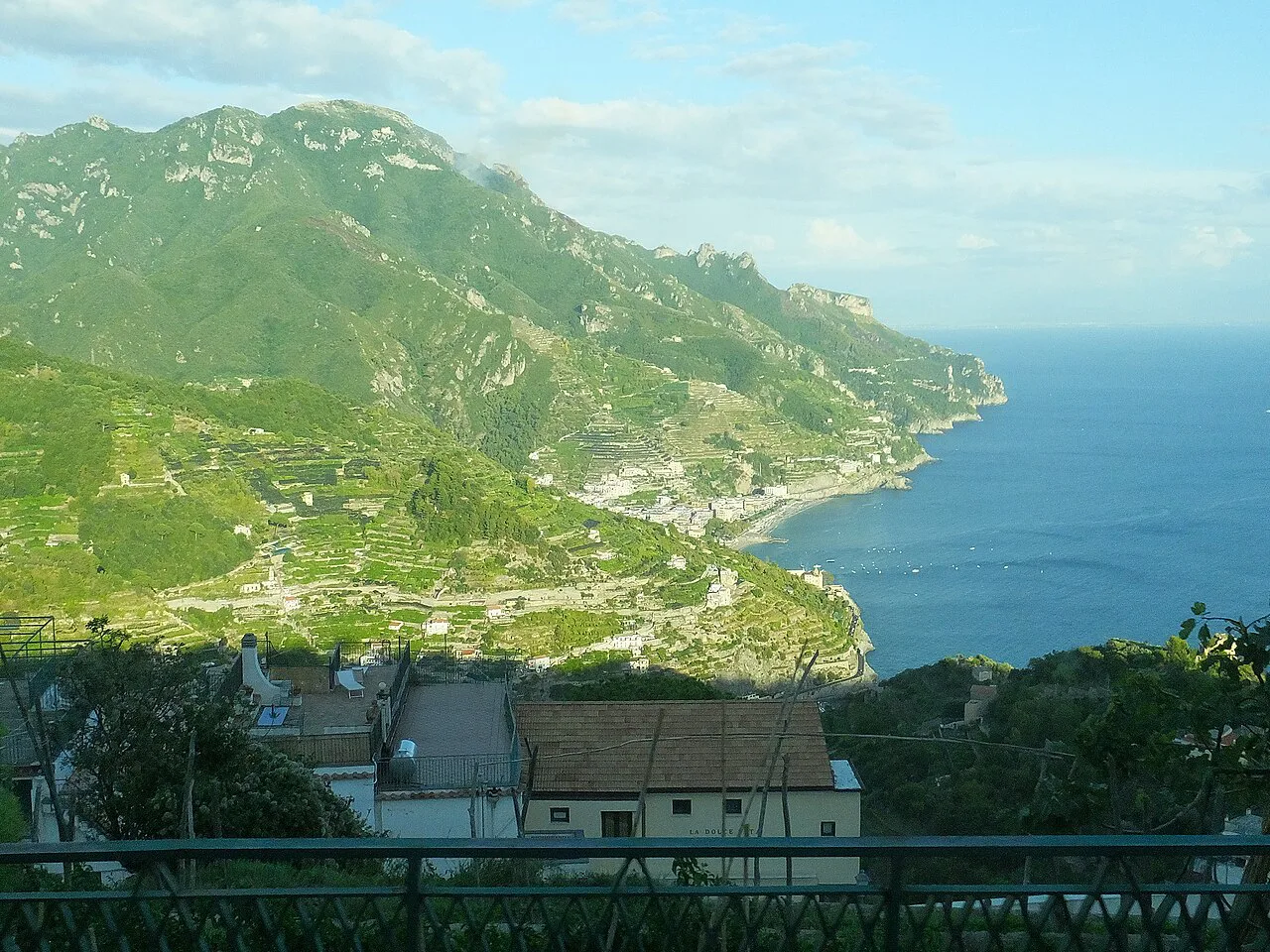
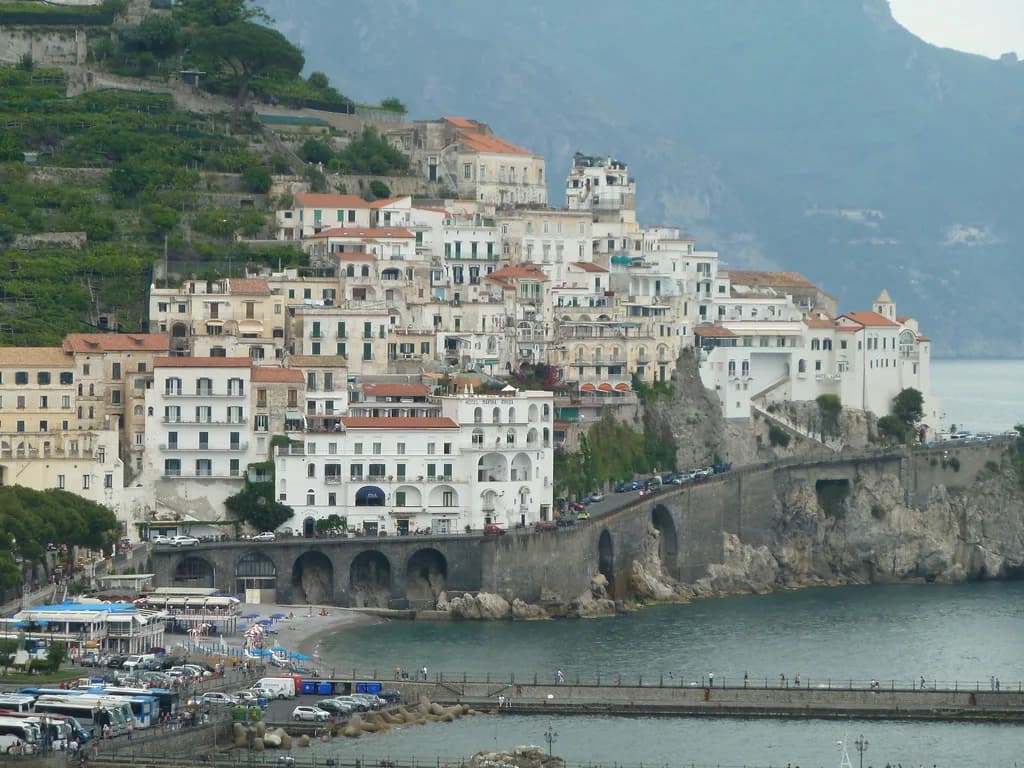
Think of Ravello at the top of a triangle, with Amalfi on the coast below it and the Tramonti valley behind the coastal ridge. Vineyards appear in all three directions, but the valley holds the largest concentration of working estates and the most room for a real tour. The coastal strip around Furore and Praiano has dramatic terraces but tighter roads and thinner visiting capacity.
Tours sold from Ravello tend to combine a cellar with scenery rather than focus on a single estate. Listings from Ravello include Vesuvius cellar excursions and broader Amalfi Coast wine tours, which tells you the local market is built around driving itineraries rather than walkable tasting rooms.
For a shortlist of visitor-ready estates by village, from Furore to Tramonti, use the guide to amalfi coast wineries and pick one per day.
Grouping Your Day: Ravello, Scala, Minori, Tramonti and the Coast
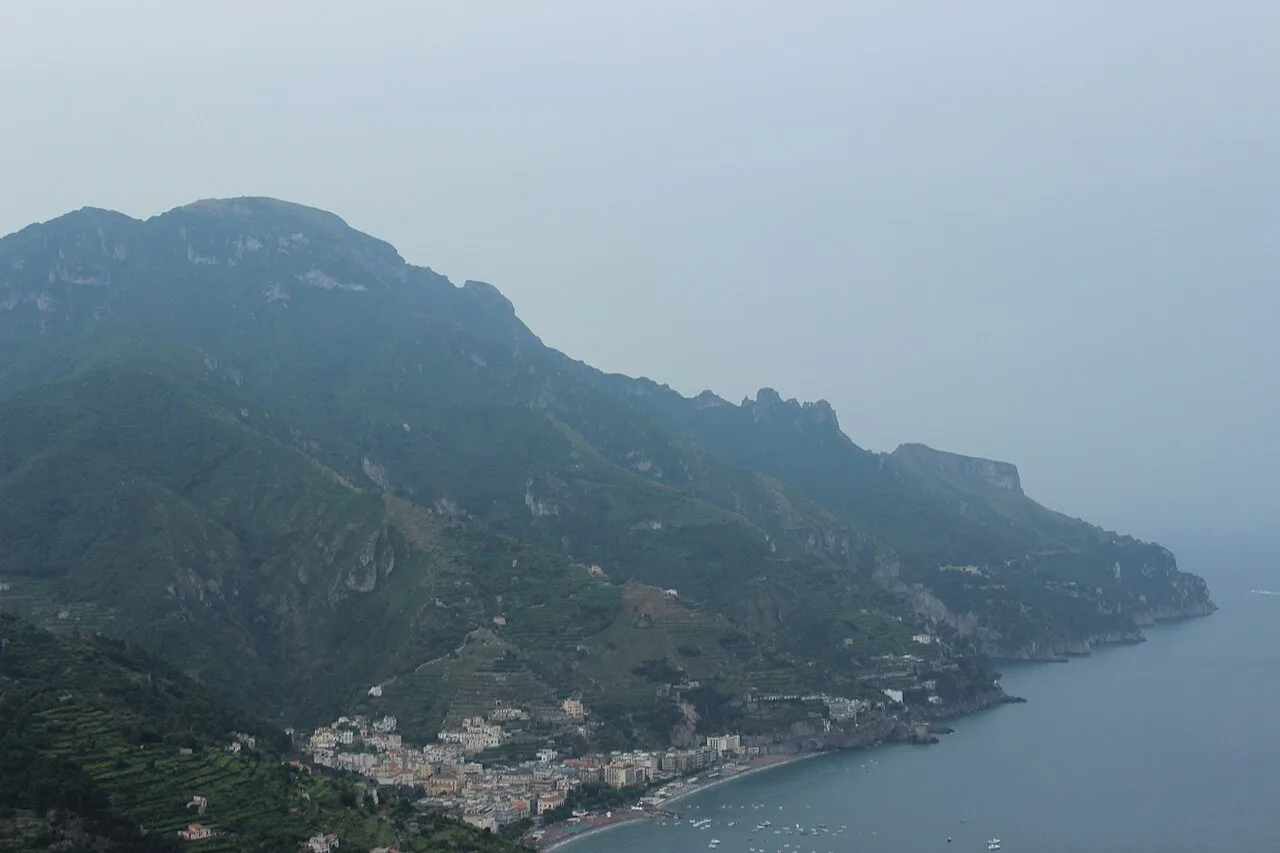
A sensible Ravello wine day runs in one direction and returns the same way. One option pairs a Ravello morning at the villas with an afternoon in Scala or Minori, which sit close together on the slope below; another drops off the ridge entirely into Tramonti for a cellar visit and a long lunch. Trying to combine Ravello, Furore and Tramonti in one day means three slow drives and a rushed tasting.
If you have two days, give the first to the coast west of Amalfi and the second to the inland valley. Keep Ravello's gardens for a non-wine half-day so you are not climbing back up at dusk after a tasting. Lunch bookings at a cellar deserve the same advance notice as the tasting itself, since small kitchens cook to the number of guests.
Independent vs. Tour: Buses, Taxis and the Time Each Costs
Public buses connect Amalfi with Ravello and run along the coast road, but they are geared to commuters and beach traffic rather than tasting schedules. You can reach Amalfi by bus and then take the climb up to Ravello, but the inland valley and outlying estates are poorly served. Taxis exist but are limited and expensive on this coast, so agree a fare and a return pickup before you set out.
A wine tour amalfi removes the timetable problem: you get a driver who knows the lanes, and the group shares the cost of waiting time. The trade-off is less spontaneity and a fixed itinerary, sometimes with other travellers you did not choose. Independent travellers with a non-drinking companion get the best of both, driving themselves to one booked cellar and stopping where the view warrants.
Whichever you choose, the driver should not taste: use the spittoon, book a tour, or take public transport and accept a shorter itinerary. That single rule decides more of your day than any wine list.
Harvest Season and the Rhythm of Visits
Late summer and early autumn are harvest time on the coast, when small estates are busiest in the vineyard and least available for hospitality. Ask when booking whether your dates fall during picking, because a visit then may be shorter or limited to the cellar. Spring and early summer are calmer for appointments, and winter is quiet enough that some producers simply close to visitors.
Coastal weather shapes the season as much as the calendar does, with rain and wind able to cancel a terrace walk at short notice. Build flexibility into a two-day plan by keeping one indoor-friendly option, such as a cellar tour or a Salerno day, in reserve.
Cost Expectations and How Tastings Are Packaged
Small Amalfi Coast estates usually package a visit as a guided tasting with some food, sometimes with a vineyard or cellar walk, rather than a pay-per-glass bar. Published prices are inconsistent and change with the season, and many producers quote on request once they know your party size. Ask for the total per person including any food, and whether children or non-drinkers pay a reduced rate.
Organised tours are quoted per adult with a range that reflects vehicle, guide and number of stops; the tour listings from Ravello show day excursions and private tours priced as packages rather than as wine-only tickets.
Budget separately for transport back, because a taxi from the valley to Ravello after dark is the cost travellers most often overlook. Wine Tours on the Amalfi Coast can bundle that return leg into the price, which makes comparison easier.
Practical Booking Checklist
Before you confirm, settle five details in writing: the exact meeting point, the number of wines, whether food is included, the language of the host, and how you will get back. Ask for the meeting point as a street name or landmark, not a village, because lanes on this coast are not always signposted. Keep the confirmation on your phone, since mobile signal in the valleys is patchy.
For anyone staying nearer the water, the same approach works from Amalfi, Minori or Vietri sul Mare, each with its own transport logic. If you continue round the gulf toward the Sorrento peninsula, the same trench of decisions applies, as the Sorrento wine guide sets out. Pair the cellar shortlist with the transport notes in the wine tasting guide before you commit to dates.
Plan Your Ravello Wine Day
Treat Ravello as your clifftop base and the slopes and inland valley as your wine country. Book one cellar per day, arrange your return transport before you leave, and keep the villa gardens for a morning when no one is waiting at a tasting counter. Confirm current details with your chosen producer a few days ahead, especially in harvest season.
Frequently Asked Questions
Can you taste wine in Ravello itself?
Ravello is primarily a town of villas, gardens and restaurants rather than a wine village with cellar doors. You will find local bottles on restaurant lists and in shops, but a proper guided tasting normally means travelling down toward Amalfi or inland to the Tramonti valley. Plan the tasting as an excursion and keep Ravello for the gardens and evenings.
Where are the Amalfi Coast wineries relative to Ravello?
The working estates are spread across terraced slopes below the coastal towns and in the inland Tramonti valley, not on the clifftop where Ravello sits. Furore, west of Amalfi, is known for cliffside vineyards, while Tramonti offers more estates and easier road access. Pick one area per day rather than trying to cover both.
Do you need a car for wine tasting near Ravello?
Not necessarily, but the alternatives have limits. Buses link Amalfi and Ravello and run along the coast, yet they are not built around tasting schedules and serve the inland valley poorly. Taxis are limited and costly, so many visitors book a driver or a tour. If you do drive, the driver should not taste.
What grapes grow in the Ravello and Amalfi area?
Look for whites based on Falanghina and Fiano, with Greco and Biancolella also appearing, and reds built on Piedirosso and Aglianico. Coastal appellations such as Costa d'Amalfi cover terraced vineyards across the resort villages. Ask each producer which grapes and which appellation are in the bottle you are tasting.
How much does a wine tasting near Ravello cost?
There is no standard rate. Small estates usually package a visit as a tasting with food rather than selling wine by the glass, and many quote per person once they know your party size and whether you want a vineyard walk. Ask for the total including food and any reduced rate for non-drinkers, and price the return taxi or tour separately.
Is a day trip from Ravello to a winery worth it?
Yes, if you accept that the journey is part of the day. A single booked cellar with lunch, reached by tour or pre-arranged taxi, gives you a real look at terraced viticulture without fighting the bus timetable. Combining three distant estates in one day usually means more time in the vehicle than in the cellar.
Sources
Notes for your next wine trip
Optional updates to our winery and wine-town guides.
You might also like
Continue reading
More guides you'll find useful