Clos des Papes Visits: Deciding Avignon Tasting Plans
Plan a Clos des Papes visit from Avignon: what the Châteauneuf-du-Pape estate makes, how appointment culture works, and how to reach the village.
On this page
Clos des Papes sits in the village of Châteauneuf-du-Pape, roughly 12 km north of Avignon across the Rhône plain, which makes it one of the most practical famous estates to build a day around if you are based in the city. Its wines are well documented; its visit terms are not, so this guide separates what is verifiable from what you need to ask the estate directly.
The approach is straightforward: understand the domaine and its wines first, then write a proper appointment request, then choose transport that leaves the driver free to spit rather than swallow. Our broader guide to Avignon wine tasting shows how the village fits with Gigondas, Tavel and the rest of the southern Rhône.
Why Clos des Papes Is on the Radar
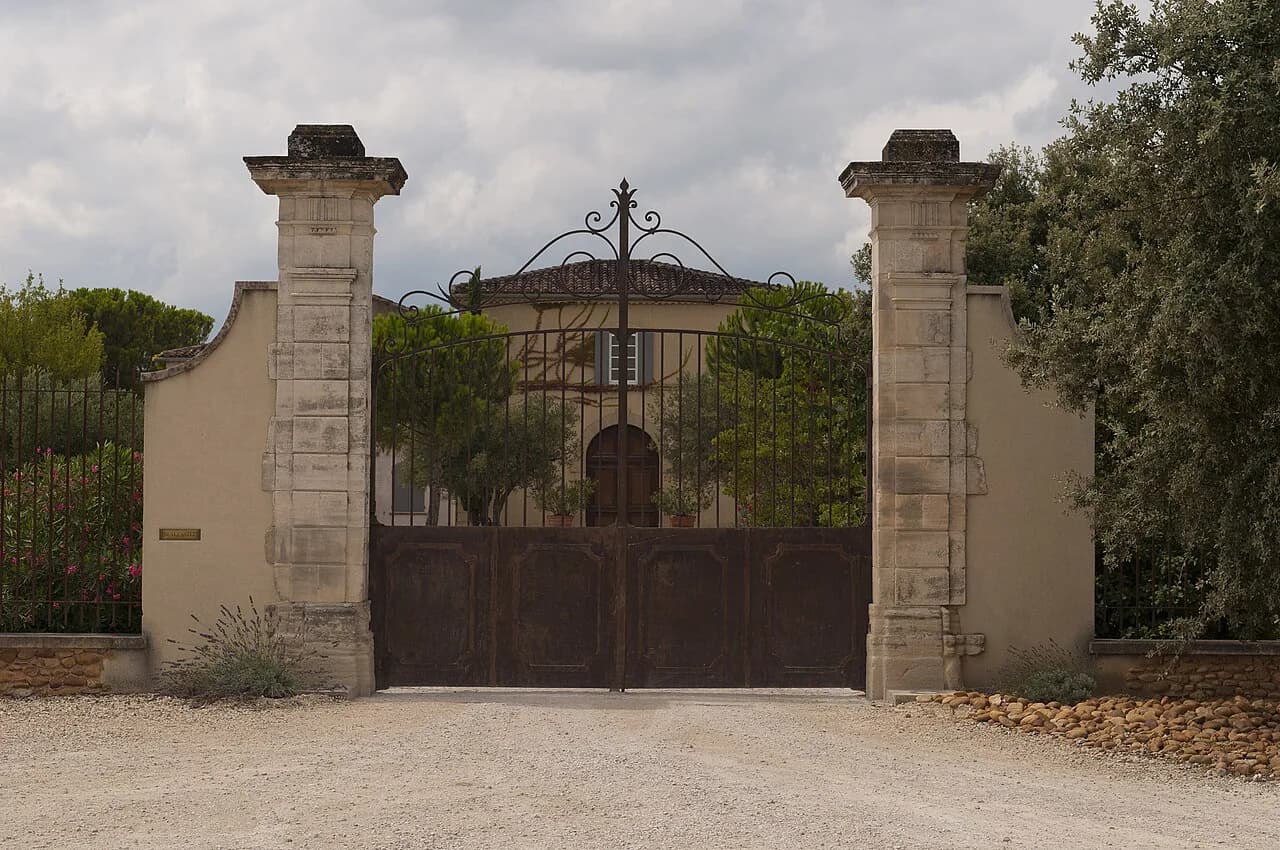
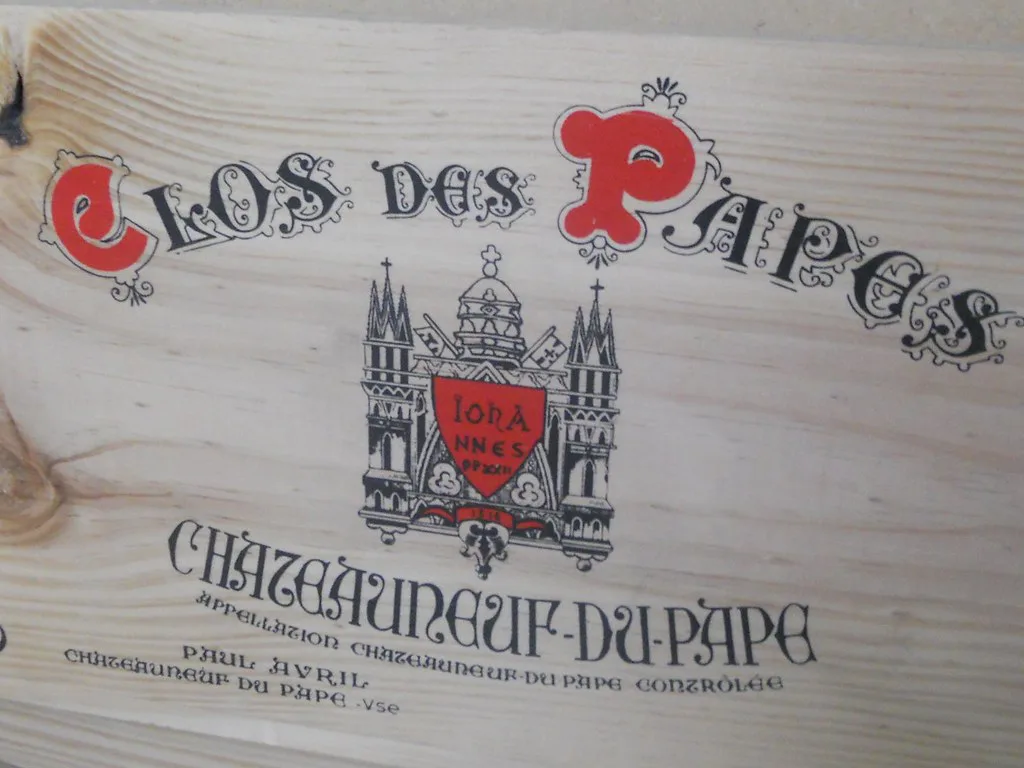
Clos des Papes is among the established names of Châteauneuf-du-Pape, and the Avril family has lived in the village for generations; family members were among those who helped create the appellation. The name refers to a walled parcel of land near the pope's old castle, which explains the clos in the title.
That reputation matters for planning: famous estates in the village receive far more visit requests than they can host, so the reply to your email may take days and may be a polite no. Send your request well before the trip and name two or three alternative days and times.
The Estate at a Glance
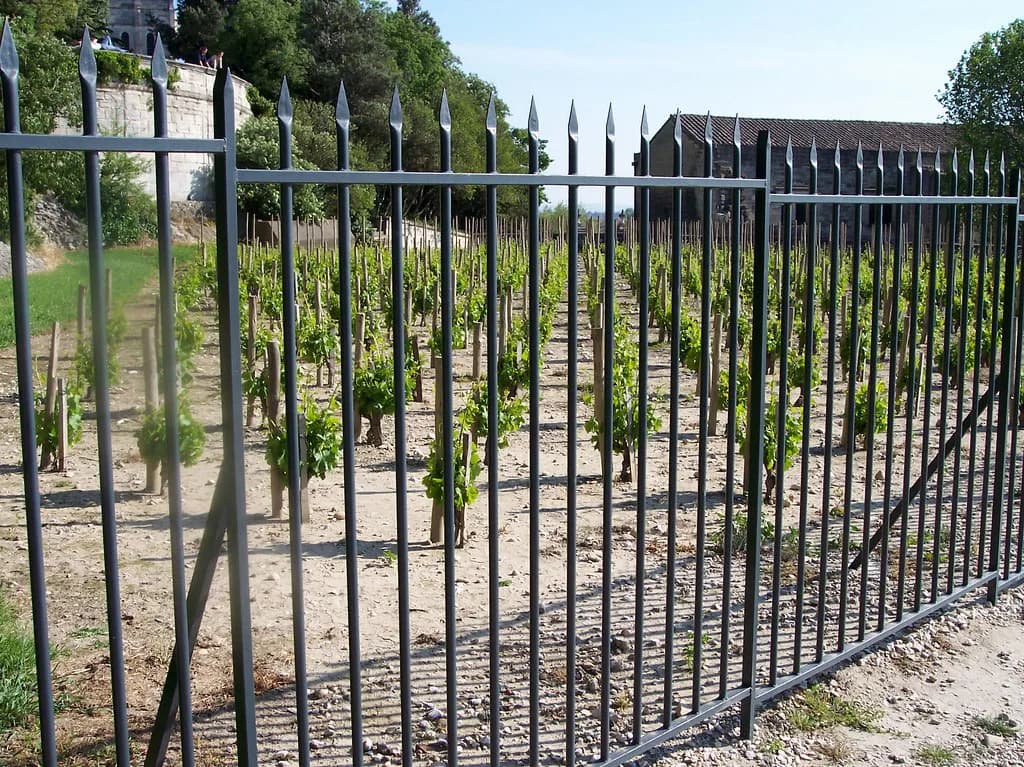
The domaine covers 32 hectares spread across 24 separate parcels within the appellation, a patchwork that spreads risk and gives the cellar a wide palette of fruit. It releases just two cuvées, a red and a white Châteauneuf-du-Pape, so a tasting here is focused rather than sprawling.
Paul-Vincent Avril has run the estate in recent decades and is the name you will see attached to the wines in merchant listings. If you write to ask about a visit, address the request to the domaine rather than to an individual, and mention whether you are interested in the red, the white or both.
What the Wines Are
The red is a Grenache-led blend, typically around 65 percent Grenache with roughly 20 percent Mourvèdre, 10 percent Syrah and the remainder a mix of the other permitted varieties. That is unusual in the appellation, where most estates lean more heavily on Grenache alone, and it gives the wine its structure and ageing frame.
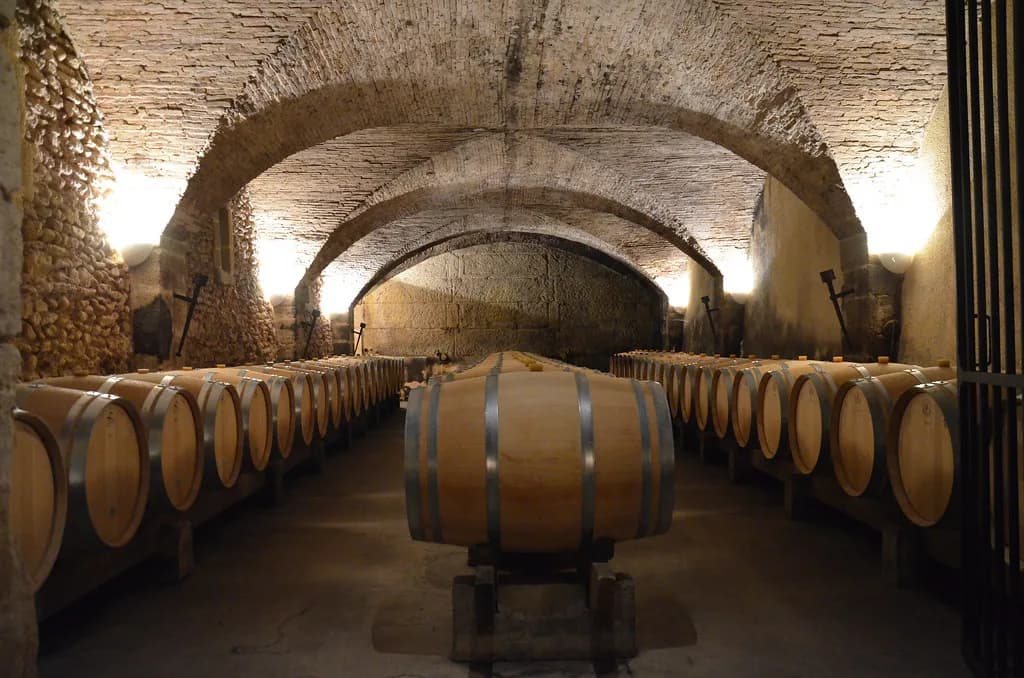
Fruit is hand-harvested and fermented with natural yeasts, with the reds de-stemmed and each parcel vinified separately before ageing in large wooden foudres of varying size and age for about 18 months. Knowing this helps you ask useful questions in the cellar: how the parcels are assembled, which foudres are new, and how the white is handled differently.
Retail listings put the red at a three-figure sum per bottle in export markets, but shop prices for a single recent vintage tell you nothing reliable about the estate's own cellar-door terms. Treat any figure you see online as a retail data point, not as a tasting fee.
How Visiting Works at Châteauneuf-du-Pape Estates
Most domaines in the village are working farm businesses rather than visitor attractions, and the standard model is a booked appointment rather than a drop-in tasting room. That means an email or phone call ahead of time, a confirmed day and hour, and a named person expecting you at the gate.
Harvest, roughly from late August into October depending on the year, is when cellar teams are least available and many estates stop receiving visitors entirely. Late spring and early summer are easier windows, and winter appointments are often the most relaxed, though some domaines close to visitors for part of the cold months.
When you write, ask four things in one short message: whether visits are possible on your dates, what the visit includes and how long it lasts, whether there is a charge, and how many people the estate can take. A party of two is easy to place; a group of eight needs to say so up front.
Booking Clos des Papes
The estate has not published visit hours, tasting fees or a booking form in the sources available here, so the honest answer is that you confirm by contacting Clos des Papes directly. Use the contact details on the estate's own site or the current Rhône wine-tourism listings rather than an old blog post, and allow several working days for a reply in season.
Write in French if you can, keep it to a few lines, and give exact dates, the number of adults, and whether anyone in the party is a trade buyer or studying wine, since those details sometimes change what a domaine can offer. Attach nothing, ask for nothing beyond a tasting, and follow up once if you have had no answer after a week.
If a visit does not come together, the village still works as a day out: the castle ruins above the plain, several other domaines that do receive visitors, and the wider cluster of Rhône tasting rooms covered in this guide to Avignon wineries. Pairing one confirmed booking with a couple of walk-in options is the realistic plan.
Getting There from Avignon Without Driving
Châteauneuf-du-Pape lies north of Avignon, with the nearest rail stations at Sorgues-Châteauneuf-du-Pape and at Orange on the main line. Regional trains run from Avignon to both, but timetables vary by season and day of the week, so check the current TER or SNCF Connect schedule for your date rather than assuming a convenient departure.
From Sorgues the village is a short taxi ride or a flat bike ride across the plain; from Orange it is a longer transfer and better suited to a half-day taxi arrangement. Local buses toward Châteauneuf-du-Pape exist but run thinly, often with gaps at midday, which is why many travelers without a car combine the train with a booked taxi or a bike hired in Avignon.
The plain around the village is flat and the distances are short, so a bicycle is a genuinely workable option in good weather, with the caveat that you should not drink and cycle any more than you would drink and drive. Heat in July and August and the mistral in spring are the two conditions that make a taxi worth the money.
Independent Trip vs. Guided Tour
Going independently gives you control over pace and cost, and the train fare plus a taxi is usually modest compared with a tour place. The trade-off is that an unbooked arrival in a village of appointment-only estates can end with nothing to taste, and you absorb the risk of a cancelled appointment.
Avignon wine tours solve the transport and access problems in one move: you are driven, the driver spits, and operators often hold relationships that open doors at domaines not taking individual bookings. You pay for that convenience, you share the vehicle with strangers or your own group, and you follow someone else's schedule rather than lingering over a cellar conversation.
A middle path works well from Avignon: book one estate in Châteauneuf-du-Pape yourself, take the train or a taxi to the village, and spend the rest of the day at the castle ruins and a second tasting room. If you want two famous names in one day, a tour or a hired car with a non-tasting driver is the more realistic structure.
The Village as Your Anchor
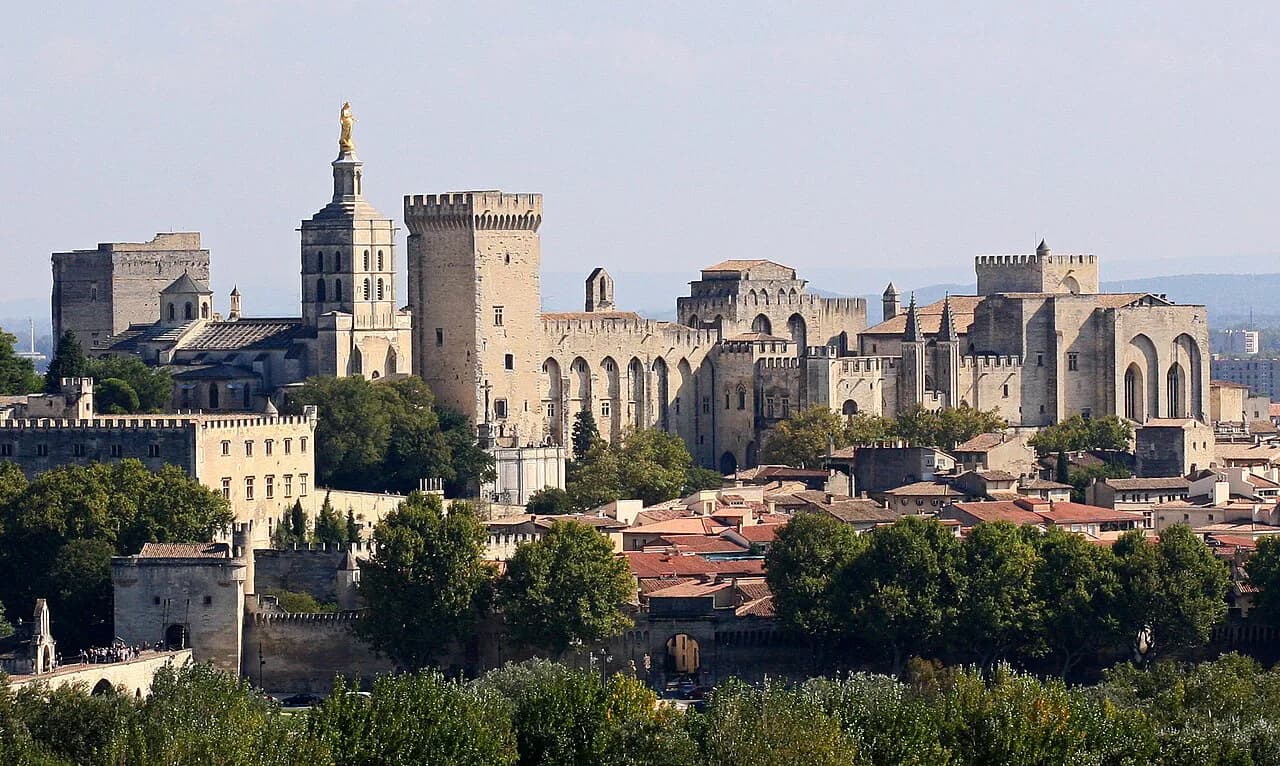
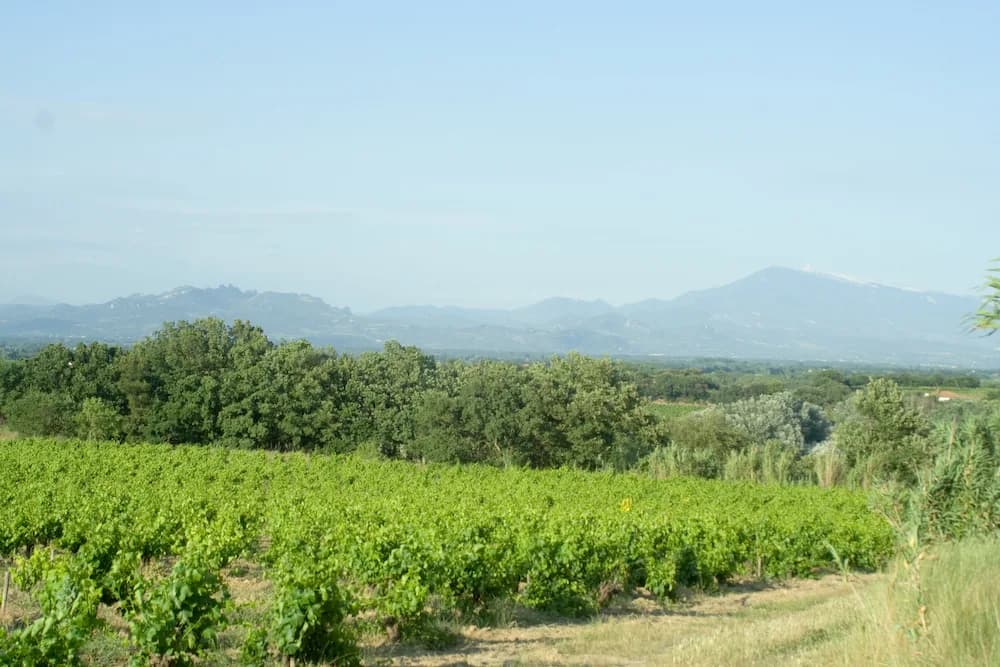
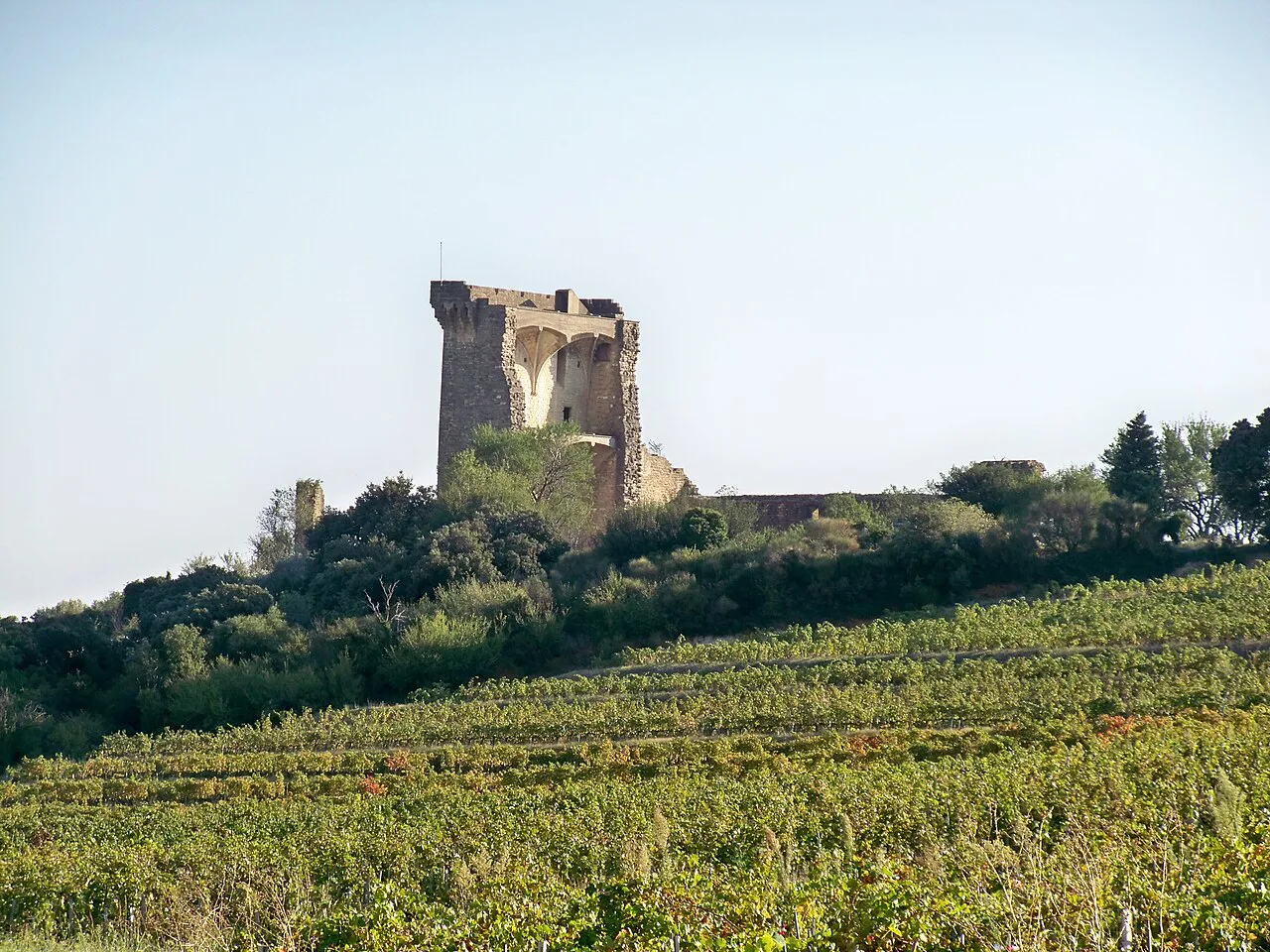
Châteauneuf-du-Pape is a compact hilltop village with the ruined papal castle at its summit and the vineyard plain spread out below, and the two are close enough to walk between in a morning. Several domaines and tasting rooms sit within the village itself, which makes it possible to build a day on foot once you have arrived.
Group a Clos des Papes appointment, if you get one, with a walk through the village and a stop at a second estate rather than trying to add Gigondas or Vacqueyras on the same afternoon. The southern Rhône villages are close on a map but the winding roads and appointment times eat the day. If you are weighing a second base for the trip, the same logistics logic applies when planning wine tasting in Lyon.
Châteauneuf-du-Pape in Brief
The appellation permits thirteen grape varieties, with Grenache dominant in most reds and blends usually rounded out by Syrah, Mourvèdre, Cinsault and others including white varieties such as Roussanne and Clairette. Reds dominate production, but white Châteauneuf-du-Pape is a small and worthwhile share of the output, and Clos des Papes makes both.
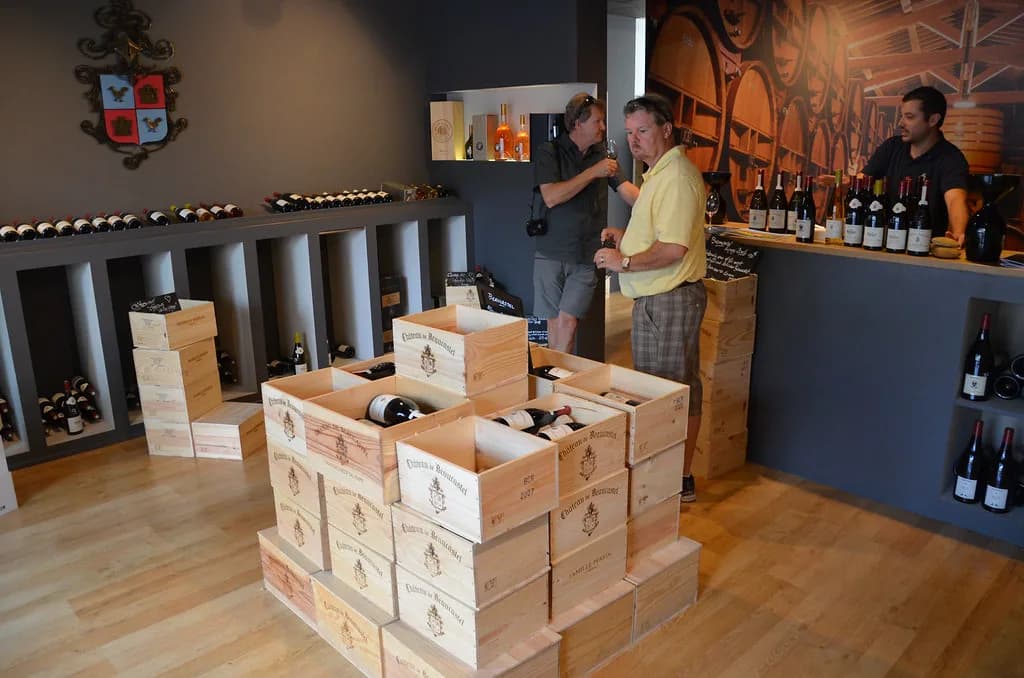
Prices for the appellation run high because the vineyard land is scarce and demand is global, and the famous names command a premium over village-level neighbours. If budget matters, taste widely at less celebrated domaines in the same village: the soils and blend rules are shared, and you learn the appellation faster for less money. Estates such as Château de Beaucastel are best compared by reading how each one farms and blends rather than by the label premium alone.
When to Go
The vine cycle sets the rhythm of the village: budbreak in spring, flowering in early summer, harvest from late August into October, and pruning through the winter. Harvest is the least likely time to be received, and the weeks around it are worth avoiding if a cellar appointment is the point of the trip.
Spring and early autumn give the best combination of open estates, workable weather and vineyard colour, while midsummer heat is better handled with a morning appointment and an afternoon in the shade of the village. Whatever the season, midweek requests are easier for a domaine to accommodate than Saturdays in high season.
Practical Tasting Notes
Spit, and use the spittoons that domaines provide: they expect it, and a tasting day with four stops is not a drinking day. Whoever is driving should not taste at all, whether that means a designated driver, a booked tour, a taxi or the train, and the same applies if you are on a bicycle.
Eat before you taste, carry water, and keep the pace to two estates in a half day rather than chasing five. Ask about shipping only if you are prepared for the paperwork and duty that come with sending wine home, and photograph labels rather than relying on memory of what you liked.
Plan Your Visit
Clos des Papes is a serious, compact domaine with a clear identity: 32 hectares across 24 parcels, two cuvées, and a Grenache-led red aged in large foudres. What it does not publish is a visitor schedule, so a short, specific email to the estate is the step that decides whether your day includes it.
Build the rest of the day around transport you have actually verified: a regional train to Sorgues or Orange, a taxi from there, or a tour if you want two estates without driving. Check the current timetable and re-confirm your appointment in the week before you travel, then let the village and the plain do the rest.
Frequently Asked Questions
Does Clos des Papes accept visitors?
The estate has not published visit hours or a booking form in the sources used for this guide. Contact Clos des Papes directly through its own site or current Rhône wine-tourism listings to ask whether a tasting is possible on your dates, and expect appointment-only working-estate conditions.
How do I book a tasting at Clos des Papes?
Write a short email or make a phone call to the domaine, giving exact dates, the number of adults in your party and whether anyone is in the wine trade. Ask what the visit includes and how long it lasts, and allow several working days for a reply during the season.
How far is Châteauneuf-du-Pape from Avignon?
The village is roughly 12 km north of Avignon, on the plain across the Rhône. Regional trains serve Sorgues-Châteauneuf-du-Pape and Orange, and from either station the village is a taxi or bike ride away. Schedules vary by season and weekday.
Can I reach Châteauneuf-du-Pape without a car?
Yes, with planning: a regional train to Sorgues or Orange plus a taxi, or a bicycle across the flat plain from Avignon in good weather. Local buses are thin and often have midday gaps. A guided tour is the simplest option if you want to taste at more than one estate.
What wines does Clos des Papes make?
The domaine makes two cuvées: a red Châteauneuf-du-Pape and a white. The red is typically about 65 percent Grenache, 20 percent Mourvèdre and 10 percent Syrah, with the rest a mix of other permitted varieties, aged in large foudres for around 18 months.
What are the grape varieties allowed in Châteauneuf-du-Pape?
Thirteen varieties are permitted, including Grenache, Syrah, Mourvèdre, Cinsault, Counoise, Muscardin, Vaccarèse, Terret Noir, Picpoul, Picardan, Roussanne, Clairette and Bourboulenc. Reds are Grenache-led; whites use the lighter varieties and make up a small share of production.
When is the best time to visit Châteauneuf-du-Pape?
Spring and early autumn offer open estates, workable weather and colour in the vineyards. Harvest, roughly late August into October, is when estate teams are busiest and least available for visits, and midsummer heat is best met with a morning appointment.
Is Châteauneuf-du-Pape red or white?
Both, though red dominates. White Châteauneuf-du-Pape is a small share of production and worth seeking out at estates that make it, including Clos des Papes, which releases a white alongside its Grenache-led red.
Sources
Notes for your next wine trip
Optional updates to our winery and wine-town guides.
You might also like
Continue reading
More guides you'll find useful