Avignon Wineries: Châteauneuf-du-Pape & Tavel Tasting Guide
Plan a wine day from Avignon: which Châteauneuf-du-Pape, Tavel and Lirac estates welcome visitors, how tastings work and how to reach them without a car.
On this page
Avignon is the most practical base in the southern Rhône because the appellations fan out from the city rather than stacking in a single village. Châteauneuf-du-Pape sits roughly 15 km northeast, Tavel and Lirac lie across the river to the west, and Ventoux and Luberon stretch east and southeast for a longer day. Grouping estates by district is what turns a list of names into a workable day.
The city also suits travelers who would rather not drive: village-center tasting rooms in Châteauneuf-du-Pape welcome walk-ins, while the surrounding estates run on appointments and benefit from a booked tour or a planned taxi. Anyone driving should skip the glass and use a spittoon, a designated driver or public transport, and the rest of the group can relax knowing the return leg is covered.
Why Avignon Works as a Wine Base
The Rhône runs past the city, and the great southern appellations sit on both banks within a short radius. Châteauneuf-du-Pape, the best-known name, is a single commune northeast of Avignon; Tavel and Lirac face each other on the right bank to the west; Côtes-du-Rhône villages such as Vacqueyras and Gigondas lie further north toward Orange.
Distances matter more than reputation when you plan a day. A morning in the Châteauneuf-du-Pape village center and an afternoon at a Tavel estate are compatible by car or taxi, but combining Châteauneuf with a Luberon estate usually means choosing one and doing it properly. Booking platforms list dozens of estates within range of Avignon, so shortlist three or four and build the route around them.
Use Avignon as a fixed base rather than moving hotels: the city has the restaurants, the market and the evening life, and every wine district is a day trip. The trade-off is that you will lean on wheels or a guide for most estate visits, since only the Châteauneuf village center is genuinely walkable between tasting rooms. If you want the wider picture before committing, our guide to wine tasting in avignon maps the same districts against a longer stay.
The Local Wines in Brief
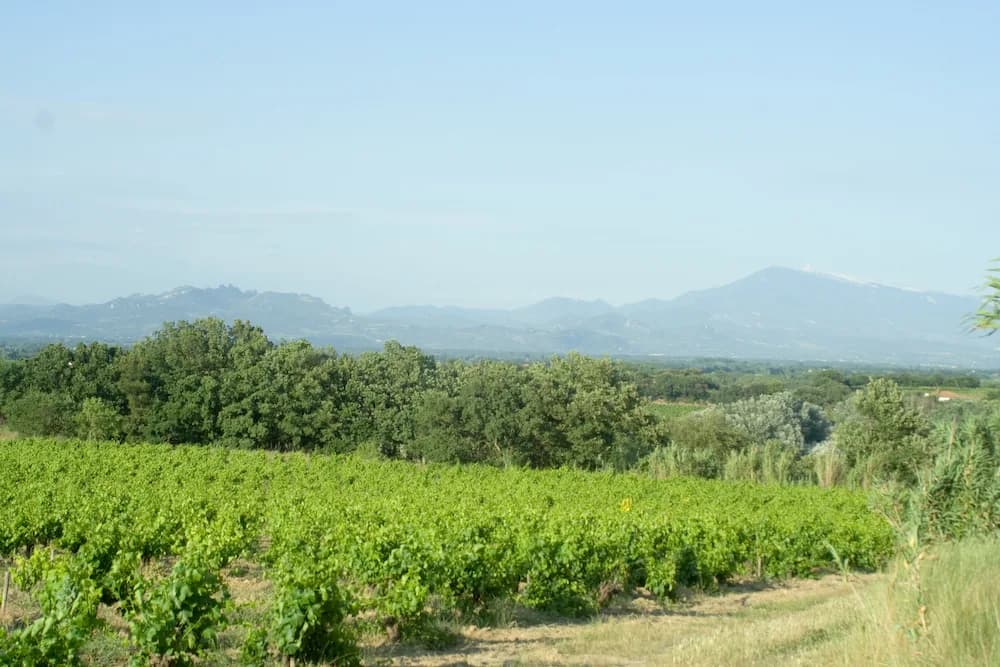
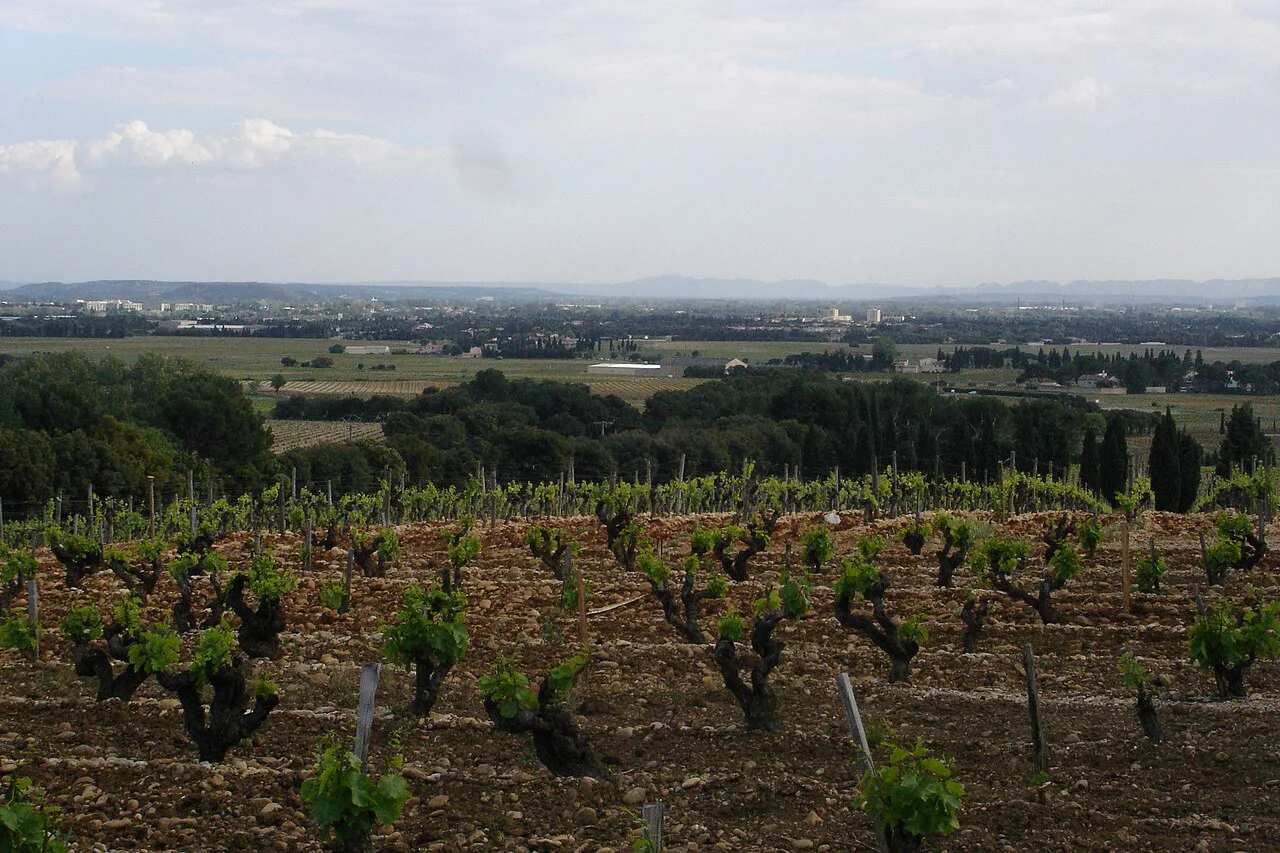
Southern Rhône reds are typically Grenache-led blends, with Syrah and Mourvèdre playing supporting roles, and they range from generous, warm wines in Châteauneuf-du-Pape to lighter Côtes-du-Rhône bottlings. Châteauneuf-du-Pape is allowed thirteen grape varieties and its soils are famously covered in large rounded stones; the result is full-bodied reds with good aging potential. Tavel, by contrast, is the region's benchmark rosé appellation, made mostly from Grenache and usually darker and more structured than Provence rosé.
Lirac, next to Tavel, produces reds, whites and rosés from similar grapes and is often the quieter, less crowded alternative to Châteauneuf. Ventoux, around Mont Ventoux east of Avignon, gives fresher, lighter wines from higher, cooler sites, while Luberon to the southeast is known for rounded reds and crisp whites. Costières-de-Nîmes, toward Nîmes, rounds out the southern edge with generous reds and rosés. If Provence rosé is the draw, the wineries around Aix-en-Provence make a natural next stop after the Rhône.
Châteauneuf-du-Pape: Village Layout and How to Group Estates
The village is small and its tasting rooms cluster along the main street and the lanes around the church and the ruined papal castle. That makes the center the one place where you can genuinely taste on foot: park once, walk between cellars, and leave the car unused until the end of the day. Plan a village-center morning rather than racing between outlying estates.
Estates outside the village sit among the vineyards on lanes with little signage, so grouping them by direction from the village saves time. Take the estates to the north and east in one loop and leave the southern cluster for another, rather than crisscrossing the appellation. Ask each estate for its exact address and parking when you book, because mapping apps can point to vineyard parcels rather than visitor entrances.
Named Estates Around Châteauneuf-du-Pape
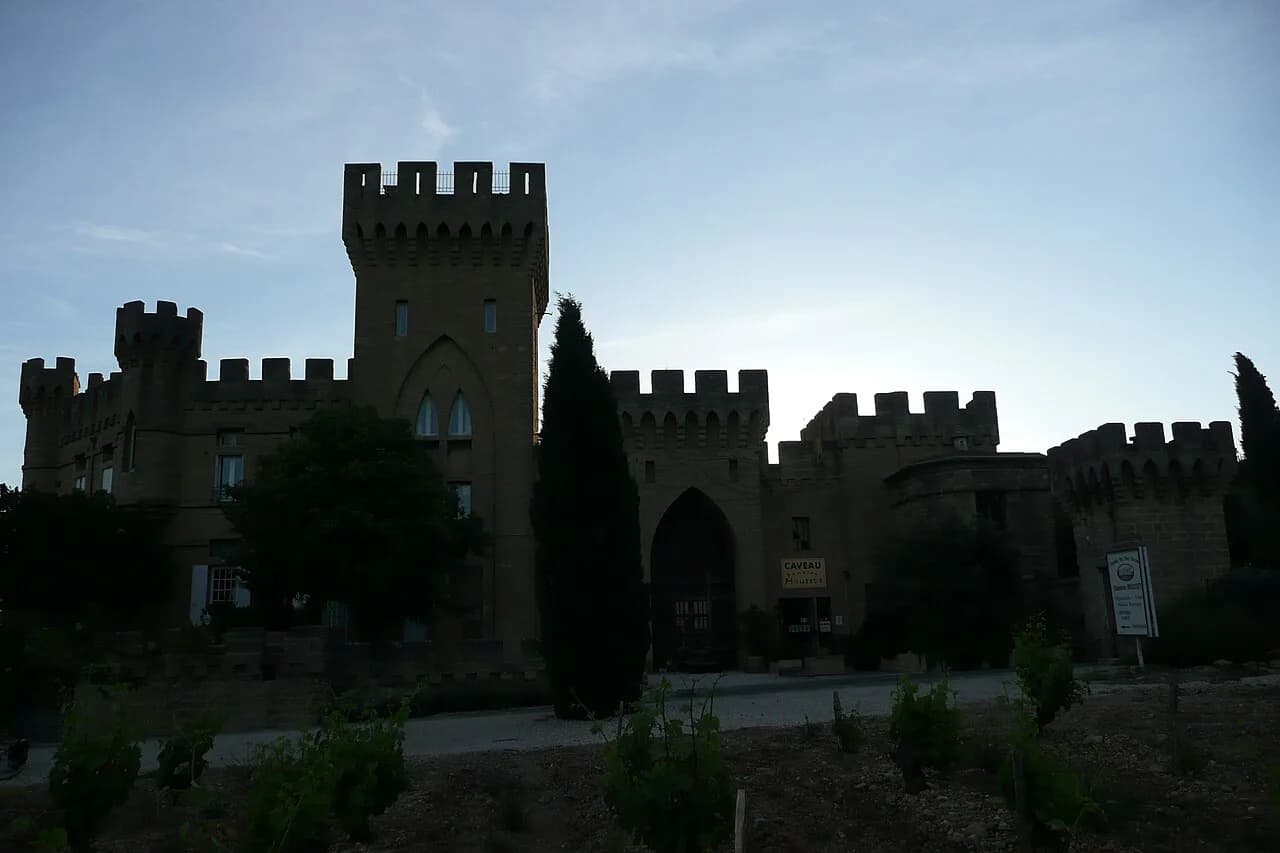
Château Fortia is among the oldest estates in the appellation and appears on booking platforms with a published tasting from around 8 euros. Clos du Calvaire, held by the Mayard family for five generations, lists tastings in the 10 to 20 euro range and also pours Côtes-du-Rhône alongside its Châteauneuf. Château de Manissy, a 17th-century property on the right bank at Tavel, publishes tastings that start at no charge and run up to about 40 euros for longer formats. Domaine Galévan, family-owned since 1836, posts tastings from about 8 to 90 euros depending on the format, and Vignoble Simian in Piolenc covers Châteauneuf-du-Pape, Côtes-du-Rhône and Massif d'Uchaux with tastings in the 10 to 25 euro band. Domaine Famille Isabel Ferrando, formerly Saint Préfert, lists an experience at around 39 euros. These figures are published start points for standard visits; premium and private formats cost considerably more.
Expect tasting formats to differ as much as prices: some visits are a short counter tasting, others add a cellar walk-through, and a few include food. When you book, ask how many wines are poured, whether the cellar is included, and how long the visit lasts, because a 30-euro tasting can mean very different things at two neighboring estates. Minimum party sizes also vary, and small groups are usually easiest to place.
Tavel and Lirac: Rosé Country on the Right Bank
Crossing the Rhône to Tavel and Lirac adds a different register to a Châteauneuf day: pink wine made seriously, in a village that has built its identity on rosé. Château de Manissy at Tavel is the obvious anchor, and the short drive between Tavel and Lirac lets you pair two right-bank visits in one afternoon instead of adding a third Châteauneuf appointment.
Right-bank estates generally run on appointments and have smaller tasting rooms than the Châteauneuf names, so a same-day walk-in is a gamble outside peak season. Book the first visit of the day by email or through a platform, then ask whether a second estate nearby can take you afterward. That sequence keeps the driving short and leaves room for a relaxed lunch in Tavel or Roquemaure.
Maison Brotte and the Wine Museum: The Low-Commitment First Stop
Maison Brotte runs the Musée du Vin in Châteauneuf-du-Pape, an immersive walk through the winemaker's year that ends in a tasting, with formats ranging from a short museum visit to longer guided tastings. It is the easiest place to start if you have just arrived and have not booked anything: the museum format explains the appellation before you meet individual growers. Visitor reviews consistently mention the museum and the guided tasting as the core of the visit.
Treat it as orientation rather than the whole day. Arrive in the morning, do the museum and tasting, then walk to a smaller estate in the village center in the afternoon. That structure works well for a first visit and for mixed groups where not everyone wants a full day of cellar tours.
Village-Center Tasting Rooms That Need No Booking
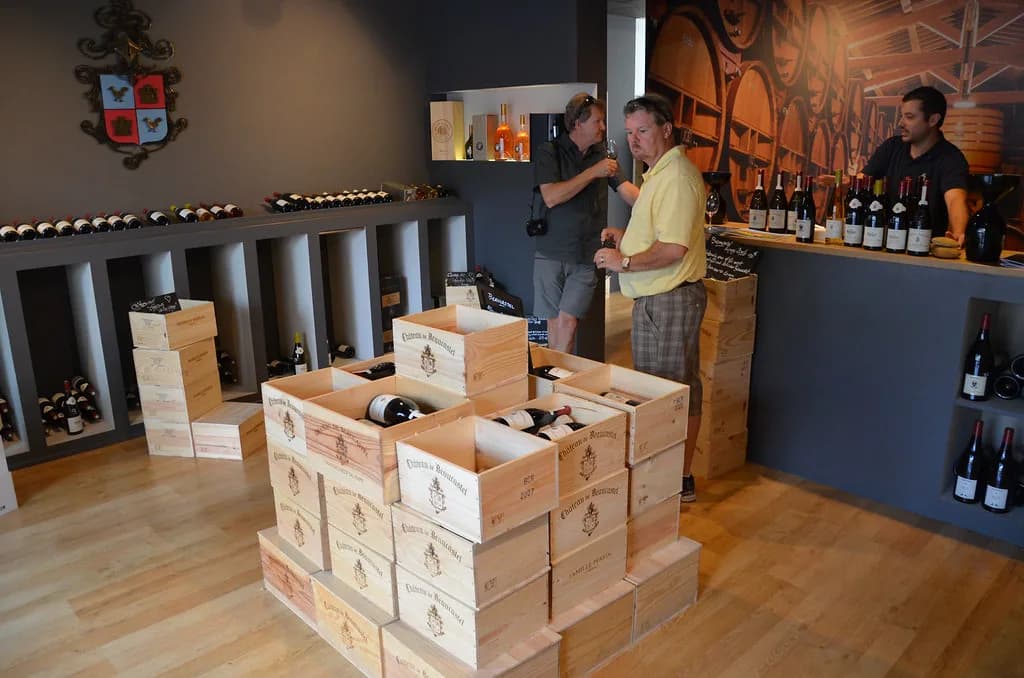
The Maison des Vins et Vinothèque in Châteauneuf-du-Pape is the appellation's own showcase and lists tastings in roughly the 25 to 40 euro range, making it a dependable stop when individual estates are full. Cave du Verger des Papes offers tastings in a characterful cellar in the village, which suits travelers who arrive without a reservation and want to compare a few producers in one place. Maison Ogier, founded in 1859 and based in the village, publishes tastings from about 25 to 50 euros, and L'Oratoire des Papes offers a deeper immersion in the Clos de l'Oratoire des Papes story at higher prices. Both are the kind of stop you book ahead in harvest season and can sometimes walk into in quieter months. Pair one with the Maison des Vins for a compact, no-car tasting day.
Estates Beyond the Famous Village: Ventoux, Luberon and Costières
Château Pesquié at Mormoiron, in the Ventoux appellation, runs a commented tour of the vats, winemaking cellar and bottling with a tasting of five wines plus olive oil, published at about 20 euros per person, and its boutique pours the range free of charge. It also runs sensory workshops and harvest mornings at published prices, which makes it a strong choice for travelers who want explanation rather than only a glass.
Domaine Grand Veneur – Alain Jaume near Orange offers vineyard and cellar tours, tasting meals and winemaker activities from a 145-hectare base that includes Châteauneuf-du-Pape holdings, with tasting meals such as La Table d'Alain Jaume bookable through the estate. In the Luberon, Domaine de la Citadelle at Ménerbes combines a corkscrew museum, cellars and a botanical garden, which makes it a sensible non-driving stop for a mixed group.
Toward Nîmes, Costières-de-Nîmes estates such as Château Mourgues du Grès list tastings from about 16 to 45 euros, and Domaine de Poulvarel at Sernhac publishes tastings in the 10 to 20 euro band. These are longer drives from Avignon and fit best as a separate day or a stop en route to Nîmes rather than an addition to a Châteauneuf loop.
Appointment Culture: Walk-Ins, Emails and What to Ask
Village-center tasting rooms in Châteauneuf-du-Pape are built for passing traffic, so a solo traveler or couple can usually walk in during opening hours. Outlying estates, right-bank properties and anything with a cellar tour generally expect a booking, and harvest is when schedules tighten fastest. If you are a group of four or more, book every visit rather than hoping for space.
A useful booking email asks four things: which tasting format is available on your date, how many wines it includes, whether the cellar is part of it, and the language of the visit. Ask for the meeting point too, especially at estates where the visitor entrance differs from the production entrance. A phone call works better than email within 48 hours of the visit.
Independent operators also sell guided half-days from Avignon, with A La Française Provence offering separate morning and afternoon outings in Châteauneuf-du-Pape. Those tours include transport and a driver, which is the real comparison point against a taxi plus estate fees when nobody in your group wants to stay sober.
Independent vs. Tour: Weighing the Trade-Offs
Going independently gives you control over which estates you visit and how long you stay, and it is usually cheaper per person for a couple or a group of three or four sharing a taxi. The costs are in planning time and in the fact that a taxi between outlying estates can be hard to find at short notice; arranging a driver for the day or booking a tour removes that risk entirely. Our comparison of avignon wine tours covers the half-day and full-day formats side by side if you want to shortlist operators before booking.
A half-day guided tour from Avignon typically bundles transport with two or three estate visits and a guide who handles the bookings, which suits travelers without a car and groups where everyone wants to taste. The trade-off is a fixed itinerary and less time at any single estate. Compare the tour inclusions against the published estate tasting fees before deciding, since a tour that includes tastings can cost less overall than paying each estate separately.
Public transport covers Avignon to Châteauneuf-du-Pape and to Tavel in season, but services are geared to residents rather than vineyard hopping, and the walk from a village stop to outlying estates can be long and exposed. For the village center alone, a bus plus walk-ins is a genuinely workable plan; for a multi-estate day, a tour or a hired driver is the realistic option.
A One-Day Itinerary from Avignon Without a Car
Start with a morning bus or taxi to Châteauneuf-du-Pape village and the Maison des Vins for an appellation overview and a first flight of wines. Walk to a second village-center tasting room such as Maison Ogier or L'Oratoire des Papes, then break for lunch in the village. Two tasting rooms plus lunch is a full, unhurried day; adding a third usually means rushing the last one.
If you have a driver or a tour booked, replace the second village stop with an outlying estate like Château Fortia and finish with a right-bank visit at Château de Manissy in Tavel. That pairing spans both the famous appellation and the region's rosé tradition in one loop. Book both ends of the day in advance and leave the middle free for a long lunch.
Harvest and Seasonal Rhythms
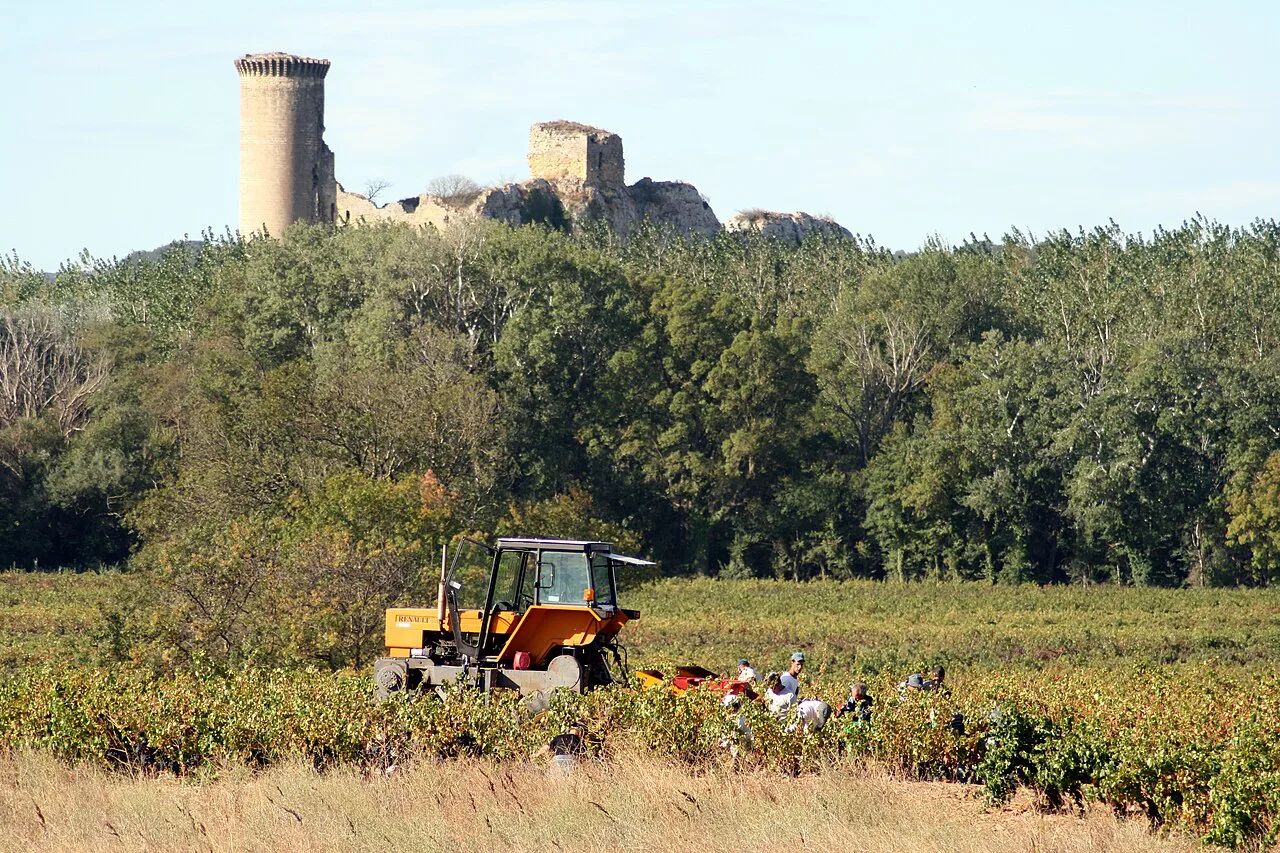
Harvest in the southern Rhône generally falls in September, with picking running into early October depending on the vintage and the site, and that is when estates are busiest with production work. Tasting rooms often stay open but have less staff available for tours, and last-minute bookings get harder. Late spring and early summer are the most comfortable months for a relaxed vineyard day, with autumn a close second after the harvest wraps up.
Winter visits are quieter and easier to book, but some small estates close their tasting rooms for part of the season and others open only by appointment. Check the estate's own calendar before building a winter day around it. Weekday visits generally give you more attention than Saturdays, when village tasting rooms fill with day-trippers from Avignon.
Practical Notes for a Wine Day
Spittoons are standard at every tasting room, and using them is normal rather than rude. If you are driving, taste sparingly or not at all and let someone else in the group take the wheel; a designated driver, a booked tour or a bus back to Avignon all solve the problem cleanly. Bottled water and a proper lunch matter more than most first-timers expect.
Buying wine to take home is easiest at the estate itself, but check airline and customs allowances before filling a case, and ask whether the estate ships. Many small producers do not, so plan for what fits in your luggage. A final confirmation of your appointment time a day ahead is normal practice and takes one email.
When the Vineyards Are Closed: Avignon Itself
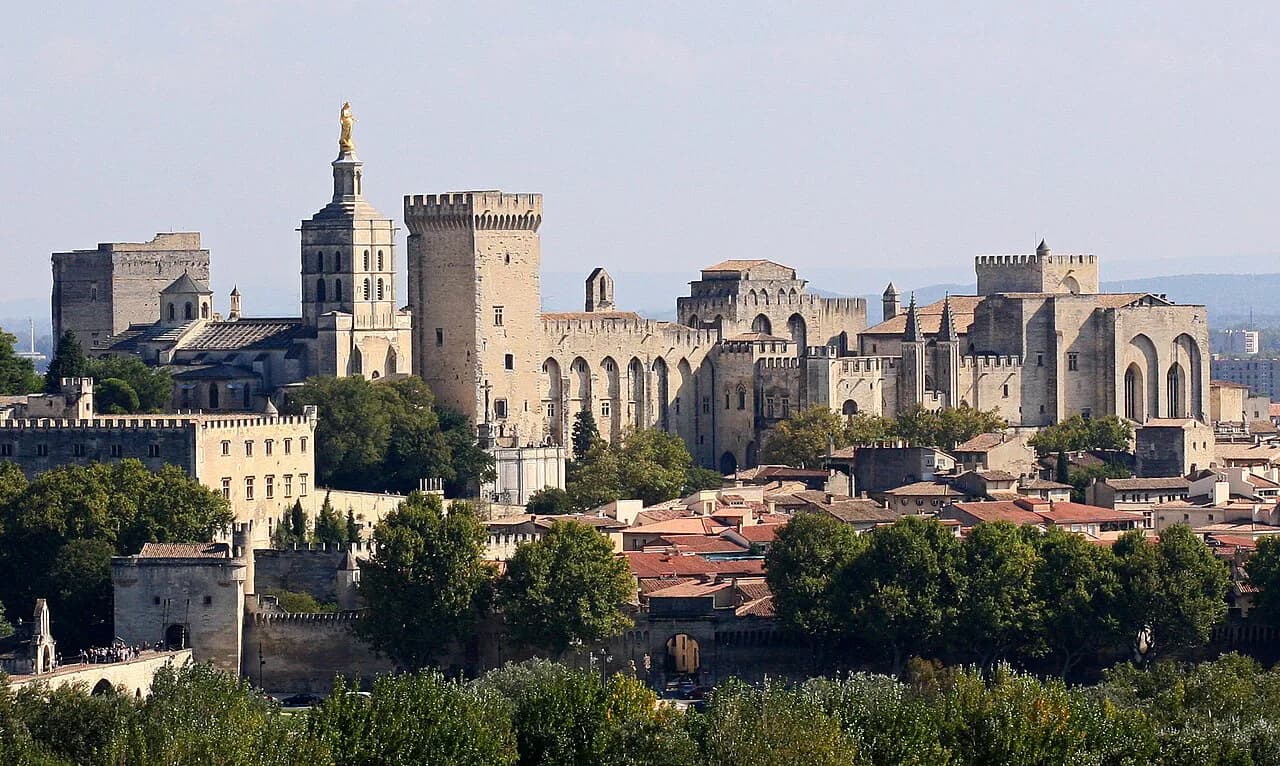
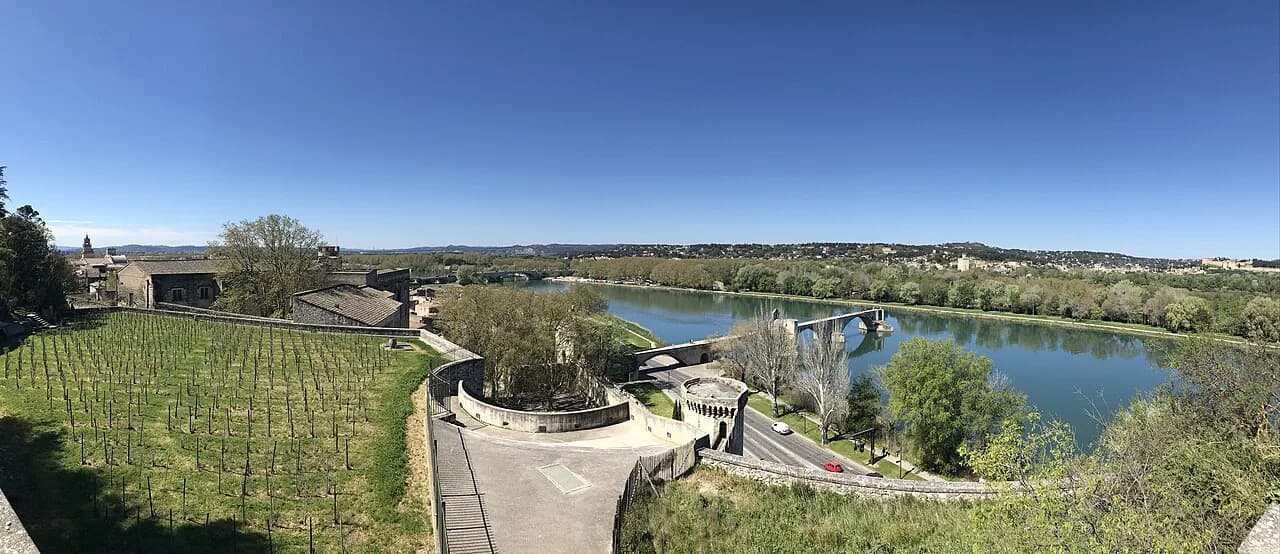
Avignon's own sights fill a vineyard-free day well: the Papal Palace and the Pont d'Avignon are the anchors, and the covered market and the old-town lanes reward a slow morning. Wine bars in the center pour Rhône wines by the glass, which makes an evening tasting possible without a car.
If a planned estate visit falls through, the Maison des Vins in Châteauneuf-du-Pape and the village tasting rooms are the reliable fallback, and the Avignon tourist office can point you to producers taking visitors that week. Keep one flexible afternoon in your plan rather than scheduling every hour.
Plan Your Visit
Build your Avignon wine day around one district rather than three: the Châteauneuf-du-Pape village center on foot, or a booked loop through Tavel and Lirac, or a longer Ventoux day at Château Pesquié. Book the estates that matter most, leave the village tasting rooms as flexible stops, and decide early whether anyone in the group is driving.
Compare a guided half-day against independent travel using published tour prices and estate tasting fees, and remember that the cheapest option is not always the one that gets you to the estates you actually want to see. Confirm your appointments once, a day ahead, and the rest of the day takes care of itself.
Frequently Asked Questions
Can you visit Châteauneuf-du-Pape wineries without a car from Avignon?
Yes, for the village center. Buses connect Avignon with Châteauneuf-du-Pape, and the tasting rooms clustered around the main street and the church are walkable from the stop, including the Maison des Vins and several estates. Outlying estates are a different matter: they sit on country lanes with long, exposed walks between them, so a tour or a hired driver is the practical choice for a multi-estate day.
How much does a wine tasting cost near Avignon?
Fees vary widely by estate and format, and each producer publishes its own tasting list, often on its website or the booking platform it uses. Standard counter tastings usually sit at the low end, while cellar tours, food pairings and private formats cost more. Compare the published fee for the specific visit you want, and check whether a guided tour's price already includes the tastings.
Do you need to book winery visits in Châteauneuf-du-Pape?
Not for the village-center tasting rooms, which are set up for walk-in visitors and are the sensible choice if you arrive without a plan. Book ahead for outlying estates, cellar tours, right-bank properties in Tavel and Lirac, and any group of four or more. Harvest is when schedules tighten fastest, so secure the estates you care about most before you travel.
What wine is Avignon known for?
Avignon sits at the center of the southern Rhône, so the wines around it are Grenache-led red blends from Châteauneuf-du-Pape and Lirac, the structured rosés of Tavel, and Côtes-du-Rhône bottlings from villages such as Vacqueyras and Gigondas. Ventoux and Luberon, further east, add fresher reds and whites. Châteauneuf-du-Pape is the name most visitors come for.
Is a wine tour from Avignon worth it compared with going independently?
A tour is worth it when nobody wants to drive, when you want outlying estates rather than only the village center, or when you would rather not spend the day booking and navigating. Going independently is usually cheaper for a couple or small group and gives you more time at each estate. Compare the tour price against the estate tasting fees it includes before deciding.
When is the best time to visit wineries near Avignon?
Late spring and early summer are the most comfortable months, with autumn a close second once harvest finishes. September and early October bring harvest activity, which makes estates busier and last-minute bookings harder. Winter is quieter and easier to book, but some small estates close their tasting rooms or open only by appointment, so check each estate's own calendar.
Sources
Notes for your next wine trip
Optional updates to our winery and wine-town guides.
You might also like
Continue reading
More guides you'll find useful