Château de Beaucastel Visit Guide from Avignon
Château de Beaucastel anchors Châteauneuf-du-Pape, an easy day trip from Avignon. Here is what the estate makes and how to plan a visit and tasting.
On this page
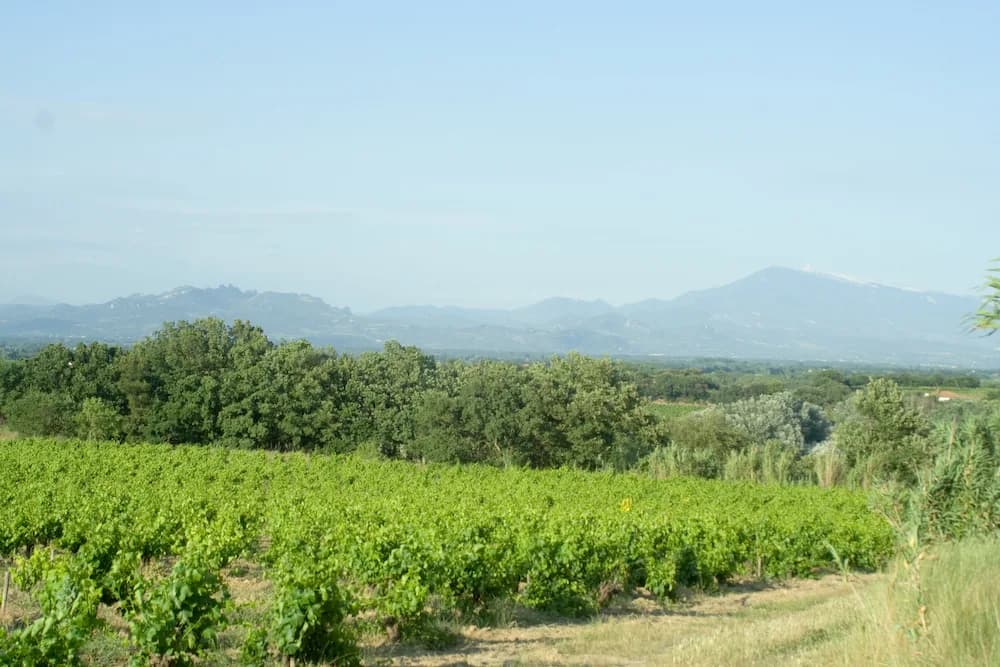
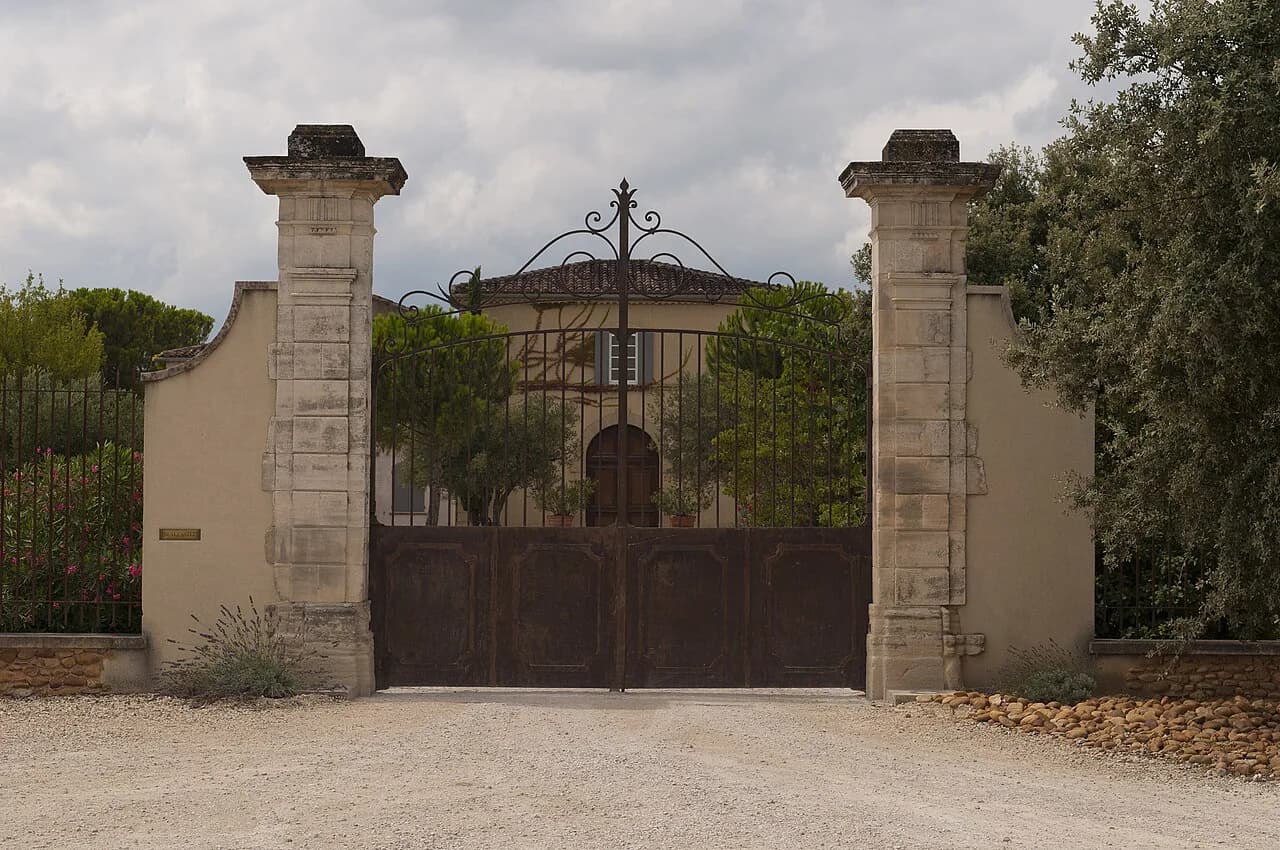
Château de Beaucastel is the name most travelers associate with Châteauneuf-du-Pape, and it sits in the northeast corner of the appellation, a short drive north of Avignon. The estate farms around 100 hectares of vines, three-quarters of them planted to the Châteauneuf-du-Pape appellation, which makes it a substantial landholding rather than a small cellar door.
This guide covers the geography that shapes a day here, the three wine identities you may want to ask about, how appointment culture works at top Rhône estates, and how to reach the village without driving. The estate has not published tasting fees, opening hours or visit durations, so plan around what you can request and confirm.
Why Beaucastel Matters in Châteauneuf-du-Pape
Beaucastel has been in the Perrin family's hands since 1909, when scientist Pierre Perrin took control of land that had passed down since Pierre de Beaucastel bought a barn and vineyards in 1549. Today Pierre's grandsons, Jean-Pierre and François Perrin, run the château, and the family name also appears on a wider portfolio of Rhône properties.
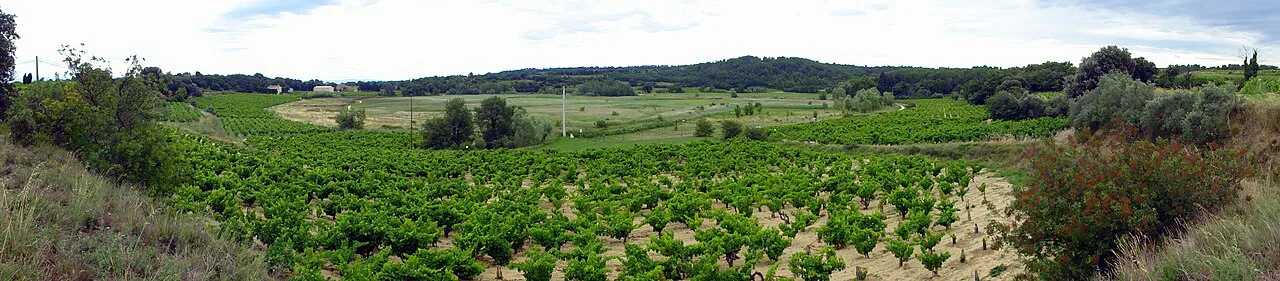
Scale is part of why the estate is a reference point: roughly 100 hectares planted, with about three-quarters used for Châteauneuf-du-Pape AOC wines. Vines up to 50 years old grow on a mix of sandstone, rocks and limestone that drains freely, and the fruit is hand-picked and vinified in groups before blending. Nothing about that profile guarantees a particular visit format, but it explains why requests are handled by appointment rather than a walk-in counter.
If you are building a broader itinerary around the base town, it helps to see Beaucastel as one anchor of a wider plan for wine tasting in Avignon, with the village and other estates filling the rest of the day. If you are weighing a longer trip up the valley, wine tasting in Lyon covers the northern Rhône and Beaujolais estates in the same way.
How Châteauneuf-du-Pape Is Laid Out from Avignon
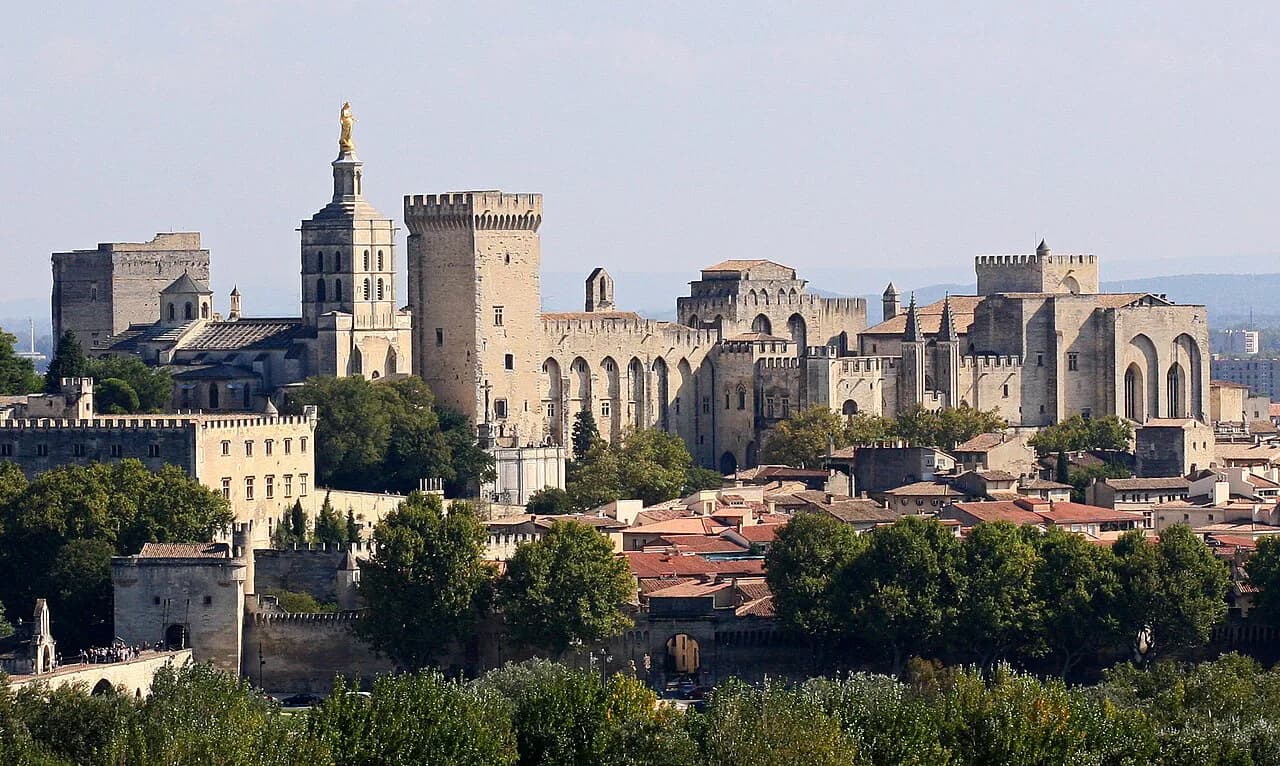
Avignon sits west of the Rhône and the appellation spreads northeast of the city, with the village of Châteauneuf-du-Pape at its center and the vineyard plateau of rolled pebbles around it. Beaucastel lies in the northeast corner of that zone, so a sensible day groups it with estates in the same sector rather than zigzagging back through the village between appointments.
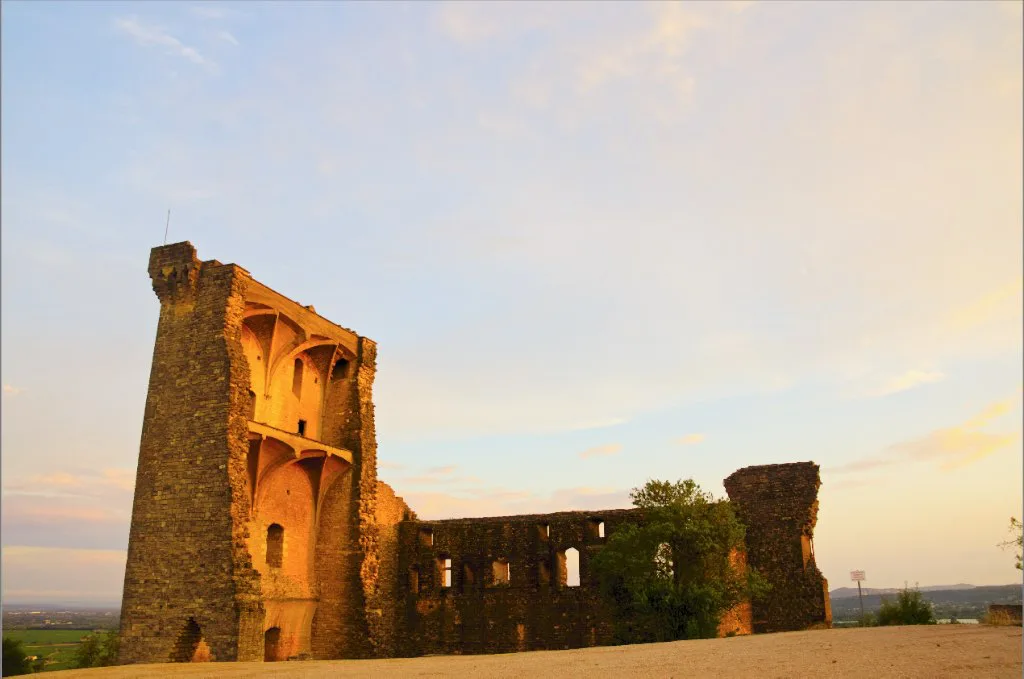
The village itself is compact and walkable, with tasting rooms, shops and the ruined papal castle above it, which makes it a natural lunch stop between two estate visits. Build the schedule so the longest drive happens once in the morning and once at the end of the day, not between every stop. If you want fixed, walk-in-friendly options to balance an appointment at Beaucastel, look at Châteauneuf-du-Pape wineries that publish their visiting arrangements.
Most of the appellation's estates sit within 15 to 25 minutes of one another by road, so two estate visits plus the village is a realistic full day; three is possible only if the appointments are close together and back-to-back. Keep the last booking early enough to drive or ride back before dark, particularly outside summer.
The Wines to Expect on a Visit
The flagship red is a southern Rhône blend built mainly on Grenache and Mourvèdre, with a higher-than-usual share of Mourvèdre and small amounts of the other permitted varieties, including roughly five percent white grapes in the final mix. Beaucastel has all 13 permitted Châteauneuf-du-Pape varieties planted, which gives the team choices at harvest and gives visitors a useful talking point when booking.
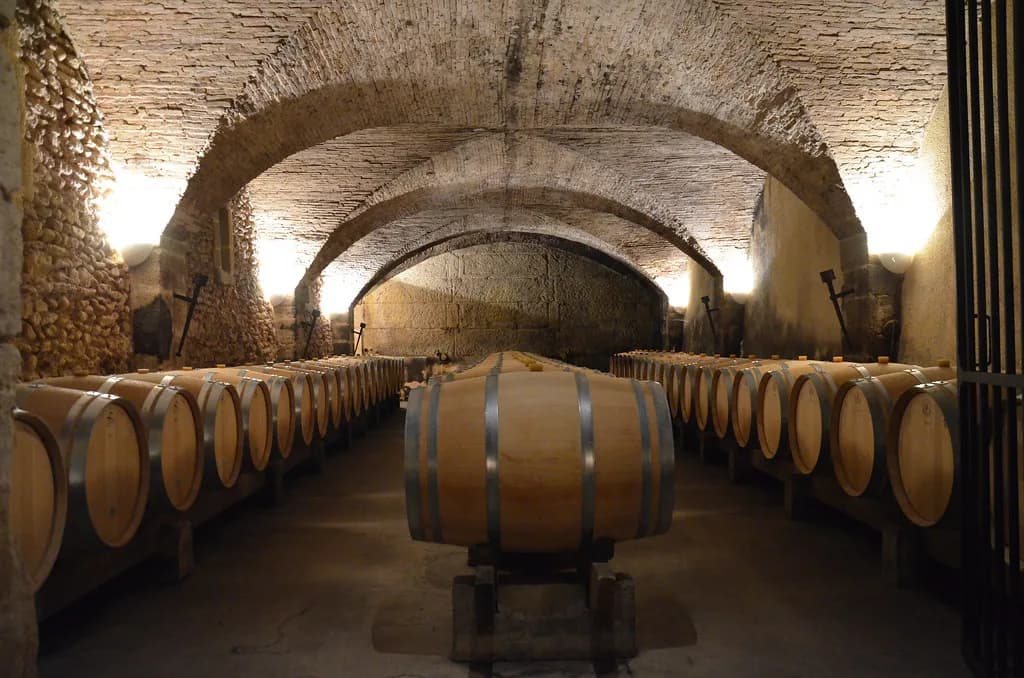
The white is a different proposition. Beaucastel has only 7 hectares of white vines, and the Châteauneuf-du-Pape Blanc is about 80 percent Roussanne with Grenache Blanc, Picardan, Clairette and Bourboulenc making up the balance, fermented partly in oak barrels and partly in tanks.
The third identity is Hommage à Jacques Perrin, a top Mourvèdre-based red named for the current proprietors' father. Listings of older vintages of both the standard red and the Hommage circulate on the secondary market, which tells you these are structured wines built to age; that is worth knowing when you decide how much time to give the tasting and whether to use the spittoon for most of what is poured.
When you write to the estate, ask which of the three you will actually taste, because a cellar visit focused on the flagship red is a different experience from one that includes the white or the Hommage. Ask about the styles you are curious about rather than relying on other people's tasting notes.
Booking a Visit: Appointment Culture and a Request Template
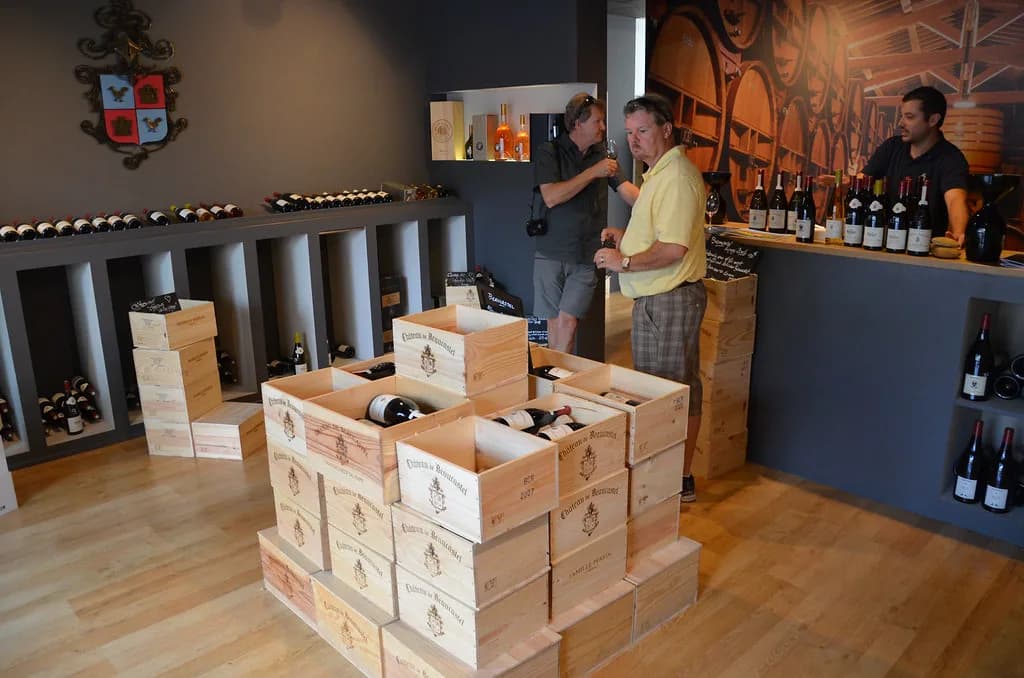
Top Rhône estates such as Beaucastel work by appointment, and the visit is arranged in advance by email or through the estate's own contact channel rather than at a gate. Tasting fees, opening hours and visit durations are not set out in the estate's published materials, so your request should ask for the format and any charge rather than assume either.
A useful message states the date and preferred time window, the size of your party, the language you would like the visit in, and whether you want a cellar tour or a seated tasting. Add whether you are interested in the white and the Hommage, whether anyone in the group does not drink, and how you will arrive, since a driver who will not taste needs a different set-up. Keep it to a short paragraph with a clear subject line referencing the date.
Expect the answer to set the terms: the estate may offer a single fixed slot, a minimum party size or a limited season for visits, and all of that is normal at this level. If the date is not available, ask to be offered an alternative rather than sending repeated requests. One confirmation with the estate shortly before you travel settles the final time and meeting point.
Getting There Without Driving
The train is the easy part: Avignon has TGV and regional services, and the appellation is a short road trip north of the city, but there is no station inside the vineyard. For the last stretch you are choosing between a taxi booked for the round trip, a bike, or a guided wine tour that collects you in Avignon.
A taxi gives you a fixed schedule and is the most straightforward option for a single appointment, but rural taxis are limited and you should book the return leg at the same time as the outbound one rather than hoping to find a car at the estate. A bike is feasible for confident riders covering the flat roads between the village and the plateau, though heat and mistral wind make it a summer-morning activity and the distances add up once you leave the main lanes.
A guided tour removes the transport problem entirely and usually strings together two or three estates; the trade-off is a fixed route and less time at any one property. Whatever you choose, the driver in your group should not taste, using the spittoons at each estate so the return journey is legal and safe.
Independent Trip vs. Guided Tour
Going independently means owning the logistics: booking each appointment yourself, arranging the car or taxi, and pacing the day. The payoff is flexibility, the ability to stay longer where the conversation is good, and the freedom to stop in Orange or back in Avignon on the way home. That flexibility is worth the effort when your party is small and your dates are firm.
A guided tour suits anyone who wants the appellation explained en route, does not want to negotiate rural transport, or is traveling solo and would rather join a group. Compare the two on total cost per person once transport is included, since a taxi round trip plus two tasting fees can approach a tour price, and check what the tour includes before booking.
Avignon wine tours typically handle the driving and the estate introductions, which is a sensible trade if you would rather spend the day tasting than negotiating rural roads and return taxis. For a mixed group, a good compromise is a tour for the appellation day and an independent, walkable stop in Avignon itself on another day. If you want to spread your time across a wider set of estates, the broader list of Avignon wineries helps you see what else takes visitors near the city.
Harvest Timing and the Seasonal Rhythm
Châteauneuf-du-Pape is a Mediterranean appellation where picking generally falls in September, and at Beaucastel the 2022 harvest began on August 19, eleven days ahead of 2021, after a dry winter and spring. The point for travelers is that harvest is not a fixed week: it shifts with the year, so anyone timing a trip around it should check the dates with the estate before booking.
During picking and vinification the estate is at its busiest, and hospitality can be more constrained than in quieter months, while spring and early summer visits usually find calmer cellars. If your heart is set on seeing fruit arriving, ask when you book whether any harvest activity will be visible on your date, and accept a plain answer.
Autumn after harvest is a good time to taste the new vintage's direction, and winter is the quietest window, though some estates reduce their visiting days. Ask about the date you want rather than relying on a general season, since opening patterns differ from one property to the next.
Pairing Beaucastel with the Rest of the Day
The village of Châteauneuf-du-Pape deserves at least a couple of hours: a walk up to the castle ruins, a look at the pebble-strewn plateau from above, and a long lunch. Place it between a morning visit and an afternoon appointment, or at the end of the day if your tasting is early.
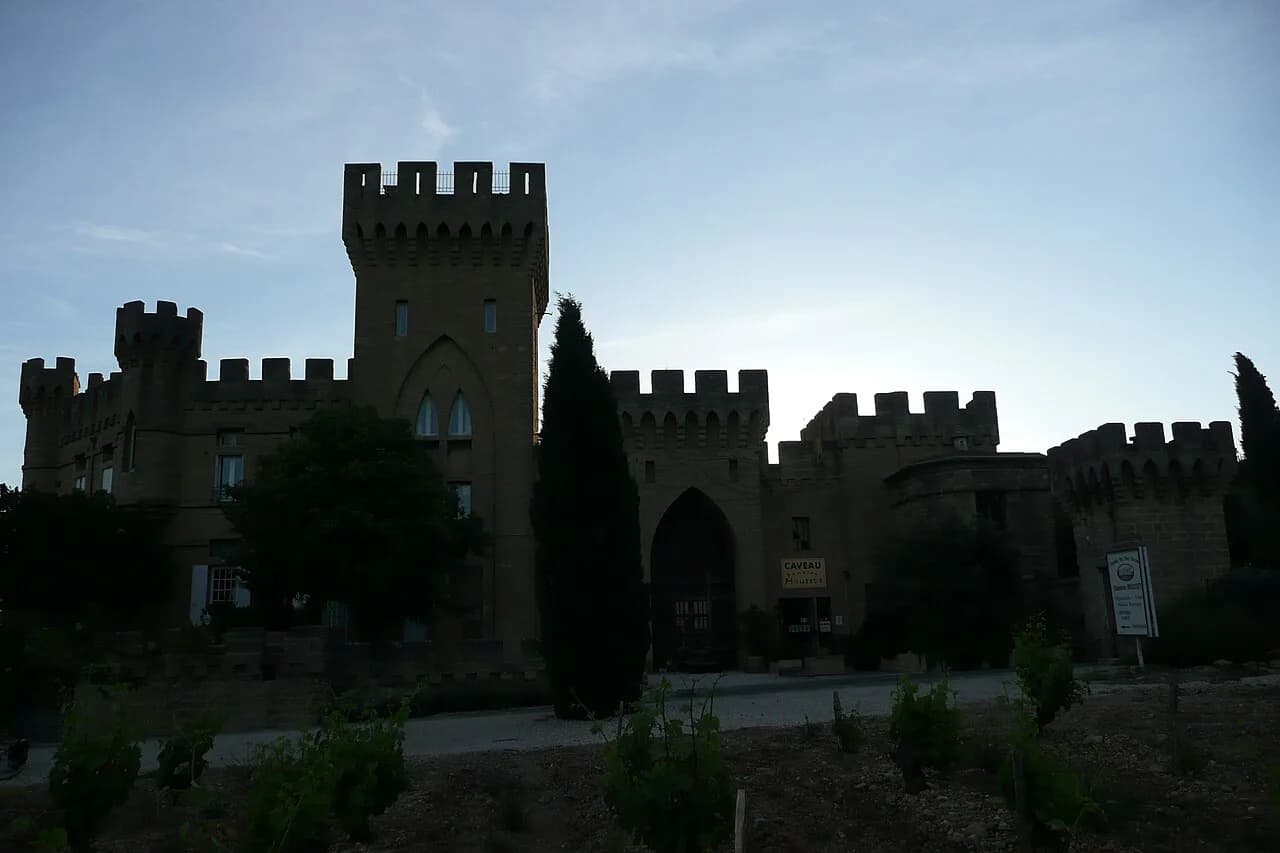
Orange, twenty minutes north, has Roman theatre and a compact old town that work well as a slower second day. On the Avignon side, Château Mont-Redon on the Chemin de Maucoil is a well-known estate on the plateau whose published visiting arrangements you can compare with Beaucastel's.
Build the day around two fixed points rather than a list: one appointment at Beaucastel and one meal you have reserved. Everything else, including a second estate, fits around those, and the day stays enjoyable even if one stop runs long.
What to Confirm Before You Go
Before you travel, settle the appointment at Beaucastel with one clear exchange covering date, time, party size, language, format and any charge, and book your transport for the same hours. Read the Famille Perrin pages on the wines you hope to taste so your request is specific about the red, the Roussanne-based white or the Hommage.
Treat the appellation as a day with one anchor and one flexible second stop, and plan the drive or tour so nobody in the car has been tasting. Done that way, a visit to the northeast corner of Châteauneuf-du-Pape fits neatly into a longer stay built around wine tasting in the Rhône Valley.
Frequently Asked Questions
Can you visit Château de Beaucastel?
The estate is a working wine property in Châteauneuf-du-Pape and receives visitors by prior arrangement rather than as a walk-in attraction. It has not published tasting fees, opening hours or visit lengths, so send a request with your date, party size, language and whether you want a cellar tour or a seated tasting, and let the estate set the terms.
How far is Château de Beaucastel from Avignon?
The estate sits in the northeast corner of the Châteauneuf-du-Pape appellation, north of Avignon, which is a short road trip from the city. There is no station inside the vineyard, so plan on a taxi booked both ways, a bike, or a guided tour that collects you in Avignon.
Who owns Château de Beaucastel?
The estate has belonged to the Perrin family since 1909, when scientist Pierre Perrin took control of land the Beaucastel family had held since 1549. It is now run by Pierre's grandsons, Jean-Pierre and François Perrin, and the family name also appears across a wider group of Rhône properties.
What grapes go into Beaucastel red?
The flagship red is a southern Rhône blend based mainly on Grenache and Mourvèdre, with a higher-than-usual share of Mourvèdre and small amounts of other permitted varieties, including a portion of white grapes. All 13 permitted Châteauneuf-du-Pape varieties are planted on the estate.
What is the Beaucastel white wine made from?
The Châteauneuf-du-Pape Blanc comes from the estate's 7 hectares of white vines and is roughly 80 percent Roussanne, rounded out with Grenache Blanc, Picardan, Clairette and Bourboulenc. Part of the wine ferments in oak barrels and part in tanks.
Do you need an appointment to taste in Châteauneuf-du-Pape?
At top estates such as Beaucastel, yes: visits are arranged in advance by message, not at the gate. Smaller tasting rooms in the village may keep more flexible hours, but ask about the specific property, and check current details shortly before you travel.
When is harvest in Châteauneuf-du-Pape?
Picking generally falls in September, but it moves with the year. Beaucastel began its 2022 harvest on August 19, eleven days earlier than 2021, so treat any harvest date as approximate and ask the estate what will be happening on your chosen day.
How do you get to Châteauneuf-du-Pape without driving?
Take the train to Avignon, then a taxi booked for the round trip or a guided wine tour from the city. Cycling is possible for confident riders on the flat roads, but heat and wind make it a morning plan, and distances grow once you leave the main lanes between the village and the plateau.
Sources
Notes for your next wine trip
Optional updates to our winery and wine-town guides.
You might also like
Continue reading
More guides you'll find useful