Château Mont-Redon: Avignon Guide to Châteauneuf-du-Pape
Plan a Château Mont-Redon tasting near Avignon: free caveau samples, seven-day summer opening, the wines to know, and how to reach Châteauneuf-du-Pape.
On this page
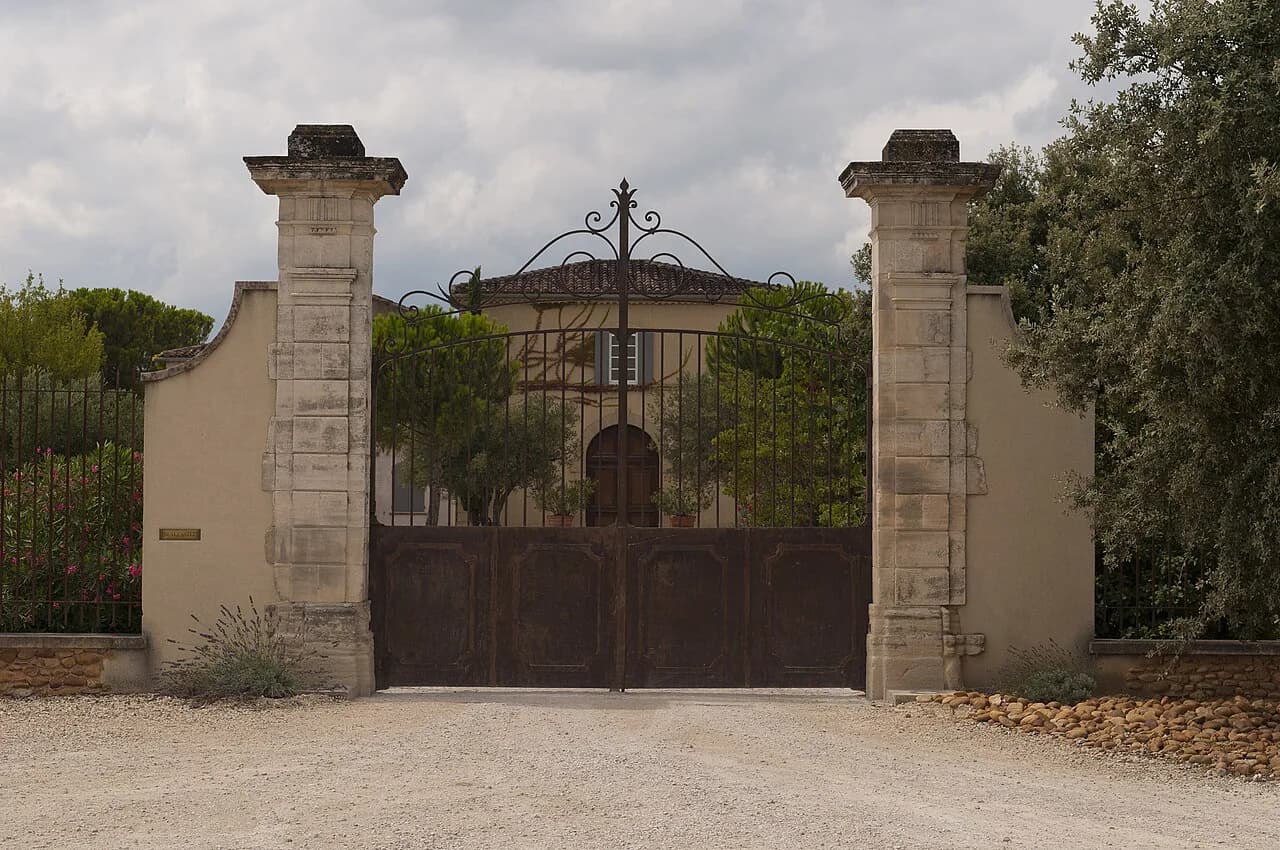
Château Mont-Redon sits at the northwest edge of the Châteauneuf-du-Pape appellation, a short drive from Avignon and one of the most straightforward estates in the southern Rhône to visit on your own schedule. It is a working family property rather than a showpiece cellar, and its appeal for a day trip is simple: a complimentary pour at the caveau, a broad range that reaches well beyond the famous village red, and opening patterns that cover most of the year.
This guide separates the two ways to experience the estate, the walk-in tasting room and anything arranged in advance, and explains what the wines are so the counter conversation means something. It also covers the practical question for anyone based in Avignon: how to get to Chemin de Maucoil when nobody in the group wants to drive.
What Château Mont-Redon Is
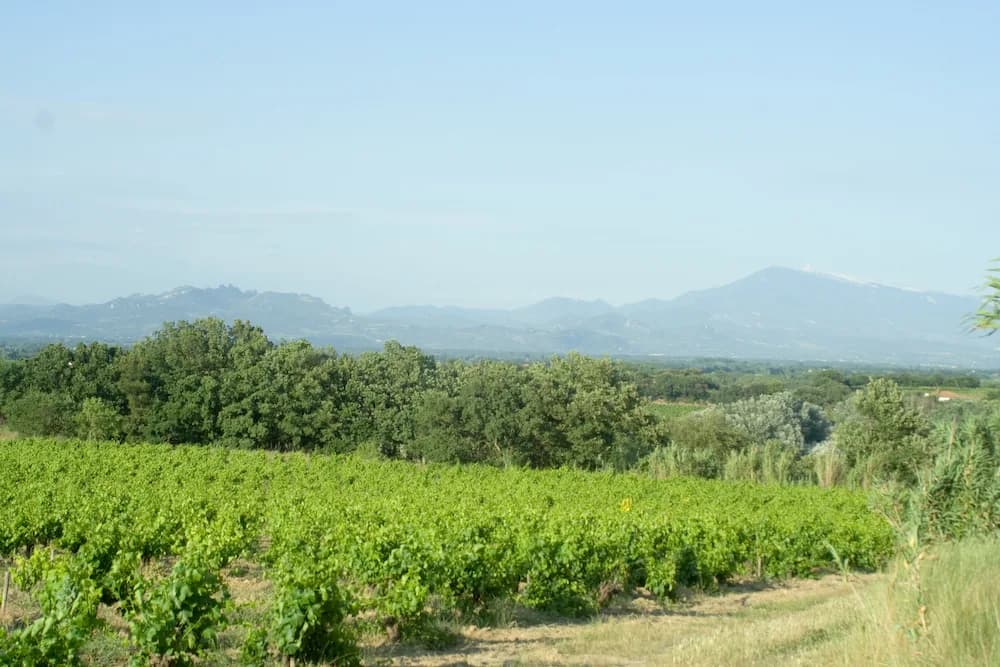
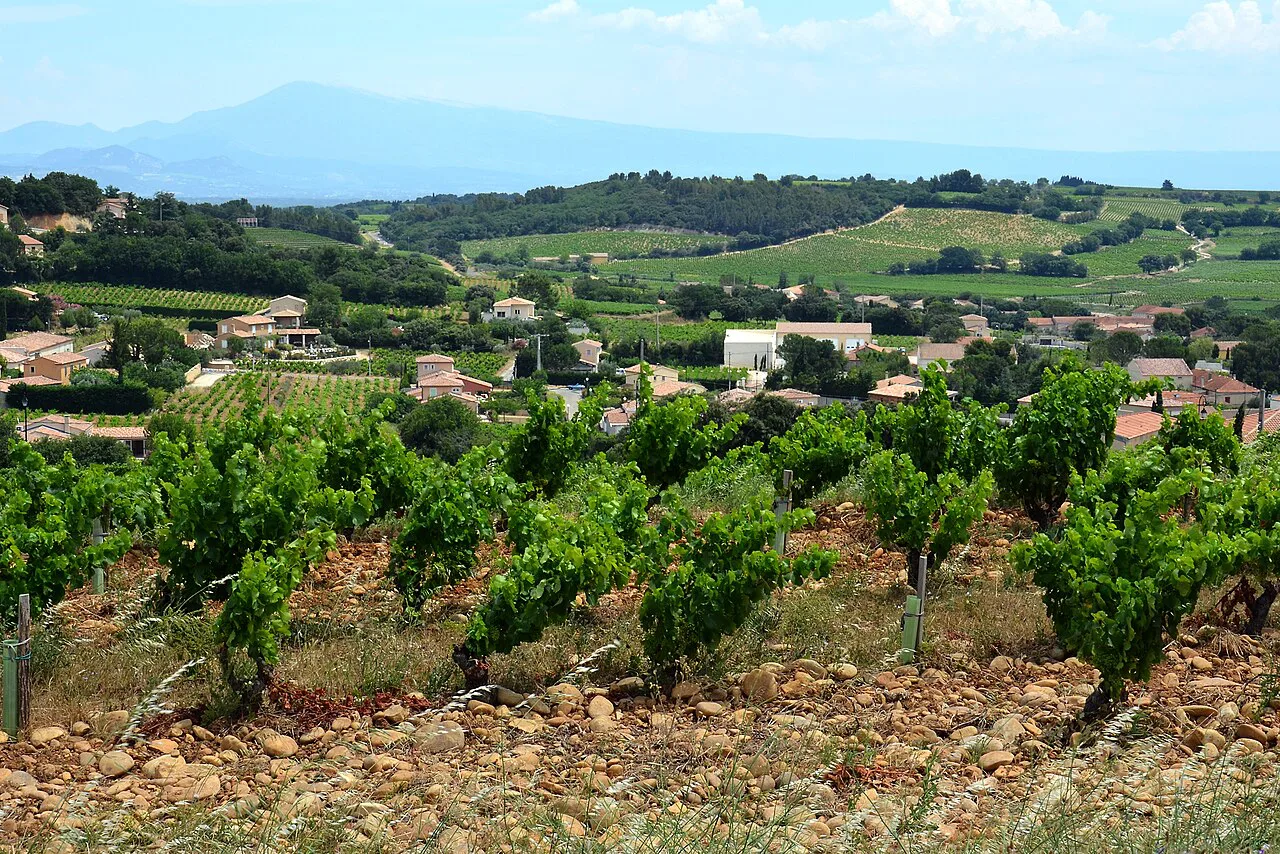
Henri Plantin bought the isolated property in 1923, well before the Châteauneuf-du-Pape appellation was created in 1936, and cleared scrubland to plant vines on the rolled pebbles of the plateau overlooking Mont-Redon. The estate remains in family hands through the Abeille-Fabre family and occupies a northwestern position in the appellation. That early date matters to the story told at the cellar: it makes Mont-Redon one of the properties that shaped the appellation rather than one that arrived after its rules were set.
The vineyards hold the three terroirs the estate treats as its foundation: the galets roulés pebbles of the plateau, compact sand known locally as safres, and urgonian limestone. Together they give the range a wider spread of styles than a single-soil estate could manage, and they explain why the property bottles both a standard Châteauneuf-du-Pape and a separate Le Plateau cuvée.
Why It Earns a Slot on an Avignon Wine Day
Three things make Mont-Redon a sensible anchor for a day out from Avignon. The caveau tasting is described by the estate as offered, meaning you can stop for a selection of wines at no charge and buy bottles on site afterward. The estate also cultivates and vinifies all thirteen grape varieties permitted in Châteauneuf-du-Pape, which is unusual enough to be worth asking about at the counter.
The third reason is range. Alongside Châteauneuf-du-Pape red and white and the Le Plateau bottlings, the estate makes Lirac red and white plus Côtes du Rhône red and white, so a single stop lets you compare a grand appellation against neighbouring ones in the same room. If your trip is built around one village only, that breadth is the argument for choosing Mont-Redon over a smaller, single-cuvée cellar. If you would rather build a whole trip around one of the northern Rhône's other great reds, the Lyon wine guide covers that alternative.
Getting There from Avignon
The estate is on Chemin de Maucoil in Châteauneuf-du-Pape, northwest of the village itself, and the practical base for reaching it is Avignon. With a car the run is short and the road straightforward, but the vineyards sit outside the village centre, so this is not a stop you fold into a walk around town. Plan transport before you plan the tasting.
Without a car, your realistic options are a taxi booked for the round trip, a bicycle if you are comfortable on country roads, or an organized tour that handles the driving between estates. The tour trade-off is freedom: you cede control of timing and which cellars you see, but nobody has to watch the clock against a spitting schedule. Compare the options on Avignon wine tours before committing to a self-drive plan.
Whichever route you choose, treat the drive as part of the tasting day rather than an afterthought. Ask Château Mont-Redon for the address and access details when you contact them, and check with a taxi company in Avignon in advance that they will collect you at a set time, since rural pickups are harder to arrange on the spot than in town.
The Caveau: Tasting Room and Opening Pattern
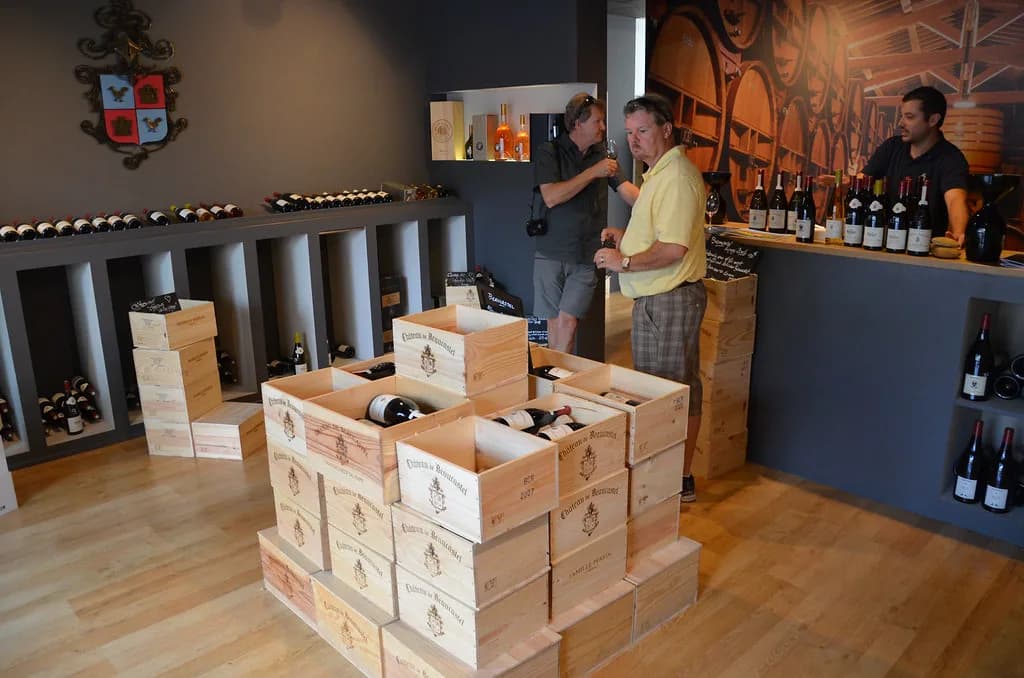
The tasting room at the caveau pours a complimentary selection of the estate's wines and sells the full range by the bottle. The seasonal pattern is the detail that decides your dates: the estate opens seven days a week from March to December, but only six days a week, Monday to Saturday, in January and February. Daily opening hours are published on Google rather than fixed on the estate's own page, so look them up for the day you plan to arrive.
Two consequences follow. First, a Sunday visit in midwinter is the one combination to avoid. Second, an early-spring or late-autumn trip gives you full-week access without the summer crowds that fill the village in July and August. The estate has not published a tour price, a flight size or a tasting duration for the caveau, so treat the complimentary pour as a tasting-room sample rather than an assumed guided visit with a set menu.
Booked Visits Versus the Walk-In Tasting Room
The estate's site distinguishes between the caveau, which you can use as a tasting and sales counter, and a VIP visit and tasting offered as a separate experience. What the published material does not specify is how that VIP option is priced, how long it lasts, how far ahead you need to book, or whether there is a minimum party size. Those are questions to put to the estate directly rather than assumptions to build an itinerary on.
When you call the number listed on the estate's contact page or send an email, ask four things: whether a guided visit is running on your date, what it includes beyond the counter tasting, the cost per person, and the latest time you can arrive. If you are a group of six or more, mention it, because small family estates often handle larger parties only by arrangement.
The Wines to Taste with Context
Grenache leads every blend at Mont-Redon, supported by the other permitted southern Rhône varieties. The estate's own account of its Châteauneuf-du-Pape red cites a composition built largely on Grenache Noir with Syrah and Mourvèdre and a small share of other allowed grapes, which is the classic structure of the appellation. Tasting the white alongside the red is the quickest way to see how the same terroirs read in a different register.
Above the standard bottlings sit the Le Plateau red and white, drawn from the plateau's pebble soils and positioned as the estate's premium expression of that terroir. Then come the Lirac and Côtes du Rhône wines, which use the same southern grape palette at lower appellation rank. Asking to compare the Châteauneuf-du-Pape red against the Lirac red in one sitting is a useful exercise in what appellation and soil actually change.
Retail listings for the estate's wines circulate widely, including half-bottle offers from US merchants, but those figures reflect shop pricing and shipping rather than anything the cellar charges. If you want to know what a bottle costs at the property, ask at the counter when you taste; buying there also avoids the logistics of carrying wine home from a shop listing.
Reading a Châteauneuf-du-Pape Lineup Without Scores
Châteauneuf-du-Pape permits thirteen grape varieties, red and white, and the appellation's rules allow them to be blended in ways that most French appellations do not. That is why two bottles from the same village can taste nothing alike: one estate may lean almost entirely on Grenache, another may push Syrah or Mourvèdre forward, and the whites may combine Grenache Blanc, Roussanne, Clairette and others. Knowing this stops a tasting from becoming a search for a single correct style.
At the counter, ask which varieties dominate each cuvée and how the Le Plateau wines differ from the standard Châteauneuf-du-Pape bottlings in grape mix and ageing, rather than in points. Ask too about the vintage you are poured and whether it is intended for early drinking or longer keeping, since retailer tasting notes describe the red Châteauneuf-du-Pape as reaching its first plenitude between its fifth and eighth year.
Pairing the Visit with the Rest of Châteauneuf-du-Pape
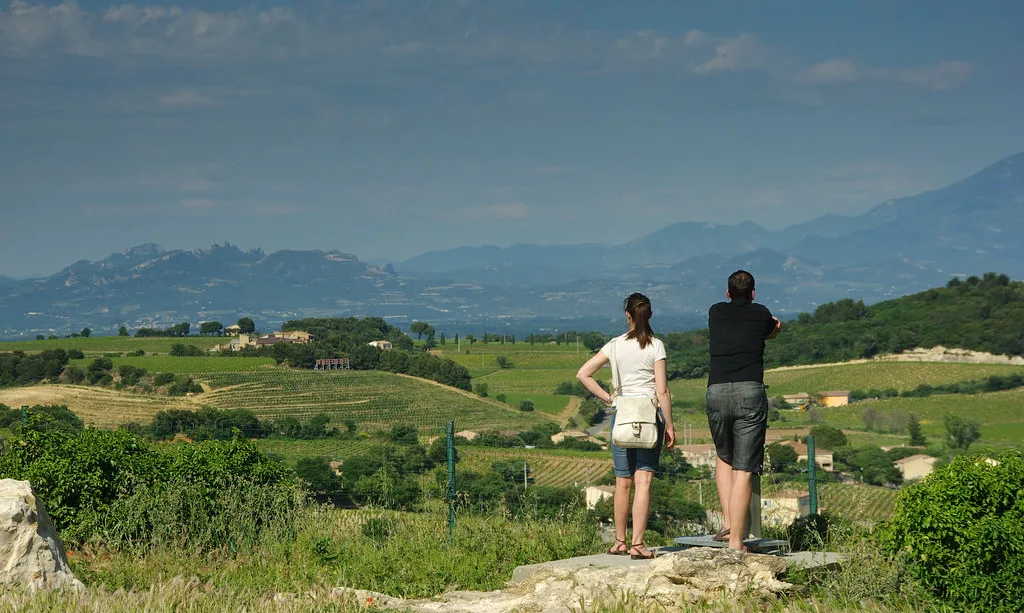
Châteauneuf-du-Pape is a large appellation spread across the plain around the village, with estates scattered along lanes rather than clustered on one street. Mont-Redon's northwestern position on Chemin de Maucoil makes it a natural first or last stop if you are working through the northern side of the appellation rather than the village centre. Group your other visits by lane and direction so you are not crossing the appellation repeatedly.
Most estates in the appellation receive visitors by appointment, and a few well-known names require booking weeks ahead in season, so build the day around confirmed times rather than hoping to drop in. If you want a second cellar in the same outing, Château de Beaucastel is among the properties travelers commonly pair with a northern Châteauneuf-du-Pape route, and its own booking rules apply.
For a broader shortlist of estates that take visitors around the base town, including options on the Avignon side of the river, browse the wineries near Avignon before fixing your route. Two well-chosen cellars with time for lunch in the village usually beat four rushed stops, especially when one of them is a walk-in caveau like Mont-Redon's.
Drinking Responsibly on a Wine Day
Someone in the group should stay dry if you are driving, and the southern Rhône's generous reds make that a real decision rather than a formality. Spittoons are standard at tasting counters, so the driver can still taste and spit, or you can book a tour, take a taxi, or split the group so one person handles the car each way. For a wider set of base-town options, the wine tasting guide to Avignon covers routes and planning.
Plan Your Visit
Mont-Redon works best as a flexible, low-commitment stop: check the day's hours, arrive at the caveau for the complimentary pour, and ask about the VIP visit only if you want something more structured. Confirm opening times before a winter Sunday and settle transport from Avignon first, since the estate sits outside the village.
Build the rest of the day around a handful of confirmed appointments and a designated driver or booked tour, and the tasting becomes the calm centre of the trip rather than a logistical scramble.
Frequently Asked Questions
Can you taste at Château Mont-Redon without booking?
The estate's caveau offers a complimentary tasting of a selection of its wines and sells the full range, so a counter stop is the straightforward option. Anything more structured, such as the VIP visit and tasting, should be arranged with the estate in advance. Ask about timing and content when you contact them.
What are the opening days at Château Mont-Redon?
The estate publishes seven-day opening from March to December and Monday-to-Saturday opening in January and February. Daily hours are not fixed on its own site, which directs visitors to Google for them, so look up the specific day before you travel.
How do you get to Château Mont-Redon from Avignon without a car?
The estate is on Chemin de Maucoil outside Châteauneuf-du-Pape village, so a taxi, a bicycle or an organized tour are the realistic car-free options. Book a taxi round trip in advance, or choose a tour that includes the northern side of the appellation.
What wines can you taste at Château Mont-Redon?
The range includes Châteauneuf-du-Pape red and white, the Le Plateau red and white, Lirac red and white, and Côtes du Rhône red and white. Grenache leads the blends, and the estate works with all thirteen grape varieties permitted in Châteauneuf-du-Pape.
Is there a charge for the tasting at Château Mont-Redon?
The estate describes the caveau tasting of a selection of wines as complimentary. It has not published a price for the separate VIP visit and tasting, so ask about that cost, duration and any minimum party size when you make contact.
When is the best time to visit Châteauneuf-du-Pape from Avignon?
Spring and autumn give you full-week access at Mont-Redon without the summer pressure on the village, while winter visits need to avoid Sundays. Harvest, usually in early autumn, is a busy period in the vineyards, so book other estates well ahead if you travel then.
Sources
Notes for your next wine trip
Optional updates to our winery and wine-town guides.
You might also like
Continue reading
More guides you'll find useful