Château La Nerthe: Visiting Châteauneuf-du-Pape from Avignon
Plan a Château La Nerthe visit from Avignon: cellar tours, tasting formats, published opening seasons and how to arrive without driving.
On this page
Château La Nerthe is the estate that makes Châteauneuf-du-Pape legible in a single stop: a real château, working historic cellars and a tasting room, all on the southern edge of the village. It is close enough to Avignon for a half-day, which makes it the natural anchor for anyone planning wine tasting in the Rhône Valley from the city. This guide covers what the two visit formats actually involve, the published opening seasons, how to reserve, and how to reach the estate and the village without putting a driver behind a tasting flight.
Why La Nerthe Is the Headline Visit in Châteauneuf-du-Pape
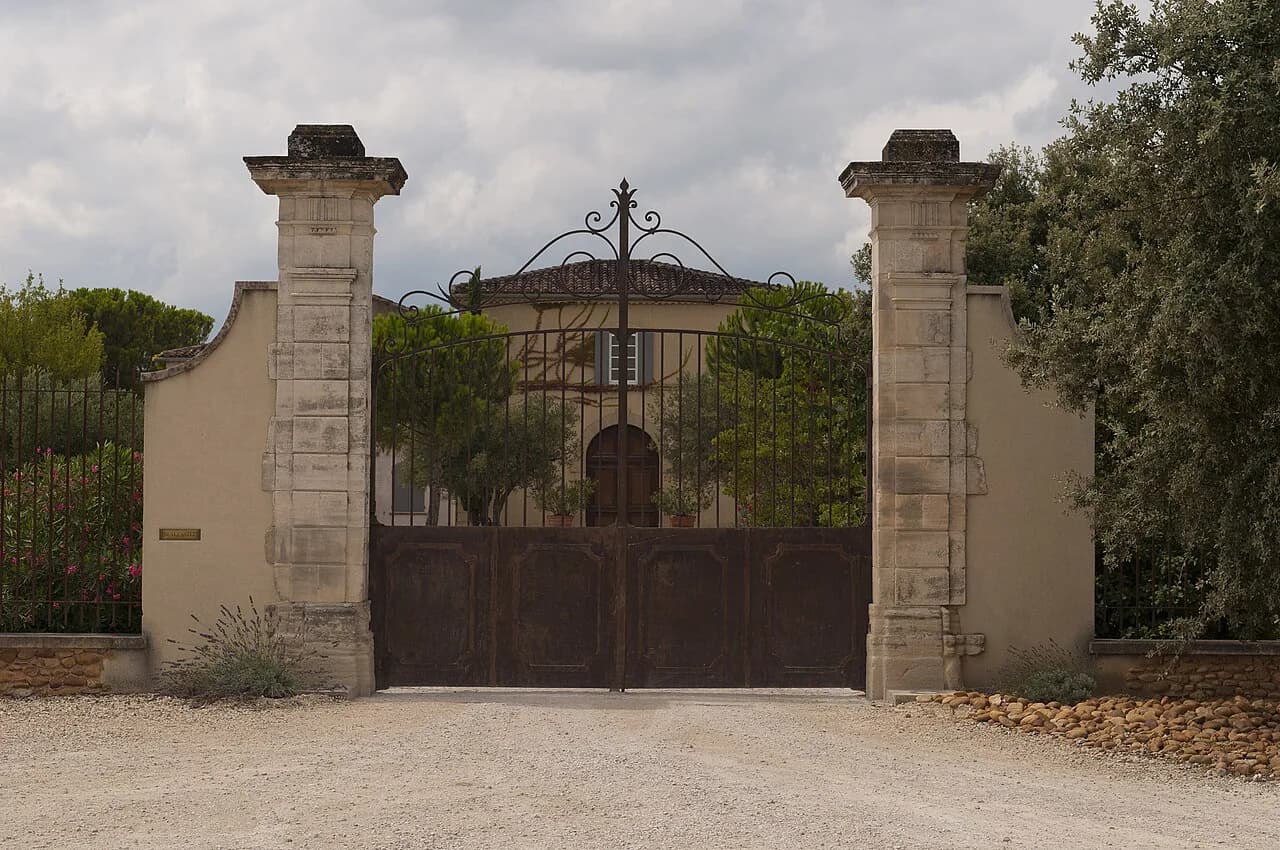
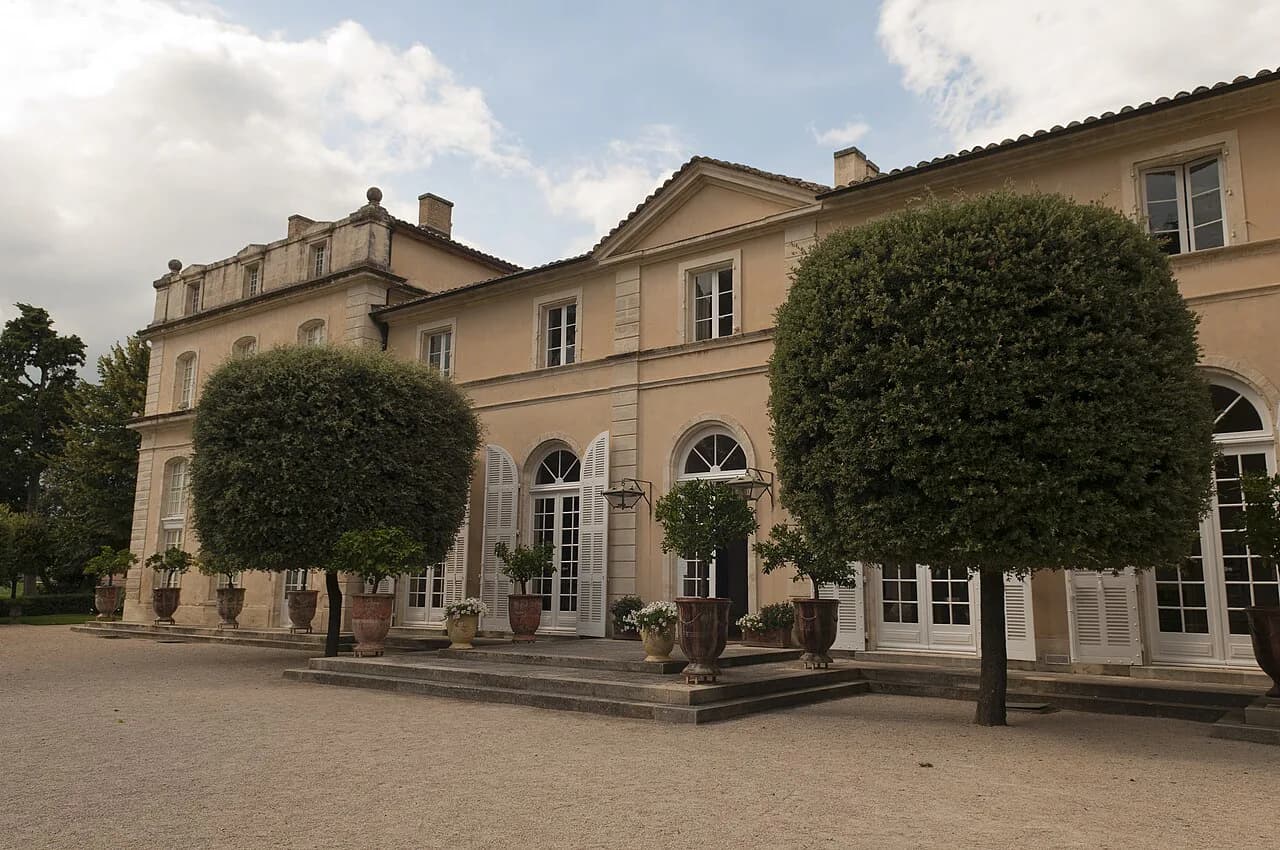
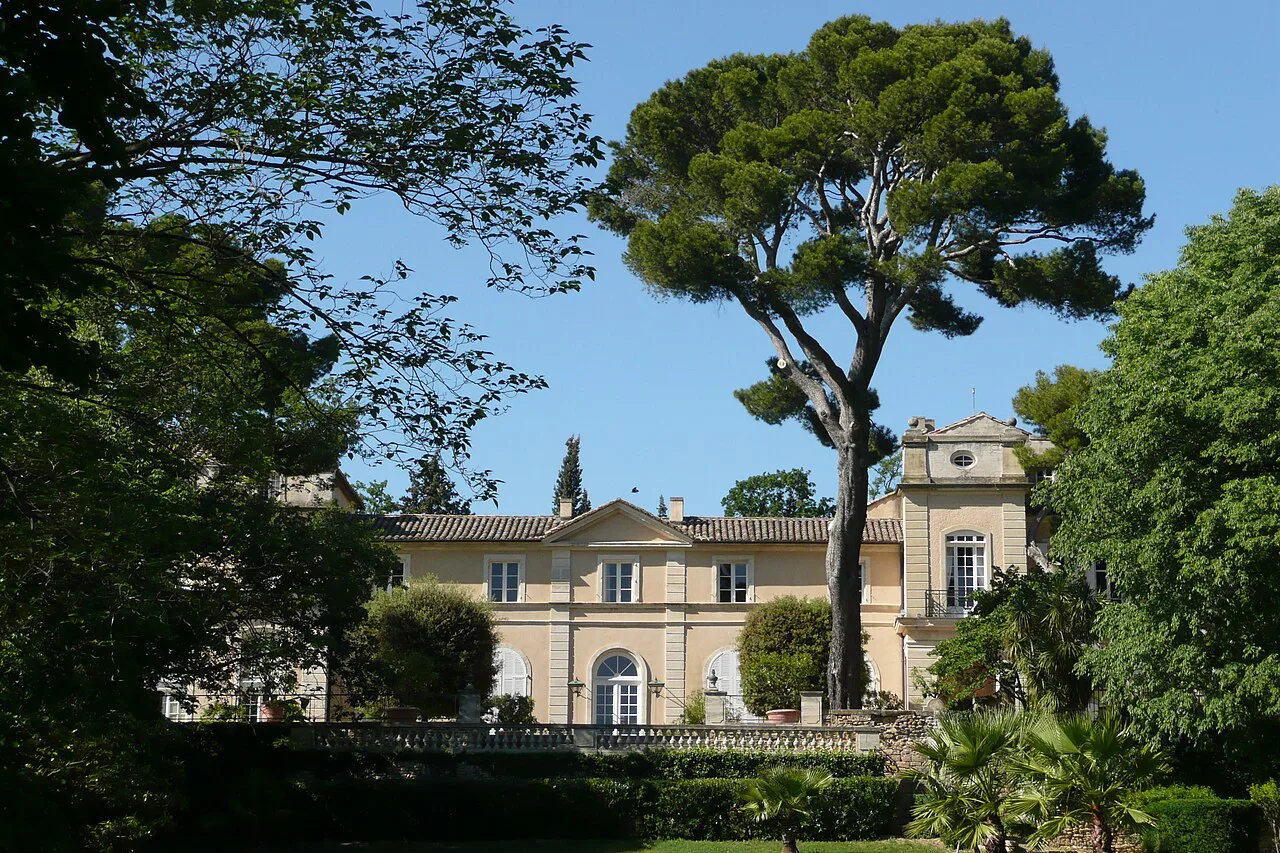
Most Châteauneuf-du-Pape domaines are working farms with a tasting counter; La Nerthe is a château with five centuries of recorded history, and that scale is what you are paying for in the visit. The estate describes itself as the only true château in the appellation, built on the foundations of a medieval cellar, with grounds that visitors can walk before or after their tasting. If you have one estate visit in you, this is the one that delivers architecture, cellars and a broad range of wines in a single stop.
The property has been in the hands of the Richard family since 1985, and it was converted to organic farming with Ecocert certification in 1998, which the estate presents as a pioneering move for the appellation. The vineyard expanded in 1991 with plots in La Crau, some planted with vines from the late nineteenth century. Those details matter on a visit because the tour narrative is built around them, not around a marketing script.
La Nerthe also anchors the wider appellation for travelers: the estate sits within the first French Appellation d'Origine Contrôlée, created in 1936, and its history is bound up with the naming of Châteauneuf-du-Pape itself. Tasting here gives you the reference point for every other glass of the day.
Where La Nerthe Sits and the Run from Avignon
The address is 4213 Route de Sorgues, 84230 Châteauneuf-du-Pape, and the estate describes the approach as leaving the village heading south for about 2 km, then following a lane that winds between vines, evergreen oaks, cypresses and olive trees up to the château. The setting is rural even though the village center is minutes away, so plan to arrive by vehicle, taxi or bike rather than expecting to walk from the village square.
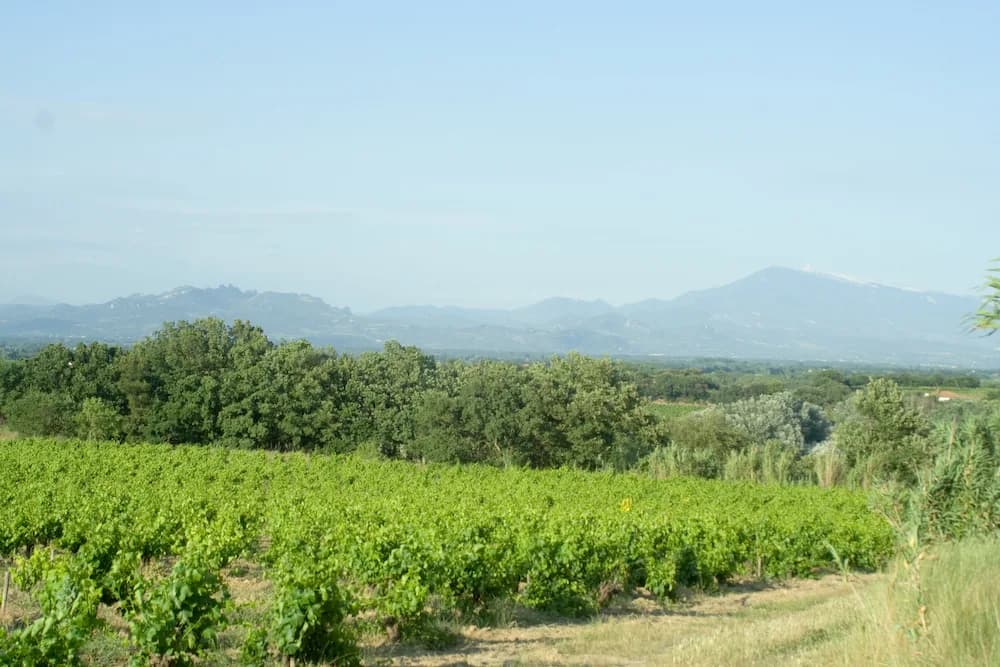
From Avignon the estate is a short drive north across the Rhône plain, and the practical question is not distance but who is driving. The vineyard blocks run along a slope around the castle, which is why the approach road feels like a climb into the vines rather than a suburban turn-off.
The wider landscape is part of the visit: the Rhône runs to the west, Mont Ventoux rises to the east, Avignon lies south and Orange, with its Roman theater and triumphal arch, sits to the north. If you are building a multi-day base, Avignon gives you the best rail connections and puts both Châteauneuf-du-Pape and Tavel within easy reach.
Châteauneuf-du-Pape in Brief: Grapes and Styles
Châteauneuf-du-Pape is a Grenache-led appellation, with Syrah and Mourvèdre as the other red mainstays and Counoise, Terret and other permitted varieties in the mix. The estate's own history records that grafting work here focused on Mourvèdre, Grenache, Terret, Syrah and Counoise for the reds, with Clairette and Picpoul bringing finesse and freshness to the whites.
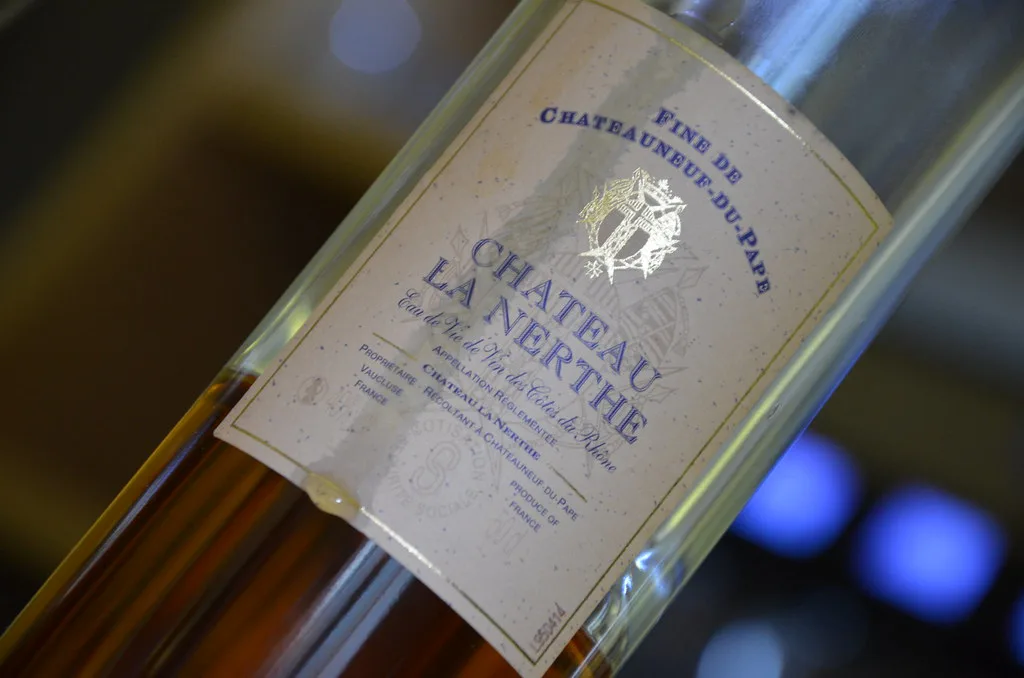
That gives you two distinct tasting tracks: the structured, warm reds the appellation is famous for, and a smaller production of white Châteauneuf-du-Pape that is worth seeking out precisely because so few visitors ask for it. La Nerthe's range spans a white Châteauneuf-du-Pape, a white Clos de Beauvenir, several red cuvées and a Tavel rosé from Prieuré de Montézargues, so a tasting flight can cover white, rosé and red in one sitting.
The appellation's soils are the other half of the story: the estate's vineyards are planted in two single blocks around the castle, on a slope with the characteristic galets roulés that store heat through the day. You do not need a geology lesson to enjoy the wines, but knowing that the whites are made in small volumes helps you decide whether to prioritize them in your flight.
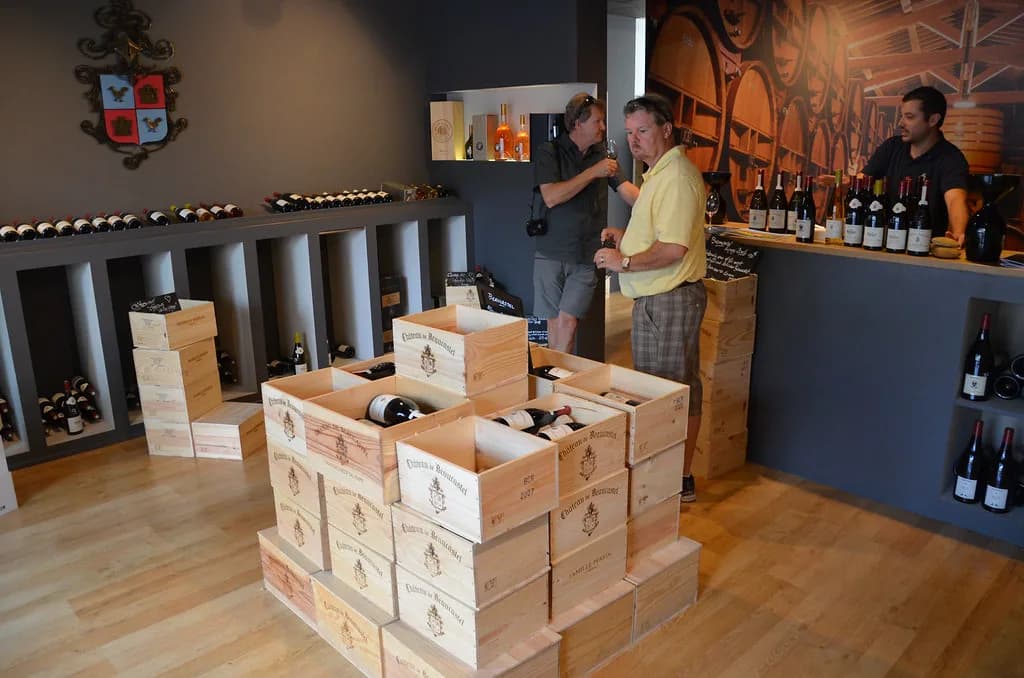
If you want to compare La Nerthe with the appellation's other benchmark estates, plan a second stop rather than trying to fit everything into one morning. Château de Beaucastel, farther north toward Courthézon, is the classic contrast in style and scale.
What the Visit Covers: Grounds, Cellars, Château Rooms and the Tasting
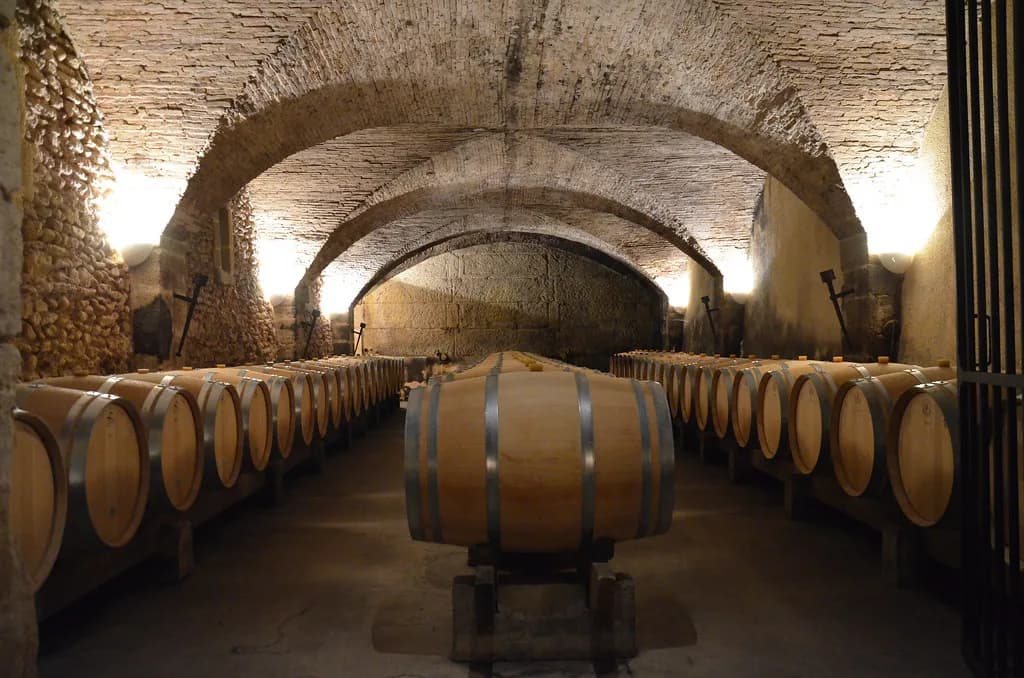
The visit is built around three elements: the exterior grounds with their plane trees and pines, the historic cellars beneath the château, and the château rooms used for aging and storage. Visitor reviews consistently describe walking the grounds, descending into the cellars and hearing about the estate's history and winemaking before sitting down to taste. The grounds alone justify arriving early enough to walk them without rushing to the tasting room.
The cellar is the part that books out first: recent visitor accounts note arriving to find the cellar tour fully booked while a stand-alone tasting was still available. That pattern is the single most useful thing to know before you go, because it means the walk-in option and the full tour are not interchangeable.
The production side is organic and certified, with the vineyard split into two main blocks around the castle on a slope running through the appellation's classic soils. Guides explain the winemaking here in practical terms, from picking through fermentation, which makes the visit legible even for travelers who are new to Rhône wines.
The Two Realistic Formats: Short Tasting vs. Longer Tour
Format one is a stand-alone dégustation, typically taken in the tasting room without the cellar walk-through. Visitor reviews describe this as a seated tasting of a white, a rosé and several reds, with explanations from a host, and it is the format that remains available when the guided tours are full. If your day is tight or you are combining La Nerthe with village tasting rooms, this is the efficient choice.
Format two is the longer guided tour, which visitor accounts describe as covering the vineyard, the château and the cellars before a tasting of seven wines, red and white. Reviews of this format repeatedly mention the guide's knowledge and the range of the flight, and it is the version to book if you want the cellars and the estate history rather than just the wines.
Tasting format and fee are confirmed when you book, so ask when you reserve rather than budgeting from secondhand figures. Tasting fees and bottle purchases are separate decisions here, and several visitors note that buying bottles does not discount the tasting, which changes how you should think about value. Decide in advance whether you are paying for the experience or for wine to take home.
Group size on the longer tour is small, with reviews mentioning parties of four to six, so the experience feels closer to a private walk-through than a coach stop. That also means capacity is limited and the popular slots go first.
Booking and Drop-In: How Appointment Culture Works Here
La Nerthe accepts both advance bookings and, when space allows, walk-in tastings, but the cellar tour is the element that sells out. Reserve the longer tour by email or phone through the cellar door contacts published on the estate's site, and state clearly which format you want, since the two are booked separately. The published email is for visits specifically, which keeps your request out of the general administrative queue.
When you write, ask four things: whether the cellar is included, the language of the tour, the size of the group you will join, and how long the visit runs. These are the variables that actually change the experience, and they are not all published. If you are traveling in a group of more than four, mention it, because the small format means larger parties need to be accommodated deliberately rather than assumed.
For a same-week visit, phone rather than email; the cellar door publishes a direct booking line, and a call resolves availability in minutes. If you are building a full day of estate stops, it helps to see how other Avignon wineries handle appointments before you commit to a sequence.
Opening Seasons and How Closures Shape Your Day
The published hours split into two seasons. From May 2 to September 30 the estate is open daily, 10 a.m. to 1 p.m. and 2 p.m. to 6 p.m. From October 1 to April 30 it is open Monday to Saturday, 10 a.m. to 12 p.m. and 2 p.m. to 6 p.m., and closed on Sundays and holidays.
The lunch break is real: the cellar door shuts between 12 and 2 in winter and between 1 and 2 in summer, so a late-morning arrival needs to finish before the doors close or wait out the gap in the village. Winter afternoons are the quietest window, which suits travelers based in Avignon for a short break.
Sunday travelers should plan La Nerthe for a different day between October and April, or switch to the summer window when daily opening applies. If your trip falls around a French public holiday, treat the published holiday closure as the default and call ahead.
Costs: Tasting Fees vs. Bottle Purchases
Ask the fee for your chosen format when you book, and ask separately whether it is credited against a bottle purchase, because at La Nerthe the answer has been that it is not.
Treat the visit and the wine shop as two budgets. The estate sells its full range, including the white Châteauneuf-du-Pape and the Clos de Beauvenir, and shipping is available for travelers who cannot carry bottles home. Compare shelf prices in Avignon before buying in volume, since local retail and estate pricing do not always align.
If the tasting fee feels high for a short stop, the math changes when you use the visit as a comparison point for the rest of the day rather than a single purchase. One structured tour with seven wines tells you more about Châteauneuf-du-Pape than three rushed counter tastings.
Getting There Without a Car
The rail spine is Avignon, with TGV connections from Paris and Lyon and regional trains along the Rhône. For Châteauneuf-du-Pape itself, the practical non-driving options are a taxi from Avignon, a bike on the flat plain, or an organized tour that handles the transfers between estates.
A taxi from Avignon to the Route de Sorgues address is short enough to be affordable split between two or three people, but returning is the catch: there is no taxi rank at the estate, so arrange a pickup time with the driver or book a car for the round trip. Cycling works for confident riders on the plain, though the lane up to the château climbs and the roads carry local traffic.
Organized Avignon wine tours solve the logistics in one move: transport, appointments and a driver who is not tasting. The trade-off is a fixed itinerary and a set pace, which can mean less time at La Nerthe than you would choose on your own.
Whichever route you take, the driver in your party should not taste. Use the spittoons, book a tour, or take public transport, and the day stays straightforward for everyone.
Independent vs. Guided: The Real Trade-Offs
Going independently gives you control: you can linger in the grounds, choose the short tasting over the full tour, and add a second stop in the village on your own schedule. It also puts the burden on you to book the cellar tour in advance, arrange transport, and manage the lunchtime closure, which is where most independent wine tours in the appellation go wrong.
A guided tour removes those friction points and usually adds commentary on the appellation between stops, but it compresses each visit and commits you to a group pace. If the cellar tour at La Nerthe is the priority, confirm that the tour includes it before booking, since not every operator's itinerary does.
A middle path works well from Avignon: book the estate visit yourself and join a small-group tour only for the transport, or reverse it and use a tour for the day while keeping a free morning for the village. Either way, build in the 12-to-2 winter gap so lunch is not a scramble. If you are weighing a similar mix-and-match approach against a different base, the Lyon wine guide covers day trips into Beaujolais and the Northern Rhône.
Pairing La Nerthe with the Rest of Châteauneuf-du-Pape
The village itself deserves two hours: the ruined castle on the hill gives the best view in the appellation and the obvious orientation point, and the streets below hold tasting rooms and shops. After a morning at La Nerthe, drive or walk up to the castle, then choose one village tasting room rather than three.
Tavel is a short drive west across the Rhône and makes a natural afternoon extension for rosé, and La Nerthe's sister estate, Prieuré de Montézargues, produces Tavel under the same ownership. If you are staying in Avignon for several days, the appellation pairs easily with a separate day on the Rhône's northern bank.
Keep the geography simple: La Nerthe to the south of the village, the village center and castle in the middle, and the broader appellation stretching north. That layout lets you build a loop rather than backtrack.
A Practical Day Plan
Start with a confirmed cellar tour slot in the morning, ideally the first of the day, and arrive twenty minutes early to walk the grounds. Follow it with the village: the castle viewpoint and a single tasting room before lunch. This sequencing means the biggest appointment happens while you are fresh and the loosest part of the day falls after lunch.
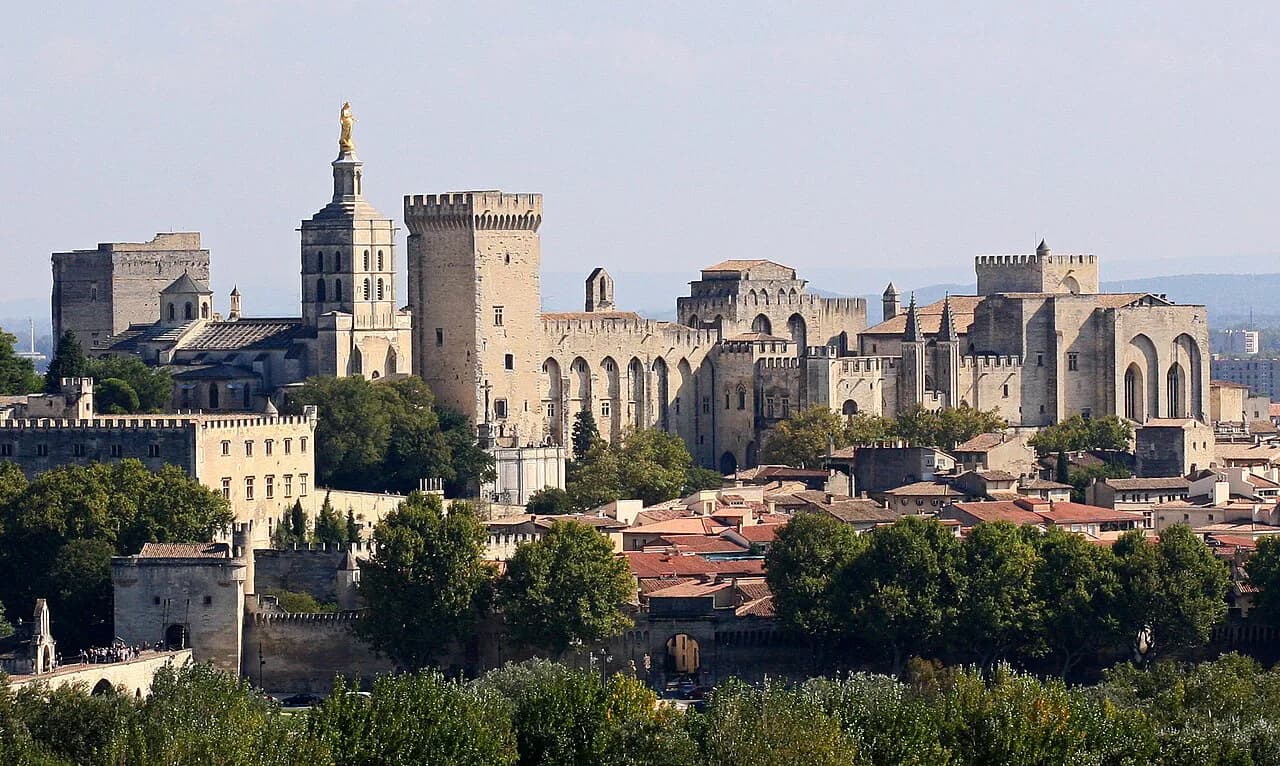
In the afternoon, either add a second estate or head back to Avignon for the Pope's Palace and the Rocher des Doms, which balances the day without a third tasting. If you are relying on a taxi, book the return before you sit down to lunch.
In winter, compress everything into the morning window and take the 12-to-2 closure as your lunch cue. In summer, the long evening light makes a late-afternoon return to Avignon easy.
What to Ask When You Reserve
Four questions do the work: is the cellar included, what language is the tour in, how large is the group, and how long does it run. Add a fifth if you are buying: whether the tasting fee is deducted from a bottle purchase.
Ask about accessibility too if anyone in your party has mobility limits, since the cellars involve steps and the grounds are uneven. Mention dietary requirements when booking if your format includes food, though La Nerthe's published formats are tasting-led rather than meal-based.
Make La Nerthe the Anchor of Your Châteauneuf Day
La Nerthe earns its headline status because it delivers the complete package in one stop: a genuine château, working historic cellars, a broad range of appellation wines and grounds worth walking. Book the longer tour by email or phone if you want the cellars and the seven-wine flight, and settle for the stand-alone tasting only when the tour is full. Then build the rest of the day around the village and its castle viewpoint.
From Avignon the logistics are simple once you decide who is not drinking: a taxi, a bike or a small-group tour all work. The rest is timing, so check the seasonal opening windows, respect the lunch closure and reserve the cellar tour early.
Frequently Asked Questions
Who owns Château La Nerthe?
The Richard family has owned the estate since April 1985, having acquired it after a period when the castle was requisitioned during the German occupation. They restored the château, expanded the vineyard in 1991 and converted the whole estate to organic farming, certified by Ecocert in 1998. La Nerthe is part of Domaines Richard, which also includes estates in Tavel, Beaujolais and Bordeaux.
Is Château La Nerthe open on Sundays?
It depends on the season. From May 2 to September 30 the estate opens daily, including Sundays, with a midday break. From October 1 to April 30 it is open Monday to Saturday and closed on Sundays and public holidays. Confirm your specific date with the cellar door before planning a Sunday visit outside summer.
Do you need to book a tasting at Château La Nerthe?
Bookings are strongly advised for the guided tour, which includes the cellars, the château and a seven-wine tasting. Walk-in tastings are sometimes possible when space allows, and visitors report being accommodated without a reservation when the cellar tour was full. Reserve by email or phone through the contacts on the estate's site, and state which format you want.
How far is Château La Nerthe from Avignon?
The estate is a short drive north of Avignon on the Route de Sorgues in Châteauneuf-du-Pape, roughly 2 km south of the village itself. No published drive time or bus schedule is available, so plan on a taxi, bike or organized tour and confirm transfer times with your operator.
Can you visit Château La Nerthe without a car?
Yes, but you need to plan the return leg. A taxi from Avignon works for the outbound trip, so arrange a pickup time with the driver or book a round trip, since there is no taxi rank at the estate. Cycling is feasible on the flat plain, and small-group tours from Avignon handle transport and bookings together.
What wines are poured at Château La Nerthe tastings?
The published formats vary. Stand-alone tastings have included a white, a rosé and several reds, while the longer tour finishes with a seven-wine tasting spanning red and white. The estate's range includes Châteauneuf-du-Pape red and white, the Clos de Beauvenir white, several red cuvées, Côtes-du-Rhône wines and a Tavel rosé from Prieuré de Montézargues.
How long does a visit to Château La Nerthe take?
The estate does not publish tour durations. The stand-alone tasting is the shorter option, while the guided tour covering the vineyard, château and cellars plus seven wines takes longer. Ask for the expected duration when you book, and allow extra time to walk the grounds before or after.
Is Château La Nerthe organic?
Yes. The entire estate was converted to organic farming and received Ecocert certification in 1998, which the estate describes as a pioneering step for Châteauneuf-du-Pape. The vineyard covers around 90 hectares after the 1991 expansion into plots in La Crau, some planted with late nineteenth-century vines.
Sources
Notes for your next wine trip
Optional updates to our winery and wine-town guides.
You might also like
Continue reading
More guides you'll find useful