Châteauneuf-du-Pape Wineries: Tasting Guide from Avignon
Plan a Châteauneuf-du-Pape wine day from Avignon: village caveaux versus estate appointments, what tastings include, and how to arrive without driving.
On this page
Châteauneuf-du-Pape is the most famous name in the southern Rhône, and it sits within easy reach of Avignon, which makes it the obvious first wine day for anyone based in the city. The appellation stretches well beyond the village itself, so a good visit is mostly a question of choosing between village tasting rooms and outlying estates rather than trying to cover everything.
This guide covers what you will actually taste, the two ways wineries in the area receive visitors, and how to arrive without a car. For the wider choice of cellars, tours and tasting rooms around the city, start with wine tasting in avignon, then use this page to plan the Châteauneuf day itself.
Why Base in Avignon
Avignon is the practical base for this appellation: the village of Châteauneuf-du-Pape lies a short drive or train-plus-taxi hop north of the city, and Avignon also gives you a rental-car network, taxi ranks, tour operators and a rail station in one place. Staying in Avignon means you can combine a Châteauneuf day with the wider Rhône Valley, from Gigondas to Vacqueyras, without moving hotels, and wine tasting in Lyon shows how the northern Rhône appellations work if you are heading further up the valley.
A realistic day covers one village visit plus one or two estate appointments, not a sweep of the whole appellation. The vineyards cover some 3,145 hectares across several communes, so distances between stops matter more than they look on a map, and most visitors underestimate how long a proper seated tasting takes.
What You Are Tasting
Châteauneuf-du-Pape is Grenache country. Reds usually blend Grenache with Syrah and Mourvèdre, often with smaller shares of other permitted grapes, and the appellation rules allow up to thirteen varieties, red and white, in the same blend. That latitude explains why styles vary so much between estates on the same plain.
Whites are a small but worthwhile part of the appellation, built mainly on Grenache Blanc, Clairette, Bourboulenc and Roussanne. If you have only ever drunk the reds, ask at your first stop whether a white is open, because many tasting rooms pour one alongside the flagship red.
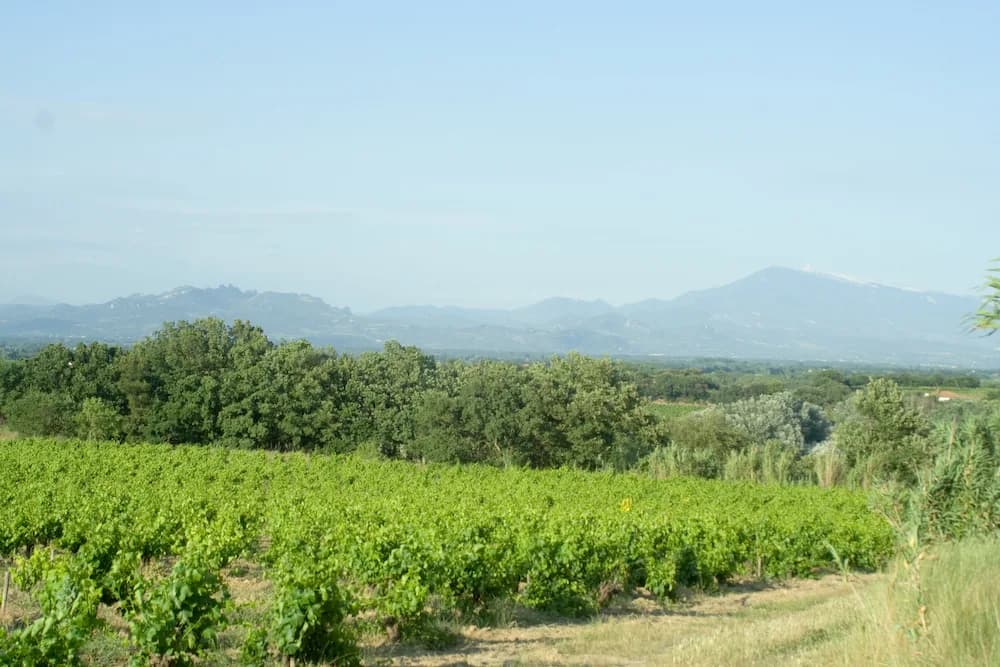
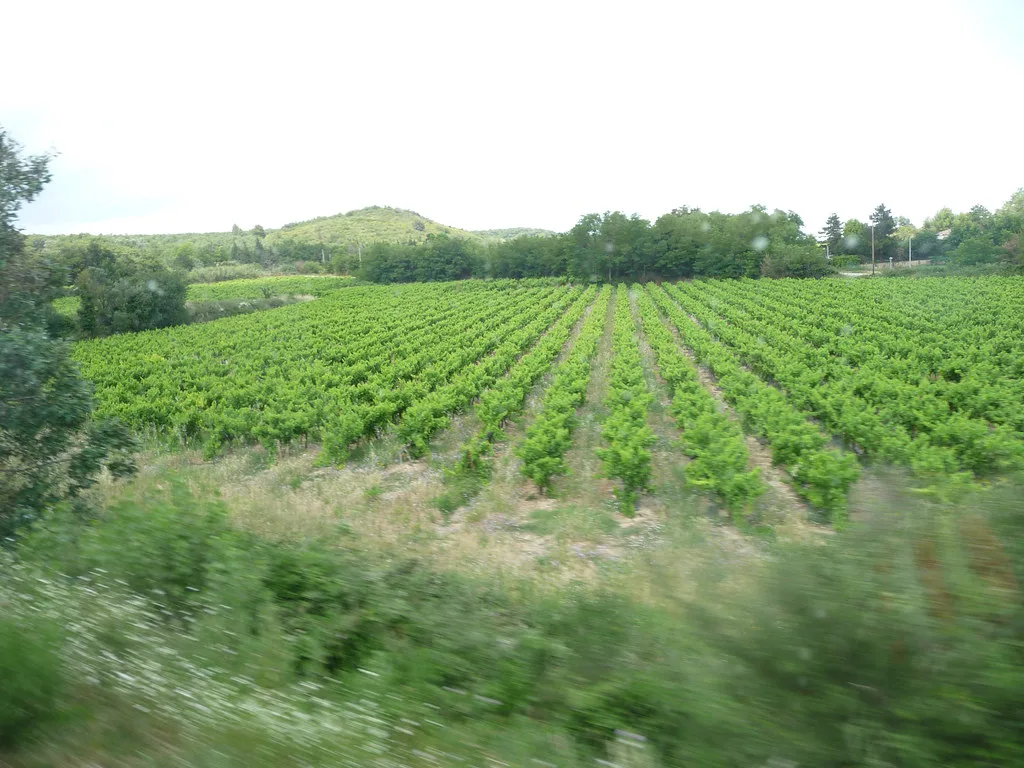
The landscape explains the wine style: the plain is covered in large rounded stones, galets roulés, that store daytime heat and release it overnight, and the Mistral wind dries the canopy. Expect concentrated, structured reds rather than delicate ones, and plan food around that weight.
The Village Itself
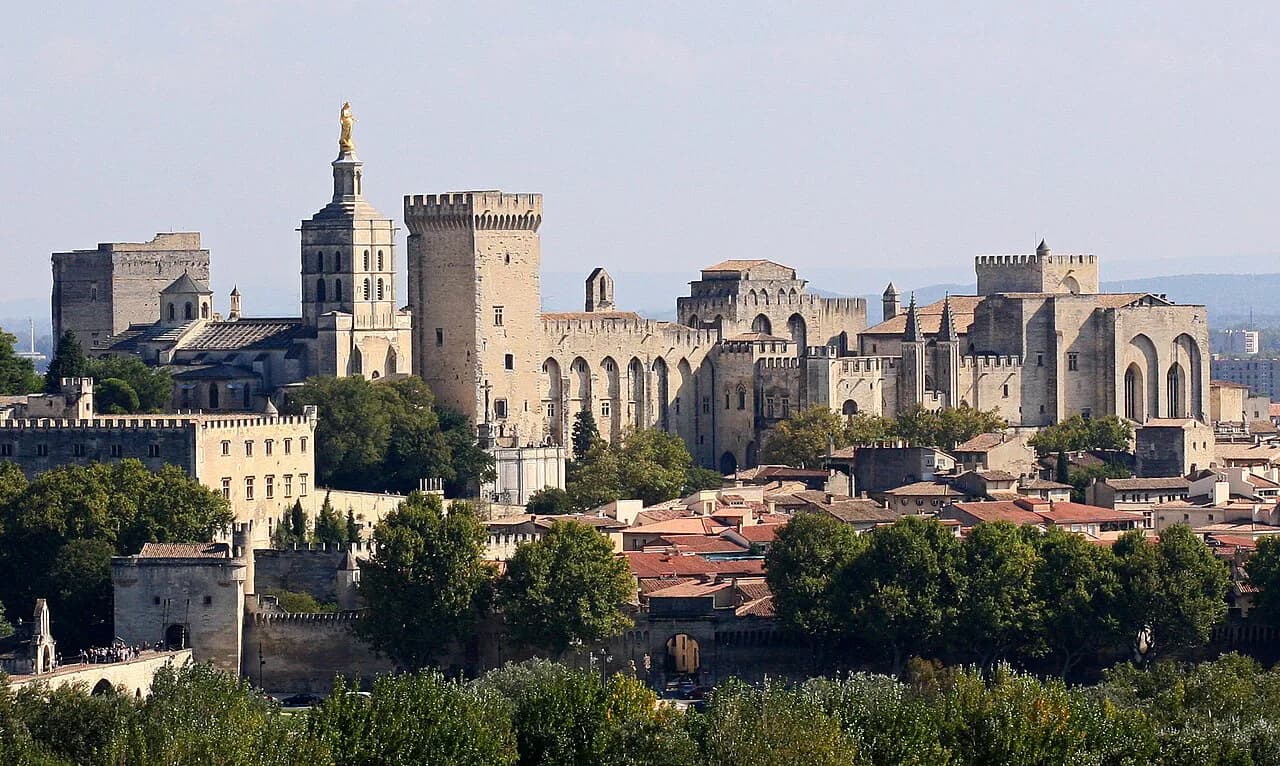
The village sits on a low rise with the ruined papal castle tower as its landmark, and the vineyards spread across the plain below. That layout matters practically: the caveaux cluster in the streets around the castle, while the estates that receive visitors are scattered along the surrounding roads.
Use the castle as your orientation point and the village as your first stop rather than your last. Arriving in the morning lets you park or be dropped before the tasting rooms fill, walk the village on foot, and then head out to estate appointments in the afternoon.
The papal connection is genuine history rather than marketing. The popes moved to Avignon in the fourteenth century and the name means the pope's new castle; growers here also claim an early role in France's appellation system, which became a template for protected wine names elsewhere.
Village Caveaux vs. Estate Visits
The simplest split in Châteauneuf-du-Pape is between cooperative or négociant tasting rooms in the village, which often accept walk-ins, and individual domaines, which mostly work by appointment. Village caveaux suit a first visit or a short stop: you taste a range from several estates in one room and can buy bottles on the spot.
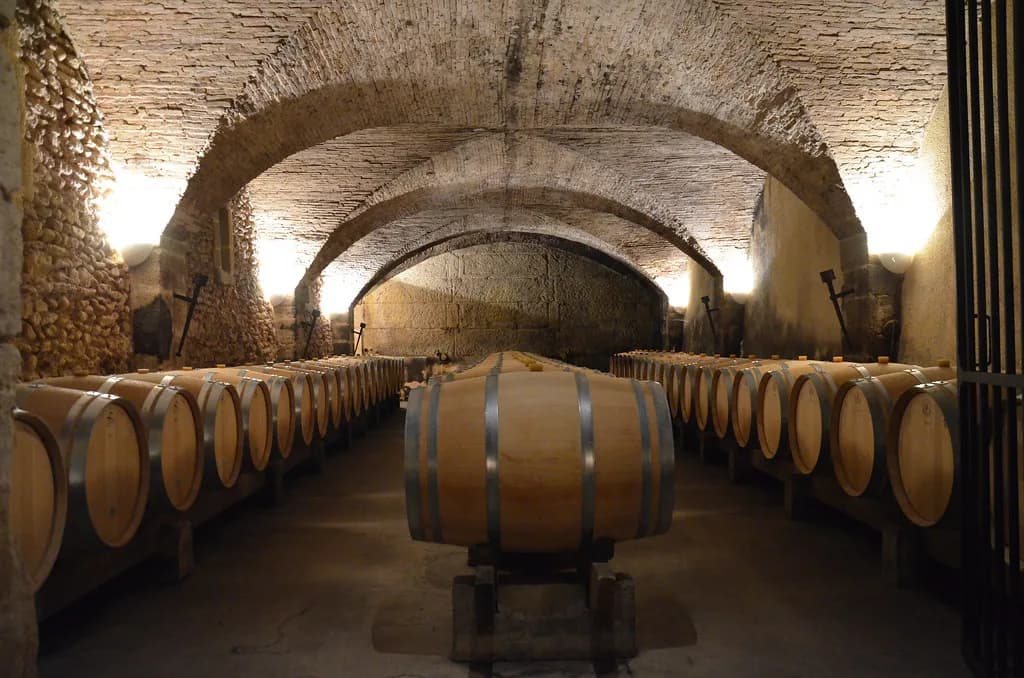
Estate visits give you the cellar, the barrels and often a family member pouring, but they are usually booked in advance and can be firm about arrival times. If your trip is short, put one village tasting room on the schedule and spend your booking effort on a single estate you genuinely want to see.
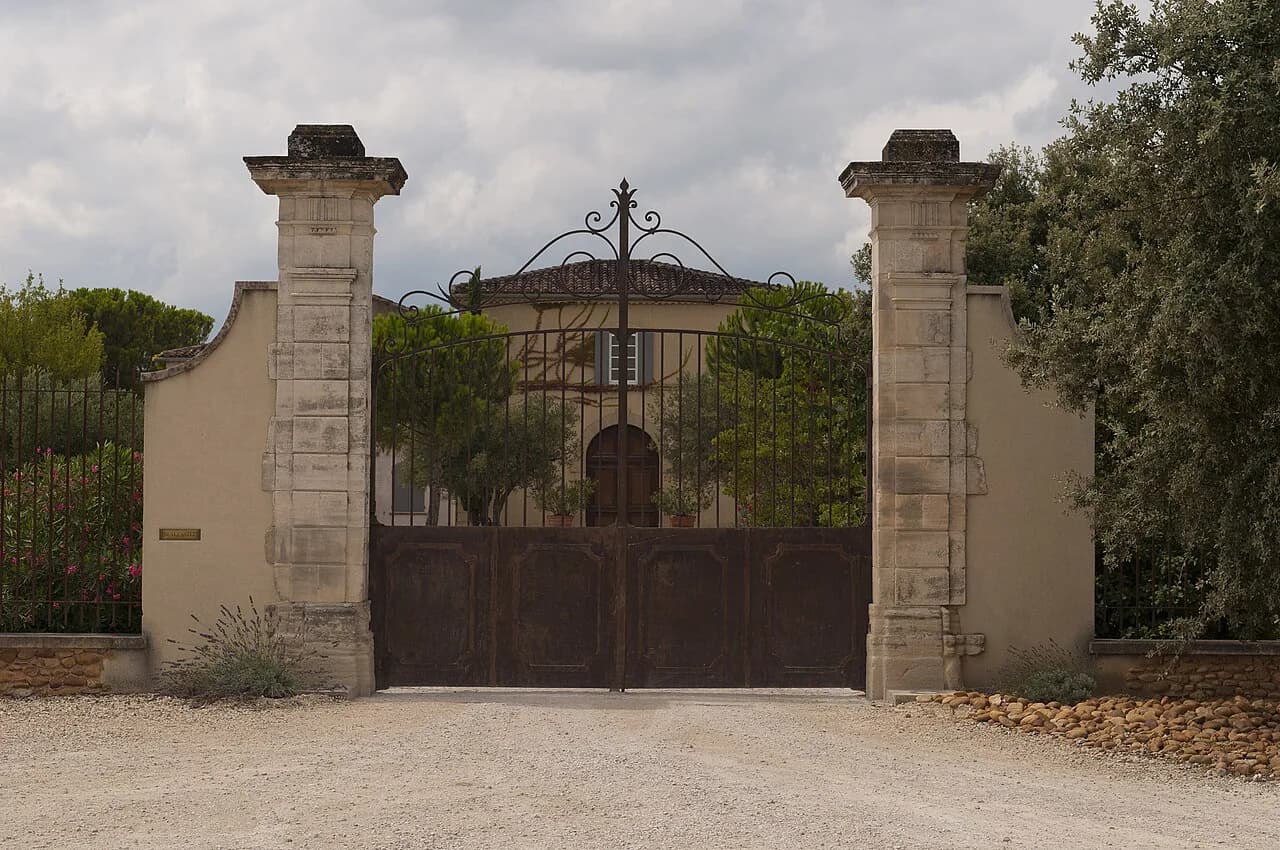
Les Caves Saint Charles and Château de la Gardine are the two visitor-facing names that come up most often in traveler listings for the village area, and both are reasonable anchors for a first day. Château de la Gardine in particular attracts consistent reviews from visitors, which suggests a well-organized visit rather than a chance encounter.
For a broader shortlist of cellars and estates around the city, avignon wineries covers options beyond Châteauneuf, including the surrounding Côtes du Rhône villages.
How to Book an Estate Visit
Most domaines take bookings by email or through a form on their own site, and some prefer a phone call once you are in France. Write in English or French, give your date, arrival time and party size, and ask directly whether the visit includes a cellar walk-through or is purely a seated tasting. Small properties often have a minimum party for tours.
Ask two things before you commit: which wines will be poured, and whether a tasting fee is deducted from a purchase. Neither is standardized in the appellation, so one estate may charge a flat fee and another may waive it against a case. Confirm the fee in writing when you book, since it is quoted per person and per formula.
If you want the region handled for you, avignon wine tours removes the appointment work and the driving, usually pairing Châteauneuf with one or two nearby appellations in a single day. The trade-off is less time at any one property and a fixed itinerary.
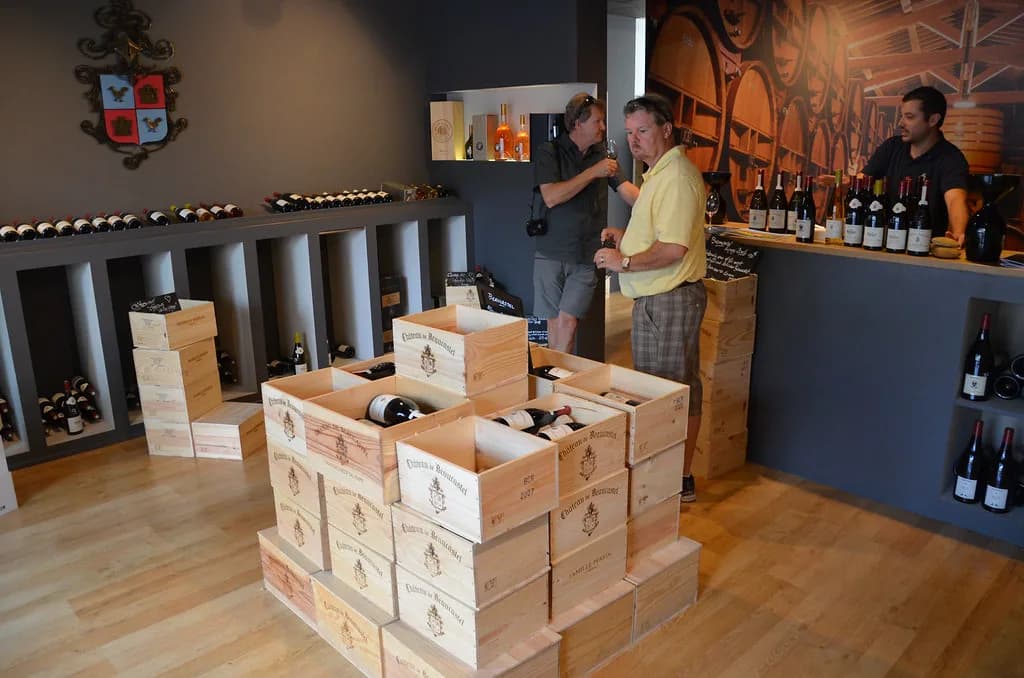
Independent travelers booking directly should also ask about language: many estate visits are conducted in French with English explanations available, and not every cellar has a fluent English-speaking host on every day. For a deeper look at one well-known estate in the same appellation, see Château de Beaucastel, which is visited by appointment and is not a walk-in stop.
Getting There Without Driving
The nearest rail station is Sorgues-Châteauneuf-du-Pape, on the line from Avignon, and regional trains run the corridor regularly. From the station the village is a few kilometers away, so you will need a taxi, a bike or a lift for the last stretch; the station is not in the village center.
Taxis in this part of Vaucluse are limited, and pre-booking a return trip is more reliable than hoping to find one at the station, especially on Sundays and in the evening. A bike lets you cover the plain and the village at your own pace, but the roads are shared with traffic and the Mistral can make riding harder than the flat terrain suggests.
A guided tour from Avignon is the low-friction option: transport, appointments and a driver are included, and you can taste without worrying about the wheel. Rhône Valley Wine Tours lists operators covering this ground, and the same logic applies whether you join a group or book a private car.
Whichever mode you choose, someone has to stay sober. Spittoons are standard in tasting rooms and using them is normal rather than rude; a designated driver, a tour or public transport covers the rest.
Grouping Your Stops
A sensible structure is village tasting rooms first, while you are fresh, then one or two outlying estates in the afternoon. The village caveaux are within walking distance of each other, so you waste no time moving between them; the estates need a car or a driver, and the drives add up on the plain.
Leave at least thirty minutes of buffer between appointments. Estate visits run on their own clock, tastings often last longer than expected once conversation starts, and arriving late at a small family domaine can mean a shortened visit or none at all.
If you are building a multi-day plan around the city, the wineries page groups properties by how reachable they are from Avignon, which helps you avoid zigzagging across the region.
Harvest and Season
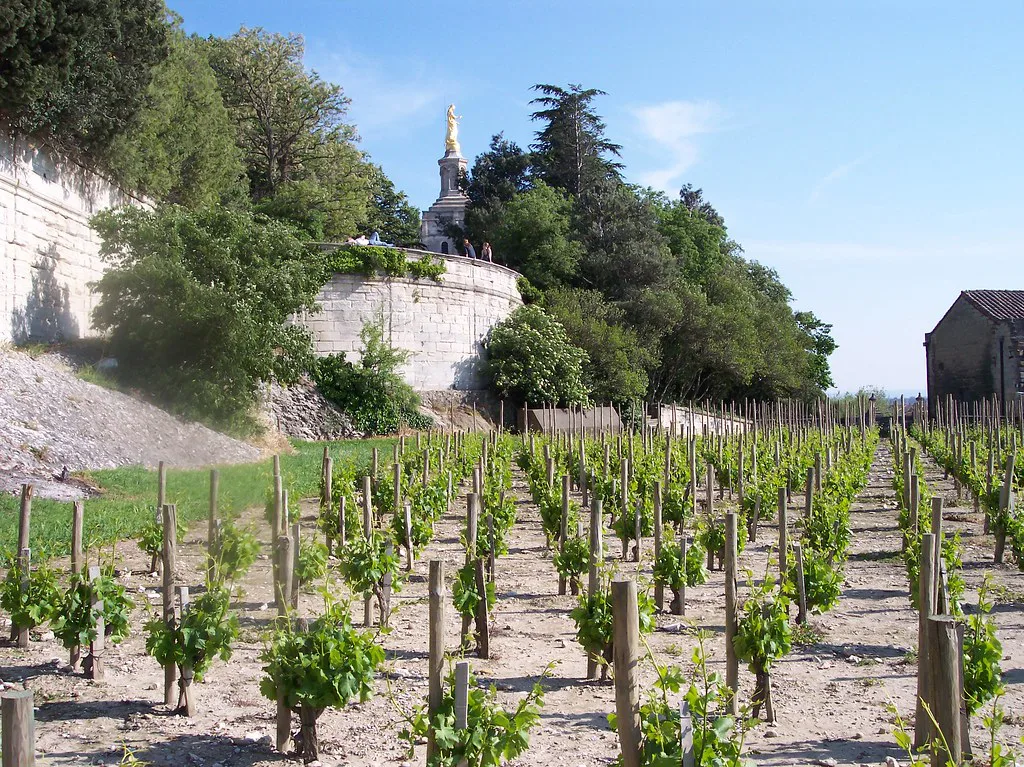
Harvest in this warm, dry appellation generally falls in September, and in the weeks around it the vineyards are busy, the roads carry tractors and cellar staff are stretched. Late summer visits look dramatic, with ripe fruit and picking crews, but appointment availability is tighter and some estates close their doors to visitors until the work is done.
Outside harvest, late spring and early autumn are the most comfortable times to taste: the plain is hot in midsummer and shaded cellars are a relief, but walking between village tasting rooms in July is punishing. Outside the main season, opening days narrow and some tasting rooms shut for part of the winter, so confirm your dates when you book.
Prices and Practicalities
Tasting fees, bottle prices and shipping arrangements are set property by property and change with the vintage, so no single figure holds across the appellation. Treat published bottle prices in wine shops as a guide to what the wines cost, not to what a visit costs, and ask for the fee schedule when you book.
Buying at the cellar is often the point of the visit, and many estates will deduct part or all of a tasting fee against a purchase. Ask about shipping before you fall for a case: exporting wine from France to the US involves paperwork, duty and a carrier, and small domaines sometimes leave that to specialist shippers.
Plan Your Day
The strongest Châteauneuf-du-Pape day from Avignon is a simple one: a morning in the village tasting rooms around the castle, one booked estate visit in the afternoon, and a pre-arranged way back. Book the estate first, then build the rest of the day around its fixed time.
Check current opening days, tasting fees and whether your chosen property takes walk-ins directly with the property before you travel, since these details change with the season. With transport and one appointment secured, the appellation's scale stops being a problem and starts being the reason to come.
Frequently Asked Questions
Do Châteauneuf-du-Pape wineries take walk-ins?
Village tasting rooms and caveaux often accept visitors without a booking, while individual estates generally expect an appointment made by email or phone in advance. For a reliable day, book one estate visit ahead and leave the village rooms flexible.
Can I reach Châteauneuf-du-Pape from Avignon without a car?
Regional trains stop at Sorgues-Châteauneuf-du-Pape, a few kilometers from the village, so you still need a taxi, bike or lift for the final stretch. Pre-booking a return taxi is more dependable than finding one on arrival, and a guided tour from Avignon removes the problem entirely.
What wines are poured in Châteauneuf-du-Pape tastings?
Most visits focus on Grenache-led reds, often blended with Syrah and Mourvèdre, plus a white based on Grenache Blanc, Clairette, Bourboulenc and Roussanne if the property makes one. Ask which wines are open when you book, since what is poured varies by estate.
How long does a winery visit take?
A village tasting room stop can take half an hour, while an estate visit with a cellar walk-through usually runs longer and is worth scheduling with buffer time. Properties set their own formats, so ask for the expected duration when you make the appointment.
When is the best time to visit Châteauneuf-du-Pape wineries?
Late spring and early autumn are the most comfortable, since midsummer heat on the vineyard plain is intense. September harvest is dramatic but cellars are busiest and visitor availability tightens, so confirm dates before planning around it.
Does a Châteauneuf-du-Pape tasting fee apply?
Fees are set by each property and are often deducted in part or in full against a purchase, so there is no appellation-wide rule. Ask for the fee schedule per person when you book, and confirm how it applies to bottles you buy.
Can I ship wine home from the estate?
Some domaines arrange shipping and others leave export to specialist carriers, so raise the question at the counter rather than assuming it is possible. Ask about paperwork and delivery timing for your country before you buy a case.
What should a driver do at tastings?
The driver should not taste. Use the spittoons provided, choose a designated driver who abstains, or travel by train, taxi or guided tour so that nobody has to choose between drinking and driving.
Sources
Notes for your next wine trip
Optional updates to our winery and wine-town guides.
You might also like
Continue reading
More guides you'll find useful